


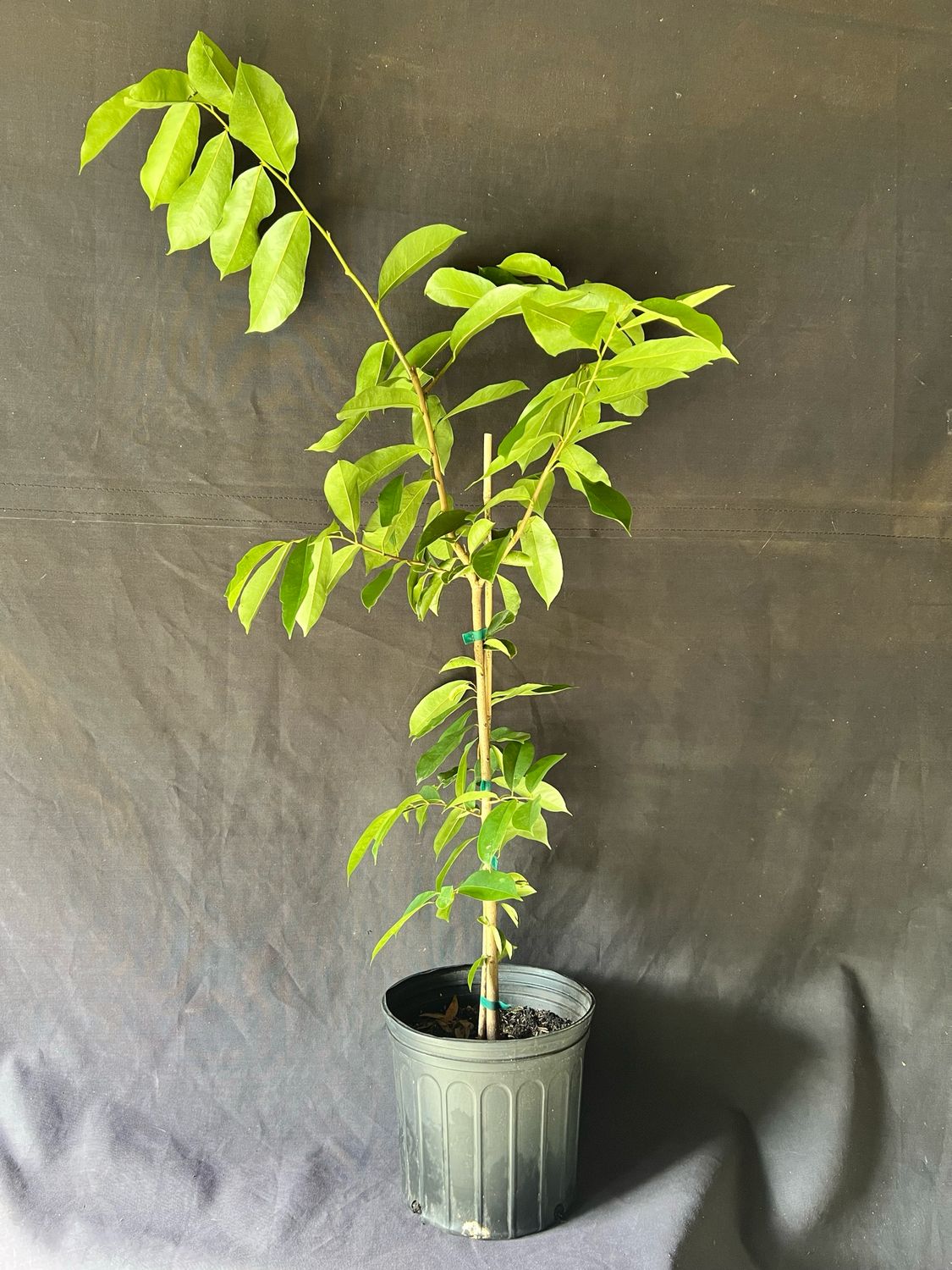
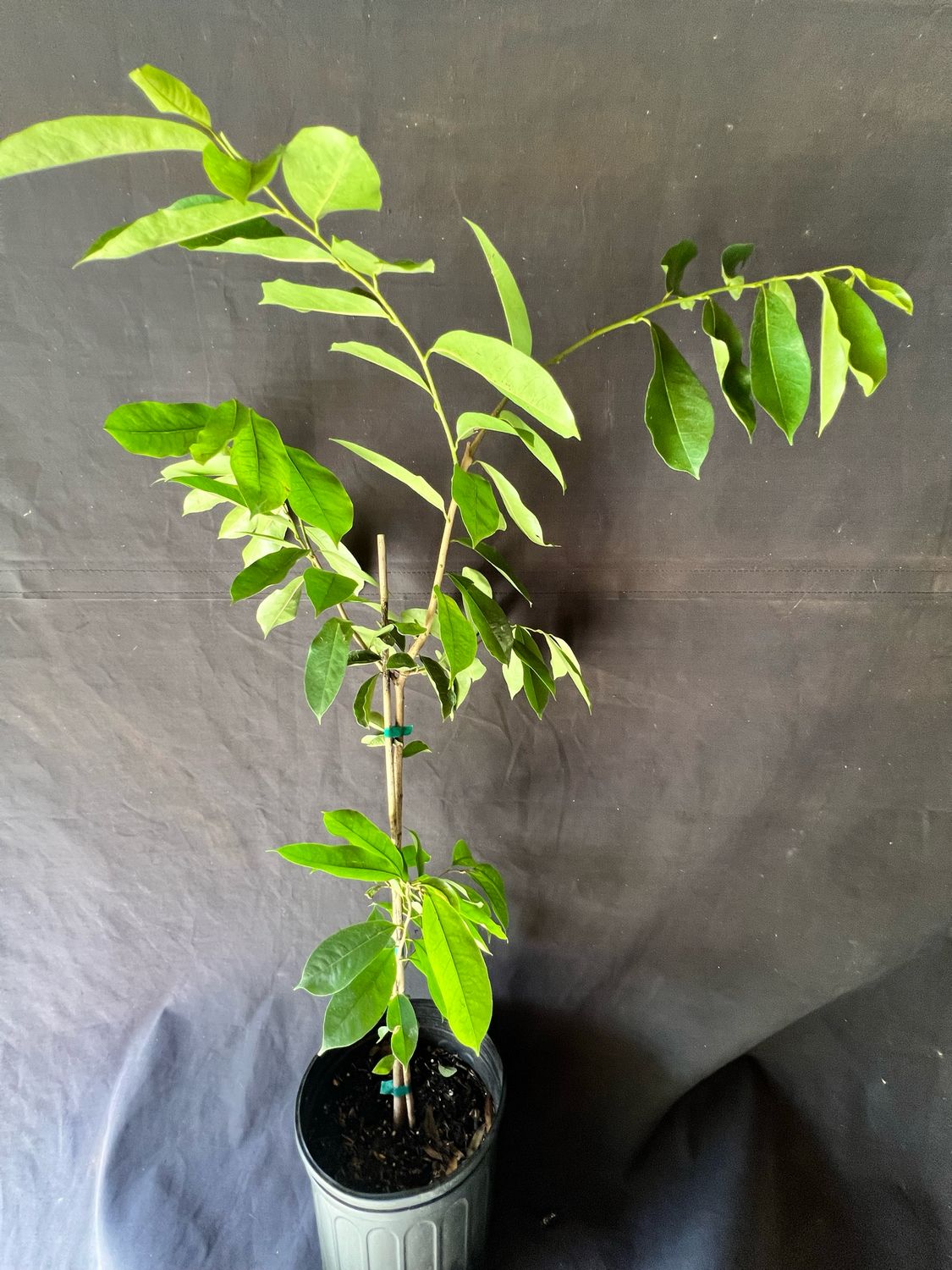
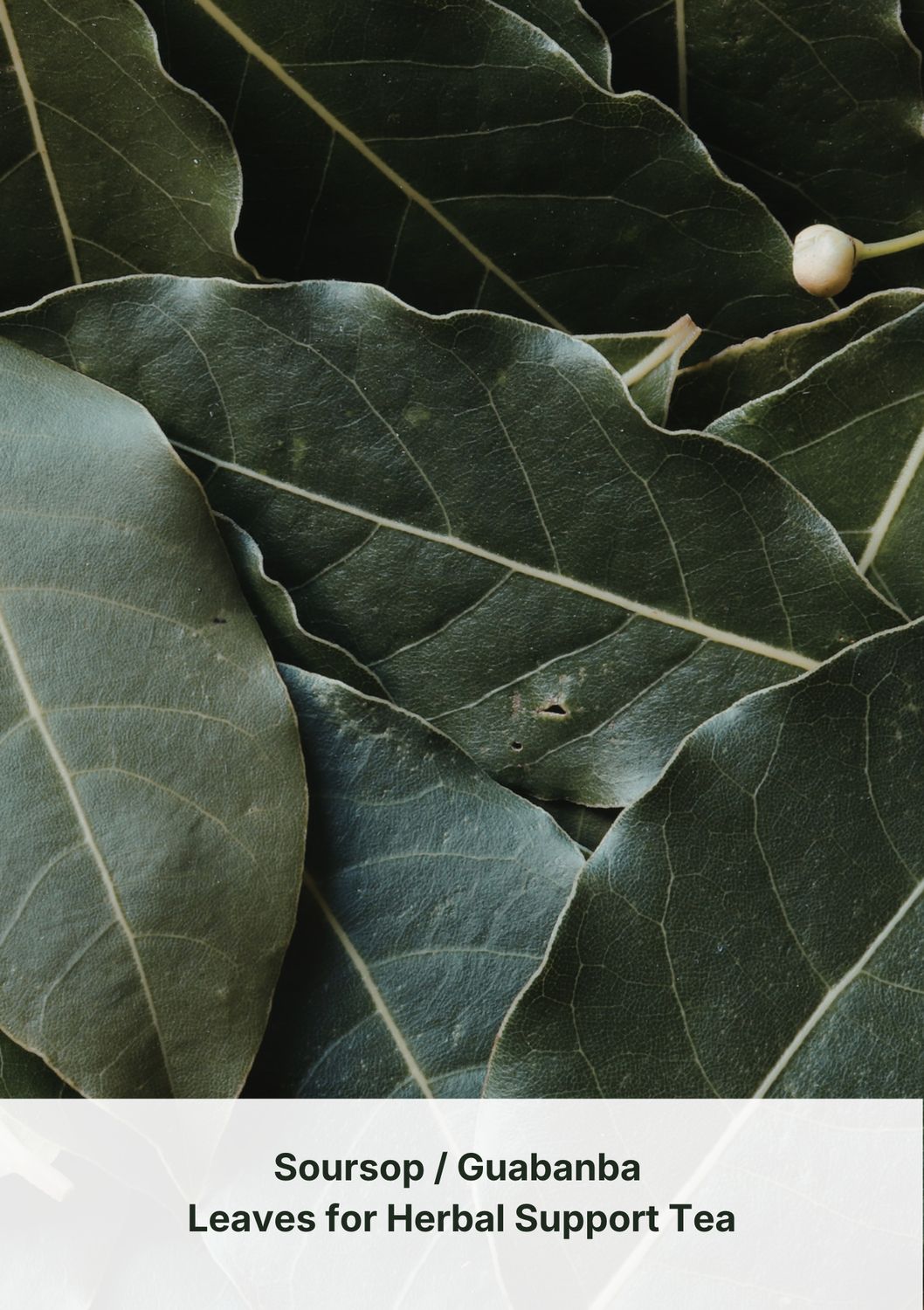
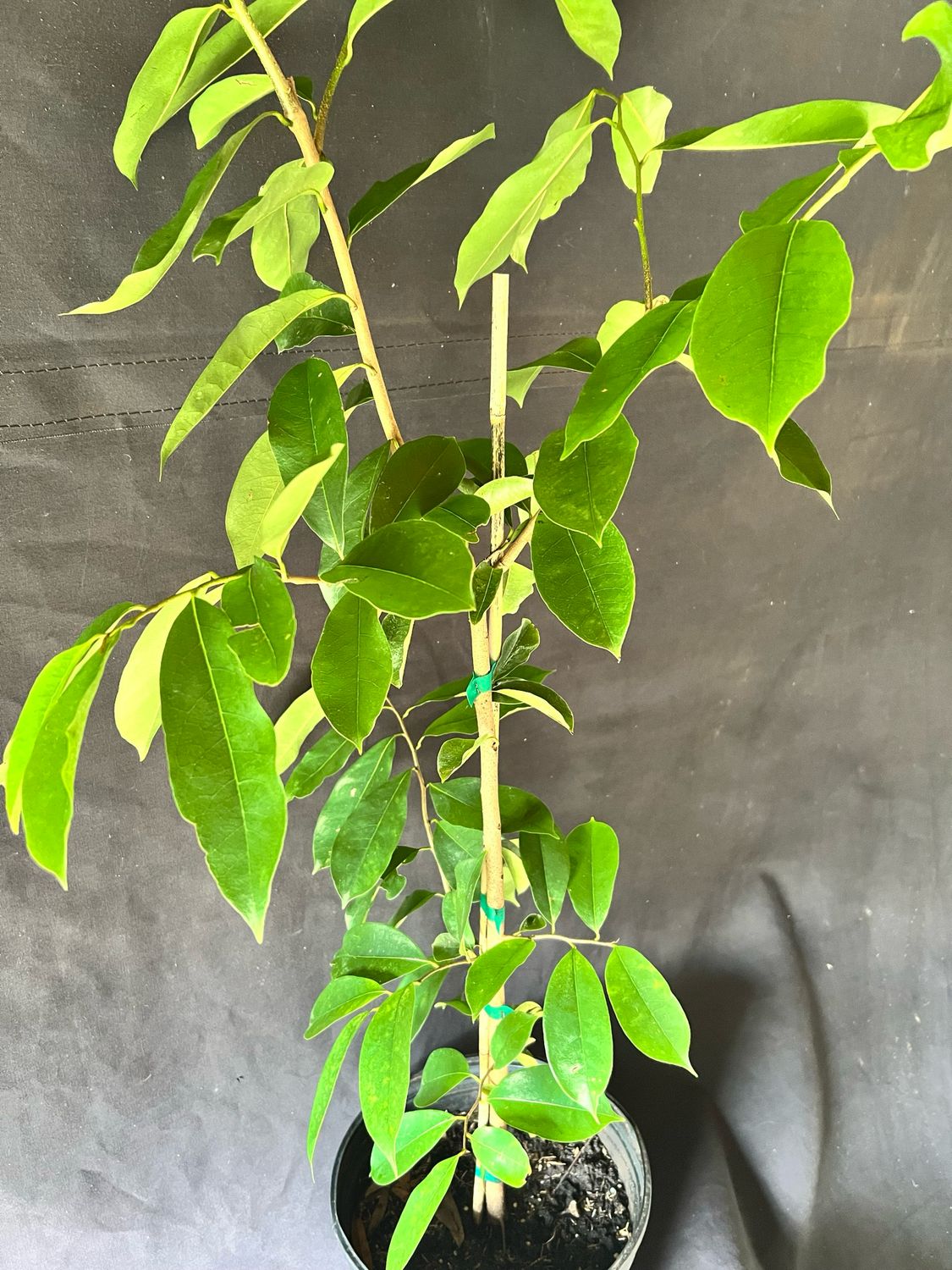
🌿 Soursop / Guanabana Tree (Annona muricata) — 3-Gallon Tropical Fruit Tree
One of the world's most extraordinary tropical fruits, now available at GreenDreams in a substantial 3-gallon nursery container!
Imagine a fruit that tastes like a tropical mashup of pineapple, strawberry, citrus, and creamy custard. Meet Soursop (Annona muricata), also known as Guanabana or Graviola—a legendary tropical fruit tree celebrated for its incredibly complex flavor, lush evergreen foliage, and fascinating botanical history.
We're excited to introduce this extraordinary species to our GreenDreams collection for the very first time!
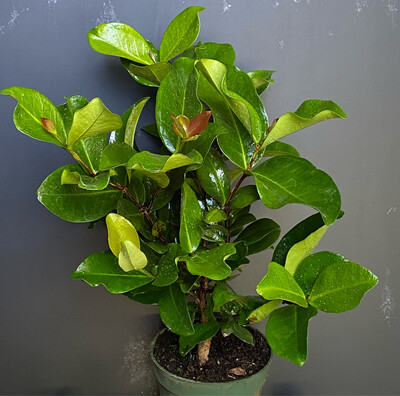
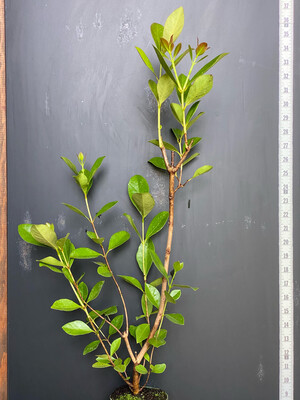
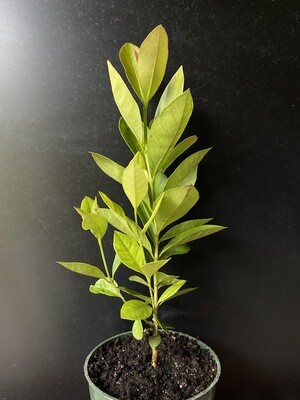
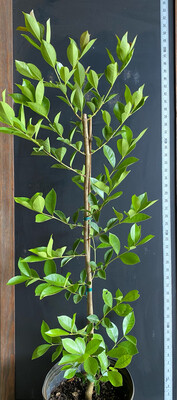
Our 3-gallon Soursop trees offer customers a more substantial nursery-grown specimen than smaller starter plants, with greater root-zone volume and moisture reserves. They're an exciting choice for tropical fruit enthusiasts, collectors of uncommon edible species, and gardeners interested in growing something truly different.
🌴 Important for Florida Growers: Soursop is an exceptionally frost-sensitive tropical tree. Here in Central Florida's USDA Zone 9, we recommend growing it in a container so it can be moved into a heated greenhouse or warm indoor location during cold weather. Outdoor fruit production is not expected in our region. Growers in consistently frost-free tropical climates, particularly the Florida Keys, have much better prospects for harvesting fruit.
For everyone else? Consider it a fascinating tropical botanical novelty with gorgeous foliage, a rich cultural history, and one unforgettable fruit story!
🌿 Soursop Tree Quick Facts
| Growing Feature | Details |
|---|---|
| Botanical Name | Annona muricata L. |
| Common Names | Soursop, Guanabana, Graviola, Guyabano |
| Plant Family | Annonaceae (Custard Apple family) |
| Sale Size | 3-Gallon Nursery Container |
| Estimated Plant Age | Varies by propagation method and nursery growing conditions; container size alone does not establish age |
| Plant Type | Tropical broadleaf evergreen fruit tree |
| Mature Height | Approximately 15–30 feet in tropical conditions |
| Mature Width | Approximately 10–20 feet |
| Pruned Height | Approximately 8–12 feet in tropical landscapes; potentially smaller in managed containers |
| USDA Growing Zones | Best outdoors in frost-free Zone 11+; protected growing in colder zones |
| Sun Requirements | Full sun with gradual acclimation for young plants |
| Cold Tolerance | Extremely frost-sensitive |
| Ideal Growing Temperatures | Approximately 68–86°F |
| Growth Habit | Upright to spreading tropical tree with an open canopy |
| Soil | Fertile, organic-rich, well-draining |
| Water Requirements | Consistent moisture without waterlogged roots |
| Wind Tolerance | Prefers sheltered growing locations |
| Salt Tolerance | Low; avoid salt spray and saline conditions |
| Landscape Spacing | Approximately 15–20 feet or more where outdoor planting is suitable |
| Fruiting Potential in Central Florida | Not expected outdoors |
| Container Growing | Highly recommended for Zone 9 and colder climates |
| Indoor Growing | Possible with sufficient warmth and strong supplemental lighting |
🍈 What Makes Soursop So Special?
Soursop is one of those fruits that almost sounds made up until you experience it.
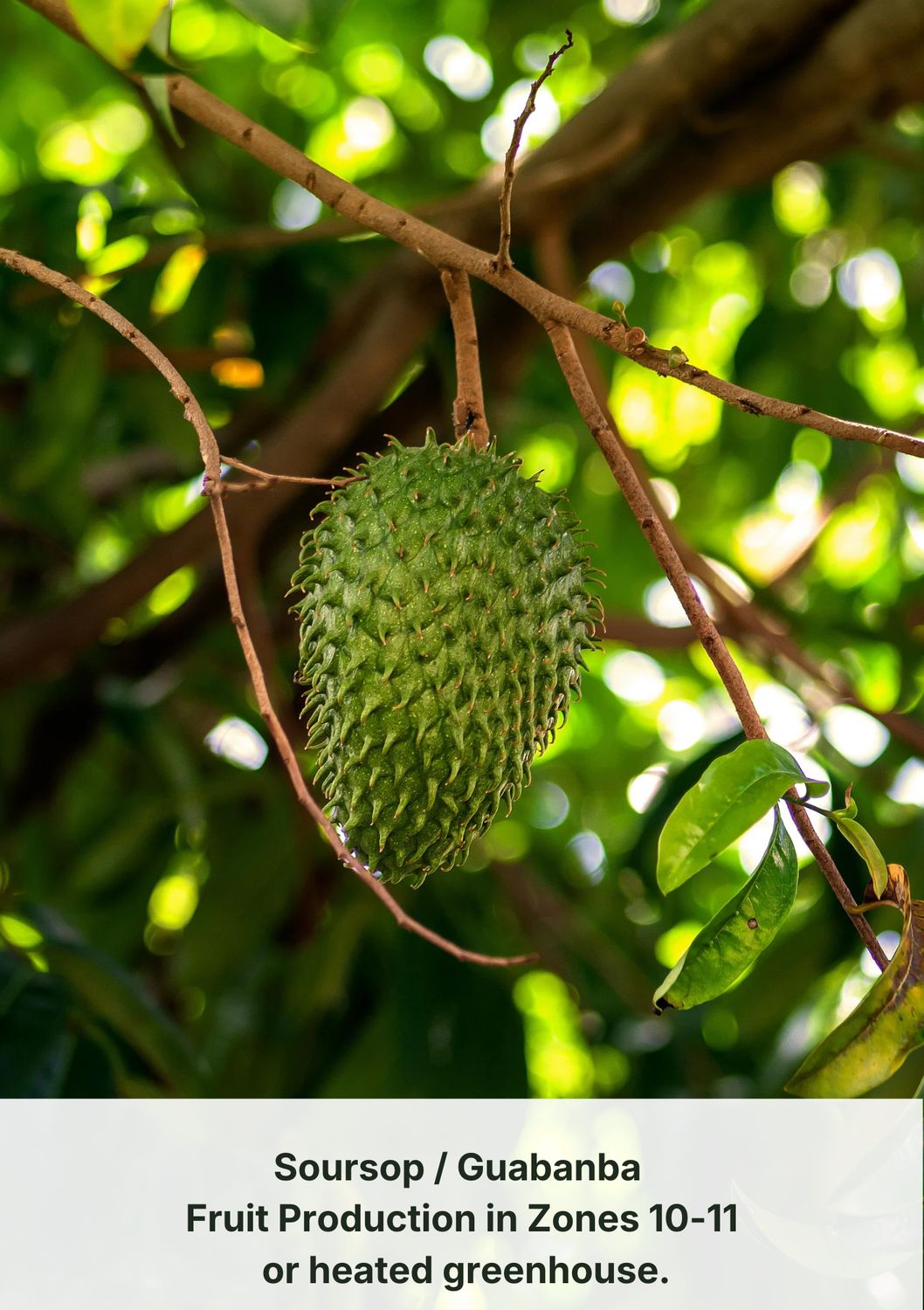
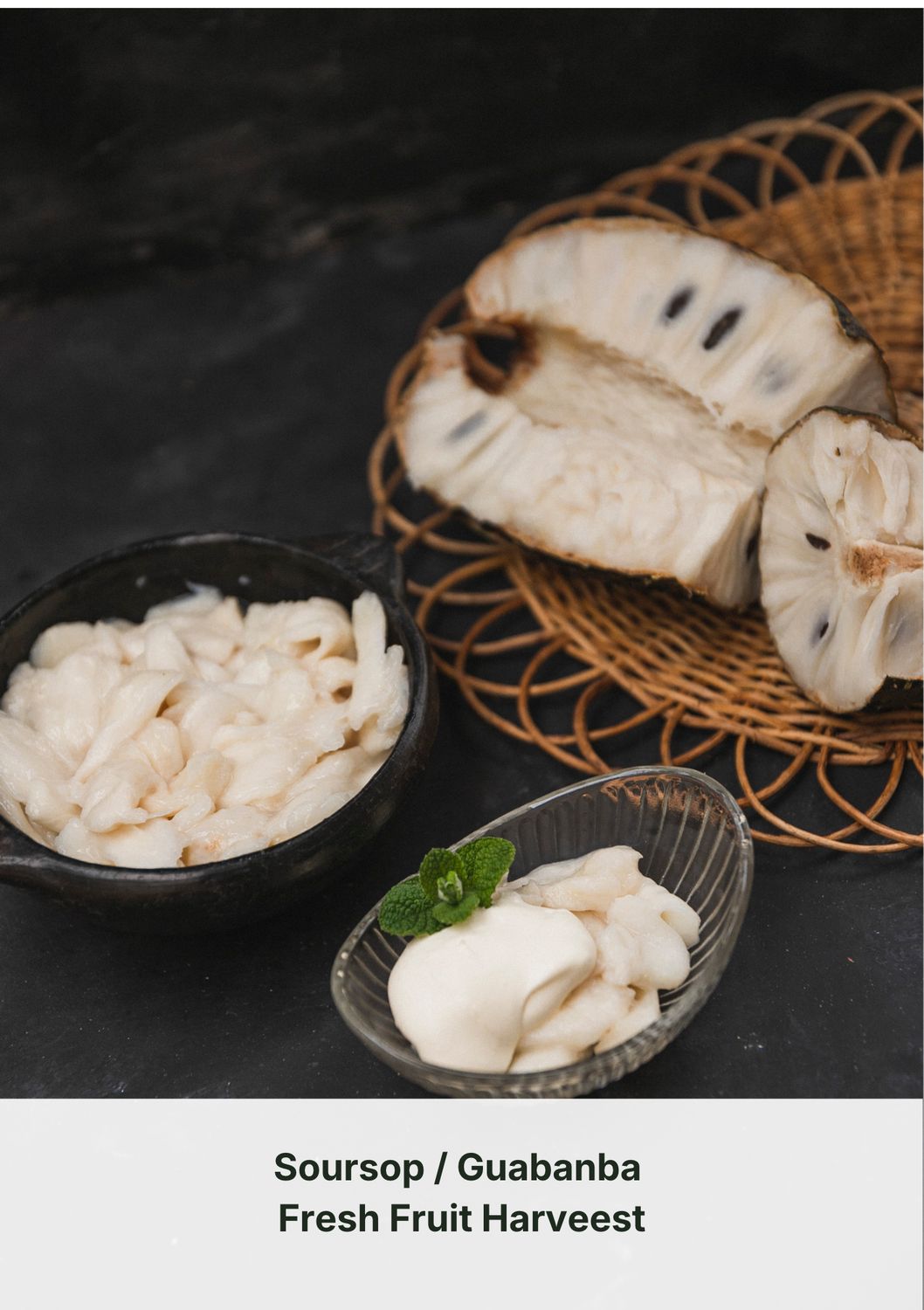
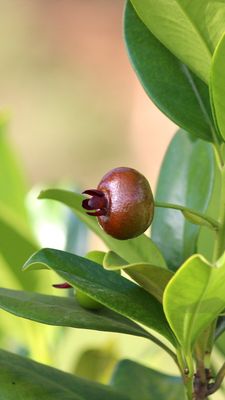
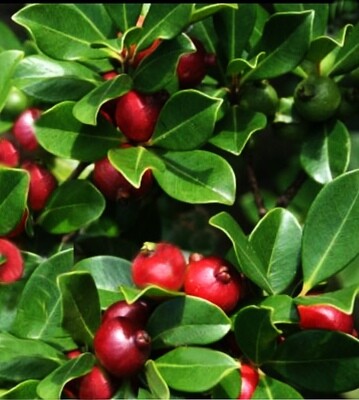
Its large, irregularly shaped green fruit is covered in soft, flexible spine-like projections. Cut it open and you'll find creamy white flesh surrounding glossy dark seeds.
But the real magic is in the flavor.
Unlike many sweet tropical fruits, Guanabana has a remarkable balance of sweetness and acidity. Its flavor can remind you of several different fruits at once, making it one of the most complex tropical fruit experiences available.
🍍 Soursop Fruit Flavor Profile
| Characteristic | Description |
|---|---|
| Flavor | Sweet-tart with notes of pineapple, strawberry, citrus, and tropical custard |
| Texture | Creamy, juicy, soft, and slightly fibrous |
| Flesh Color | White to off-white |
| Skin Color | Green |
| Skin Texture | Leathery with soft, flexible spine-like projections |
| Fruit Size | Commonly 2–5 pounds, sometimes substantially larger |
| Aroma | Fragrant, fruity, and distinctly tropical |
| Edible Portion | Ripe pulp after removing seeds and peel |
| Best Uses | Smoothies, juices, sorbets, ice cream, frozen desserts, and fresh fruit |
🌿 GreenDreams Tip: Want to know what all the excitement is about before trying to grow it? Visit a local Asian, Caribbean, or Latin American fruit market and look for fresh Guanabana or frozen Soursop pulp.
There's a reason this fruit has developed such a devoted following!
🌎 From the Tropical Americas to the World
Soursop belongs to the Annona genus, which includes other tropical favorites like Sugar Apple, Cherimoya, and Atemoya.
Its history is deeply connected to the tropical Americas and Caribbean, where the fruit has been appreciated for generations. The name Guanabana reflects its Caribbean linguistic heritage, while Soursop describes the fruit's distinctive combination of sweetness and acidity.
Today, the species is cultivated throughout Central and South America, the Caribbean, Southeast Asia, and many other tropical regions.
In the Philippines, it is commonly called Guyabano. In Brazil, it is known as Graviola. Across Spanish-speaking tropical regions, Guanábana remains a familiar name.
Although the fruit travels under many names, its reputation stays the same: incredible flavor, creamy texture, and a refreshingly tropical character.
🍹 How to Enjoy Soursop Fruit
Fresh Soursop is a culinary treasure, but it is also highly perishable. This is one reason processed pulp, juices, and frozen products are popular throughout tropical regions.
Popular Culinary Uses
- Fresh Fruit: Scoop out the ripe pulp, carefully remove all seeds, and enjoy chilled.
- Guanabana Juice: Blend deseeded pulp with water or milk and sweeten to taste.
- Tropical Smoothies: Combine with coconut milk, pineapple, mango, or banana.
- Soursop Ice Cream: The creamy flesh creates a naturally rich dessert.
- Sorbet & Popsicles: The fruit's bright acidity makes refreshing frozen treats.
- Tropical Desserts: Use deseeded pulp in custards, dessert fillings, and chilled fruit preparations.
- Frozen Fruit Pulp: Preserve prepared pulp for future smoothies and recipes.
🥥 Simple Guanabana Smoothie
Ingredients
- 1 cup ripe Soursop pulp, completely deseeded
- ¾ cup coconut milk
- ½ cup ice
- Honey or your preferred sweetener, if desired
Directions
Blend all ingredients until smooth. Adjust the liquid according to your preferred consistency and enjoy immediately.
Important: Never blend or consume Soursop seeds. Remove them completely before processing the pulp.
🍃 Soursop Leaves & Traditional Herbal History
Soursop has a long history of traditional botanical use beyond its fruit.
In various Caribbean, Latin American, and Southeast Asian traditions, the leaves have been prepared as herbal infusions and incorporated into traditional wellness practices.
For Central Florida growers, where fruiting is not expected, the foliage and its cultural history may be part of the plant's appeal.
However, traditional use does not establish that Soursop leaf tea is safe or medically effective.
Soursop contains biologically active compounds, including annonaceous acetogenins. Certain compounds have raised scientific concerns regarding potential neurological effects, particularly with repeated exposure.
There is no established safe medicinal dose for Soursop leaf tea, and clinical evidence does not establish it as a treatment for cancer or other diseases.
We encourage growers to appreciate Soursop primarily as a tropical botanical specimen and to consult a qualified healthcare professional before considering internal herbal use.
🌸 Soursop Flowers, Pollination & Fruiting
Soursop produces unusual yellow-green flowers with thick, fleshy petals. These flowers may develop along branches and older portions of the tree.
Like other members of the Custard Apple family, Soursop flowers have a fascinating reproductive cycle.
The female and male reproductive structures mature at different times, which can make natural pollination less dependable.
What Helps Soursop Produce Fruit?
- Consistently warm, frost-free temperatures
- Strong sunlight and healthy vegetative growth
- A sufficiently mature and established tree
- Even soil moisture
- Balanced nutrition
- Protection from strong winds and temperature stress
- Successful pollination, including hand pollination when appropriate
A single Soursop tree can potentially produce fruit, although successful pollination is not guaranteed.
🌴 Will Soursop Fruit in Florida?
This is one of the most important questions we want our customers to understand before purchasing.
At GreenDreams, our firsthand experience with Soursop fruit production has been in the Florida Keys, where the climate offers significantly warmer winter conditions than Central Florida.
Although fruiting has also been documented in other favorable South Florida microclimates, we do not expect Soursop to fruit outdoors in our Zone 9 growing region.
| Growing Region | Realistic Fruiting Expectations |
|---|---|
| Florida Keys | Excellent outdoor prospects in suitable frost-free locations |
| Miami-Dade & Tropical South Florida | Possible in protected, consistently warm microclimates |
| Central Florida / Zone 9 | Outdoor fruiting not expected |
| North Florida | Heated greenhouse cultivation recommended |
| Texas Gulf Coast | Winter protection essential; outdoor fruiting unreliable |
| Southeastern US / Zones 8–9 | Protected container or heated greenhouse specimen |
| Northern & Western US | Heated greenhouse cultivation; production possible under specialized conditions |
Can Soursop fruit in a heated greenhouse?
Potentially! Growers outside Zone 11 who can provide consistent tropical temperatures, adequate sunlight or supplemental lighting, sufficient root space, and successful pollination may be able to produce fruit.
However, growing a mature fruiting Soursop in a greenhouse requires more space and management than simply overwintering a small container tree.
🍈 Harvest Season
In suitable tropical climates, Soursop harvest timing varies with local rainfall, temperatures, and growing conditions.
In South Florida, harvesting is generally associated with warmer months, although exceptionally favorable climates may support extended or irregular production.
Seed-grown trees may begin fruiting after approximately 3–5 years under optimal tropical conditions. This is not a guarantee of fruiting age for the 3-gallon trees sold by GreenDreams.
🌱 Why Grow Soursop?
Even if your climate doesn't support fruit production, Soursop offers several interesting benefits.
🌿 Botanical Diversity: Introduce an uncommon tropical fruit species into your plant collection.
🍈 Extraordinary Fruit Potential: For growers in suitable climates, Soursop produces one of the most distinctive culinary fruits in the tropical world.
🪴 Container Gardening: Grow as a tropical specimen outdoors in warm weather and relocate during winter.
🌳 Ornamental Appeal: Enjoy glossy green leaves, attractive branching, and an unusual tropical growth habit.
🌎 Cultural Significance: Explore a fruit with a rich culinary and botanical history across several continents.
🌸 Educational Value: Observe unusual tropical flowers and learn about specialized pollination mechanisms.
☀️ How to Grow Soursop Successfully
Soursop thrives under warm, humid tropical conditions with good soil drainage.
Unlike more cold-tolerant members of the Annona family, Soursop is exceptionally sensitive to frost and prolonged cool weather.
Ideal Growing Conditions
| Growing Factor | Recommendation |
|---|---|
| Sunlight | Full sun in suitable tropical climates |
| Ideal Temperature | Approximately 68–86°F |
| Winter Protection | Protect before temperatures approach 50°F for extended periods |
| Soil | Fertile, well-draining, organic-rich |
| Preferred pH | Approximately 5.5–6.5 |
| Moisture | Evenly moist without saturation |
| Humidity | Moderate to high with good airflow |
| Wind | Protected location |
| Frost | Avoid all frost exposure |
GreenDreams Growing Tip: For young container-grown Soursop, gradually increase sun exposure following shipment or indoor overwintering. Sudden exposure to intense Florida sunlight can damage foliage that has acclimated to shade.
🪴 Growing Your 3-Gallon Soursop in a Container
For Central Florida and most growing regions outside the tropics, container growing is the most practical approach.
Our Soursop trees are sold in 3-gallon nursery containers, providing a more developed growing environment than small starter pots.
Why Start With a 3-Gallon Tree?
- Greater root-zone volume than 4-inch or 1-gallon plants
- More growing medium to retain moisture between watering
- A more substantial nursery specimen
- Room for continued growth before the next container upgrade, depending on root development
- A practical size for growers planning to move the plant into winter shelter
A 3-gallon container does not necessarily indicate that the tree is mature or approaching fruiting age. Plant maturity depends on propagation method, growing conditions, and individual development.
When Should You Transplant?
Do not transplant immediately after receiving your plant.
At GreenDreams, we recommend leaving newly delivered plants in their original nursery containers for approximately 30 days or until healthy new growth appears.
This allows the plant to recover from transportation and environmental changes before introducing additional root disturbance.
When the root system begins becoming crowded, consider upgrading your Soursop to a 5–7-gallon container.
Eventually, larger trees may require 10–15-gallon containers or larger, depending on your goals and available growing space.
How to Upgrade Your Soursop Container
- Choose a container one practical size larger than the existing 3-gallon pot.
- Confirm that the new pot has sufficient drainage holes.
- Add a small amount of appropriate potting mix.
- Carefully remove the tree while keeping the root ball intact.
- Inspect roots for circling or overcrowding and gently correct where appropriate.
- Position the tree at the same depth as its previous container.
- Fill surrounding spaces with potting medium and firm gently.
- Water thoroughly at soil level.
- Provide bright, filtered light while the tree adjusts.
Avoid burying the trunk or creating a deep layer of wet soil beneath a small root system.
🌳 Planting Soursop in the Landscape
In truly tropical, frost-free locations, Soursop can become a beautiful small fruit tree.
However, we do not recommend permanent in-ground planting in Central Florida's Zone 9, where winter temperatures can cause severe damage or kill the tree.
For tropical locations (zones 10-11) where in-ground growing is appropriate, choose a sunny, sheltered site with fertile, well-drained soil.
GreenDreams High & Tight Planting Method
We recommend planting fruit trees slightly elevated rather than burying the root crown too deeply.
- Dig a hole slightly wider than the root ball and approximately the same depth.
- Position the tree so the root crown sits at or slightly above the surrounding soil grade.
- Backfill with appropriate native soil and gently firm around the root ball.
- Top-dress with finished compost, properly prepared biochar, and organic nutrients as needed.
- Add 2–3 inches of hardwood mulch over the surrounding soil.
- Keep mulch several inches away from the trunk.
- Water thoroughly at soil level.
🌿 Learn more from GreenDreams:
https://youtu.be/RRQFY30qdA8?si=rRIcsbLlVAVYotfI
💧 Soursop Watering Guide
Soursop requires consistent moisture but does not tolerate prolonged waterlogged conditions.
Our 3-gallon trees should be checked regularly, particularly during warm, dry, or windy weather.
| Growing Situation | Watering Recommendation |
|---|---|
| 3-Gallon Container / Summer | Check soil daily; water when the upper soil begins drying |
| Larger Outdoor Containers | Water deeply as needed; often several times weekly during summer |
| Indoor Winter Container | Reduce watering frequency according to soil moisture and growth |
| Newly Planted Landscape Tree | Check daily initially and water to maintain moisture in the root ball |
| Established Landscape Tree | Deep irrigation during extended dry periods |
GreenDreams Watering Practice: Always direct water toward the soil and root zone, preferably during the morning.
We favor drip irrigation or soil-level watering rather than overhead sprinklers. This reduces unnecessary leaf wetness and helps deliver water where the tree needs it.
Avoid letting container plants remain in standing water.
🌿 Organic Fertilizing & Soil Health
During active growth, Soursop benefits from consistent, moderate nutrition.
We recommend organic growing practices that support long-term soil health instead of relying exclusively on quick-release fertilizers.
Seasonal Feeding
Spring: Begin feeding once temperatures stabilize and active growth resumes.
Summer: Continue moderate applications of balanced organic fertilizer according to product directions.
Fall: Reduce fertilizer as nighttime temperatures decline.
Winter: Avoid encouraging tender new growth during cold weather or reduced indoor light.
Finished compost, worm castings, appropriately prepared biochar, and mineral amendments may be useful depending on soil conditions.
Avoid excessive fertilizer concentrations in containers, where salts can accumulate.
✂️ Pruning & Maintaining Container Size
Soursop naturally develops an upright to spreading canopy with glossy foliage.
Selective pruning can encourage branching and help maintain a manageable size.
Pruning Recommendations
- Remove dead or damaged wood.
- Encourage several healthy, well-spaced branches.
- Shorten excessively vigorous branches to maintain balance.
- Prune during active warm-season growth.
- Avoid heavy pruning immediately after shipping or cold stress.
- Monitor container root development alongside canopy growth.
For container growers, a smaller tree is possible with regular maintenance, but keeping Soursop at approximately 4–6 feet indefinitely can be challenging and requires careful pruning and root management.
Fruit production is less likely when trees are severely restricted.
🍂 Seasonal Soursop Care in Florida
Soursop is naturally evergreen, meaning it does not require the winter dormancy or chilling hours associated with temperate fruit trees.
However, it may lose leaves when exposed to cold, inadequate light, or environmental stress.
| Season | What to Expect | Recommended Care |
|---|---|---|
| 🌸 Spring | New growth increases with warmer weather | Resume feeding and gradually increase sunlight |
| ☀️ Summer | Vigorous vegetative growth | Monitor watering, nutrition, and drainage |
| 🍁 Fall | Growth slows as temperatures decline | Prepare protected winter growing area |
| ❄️ Winter | Reduced growth and possible leaf drop | Maintain warmth, adequate light, and careful watering |
❄️ Winter Protection in Central Florida
Cold protection is the single most important aspect of successfully maintaining Soursop in Zone 9.
We recommend relocating container plants into a warm protected environment when nighttime temperatures are forecast to approach 50–55°F, especially during extended cool periods.
Suitable winter locations include:
- Heated greenhouses
- Warm sunrooms
- Bright indoor growing areas with supplemental lighting
- Other reliably heated protected spaces
An unheated garage or porch may not provide adequate protection during a freeze.
Remember: Frost cloth can provide limited protection during minor cold events, but it is not a dependable solution for a truly frost-sensitive Soursop tree during prolonged freezing weather.
⚠️ Important Soursop Growing Cautions
| Potential Concern | What You Should Know |
|---|---|
| Frost Damage | Soursop cannot tolerate freezing temperatures reliably |
| Chilling Injury | Prolonged temperatures below approximately 50°F may cause stress |
| Limited Fruiting Range | Outdoor fruit production is not expected in Central Florida |
| Toxic Seeds | Seeds are not edible and must never be blended into food |
| Leaf Tea Safety | Traditional use does not establish long-term safety |
| Poor Drainage | Saturated roots can contribute to decline and root rot |
| High Winds | Branches and foliage may be damaged |
| Indoor Growing | Requires adequate warmth, light, and air circulation |
🔍 Soursop Troubleshooting Guide
| ⚠️ Problem | Possible Cause | 🌿 Organic-Minded Solution |
|---|---|---|
| 🍂 Yellow Leaves | Overwatering, nutrient imbalance, cold, or leaf aging | Check drainage, soil moisture, and temperatures |
| 🍃 Sudden Leaf Drop | Chilling injury or relocation stress | Move into warmth and maintain steady conditions |
| 💦 Wilting With Wet Soil | Root stress or poor drainage | Inspect roots and improve drainage |
| 🫣 Curling Leaves | Drought stress, wind, or pests | Check soil moisture and inspect foliage |
| 🌬️ Brown Leaf Margins | Windburn, salts, drought, or fertilizer injury | Shelter tree and evaluate watering and nutrients |
| 🕷️ Fine Webbing | Spider mites | Inspect leaves and apply a labeled horticultural treatment if necessary |
| 🐜 Sticky Leaves | Aphids, mealybugs, or scale insects | Wash or remove pests and use appropriately labeled insecticidal soap |
| ☀️ Scorched Leaves | Sudden exposure to intense sunlight | Increase direct sunlight gradually |
| 🌱 Slow Growth | Low temperature, insufficient light, or root restriction | Improve growing conditions and assess roots |
| 🌸 Flowers but No Fruit | Poor pollination or environmental limitations | Consider hand pollination and improve growing conditions |
GreenDreams Tip: Before treating a plant for pests or nutrient deficiencies, investigate environmental conditions. Temperature stress and watering problems are common causes of decline in sensitive tropical plants.
🌟 Is Soursop the Right Tree for You?
✅ Ideal For
- Tropical fruit enthusiasts and collectors
- Growers in frost-free South Florida and the Florida Keys
- Gardeners with heated greenhouses
- Zone 9 growers interested in containerized botanical novelties
- People who enjoy growing rare and culturally significant plants
- Experienced gardeners comfortable managing cold-sensitive species
❌ Not Ideal For
- Growers expecting reliable outdoor fruit production in Central Florida
- Gardeners who cannot provide warm winter shelter
- People seeking a low-maintenance cold-hardy fruit tree
- Locations with frequent freezing temperatures and no greenhouse access
- Buyers expecting a 3-gallon tree to be fruiting-ready
❓ Frequently Asked Questions
Can Soursop grow in Central Florida?
Yes, as a container-grown tropical specimen with winter protection. Outdoor fruit production is not expected in Zone 9.
Will my 3-gallon Soursop tree produce fruit?
Not necessarily. A 3-gallon container indicates the current nursery pot size, not maturity or fruiting age. Fruiting depends on the tree's age, growing conditions, and climate.
Can Soursop grow indoors?
Yes, with appropriate temperatures, adequate humidity, and sufficient supplemental lighting. An ordinary window may not provide enough light for vigorous long-term growth.
Can I keep my Soursop tree small?
Yes, selective pruning can help manage size. However, the tree naturally grows considerably larger, and maintaining a very small specimen requires continued management.
Is Soursop the same as Sugar Apple?
No. Both are members of the Annona genus, but Soursop (Annona muricata) is a different species with a more acidic, juicy, and fibrous fruit.
Does Soursop need another tree for pollination?
Not necessarily. A single tree can potentially fruit, but the flowers' reproductive timing may make hand pollination beneficial.
Does Soursop lose its leaves during winter?
Soursop is naturally evergreen. However, cold exposure or inadequate light can cause leaf yellowing and shedding.
Can I grow Soursop for tea?
The leaves have traditional herbal uses, but repeated consumption is not established as safe. We recommend consulting a qualified healthcare professional before considering internal use.
Where can I buy a 3-gallon Soursop tree?
GreenDreams offers Soursop / Guanabana in a 3-gallon nursery container, available through our online store for UPS Ground shipping, subject to inventory and shipping restrictions.
🚚 Shipping Your 3-Gallon Soursop Tree
At GreenDreams, we understand that purchasing live plants online requires trust. We take care preparing our nursery-grown plants for transportation and provide detailed growing information to support their transition into your care.
Our Soursop trees are sold in a 3-gallon nursery container, providing more growing medium and root-zone volume than smaller starter selections.
However, Soursop remains an exceptionally cold-sensitive tropical tree, regardless of container size.
Shipping Information
| Shipping Detail | GreenDreams Policy |
|---|---|
| Container Size | 3-Gallon Nursery Container |
| Shipping Carrier | UPS Ground |
| Shipping Schedule | Every Monday |
| Shipping Origin | Spring Hill, Florida |
| Preferred Destinations | Florida, Southeastern US, and Texas during favorable weather |
| Northern & Western States | Extended transportation and weather risks |
| California | Agricultural inspections may delay delivery |
| Extreme Temperature Shipping | Buyer discretion strongly advised |
Weather & Transit Disclaimer
We ship throughout the continental United States where permitted, but cannot guarantee optimal arrival condition when plants experience prolonged transit or extreme temperatures.
Buyers shipping to northern and western states should consider seasonal weather conditions before ordering.
California agricultural inspections may occasionally result in additional delivery delays.
We are not responsible for damage caused by extreme temperatures or circumstances outside our control during UPS Ground transportation. Buyer assumes the associated shipping risks, subject to applicable consumer protections.
🌱 When Your Soursop Arrives
- Unpack immediately upon delivery.
- Inspect the foliage, branches, and growing medium.
- Water at soil level if needed.
- Place in a warm, sheltered location with bright, filtered light.
- Avoid immediate exposure to intense sunlight.
- Allow approximately 30 days for acclimation or until healthy new growth resumes.
- Transplant only when the root system requires additional growing space.
Minor leaf yellowing or shedding may occur following shipping, particularly with sensitive tropical species.
If your plant arrives with a concern, please contact us within seven days with photographs of the plant and packaging so our team can review the situation.
🏡 Shop With Us in Person
GreenDreams Nursery & Farm — Retail Nursery Open to the Public
🌾 18709 US Hwy. 41, Spring Hill, FL 34610
🕘 Tuesday–Friday: 9 AM–5 PM
🌞 Saturday: 8 AM–3 PM
Our retail nursery offers a diverse selection of fruit trees, perennial vegetables, native plants, medicinal and culinary herbs, and ecological support species.
Many of our larger nursery specimens and specialty plants are only available for in-person shopping and are not listed in our online store.
🌿 Come explore our regenerative nursery and discover what's blooming, fruiting, and growing this week!
🌿 Beyond the Plant: GreenDreams Services
At GreenDreams, we do more than grow plants. We design, build, and restore ecosystems throughout Florida.
- 🌳 Onsite consultations and edible landscape design
- 🌱 Professional planting and landscape installation
- 🚚 Bulk delivery of compost, mulch, biochar, and soil materials
- 🌾 Wholesale and large-scale regenerative growing solutions
From backyard orchards to thoughtfully designed edible landscapes, we're here to help growers create productive, resilient outdoor ecosystems.

🌿 IMPORTANT INFORMATION BEFORE PURCHASING LIVE PLANTS
Please note: Plants purchased through our online store are not available for pickup at our retail nursery in Spring Hill, Florida.
Online inventory is housed at a separate facility and is priced, prepared, and handled exclusively for shipping.
🌱 Looking for larger plants or more selection?
Our retail nursery location offers far more availability, including larger sizes, specialty plants, and many selections not suitable for nationwide shipping.
Local pickup is available for retail nursery purchases only.
Visit our Spring Hill, FL retail nursery page to explore in-person shopping options.
🚚 LIVE PLANT SHIPPING & TRANSIT EXPECTATIONS
Live plants naturally experience stress during shipping. Temporary leaf drop, mild wilting, or cosmetic stress is normal after transit. Most plants recover quickly with proper watering, gradual light exposure, and basic aftercare. Some plants may require additional attention during the first few weeks.
Despite careful packing, minor cosmetic damage may occur during transit. Small issues such as broken leaves or stems typically resolve with time and proper care.
If your shipping box arrives with significant external damage, please contact UPS within 30 days to initiate a carrier claim.
⏱️ SHIPPING METHOD, TIMING & TRANSIT WINDOWS
All online orders ship via UPS Ground from our Central Florida nursery.
📦 Shipping Schedule: Orders ship once weekly on Mondays to reduce the risk of packages sitting in transit over weekends. A countdown clock on our website displays the next shipping date.
🚚 Typical Transit Times:
-
Florida: 1–2 days
-
Southern U.S.: approximately 2 days
-
Midwest, West & Northern U.S.: 3–5 business days
Long-distance shipments, particularly to the western U.S., may experience additional transit time due to agricultural inspections in states such as Arizona, California, and Texas.
Extended transit times can be more challenging for small or tender plants and may require additional recovery care after arrival.
🌡️ EXTREME WEATHER & SEASONAL RISK
Live plants are sensitive to temperature extremes.
We cannot guarantee plant condition during periods of extreme summer heat or winter cold and freezing temperatures. Weather-related delays, carrier interruptions, or exposure during delivery are beyond our control.
Customers are responsible for:
-
Monitoring tracking information sent via email
-
Retrieving packages promptly upon delivery
-
Preventing plants from being left outdoors in extreme conditions
During unsafe weather, holiday shipping volume, or extended transit risk, orders may be held and shipped the following week to protect plant health.
⚠️ CUSTOMER RESPONSIBILITY & REFUND POLICY
By purchasing live plants, customers acknowledge and accept the risks associated with shipping, weather exposure, transit delays, and regional suitability.
Refunds or replacements are considered only under exceptional circumstances and in accordance with our return and refund policy. We are not responsible for:
-
Weather-related damage
-
Carrier delays
-
Poor plant selection for a given climate or region
-
Improper care after delivery
Upon purchase, customers assume full responsibility for the ongoing care and success of their plants.
✅ CONSENT & AGREEMENT
By completing a purchase, you confirm that you have read, understand, and agree to all shipping policies, responsibilities, and conditions outlined above.
Our goal is transparency, plant health, and long-term growing success — and we appreciate your understanding and care when ordering live plants.


