


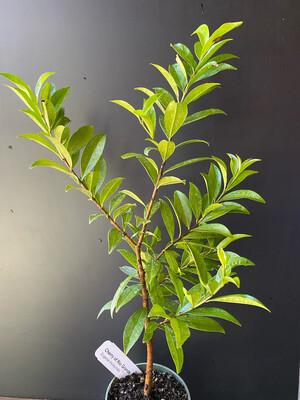
🍊 Orange Cherry of the Rio Grande — Ultra-Rare Sweet Fruiting Tree (Eugenia aff. involucrata 'Orange')
Rare South American Fruit Tree | Collector's Selection | Orange-Fruited Eugenia | 4-Inch Live Starter Plant
The cherry you probably haven't seen before. And that's exactly why serious fruit collectors are paying attention.
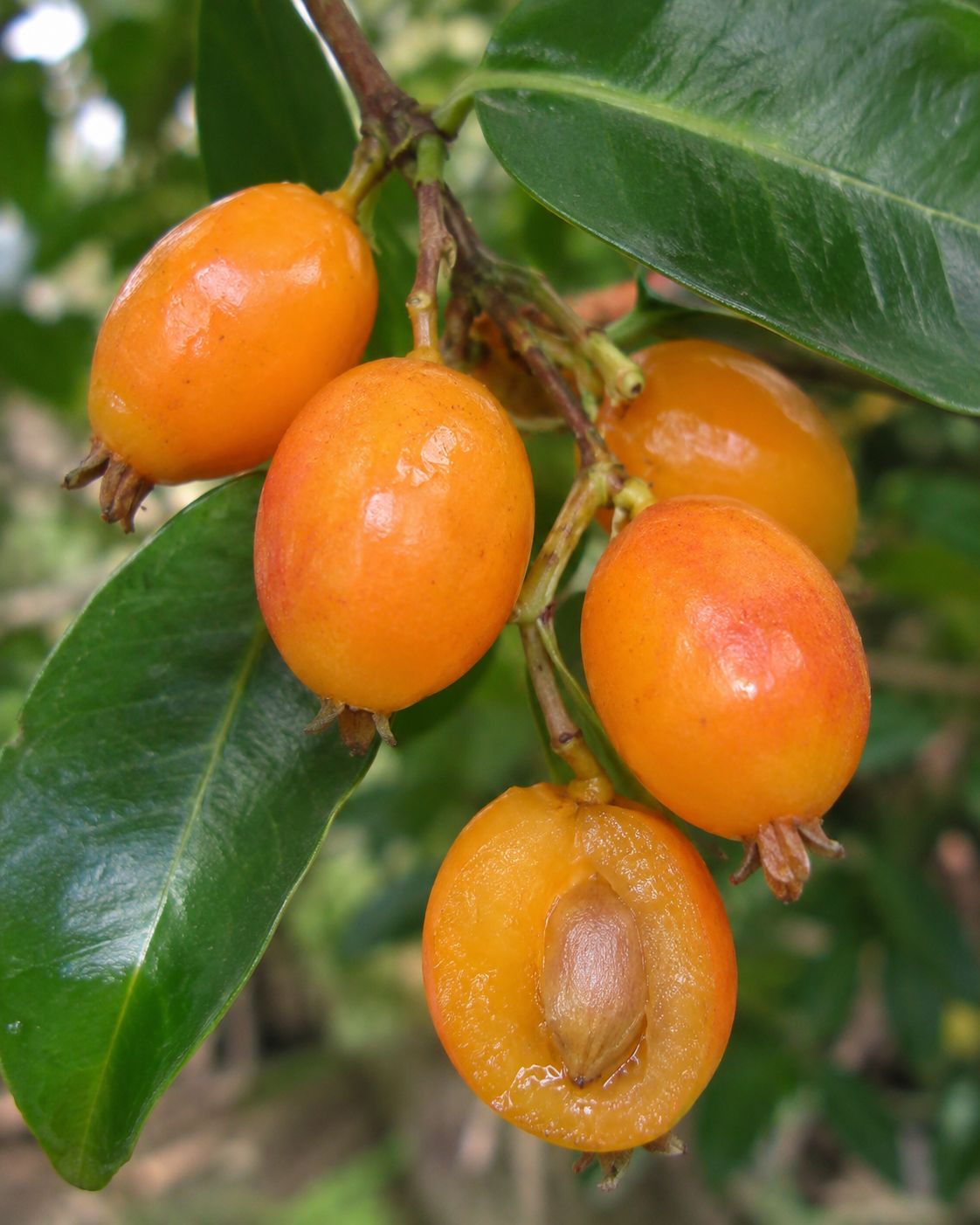
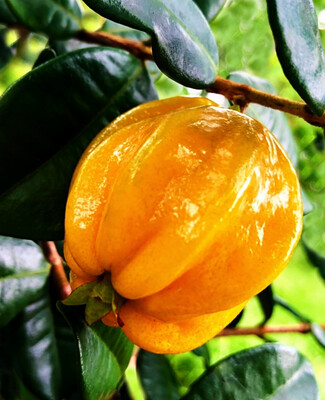
Imagine a Cherry of the Rio Grande that skips the traditional deep-red fruit and produces brilliant golden-orange cherries instead — with sweet, juicy flesh and a surprising hint of apricot.
Meet the Orange Cherry of the Rio Grande, an exceptionally rare South American fruiting tree that has captured the attention of tropical fruit enthusiasts for its unusual coloring, distinctive flavor, and exciting potential for backyard fruit production.
Unlike the traditional red-fruited Cherry of the Rio Grande, this uncommon selection has been described by growers as sweeter, less tart, and almost apricot-like, offering a completely different experience from the familiar dark burgundy fruit.
And here's where things get interesting.
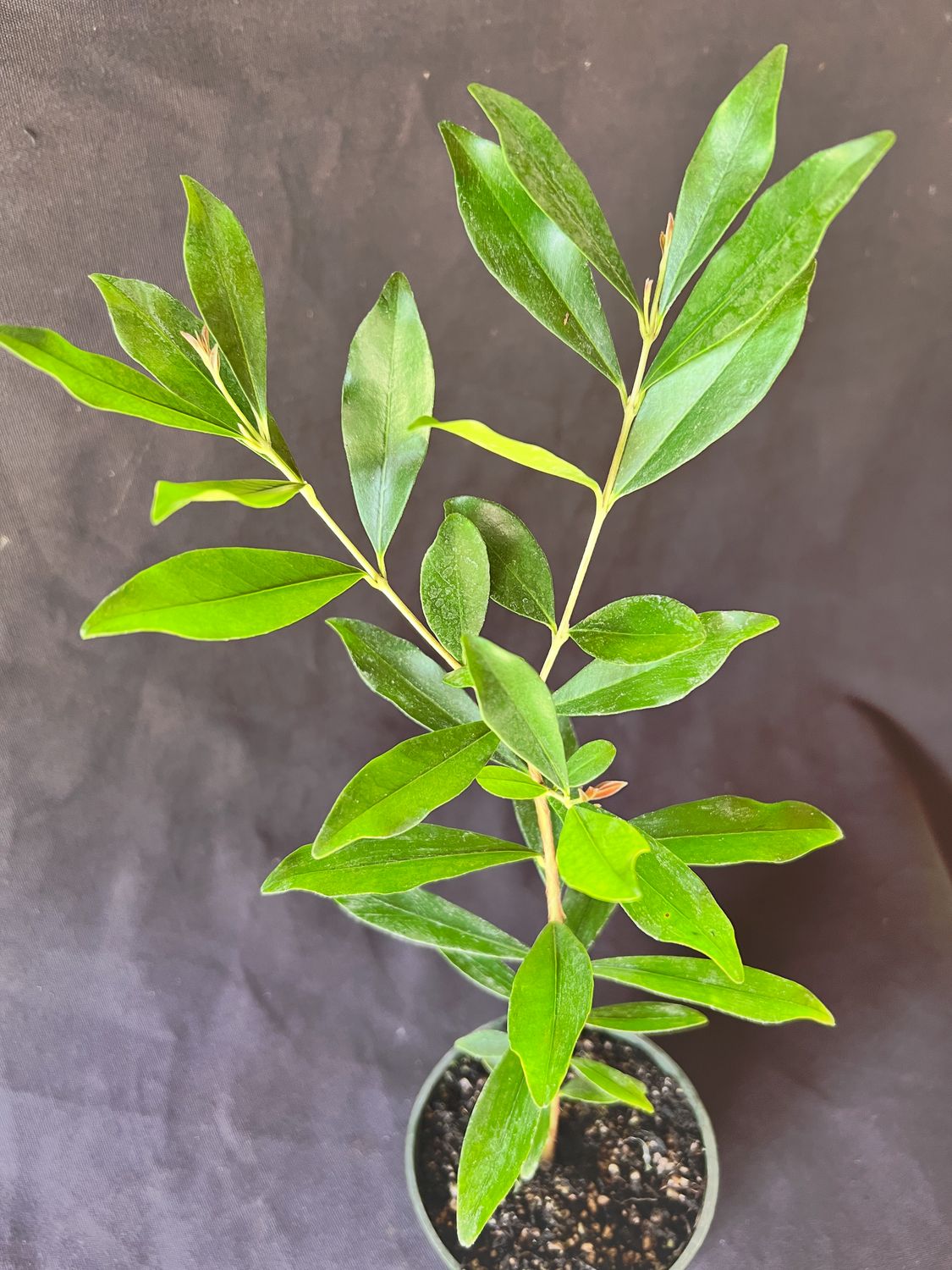
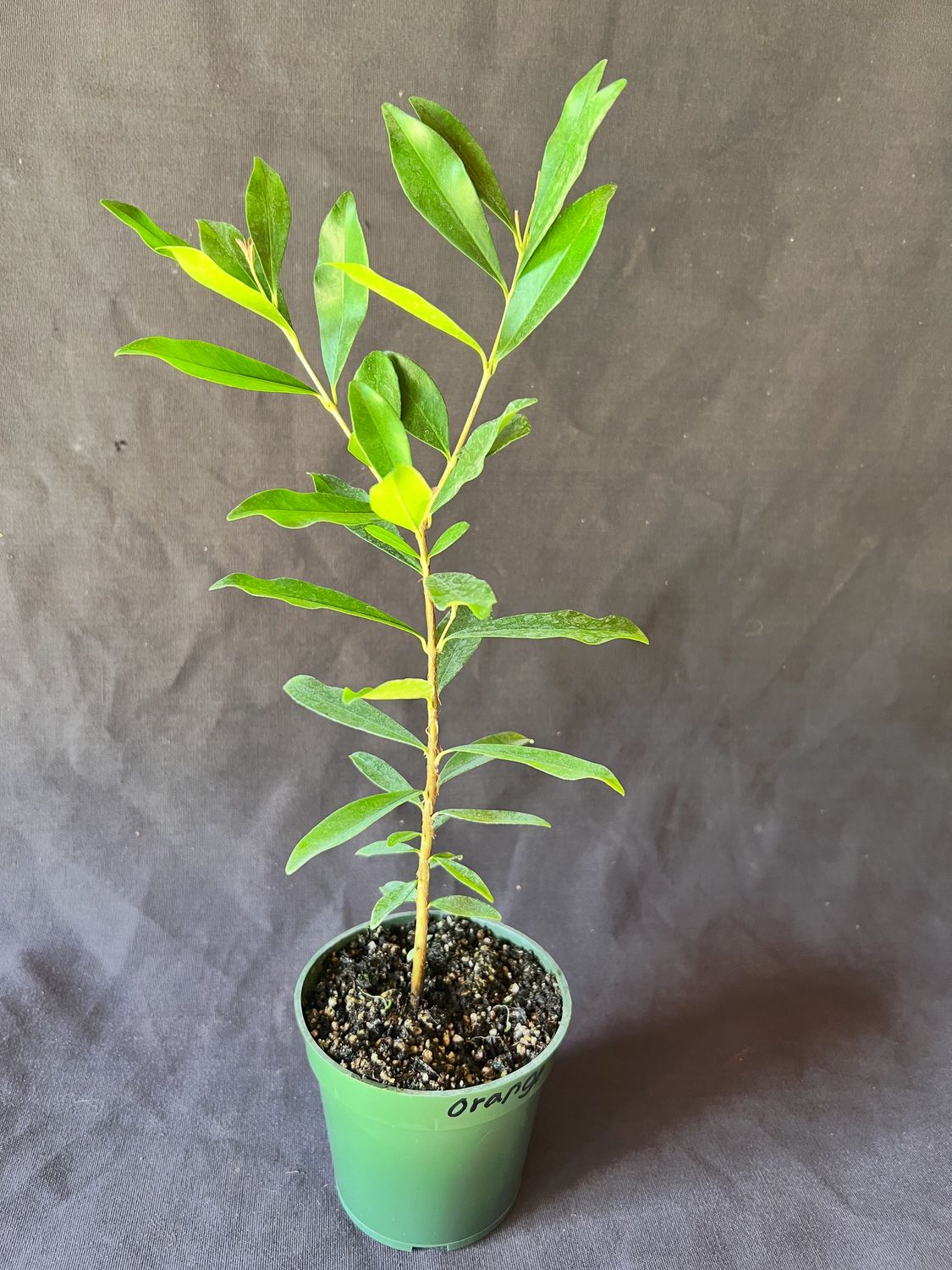
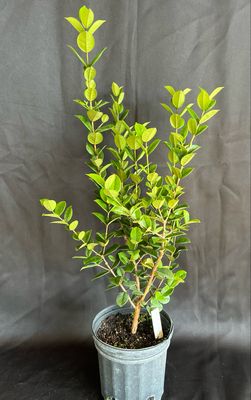
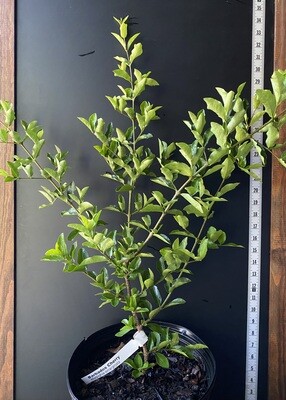
GreenDreams is excited to offer this rare collector's tree in a 4-inch starter size — an opportunity to establish a hard-to-find fruit tree while it's still young.
Mature specimens and larger nursery-grown plants of this selection are rarely encountered in the American nursery market. Growing one from a starter plant is an opportunity to develop a remarkable addition to your own collection over time.
Rare fruit collectors know the feeling: sometimes the most exciting plant in the garden isn't the biggest. It's the one nobody else has.
🌱 Ships in a 4-inch nursery container from GreenDreams in Florida. We recommend this small size primarily for Florida, the Southeastern United States, and Texas. Buyers in northern and western states should carefully consider transit conditions.
🌿 Quick Facts: Orange Cherry of the Rio Grande
| Feature | Growing Details |
|---|---|
| Common name | Orange Cherry of the Rio Grande |
| Botanical identification | Eugenia aff. involucrata 'Orange' |
| Other names | Eugenia sp. 'Orange', Orange CORG |
| Plant family | Myrtaceae |
| Native provenance | Reported from Argentina, South America |
| Plant type | Evergreen to semi-evergreen fruiting tree |
| Size at sale | 4-inch nursery container |
| Estimated age | Depends on GreenDreams' propagation records; not confirmed |
| Mature height, unpruned | Approximately 10–25 ft as a provisional planning range |
| Maintained height | Approximately 6–12 ft with pruning; long-term behavior still being documented |
| Mature width | Allow approximately 8–15 ft unless maintained smaller |
| USDA zones | Best suited to Zones 9b–11; protected 9a sites and experimental Zone 8 plantings |
| Sun exposure | Full sun to partial shade |
| Growth rate | Moderate; possibly faster than typical red-fruited forms |
| Cold hardiness | Frost-tolerant in some grower trials; protect young plants from freezing |
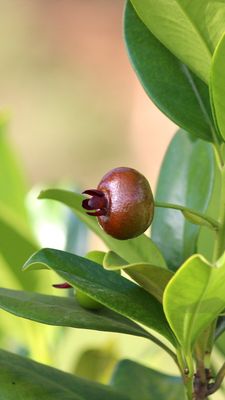
| Fruit color | Golden yellow, orange, or orange with reddish blush |
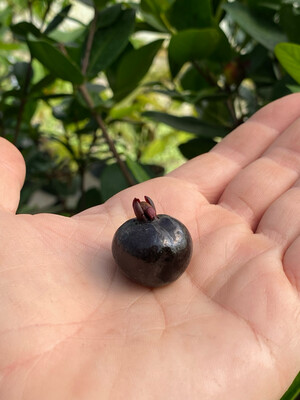
| Fruit size | Small, generally around ½–1 inch in documented selections |
| Flavor | Sweet, mildly apricot-like, lower perceived tartness |
| Pollination | Self-fruitfulness is plausible but not established for every selection |
| Fruiting age | Reported approximately 3–7+ years from seed |
| Harvest timing | Spring through summer; possible additional autumn crops |
| Soil | Well-drained, moisture-retentive, organic-rich |
| Wind tolerance | Moderate once established; protect young trees |
| Salt tolerance | Limited evidence; avoid direct salt spray |
| Spacing | Approximately 10–15 ft for a managed specimen |
| Container growing | Yes |
| Indoor growing | Temporary overwintering with sufficient light |
Mature size, spacing, flowering, and hardiness estimates are provisional because this orange-fruited selection has fewer published long-term growing records than standard Cherry of the Rio Grande.
🌎 The Origin Story: An Unusual Orange Cherry from Argentina
Every truly interesting rare fruit seems to have a story. This one begins in South America.
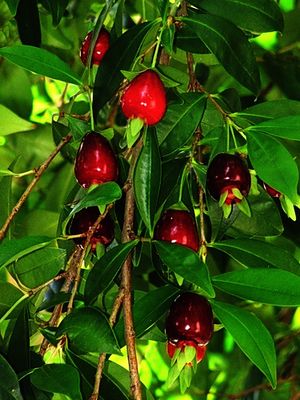
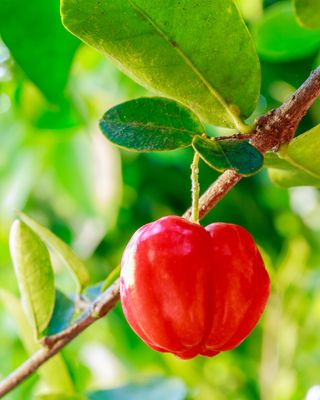
The traditional Cherry of the Rio Grande (Eugenia involucrata) is native to several South American countries and is best known for producing deep red to nearly purple fruit.
But in Argentina, an unusual orange-fruited tree attracted the attention of collectors.
The plant reportedly resembled a traditional Cherry of the Rio Grande in its foliage, flowers, and general growth habit, yet it produced bright orange fruit instead of the familiar dark cherries.
That unusual characteristic helped introduce this selection to the small international community of rare-fruit growers.
🌱 From an Unusual Tree to a Collector's Plant
California grower Nate Blackmore documented this orange-fruited Eugenia in Santa Cruz, where seedlings developed into attractive young trees and eventually produced their first fruit.
His observations described an exceptionally sweet fruit with an apricot-like character and promising growth in a mild Zone 9b climate.
Another grower documented an orange-fruited seedling that began flowering and setting fruit approximately seven years after seeds were purchased in 2019, illustrating both the potential and patience involved in cultivating rare fruit from seed.
Today, the orange-fruited form remains much less familiar to American gardeners than the traditional red Cherry of the Rio Grande.
🍊 What Makes It So Rare?
Unlike familiar commercial fruit crops, this selection does not have a large established nursery production network.
Propagation material has circulated through specialty collectors and limited seed offerings, while live nursery plants remain comparatively difficult to source.
That scarcity is part of its appeal.
GreenDreams is among a small number of U.S. nurseries offering this uncommon orange-fruited tree.
For growers who enjoy developing their own collections, starting with a young tree offers the satisfaction of raising a seldom-seen selection into a substantial fruiting specimen.
🌿 A Note on Botanical Identity
Some growers list the plant as Eugenia involucrata 'Orange', while others use Eugenia aff. involucrata or Eugenia sp. 'Orange'.
The abbreviation aff. indicates that the plant resembles or is closely related to the named species, but its exact identification remains uncertain.
Likewise, the name 'Orange' is a horticultural selection name rather than proof of a formally established, genetically uniform cultivar.
GreenDreams believes accurate identification matters, especially when introducing rare plants to new growers. We are offering this as an orange-fruited Cherry of the Rio Grande selection, with the understanding that botanical classification and individual seedling traits may continue to be refined.
🍑 Flavor Profile: The Cherry with an Apricot Personality
Think tropical cherry meets ripe apricot — sweet, juicy, and unusually approachable.
While the traditional Cherry of the Rio Grande is known for its rich cherry-plum flavor, the orange-fruited selection has been described as noticeably sweeter, with less acidity and fewer tannic notes.
🍊 What Does Orange Cherry of the Rio Grande Taste Like?
| Fruit characteristic | What growers report |
|---|---|
| Dominant flavor | Sweet, delicate, cherry-like |
| Secondary flavor | Apricot-like, sometimes pumpkin-like notes |
| Acidity | Generally lower perceived acidity than red-fruited types |
| Astringency | Less tannic in documented tastings |
| Flesh texture | Soft and juicy |
| Skin | Smooth, relatively thin, edible |
| Ripe color | Golden orange to deeper orange, occasionally blushed |
| Seed | Typically prominent, consistent with related Eugenias |
| Sweetness | One documented selection measured mostly 15–20° Brix |
| Eating quality | Particularly promising for fresh eating |
🍯 How Sweet Is It, Really?
One of the most interesting observations comes from documented fruit measurements by grower Nate Blackmore.
Most samples from his orange-fruited selection measured approximately 15–20° Brix, with one reading reaching 22° Brix.
🍒 Is It Better Than the Red Cherry of the Rio Grande?
That depends on your palate.
If you enjoy the rich, slightly tart flavor of a traditional cherry, the red selection remains an excellent choice.
If you prefer sweeter fruit with a softer acidity and hints of apricot, the orange selection may be especially appealing.
For serious fruit collectors, the most exciting answer is to grow both.
🍒 Orange vs. Red Cherry of the Rio Grande
| Feature | 🍊 Orange Selection | 🍒 Traditional Red |
|---|---|---|
| Availability in U.S. nurseries | Very uncommon | More established |
| Ripe fruit color | Golden yellow to orange | Deep red to burgundy-purple |
| Flavor | Sweet, mild, apricot-like | Rich cherry-plum, sweet-tart |
| Acidity | Reportedly lower | More noticeable tartness |
| Fruit size | Often small in documented selections | Commonly ¾–1 inch |
| Tree size | Still being documented | Commonly 15–20 ft |
| Growth rate | May be relatively vigorous | Slow to moderate |
| Fruiting age | Variable; reports from 3 to 7+ years | Often several years from seed |
| Flowering | Spring; repeat flowering reported | Primarily spring |
| Cold tolerance | Promising frost observations | Established relative cold resilience |
| Collector appeal | Exceptionally high | Excellent edible landscape tree |
| Best use | Rare collection, specialty fruit, edible specimen | Backyard orchard, edible hedge, food forest |
What makes the orange selection special? Its rarity, distinctive color, and promising flavor make it an exceptional companion to the traditional Cherry of the Rio Grande.
The two are similar enough to grow under broadly comparable conditions, but different enough to make collecting both worthwhile.
🌸 Flowering, Fruit Set & Harvest Season
One of the most intriguing aspects of Orange Cherry of the Rio Grande is its reported potential for relatively early flowering and repeat production.
Grower observations suggest that some individuals can flower while still relatively small.
🌱 How Long Until the First Harvest?
| Growing scenario | Fruiting expectations |
|---|---|
| Documented early-bearing selection | Approximately 3 years from seed |
| Other documented seedling | Began fruit set at approximately 7 years |
| Typical new 4-inch starter | Several additional growing seasons may be necessary |
| Mature established tree | Potential for progressively larger harvests |
| Container-grown tree | Fruiting possible with adequate light and root volume |
Important: This is a seedling selection with limited production records. Fruiting age cannot be guaranteed, and the appearance of early-bearing traits in other trees does not guarantee the same behavior in every plant.
📆 Regional Harvest Expectations
| Region | Likely flowering and fruiting pattern |
|---|---|
| Central Florida | Spring flowering and possible spring–summer fruit |
| South Florida | Spring production; additional flowering possible in favorable conditions |
| North Florida | Later spring development, subject to winter weather |
| Texas Gulf Coast | Spring to summer in protected locations |
| Coastal California | Late spring through summer; autumn flowering documented |
| Cooler climates | Timing depends heavily on protection and growing conditions |
A California grower documented flowering in May with fruit ripening in July, followed by additional flowering later in the year. Another seedling from the same collection flowered during winter.
This is promising, but multiple annual crops should be considered a possibility rather than a guaranteed characteristic.
🐝 Best Practices for Improving Fruit Set
- Grow in full sun or bright partial shade.
- Encourage bees and beneficial pollinating insects.
- Maintain consistent soil moisture while flowering.
- Avoid excessive nitrogen fertilizer.
- Protect flower buds from frost and drying winds.
- Avoid heavy pruning immediately before flowering.
- Allow plants to mature naturally without frequent root disturbance.
Self-fertility has not been reliably documented across all orange selections. A single tree may produce successfully, but having another genetically compatible Eugenia nearby may offer additional pollination opportunities.
🍊 How Productive Can This Tree Become?
One grower's account reported approximately five fruits during an initial flowering period, followed by more than twenty fruits during a subsequent flowering.
These early observations suggest promising productivity as trees mature, but there is not yet sufficient evidence to establish a reliable pounds-per-tree harvest estimate.
For collectors, that is part of the adventure: watching an uncommon fruit tree reveal its growing and production habits over time.
From Rare Fruit to Remarkable Flavor
Orange Cherry of the Rio Grande isn't just a conversation piece. Its reported sweetness and unusual flavor create exciting possibilities for fresh eating and small-batch culinary applications.
🍊 Best Ways to Enjoy the Fruit
- Fresh from the tree: Enjoy ripe fruit at its sweetest, avoiding the seeds.
- Specialty preserves: Create small batches of golden-orange jam or fruit spread.
- Dessert toppings: Use the pulp in compotes for pancakes, ice cream, or cheesecake.
- Fruit sorbet: Blend deseeded pulp with a little sweetener and citrus.
- Tropical fruit salads: Pair with mango, pineapple, or other tropical fruits.
- Artisan syrups: Create a delicate fruit syrup for sparkling water or mocktails.
- Pastry fillings: Use the ripe pulp in tarts, turnovers, or miniature desserts.
- Fresh-market tasting collections: Showcase the fruit beside traditional red Cherry of the Rio Grande.
🍯 Simple Orange Cherry & Apricot Compote
A creative refrigerator recipe designed around the selection's reported apricot-like flavor.
Ingredients
- 1 cup ripe, deseeded Orange Cherry of the Rio Grande
- 1 cup chopped ripe apricot
- 1–2 tablespoons honey or sugar
- 1 tablespoon lemon juice
- 2 tablespoons water, as needed
Directions
- Combine fruit, sweetener, lemon juice, and water in a saucepan.
- Simmer over low heat for approximately 10 minutes.
- Stir gently until the fruit softens.
- Mash or blend to the desired texture.
- Cool promptly and refrigerate in a covered container.
Enjoy over yogurt, waffles, vanilla ice cream, or pound cake.
This is a suggested culinary application, not a traditional documented recipe for the cultivar. It is not a shelf-stable canning formula.
🌾 Specialty Fruit & Small Farm Potential
The rarity and distinctive appearance of this orange-fruited selection create possible opportunities for growers interested in specialty crops.
Potential applications include farm-to-table fruit tastings, limited fresh-fruit sales, small-batch preserves, botanical collections, and niche nursery propagation.
A collector's plant may someday become a specialty orchard favorite, but commercial production characteristics still require further evaluation.
🌱 Traditional & Research Interest
- Edible fruit is the primary recommended use.
- Related Eugenia species have been studied for phenolic compounds and antioxidant activity.
- Orange-fruited selections may offer interesting opportunities for future horticultural and food-science research.
- The seeds, leaves, and concentrated extracts should not be used medicinally without reliable safety information.
Grow it for its delicious potential, rarity, and beauty — not for unproven health claims.
🌳 Ornamental Value: A Rare Fruit That Looks the Part
Even before its first harvest, Orange Cherry of the Rio Grande can be an attractive addition to a thoughtfully designed edible landscape.
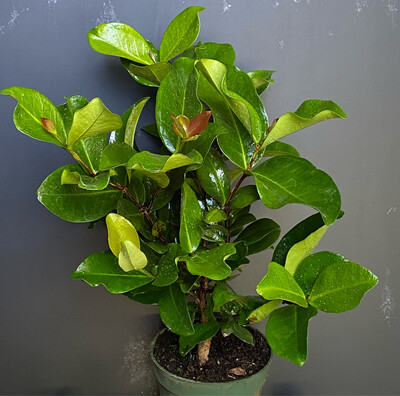
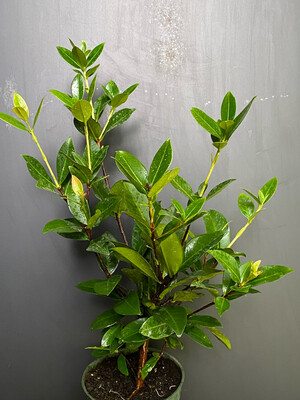
Its foliage closely resembles conventional Cherry of the Rio Grande, creating a refined evergreen appearance.
🍃 Defining Features
- Leaves: Glossy green, generally elongated and pointed.
- New growth: Often lighter green or bronze-toned.
- Flowers: Delicate white blossoms with numerous stamens.
- Fruit: Bright orange, golden, and sometimes softly blushed.
- Growth habit: Shrubby to small-tree form, responsive to selective shaping.
- Canopy: Attractive potential for patio specimens, edible borders, and mixed orchards.
🌿 Landscape Applications
| Garden setting | Why it works |
|---|---|
| Rare fruit collection | An unusual selection with distinctive fruit |
| Backyard orchard | Adds flavor and visual diversity |
| Edible ornamental garden | Attractive foliage, flowers, and fruit |
| Patio collection | Can be managed in containers |
| Food forest | Potential productive midstory specimen |
| Collector's courtyard | Excellent conversation plant |
| Specialty nursery collection | Interesting propagation and evaluation potential |
GreenDreams design idea: Plant an orange-fruited Cherry of the Rio Grande beside the traditional red selection. Their contrasting ripe fruit colors could create a spectacular edible display once both are producing.
🌱 How to Grow Orange Cherry of the Rio Grande (Eugenia aff. involucrata 'Orange')
Because this rare selection is still being evaluated by growers, the most reliable approach is to use proven Eugenia involucrata cultivation methods while monitoring your individual tree's response.
The priorities are straightforward: good drainage, consistent moisture, ample sunlight, healthy roots, and protection from extreme temperatures while young.
☀️ Best Growing Location
Orange Cherry of the Rio Grande is best suited to warm subtropical environments with mild winters.
Sunlight Requirements
- Full sun: Approximately 6–8 hours of direct sunlight is a good goal for mature trees.
- Partial shade: Young plants can benefit from filtered light or protection during extreme afternoon heat.
- Florida: Bright morning sun with some afternoon protection may be beneficial during establishment.
- California: Full sun is promising in mild coastal climates; inland heat may require additional protection.
- Container plants: Acclimate gradually before introducing stronger sunlight.
🌾 Soil & Drainage Preferences
| Soil factor | Recommended conditions |
|---|---|
| Soil type | Sandy loam, organically enriched native soil, or well-draining container mix |
| Moisture | Consistent, moderate moisture |
| Drainage | Excellent |
| Soil pH | Slightly acidic preferred as a practical starting point |
| Organic matter | Compost, leaf litter, hardwood mulch |
| Heavy clay | Consider a raised planting location |
| Waterlogged soils | Avoid |
| High-pH soils | Monitor for micronutrient deficiencies |
Rare does not have to mean difficult. The greatest risks for young trees are often preventable problems involving watering, drainage, and transplant timing.
🌬️ Wind & Salt Tolerance
Detailed trials on this specific orange selection are limited.
Until further evidence is available, treat it as a moderately wind-tolerant subtropical tree once established, but protect young plants from strong winds and direct coastal salt spray.
🌳 Planting Orange Cherry of the Rio Grande — GreenDreams High & Tight Method
First rule: Don't rush to transplant a newly shipped rare plant.
After arrival, keep your Orange Cherry of the Rio Grande in its original nursery container until it has recovered from transit stress.
We generally recommend waiting approximately 30 days or until fresh, healthy growth appears before transplanting, provided the current container is draining properly and the roots are healthy.
🌱 Step-by-Step Planting
- Select a sunny, sheltered location with good drainage.
- Check the root system and confirm the plant is healthy enough for transplanting.
- Dig a hole slightly wider than the root ball and no deeper than its height.
- Position the root crown slightly above surrounding soil level.
- Backfill primarily with native soil, firming gently around the root ball.
- Top-dress with quality finished compost and appropriately prepared organic amendments.
- Add charged biochar or azomite only where suitable for the soil and growing conditions.
- Spread 2–3 inches of hardwood mulch over the surrounding soil.
- Keep mulch several inches away from the trunk.
- Water slowly and thoroughly at soil level.
🌿 Why We Plant High & Tight
Planting slightly high helps protect the crown and roots from prolonged saturation, particularly in areas experiencing heavy seasonal rainfall.
Proper planting depth is essential for the long-term health of your rare fruit tree.
🎥 Watch GreenDreams demonstrate our planting method:
GreenDreams High & Tight Fruit Tree Planting Video
💧 Watering Your Orange Cherry of the Rio Grande
Young Eugenia plants generally appreciate consistent moisture, but healthy roots need oxygen as well as water.
🌱 In-Ground Watering Guide
| Growth stage | Suggested approach |
|---|---|
| First 2–3 weeks | Check moisture daily; water as needed |
| Weeks 4–8 | Approximately 2–3 times weekly when rainfall is insufficient |
| Months 3–6 | Deep irrigation 1–2 times weekly in dry conditions |
| Established trees | Water deeply during extended dry spells |
| Flowering and fruiting | Avoid pronounced wet-dry cycles |
| Rainy season | Reduce irrigation according to actual soil moisture |
In Florida's sandy soils, new plantings may require frequent watering during hot, dry weather. Clay-rich or poorly drained soils require a very different approach.
🌿 GreenDreams Watering Practices
- Water plants at soil level only, rather than spraying foliage.
- Water in the morning whenever practical.
- Use drip irrigation or a slow, directed stream.
- Avoid overhead misting systems and frequent overhead sprinklers.
- Keep the root zone moist but never constantly saturated.
- Monitor soil conditions instead of relying solely on a timer.
🪴 Watering 4-Inch Starter Plants
Your 4-inch Orange Cherry of the Rio Grande has a limited soil volume, so its pot can dry quickly.
During warm weather, check moisture every day. In extreme heat or wind, small plants may require more frequent attention.
Collector's tip: Never allow a valuable starter plant to repeatedly wilt from drying out. Early root-system health helps determine the quality of the future tree.
🪴 Growing Orange Cherry of the Rio Grande in Containers
One of the advantages of beginning with a 4-inch starter plant is the ability to gradually develop its root system in containers before deciding whether to plant it permanently.
Container growing is particularly useful for collectors outside the warmest USDA zones.
🌱 Pot Size Progression
| Growth stage | Container | Purpose |
|---|---|---|
| Starter | 4-inch pot | Establishment and acclimation |
| First upgrade | 1 gallon | Early root and canopy development |
| Juvenile growth | 3 gallon | Additional root space |
| Larger juvenile | 7 gallon | Stronger structural development |
| Patio tree | 15 gallon | Managed specimen |
| Long-term container | 20–25+ gallon | Mature container management |
Nursery containers are trade sizes, so actual liquid volumes vary by manufacturer.
🌿 When to Up-Pot
Look for these indicators:
- Roots appearing through drainage holes.
- Soil drying much more quickly than before.
- Roots visibly circling the container.
- A stable, well-developed root ball.
- Healthy new foliage and active growth.
Move up gradually. An oversized container can retain excessive moisture around a relatively small root system.
🌱 How to Transplant Into a Larger Pot
- Wait for healthy active growth and recovery from shipping.
- Select the next appropriate container size.
- Prepare a fresh, well-draining mix.
- Gently remove the plant and inspect its roots.
- Correct circling roots carefully if necessary.
- Place the root ball at its previous planting level.
- Fill around it without compressing the mix heavily.
- Water thoroughly at soil level.
- Provide filtered sunlight during initial recovery.
- Gradually return to the preferred growing location.
🍊 Can It Be Maintained as a Small Patio Tree?
Yes, container cultivation and selective pruning should allow growers to manage this selection at a relatively modest size.
However, a guaranteed mature height has not yet been established for all orange-fruited forms.
For a compact patio specimen, plan for periodic pruning and root management, understanding that restricted canopy size may also reduce total fruit production.
🏡 Indoor Growing & Winter Protection
Orange Cherry of the Rio Grande is primarily an outdoor fruiting tree.
It can be brought into a protected environment for winter, but long-term indoor cultivation is more challenging.
Winter Growing Options
- Bright greenhouse.
- Heated sunroom.
- Protected patio during mild cold spells.
- Indoor space with strong supplemental grow lights.
Indoor Care Tips
- Provide abundant light.
- Maintain airflow.
- Avoid heating and air-conditioning vents.
- Check soil moisture regularly, but reduce watering as growth slows.
- Inspect foliage for spider mites and scale.
- Avoid excessive fertilizer during winter.
- Reintroduce outdoor sunlight gradually in spring.
For gardeners in colder regions, a container-grown rare fruit tree can become a long-term seasonal project.
🍃 Seasonal Care Guide — Florida & Similar Climates
Orange Cherry of the Rio Grande appears to follow an evergreen subtropical growth pattern, with potential flowering and fruiting differences compared with conventional red-fruited forms.
| Season | Possible growth activity | Recommended care |
|---|---|---|
| 🌸 Spring | New growth, flowering, early fruit development | Protect blossoms, maintain moisture |
| ☀️ Summer | Vegetative growth, ripening fruit | Water consistently, mulch, lightly prune after harvest |
| 🍂 Fall | Slowing growth; possible additional flowering | Monitor moisture, reduce late fertilizer |
| ❄️ Winter | Slower growth; occasional flowering reported in mild climates | Protect from frost and excessive moisture |
🌸 Spring — Growth & Flowering
In Central Florida, warming temperatures can stimulate active growth.
Maintain soil moisture, encourage pollinators, and protect tender growth from unexpected cold fronts.
☀️ Summer — Building a Stronger Tree
Summer is an important season for root and canopy development.
Mulch appropriately, watch for dehydration, and maintain consistent irrigation.
🍂 Fall — Preparing for Cooler Weather
Avoid excessive nitrogen applications that encourage tender late-season growth.
Growers in mild climates may observe additional flowering, but this should not be assumed for every tree.
❄️ Winter — Protect Your Investment
The plant is expected to retain foliage in suitable conditions, although cold stress may cause yellowing, spotting, or leaf drop.
Avoid major pruning after freeze injury until spring reveals which branches remain alive.
❄️ Cold Hardiness: How Hardy Is Orange Cherry of the Rio Grande?
Cold tolerance is one of the more promising aspects of this selection, but also one of the areas where careful interpretation is essential.
Some growers have reported orange-fruited plants surviving frost and temperatures below 32°F with little visible injury.
Another nursery reports testing orange-fruited material at approximately 19.4°F, but that observation should not be interpreted as a proven universal survival threshold.
🌡️ Winter Protection Guide
| Temperature | Recommended action |
|---|---|
| Above 40°F | Generally suitable for healthy, established plants |
| 33–40°F | Shelter recently shipped plants from cold winds |
| 28–32°F | Protect young trees from frost |
| 25–28°F | Strong protection recommended |
| 20–25°F | Serious damage possible; move containers into protection |
| Below 20°F | High risk for young or unacclimated plants |
Regional Recommendations
Florida: South Florida and protected Central Florida locations are promising. North Florida growers should plan for cold protection.
Texas: Consider sheltered Gulf Coast or South Texas locations, with container growing in colder inland areas.
Southeastern US: Protected Zone 9 sites are the best candidates for in-ground growing.
California: Mild coastal locations have documented success, while inland heat and winter temperatures require additional management.
Zone 8: Experimental for outdoor growing. Maintain container plants with reliable winter protection rather than assuming survival.
GreenDreams advice: A rare 4-inch starter plant deserves more conservative protection than an established tree, regardless of published mature-tree cold-hardiness reports.
🌾 Organic Nutrition & Fertilization
A rare plant does not necessarily require rare fertilizer.
Healthy soil biology and appropriately balanced nutrients are often more beneficial than heavy feeding.
Fertilization Schedule
| Time | Suggested practice |
|---|---|
| Early spring | Light application of compost or balanced organic fertilizer |
| Late spring | Evaluate growth and nutrient needs |
| Summer | Feed lightly if appropriate |
| Early fall | Reduce fertilization as cold weather approaches |
| Winter | Avoid heavy feeding during slow growth |
🌱 Recommended Organic Materials
- Finished compost.
- Worm castings.
- Properly charged biochar.
- Hardwood mulch.
- Balanced organic fruit-tree fertilizer.
- Mineral amendments only where justified by soil conditions.
Avoid excessively high nitrogen applications, particularly before winter.
✂️ Pruning & Long-Term Tree Development
Young Orange Cherry of the Rio Grande plants should be allowed to develop a healthy root system and strong framework before heavy pruning.
Best Pruning Practices
- Remove damaged or dead wood as needed.
- Tip-prune selectively to encourage branching.
- Thin crowded branches to improve airflow.
- Avoid major pruning during flowering.
- Perform structural pruning after harvest where practical.
- Reduce vigorous upright growth using selective cuts to lateral branches.
- Maintain a balanced canopy for container growing.
Because mature growth patterns are not fully documented, observe the individual tree before committing to aggressive size management.
🌳 Developing a Valuable Collector's Specimen
The goal during the first few years should be to establish a vigorous, well-rooted tree rather than rush fruit production.
Focus on healthy roots, structural development, consistent moisture, and good light.
As the tree matures, it may become an increasingly impressive specimen within your own collection.
Its rarity makes thoughtful cultivation particularly rewarding, although future market prices cannot be predicted or guaranteed.
🔍 Orange Cherry of the Rio Grande Troubleshooting Guide
For a rare starter plant, early detection of problems is especially important. The most common growing challenges are often related to moisture, temperature, sunlight, and root development rather than unusual diseases.
| ⚠️ Issue | 🧠 Possible cause | 🌿 Organic solution |
|---|---|---|
| 🍂 Yellowing leaves | Wet roots, natural leaf turnover, nutrient imbalance | Check drainage and soil moisture before fertilizing |
| 🍃 Leaf curl | Drought, wind, extreme heat | Improve moisture consistency and provide shelter |
| 🌬️ Brown leaf edges | Water stress, salt buildup, drying wind | Flush container soil when appropriate; improve watering |
| 💦 Wilting in wet soil | Poor drainage or root damage | Inspect roots and reduce excess irrigation |
| ☀️ Scorched foliage | Sudden exposure to intense sun | Acclimate gradually to brighter conditions |
| 🌱 Slow growth | Immaturity, winter temperatures, crowded roots | Monitor roots, light, and seasonal growth |
| 🐛 Chewed foliage | Caterpillars or other insects | Inspect and remove pests when practical |
| 🪲 Sticky leaves | Scale or aphids | Identify pests; encourage beneficial predators |
| 🕷️ Leaf stippling | Possible spider mites | Inspect undersides of leaves and correct dry, stressful conditions |
| 🍄 Brown spotting | Fungal infection or environmental stress | Improve airflow; diagnose before treating |
| 🌸 No flowers | Juvenile plant, inadequate light | Allow maturity and optimize sunlight |
| 🍊 Fruit drop | Weather stress, inconsistent moisture, pollination | Maintain even moisture and encourage pollinators |
| ❄️ Leaf blackening | Freeze injury | Protect from additional cold and delay major pruning |
🌿 GreenDreams Organic Pest Management
Start by identifying the cause before applying products.
Hand removal, selective pruning, beneficial insects, and improved growing conditions are our first priorities.
Horticultural oils or insecticidal soaps may help with certain pests when used according to label directions. Avoid applying oils in extreme heat or while pollinators are actively visiting flowers.
⚠️ Important Considerations Before Purchasing
🌱 This Is a Rare Starter Plant
A 4-inch Orange Cherry of the Rio Grande is a young plant that will require patience, consistent care, and eventual transplanting into larger containers or a suitable landscape.
It is not a mature, fruiting specimen.
🍊 Seedling Variation & Fruit Characteristics
Orange-fruited Eugenias remain incompletely characterized. Some have been distributed through seed, and seedlings can vary in fruit characteristics and maturity.
If GreenDreams' plants are seed-grown, orange fruit color, exact flavor, fruit size, and bearing age should not be represented as genetically guaranteed without confirming the propagation line's stability.
❄️ Cold Protection
Young plants need protection from frost and freezing temperatures. Reported cold tolerance of an established specimen should not be applied directly to a small starter plant.
💧 Root Health
Avoid standing water, excessive fertilizer, and unnecessary transplanting.
🌿 Collector Value
This plant is valuable to collectors because of its rarity and horticultural interest. Future resale prices, scarcity, or financial appreciation cannot be guaranteed.
🍃 Botanical Classification
The precise taxonomic relationship between the orange selection and standard Eugenia involucrata remains uncertain in the available collector literature.
This does not diminish its horticultural appeal, but proper identification and propagation records are important.
🌿 Is This Rare Fruit Tree Right for You?
✅ Excellent For
- Rare tropical and subtropical fruit collectors.
- Gardeners wanting an unusual orange-fruited Eugenia.
- Florida growers expanding their edible landscapes.
- Container gardeners prepared to manage a young tree.
- Food forest enthusiasts developing diverse perennial systems.
- Plant enthusiasts interested in horticultural experimentation.
- Backyard growers who enjoy watching uncommon trees mature.
- Specialty nurseries and fruit researchers interested in documenting unusual selections.
❌ Not Ideal For
- Gardeners expecting an immediate harvest.
- Unprotected landscapes with frequent severe freezes.
- Locations with chronically saturated soil.
- Growers unable to monitor moisture in small nursery pots.
- Anyone needing predictable commercial production characteristics.
- Buyers who require guaranteed future plant value or guaranteed fruiting dates.
- Customers unable to provide appropriate protection during extended hot or cold transit.
The ideal buyer? Someone who appreciates discovering an uncommon plant and taking part in its story as it grows.
❓ Frequently Asked Questions
How rare is Orange Cherry of the Rio Grande in the United States?
It is an exceptionally uncommon selection in the American nursery market, particularly as a live plant. Most references come from specialty fruit growers, rare-seed suppliers, and collectors rather than established commercial nursery production.
Is Orange Cherry of the Rio Grande a different species?
Its exact identity is not fully resolved. It is commonly associated with Eugenia involucrata but has also been identified as Eugenia aff. involucrata or Eugenia sp. 'Orange'.
What makes the orange selection different from traditional Cherry of the Rio Grande?
The most obvious difference is its golden-orange fruit. Growers also report a sweeter, less tart flavor with apricot-like notes, although individual plants may vary.
Does Orange Cherry of the Rio Grande taste like apricot?
Some growers have described an apricot-like flavor with little perceived tartness. It still has characteristics associated with edible Eugenias, making the flavor combination particularly unusual.
How long before a 4-inch Orange Cherry of the Rio Grande produces fruit?
Several growing seasons may be required. Documented plants have begun fruiting at different ages, including around three years and approximately seven years from seed. No exact age-to-fruiting guarantee can be made for a starter plant.
Can Orange Cherry of the Rio Grande grow in Florida?
Yes. Florida's warmer subtropical climate is promising for this selection, especially in South and protected Central Florida locations. Protect small plants from frost and freezing temperatures.
Can it grow in Texas or California?
Potentially, yes. Mild coastal California has documented successful growing experiences. Warmer portions of Texas may also be suitable, with cold protection depending on location.
Is it self-pollinating?
Self-fruitfulness is not conclusively documented for every orange-fruited selection. Individual trees have produced fruit, but the potential benefit of cross-pollination needs further study.
How big will Orange Cherry of the Rio Grande get?
Related Eugenia involucrata trees commonly reach approximately 10–25 feet, but the exact mature size of all orange-fruited forms is not established. Selective pruning can help maintain a smaller specimen.
Can I grow it in a container?
Yes. Start with the 4-inch nursery container, then move into progressively larger pots as the root system develops. Long-term patio growing is possible with pruning, adequate sunlight, and consistent moisture.
Will my plant definitely produce orange fruit?
That depends on the propagation method and genetic stability of the material. Vegetatively propagated plants from a verified orange-fruiting mother tree provide stronger confidence in retaining fruit characteristics. Seed-grown offspring may vary.
Can Orange Cherry of the Rio Grande handle freezing temperatures?
Some mature orange-fruited plants have survived frost and brief freezing exposure, but reliable hardiness limits are not established across all selections. Protect young trees during freezes.
Is this a good investment plant?
It is an appealing horticultural investment in a rare living collection. However, future market demand, plant prices, and resale value are uncertain.
Should I repot immediately after receiving my plant?
No. Allow the plant to recover in its original container. GreenDreams generally recommends approximately 30 days or until healthy new growth appears before transplanting, unless root or drainage problems require earlier action.
🚚 Shipping & Handling — 4-Inch Rare Orange Cherry of the Rio Grande
Live Starter Plant — 4-Inch Nursery Container
GreenDreams ships from Spring Hill, Florida using UPS Ground every Monday.
| Shipping detail | Information |
|---|---|
| Origin | Florida |
| Carrier | UPS Ground |
| Shipping day | Mondays |
| Recommended destinations | Florida, Southeastern US, Texas |
| Northern & Western US | Extended transit risk; buyer discretion |
| California | Possible additional agricultural inspection delays |
| Extreme weather | Buyer assumes heat and cold transit risks |
| Arrival care | Acclimate before transplanting |
🌱 Why We Recommend Regional Shipping for 4-Inch Plants
Our small starter plants have limited root mass and soil volume, making them more vulnerable to drying out during extended shipping.
Although GreenDreams ships live plants throughout the continental United States, longer journeys to northern and western states can expose plants to greater temperature fluctuations, dehydration, and handling stress.
We strongly recommend purchasing 1-gallon or larger plants for extended-distance shipping when available. This particular rare selection is currently being offered in a 4-inch starter size.
☀️ Buyer Discretion During Extreme Weather
We cannot guarantee optimal plant condition following prolonged UPS Ground transportation, especially during peak heat or cold.
Buyer discretion is strongly advised, and risks associated with weather exposure and extended ground transit are assumed by the purchaser.
GreenDreams is not responsible for damage caused by extreme transit temperatures or ground-service handling, subject to applicable shipping policies and consumer protections.
California agricultural inspections may also extend delivery times.
🌿 How to Care for Your New Plant Upon Arrival
- Unpack promptly.
- Check the soil moisture.
- Water at soil level if needed.
- Place in bright shade or filtered light.
- Avoid strong afternoon sunlight initially.
- Do not fertilize immediately.
- Monitor foliage and soil moisture.
- Allow approximately 30 days or wait for new healthy growth before transplanting.
Minor wilting, spotting, or leaf drop can occur from shipping stress. Healthy plants can often recover with proper care.
If you have a shipping concern, contact GreenDreams within 7 days of arrival and include photographs of the plant and packaging for review under our applicable policies.
🏡 Shop With Us in Person — GreenDreams Nursery & Farm
Explore a whole world of edible plants at our regenerative nursery in Spring Hill, Florida.
From tropical fruit trees and unusual Eugenias to native species, medicinal plants, pollinator favorites, and ecological landscape plants, our retail nursery offers an extensive collection for growers at every experience level.
We also carry many larger trees and specialty plants that are not available through our online shipping collection.
GreenDreams Nursery & Farm — Open to the Public
18709 US Hwy. 41, Spring Hill, FL 34610
Tuesday–Friday: 9 AM–5 PM | Saturday: 8 AM–3 PM
🌸 Come explore what's blooming, fruiting, and growing at GreenDreams!
Availability of this specific rare orange selection at our retail nursery should be confirmed separately. Online shipping inventory and retail inventory are not interchangeable.
🌿 Beyond the Plant: GreenDreams Services
GreenDreams helps Florida growers create productive, ecologically balanced landscapes built around useful plants.
- 🌳 Onsite consultations & edible landscape design: Personalized orchard, food forest, and regenerative landscape planning.
- 🌱 Landscape installation & project management: Professional planting and ecological landscape development.
- 🚚 Bulk organic materials: Compost, hardwood mulch, biochar, and soil-building supplies.
- 🌾 Wholesale & regenerative solutions: Specialty plant sourcing and larger-scale horticultural support.
Whether you're starting with a rare Orange Cherry of the Rio Grande or developing an entire edible landscape, our team can help you build a garden that grows more valuable in every sense of the word.

🌿 IMPORTANT INFORMATION BEFORE PURCHASING LIVE PLANTS
Please note: Plants purchased through our online store are not available for pickup at our retail nursery in Spring Hill, Florida.
Online inventory is housed at a separate facility and is priced, prepared, and handled exclusively for shipping.
🌱 Looking for larger plants or more selection?
Our retail nursery location offers far more availability, including larger sizes, specialty plants, and many selections not suitable for nationwide shipping.
Local pickup is available for retail nursery purchases only.
Visit our Spring Hill, FL retail nursery page to explore in-person shopping options.
🚚 LIVE PLANT SHIPPING & TRANSIT EXPECTATIONS
Live plants naturally experience stress during shipping. Temporary leaf drop, mild wilting, or cosmetic stress is normal after transit. Most plants recover quickly with proper watering, gradual light exposure, and basic aftercare. Some plants may require additional attention during the first few weeks.
Despite careful packing, minor cosmetic damage may occur during transit. Small issues such as broken leaves or stems typically resolve with time and proper care.
If your shipping box arrives with significant external damage, please contact UPS within 30 days to initiate a carrier claim.
⏱️ SHIPPING METHOD, TIMING & TRANSIT WINDOWS
All online orders ship via UPS Ground from our Central Florida nursery.
📦 Shipping Schedule: Orders ship once weekly on Mondays to reduce the risk of packages sitting in transit over weekends. A countdown clock on our website displays the next shipping date.
🚚 Typical Transit Times:
-
Florida: 1–2 days
-
Southern U.S.: approximately 2 days
-
Midwest, West & Northern U.S.: 3–5 business days
Long-distance shipments, particularly to the western U.S., may experience additional transit time due to agricultural inspections in states such as Arizona, California, and Texas.
Extended transit times can be more challenging for small or tender plants and may require additional recovery care after arrival.
🌡️ EXTREME WEATHER & SEASONAL RISK
Live plants are sensitive to temperature extremes.
We cannot guarantee plant condition during periods of extreme summer heat or winter cold and freezing temperatures. Weather-related delays, carrier interruptions, or exposure during delivery are beyond our control.
Customers are responsible for:
-
Monitoring tracking information sent via email
-
Retrieving packages promptly upon delivery
-
Preventing plants from being left outdoors in extreme conditions
During unsafe weather, holiday shipping volume, or extended transit risk, orders may be held and shipped the following week to protect plant health.
⚠️ CUSTOMER RESPONSIBILITY & REFUND POLICY
By purchasing live plants, customers acknowledge and accept the risks associated with shipping, weather exposure, transit delays, and regional suitability.
Refunds or replacements are considered only under exceptional circumstances and in accordance with our return and refund policy. We are not responsible for:
-
Weather-related damage
-
Carrier delays
-
Poor plant selection for a given climate or region
-
Improper care after delivery
Upon purchase, customers assume full responsibility for the ongoing care and success of their plants.
✅ CONSENT & AGREEMENT
By completing a purchase, you confirm that you have read, understand, and agree to all shipping policies, responsibilities, and conditions outlined above.
Our goal is transparency, plant health, and long-term growing success — and we appreciate your understanding and care when ordering live plants.


