


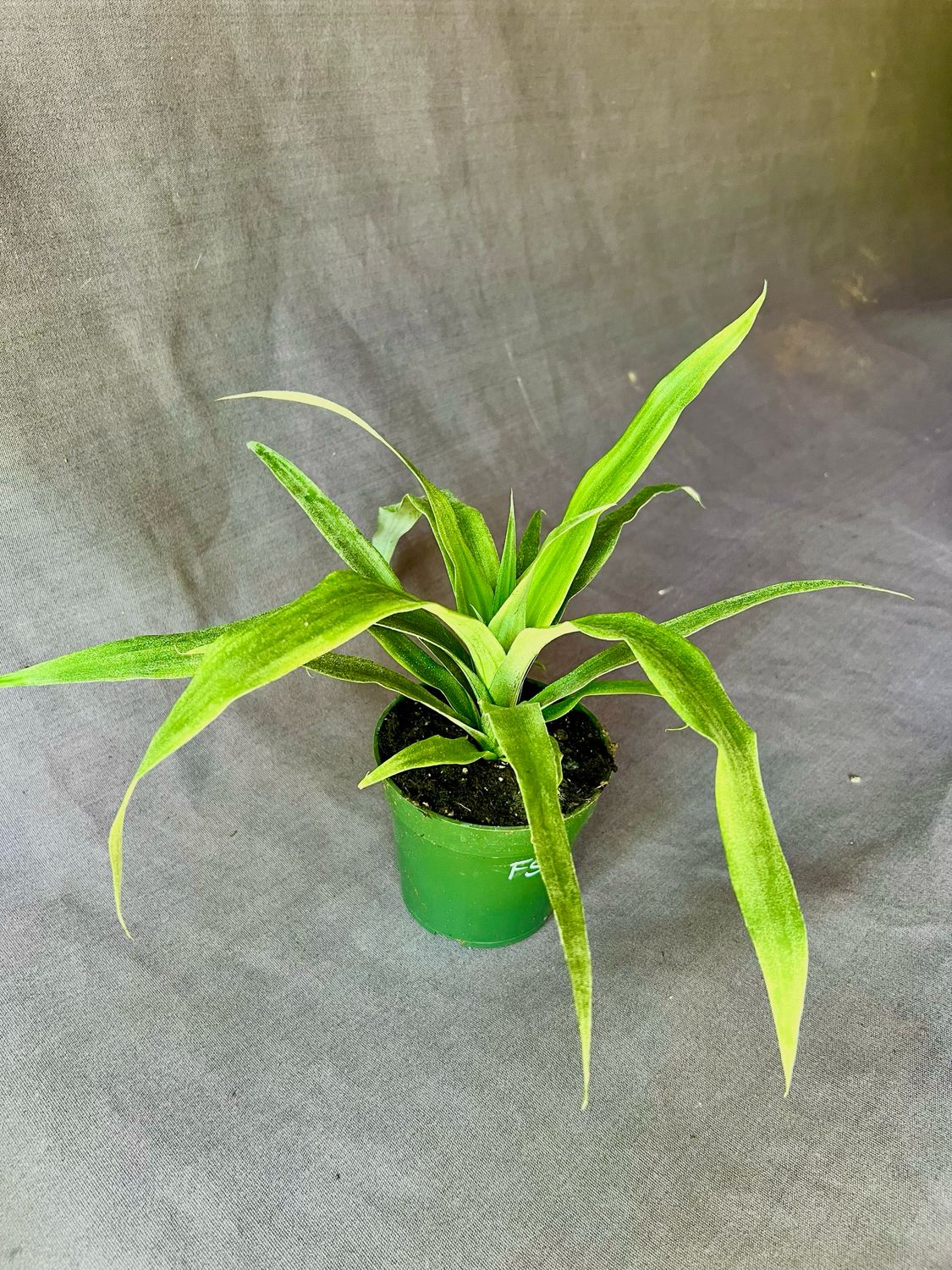
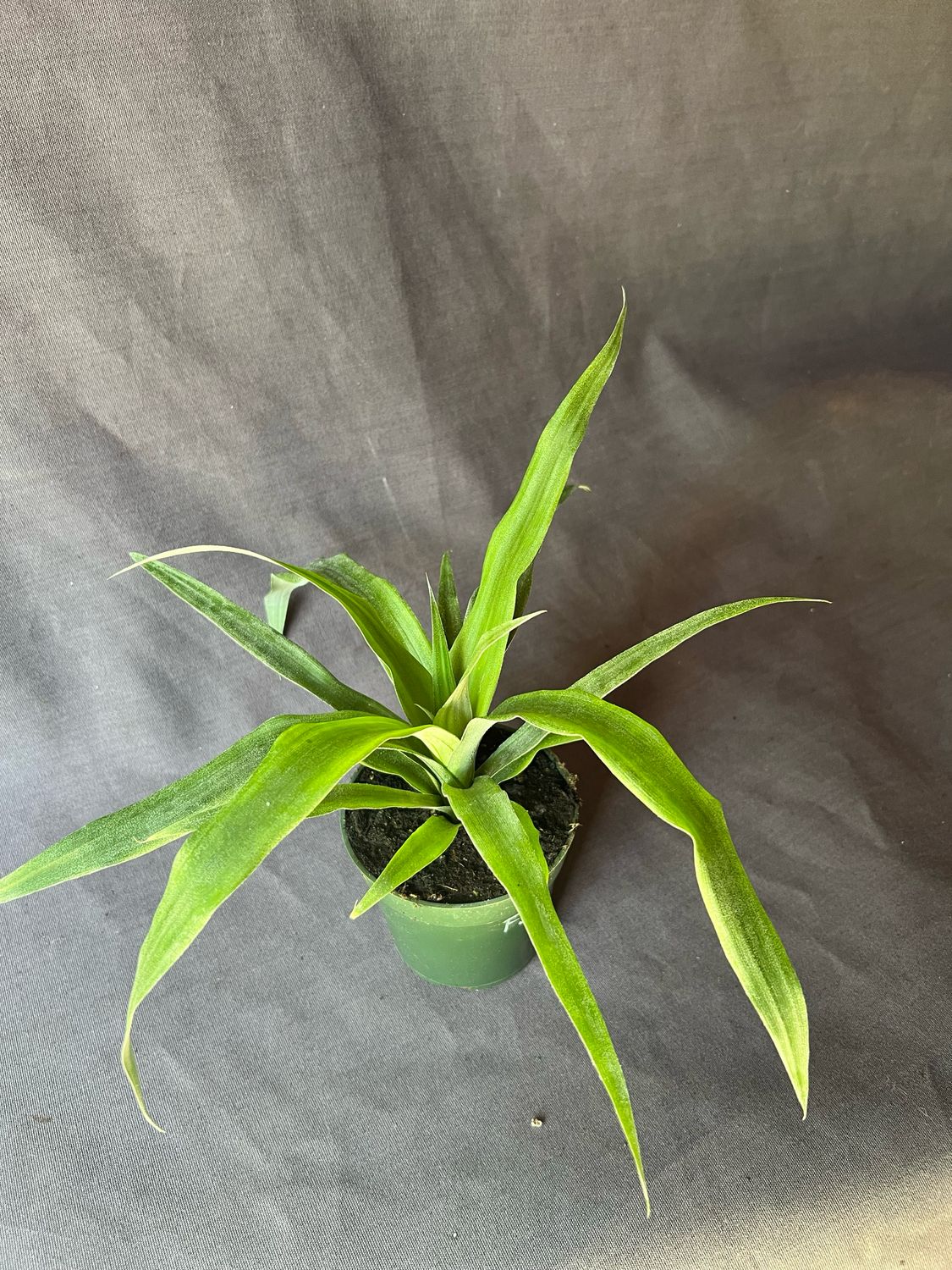
🍍 Florida Special Pineapple – A Florida-Friendly Tropical Fruit | Ananas comosus ‘Florida Special’
Sweet homegrown pineapple. Bold tropical architecture. And a little more cool-weather confidence for Florida growers.
Florida Special Pineapple (Ananas comosus ‘Florida Special’) brings serious edible-landscape energy to a surprisingly compact footprint. This tropical bromeliad gives you sculptural evergreen foliage, a spectacular flowering and fruiting cycle, pups to propagate for future crops, and—when everything lines up—that ultimate backyard flex: harvesting a pineapple you grew yourself.
What makes this cultivar especially interesting for Florida gardeners? UF/IFAS specifically identifies ‘Florida Special’ as well suited to Florida’s climate, producing excellent fruit and exhibiting good cold tolerance into the mid-30s°F. [1]
That does not make it freeze-proof—but among pineapples, it gives Florida Special a particularly compelling place in subtropical gardens, patio collections and edible landscapes.
Ships in a 4-inch nursery container.
🌿 Florida Special Pineapple Quick Facts
| 🌱 Quick Fact | 🍍 What to Expect |
|---|---|
| Botanical Name | Ananas comosus ‘Florida Special’ |
| Family | Bromeliaceae |
| Plant Type | Evergreen tropical herbaceous perennial / terrestrial bromeliad |
| Size at Sale | 4-inch nursery container |
| Estimated Age | Young juvenile plant, generally several months into nursery production; exact chronological age varies by propagation method and cannot reliably be determined from pot size alone |
| Mature Height | Commonly around 2–3 ft.; exceptionally vigorous pineapples may develop longer foliage and a larger overall footprint |
| Pruned Height | Pineapples are not normally height-pruned like shrubs or trees; manage by removing old leaves and excess offsets rather than cutting the central rosette |
| Mature Spread | Approximately 3–5 ft. under open landscape conditions |
| Growth Rate | Slow to moderate; fastest during sustained warm weather |
| Growth Habit | Low, dense rosette of stiff sword-like evergreen leaves surrounding a short central stem |
| USDA Zones | Most reliable in-ground in Zones 10A–11B; protected Zone 9B growing is possible in favorable microclimates, but winter protection should be expected |
| Zone 8–9 Growers | Best treated as a movable container tropical unless substantial winter protection is available |
| Sun | Full sun for strongest growth and fruit production; some partial shade tolerated |
| Ideal Temperature Range | Approximately 68–86°F |
| Cold Tolerance | ‘Florida Special’ has documented tolerance into the mid-30s°F; pineapple generally suffers freeze injury and may die below approximately 28°F |
| Water | Moderately drought tolerant once established, but consistent moisture supports faster growth and larger fruit; never keep chronically saturated |
| Soil | Fertile, well-drained sandy or loamy soil; mildly acidic conditions are preferred |
| Wind Tolerance | Generally good in ordinary windy conditions; fruiting stalks can lean or topple and hurricane-force winds can uproot plants |
| Salt Tolerance | Do not consider it strongly salt-tolerant; wind-borne salt spray can cause dark spotting near leaf tips |
| Spacing | Approximately 2–3 ft. for a home production planting; wider spacing generally supports larger plants and fruit |
| Container Friendly | Excellent |
| Indoor Growing | Possible with exceptionally bright light; fruiting is much easier outdoors in strong sun |
| Fruiting | One primary fruit per mature rosette, followed by pups and the potential for a ratoon crop |
| Time to Harvest | Commonly 18–36 months in subtropical conditions depending on plant size, propagation material, warmth and care |
| Flower-to-Harvest Time | Approximately 5–7 months |
| Pollinator Required? | No second plant is needed to develop a normal pineapple fruit |
| Deciduous? | No — pineapple is evergreen |
| Edible Part | Mature fruit |
| Landscape Uses | Edible garden, tropical accent, container specimen, border, mass planting, patio display and food forest opening |
🌴 Wait…Pineapple Is a Bromeliad?
Yep. This fruit-producing tropical is in the Bromeliaceae, making it a relative of ornamental bromeliads, tillandsias and Spanish moss.
Unlike epiphytic bromeliads that live attached to trees, pineapple is terrestrial—it grows rooted in soil.
The plant forms a tight spiral of long leaves around a short stem. Once sufficiently mature, a flower stalk emerges from the center. That inflorescence may contain dozens to more than 200 individual flowers.
Those flowers ultimately fuse together into what appears to be one fruit.
Botanically, a pineapple is a syncarp: a compound fruit formed from the fusion of many individual flowers. [2]
Those little geometric sections—or “eyes”—across a pineapple? Each traces back to part of that flowering structure.
Basically: pineapple grows one of the coolest fruits in the garden before you even get to eat it.
🍍 Florida Special Fruit: What Does It Taste Like?
UF/IFAS describes ‘Florida Special’ as producing excellent fruit, but currently available university references do not publish a standardized cultivar-specific Brix level, average fruit weight or laboratory acid profile for Florida Special. [1]
Rather than invent a number, here is what growers should realistically expect from a well-grown backyard pineapple:
- 🍯 Sweet tropical flavor
- 🍋 Bright balancing acidity
- 🌞 Juicy yellow-to-golden flesh
- 🌺 Strong pineapple aroma at maturity
- 🍍 Tender, succulent texture
- 🌿 Flavor and sweetness influenced heavily by sunlight, plant size, temperature and harvest maturity
A pineapple allowed to mature properly on the plant gives the backyard grower an experience very different from choosing fruit primarily for commercial transportability.
💡 The Flavor Rule That Matters Most
Build the biggest, healthiest plant possible before flowering.
UF/IFAS notes that larger plants at flowering have greater potential to produce larger fruit. Prolonged cold, drought or other stress may trigger a smaller plant to flower prematurely—often resulting in a smaller pineapple. [2]
Grow the plant first.
Then grow the pineapple.
🍈 How Big Will the Fruit Get?
Fruit size varies enormously among pineapple cultivars and growing environments.
General pineapple fruit may reach several pounds, but we do not recommend using generic pineapple weights as a guaranteed Florida Special fruit size.
The size of your harvest will depend heavily on:
- Plant size at flowering
- Length of warm growing season
- Available sunlight
- Root volume
- Container size
- Nutrition
- Water availability
- Temperature stress
- Number of pups being supported simultaneously
- Whether the plant flowers prematurely
If maximizing fruit size is your goal, allow the mother plant to become vigorous before flowering and limit excess suckers while the fruit develops.
🌸 From Purple Flowers to Pineapple
Before you get the familiar golden fruit, Florida Special puts on a botanical show.
The developing flower structure rises from the center of the rosette on a sturdy central stalk. Pineapple flowers can show violet-blue to purple tones surrounded by reddish bracts.
Individual flowers open progressively rather than all at once.
Eventually, the ovaries and surrounding floral tissues fuse into the single pineapple we recognize as fruit. [2]
Does It Need Pollination?
Not in the way an avocado, mango or many other fruit crops do.
A pineapple can develop its commercial-style fruit without cross-pollination. Pineapple is actually self-incompatible for seed formation: pollen from the same variety does not normally result in seeds.
Growing genetically different pineapple cultivars together and allowing them to flower simultaneously can sometimes lead to seeded fruit. [2]
So there is no need to buy two Florida Special Pineapples just to obtain fruit.
Buy two because you want two pineapples. We fully support that logic.
⏳ How Long Until My Florida Special Pineapple Fruits?
Pineapple teaches patience—but it is productive patience.
In Florida and similar subtropical climates, expect approximately:
| 🌱 Stage | ⏳ General Timeline |
|---|---|
| Young plant establishes | First several months |
| Vegetative growth | Often 12+ months |
| Mature plant reaches flowering size | Commonly around 14–18+ months under good conditions |
| Flowering through fruit development | Approximately 5–7 months |
| Typical planting-to-harvest range | Roughly 18–36 months in subtropical climates |
| Ratoon crop | Often faster than beginning again with a small new plant |
Your 4-inch Florida Special Pineapple is a young plant, not a near-fruiting specimen.
Warmth, sunlight and plant size matter.
Growers in South Florida may move through the cycle more rapidly than growers overwintering plants indoors in North Carolina or Pennsylvania.
And that is exactly why plant age alone is a poor predictor of pineapple harvest time.
🗓 When Is Pineapple Harvest Season in Florida?
Pineapple does not follow one rigid annual harvest calendar.
Harvest timing depends largely on when the individual plant flowers.
Flowering may be influenced by:
- Plant maturity
- Shorter daylength
- Cool weather
- Drought stress
- Growing conditions
- Intentional ethylene exposure in advanced cultivation
Once flowering begins, approximately 5–7 months are generally required for fruit development. [2]
🌴 Florida
Warm-climate growers can potentially encounter fruit development at different times depending on the plant’s flowering cycle. Many backyard fruits reach maturity during warmer months, but growers should follow the fruit, not the calendar.
🌾 Southeastern U.S.
Containers that spend winter protected may have a more interrupted growth cycle. Cooler weather can delay overall development and may induce flowering if the plant is mature enough.
❄️ Northern & Western Growers
The plant may spend a substantial part of the year indoors or protected. Reduced winter light and cooler temperatures can extend time to flowering and harvest considerably.
👃 How Do I Know When My Pineapple Is Ready?
Watch the base of the fruit.
As pineapple approaches harvest maturity:
- The shell begins changing from green toward greenish-yellow and yellow
- Color typically progresses upward from the base
- Individual fruitlets flatten
- The fruit develops its characteristic aroma
UF/IFAS recommends harvesting for optimum sweetness when approximately one-third to two-thirds or more of the shell has changed toward yellow, depending on intended use and conditions. [2]
🌟 Backyard-Grower Advantage
Commercial pineapple must survive packing, transportation, warehousing and retail display.
Your backyard pineapple needs to survive the trip from the garden to the kitchen.
That gives home growers the luxury of watching aroma, color and maturity much more closely.
🍴 How to Use Your Harvest
This is the part that makes the long wait worth it.
🍍 Fresh
Cut it cold and eat it.
For your first homegrown pineapple, we suggest doing as little as possible so you can actually taste what you spent all that time growing.
Try:
- Fresh chilled slices
- Pineapple spears
- Fruit salads
- Smoothies
- Fresh juice
- Pineapple agua fresca
- Tropical breakfast bowls
🔥 Grill It
Pineapple caramelizes beautifully over high heat.
Try thick slices with:
- Lime
- Sea salt
- Chili
- Cinnamon
- Coconut
- A touch of honey or cane sugar
🌶 Pineapple Salsa
Dice fresh pineapple with:
- Onion
- Pepper
- Cilantro
- Lime
- Salt
Serve with tacos, grilled vegetables, fish, rice bowls or whatever else needs a tropical upgrade.
🍚 Savory Cooking
Across tropical and subtropical cuisines, pineapple finds its way into:
- Fried rice
- Curries
- Salsas
- Chutneys
- Marinades
- Glazes
- Grilled dishes
- Sweet-and-sour preparations
- Hot sauces
🍹 Drinks & Desserts
Use it for:
- Smoothies
- Juices
- Frozen treats
- Sorbet
- Cakes
- Upside-down cake
- Jam
- Preserves
- Fermented beverages
- Tropical cocktails and mocktails
🫙 Preserve the Harvest
Extra fruit can be:
- Dehydrated
- Frozen
- Canned using a tested preservation method
- Cooked into preserves
- Turned into fruit leather
🧵 Pineapple Beyond the Kitchen
Pineapple has applications far beyond fresh fruit.
Globally, pineapple crops contribute materials used for:
- 🍍 Fresh and processed fruit
- 🧃 Juice production
- 🫙 Canning and preserved foods
- 🧪 Bromelain extraction
- 🌿 Agricultural byproduct utilization
- 🧵 Plant-fiber applications and research
Pineapple leaf fiber has a long history in fiber and textile applications, while modern research continues exploring pineapple agricultural residues for fiber, composite materials and other value-added uses.
One plant can be food, ornament, propagation stock and biomass.
That fits our kind of garden pretty well.
🍍 From Luxury Flex to Front-Porch Welcome
Pineapple also developed an entirely different identity after reaching Europe and colonial America.
Because fresh pineapple was once difficult and expensive to obtain outside the tropics, the fruit became associated with wealth, celebration and elaborate entertaining.
By the 18th century, its distinctive crown had become established in decorative art and architecture as a symbol of hospitality and welcome.
You can still find pineapple motifs on:
- Gateposts
- Door knockers
- Furniture
- Serving pieces
- Architecture
- Southern and coastal décor
Centuries later, growing one beside the patio seems like a much more practical status symbol.
Welcome to our house. Yes, we grow our own pineapple.
🌴 Ornamental Value: Food Production That Actually Looks Good
Florida Special does not need fruit hanging from it to earn landscape space.
Its evergreen foliage forms a dramatic architectural rosette with:
- Long sword-shaped leaves
- Strong radial symmetry
- Medium-to-coarse tropical texture
- A low, sculptural profile
- A flowering stalk that becomes the centerpiece of the plant
UF/IFAS recommends pineapple for uses including:
- Specimen plantings
- Accent plantings
- Borders
- Mass plantings
- Groundcover-style arrangements
- Containers
- Culinary gardens
- Houseplant culture
🎨 Design It Like an Ornamental
Pineapple’s rigid geometry looks particularly good beside plants with:
- Smaller leaves
- Softer textures
- Mounding growth
- Flowing grasses
- Purple or blue flowers
- Light and medium-green foliage
The contrast makes the pineapple look even more architectural.
Edible landscaping does not have to look like a vegetable row.
This plant proves it.
🌿 Growing Florida Special Pineapple: Seasonal Care, Planting & Production
A pineapple does not need complicated care.
It needs smart care.
The priorities are straightforward:
Sun. Warmth. Drainage. Moderate nutrition. Enough water to keep growing—but never a permanently soggy root zone.
Get those right and Florida Special Pineapple can be one of the more forgiving tropical fruiting plants in a warm-climate collection.
🌞 Where to Plant Florida Special Pineapple
For fruit production, choose the warmest, sunniest, best-drained location available.
✅ Best Location
Look for:
- 6+ hours of direct sunlight
- Excellent drainage
- Warm southern or southeastern exposure
- Protection from prolonged winter cold
- Air circulation
- Easy access for hand watering or drip irrigation
- Space away from mowing equipment
- Enough room for the mature rosette
UF/IFAS recommends full sun for best pineapple growth and fruit production. Shade can delay flowering and reduce plant size, fruit size and quality.
🌴 South Florida — Zones 10–11
This is pineapple territory.
Florida Special can generally remain outdoors year-round, although isolated cold events still deserve attention.
🌿 Central Florida & Warm Zone 9B Microclimates
This is where cultivar choice and site selection become much more important.
Consider:
- South-facing walls
- Courtyards
- Protected pool areas
- Thermal mass
- Locations sheltered from north winds
- Easy access for frost covers
Florida Special’s tolerance into the mid-30s°F makes it especially interesting here, but Zone 9 does not become tropical just because the plant has “Florida” in its name.
Plan for cold protection.
❄️ Zone 8 & Colder
Container culture is the more realistic option.
Grow outdoors during warm weather and move the plant into protected conditions well before a freeze.
🌊 Coastal Locations
Pineapple generally tolerates wind reasonably well, but UF/IFAS documents blackish leaf-tip spotting from wind-borne salt spray.
For oceanfront sites:
- Use a protected courtyard or leeward location
- Avoid the most exposed salt-spray zone
- Watch leaf tips after storms
- Use fresh-water soil irrigation rather than salty water sources
Do not market Florida Special as a true beachfront salt-tolerant plant.
🚫 Where NOT to Plant It
Avoid:
- Depressions where summer rain collects
- Poorly drained clay pockets
- Regularly flooded beds
- Areas receiving constant lawn irrigation
- Deep shade beneath mature trees
- Directly beside sidewalks where foliage becomes intrusive
- Children’s play areas
- Spots where weed trimmers routinely pass
- Exposed frost pockets
- Locations directly beneath roof runoff
Pineapple is more forgiving of a short dry spell than of roots sitting in stagnant water.
🪴 FIRST: Your Plant Just Arrived — Don’t Transplant It Yet
This is especially important with a 4-inch shipped plant.
Shipping is stressful.
The plant has experienced:
- Darkness
- Vibration
- Temperature changes
- Reduced airflow
- Box handling
- Changes in humidity
- A completely new growing environment
🌱 GreenDreams Acclimation Rule
Keep the plant in its current nursery container for approximately 30 days OR until it is clearly producing healthy new growth before transplanting.
Do not receive a shipped plant on Tuesday and put it into a 7-gallon container on Wednesday.
That creates two stresses back-to-back.
Instead:
- Unpack promptly.
- Inspect the plant.
- Water at soil level if needed.
- Begin in bright protected light.
- Gradually increase sun exposure if the plant arrived stressed or pale.
- Allow the plant to resume active growth.
- Watch for healthy new foliage from the center.
- Transplant only after acclimation and when roots indicate the plant is ready.
New growth is your plant’s way of saying: we’re back online.
🌱 How to Plant Florida Special Pineapple — GreenDreams “High & Tight” Method
Pineapple absolutely does not want to be buried deeply.
When transplanting Florida Special Pineapple into the landscape:
1. Prepare the Site
Remove competing turf and weeds from around the planting area.
Do not leave lawn grass growing directly into the pineapple rosette.
2. Dig the Planting Hole
For our GreenDreams planting method:
- Dig the hole only slightly wider than the existing root ball.
- Match the depth of the current container.
- Do not dig an unnecessarily deep bowl that may settle later.
3. Plant High & Tight
Set the plant so the existing root ball finishes:
At grade or slightly above grade.
Never bury the central crown.
Never pile soil deeply around the leaf bases.
4. Backfill
Use native soil around the root ball and firm it enough to eliminate major air pockets without creating compacted concrete.
If incorporating finished compost into poor native soil, keep amendments moderate rather than creating a rich “bathtub” around the roots.
5. Top-Dress
We prefer building fertility from the surface.
Depending on the planting and soil conditions, top-dressing may include:
- Finished compost
- Biochar
- Organic nutrients
- Trace-mineral materials such as azomite where appropriate
6. Mulch
Apply hardwood mulch around the plant while keeping material several inches away from the actual plant base.
7. Water In
Water thoroughly at soil level after planting.
🎥 See Our Planting Philosophy
GreenDreams High & Tight Planting Method:
https://youtu.be/RRQFY30qdA8?si=rRIcsbLlVAVYotfI
🪵 Mulching Florida Special Pineapple
Mulch is one of our favorite tools because it does multiple jobs at once.
A hardwood mulch layer can:
- Reduce weed pressure
- Buffer soil temperature
- Slow evaporation
- Feed soil organisms
- Build organic matter over time
- Protect the soil surface during heavy Florida rain
💡 Mulching Rule
Mulch the soil, not the pineapple.
Leave open space around the plant’s center and leaf bases.
Do not pack wet organic material against the crown.
Think doughnut—not volcano.
💧 Watering Florida Special Pineapple
Pineapple is surprisingly efficient with water.
It tolerates dry periods, but extended drought slows growth and reduces fruit production. Conversely, continuously wet soil increases root-rot risk.
The goal is:
Moisture + oxygen. Not swamp conditions.
🪴 While Still in the 4-Inch Container
A small nursery pot dries much faster than an established in-ground plant.
During warm weather:
- Check the container daily.
- Water thoroughly when the root zone begins drying.
- Do not assume “daily check” automatically means “daily watering.”
- Allow excess water to drain freely.
- Never leave the container standing in a saucer of stagnant water.
A Florida 4-inch pot sitting in summer sun may require frequent watering.
The same plant during a cool cloudy week may not.
Check the plant, not the calendar.
🌱 Newly Planted In-Ground
For initial establishment:
- Water deeply at planting.
- Check the root zone frequently during the first several weeks.
- Water when surrounding soil begins drying.
- Reduce frequency as roots establish.
- Increase monitoring during drought, high wind and extreme heat.
🌴 Established In-Ground Plants
Pineapple in very fast-draining sandy soils may need weekly irrigation during extended dry weather for fruit production.
Florida summer rainfall may eliminate the need for supplemental irrigation for long stretches.
🚫 NO ROUTINE OVERHEAD WATERING
GreenDreams strongly prefers:
Soil-level irrigation in the morning.
For landscape plants, use:
- Drip emitters
- Dripline
- Low soil-level irrigation
- Hand watering directed into the root zone
Avoid relying on:
- Overhead lawn sprinklers
- Afternoon overhead irrigation
- Frequent automated misting
Routine lawn irrigation can keep pineapple soil too wet and promote decline. [2]
Morning soil-level watering also puts water where the plant needs it without leaving the landscape unnecessarily wet during the hottest part of the afternoon.
🔍 Pineapple Drought Signals
Watch for:
- Older leaves wilting
- Dark green fading toward pale green
- Yellowing or reddening
- Leaf margins curling inward
Those symptoms develop gradually.
💦 Too-Wet Signals
Watch for:
- Loss of vigor
- Persistent reddish foliage
- Browning margins
- Softening around the crown
- Root decline
- Plant collapse
If you see decline and the soil stays wet for days, stop adding more water simply because the plant looks stressed.
Sometimes the problem is too much, not too little.
🧺 Feeding Florida Special Pineapple Organically
Pineapple performs best with small, consistent nutrient inputs rather than huge fertilizer doses.
UF/IFAS recommends repeated light feeding during active growth and notes that mature plant size before flowering strongly influences eventual fruit size. [2]
For an organic system, consider:
- Finished compost
- Worm castings
- Balanced granular organic fertilizer
- Micronutrient support where deficiencies are identified
- Organic matter from mulch
- Biologically active soil
🌱 Young Plants
Feed lightly.
A 4-inch juvenile plant does not need the same amount of fertilizer as a nearly mature fruiting specimen.
🌿 Active Warm-Season Growth
Light feeding approximately every 6–8 weeks can support steady vegetative development, depending on the product used.
Always follow the actual fertilizer label.
❄️ Cool Weather
When growth slows, reduce feeding.
Dumping fertilizer onto a cold, inactive plant does not create summer.
It creates expensive soil chemistry.
⚠️ Don’t Chase Growth With Nitrogen
An overfed plant is not automatically a healthier plant.
The goal is balanced vegetative growth that allows the pineapple to become large enough to support quality fruit.
📅 Florida Special Pineapple Seasonal Care Guide
Pineapple is evergreen, not deciduous.
It does not intentionally shed its canopy and go dormant like a peach, nectarine, fig or persimmon.
Instead, growth slows dramatically with cool weather.
🌸 SPRING — March through May
What’s happening:
- Temperatures rise
- New center growth accelerates
- Root activity increases
- Container plants can return outdoors after cold risk passes
- Mature plants may be flowering or developing fruit depending on their individual cycle
What to do:
- Increase watering as temperatures rise
- Resume light organic feeding
- Inspect for mealybugs and scale
- Refresh mulch
- Up-pot acclimated container plants if rootbound
- Gradually reintroduce indoor-wintered plants to full sun
- Remove dead winter-damaged foliage only after temperatures stabilize
Watch for:
🌱 Fresh center growth = good recovery
🪲 Cottony pests hidden between leaf bases
☀️ Sunburn if an indoor plant moves directly into full Florida sun overnight
🌞 SUMMER — June through September
This is prime pineapple-growing weather—but Florida rain changes the irrigation equation.
What’s happening:
- Strong vegetative growth
- Rapid container drying between storms
- Heavy rainfall
- Potential fruit development
- High humidity
- Thunderstorm winds
- Temperatures occasionally above the ideal growth range
What to do:
- Prioritize drainage
- Reduce irrigation during rainy periods
- Never blindly run lawn sprinklers on top of already-saturated soil
- Continue light feeding
- Inspect for scale and mealybugs
- Weed around plants
- Stake heavy fruiting stalks when needed
- Maintain mulch without burying the crown
Watch for:
💦 Root-zone saturation
🌬️ Leaning fruit stalks
🔥 Container heat stress
🐜 Ant activity associated with sap-feeding pests
🍂 FALL — October through November
Pineapple stays evergreen, but cooler nights begin changing its pace.
What’s happening:
- Growth begins slowing
- Some fruit may be approaching harvest
- Cooler temperatures may help induce flowering in sufficiently mature plants
- Undersized plants exposed to stress may flower before reaching ideal size
What to do:
- Gradually reduce watering frequency
- Avoid heavy late-season feeding
- Keep monitoring soil moisture
- Prepare frost cloth and winter protection
- Move cold-sensitive container plants into locations where they can be moved quickly
- Harvest ripe fruit according to color, aroma and maturity—not simply the date
Important: Cool conditions may induce a pineapple to flower before it reaches optimum size, which can result in a smaller fruit.
❄️ WINTER — December through February
Florida Special has an advantage here—but an advantage is not immunity.
What’s happening:
- Growth slows
- Water use declines
- Cold fronts can damage foliage
- Frost becomes the primary concern in Central and North Florida
- Mature plants may receive natural flowering cues
UF/IFAS reports that pineapple growth slows below approximately 60°F, while freezing conditions below about 28°F may kill plants. ‘Florida Special’ is specifically noted for good tolerance into the mid-30s°F.
What to do:
- Water less frequently
- Avoid chronically wet winter soil
- Skip heavy fertilizer
- Move containers into protection before freezes
- Cover in-ground plants when frost threatens
- Protect from cold north winds
- Remove frost covers after temperatures recover
- Do not panic over minor cosmetic spotting after a cold event
Cold-damage symptoms may include:
❄️ Red/white flecking
🍂 Scorched areas
🌬️ Damaged leaf tips
🫣 Temporary growth pause
🌡 Growing Florida Special Across the Southeastern U.S.
Zone 10–11
Best opportunity for permanent outdoor culture.
Zone 9B
Possible with careful microclimate selection and freeze protection.
Zone 9A
Container culture or highly protected experimental in-ground growing is safer.
Zone 8
Treat as a tropical container crop. Outdoor summer growth can be excellent, but winter protection is essential.
Texas
South and coastal Texas growers may have excellent results, while colder inland regions should plan for winter protection.
Gulf Coast
Warmth and humidity are favorable, but drainage becomes especially important during periods of heavy rainfall.
Northern States
Grow as a container tropical that spends warm months outside and winter indoors, in a greenhouse or in another frost-free bright environment.
🪴 Container Growing: One of This Plant’s Best Features
Pineapple adapts extremely well to pots.
We suggest 3–7 gallon containers for mature plants and notes that larger root volumes generally support larger plants and potentially larger fruit.
Your Plant Starts in a 4-Inch Pot
That is the starting point, not the forever home.
A reasonable progression is:
4-inch → 1 gallon → 3 gallon → 7 gallon
You do not need to transplant through every exact industry size if root development says otherwise—but gradual progression makes moisture management easier.
🌱 When to Up-Pot
Wait until:
- Your shipped plant has acclimated for approximately 30 days or longer
- Healthy new growth is visible
- Roots are beginning to fill the container
- Roots may be visible near drainage openings
- The pot dries unusually fast because roots occupy much of the media
- The plant is physically becoming unstable relative to its container
🚫 Don’t Up-Pot Just Because You Bought a Bigger Pot
A tiny root system placed into an enormous volume of wet potting mix can remain saturated too long.
Bigger is not always better yet.
🪴 How to Transplant Florida Special Pineapple Into a Larger Container
Step 1 — Choose the Next Pot
Select a container with:
- Multiple drainage holes
- Stable base
- Enough width for the expanding plant
- No permanently sealed reservoir of stagnant water
Step 2 — Choose a Fast-Draining Mix
Florida Special Pineapple needs a mix that holds some moisture without remaining waterlogged.
A practical container blend can be built around:
- Approximately 70–80% high-quality peat- or coco-based potting mix
- Approximately 20–30% added drainage material such as perlite, pumice or fine pine bark
Adjust according to the starting mix.
If the potting soil is already extremely airy, do not automatically add more.
If it resembles wet mud for days, improve aeration.
Look locally or online for:
- Professional potting mix
- Coco coir
- Peat-based mix
- Perlite
- Pumice
- Pine bark fines
- Nursery containers with drainage
Garden centers, hydroponic suppliers, landscape-supply businesses and online horticultural retailers commonly carry these materials.
Step 3 — Keep the Same Planting Depth
Do not bury the pineapple deeper than it was growing before.
Step 4 — Water Thoroughly
Water once until excess drains from the bottom.
Then resume moisture-based—not calendar-based—watering.
Step 5 — Return to Appropriate Light
Give the freshly transplanted pineapple bright light and watch it for several days.
If it was already acclimated to full sun, it can return to sun.
If it had been growing indoors or in shade, increase sun gradually.
🏡 Can Florida Special Pineapple Grow Indoors?
Yes.
But there is a big difference between:
keeping a pineapple alive indoors
and
growing a strong pineapple crop indoors.
Indoor Priorities
Give it:
- The brightest window available
- Several hours of direct sun when possible
- Supplemental grow lighting when natural light is inadequate
- Warm temperatures
- Excellent drainage
- Air circulation
- Space for a mature rosette
A dim living room corner may keep the plant alive for a period, but it is not where we would expect maximum growth or fruit production.
For cold-climate growers, the ideal rhythm is often:
Outdoors in warm-season sun → protected bright location for winter → outdoors again after frost risk passes.
✂️ How to Prune a Pineapple
Good news:
You basically don’t.
Pineapples do not require canopy pruning, heading cuts or structural pruning.
Remove Only:
- Completely dead leaves
- Severely damaged foliage
- Diseased tissue
- Excess pups when production management calls for it
Use clean tools and gloves.
🚫 Never Cut Out the Healthy Center Growing Point
The plant develops from the central rosette.
Do not “top” a pineapple like a shrub.
🍍 Managing Pups for Fruit Size
While the primary fruit is developing, excessive slips and suckers compete for resources.
UF/IFAS notes that removing developing offsets can help the mother plant maintain growth and can contribute to larger fruit potential.
The tradeoff?
Those pups are your future pineapple plants.
So decide what matters more:
Maximum current fruit or maximum propagation material.
♻️ After Harvest: The Pineapple Isn’t Finished
Pineapple is monocarpic.
That means the original central rosette flowers and fruits once, then gradually declines.
But before you toss the plant, look around the base and stem.
It produces new vegetative growth:
- Suckers
- Slips
- Hapas
- Ratoons
- Crowns
UF/IFAS notes that an individual plant can produce a primary crop and a ratoon crop.
🌱 For a Second Crop
After harvesting:
- Choose one strong ratoon or sucker.
- Remove excess competing growth if desired.
- Allow the selected offset to take over.
- Continue normal nutrition and care.
🌿 For More Plants
Remove suitable offsets, allow cut surfaces to dry appropriately, then root them in clean, well-draining media.
Today’s pineapple can become tomorrow’s pineapple patch.
🌿 Florida Special Pineapple Companion Plant Sidebar
Pineapple does not need a pollinator companion to set fruit, so design its guild around:
- Soil protection
- Biomass production
- Beneficial-insect habitat
- Nutrient cycling
- Weed suppression
- Aesthetic contrast
🌻 Biomass & Chop-and-Drop
Depending on current GreenDreams inventory:
Mexican Sunflower / Tithonia
Excellent warm-season biomass producer. Place behind or to the north side of pineapple plantings and prune aggressively so it never shades the pineapple.
Clumping Grasses
Useful for carbon-rich chop-and-drop material and landscape structure. Keep enough distance that grass crowns do not crowd pineapple roots.
Lemongrass
Provides aromatic foliage, biomass and strong textural contrast.
🌱 Nitrogen-Supporting Neighbors
Pigeon Pea
A fast-growing subtropical legume that can produce biomass and nitrogen-rich prunings. Keep it pruned so the pineapple remains in sun.
Perennial Peanut
Can function as a low nitrogen-fixing groundcover in appropriate warm landscapes, though maintain an open ring immediately around the pineapple.
🐝 Beneficial-Insect Plants
Pineapple does not require insect pollination for normal fruit development, but a diverse garden still benefits from beneficial insects.
Consider nearby:
- Native flowering plants
- Porterweed
- Salvias
- Basil flowers
- Frogfruit
- Other long-blooming nectar species
🌾 Our Pineapple Guild Rule
Do not build such an impressive guild that you shade out the crop you were trying to grow.
Keep tall biomass plants behind the pineapple.
Keep aggressive groundcovers out of its crown.
Chop, drop and manage the system.
🌴 Florida Special in the Food Forest
Pineapple can work beautifully in an edible landscape—but placement matters.
This is not a plant for the dark interior under a mature mango canopy.
Think:
- Sunny edges
- Pathside openings set back from foot traffic
- Young food forests before canopy closure
- South-facing gaps
- Between widely spaced young fruit trees
- Container clusters around patios
- Dedicated pineapple beds
As the upper canopy matures, watch light levels.
If fruit production declines because the site becomes shaded, relocate pups into brighter areas.
A food forest changes over time.
Your plant placement should, too.
⚠️ Florida Special Pineapple Cautions & Troubleshooting
Florida Special Pineapple is relatively uncomplicated when its basic needs are met, but there are several issues worth knowing before they become problems.
The biggest one?
Most pineapple problems begin at one of two extremes: too cold or too wet.
⚠️ Cautions Before Planting
🌿 Sharp Foliage
Pineapple leaves terminate in pointed tips, and some pineapple cultivars may also have marginal spines.
Do not plant directly beside:
- Narrow walkways
- Children’s play areas
- Outdoor seating
- Mailboxes
- Pool steps
- High-traffic entrances
Give the rosette room.
💦 Root Rot
Pineapple is poorly suited to continuously wet soil.
If your landscape floods or your irrigation keeps the ground saturated, correct that before planting.
❄️ Freeze Injury
‘Florida Special’ has better cool-weather tolerance than many growers associate with pineapple, but it remains tropical.
Temperatures in the mid-30s°F may be tolerated by this cultivar, while freezing temperatures—especially around or below 28°F—can be lethal to pineapple plants.
🔍 Florida Special Pineapple Troubleshooting Guide
Icons represent common symptoms and organic-management priorities — look for 🌿 for the recovery strategy.
| ⚠️ What You See | 🧠 Likely Cause | 🌿 What to Do |
|---|---|---|
| ❄️ Red/white flecking after a cold night | Chilling or frost injury | Protect from future cold; keep the plant warm and avoid overwatering while growth is slowed |
| 🍂 Brown leaf tips | Wind, drought, salt spray or general stress | Check moisture first; evaluate wind/salt exposure; do not automatically fertilize |
| 💧 Older leaves wilt, curl, then fade green → yellow/red | Extended drought | Water deeply at soil level and improve moisture consistency |
| 💦 Red foliage + declining growth + constantly wet soil | Root stress / possible root rot | Reduce irrigation immediately; improve drainage; inspect roots if container-grown |
| 🪣 Plant stays wet for many days | Poor drainage or oversized container | Repot into a faster-draining mix or correct landscape drainage |
| 🪲 White cottony clusters between leaves | Mealybugs | Inspect thoroughly; manage ants; use an appropriate organic horticultural soap/oil labeled for edible crops |
| 🪲 Hard bumps attached to leaves | Scale insects | Hand-remove light infestations; use labeled horticultural oil/soap when appropriate |
| 🐜 Heavy ant activity around infested plants | Ants may be protecting mealybugs or scale | Address ants as part of the pest-management strategy |
| 🍈 Tiny fruit on a small plant | Plant flowered prematurely | Prevent prolonged drought/cold stress while juvenile; build a larger plant before flowering |
| 🌬️ Fruit stalk leans or collapses | Heavy fruit + wind | Stake stalk with bamboo/wood and soft natural ties |
| ☀️ Fruit gets scorched after stalk falls over | One side suddenly exposed to intense sun | Stake developing fruit before it reaches the ground |
| 🌱 Plant healthy but no pineapple yet | Juvenile plant, inadequate warmth/light or simply not mature | Give it time, full sun and steady nutrition |
| 🫣 Growth stalls in winter | Temperatures below optimum range | Reduce watering and feeding; resume normal care with warm weather |
| 🐿️ Ripening fruit disappears overnight | Raccoons, squirrels, opossums or other wildlife | Physically protect developing fruit |
| 🍃 Mother plant declines after harvest | Normal monocarpic life cycle | Select a healthy ratoon/pup and continue the next generation |
| 🌊 Blackish spotting near leaf tips | Wind-borne salt spray | Move containers inland/protected or create a wind/salt buffer |
🐛 Organic Pest Management
Pineapple can be affected by:
- Mealybugs
- Scale
- Mites
- Root-feeding pests
- Nematodes
- Root-rotting organisms
🌿 GreenDreams Approach
Start with plant health.
- Maintain excellent drainage.
- Avoid excessive fertilizer.
- Inspect plants regularly.
- Look deep between leaf bases.
- Check undersides of leaves.
- Pay attention to ants.
- Encourage beneficial insects in the surrounding landscape.
- Physically remove light infestations when practical.
- Use horticultural soaps, oils or other organic-compatible products only according to their labels for the crop and pest.
UF/IFAS specifically notes the relationship between ants and pineapple mealybugs/scales: ants may protect these pests from natural predators.
Sometimes your pest problem has six legs.
Sometimes the pest problem has six legs and a tiny security team.
🍄 Root Rot: The Problem We Want You to Prevent
Pineapple root rots can involve Phytophthora and Pythium organisms.
Common symptoms include:
- Slowed growth
- Reddish foliage
- Brown leaf margins
- Root decline
- Progressive plant collapse
The most important management strategy is cultural:
Do not create the wet conditions these organisms prefer.
That means:
- High & tight planting
- Excellent drainage
- No standing water
- No constantly running lawn sprinklers
- No buried crown
- No giant wet container around a tiny root ball
Good horticulture beats troubleshooting after the roots are gone.
✨ Is Florida Special Pineapple Right for You?
✅ IDEAL FOR:
🌴 Florida Growers
Especially gardeners in South Florida and warm Central Florida microclimates seeking a cultivar recognized specifically for Florida conditions.
🍍 Edible Landscape Growers
A productive plant that also looks intentional in the landscape.
🪴 Patio & Container Gardeners
One of the easier tropical fruits to maintain in a manageable container.
🌿 Food Forest Growers
Excellent for sunny edges and openings where taller plants will not shade it.
🏡 Small-Space Growers
You do not need a 20-foot fruit tree to harvest something tropical.
🧑🌾 Propagation Nerds
One mother plant can eventually produce offsets for future crops.
❄️ Northern Gardeners Who Enjoy Container Tropicals
Perfect if you are comfortable moving plants into winter protection.
🎨 Ornamental Gardeners Who Also Like Food
You get architectural foliage whether the fruit is currently present or not.
❌ NOT IDEAL FOR:
- Permanently wet planting sites
- Deep shade
- Gardens with no frost-protection plan in cold climates
- People expecting fruit immediately from a young 4-inch plant
- Tiny indoor spaces without strong light
- Narrow walkways where pointed foliage will become annoying
- Growers who routinely overwater everything
- Anyone wanting a fruit plant they can plant in Zone 8 and completely ignore all winter
❓ Florida Special Pineapple FAQ
Is Florida Special Pineapple cold hardy?
Compared with many tropical-fruit expectations, it has a useful advantage.
UF/IFAS specifically reports good cold tolerance into the mid-30s°F for ‘Florida Special’.
However, general pineapple guidance warns that freezing temperatures around or below 28°F may kill plants.
Think cold-tolerant pineapple, not freeze-hardy perennial.
Can Florida Special Pineapple grow in USDA Zone 9?
Yes—with context.
Warm Zone 9B microclimates may support outdoor plants with active winter protection, especially near buildings or other heat-retaining structures.
For colder Zone 9A locations, container culture is generally safer.
UF/IFAS currently lists pineapple primarily for Zones 10A–11B.
How long will a 4-inch Florida Special Pineapple take to fruit?
There is no honest exact answer.
Pineapple may require 18–36 months from planting to harvest in subtropical conditions, while maturity, temperature, starting plant size and propagation material all influence timing.
Your 4-inch plant is juvenile.
Do not buy it expecting fruit next month.
How old is the 4-inch plant?
Container size does not reliably equal chronological age.
Pineapples may originate from offsets, crowns, slips or other propagation systems, and growth rate changes dramatically with temperature and culture.
Our 4-inch plants should be considered young nursery-grown juvenile plants, generally several months into production rather than fruiting-age specimens.
Does Florida Special Pineapple need another pineapple for pollination?
No.
A second pineapple cultivar is not required for normal fruit development.
In fact, cross-pollination between genetically different cultivars flowering simultaneously may produce seeds in the fruit.
How much sun does Florida Special Pineapple need?
For serious fruit production, give it full sun.
Some partial shade is tolerated, but shade slows growth and can reduce fruit size and quality.
Can I grow Florida Special Pineapple in a pot?
Absolutely.
Container growing is one of this plant’s strengths.
We recommend approximately 3–7 gallon containers for mature plants and notes that larger containers generally allow larger plants and potentially larger fruit.
Your 4-inch plant should be gradually up-potted as its roots develop.
Can Florida Special Pineapple grow indoors?
Yes, especially for overwintering.
For long-term indoor culture and fruit production, however, provide extremely bright light and consider supplemental grow lighting.
An indoor plant sitting six feet away from a dark north-facing window is technically “inside.”
It is not technically “tropical sun.”
Why are my pineapple leaves turning red?
First check the environment.
Red coloration may be associated with:
- Cold stress
- Drought
- Root stress
- Excessively wet soil
- Root disease
Do not treat a color change before diagnosing the conditions around the roots.
Why isn’t my pineapple growing during winter?
Pineapple growth slows considerably as temperatures cool.
Reduce water and fertilizer rather than attempting to force summer growth in winter.
Does the mother plant die after producing fruit?
The original fruiting rosette gradually declines after its crop.
That is normal.
Keep a strong ratoon or pup and the pineapple cycle continues.
Can I plant the crown from the pineapple?
Yes.
Pineapple crowns are legitimate propagation material.
Slips, suckers and ratoons can also produce new plants, and larger propagation pieces generally reach production faster than small ones.
🚚 IMPORTANT SHIPPING INFORMATION — 4-INCH LIVE PLANT
Florida Special Pineapple in this listing ships in a 4-inch nursery container.
This small size is most ideally suited for shipping to:
- 🌴 Florida
- 🌿 Southeastern United States
- 🌞 Texas and nearby warm regions
GreenDreams is located in Florida and currently ships live plants using UPS Ground.
📦 We Ship on Mondays
Our live-plant shipping schedule is built around Monday shipment to reduce the likelihood of plants spending an unnecessary weekend sitting in transit.
🌡 BUYER DISCRETION DURING EXTREME WEATHER
Please check the weather not only where you live—but also what the plant may travel through.
Small plants are more vulnerable to:
- Extreme heat
- Freezing temperatures
- Prolonged transit
- Dehydration
- Dark-box stress
- Temperature fluctuations
GreenDreams cannot control temperatures or handling once a package enters the UPS Ground network.
Orders placed during extreme heat or cold are shipped at buyer discretion.
🪴 Why 4-Inch Plants Require More Care
A 4-inch container has much less soil volume than a:
- 1-gallon
- 3-gallon
- 7-gallon plant
That means it can:
- Dry out faster
- Heat up faster
- Cool down faster
- Show shipping stress faster
When a 1-gallon or larger option is available, we strongly recommend considering the larger plant—especially for longer-distance shipping.
🗺 Northern & Western United States
We are able to ship plants across the continental United States, but growers outside our regional Southeastern shipping zone should understand the added risk.
UPS Ground transit to northern and western states can be considerably longer than shipping within Florida or nearby Southeastern states.
A small tropical plant may arrive with:
- Wilted foliage
- Brown tips
- Cosmetic leaf damage
- Yellowing
- Leaf loss
- General transit stress
Many plants can recover with proper care, but arrival appearance cannot be guaranteed after extended Ground transport outside our regional zone.
Risk associated with extended transit is assumed by the buyer.
🌴 California Orders
California shipments may be subject to agricultural inspection, which can add additional handling or transit time.
GreenDreams is not responsible for delays or plant stress resulting from agricultural inspection or extended UPS Ground transit.
🌱 When Your Plant Arrives
Do not immediately transplant it.
Our recommendation:
Allow approximately 30 days OR wait until healthy new growth is visible before transplanting.
During recovery:
- Keep the plant in its original container
- Check moisture daily
- Water at soil level when needed
- Introduce strong sun gradually if foliage is stressed
- Avoid heavy fertilizer
- Allow the root system to reestablish its normal rhythm
Transit-stressed foliage is often cosmetic.
New growth tells the real story.
🏡 Shop with Us in Person
GreenDreams Nursery & Farm — Retail Nursery Open to the Public
Want to skip the shipping box altogether?
Come see us in Spring Hill.
Our retail nursery carries countless plants in larger sizes, along with many edible, medicinal, tropical, native and ecological plants that never make it onto the online store.
🌾 18709 US Hwy. 41, Spring Hill, FL 34610
🕘 Tues–Fri 9AM–5PM
🌞 Saturday 8AM–3PM
🌿 Stop by our regenerative nursery to see what’s blooming, fruiting and growing this week.
Online-store sizes, availability and pricing may differ from our physical retail-nursery inventory, so visit the nursery to explore the full collection.
🌿 Beyond the Plant: GreenDreams Services
At GreenDreams, we do more than grow plants — we design, build and restore ecosystems across Florida.
- 🌳 Onsite consultations & edible landscape design
- 🚜 Installation & project management
- 🚚 Bulk delivery of compost, mulch, biochar and soil materials
- 🌾 Large-scale and regenerative landscape solutions
- 🌿 Food forest planning
- 🍊 Edible landscape installation
- ♻️ Ecological garden development
Maybe you want to grow one pineapple in a patio pot.
Maybe you want 50 of them woven through a productive tropical landscape.
We work at both ends of that spectrum.
Let our team help you build a thriving edible paradise—starting with the plant on this page.
🌿 IMPORTANT INFORMATION BEFORE PURCHASING LIVE PLANTS
Please note: Plants purchased through our online store are not available for pickup at our retail nursery in Spring Hill, Florida.
Online inventory is housed at a separate facility and is priced, prepared, and handled exclusively for shipping.
🌱 Looking for larger plants or more selection?
Our retail nursery location offers far more availability, including larger sizes, specialty plants, and many selections not suitable for nationwide shipping.
Local pickup is available for retail nursery purchases only.
Visit our Spring Hill, FL retail nursery page to explore in-person shopping options.
🚚 LIVE PLANT SHIPPING & TRANSIT EXPECTATIONS
Live plants naturally experience stress during shipping. Temporary leaf drop, mild wilting, or cosmetic stress is normal after transit. Most plants recover quickly with proper watering, gradual light exposure, and basic aftercare. Some plants may require additional attention during the first few weeks.
Despite careful packing, minor cosmetic damage may occur during transit. Small issues such as broken leaves or stems typically resolve with time and proper care.
If your shipping box arrives with significant external damage, please contact UPS within 30 days to initiate a carrier claim.
⏱️ SHIPPING METHOD, TIMING & TRANSIT WINDOWS
All online orders ship via UPS Ground from our Central Florida nursery.
📦 Shipping Schedule: Orders ship once weekly on Mondays to reduce the risk of packages sitting in transit over weekends. A countdown clock on our website displays the next shipping date.
🚚 Typical Transit Times:
-
Florida: 1–2 days
-
Southern U.S.: approximately 2 days
-
Midwest, West & Northern U.S.: 3–5 business days
Long-distance shipments, particularly to the western U.S., may experience additional transit time due to agricultural inspections in states such as Arizona, California, and Texas.
Extended transit times can be more challenging for small or tender plants and may require additional recovery care after arrival.
🌡️ EXTREME WEATHER & SEASONAL RISK
Live plants are sensitive to temperature extremes.
We cannot guarantee plant condition during periods of extreme summer heat or winter cold and freezing temperatures. Weather-related delays, carrier interruptions, or exposure during delivery are beyond our control.
Customers are responsible for:
-
Monitoring tracking information sent via email
-
Retrieving packages promptly upon delivery
-
Preventing plants from being left outdoors in extreme conditions
During unsafe weather, holiday shipping volume, or extended transit risk, orders may be held and shipped the following week to protect plant health.
⚠️ CUSTOMER RESPONSIBILITY & REFUND POLICY
By purchasing live plants, customers acknowledge and accept the risks associated with shipping, weather exposure, transit delays, and regional suitability.
Refunds or replacements are considered only under exceptional circumstances and in accordance with our return and refund policy. We are not responsible for:
-
Weather-related damage
-
Carrier delays
-
Poor plant selection for a given climate or region
-
Improper care after delivery
Upon purchase, customers assume full responsibility for the ongoing care and success of their plants.
✅ CONSENT & AGREEMENT
By completing a purchase, you confirm that you have read, understand, and agree to all shipping policies, responsibilities, and conditions outlined above.
Our goal is transparency, plant health, and long-term growing success — and we appreciate your understanding and care when ordering live plants.


