


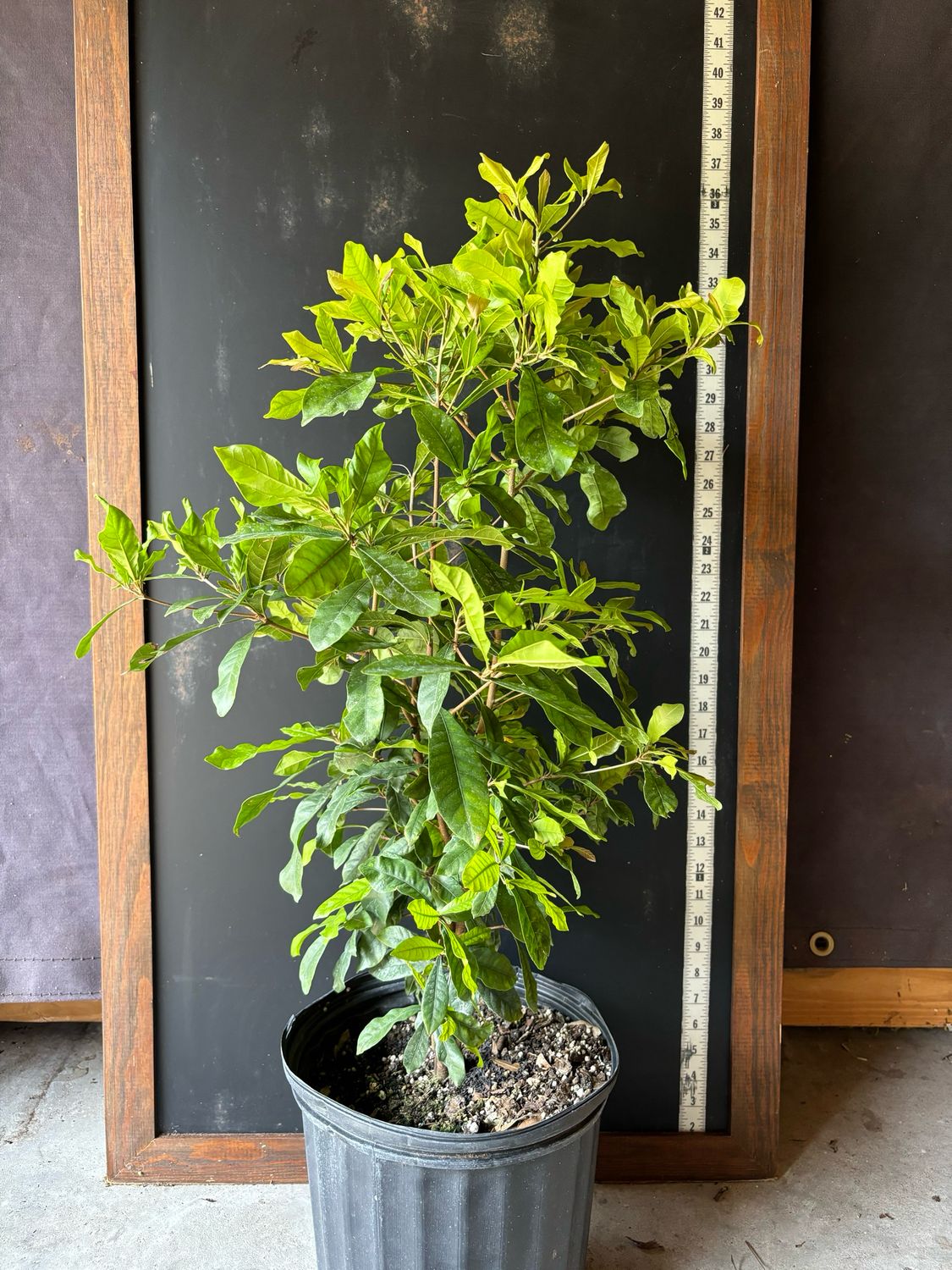
🍒 Miracle Fruit (Synsepalum dulcificum) — The Berry That Turns Sour Sweet
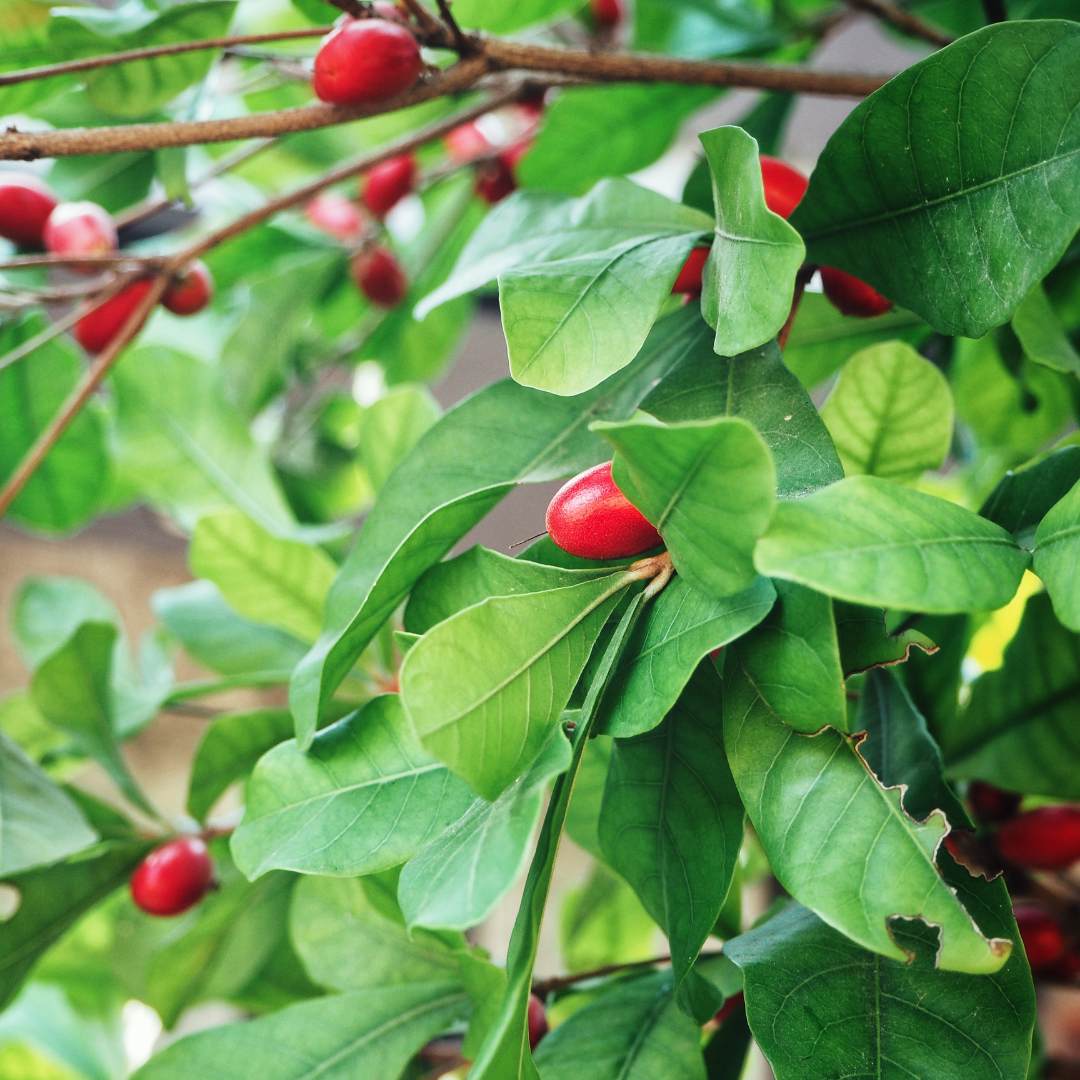
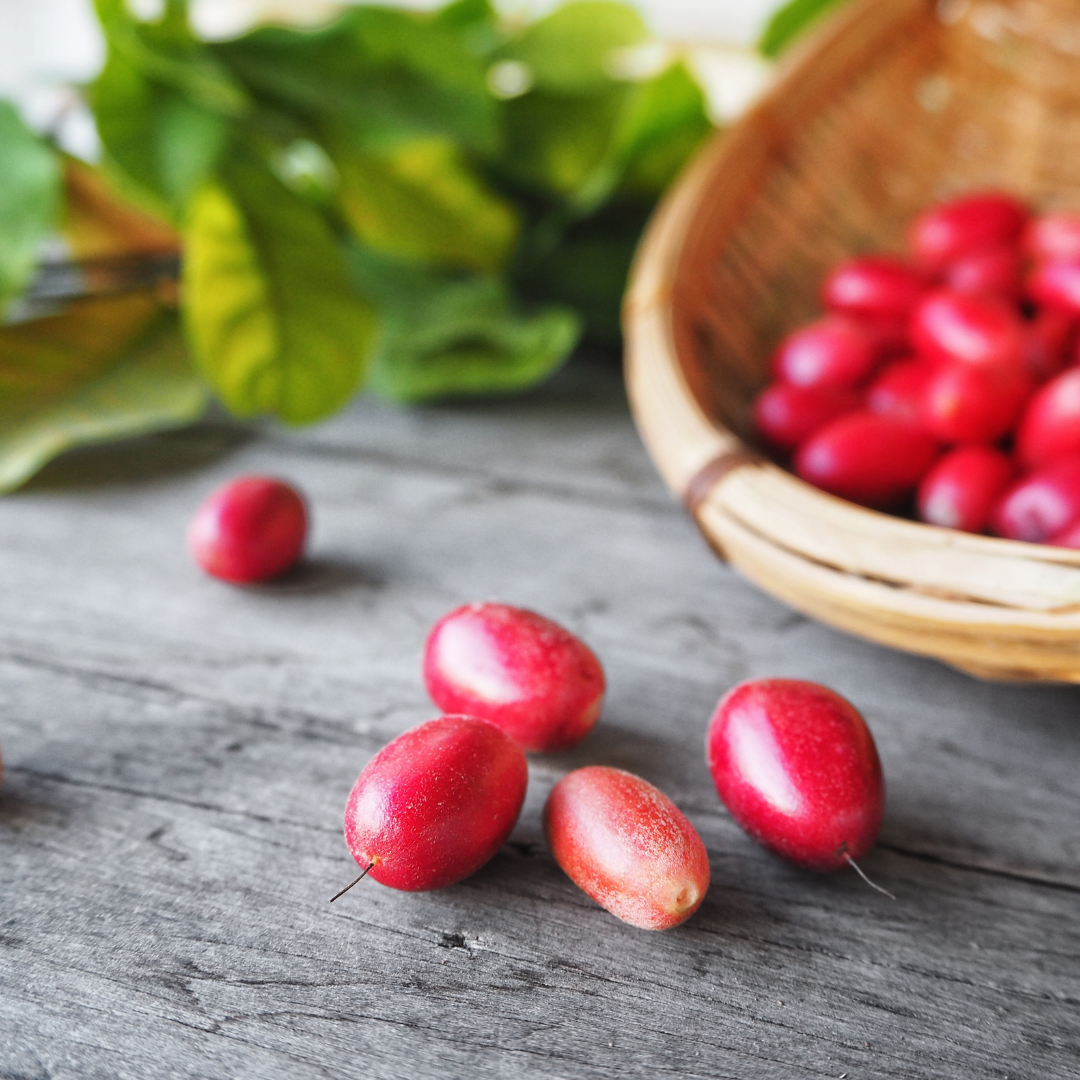
This is the plant you bring out when you want jaws to drop. Miracle Fruit produces glossy red berries that make lemons taste like lemonade and vinegar taste strangely sweet. No sugar, no gimmicks—just miraculin, a naturally occurring protein that temporarily changes how your taste buds perceive acidity.
Grown as a patio showpiece, understory food forest shrub, or bright indoor tropical, Miracle Fruit is part edible novelty, part botanical science experiment—and entirely unforgettable.
🌿 Quick Facts
| Category | Details |
|---|---|
| Botanical Name | Synsepalum dulcificum |
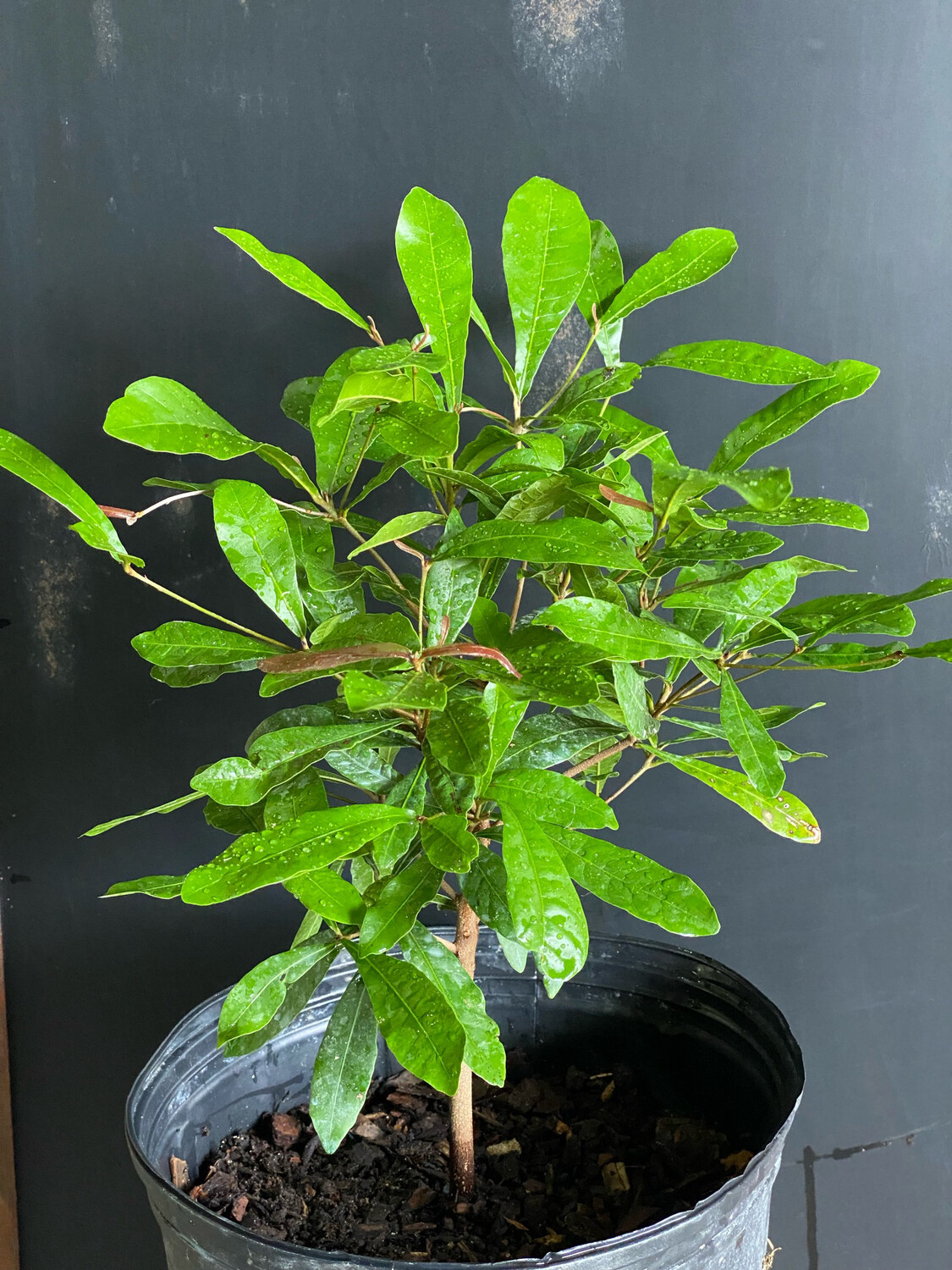
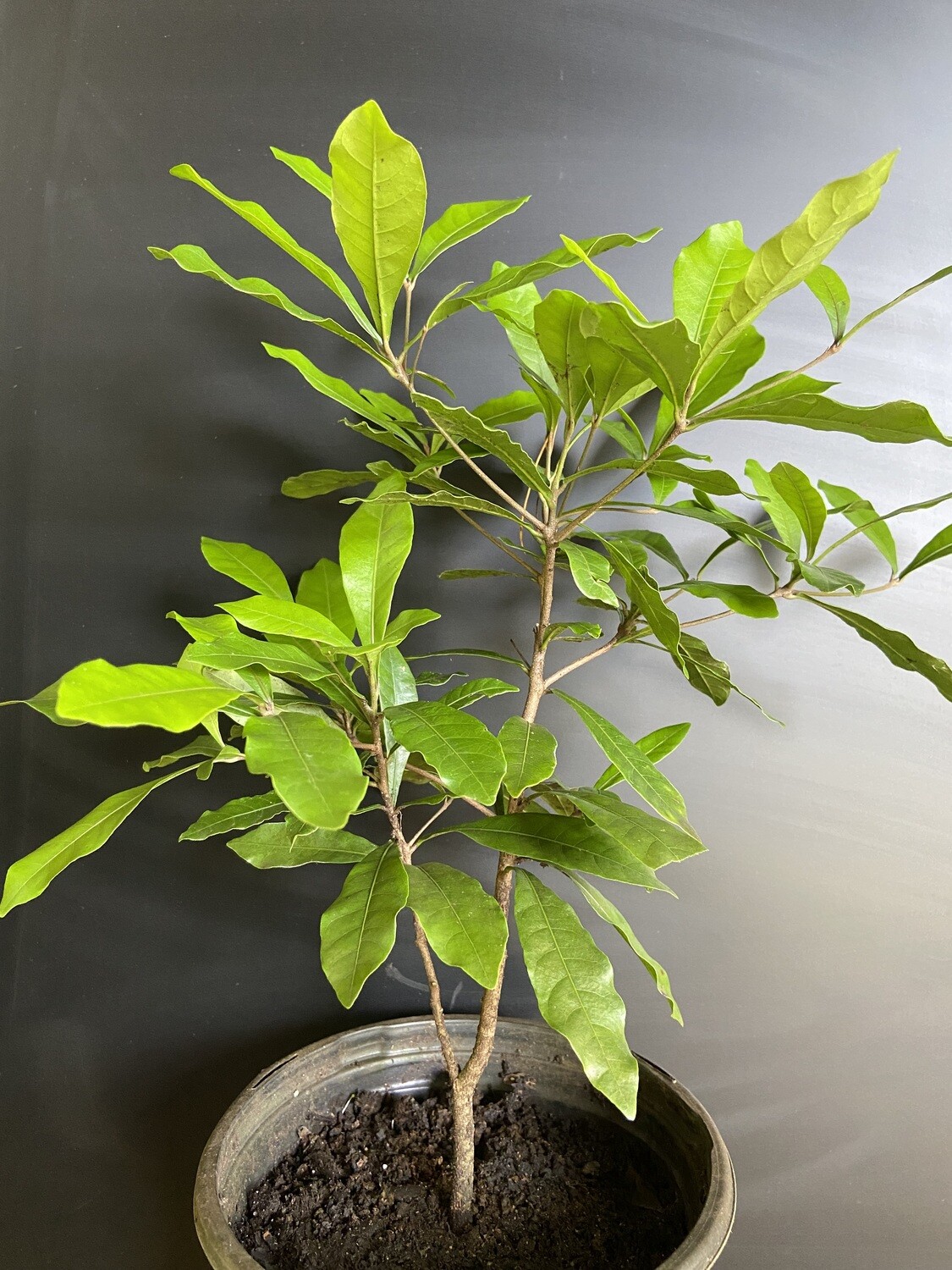
| Plant Type | Evergreen fruiting shrub / small tree |
| Size at Sale | 1-gallon or 3-gallon container |
| Estimated Age | 1-gal: ~1–2 years • 3-gal: ~2–4 years |
| Mature Height & Width | 5–10 ft pruned • up to 12–18 ft unpruned • 4–8 ft wide |
| USDA Zones | 9–11 (cold protection required) |
| Sun Requirements | Bright filtered light to partial shade; tolerates full sun in warm, humid climates |
| Cold Hardiness | Sensitive below ~40°F; frost can be fatal |
| Growth Habit | Dense, upright, slow-growing evergreen |
| Spacing Requirements | 5–6 ft (hedge) • 8–10 ft (specimen) |
🍋 How Miracle Fruit Works
The berry contains miraculin, a protein that binds to sweet taste receptors and activates them only in acidic conditions. After eating the fruit, sour foods register as sweet for a limited time—often 20–60 minutes depending on the person.
🍈 Fruit Description
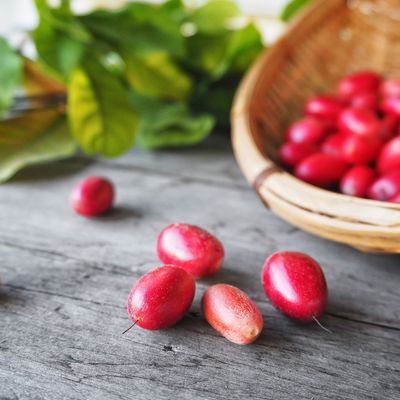
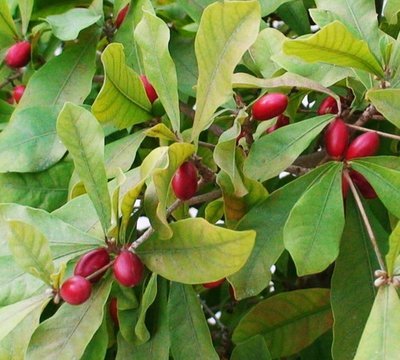
- Appearance: Glossy red, oval berry
- Skin: Thin
- Seed: Single large seed (not eaten)
- Flavor alone: Mild and lightly tangy—the magic happens after
🍒 Fruiting Habits & Harvest Timing
- Produces multiple light flushes during warm months
- In South Florida and protected climates, fruiting can occur nearly year-round
- Expect modest yields per plant—this is a novelty performer, not a bulk producer
Boosting Fruit Set
- Outdoor plants benefit from insect pollination
- Indoor plants should be hand-pollinated using a soft brush
- Growing two or more plants improves consistency and frequency of harvest
🌱 Top Benefits & Uses
🍹 Culinary & Entertaining
Miracle Fruit shines in “taste-tripping” experiences:
- Lemons & limes
- Grapefruit
- Vinegar-based foods
- Tart berries
- Goat cheese
- Sparkling water + citrus
Perfect for hosts, educators, chefs, and anyone who loves memorable food experiences—without added sugar.
🌿 Ornamental Appeal
- Shiny, deep-green evergreen foliage
- Compact, tidy growth habit
- Excellent for patios, courtyards, and understory plantings
Origin Story
Native to West Africa, Miracle Fruit has been used traditionally for centuries to sweeten sour foods before meals—long before modern science explained why it works.
🪴 Container & Indoor Growing Notes
Miracle Fruit is exceptionally well-suited to container culture, especially in regions with occasional cold snaps.
Container Growing
- Use a well-draining, acid-loving soil mix
- Target soil pH around ~5
- Keep evenly moist—never waterlogged
Indoor Growing
- Bright, indirect light (south or east exposure works well)
- Supplemental grow lights improve flowering
- Hand-pollinate flowers for reliable fruit indoors
- Higher humidity improves overall plant health
🌿 Best Practices for Planting and Care
Miracle Fruit (Synsepalum dulcificum)
Where to Plant
- Light: Filtered sun to partial shade
- Location: Sheltered from wind; avoid exposed, salty coastal sites
- Soil: Acidic, well-drained; avoid limestone or alkaline soils
Planting Instructions (High & Tight Method)
- Dig a hole slightly wider than the container and no deeper
- Set Miracle Fruit high & tight—do not bury the crown
- Backfill and pack soil firmly
- Top-dress with compost, biochar, and trace minerals
- Mulch with hardwood, keeping mulch away from the trunk
📺 Planting method video:
https://youtu.be/RRQFY30qdA8?si=rRIcsbLlVAVYotfI
Watering
- Containers: Often daily during warm months
- In-ground (establishment): Regular deep watering; increase during heat
- Always prefer drip irrigation over overhead watering
Feeding
- Light, regular feeding during warm months
- Use fertilizers designed for acid-loving plants
- Watch for yellowing leaves, which can signal nutrient lockout
Pruning
- Minimal pruning required
- Light shaping after fruiting to maintain compact form
Winter Care (Florida & Similar Climates)
- Not frost tolerant
- Move containers or protect plants when temperatures approach the low 40s
- Avoid freeze exposure entirely
🌿 Companion Plant Sidebar
Miracle Fruit pairs well with other acid-loving and understory plants:
- Blueberries
- Jaboticaba
- Pollinator plants (basil, salvia, native flowers)
- Biomass builders planted nearby, not crowding roots
🔍 Troubleshooting Guide — Miracle Fruit
| 🔍 Issue | Likely Cause | ✅ Solution |
|---|---|---|
| Yellowing leaves | Soil or water pH too high | Switch to acidic mix, rainwater if possible |
| Leaf curl or droop | Heat or drought stress | Deep watering, afternoon shade |
| Leaf spotting | Excess moisture + low airflow | Improve drainage and air circulation |
| Flowers but no fruit | Lack of pollination | Hand-pollinate flowers |
| Cold damage | Exposure below tolerance | Move or cover plant immediately |
⚠️ Cautions
- Cold sensitivity: Damage occurs below ~40°F
- pH sensitivity: Alkaline soil or water leads to decline
- Edibility note: The berry is eaten for its effect; the seed is not consumed
🌟 Is This Plant Right for You?
✅ Ideal For
- Culinary explorers & home mixologists
- Educators and hosts who love interactive food experiences
- Patio, container, and indoor tropical gardeners
- Health-conscious cooks reducing added sugar
❌ Not Ideal For
- High-pH or limestone soils without container growing
- Growers seeking heavy fruit production from one plant
❓ Frequently Asked Questions
How long until my Miracle Fruit produces berries?
3-gallon plants may flower within 1–2 growing seasons with proper care. Smaller sizes take longer.
Can Miracle Fruit be grown indoors year-round?
Yes, with bright light, acidic soil, consistent moisture, and hand-pollination.
Is Miracle Fruit self-pollinating?
It can set fruit alone, but pollinators or hand-pollination improve yield.
What soil mix works best in containers?
A pine-bark-based, well-draining acidic mix is ideal.
🚚 Shipping & Handling Notes
- 4” & 1-gallon sizes: Ship best to Florida, the Southeast, and Texas
- Nationwide shipping available with expected recovery time in northern/western regions
- Ships Mondays via UPS Ground from Florida
- Buyer discretion advised during extreme heat or cold
Recovery Tip:
Keep Miracle Fruit in its original container for 30 days or until new growth appears before transplanting.
📍 Local Pickup Available
We carry larger sizes and many plants not listed online.
GreenDreams Nursery & Farm
🌾 18709 US Hwy. 41, Spring Hill, FL 34610
🕘 Tues–Fri 9AM–5PM | 🌞 Sat 8AM–3PM
🌿 Beyond the Plant: GreenDreams Services
We don’t just grow plants—we design, build, and restore ecosystems across Florida.
- 🌳 Onsite consultations & edible landscape design
- 🌱 Installation & project management
- 🚚 Bulk compost, mulch, biochar & soil delivery
- 🌾 Wholesale & large-scale regenerative solutions
Let our team help you create your own thriving edible paradise—starting with Miracle Fruit 🌿
🌿 IMPORTANT INFORMATION BEFORE PURCHASING LIVE PLANTS
Please note: Plants purchased through our online store are not available for pickup at our retail nursery in Spring Hill, Florida.
Online inventory is housed at a separate facility and is priced, prepared, and handled exclusively for shipping.
🌱 Looking for larger plants or more selection?
Our retail nursery location offers far more availability, including larger sizes, specialty plants, and many selections not suitable for nationwide shipping.
Local pickup is available for retail nursery purchases only.
Visit our Spring Hill, FL retail nursery page to explore in-person shopping options.
🚚 LIVE PLANT SHIPPING & TRANSIT EXPECTATIONS
Live plants naturally experience stress during shipping. Temporary leaf drop, mild wilting, or cosmetic stress is normal after transit. Most plants recover quickly with proper watering, gradual light exposure, and basic aftercare. Some plants may require additional attention during the first few weeks.
Despite careful packing, minor cosmetic damage may occur during transit. Small issues such as broken leaves or stems typically resolve with time and proper care.
If your shipping box arrives with significant external damage, please contact UPS within 30 days to initiate a carrier claim.
⏱️ SHIPPING METHOD, TIMING & TRANSIT WINDOWS
All online orders ship via UPS Ground from our Central Florida nursery.
📦 Shipping Schedule: Orders ship once weekly on Mondays to reduce the risk of packages sitting in transit over weekends. A countdown clock on our website displays the next shipping date.
🚚 Typical Transit Times:
-
Florida: 1–2 days
-
Southern U.S.: approximately 2 days
-
Midwest, West & Northern U.S.: 3–5 business days
Long-distance shipments, particularly to the western U.S., may experience additional transit time due to agricultural inspections in states such as Arizona, California, and Texas.
Extended transit times can be more challenging for small or tender plants and may require additional recovery care after arrival.
🌡️ EXTREME WEATHER & SEASONAL RISK
Live plants are sensitive to temperature extremes.
We cannot guarantee plant condition during periods of extreme summer heat or winter cold and freezing temperatures. Weather-related delays, carrier interruptions, or exposure during delivery are beyond our control.
Customers are responsible for:
-
Monitoring tracking information sent via email
-
Retrieving packages promptly upon delivery
-
Preventing plants from being left outdoors in extreme conditions
During unsafe weather, holiday shipping volume, or extended transit risk, orders may be held and shipped the following week to protect plant health.
⚠️ CUSTOMER RESPONSIBILITY & REFUND POLICY
By purchasing live plants, customers acknowledge and accept the risks associated with shipping, weather exposure, transit delays, and regional suitability.
Refunds or replacements are considered only under exceptional circumstances and in accordance with our return and refund policy. We are not responsible for:
-
Weather-related damage
-
Carrier delays
-
Poor plant selection for a given climate or region
-
Improper care after delivery
Upon purchase, customers assume full responsibility for the ongoing care and success of their plants.
✅ CONSENT & AGREEMENT
By completing a purchase, you confirm that you have read, understand, and agree to all shipping policies, responsibilities, and conditions outlined above.
Our goal is transparency, plant health, and long-term growing success — and we appreciate your understanding and care when ordering live plants.


