


🍅 Everglades Tomato — The Wild Florida Favorite
(Solanum lycopersicum – Florida’s Heat-Loving Currant Tomato)
Ships in a 4-inch container
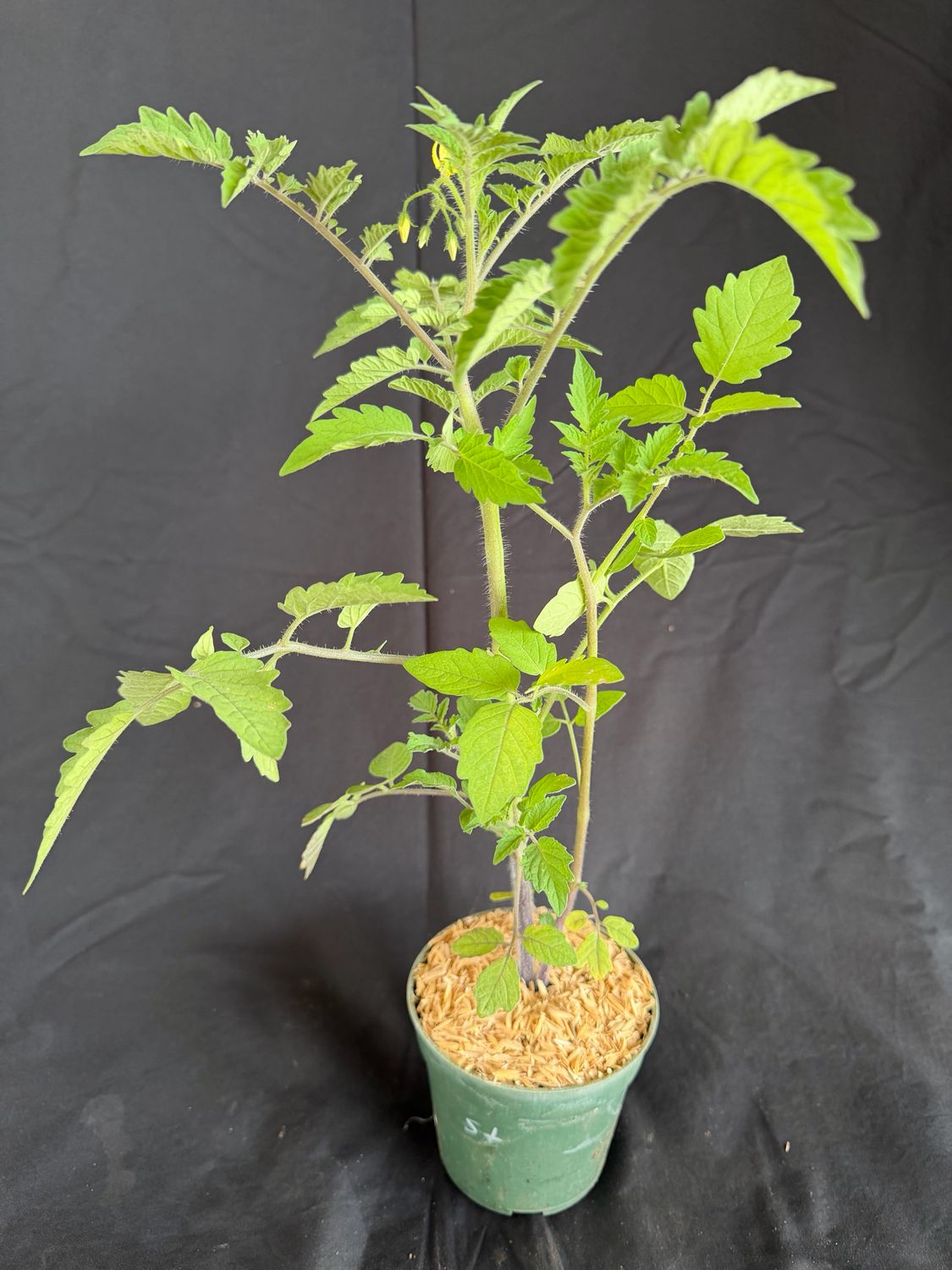
The Everglades Tomato is Florida’s untamed answer to the summer tomato struggle. When commercial hybrids wither in the heat and humidity, this resilient native-adapted variety keeps producing by the hundreds. Sweet, tiny, and wild at heart — it’s the tomato that never gives up.
🌿 Quick Facts Table
| Attribute | Details |
|---|---|
| Botanical Name | Solanum lycopersicum (*see species note below) |
| Common Names | Everglades Tomato, Wild Florida Tomato, Currant Tomato |
| Plant Type | Perennial in warm climates; annual elsewhere |
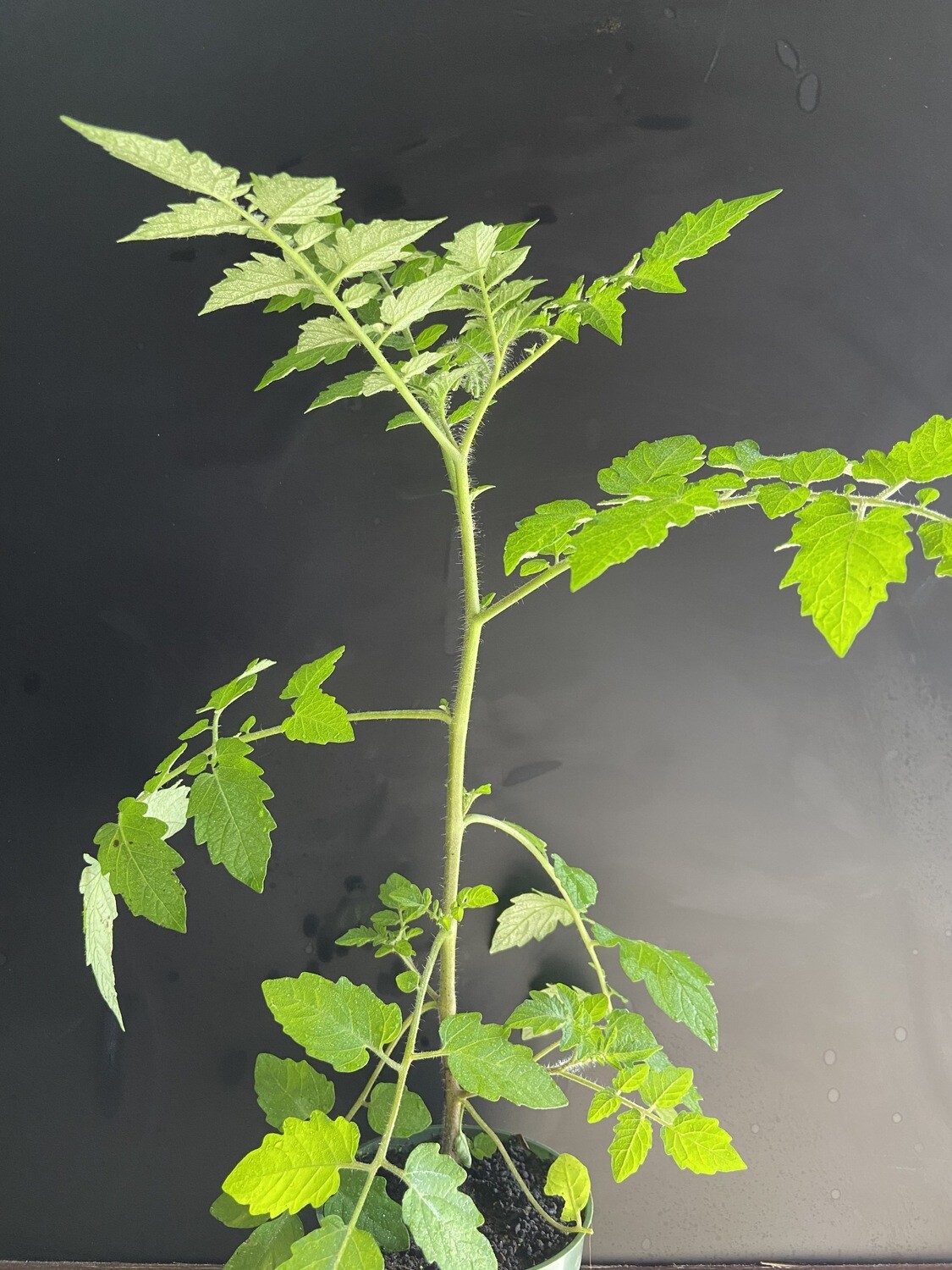
| Sale Size | Ships in 4" container |
| Mature Height & Width | 10–12 ft sprawling unpruned; can be maintained 3–4 ft with pruning or support |
| USDA Zones | 9–11 (perennial); grown as annual in Zones 5–8 |
| Sun Requirements | Full sun preferred (6+ hrs); tolerates light partial shade |
| Cold Hardiness | Frost tender – protect below 32°F |
| Growth Habit | Indeterminate, sprawling, highly productive |
| Spacing Requirements | 2–3 ft apart; allow extra room if untrellised |
🍅 Fruit Details
- Flavor Profile: Sweet, rich, and fruity — often more flavorful than store-bought cherry tomatoes.
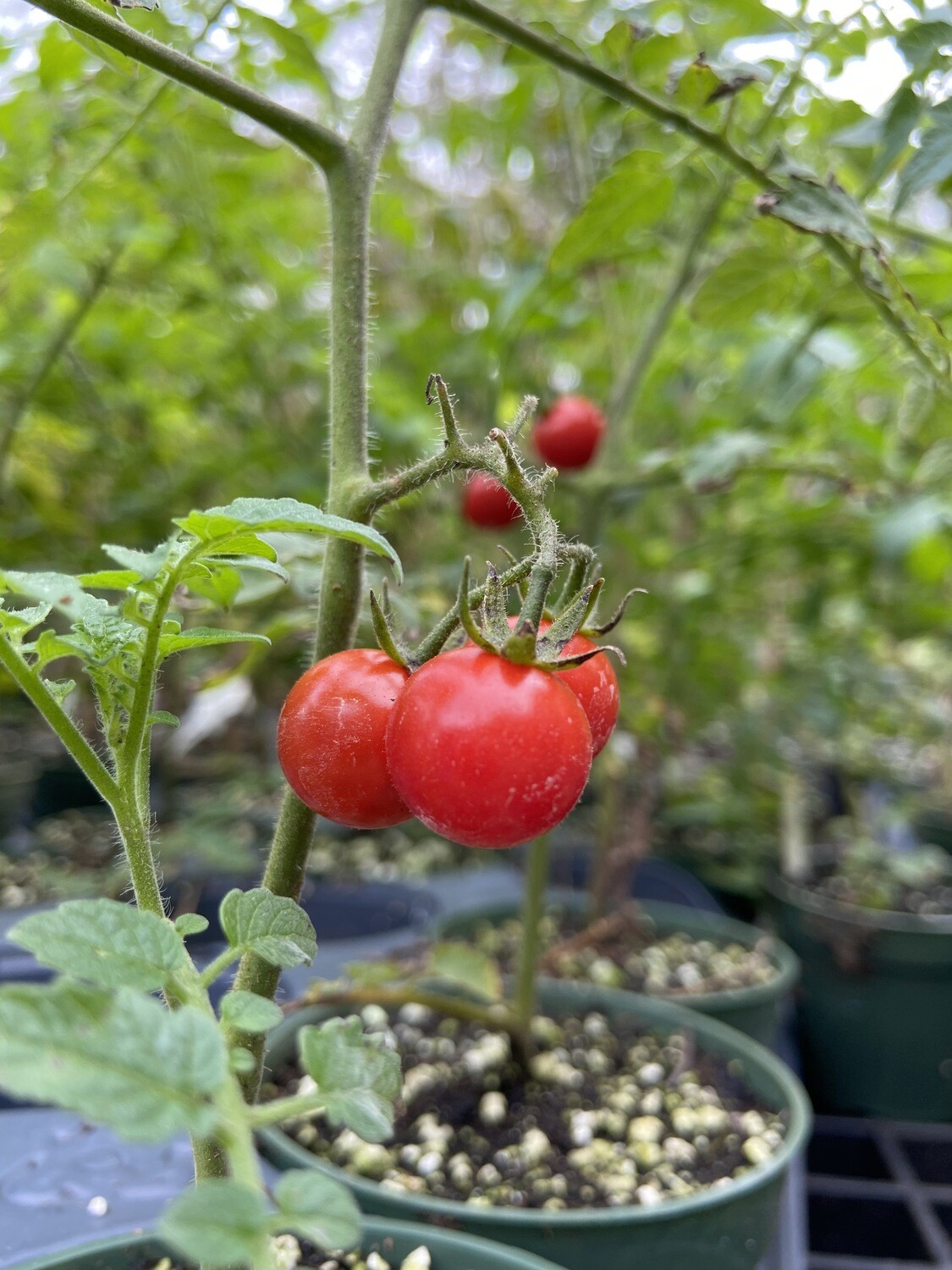
- Size: Tiny currant-sized fruits (~½ inch).
- Texture: Thin-skinned and juicy, bursting with flavor.
- Color: Glossy, vibrant red.
- Harvest Season: Nearly year-round in Florida; typically summer through fall elsewhere.
- Fruiting Habit: Indeterminate, heavy producer — one plant can yield hundreds of fruits.
- Fruit Set Tips: Consistent watering, full sun exposure, and good airflow support continuous production.
- Best Feature: Keeps producing when other tomato varieties stop in summer heat.
🌱 Top Benefits and Uses
- Culinary Delight: Perfect for salads, salsas, sauces, or right off the vine — rich, balanced sweetness.
- Heat & Humidity Resilience: Thrives where most tomatoes fail; built for subtropical summers.
- Low Maintenance: Tolerates sandy soils, drought, and neglect once established.
- Self-Seeding: Will often volunteer in the same garden bed each year.
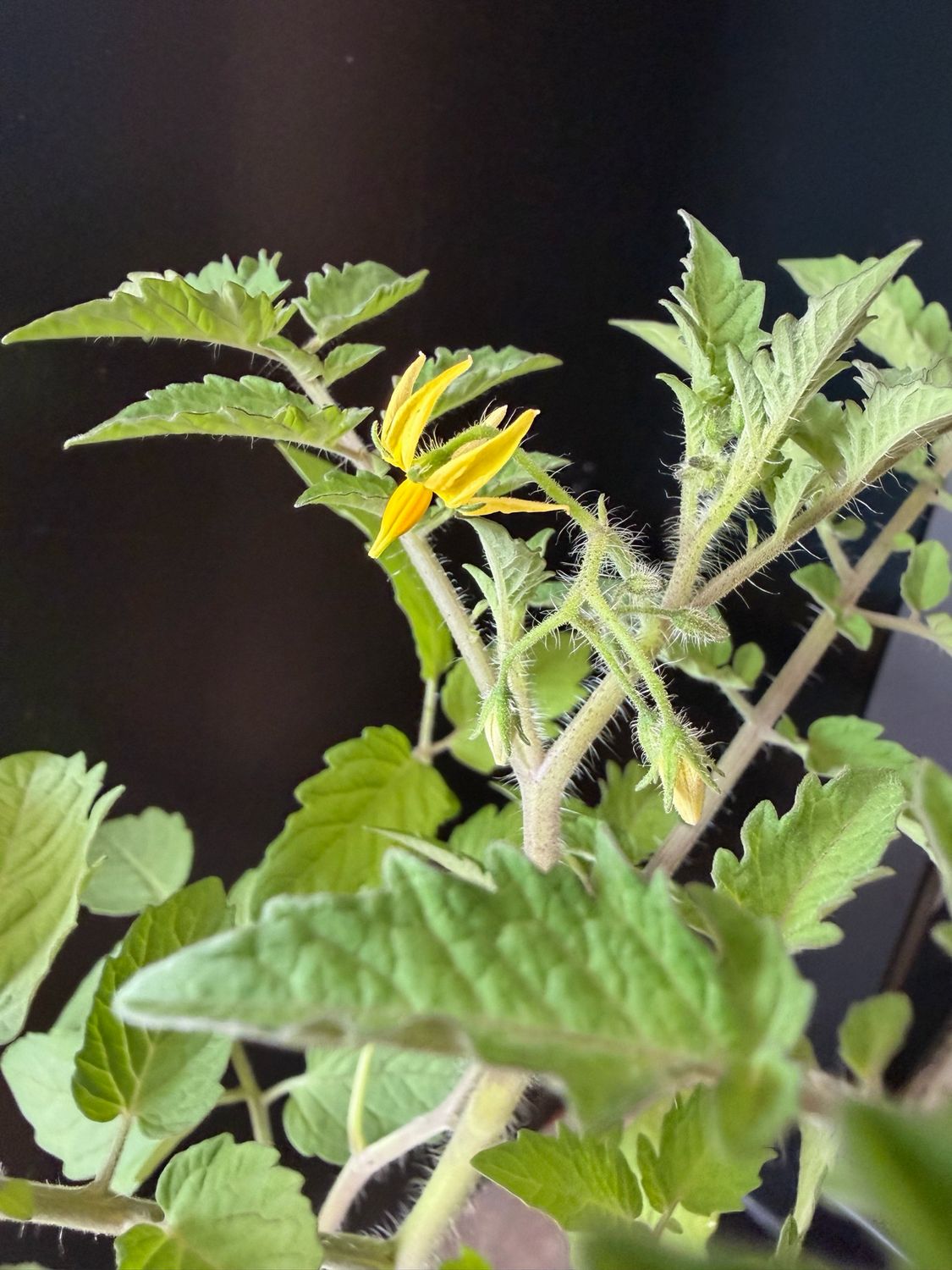
- Pollinator Friendly: Tiny yellow flowers attract bees and beneficial insects.
- Ornamental Appeal: Dense greenery and clusters of bright fruit add tropical flair.
- Educational Value: Popular with schools and urban gardeners for its productivity and adaptability.
Best Practices for Planting & Care
Where to Plant
- Choose full sun with at least 6 hours of direct light daily.
- Prefers well-draining soil enriched with compost or organic matter.
- Excellent for raised beds, edible landscapes, or large containers.
- Avoid low-lying, waterlogged spots — consistent drainage is key.
Planting Method
- Plant deeply — bury the stem slightly deeper than it was in its pot to encourage strong root growth.
- Firm the soil gently around the base to ensure good contact.
- Mulch around the plant to retain moisture, regulate soil temperature, and prevent weeds, keeping mulch a few inches from the stem.
- Space plants 2–3 ft apart (more if sprawling freely).
Watering
- Keep soil evenly moist while establishing.
- Once established, water deeply 2x per week rather than frequent light watering.
- Avoid wetting leaves to prevent fungal issues — water at the base.
Feeding
- Apply a balanced organic fertilizer every 4–6 weeks during heavy production.
- Over-fertilizing (especially with nitrogen) can cause lush foliage but fewer fruits.
Support & Pruning
- Use cages or trellises for better airflow and easier harvesting.
- Light pruning of crowded branches helps prevent disease and encourages fruit set.
- Unpruned vines can sprawl naturally but may need more space.
Seasonal & Regional Tips
- In Florida and Gulf Coast zones, the Everglades Tomato can fruit nearly all year.
- In cooler regions, grow as a summer annual after frost danger has passed.
- Protect or replant in late fall if temperatures drop below 32°F.
🪴 Container & Indoor Growing Tips
- Container Size: Minimum 3–5 gallon pot with drainage holes.
- Potting Mix: Use high-quality organic soil mix with compost.
- Placement: Full-sun patio, porch, or balcony is best.
- Support: Use a tomato cage or trellis for airflow and to prevent breakage.
- Indoor Use: Not suitable as a year-round indoor plant — can be started indoors before transplanting outdoors.
🌱 Botanical Background: Solanum lycopersicum vs. Solanum pimpinellifolium
The Everglades Tomato has long sparked debate among botanists and gardeners alike.
Here’s what’s accurate and widely agreed upon:
- UF/IFAS & university sources classify Everglades as Solanum pimpinellifolium, the wild currant tomato, native to the coastal regions of South America (Peru, Ecuador). This species is the closest wild relative of the modern cultivated tomato (S. lycopersicum) and is prized for its disease resistance, flavor, and heat tolerance.
- ECHO Global Farm (Ft. Myers, FL) — our trusted seed source — lists this plant as Solanum lycopersicum. That choice reflects how closely it behaves like cultivated tomatoes and how natural hybridization has blurred the species line.
✅ Which classification is correct?
Both — depending on context:
| Perspective | Correct Species | Reason |
|---|---|---|
| Academic / Botanical | S. pimpinellifolium | Represents the wild-type ancestor and original “currant tomato” form |
| Seed Trade / Practical Horticulture | S. lycopersicum | Reflects hybridized, regionally adapted strains and ease of cross-pollination with modern tomatoes |
Additional Classification Details
- Interfertility: S. lycopersicum and S. pimpinellifolium freely cross — both share the same chromosome count (2n = 24). Gene flow between them explains why “Everglades” displays wild and cultivated traits.
- Alternate Naming: Some sources also use S. lycopersicum var. cerasiforme to describe semi-domesticated cherry forms overlapping this type.
- Landrace Character: “Everglades” is best described as a Florida-adapted landrace selection — a naturally maintained population rather than a patented cultivar. Minor variations among seed lines are normal.
- Seed Saving Tips: While tomatoes mostly self-pollinate, cross-pollination occasionally occurs. For truest-to-type seed, grow away from other cherry or currant types, or bag flowers to preserve your strain.
Origin Story
The Everglades Tomato traces its ancestry to the wild coastal tomatoes of South America. Over generations, Floridians have saved and selected seed from volunteer plants thriving in our subtropical climate — creating a regionally adapted variety that now carries local cultural significance. It’s one of the few tomatoes that thrives in Florida’s rainy summers and salty air, embodying true “Florida resilience.”
⚠️ Cautions
- Pests: May attract aphids, whiteflies, or tomato hornworms. Control with organic neem oil, hand removal, or insecticidal soap as needed.
- Diseases: Naturally more resistant to fungal blight and bacterial wilt than most tomatoes, but good airflow, crop rotation, and consistent watering remain key.
- Thin Skin: Handle fruit gently to avoid splitting or bruising.
- Cold Sensitivity: Cannot tolerate frost; replant or protect during cold snaps.
Troubleshooting Guide
| Issue | Likely Cause | Solution |
|---|---|---|
| Flowers but no fruit | Too little sun, drought stress, or extreme heat | Increase sunlight, water deeply, and ensure pollinator activity |
| Cracked or split fruit | Irregular watering or heavy rain after dry period | Maintain consistent soil moisture and harvest promptly after storms |
| Yellowing leaves | Nutrient deficiency or poor drainage | Add compost or organic fertilizer; improve drainage |
| Leaf spots or fungal patches | Splashing water or poor airflow | Water at soil level, prune lower leaves, and mulch |
| Sprawling growth | Indeterminate habit | Cage, stake, or allow extra space |
🌼 Companion & Support Plants
For best yield and plant health, pair Everglades Tomato with these GreenDreams favorites:
- Soil Builders: Tithonia diversifolia (Mexican Sunflower), Perennial Peanut (Arachis glabrata)
- Pollinator Boosters: African Blue Basil, Blue Porterweed, Marigolds
- Pest Deterrents: Lemongrass, Garlic Chives, Tagetes patula
- Wind / Salt Protection: Vetiver Grass for coastal gardens
🌟 Is This Plant Right for You?
✅ Ideal for:
- Gardeners in Florida, Gulf Coast, and Southeastern states
- Permaculture and food forest projects
- School or community gardens
- Home growers who want effortless, continuous tomatoes
- Those seeking organic, heat-hardy crops
❌ Not Ideal for:
- Short growing seasons without frost protection
- Those wanting large slicing tomatoes
- Indoor-only growing conditions
📦 Shipping Details
Our 4" size ships best to Florida, the Southeastern U.S., and Texas via UPS Ground.
We can ship nationwide, but plants traveling to northern or western states may need extra recovery time after arrival.
Buyer discretion is advised during peak heat or cold seasons.
We ship every Monday from Florida. GreenDreams cannot guarantee condition due to extreme weather during transit.
📍 Available for Local Pickup
GreenDreams Nursery & Farm
18709 US Hwy. 41, Spring Hill, FL 34610
Open Tues–Fri: 9 AM–5 PM | Sat: 8 AM–3 PM
Come explore our edible plant nursery and see what’s fresh this season! 🌱
🌿 Beyond the Plant: GreenDreams Services
At GreenDreams, we do more than grow plants — we design, build, and restore ecosystems across Florida.
- 🌳 Onsite consultations & edible landscape design
- 🌾 Installation & project management
- 🚚 Bulk delivery of compost, mulch, biochar & soil materials
- 🌿 Wholesale & regenerative landscape support
Let our team help you create your own thriving edible paradise — starting with the Everglades Tomato!
🌿 IMPORTANT INFORMATION BEFORE PURCHASING LIVE PLANTS
Please note: Plants purchased through our online store are not available for pickup at our retail nursery in Spring Hill, Florida.
Online inventory is housed at a separate facility and is priced, prepared, and handled exclusively for shipping.
🌱 Looking for larger plants or more selection?
Our retail nursery location offers far more availability, including larger sizes, specialty plants, and many selections not suitable for nationwide shipping.
Local pickup is available for retail nursery purchases only.
Visit our Spring Hill, FL retail nursery page to explore in-person shopping options.
🚚 LIVE PLANT SHIPPING & TRANSIT EXPECTATIONS
Live plants naturally experience stress during shipping. Temporary leaf drop, mild wilting, or cosmetic stress is normal after transit. Most plants recover quickly with proper watering, gradual light exposure, and basic aftercare. Some plants may require additional attention during the first few weeks.
Despite careful packing, minor cosmetic damage may occur during transit. Small issues such as broken leaves or stems typically resolve with time and proper care.
If your shipping box arrives with significant external damage, please contact UPS within 30 days to initiate a carrier claim.
⏱️ SHIPPING METHOD, TIMING & TRANSIT WINDOWS
All online orders ship via UPS Ground from our Central Florida nursery.
📦 Shipping Schedule: Orders ship once weekly on Mondays to reduce the risk of packages sitting in transit over weekends. A countdown clock on our website displays the next shipping date.
🚚 Typical Transit Times:
-
Florida: 1–2 days
-
Southern U.S.: approximately 2 days
-
Midwest, West & Northern U.S.: 3–5 business days
Long-distance shipments, particularly to the western U.S., may experience additional transit time due to agricultural inspections in states such as Arizona, California, and Texas.
Extended transit times can be more challenging for small or tender plants and may require additional recovery care after arrival.
🌡️ EXTREME WEATHER & SEASONAL RISK
Live plants are sensitive to temperature extremes.
We cannot guarantee plant condition during periods of extreme summer heat or winter cold and freezing temperatures. Weather-related delays, carrier interruptions, or exposure during delivery are beyond our control.
Customers are responsible for:
-
Monitoring tracking information sent via email
-
Retrieving packages promptly upon delivery
-
Preventing plants from being left outdoors in extreme conditions
During unsafe weather, holiday shipping volume, or extended transit risk, orders may be held and shipped the following week to protect plant health.
⚠️ CUSTOMER RESPONSIBILITY & REFUND POLICY
By purchasing live plants, customers acknowledge and accept the risks associated with shipping, weather exposure, transit delays, and regional suitability.
Refunds or replacements are considered only under exceptional circumstances and in accordance with our return and refund policy. We are not responsible for:
-
Weather-related damage
-
Carrier delays
-
Poor plant selection for a given climate or region
-
Improper care after delivery
Upon purchase, customers assume full responsibility for the ongoing care and success of their plants.
✅ CONSENT & AGREEMENT
By completing a purchase, you confirm that you have read, understand, and agree to all shipping policies, responsibilities, and conditions outlined above.
Our goal is transparency, plant health, and long-term growing success — and we appreciate your understanding and care when ordering live plants.


