


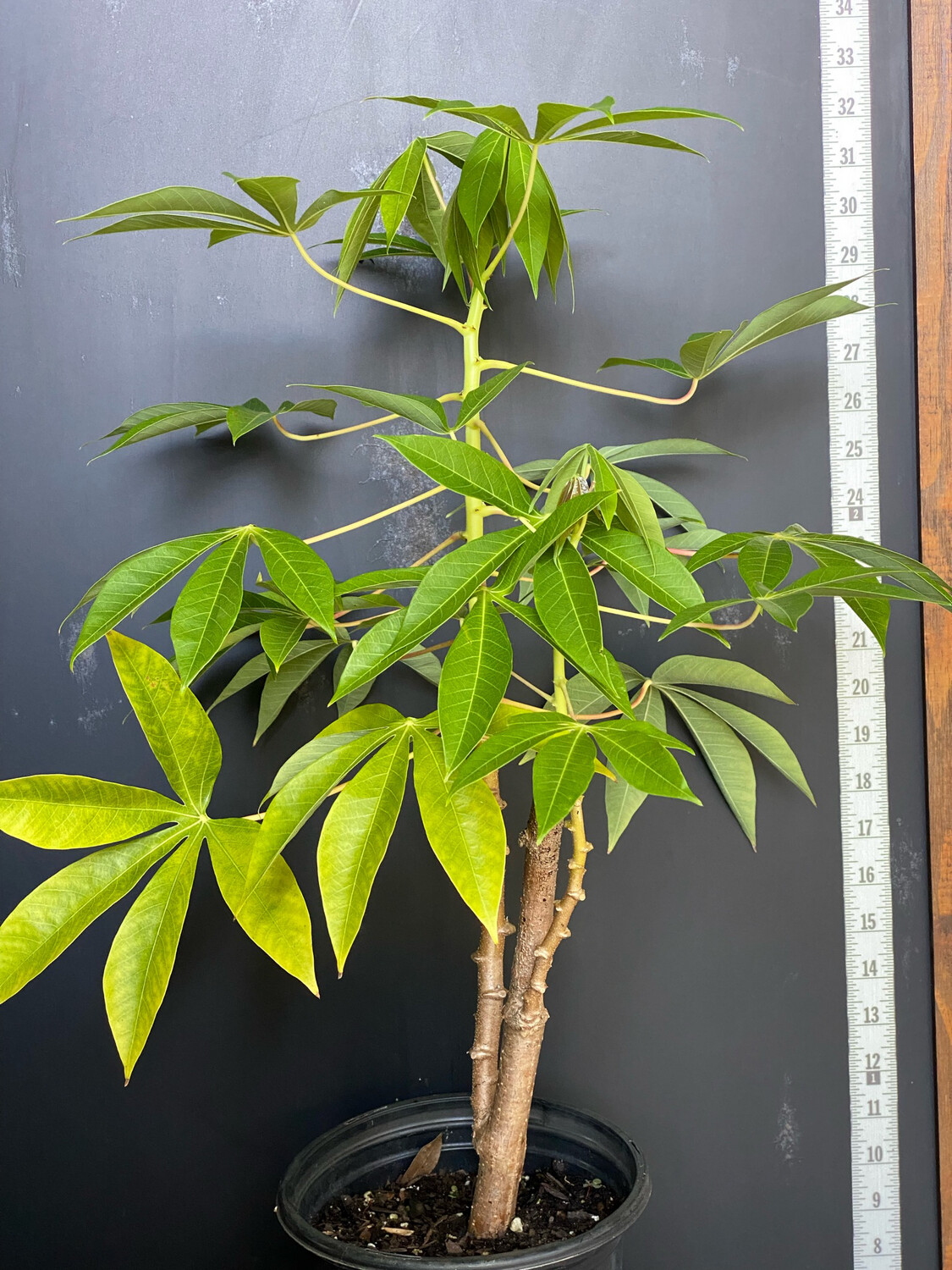
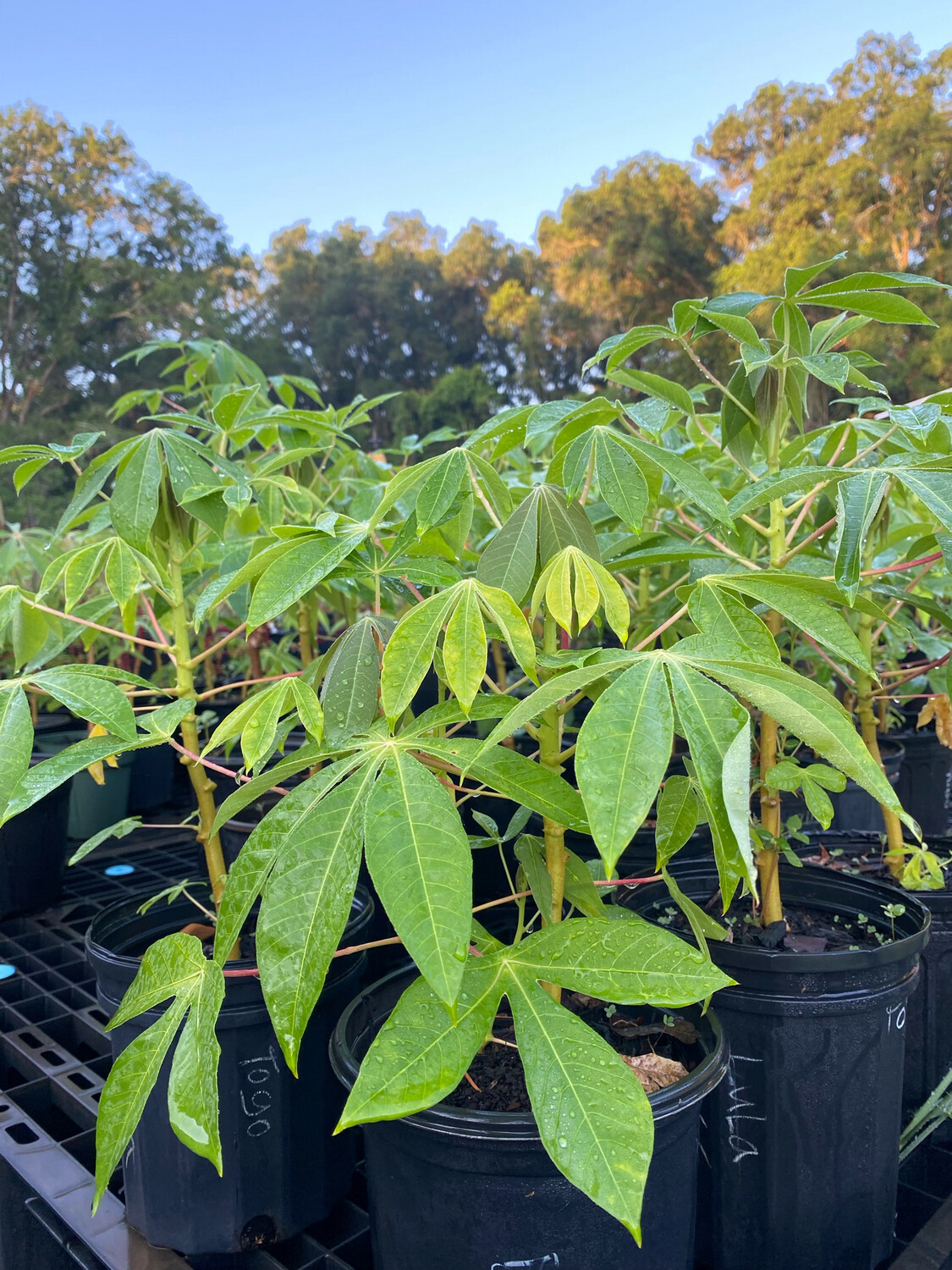
🌿 Togo Cassava – Premium Frying Yuca With Creamy Flavor & Serious Production Power
Manihot esculenta ‘Togo’ 🍠🔥
Creamy inside, beautifully crisp outside, and built to thrive through Florida heat—Togo Cassava is the backyard starch crop that truly understands the assignment.
This vigorous sweet-type cassava is prized by growers for its smooth white flesh, mild flavor, relatively low-fiber texture, and exceptional performance in yuca fries, chips, roasted wedges, and other high-heat dishes.
Where Cuban cassava is often preferred for firm boiling and traditional stews, and CMC40 performs well as an adaptable all-purpose variety, Togo is the standout choice for growers who dream in golden, crispy yuca fries.
For homesteaders, food-forest growers, tropical plant collectors, and adventurous home chefs, Togo offers an impressive combination of culinary quality, tropical beauty, and renewable food production.
One healthy plant can eventually provide:
- 🍠 Edible storage roots
- 🌱 Stem cuttings for future crops
- 🌿 Tropical seasonal structure
- ♻️ A repeatable source of warm-climate starch production
This is more than an unusual tropical vegetable. It is a practical calorie crop that can be multiplied and replanted for years to come.
🌿 Quick Facts — Togo Cassava
| Category | Details |
|---|---|
| Botanical Name | Manihot esculenta ‘Togo’ |
| Common Names | Togo Cassava, Togo Yuca, Manioc |
| Plant Family | Euphorbiaceae |
| Plant Type | Tropical perennial shrub commonly grown as a warm-season root crop |
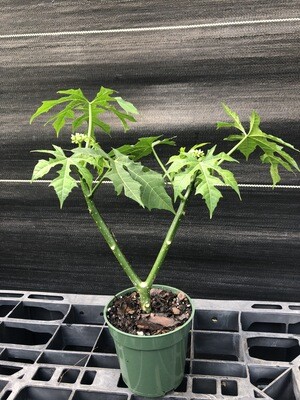
| Size at Sale | Ships in a 1-gallon nursery container |
| Estimated Age | Approximately 3–9 months, depending on propagation date, season, and pruning |
| Seasonal Shipping Appearance | Height and foliage vary; plants may be recently pruned or less leafy during cool weather |
| Mature Height — Unpruned | Approximately 6–9 ft; potentially taller in long, frost-free climates |
| Managed Height | Approximately 5–7 ft with selective pruning |
| Mature Width | Approximately 3–5 ft |
| USDA Zones | 8b–11 |
| Zones 8b–9a | Best treated as a long-season annual and harvested before hard freezes |
| Zones 9b–10a | May die back during frost but can sometimes resprout from protected lower stems or roots |
| Zones 10b–11 | Can behave as a short-lived tropical perennial where freezes are rare |
| Sun Requirements | Full sun; at least 6–8 hours daily |
| Cold Hardiness | Frost tender; foliage and stems can be injured near freezing |
| Growth Habit | Upright, branching, vigorous, and semi-woody |
| Spacing | Approximately 3–4 ft between plants |
| Typical Harvest Window | Approximately 8–12 months after planting |
| Florida Planting Season | Spring is ideal in Central and North Florida; South Florida has a broader planting window |
| Water Requirements | Moderate during establishment and root development; drought tolerant once established |
| Preferred Soil | Loose, well-drained sandy or loamy soil |
| Wind Tolerance | Moderate once established; tall stems may lean or break during severe storms |
| Salt Tolerance | Low to moderate; protect from direct salt spray and saline irrigation |
| Flavor | Mild, clean, subtly sweet, and less bitter than many unidentified cassavas |
| Cooked Texture | Dense and creamy inside with excellent crisping potential |
| Primary Culinary Strength | Fries, chips, wedges, roasting, mashing, and traditional cassava recipes |
| Harvested Part | Underground storage roots |
| Major Caution | All cassava must be properly peeled, processed, and fully cooked before consumption |
🍟 Why Grow Togo Cassava?
Togo Cassava is a productive food plant with a little culinary swagger.
Top Benefits
- 🍟 Exceptional frying potential: Dense flesh develops the creamy interior and crisp exterior growers want from high-quality yuca fries.
- 🍠 Valuable homegrown starch: Offers a productive alternative to potatoes and imported root crops.
- 🌞 Thrives during Florida summers: Performs through heat and humidity that slow many traditional vegetables.
- ⚡ Fast, vigorous growth: Establishes quickly once temperatures and soil conditions are favorable.
- 🌱 Easy to propagate: Mature stems can be divided into multiple cuttings for future crops.
- 💧 Drought resilient: Established plants can tolerate short dry periods better than many root vegetables.
- 🌾 Adaptable to modest soils: Capable of growing in sandy and relatively low-fertility locations.
- 🌿 Food-forest friendly: Creates a temporary tropical layer while producing an underground harvest.
- 🪴 Container adaptable: Can be maintained as a stock plant or grown for a smaller harvest in a large container.
- ♻️ Renewable crop potential: One established plant can become several future cassava plants.
Cassava can survive under low-input conditions, but the largest and best-quality roots develop with full sun, loose soil, regular moisture, a long warm season, and balanced organic fertility.
🌍 The Togo Cassava Story — From South America to West Africa & Florida
Cassava was domesticated by Indigenous peoples of tropical South America thousands of years ago. Portuguese trade later carried the crop from Brazil to Africa, where its drought tolerance, underground food storage, and adaptability helped it become one of the continent’s most important staple crops.
Across West Africa, farming communities selected and preserved cassava types according to the traits that mattered most in the field and kitchen:
- Root production
- Starch and dry-matter content
- Ease of peeling
- Harvest timing
- Drought performance
- Flavor and bitterness
- Texture after cooking
- Suitability for frying, boiling, pounding, fermenting, or drying
The plant circulated among Florida growers as Togo Cassava is associated with West African heritage and is valued for its smooth roots, mild flavor, relatively low-fiber flesh, and promising production under warm growing conditions.
A complete public breeding record for this exact nursery selection is not currently available. GreenDreams therefore does not represent it as a formally registered commercial cultivar or automatically equate it with unrelated cassava accessions carrying similar geographic names.
Its reputation has developed through grower experience, shared planting material, kitchen performance, and the kind of word-of-mouth enthusiasm that keeps a genuinely useful crop moving from one food forest to another.
Sometimes a plant does not need a flashy launch story. Sometimes it just needs to make excellent fries.
🍽️ Culinary Excellence — Why Frying Fans Choose Togo
Fresh Togo Cassava roots generally develop:
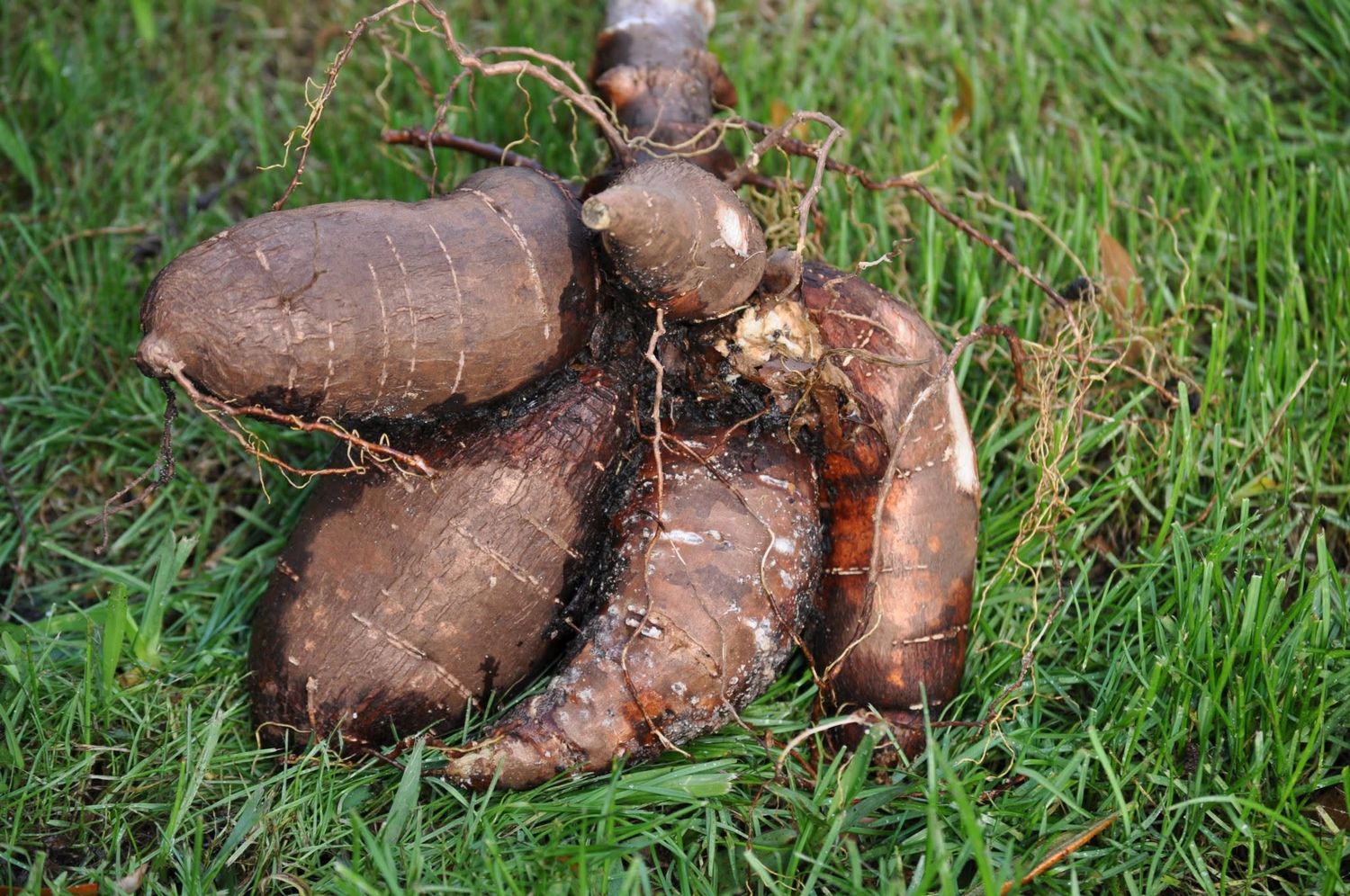
- Rough brown outer skin
- A lighter inner rind that must also be removed
- White to cream-colored flesh
- Dense starch content
- Smooth cooked texture
- Mild, clean flavor
- Subtle natural sweetness
- Less noticeable central fiber when harvested at the proper age
The combination of dense flesh and creamy texture makes Togo especially useful for recipes requiring a tender interior and crisp exterior.
⭐ Best Culinary Uses
- Thick-cut yuca fries
- Steak-cut cassava wedges
- Thin cassava chips
- Roasted cassava
- Garlic yuca
- Mashed cassava
- Cassava croquettes
- Caribbean-style fried yuca
- West African cassava dishes
- Boiled cassava served with sauces, stews, fish, or braised meats
- Properly processed cassava flour and starch
🍟 GreenDreams Togo Yuca Fry Method
- Harvest or purchase fresh roots from a known edible cassava cultivar.
- Cut off both ends of the root.
- Remove the entire rough outer skin and the lighter rind underneath.
- Cut the peeled root into smaller, evenly sized sections.
- Rinse the pieces thoroughly.
- Cook in plenty of fresh water until completely tender.
- Discard all cooking water.
- Remove any remaining woody central fiber.
- Allow the cooked pieces to drain and steam-dry.
- Fry, air-fry, or roast until golden and crisp.
Cassava should not be handled exactly like a raw potato. Proper peeling, cutting, washing, processing, and thorough cooking are essential.
Sweet cassava still contains naturally occurring cyanogenic compounds. Flavor alone cannot confirm that a root has been adequately processed.
Do not consume roots that are:
- Persistently bitter
- Internally discolored
- Fermented or sour smelling
- Soft or deteriorating
- Taken from a plant of uncertain identity
📸 PHOTO / GRAPHIC HOLDING SPACE: Finished Togo yuca fries showing the crisp exterior and creamy center
🍠 Togo vs. Cuban vs. CMC40 Cassava
The comparison below reflects GreenDreams experience and observations shared within Florida grower networks. Root quality can vary according to soil, irrigation, harvest age, fertility, weather, and preparation method.
| Characteristic | Togo | Cuban | CMC40 |
|---|---|---|---|
| Primary Culinary Strength | Frying, chips, wedges, and roasting | Boiling, soups, stews, and traditional yuca dishes | Adaptable all-purpose use |
| Flavor | Mild and subtly sweet | Traditional clean cassava flavor | Mild and neutral |
| Texture | Dense, creamy, and relatively low fiber | Firm and structured | Softer and easy to mash |
| Frying Performance | Excellent crisping potential | Good after proper boiling | Good, with a generally softer finish |
| Boiling Performance | Creamy and tender | Especially dependable | Soft and versatile |
| Growth Habit | Upright and vigorous | Vigorous and often tall | Vigorous and adaptable |
| Best Customer Match | Fry lovers and culinary growers | Traditional Caribbean and Latin cooking | New growers wanting versatility |
Choose Togo When You Want:
- Premium homemade yuca fries
- Dense roots with a creamy interior
- Mild flavor and subtle sweetness
- An easy-to-propagate food-production plant
Choose Cuban When You Want:
- Firm pieces that hold together during boiling
- Traditional yuca con mojo
- Cassava for soups, stews, and braised dishes
Choose CMC40 When You Want:
- A flexible all-purpose cultivar
- Softer cooked texture
- One variety for several preparation styles
📸 PHOTO / GRAPHIC HOLDING SPACE: Side-by-side Togo, Cuban and CMC40 comparison chart
🌿 Ornamental Appeal in an Edible Landscape
Togo Cassava is not only productive below ground. During warm weather, it creates a bold tropical presence with:
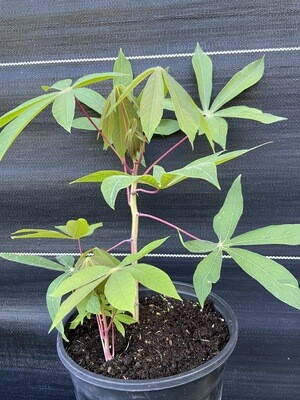
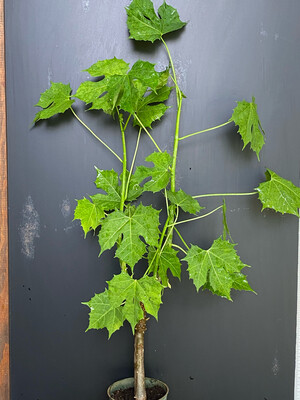
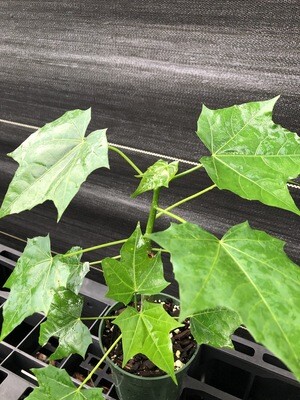
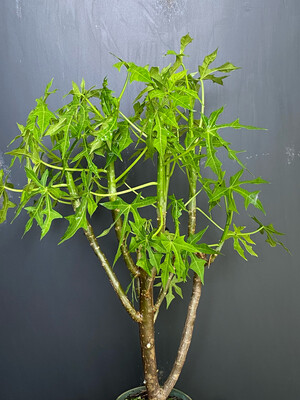
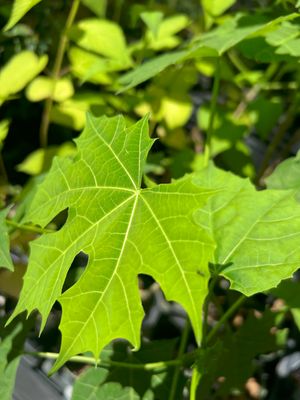
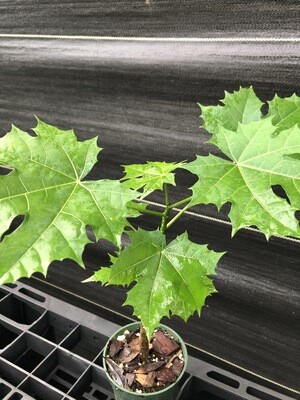
- Deeply divided, hand-shaped leaves
- Long green or reddish petioles
- Upright, cane-like growth
- An open, airy canopy
- Rapid seasonal height
- Attractive movement in the breeze
Landscape Applications
- Warm-season edible privacy screen
- Tropical backdrop behind lower vegetables and herbs
- Seasonal food-forest canopy
- Productive garden border
- Root-crop production row
- Large-container tropical specimen
- Temporary screening around garden or farm areas
Because harvesting removes or significantly disturbs the plant—and cold weather may leave bare stems—cassava is not ideal as the only permanent focal point in a formal landscape.
Place it where seasonal pruning, harvesting, and winter dieback will not create an awkward visual gap.
🌾 Nutrition, Cultural Importance & Industry Uses
Cassava is primarily an energy-rich carbohydrate crop. Properly processed roots provide starch and calories along with varying amounts of:
- Dietary fiber
- Vitamin C
- Potassium
- Additional micronutrients
Cassava roots are naturally low in protein. Cultures that rely heavily on cassava commonly pair it with:
- Beans and peas
- Fish
- Meat
- Eggs
- Groundnuts or peanut sauces
- Leafy vegetables
- Coconut-based dishes
Cassava is also processed commercially into:
- Tapioca starch
- Cassava flour
- Gari
- Farinha
- Fufu and related doughs
- Fermented cassava products
- Food thickeners
- Paper and textile starch
- Adhesives
- Industrial starch products
- Processed livestock feed
Cassava leaves are traditionally consumed in some cultures only after extensive preparation. Because the leaves may contain substantially higher levels of cyanogenic compounds than the peeled roots, GreenDreams does not recommend casual experimentation with cassava leaves as a home vegetable.
🌱 Togo Cassava Seasonal Care, Transplanting & Production Guide
🌿 Is Togo Cassava Deciduous?
Togo Cassava is not botanically deciduous in the same way as a peach, plum, apple, or other temperate tree.
Cassava is an evergreen tropical perennial where temperatures remain warm and moisture is available. However, it may lose some or all of its leaves in response to:
- Cool temperatures
- Frost
- Drought
- Shipping stress
- Transplant shock
- Root disturbance
- Shorter winter days
- Sudden changes in sunlight or exposure
In Central and North Florida, winter leaf loss and stem dieback can make cassava appear dormant.
Lower stems or the underground crown may resprout after mild cold, but survival is not guaranteed following a hard freeze, extended cold, or wet winter soil.
🌱 Spring Care — Planting & Establishment
Spring is the most dependable planting season for Central and North Florida.
- Plant after the danger of frost has passed.
- Wait until the soil has warmed.
- Move overwintered plants gradually into full sun.
- Remove confirmed dead stems only after new buds reveal where living growth begins.
- Resume regular watering as active growth returns.
- Apply finished compost or a modest organic fertilizer.
- Control weeds while young plants establish.
- Plant early enough to provide a long warm season for root production.
Cassava generally needs approximately 8–12 warm months to produce a mature root crop.
Florida Timing Guide
| Region | Recommended Approach |
|---|---|
| North Florida | Plant after frost danger, ideally by March or April |
| Central Florida | Plant in early to mid-spring for the longest possible growing season |
| South Florida | Broader planting window; plant during warm, actively growing conditions |
| Southeastern Zones 8–9 | Treat as a long-season annual and harvest before hard freezes |
| Zones 10–11 | Grow as a perennial or harvest on an extended schedule |
🌞 Summer Care — Peak Growth & Root Development
Summer is when Togo Cassava earns its space.
- Expect rapid vertical growth and large tropical leaves.
- Maintain regular moisture during extended dry periods.
- Inspect leaves and stems for mites, mealybugs, whiteflies, and caterpillars.
- Maintain hardwood mulch around the root zone.
- Keep mulch away from the stems.
- Avoid heavy nitrogen fertilization.
- Check tall plants after thunderstorms and tropical weather.
- Avoid repeated hard pruning while roots are developing.
Cassava tolerates Florida heat and humidity extremely well. However, drought can trigger leaf drop, reduced growth, and smaller roots.
A cassava plant may survive low-input conditions without producing the quality harvest a grower expects. Consistent summer care makes a noticeable difference in storage-root development.
🍂 Fall Care — Root Bulking & Harvest Planning
During fall, the plant continues directing energy toward its underground storage roots.
- Continue watering during dry weather.
- Avoid high-nitrogen fertilizer.
- Calculate the age of the planting before harvesting.
- Harvest mature plants before severe frost in Central and North Florida.
- Save healthy mature stems for propagation.
- Move valuable container plants into a protected location before cold nights.
- Prepare hardwood mulch or frost protection for plants remaining in the ground.
Fall planting is most practical in South Florida and other nearly frost-free climates.
In Central and North Florida, a fall-planted cassava may establish above ground but usually will not receive enough warm weather to produce a strong root harvest before winter.
❄️ Winter Care — Cold Protection & Seasonal Expectations
Togo Cassava is frost tender.
During winter, growers may observe:
- Yellowing leaves
- Leaf drop
- Blackened foliage after frost
- Slowed or stopped growth
- Dieback at the tips
- Bare but living stems
- Complete top dieback after a strong freeze
Winter Care Steps
- Harvest mature roots before a forecast hard freeze.
- Apply a deep mulch layer over the root zone.
- Keep mulch several inches away from the stem base.
- Move container plants into a greenhouse, garage, porch, or protected enclosure.
- Reduce irrigation while growth is inactive.
- Never leave containers sitting in cold, saturated soil.
- Avoid pruning immediately after a freeze.
- Wait for warm spring weather to identify living wood.
In zones 10–11, plants may remain leafy through winter or experience only a brief slowdown. In zones 8b–9b, winter survival depends on the severity and duration of cold weather.
🌞 Where to Plant Togo Cassava
Choose a location with:
- Full sun for at least 6–8 hours
- Loose, well-drained soil
- Room for underground roots to expand
- Good air circulation
- Convenient harvest access
- Protection from severe prevailing winds
- No underground utilities beneath the crop
Best Locations
- Sandy Florida soil
- Broad raised rows
- Low planting mounds
- Sunny food-forest edges
- Warm annual-production areas
- Open edible-landscape borders
- Areas where soil disturbance during harvest is acceptable
Avoid Planting:
- In low areas that remain wet after rain
- In compacted construction fill
- In dense clay without drainage improvements
- Beneath heavy tree shade
- Where direct ocean spray reaches the foliage
- Above utility or irrigation lines
- Directly beside foundations or hardscape
- Where pets or livestock can consume the raw plant
- In formal focal-point areas that must remain attractive year-round
📦 After Shipping — Allow Your Cassava to Recover
Keep Togo Cassava in its original 1-gallon container after delivery until shipping stress has passed and the plant produces convincing new growth.
Recovery Process
- Remove the plant from its shipping box promptly.
- Check the moisture level of the root ball.
- Water at soil level if the potting mix feels dry.
- Place the plant in bright shade protected from strong wind.
- Allow approximately 3–7 days of initial recovery.
- Gradually increase direct sunlight over the following week.
- Watch the stems and nodes for new buds.
- Wait approximately 30 days or until healthy new growth appears before transplanting.
A plant may arrive with yellow, spotted, wilted, or dropped leaves while still retaining healthy stems and roots.
Do not immediately:
- Fertilize heavily
- Bare-root the plant
- Hard-prune the stems
- Transplant during active wilting
- Place it directly into intense afternoon sun
🌱 How to Transplant a Rooted Togo Cassava Plant
Your 1-gallon Togo Cassava is already rooted and growing. It should be handled differently from the unrooted stem cuttings traditionally planted to establish cassava fields.
Cassava develops its edible storage roots around the lower stem and root system. Handle the nursery root ball gently and avoid aggressive root disturbance during transplanting.
Prepare the Planting Area
Rather than digging only a narrow hole, loosen the surrounding soil approximately 12–18 inches wide so future storage roots can expand without immediately encountering compacted ground.
- Remove weeds and turf from the planting area.
- Loosen compacted soil with a garden fork.
- Dig the central planting hole only slightly wider than the nursery root ball.
- Keep the hole approximately the same depth as the container.
- Create a low mound where drainage is questionable.
- Moisten extremely dry soil before planting.
Cassava tolerates modest fertility, but it does not tolerate saturated soil. Prioritize drainage and loose soil structure over filling the planting hole with rich amendments.
Remove the Cassava From Its Container
- Water the nursery container several hours before transplanting.
- Hold the container near the soil line rather than pulling on the cassava stems.
- Tilt or turn the pot carefully.
- Slide the root ball out while supporting it with your other hand.
- Keep the root ball as intact as possible.
Do not:
- Pull the plant from the container by its stems
- Shake away the nursery soil
- Bare-root the cassava
- Cut healthy roots
- Tear apart the root ball
- Aggressively comb or loosen the roots
If roots are tightly circling the outside of the pot, gently redirect only the loosest outer roots.
Avoid cutting deeply into the root system because early storage-root development may already be underway.
Set the Plant at the Correct Depth
Position the root ball so the original nursery-soil surface remains:
- Level with the surrounding ground in loose, well-drained soil
- Approximately ½–1 inch above grade in heavier or seasonally wet soil
Do not bury the stem more deeply than it was growing in the nursery container.
Planting too deeply can hold moisture against the lower stem, increase the risk of crown rot, and interfere with the natural development of storage roots.
Finish the Transplant
- Backfill around the root ball primarily with loosened native soil.
- Firm the soil gently to remove large air pockets.
- Do not compact it into a hard surface.
- Create a broad, shallow watering area outside the immediate stem zone.
- Water slowly and deeply at soil level.
- Apply approximately 2–4 inches of hardwood mulch.
- Keep all mulch several inches away from the cassava stems.
A light surface application of finished compost, charged biochar, worm castings, azomite, or an appropriate organic nutrient blend may be added after planting.
Avoid placing concentrated fertilizer directly against the root ball.
💧 Watering After Transplanting
First 7–10 Days
- Check the soil each morning.
- Water when the surrounding soil begins to dry.
- Sandy Florida soil may require daily watering during hot, rain-free weather.
- Do not keep the planting area continuously saturated.
Weeks 2–6
- Water deeply approximately two or three times per week.
- Adjust according to rainfall, heat, and drainage.
- Allow the upper soil surface to begin drying between waterings.
Once Established
- Provide deep irrigation approximately once or twice per week during prolonged dry weather.
- Established cassava tolerates temporary drought, but consistent moisture supports stronger root production.
GreenDreams Watering Standard
- Water only at soil level.
- Water during the morning whenever possible.
- Use drip tubing, individual emitters, or a carefully directed hose.
- Avoid overhead misters and lawn sprinklers.
- Avoid overhead afternoon watering.
- Never allow water to stand around the lower stem.
Cassava tolerates temporary dryness better than prolonged waterlogging.
🌬️ Supporting a Newly Transplanted Cassava
A recently transplanted cassava plant may become top-heavy before its roots anchor into the surrounding soil.
When support is necessary:
- Place one sturdy stake beside the root ball.
- Attach the main stem with a soft, loose plant tie.
- Allow some natural movement.
- Remove or loosen the support once the plant is firmly established.
Do not tightly bind several stems together. Gentle movement helps the plant develop stronger supporting tissue.
🌾 Soil Requirements & Organic Fertility
Togo Cassava prefers soil that is:
- Loose
- Aerated
- Well drained
- Moderately fertile
- Biologically active
- Free from standing water
Cassava can tolerate relatively poor soil, but tolerance does not equal peak production.
GreenDreams Organic Soil Strategy
- Backfill primarily with native soil.
- Apply finished compost as a surface top-dressing.
- Use charged biochar in modest amounts.
- Maintain hardwood mulch around the root zone.
- Consider a soil test before applying concentrated amendments.
- Favor balanced nutrition rather than excessive nitrogen.
- Prioritize drainage at all times.
Fertilizing Schedule
At planting:
Use finished compost and a light organic amendment rather than a strong fertilizer dose.
Approximately 6–8 weeks after establishment:
Apply a modest balanced organic fertilizer if growth appears weak or pale.
Approximately 3–4 months after planting:
A second light feeding may benefit plants in extremely sandy or nutrient-poor soil.
During late root development:
Avoid heavy nitrogen applications. Too much nitrogen may produce a tall, impressive canopy with disappointing root production.
Potassium supports storage-root development, but a soil test is preferable to guessing.
🪴 Growing Togo Cassava in Containers
Cassava can be grown in a container, but meaningful root production requires substantially more space than maintaining a decorative stock plant.
Recommended Container Progression
| Stage | Recommended Container |
|---|---|
| Starter Plant | 4-inch pot |
| Early Establishment | 1-gallon container |
| Short-Term Growing | 3-gallon container |
| Stock Plant or Intermediate Stage | 7-gallon container |
| Modest Root Production | 15-gallon container |
| Improved Root Production | 20–30-gallon container |
Choose a wide, deep pot with multiple drainage holes.
Suitable choices include:
- Professional nursery pots
- Fabric grow bags
- Agricultural tubs
- Food-safe containers modified for drainage
- Large patio planters with unrestricted drainage
Recommended Cassava Potting Mix
Use a loose, fast-draining blend such as:
- 2 parts high-quality potting mix or coco-coir–based mix
- 1 part aged pine-bark fines
- 1 part perlite, pumice, or coarse horticultural sand
- A modest amount of finished compost or worm castings
Avoid:
- Heavy garden soil
- Dense clay
- Peat-heavy mixes that remain saturated
- Containers without drainage
- Potting mixes that have collapsed into a dense texture
When to Up-Pot
Move the plant into a larger container when:
- Roots circle the inside of the pot
- Roots emerge from drainage holes
- The container dries unusually quickly
- The plant becomes top-heavy
- Growth slows despite proper care
- The root ball holds the exact shape of the container
Move up one or two pot sizes at a time. Placing a small root ball directly into an oversized container can leave unused soil wet for too long.
Nursery containers and soil materials can be found through independent garden centers, landscape-supply businesses, agricultural stores, hydroponic suppliers, community garden networks, and online searches for professional nursery supplies.
🏠 Can Togo Cassava Be Grown Indoors?
Cassava is not an ideal permanent houseplant.
It requires:
- Strong light
- Warm temperatures
- Vertical space
- Air circulation
- A large root zone
- Room for rapid seasonal growth
Indoor growing is most practical for:
- Protecting a stock plant during winter
- Preserving valuable propagation material
- Holding a young plant until outdoor temperatures improve
- Growing beneath a powerful horticultural grow light
Indoor Winter Care
- Place near the brightest available south-facing window.
- Supplement with a strong full-spectrum grow light.
- Keep temperatures preferably above approximately 55°F.
- Reduce watering compared with outdoor summer care.
- Keep away from cold glass, heaters, and HVAC vents.
- Inspect regularly for spider mites and mealybugs.
- Return the plant outdoors gradually after frost danger passes.
Expect lanky stems, smaller leaves, and limited root production when indoor light is insufficient.
✂️ Pruning Togo Cassava
Togo Cassava can be maintained at approximately 5–7 ft for easier management.
However, the leaves power underground root development. Repeated hard pruning during active growth may reduce the final harvest.
Recommended Pruning Practices
- Remove broken stems.
- Remove storm-damaged sections.
- Thin weak or crowded shoots.
- Lightly tip an excessively tall stem if branching is desired.
- Avoid regular hedge-style shearing.
- Save major cane cutting for harvest or propagation.
- Sanitize pruning tools between plants.
After Frost
Wait for warm weather before making major cuts.
Gently scratching the outer stem can help identify living tissue:
- Green or cream-colored tissue may still be alive.
- Dry brown tissue usually indicates dieback.
Storm Preparation
- Avoid allowing plants to become excessively top-heavy.
- Remove damaged branches before storms.
- Do not plant beside windows or narrow walkways.
- Stake only when necessary.
- Use loose ties that allow natural movement.
🌱 Turn One Togo Cassava Plant Into Future Crops
Togo Cassava is propagated primarily from sections of mature stem—not from pieces of the edible storage root.
Each healthy stem section can produce a new plant genetically identical to the parent. This allows growers to preserve the Togo selection and expand their planting from season to season.
A mature plant can provide both:
- 🍠 Edible storage roots for harvest
- 🌱 Stem cuttings for the next cassava crop
✂️ When to Take Cassava Cuttings
The best planting stakes come from mature, hardened stems.
Collect propagation canes:
- When harvesting a mature cassava plant
- Before a forecast hard freeze
- At the end of a productive growing season
- From established plants with firm, semi-woody stems
- When expanding the crop into another planting area
Avoid cutting a small or recently transplanted nursery plant for propagation.
Allow the original plant to become well established and develop mature canes first.
For the strongest planting material, use stems from healthy plants that have grown vigorously throughout the warm season.
🌿 Selecting the Best Cassava Cane
Choose a stem that is:
- Firm and mature
- Approximately pencil-thick or larger
- Free from soft tissue
- Free from rot or deep cracks
- Free from visible pests
- Free from unusual mottling, lesions, or distorted growth
- True to the Togo selection
- Taken from a productive, healthy parent plant
The best material generally comes from the mature middle portion of the main stem—above the oldest basal section but below the soft, leafy growing tip.
Avoid using:
- Thin green branch tips
- Extremely soft new growth
- Heavily weathered basal sections
- Frost-damaged canes
- Stems with serious pest or disease symptoms
- Canes dried in direct sun
- Sections with crushed or damaged nodes
Healthy propagation material reduces the chance of carrying pests and diseases into future crops.
✂️ How to Cut Cassava Planting Stakes
Tools
Use:
- Clean, sharp bypass pruners
- A clean pruning saw for thicker canes
- Gloves
- Plant labels or a permanent marker
Sanitize cutting tools before moving between plants.
Cutting Instructions
- Remove the leafy, soft upper tip.
- Remove damaged or deteriorated lower sections.
- Divide the healthy mature cane into sections approximately 8–12 inches long.
- Include at least 5–7 healthy nodes on each cutting whenever possible.
- Avoid crushing or splitting the stem.
- Keep track of which end originally faced upward.
Cassava cuttings have natural polarity. The original lower end must remain down when planted vertically or at an angle.
Easy Orientation Trick
Use a consistent cutting pattern:
- Make the bottom cut straight
- Make the top cut at a slight angle
This helps prevent cuttings from being planted upside down.
Plant stakes promptly whenever possible. Fresh, hydrated stems generally establish more reliably than material allowed to dry in direct sun or wind.
🌱 Preferred Method — Planting Cassava Stakes Vertically
Vertical planting is preferred for most Florida gardens because less of the stem remains in contact with wet soil.
Step-by-Step Instructions
- Plant after frost danger has passed.
- Choose a full-sun location with loose, well-drained soil.
- Position the cutting with the original bottom facing downward.
- Insert the lower 3–4 inches into the soil.
- Leave most of the cutting above ground.
- Keep several healthy nodes above the soil line.
- Firm the soil gently around the cutting.
- Water thoroughly at soil level.
- Add a light mulch layer around—but not against—the cutting.
- Maintain even moisture while roots and shoots develop.
Space future Togo Cassava plants approximately 3–4 ft apart.
Healthy cassava stakes generally do not require rooting hormone. The cutting contains stored energy and can naturally produce roots and shoots from its nodes.
Do not pull on the stake to test whether it has rooted. New buds and leaves are the clearest visible signs of progress.
🌱 Optional Method — Planting at an Angle
Cassava stakes may also be planted at approximately a 45-degree angle.
This method can be useful in loose soil because:
- Much of the stem remains above wet ground
- Roots may develop in a relatively compact arrangement
- Harvesting may be easier in some locations
Keep the original lower end in the soil and the original upper end pointed upward.
Leave several nodes above the soil surface.
🌾 Optional Method — Horizontal Planting
Cassava stakes can also be planted horizontally in very loose, well-drained soil.
Horizontal Planting Steps
- Prepare a shallow trench.
- Lay the cutting flat.
- Cover it with approximately 2–4 inches of loose soil.
- Water carefully.
- Keep the area moist but never saturated.
Horizontal planting may produce several shoots from one cutting.
However, more stem surface remains in contact with wet soil, increasing the risk of rot in poorly drained Florida gardens.
For most home growers—particularly during Florida’s rainy season—the vertical or angled method is the safer choice.
💧 Caring for Newly Planted Cassava Stakes
During the first several weeks:
- Keep the soil evenly moist.
- Do not keep it constantly wet.
- Water during the morning at soil level.
- Protect the planting area from flooding.
- Control weeds around the stakes.
- Avoid strong fertilizer until shoots and roots are established.
- Protect tender new growth from frost and severe wind.
Once several healthy shoots appear, allow the strongest stems to develop. Very weak or crowded shoots may be thinned after the new plant is firmly established.
Signs of Successful Establishment
- Buds swelling along the nodes
- Small leaves beginning to unfold
- Shoots extending upward
- Cutting remaining firm
- Increasing growth as temperatures warm
Signs of Failure
- Cutting becoming soft or black
- Sour or rotten odor
- Stem collapsing at soil level
- Complete shriveling
- No viable buds remaining
Remove rotting stakes promptly so they do not remain in the production bed.
🪴 Starting Cassava Stakes in Containers
Growers may also root future Togo Cassava crops in nursery containers before planting them in the landscape.
Container-Rooting Method
- Fill a 1-gallon nursery container with loose, fast-draining potting mix.
- Position an 8–10-inch cutting with the correct end facing upward.
- Bury the lower 3–4 inches.
- Leave several nodes above the potting mix.
- Water thoroughly and allow excess water to drain.
- Place the container in a warm location with bright, filtered light.
- Keep the mix lightly moist but not saturated.
- Gradually introduce full sun after new leaves develop.
- Transplant once the cutting has produced healthy shoots and a stable root ball.
Container rooting is especially useful when:
- The final garden location is not ready
- Cold weather is approaching
- Cuttings need protection from heavy rain
- Growers want to confirm establishment before field planting
- A valuable cultivar requires closer observation
❄️ Saving Cassava Canes for Spring Planting
In frost-prone regions, mature stems may be collected before a freeze and protected for future planting.
Short-Term Cane Storage
- Save whole mature canes rather than immediately dividing everything into small stakes.
- Keep them in a shaded, frost-free location.
- Protect them from direct sun, drying wind, and freezing temperatures.
- Maintain airflow around the stems.
- Do not seal wet stems inside airtight plastic.
- Do not allow the canes to sit in standing water.
- Prepare individual 8–12-inch stakes as close to planting time as practical.
Check stored canes periodically.
Discard any section that becomes:
- Soft
- Blackened
- Moldy
- Severely shriveled
- Infested with pests
Where possible, maintaining one healthy Togo Cassava as a protected container stock plant is often more dependable than storing cut canes throughout a long winter.
🍠 Harvesting Togo Cassava
Togo may produce usable roots in approximately eight or nine months under excellent warm-season conditions. Many plantings require closer to 9–12 months.
Harvest timing depends on:
- Planting date
- Warm-season length
- Sun exposure
- Soil texture
- Irrigation
- Fertility
- Plant health
- Desired root size
Very old roots may become tougher, woodier, or more fibrous.
Harvesting Steps
- Select a dry day when the soil is workable.
- Cut back the upper stems.
- Save healthy mature canes for propagation.
- Leave a short stem handle above the ground.
- Loosen the surrounding soil with a garden fork or broadfork.
- Work beneath the roots instead of stabbing directly into them.
- Pull carefully from the remaining stem base.
- Remove the storage roots without unnecessary bruising or breakage.
Post-Harvest Handling
Cassava roots deteriorate much faster than potatoes.
- Process roots as soon as practical.
- Do not store damaged roots at warm room temperature.
- Watch for internal dark streaking or discoloration.
- Discard roots with rot, fermentation odor, deterioration, or unusual bitterness.
- Freeze only after appropriate peeling, processing, cooking, or blanching.
♻️ Build a Self-Renewing Cassava Crop
At harvest time, separate the plant into three useful categories:
🍠 Storage Roots
Properly peel, process, cook, and use for food.
🌱 Mature Canes
Save healthy sections as planting material for the next crop.
🪵 Leaves, Tender Tips & Unusable Stems
Do not eat or feed raw cassava material to animals.
Healthy, non-diseased plant material may be composted carefully or returned to a managed chop-and-drop system where it cannot be consumed by pets or livestock.
With proper selection and handling, one mature Togo Cassava can become the foundation for several future crops—turning a single nursery purchase into a renewable warm-season food source.
🌿 Togo Cassava Companion Plant Guild
Cassava is grown for underground storage roots. Companion plants should support soil health without crowding the production zone.
Nitrogen-Fixing Support Plants
- Pigeon pea
- Cowpea
- Sunn hemp used as a managed seasonal cover crop
- Perennial peanut where it can be controlled
Biomass & Chop-and-Drop Plants
- Mexican sunflower
- Vetiver
- Other clumping grasses
- Lemongrass
- Managed banana leaves and pseudostem material
- Hardwood mulch
Beneficial-Insect Plants
- African blue basil
- Sweet alyssum
- Marigolds
- Native flowering herbs
- Small nectar-producing plants
Cassava does not require insect pollination to form storage roots. However, flowering companions support beneficial predators that help manage whiteflies, mites, and other pests.
Guild Layout Tip
Maintain approximately 2–3 ft of relatively open, mulched soil around each cassava plant.
Place vigorous grasses, woody support species, and large biomass plants beyond the immediate root-development area to reduce competition.
⚠️ Togo Cassava Safety, Troubleshooting & Shopping Guide
⚠️ Cassava Must Be Properly Processed Before Eating
Never eat cassava roots, peel, leaves, or stems raw.
Cassava naturally contains cyanogenic glycosides, primarily linamarin and lotaustralin. When cassava tissue is damaged, these compounds can release hydrogen cyanide.
The amount present varies according to:
- Cultivar
- Growing conditions
- Drought stress
- Plant nutrition
- Harvest age
- Part of the plant
- Preparation method
Required Cassava Safety Practices
- Use only a known edible cassava cultivar.
- Remove the entire rough outer skin.
- Remove the lighter rind beneath the skin.
- Cut roots into smaller pieces.
- Rinse thoroughly.
- Cook in plenty of fresh water.
- Continue cooking until completely tender.
- Discard all cooking water.
- Never use cassava cooking water in soup, sauce, beverages, or animal feed.
- Never taste raw cassava.
- Do not assume a sweet flavor guarantees low cyanide.
- Do not consume roots that remain unusually bitter.
- Do not consume roots showing deterioration, internal darkening, rot, or fermentation odor.
- Do not use an unidentified ornamental Manihot species as food.
Simple cooking may not adequately process every bitter or high-cyanide cassava type.
More complex cassava products—including gari, farinha, fermented foods, and homemade flour—require established processing methods that may include grating, soaking, fermenting, pressing, drying, and cooking.
Cassava Leaves
Cassava leaves may contain substantially higher concentrations of cyanogenic compounds than peeled root flesh.
Although leaves are traditionally consumed in some cultures after extensive preparation, GreenDreams does not recommend using cassava leaves as a casual home vegetable.
Pets & Livestock
Keep raw cassava roots, leaves, peelings, stems, and cooking water away from:
- Dogs
- Cats
- Poultry
- Horses
- Goats
- Cattle
- Other livestock
Commercial use of cassava in animal feed requires controlled processing and proper formulation.
Skin & Eye Protection
Cassava belongs to the Euphorbiaceae family and produces a milky sap.
Wear gloves when pruning or harvesting if you have sensitive skin. Avoid contact with eyes, lips, and open wounds.
⚠️ Additional Growing Cautions
- Frost sensitivity: Foliage and upper stems can be killed by freezing temperatures.
- Waterlogging: Saturated soil may rot the crown, stems, and storage roots.
- Excess nitrogen: Heavy nitrogen can create a large canopy with disappointing roots.
- Severe wind: Tall stems may lean, lodge, or snap during tropical weather.
- Salt exposure: Protect from direct salt spray and saline irrigation.
- Underground utilities: Cassava harvesting requires digging and pulling.
- Unwanted rooting: Discarded stem sections may root when left on moist soil.
- Crop rotation: Repeated production in one small bed can increase pest pressure and nutrient depletion.
- Rapid deterioration: Harvested roots do not store like potatoes and should be processed promptly.
- Diseased propagation material: Never use suspicious stems to establish future crops.
🔍 Togo Cassava Troubleshooting Guide
Icons represent common growing problems and organic solutions—look for 🌿 for recovery guidance.
| ⚠️ Issue | 🧠 Likely Cause | 🌿 Organic Solution |
|---|---|---|
| 🍂 Lower leaves turning yellow | Natural aging, drought, transplant stress, or cool weather | Check soil moisture and monitor for healthy new growth |
| 🍂 Widespread yellowing | Overwatering, poor drainage, compacted roots, or nutrient imbalance | Reduce irrigation, improve drainage, and evaluate soil before fertilizing |
| 🫣 Curling or drooping leaves | Dry soil, heat, wind, damaged roots, or temperature swings | Water deeply at soil level during the morning and protect young plants from severe exposure |
| ☀️ Pale or scorched leaves | Plant moved into intense sunlight too quickly | Return to protected light and acclimate gradually |
| 🕷️ Fine stippling or webbing | Spider mites, especially during dry weather or indoor winter storage | Inspect leaf undersides and apply a labeled insecticidal soap or horticultural oil during cooler conditions |
| 🪲 Cottony material on stems | Mealybugs or other sap-feeding insects | Remove isolated pests, manage ants, and apply an appropriate labeled organic treatment |
| 🐛 Chewed leaves | Caterpillars, beetles, or grasshoppers | Identify the pest, hand-pick where practical, and use targeted biological controls |
| 🍄 Soft or dark stem base | Excess water, buried crown, or crown rot | Stop watering, clear mulch from the stem, and improve drainage immediately |
| 🌊 Rotting storage roots | Flooding, dense soil, or damaged roots | Replant high in a better-drained location and rotate the crop |
| 🌱 Large plant with few roots | Excess nitrogen, heavy shade, young age, or insufficient warm weather | Increase sunlight, stop high-nitrogen feeding, and allow additional development time |
| 🌱 Slow establishment | Cool soil, shipping stress, premature transplanting, or buried stem base | Keep warm, confirm correct planting depth, and wait for active new buds |
| 🌬️ Leaning or broken stems | High wind, top-heavy growth, or storm damage | Remove damaged sections cleanly and stake loosely only when needed |
| ❄️ Blackened leaves | Frost or freezing temperatures | Wait for warm weather before pruning and protect the root zone with mulch |
| 🍃 Sudden leaf drop during drought | Natural moisture-conservation response | Resume deep, consistent watering without saturating the soil |
| ⚠️ Mottling or distorted growth | Possible mites, herbicide exposure, virus, or nutrient stress | Isolate the plant, sanitize tools, and do not propagate suspicious stems |
| 🔥 Brown tips after feeding | Fertilizer salt injury | Flush the container with clean water and suspend fertilizer until recovery |
| 🍄 Stem cutting becomes soft | Cutting planted too deeply, upside down, or in saturated soil | Remove the failed stake and replant healthy material vertically in better-drained soil |
| 🌱 Cutting does not sprout | Immature cane, dried cutting, cold soil, or damaged nodes | Use firm mature canes with several viable nodes and plant during warm weather |
🌟 Is Togo Cassava Right for You?
✅ Ideal For:
- Florida growers
- Gulf Coast gardeners
- Tropical and subtropical food forests
- Homesteaders seeking a homegrown calorie crop
- Growers who love homemade yuca fries
- Caribbean, Latin American, and African cuisine enthusiasts
- Permaculture growers interested in plant propagation
- Gardeners with full sun and well-drained soil
- Community gardens with seasonal root-crop space
- Collectors comparing multiple cassava cultivars
- Growers willing to follow strict food-safety practices
- Gardeners interested in multiplying future crops from stem cuttings
❌ Not Ideal For:
- Anyone unwilling to peel and properly process cassava
- Properties with persistently wet soil
- Deeply shaded gardens
- Very small indoor growing spaces
- Sites exposed to direct salt spray
- Gardens where livestock or pets can freely consume the plant
- Cold-climate growers without a sufficiently long warm season
- Formal landscapes requiring a permanent year-round focal plant
- Beds directly above utilities
- Gardeners expecting harvested cassava to store like potatoes
- Growers unwilling to inspect propagation canes for pests and disease
❓ Togo Cassava FAQ
What makes Togo Cassava different?
Togo is valued within Florida grower networks as a sweet-type cassava with dense white flesh, mild flavor, relatively low fiber, and excellent texture for fries, chips, wedges, and roasting.
Is Togo Cassava the best variety for yuca fries?
It is one of our favorite cultivars for frying. Properly prepared roots develop a creamy interior and can become crisp and golden on the outside.
How long does Togo Cassava take to produce roots?
Expect approximately 8–12 months. Plants grown in full sun, warm weather, loose soil, and consistent moisture may produce earlier than stressed or late-planted crops.
When should I plant cassava in Florida?
Plant during spring after frost danger in Central and North Florida. South Florida has a broader planting season, although warm soil and active growing conditions remain ideal.
Can I plant cassava in fall?
Fall planting is most suitable for South Florida and other nearly frost-free locations. Central and North Florida growers may not have enough warm weather remaining for the roots to mature before winter.
Can Togo Cassava survive a freeze?
Leaves and tender stems are easily damaged. Lower stems or roots may survive a mild frost beneath mulch, but survival following a hard or prolonged freeze is not guaranteed.
Should I transplant my plant immediately after delivery?
No. Keep it in its original nursery container until shipping stress has passed. Wait approximately 30 days or until healthy new growth appears before transplanting.
Should I loosen the root ball before planting?
Keep the root ball mostly intact. Gently redirect only loose circling roots. Avoid bare-rooting, tearing apart, or aggressively cutting the root system.
How deep should I plant rooted cassava?
Keep the original nursery soil level even with the surrounding ground—or slightly above grade in heavier soil. Do not bury the stem more deeply than it grew in the container.
Does cassava need another plant for pollination?
No. The edible storage roots form without pollination.
Is cassava drought tolerant?
Yes, once established. Severe drought may cause leaf drop and reduce root production, so consistent moisture is still recommended.
Does Togo Cassava tolerate wet soil?
No. Cassava is much more tolerant of temporary dryness than waterlogged soil.
Can Togo Cassava grow in a container?
Yes. A 3- or 7-gallon container can maintain a stock plant. A container of approximately 15–30 gallons provides significantly better potential for root production.
Can cassava grow indoors?
It can be protected or overwintered indoors beneath strong light, but ordinary household lighting rarely supports strong growth or worthwhile root production.
Should I prune my cassava?
Light pruning can control height and remove damage. Frequent hard pruning may reduce root production because the leaves supply energy to the underground crop.
How do I propagate Togo Cassava?
Cut healthy mature canes into sections approximately 8–12 inches long, keeping several viable nodes on each piece. Plant the original lower end 3–4 inches deep in warm, well-drained soil.
Can I plant a cassava cutting upside down?
It may fail or establish poorly. Mark the original top and bottom before planting. A straight bottom cut and angled top cut make orientation easier to remember.
Which portion of the stem is best for propagation?
Use the mature middle section of a healthy cane. Avoid soft green tips, damaged basal sections, diseased stems, and severely dried material.
Does a cassava cutting need rooting hormone?
Usually not. Healthy mature cassava stakes naturally produce roots and shoots from their nodes.
Can I start cassava cuttings in pots?
Yes. Root the cutting in a 1-gallon container filled with loose, fast-draining potting mix, then transplant after it develops healthy shoots and a stable root ball.
Can sweet cassava be eaten raw?
No. Every cassava cultivar must be properly peeled, processed, and fully cooked before consumption.
Can I simply fry raw cassava?
Cassava should not be treated like a raw potato. Peel it completely, cut it into smaller pieces, process and cook it thoroughly, discard the cooking water when boiling is used, and then finish it by frying or roasting.
Can I eat cassava leaves?
Cassava leaves require extensive, specialized processing. GreenDreams does not recommend casual home consumption.
Why did my Togo Cassava lose leaves after shipping?
Leaf drop can result from darkness, vibration, heat, cold, dehydration, or sudden environmental changes during transit. Leave the plant in its original pot, provide protected light, and watch the stems for new buds.
How soon should fresh cassava roots be used?
Use them as quickly as practical. Cassava begins deteriorating soon after harvest and may develop internal dark streaking within only a few days.
🚚 Shipping Information — 1-Gallon Togo Cassava
Togo Cassava ships most successfully to:
- Florida
- The Southeastern United States
- Gulf Coast states
- Texas
GreenDreams ships live plants from Florida using UPS Ground every Monday.
Northern & Western Shipping Advisory
We can ship plants across the continental United States. However, longer UPS Ground transit times may cause:
- Wilt
- Leaf yellowing
- Leaf drop
- Dry soil
- Broken leaf stems
- Heat stress
- Cold stress
- Temporary loss of the upper canopy
Growers in northern and western states should expect that a small tropical plant may require a considerable recovery period following extended transit.
Buyer discretion is especially important during peak summer heat and winter cold.
California packages may be held for agricultural inspection, which can add another day to ground transit.
GreenDreams cannot guarantee the arrival condition of plants exposed to:
- Extreme heat
- Freezing temperatures
- Extended ground transit
- Carrier delays
- Agricultural inspection delays
- Rough carrier handling
The buyer assumes the risk associated with long-distance UPS Ground shipping and seasonal temperature extremes.
When available, we strongly recommend selecting a larger plant size for distant destinations because larger plants generally retain moisture and tolerate shipping stress better.
After Your Plant Arrives
- Unpack it promptly.
- Check the root-ball moisture.
- Water only when the soil needs moisture.
- Place it in bright, protected shade.
- Gradually acclimate it to direct sunlight.
- Keep it in its current container.
- Wait approximately 30 days or until strong new growth appears before transplanting.
Cassava can recover from substantial cosmetic leaf loss when the stems and root system remain healthy.
🏡 Shop With Us in Person
GreenDreams Nursery & Farm — Retail Nursery Open to the Public
Want to compare cassava cultivars, find a larger plant, or talk with experienced growers about Florida root-crop production?
Visit our Spring Hill nursery to explore a much larger collection than we can safely offer through our online store.
We carry countless edible, medicinal, native, ecological, and tropical plants—including larger sizes and unusual varieties that may never be listed online.
🌾 18709 US Hwy. 41, Spring Hill, FL 34610
🕘 Tuesday–Friday: 9 AM–5 PM
🌞 Saturday: 8 AM–3 PM
🌿 Stop by our regenerative nursery to see what is growing, blooming, fruiting, and ready for Florida landscapes this week!
🌿 Beyond the Plant: GreenDreams Services
At GreenDreams, we do more than grow plants—we design, build, and restore productive ecosystems across Florida.
- 🌳 Onsite consultations and edible-landscape design
- 🚜 Food-forest installation and project management
- 🌿 Garden revitalization and day-labor services
- 🚚 Bulk delivery of compost, hardwood mulch, biochar, and soil materials
- 🌾 Wholesale and large-scale regenerative solutions
- 🍠 Custom food-production planning
Let our experienced team help you create a thriving edible ecosystem—starting with Togo Cassava.
🌿 IMPORTANT INFORMATION BEFORE PURCHASING LIVE PLANTS
Please note: Plants purchased through our online store are not available for pickup at our retail nursery in Spring Hill, Florida.
Online inventory is housed at a separate facility and is priced, prepared, and handled exclusively for shipping.
🌱 Looking for larger plants or more selection?
Our retail nursery location offers far more availability, including larger sizes, specialty plants, and many selections not suitable for nationwide shipping.
Local pickup is available for retail nursery purchases only.
Visit our Spring Hill, FL retail nursery page to explore in-person shopping options.
🚚 LIVE PLANT SHIPPING & TRANSIT EXPECTATIONS
Live plants naturally experience stress during shipping. Temporary leaf drop, mild wilting, or cosmetic stress is normal after transit. Most plants recover quickly with proper watering, gradual light exposure, and basic aftercare. Some plants may require additional attention during the first few weeks.
Despite careful packing, minor cosmetic damage may occur during transit. Small issues such as broken leaves or stems typically resolve with time and proper care.
If your shipping box arrives with significant external damage, please contact UPS within 30 days to initiate a carrier claim.
⏱️ SHIPPING METHOD, TIMING & TRANSIT WINDOWS
All online orders ship via UPS Ground from our Central Florida nursery.
📦 Shipping Schedule: Orders ship once weekly on Mondays to reduce the risk of packages sitting in transit over weekends. A countdown clock on our website displays the next shipping date.
🚚 Typical Transit Times:
-
Florida: 1–2 days
-
Southern U.S.: approximately 2 days
-
Midwest, West & Northern U.S.: 3–5 business days
Long-distance shipments, particularly to the western U.S., may experience additional transit time due to agricultural inspections in states such as Arizona, California, and Texas.
Extended transit times can be more challenging for small or tender plants and may require additional recovery care after arrival.
🌡️ EXTREME WEATHER & SEASONAL RISK
Live plants are sensitive to temperature extremes.
We cannot guarantee plant condition during periods of extreme summer heat or winter cold and freezing temperatures. Weather-related delays, carrier interruptions, or exposure during delivery are beyond our control.
Customers are responsible for:
-
Monitoring tracking information sent via email
-
Retrieving packages promptly upon delivery
-
Preventing plants from being left outdoors in extreme conditions
During unsafe weather, holiday shipping volume, or extended transit risk, orders may be held and shipped the following week to protect plant health.
⚠️ CUSTOMER RESPONSIBILITY & REFUND POLICY
By purchasing live plants, customers acknowledge and accept the risks associated with shipping, weather exposure, transit delays, and regional suitability.
Refunds or replacements are considered only under exceptional circumstances and in accordance with our return and refund policy. We are not responsible for:
-
Weather-related damage
-
Carrier delays
-
Poor plant selection for a given climate or region
-
Improper care after delivery
Upon purchase, customers assume full responsibility for the ongoing care and success of their plants.
✅ CONSENT & AGREEMENT
By completing a purchase, you confirm that you have read, understand, and agree to all shipping policies, responsibilities, and conditions outlined above.
Our goal is transparency, plant health, and long-term growing success — and we appreciate your understanding and care when ordering live plants.


