


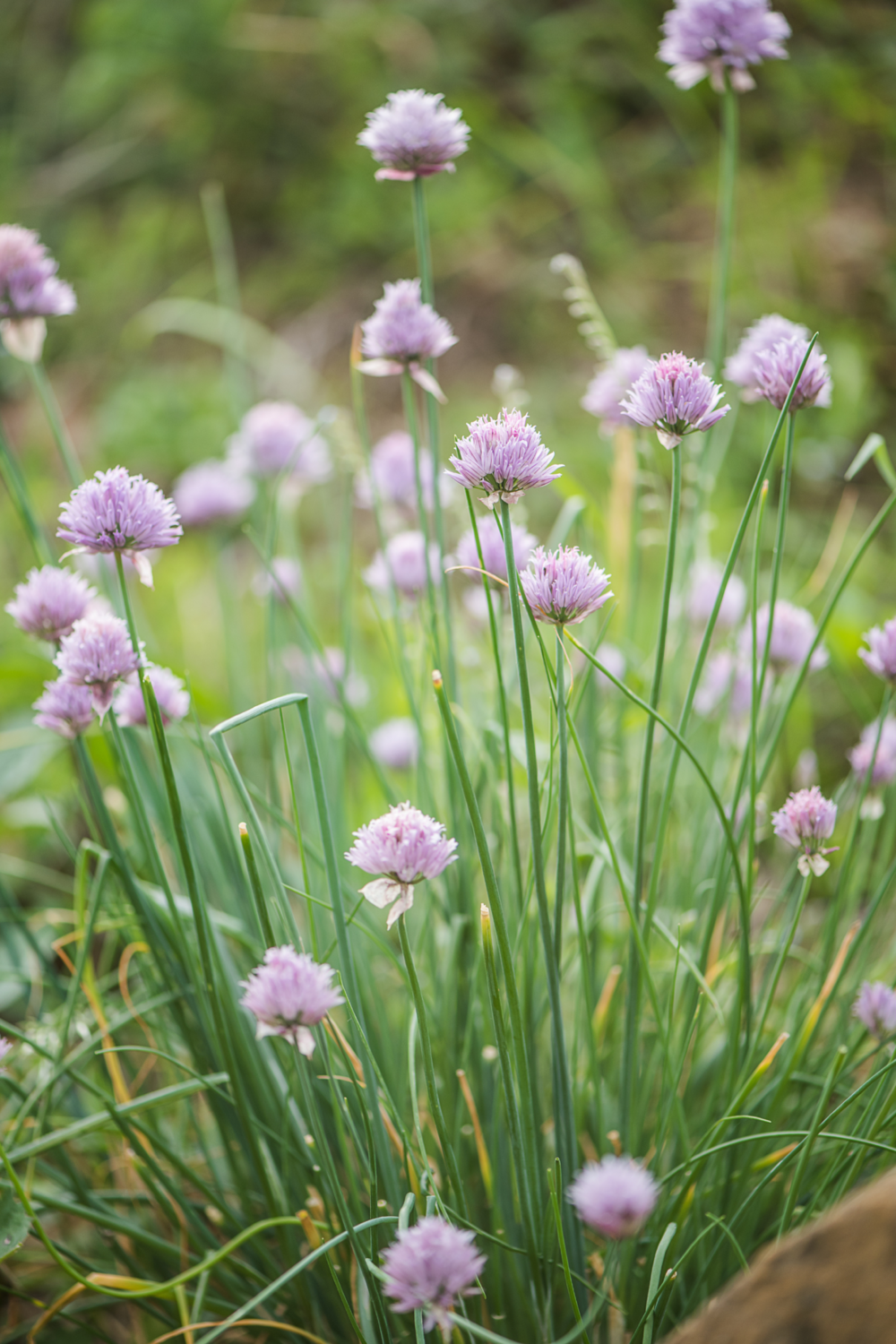
🌿 Purple Garlic Chives — Gourmet Edible Herb & Pollinator-Friendly Garden Plant
Allium tuberosum | Live Culinary Herb | 1-Gallon Container
GreenDreams Organic Nursery • Edible Landscaping • Regenerative Gardening
A little garlic, a little onion, and a whole lot of garden personality! Purple Garlic Chives bring fresh, savory flavor straight to your kitchen while adding graceful foliage and seasonal blooms to your edible landscape. This compact, cut-and-come-again perennial is a beautiful choice for herb gardens, patio containers, edible borders, and pollinator-friendly plantings.
One plant, multiple harvests, and plenty of culinary possibilities. 🌱
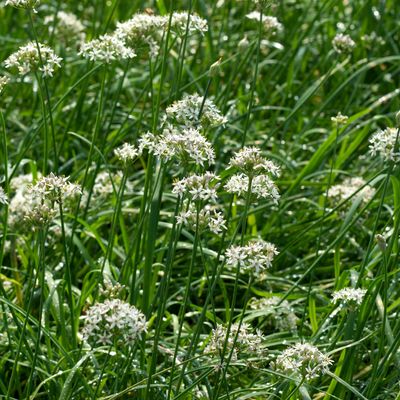
Important botanical distinction: Standard Allium tuberosum produces white, star-shaped flowers, not purple ones. Purple Garlic Chives may be a specialty selection or a different Allium species. The listing below retains your product name while distinguishing established garlic chive characteristics from traits that require cultivar verification.
🌿 Quick Facts: Purple Garlic Chives at a Glance
| Feature | Growing Details |
|---|---|
| Botanical name | Allium tuberosum — identification of purple-flowering selection pending |
| Common name | Purple Garlic Chives |
| Plant type | Edible, clump-forming perennial herb |
| Sale size | 1-gallon nursery pot |
| Estimated plant age | Variable; pot size does not establish a reliable age |
| Mature height | Typically 12–18 inches of foliage; flowering stems may reach 18–24 inches |
| Mature width | Approximately 8–18 inches, expanding gradually |
| Maintained size | 6–12 inches tall with regular leaf harvesting |
| USDA zones | Generally 3–9; zone 10 may support growth with suitable conditions |
| Sunlight | Full sun to partial shade; approximately 4–6+ hours |
| Soil | Fertile, organically enriched, well-draining |
| Water | Consistent moisture during establishment; moderate once established |
| Cold tolerance | Winter-hardy perennial; foliage may die back after freezes |
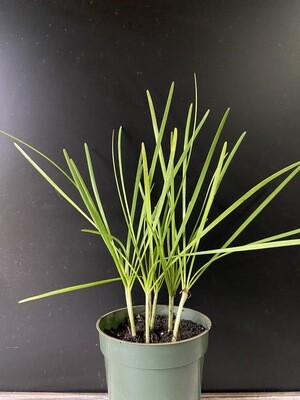
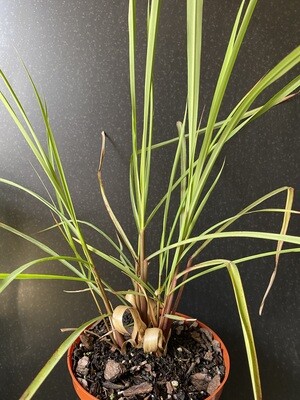
| Growth habit | Upright, spreading clumps of flat, strap-like leaves |
| Spacing | 8–12 inches for culinary plantings; 12–18 inches for larger clumps |
| Harvest | Leaves throughout the active growing season |
| Edible portions | Leaves, unopened flower buds, flowers, and tender flowering stems |
| Container friendly | Excellent |
| Indoor growing | Possible with strong grow lighting |
| Pollinator value | Flowers provide nectar and pollen for visiting insects |
🌱 GreenDreams Growing Insight: Garlic chives are a productive herb for gardeners who want repeated harvests without replanting every season. In Florida, they can provide a long growing season, particularly with adequate moisture and some protection from intense summer afternoon sun.
🍴 Flavor Profile: Garlic's Softer, More Sophisticated Cousin
Garlic chives are a kitchen essential hiding in plain sight. Their tender, flat leaves deliver the unmistakable aroma of fresh garlic without the intensity of a raw garlic clove.
| Characteristic | What to Expect |
|---|---|
| Primary flavor | Mild, fresh garlic |
| Secondary notes | Delicate onion-like sweetness |
| Leaf texture | Tender, flat, slightly crisp when freshly harvested |
| Aroma | Fresh garlic when leaves are cut or crushed |
| Best preparation | Fresh, finely chopped, or lightly cooked |
| Edible flowers | Mild allium flavor with ornamental appeal |
| Cooking tip | Add near the end of cooking to preserve flavor |
Unlike bulb garlic, which is primarily grown for its underground cloves, garlic chives are cultivated for repeated harvests of flavorful green leaves.
🥟 From Asian Kitchens to Your Backyard
Known as jiǔ cài in Chinese cooking and buchu in Korean cuisine, garlic chives have a long culinary history in East Asia.
Their fresh, savory flavor makes them especially popular in dumplings, pancakes, stir-fries, and vegetable side dishes.
Native to eastern and southeastern Asia, Allium tuberosum has been cultivated for generations as both a culinary vegetable and traditional herb.
The botanical name offers a little history of its own: Allium is the classical Latin name associated with garlic, while tuberosum refers to the plant's thickened underground structures.
🌿 Cultural note: Garlic chives also have a history of use in traditional Chinese herbal practices. These historical applications are distinct from scientifically established medical treatments.
🍳 Six Delicious Ways to Use Garlic Chives
- Garlic Chive Dumplings
Finely chop fresh leaves and combine with scrambled eggs, tofu, or other fillings. Wrap in dumpling dough and steam or pan-fry.
- Korean Chive Pancakes — Buchujeon
Mix chopped garlic chives into a light batter, pan-fry until golden, and serve with a savory dipping sauce.
- Quick Stir-Fries & Eggs
Toss into scrambled eggs, rice, noodles, or vegetable stir-fries during the final minutes of cooking.
- Homemade Garlic Chive Butter
Combine finely chopped leaves with softened butter, lemon zest, and a pinch of sea salt.
- Fresh Soups, Salads & Potatoes
Sprinkle fresh leaves over baked potatoes, creamy soups, roasted vegetables, or garden salads.
- Edible Flower Garnishes
Use clean, pesticide-free garlic chive blossoms to decorate salads, compound butter, or savory dishes.
🌱 Harvesting for Maximum Flavor
- Harvest leaves once the plant is well established and actively growing.
- Cut leaves approximately 1–2 inches above the soil, leaving the growing points intact.
- Avoid stripping newly purchased or stressed plants.
- Allow time for regrowth between substantial harvests.
- Harvest unopened flower buds for stir-fries or open blossoms for edible garnishes.
- Refrigerate freshly cut leaves in a lightly wrapped, breathable container, or chop and freeze for later cooking.
GreenDreams Kitchen Tip: Garlic chives are at their most aromatic when freshly cut. Growing them near your kitchen makes harvesting a handful for dinner incredibly convenient.
🌸 More Than an Herb: An Edible Ornamental
Garlic chives offer ornamental appeal without demanding much garden space.
Their foliage forms graceful, upright clumps of narrow, flat, green leaves. In late summer and early fall, established plants may produce taller flower stems crowned with clusters of fragrant, star-shaped blossoms.
These flowers attract bees, butterflies, and other beneficial insects.
Landscape applications:
- Edible borders surrounding vegetable gardens
- Herb spirals and kitchen gardens
- Pollinator-friendly cottage gardens
- Patio containers and raised beds
- Mixed ornamental and edible landscapes
- Small-space and urban food gardens
Because garlic chives readily produce seeds, removing spent flowers before seed development is an important part of responsible landscape management.
🌿 Garlic Chives vs. Onion Chives vs. Society Garlic
| Feature | Garlic Chives | Onion Chives | Society Garlic |
|---|---|---|---|
| Botanical name | Allium tuberosum | Allium schoenoprasum | Tulbaghia violacea |
| Flavor | Mild garlic | Mild onion | Garlic-like |
| Leaf shape | Flat, strap-like | Hollow, tubular | Narrow, strap-like |
| Typical flowers | White | Purple-pink | Lilac-purple or white |
| Mature height | 12–24 inches | 8–18 inches | 12–24 inches |
| USDA zones | 3–9 | 3–9 | Approximately 7–10 |
| Best use | Culinary production | Garnishing | Ornamental edible landscape |
| Winter habit | Dies back in cold regions | Dies back in cold regions | Evergreen in mild climates |
Sizes and hardiness are approximate and vary with cultivar and growing conditions. Confirm plant identity before applying species-specific recommendations.
💡 Which should you grow? Choose garlic chives for flat, savory leaves and repeated culinary harvests; onion chives for their tubular leaves and onion flavor; or society garlic for a warm-climate ornamental with attractive purple blooms.
SEASONAL CARE, PLANTING, WATERING, CONTAINERS & PRODUCTION
☀️ Where to Grow Garlic Chives
Garlic chives are adaptable, but the best production comes from a combination of healthy soil, adequate sunlight, and consistent moisture.
Ideal conditions:
- Sun: Full sun to partial shade. In Central Florida, morning sun and light afternoon shade can help reduce summer heat stress.
- Soil: Loose, fertile soil with good drainage and sufficient organic matter.
- Drainage: Avoid persistently waterlogged beds and containers without drainage holes.
- Wind: Established clumps tolerate ordinary wind, but strong storms may flatten foliage or flowering stems.
- Salt: Not recommended for direct salt spray exposure or saline soils; tolerance is insufficiently established for coastal planting recommendations.
- Spacing: Plant approximately 8–12 inches apart for a productive herb bed, allowing more room for mature clumps.
Growing Across the United States
| Region | Growing Expectations |
|---|---|
| Central & North Florida, zones 9–10 | Long growing season; protect from waterlogging and intense summer heat |
| Southeastern US, zones 7–9 | Perennial; may experience winter foliage dieback |
| Texas, zones 7–9 | Suitable with irrigation and afternoon shade during extreme heat |
| Midwestern & Northeastern US, zones 3–6 | Cold-hardy roots; foliage dies back in winter and returns in spring |
| Western US | Suitable where soil drains well; irrigation important in arid climates |
| Coastal gardens | Protected sites preferred; avoid direct salt exposure |
🍂 Seasonal Growing Guide: Florida & the Southeast
| Season | What to Expect | Best Care |
|---|---|---|
| 🌱 Spring | New leaves and vigorous clump growth | Begin regular harvests; top-dress lightly with compost |
| ☀️ Summer | Continued growth, sometimes slowed by intense heat | Maintain moisture, provide afternoon shade if needed |
| 🌸 Fall | Flowering, seed production, and renewed growth in mild weather | Harvest leaves and flowers; deadhead before seeds mature |
| ❄️ Winter | Slower growth or foliage dieback after frost | Reduce watering during dormancy; protect containers from hard freezes |
Is Garlic Chives Deciduous?
Garlic chives are herbaceous perennials, not woody evergreen shrubs.
In colder climates, their aboveground leaves naturally yellow, collapse, and die back during winter. Their underground growing structures survive and produce new foliage when conditions warm.
In mild Florida winters, foliage may remain green or experience only temporary damage.
Don't confuse winter dormancy with a dead plant. If the roots remain healthy and the soil is well drained, fresh shoots can emerge when favorable temperatures return.
Dormant plants may be temporarily unavailable or less visually impressive during colder months, but this is a normal part of their growth cycle.
🌱 Planting Purple Garlic Chives: The GreenDreams Method
At GreenDreams, we encourage planting methods that protect the root system, preserve natural soil structure, and avoid burying the plant too deeply.
Step 1 — Let Your Plant Acclimate
After shipping, keep your garlic chives in their original nursery container for approximately 30 days or until fresh growth indicates recovery, whichever is appropriate for the plant's condition.
Place in bright, sheltered conditions, gradually increasing sun exposure. Avoid immediately transplanting a plant showing shipping stress.
Step 2 — Prepare the Planting Area
Choose well-draining soil and remove nearby weeds.
For a 4-inch transplant, dig a hole only slightly wider than the root ball and approximately the same depth. Loosen surrounding compacted soil without creating a deep, compost-filled pocket.
Step 3 — Plant High & Tight
Set the root crown at or slightly above the surrounding soil surface, without exposing roots.
Backfill with native soil and gently firm around the root ball to eliminate large air pockets.
Avoid planting too deeply or burying the crown.
Watch our GreenDreams planting demonstration: Our High & Tight Planting Method.
Step 4 — Feed the Soil
A light top-dressing of finished compost can support biological activity and moisture retention.
Where appropriate, small amounts of properly prepared biochar, mineral amendments such as azomite, and balanced organic nutrients may be used according to soil conditions. These amendments are optional, not required for successful garlic chive production.
Step 5 — Mulch & Water
Apply approximately 1 inch of fine hardwood mulch or other clean organic mulch around the planting area, keeping material away from the crown.
Water thoroughly at the soil level after planting.
💧 Watering Garlic Chives: Consistency Without Saturation
| Growing Stage | Suggested Watering Approach |
|---|---|
| Newly planted in-ground | Check daily for the first 1–2 weeks; water when the root zone begins drying |
| Established in-ground | Water deeply as needed, commonly 1–2 times weekly during dry weather |
| 4-inch nursery pots | Check daily; small pots may need daily watering in warm conditions |
| Larger containers | Water when the upper soil begins drying; frequency varies with weather |
| Winter dormancy | Water sparingly, preventing prolonged saturation or complete desiccation |
💧 GreenDreams Watering Rule: Water in the morning, directly at the soil level. We recommend drip irrigation or a gentle soil-directed watering method rather than overhead sprinklers.
Avoid wetting foliage unnecessarily, especially late in the day. Persistent leaf wetness can encourage disease in humid conditions. Watering overhead does not inherently burn leaves, but soil-level watering is our preferred method for efficient moisture delivery.
During Florida's rainy season, always check the soil before watering. Garlic chives prefer consistent moisture, not soggy roots.
✂️ Pruning, Fertilizing & Keeping Clumps Productive
Garlic chives don't require structural pruning like a fruit tree. Their maintenance is primarily harvesting, deadheading, and occasional division.
- Harvest: Cut established leaves 1–2 inches above the soil.
- Deadhead: Remove flower stalks before mature seeds disperse.
- Divide: Separate overcrowded clumps approximately every 2–3 years.
- Fertilize: Use a light application of compost or balanced organic fertilizer during active growth when soil fertility is low.
- Avoid: Excessive nitrogen, which can encourage weak growth, and heavy fertilization during winter dormancy.
Regular harvesting encourages tender new leaves, but allow the plant enough foliage and recovery time to replenish its reserves.
🪴 Container Growing: From Starter Pot to Productive Herb Garden
Garlic chives are excellent container plants and can remain productive for years with occasional division and fresh potting mix.
| Container Stage | Recommended Action |
|---|---|
| 4-inch starter pot | Acclimate after shipping; monitor moisture closely |
| 1-gallon pot | Good next size for a rooted, actively growing starter |
| 3-gallon pot | Excellent for developing a fuller culinary clump |
| 5–7-gallon pot | Optional for multiple divisions or a large herb planting |
| Larger planter | Useful for mixed edible container gardens |
How to Transplant Garlic Chives Into a Larger Pot
- Wait approximately 30 days after shipping or until the plant shows healthy new growth.
- Check for roots circling the pot, emerging from drainage holes, or unusually rapid drying.
- Select a container one or two practical sizes larger, with ample drainage holes.
- Fill with a high-quality, well-draining potting mix containing composted organic matter and aeration materials such as perlite or pine bark fines.
- Gently remove the root ball. Loosen tightly circling roots without unnecessarily disturbing healthy roots.
- Replant at the same crown depth, fill around the roots, and water thoroughly.
- Return the plant to a sheltered, bright location for several days before increasing sun exposure.
Soil recommendation: A balanced herb or vegetable potting mix is ideal. Garlic chives do not require the specialized acidic, high-moisture mixes used for certain tropical fruit species.
Containers and potting mixes are generally available from independent nurseries, garden supply stores, agricultural suppliers, and online garden retailers.
Can Garlic Chives Grow Indoors?
Yes, although strong light is essential.
Place near a very bright window or beneath a full-spectrum grow light, generally providing 12–14 hours of supplemental light daily when natural light is insufficient.
Maintain drainage, moderate moisture, and airflow. Indoor plants may grow more slowly than those outdoors, especially in winter.
🐝 Companion Planting & Regenerative Garden Design
Garlic chives fit beautifully into a diverse edible landscape.
| Companion | Garden Benefit |
|---|---|
| Basil | Complementary culinary herb for productive kitchen gardens |
| Parsley | Contrasting foliage and shared culinary uses |
| Calendula | Seasonal flowers and beneficial insect habitat |
| Mexican sunflower (Tithonia diversifolia) | Biomass production and pollinator support where appropriately spaced |
| Clumping grasses | Biomass for chop-and-drop mulch |
| Perennial vegetables | Additional edible production in mixed garden beds |
GreenDreams Design Tip: Plant garlic chives near the accessible edges of an edible garden, where their foliage can be harvested without disturbing larger crops. Keep vigorous biomass-producing plants far enough away to prevent shading and competition.
Companion planting improves diversity and habitat, but garlic chives should not be relied upon as a proven pest repellent or substitute for integrated pest management.
CAUTIONS, TROUBLESHOOTING, FAQ, SHIPPING, CTA & SEO
⚠️ Important Growing Considerations
Garlic chives are generally easy to grow, but a few details deserve attention.
Self-seeding: Allium tuberosum can spread aggressively through seed production and may become weedy in favorable conditions. Remove spent flowers before seeds mature, especially near natural areas.
Pet safety: Plants in the Allium genus are toxic to dogs and cats if consumed. Keep garlic chives away from pets that chew garden plants.
Wet soil: Persistently saturated soil can encourage root and bulb rot.
Allium sensitivities: People with known allergies or sensitivities to garlic, onions, or related plants should use caution.
Medicinal claims: Garlic chives contain plant compounds of nutritional interest, including organosulfur compounds. Their traditional medicinal history does not establish effectiveness for treating digestive problems, immune disorders, fatigue, or other medical conditions.
🔍 Garlic Chives Troubleshooting Guide
| ⚠️ Symptom | 🧠 Possible Cause | 🌿 Recommended Solution |
|---|---|---|
| 🍂 Yellowing leaves | Seasonal dormancy, excessive moisture, aging foliage | Check soil drainage and season; remove dead foliage |
| 💧 Wilted leaves | Dry soil or damaged roots | Check root-zone moisture and water appropriately |
| 💦 Soft, collapsing base | Waterlogged soil or crown rot | Improve drainage, remove affected material |
| ☀️ Brown leaf tips | Heat, drought, salt accumulation, or excess fertilizer | Adjust irrigation and inspect soil conditions |
| 🌱 Weak, pale growth | Insufficient sunlight or nutrients | Increase light gradually; assess fertility |
| 🐛 Chewed foliage | Caterpillars, snails, or slugs | Inspect plants and remove pests manually |
| 🪲 Distorted leaves | Thrips or other feeding insects | Inspect closely; use labeled organic controls if needed |
| 🍄 Leaf spotting | Fungal disease or prolonged foliage wetness | Improve airflow and avoid overhead irrigation |
| ❄️ Winter dieback | Normal cold-season dormancy | Protect roots and wait for spring regrowth |
| 🌸 Excess seedlings | Mature flowers releasing seed | Deadhead promptly and remove unwanted seedlings |
Organic Growing Tip: Start with proper identification of the problem before applying treatments. Healthy soil, balanced watering, appropriate spacing, and beneficial insect habitat are the foundation of our GreenDreams approach.
🌿 Is Purple Garlic Chives Right for Your Garden?
An Excellent Choice For
Home cooks, herb gardeners, urban growers, edible landscape enthusiasts, container gardeners, and anyone seeking a compact perennial herb with ornamental and pollinator value.
May Not Be Ideal For
Gardens with persistently saturated soil, areas where self-seeding cannot be managed, homes with pets that regularly eat plants, or indoor spaces without adequate lighting.
❓ Frequently Asked Questions About Garlic Chives
Are garlic chives perennial in Florida?
Yes. Garlic chives are perennial herbs in Florida. They may remain green through mild winters or experience temporary foliage dieback following freezes.
Can I harvest garlic chives more than once?
Absolutely. Established plants can produce repeated harvests throughout their active growing season. Allow adequate regrowth between substantial cuttings.
Do garlic chives taste like regular garlic?
They offer a milder, fresher garlic flavor, with delicate onion-like notes. They're particularly useful in dishes where raw garlic might be overpowering.
Are garlic chive flowers edible?
Yes, correctly identified Allium tuberosum flowers are edible. Standard garlic chives produce white blossoms. Confirm the identity of plants sold under the Purple Garlic Chives name before making species-specific edible flower claims.
Do garlic chives attract pollinators?
Yes. Their seasonal blossoms attract bees, butterflies, and other flower-visiting insects.
Can garlic chives survive freezing temperatures?
Established plants are hardy through USDA zone 3. Their foliage may die back in winter, while underground structures survive and regrow in spring.
Will garlic chives spread throughout my garden?
They can spread through self-seeding and expanding clumps. Remove flower stalks before seed development and divide mature plants to manage their size.
Can I grow garlic chives in a 4-inch pot permanently?
A 4-inch pot is best treated as a starter container. As roots become crowded, transplant into a larger container to support healthy long-term growth.
📦 Shipping Live Garlic Chives from GreenDreams
Live Plant Shipping — 1-Gallon Nursery Pot
We ship every Monday from our Florida nursery using UPS Ground.
Our 1-gallon plants are young, actively growing starter plants that require attentive care following shipping.
Best shipping regions: Florida, the Southeastern United States, and Texas.
We also ship throughout the continental United States. However, extended ground transit times to northern and western states can increase the likelihood of heat stress, dehydration, cold damage, or other shipping-related problems.
Important shipping considerations:
- Small 4-inch & 1-gallon size containers dry out faster than larger nursery pots.
- Plants traveling longer distances may require additional recovery time.
- Extreme seasonal heat and cold can affect plant quality during transit.
- California agricultural inspections may occasionally extend delivery time.
- Buyers shipping outside our preferred regional zone should carefully consider seasonal temperatures and transit risks before ordering.
⚠️ Buyer Discretion: GreenDreams ships live plants through UPS Ground only. We cannot guarantee optimal arrival condition when plants experience prolonged transit or extreme weather. By purchasing, buyers acknowledge the risks associated with their destination, weather conditions, and ground shipping service. GreenDreams does not assume responsibility for weather-related or carrier-related damage during transit, subject to applicable law and our published store policies.
🌱 When Your Plant Arrives
Keep the plant in its original nursery pot, water as needed, and place it in bright, sheltered conditions while it acclimates.
Gradually introduce direct sunlight. Avoid fertilizing or transplanting a visibly stressed plant.
We recommend waiting approximately 30 days or until healthy new growth appears before transplanting, unless urgent root or drainage problems require earlier intervention.
If your plant arrives with concerns, photograph the plant and packaging and contact GreenDreams within seven days of delivery.
🌿 Ready to Grow Fresh Flavor at Home?
Whether you're building a culinary herb garden, filling a patio planter, or adding more edible diversity to your landscape, garlic chives offer a wonderful combination of flavor, beauty, and practicality.
Bring home a plant that earns its place in the garden and on your dinner plate.
🛍️ Add Purple Garlic Chives to your GreenDreams order today!
🏡 Shop With Us in Person
GreenDreams Nursery & Farm — Spring Hill, Florida
Looking for more than a starter plant? Visit our retail nursery to explore larger container sizes, rare edible plants, tropical fruit trees, perennial vegetables, and many specialty varieties not available in our online shipping collection.
Retail inventory changes frequently. Selection and availability may differ from our online store.
18709 US Hwy. 41, Spring Hill, FL 34610
Tuesday–Friday: 9 AM–5 PM
Saturday: 8 AM–3 PM
Come see what's growing, discover something unexpected, and bring home plants that make your landscape more productive. 🌿
🌳 Beyond the Plant: GreenDreams Services
At GreenDreams, we do more than grow plants — we design, build, and restore ecosystems across Florida.
- 🌳 Onsite consultations and edible landscape design
- 🌱 Landscape installation and project management
- 🚚 Bulk delivery of compost, mulch, biochar, and soil materials
- 🌾 Wholesale and large-scale regenerative solutions
From a small culinary herb garden to a complete edible landscape, our team helps turn growing spaces into thriving, productive ecosystems.
🌿 IMPORTANT INFORMATION BEFORE PURCHASING LIVE PLANTS
Please note: Plants purchased through our online store are not available for pickup at our retail nursery in Spring Hill, Florida.
Online inventory is housed at a separate facility and is priced, prepared, and handled exclusively for shipping.
🌱 Looking for larger plants or more selection?
Our retail nursery location offers far more availability, including larger sizes, specialty plants, and many selections not suitable for nationwide shipping.
Local pickup is available for retail nursery purchases only.
Visit our Spring Hill, FL retail nursery page to explore in-person shopping options.
🚚 LIVE PLANT SHIPPING & TRANSIT EXPECTATIONS
Live plants naturally experience stress during shipping. Temporary leaf drop, mild wilting, or cosmetic stress is normal after transit. Most plants recover quickly with proper watering, gradual light exposure, and basic aftercare. Some plants may require additional attention during the first few weeks.
Despite careful packing, minor cosmetic damage may occur during transit. Small issues such as broken leaves or stems typically resolve with time and proper care.
If your shipping box arrives with significant external damage, please contact UPS within 30 days to initiate a carrier claim.
⏱️ SHIPPING METHOD, TIMING & TRANSIT WINDOWS
All online orders ship via UPS Ground from our Central Florida nursery.
📦 Shipping Schedule: Orders ship once weekly on Mondays to reduce the risk of packages sitting in transit over weekends. A countdown clock on our website displays the next shipping date.
🚚 Typical Transit Times:
-
Florida: 1–2 days
-
Southern U.S.: approximately 2 days
-
Midwest, West & Northern U.S.: 3–5 business days
Long-distance shipments, particularly to the western U.S., may experience additional transit time due to agricultural inspections in states such as Arizona, California, and Texas.
Extended transit times can be more challenging for small or tender plants and may require additional recovery care after arrival.
🌡️ EXTREME WEATHER & SEASONAL RISK
Live plants are sensitive to temperature extremes.
We cannot guarantee plant condition during periods of extreme summer heat or winter cold and freezing temperatures. Weather-related delays, carrier interruptions, or exposure during delivery are beyond our control.
Customers are responsible for:
-
Monitoring tracking information sent via email
-
Retrieving packages promptly upon delivery
-
Preventing plants from being left outdoors in extreme conditions
During unsafe weather, holiday shipping volume, or extended transit risk, orders may be held and shipped the following week to protect plant health.
⚠️ CUSTOMER RESPONSIBILITY & REFUND POLICY
By purchasing live plants, customers acknowledge and accept the risks associated with shipping, weather exposure, transit delays, and regional suitability.
Refunds or replacements are considered only under exceptional circumstances and in accordance with our return and refund policy. We are not responsible for:
-
Weather-related damage
-
Carrier delays
-
Poor plant selection for a given climate or region
-
Improper care after delivery
Upon purchase, customers assume full responsibility for the ongoing care and success of their plants.
✅ CONSENT & AGREEMENT
By completing a purchase, you confirm that you have read, understand, and agree to all shipping policies, responsibilities, and conditions outlined above.
Our goal is transparency, plant health, and long-term growing success — and we appreciate your understanding and care when ordering live plants.


