


🍒 Cherry of the Rio Grande Tree (Eugenia involucrata) — Grow Sweet Cherries in Florida!
Cold-Tolerant Tropical Fruit Tree | Evergreen Edible Landscaping | Live Plants Shipped from Florida
Who says you need a northern climate to grow delicious cherries?
Meet Cherry of the Rio Grande (Eugenia involucrata) — a beautiful South American fruit tree that brings rich, sweet-tart cherry flavor to warm-climate gardens without the winter chill requirements of traditional cherry trees.
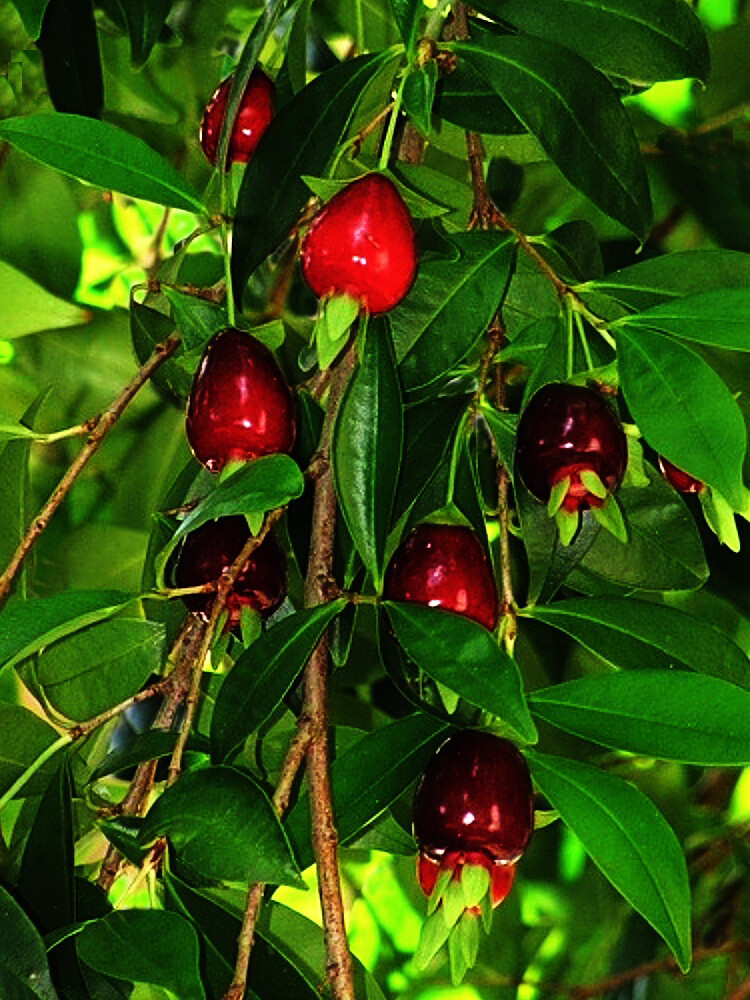
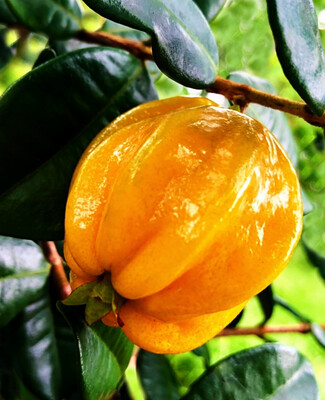
With glossy evergreen foliage, delicate white flowers, and gorgeous burgundy fruit, this is one of those rare edible landscape plants that genuinely does it all. Grow it as a backyard fruit tree, productive privacy hedge, patio specimen, or food forest understory tree.
The best part? It's surprisingly cold-tolerant for a subtropical fruit tree, adaptable to pruning, and an excellent choice for growers who want something more exciting than the usual backyard fruit collection.
At GreenDreams, we love plants that work harder than they look. This one delivers fruit, beauty, biodiversity, and long-term landscape value.
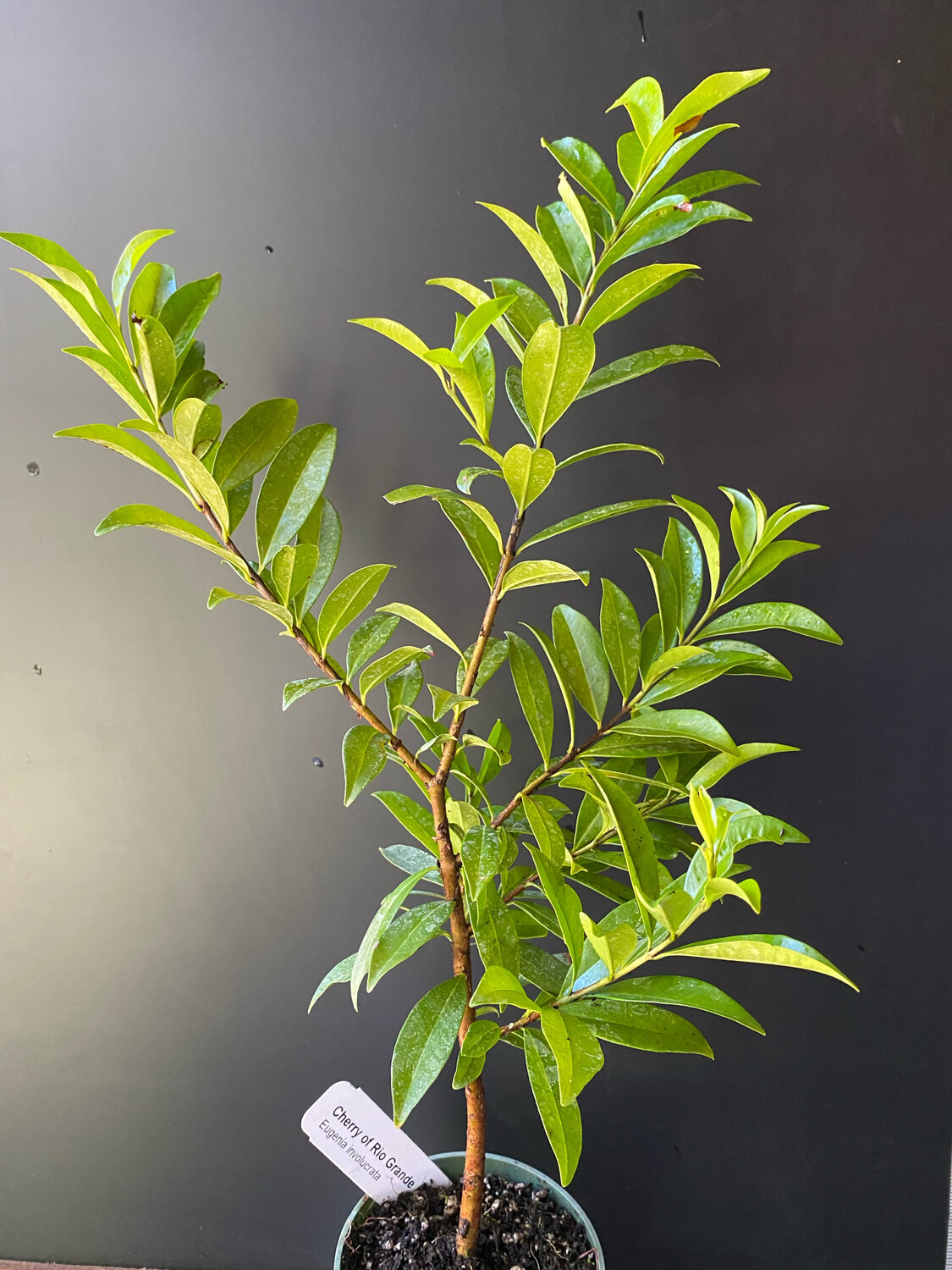
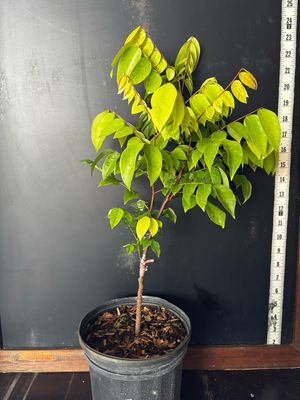
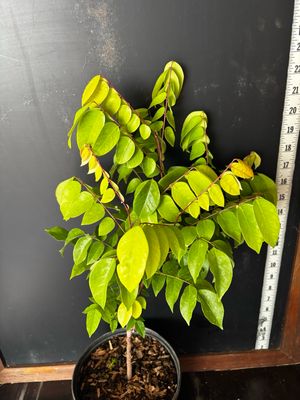
🌱 Shipping in a 4-inch nursery container. Larger sizes may be available and are strongly recommended for customers outside Florida, the Southeast, and Texas.
🌿 Quick Facts: Cherry of the Rio Grande Growing Guide
| Feature | Growing Details |
|---|---|
| Botanical name | Eugenia involucrata DC. |
| Common names | Cherry of the Rio Grande, Cereja-do-Rio-Grande, Cerejeira |
| Plant family | Myrtaceae (Myrtle family) |
| Native origin | South America, including Brazil, Paraguay, Uruguay, Argentina, and Bolivia |
| Plant type | Evergreen to semi-evergreen fruiting tree or large shrub |
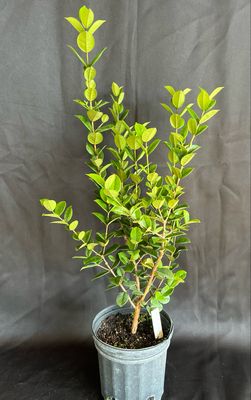
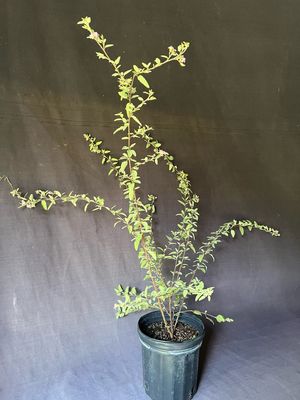
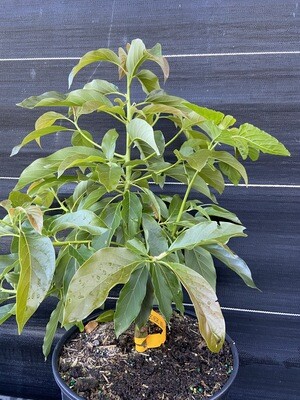
| Shipping size | 4-inch nursery container |
| Larger sizes | Available when in stock; recommended for longer-distance shipping |
| Estimated age | Approximately 2–3 years for some nursery-grown 4-inch plants; actual age varies by propagation and production history |
| Mature height, unpruned | Commonly 15–20 ft; occasionally up to 30 ft |
| Maintained height | Approximately 8–12 ft with regular pruning |
| Mature width | Approximately 6–12 ft; potentially wider with age |
| USDA zones | Best suited to Zones 9b–11; protected 9a sites and experimental Zone 8 locations |
| Sun | Full sun to partial shade |
| Cold tolerance | Established specimens may survive temperatures near 20°F; damage can occur at warmer temperatures |
| Growth rate | Slow to moderate |
| Spacing | 8–12 ft for managed specimens; 12–15+ ft for larger natural trees |
| Pollination | Generally self-fruitful; insect visitation is beneficial |
| Fruit color | Red to deep burgundy-purple |
| Fruit size | Commonly around ¾–1 inch |
| Typical Florida harvest | Spring, often March–May |
| Soil | Well-drained, organic-rich soil |
| Salt tolerance | Limited to moderate; protect from direct salt spray |
| Wind tolerance | Moderate once established; shelter from persistent strong winds |
| Container growing | Yes, with regular watering and root management |
| Indoor growing | Temporary overwintering possible with sufficient light |
Growing measurements are practical planning ranges, not guarantees. UF/IFAS documents the species as a compact evergreen tree with good relative cold tolerance among Eugenias.
🌎 A Cherry with South American Roots
Before it became a prized collector's fruit in Florida, Cherry of the Rio Grande was already growing across parts of South America.
In Brazil, it is known as cereja-do-Rio-Grande, a name associated with the southern Brazilian region of Rio Grande do Sul. The plant's natural distribution extends beyond that state and even beyond Brazil.
Unlike a modern patented fruit cultivar, this is a naturally occurring botanical species, formally described in 1828.
Its name might make you think of the Rio Grande along the Texas–Mexico border, but its heritage is distinctly South American.
The fruit has traditionally been appreciated locally for fresh eating and preserves, while the tree's attractive form makes it valuable in ornamental landscapes.
A fruit with regional roots, now finding a home in edible gardens across the warmer United States.
🍒 What Does Cherry of the Rio Grande Taste Like?
Sweet cherry meets juicy plum — with a little tropical personality.
This is where Eugenia involucrata really shines.
Many tropical fruits are described as cherry-like, but Cherry of the Rio Grande earns that comparison through its recognizable sweet-tart flavor and soft, juicy flesh.
| Fruit characteristic | What to expect |
|---|---|
| Flavor | Sweet, lightly tart, rich, cherry-like |
| Flavor comparison | Sweet cherry with plum-like acidity |
| Flesh | Soft, juicy, red-toned |
| Skin | Thin, smooth, edible |
| Ripeness color | Deep red, burgundy, sometimes purple-black |
| Seeds | Usually one prominent seed, occasionally more |
| Aroma | Mildly fruity |
| Eating quality | Excellent fresh when fully ripe |
| Storage | Highly perishable; best eaten or processed promptly |
🍒 How Does It Compare to Surinam Cherry?
Unlike some selections of Surinam Cherry (Eugenia uniflora), which can have pronounced resinous or herbal notes, Cherry of the Rio Grande is generally appreciated for a more straightforward, dessert-like cherry flavor.
Flavor can still vary between individual trees, especially seed-grown plants.
GreenDreams growing tip: Allow the fruit to develop its deepest color and harvest when it releases easily. Picking too early can leave it unnecessarily tart.
🌸 Fruiting Habits, Pollination & Harvest Season
Cherry of the Rio Grande produces delicate white flowers with numerous prominent stamens, giving the blooms a soft, fluffy appearance.
These blossoms attract visiting insects, including bees, and are followed by developing cherries.
📆 Regional Harvest Calendar
| Growing region | Typical harvest expectations |
|---|---|
| Central Florida, Zone 9 | Often March–May |
| South Florida, Zones 10–11 | Spring; timing may begin earlier |
| North Florida, Zone 9a | Spring, sometimes later following cool winters |
| Gulf Coast / Southeast | Generally spring to early summer |
| Coastal California | Often late spring to early summer |
| Protected Zone 8 locations | Late spring or early summer if flowering survives winter |
These are approximate seasonal windows. Weather, maturity, microclimate, and individual tree genetics can shift flowering and harvest.
🌱 How Long Until It Produces Fruit?
Many seed-grown plants begin producing in approximately 3–6 years under favorable conditions, although some take longer. Grafted or cutting-grown material may fruit sooner depending on the maturity of the source material.
Important: A 2–3-year estimated nursery age does not mean a 4-inch plant is guaranteed to fruit the following season.
🐝 How to Encourage Better Fruit Set
- Provide 6–8 hours of sunlight where possible.
- Maintain consistent soil moisture during flowering and fruit development.
- Encourage native bees and other beneficial pollinators.
- Avoid excessive nitrogen fertilizer, which can favor leaves over flowers.
- Maintain a healthy mulch layer and biologically active soil.
- Protect spring blossoms from late frost and strong, drying winds.
- Avoid heavy pruning immediately before the expected flowering season.
Will one tree produce fruit? Generally, yes. Cherry of the Rio Grande is considered self-fruitful, although individual performance varies. A second genetically distinct plant may improve pollination opportunities but is not normally required.
🍒 How Much Fruit Can One Tree Produce?
Young trees may produce only a handful of cherries during their earliest fruiting seasons. Established trees can provide increasingly generous seasonal harvests, depending on canopy size, climate, and management.
There is no dependable universal pounds-per-tree yield for this species. Instead, think of it as a productive specialty fruit tree that becomes more rewarding as it matures.
From Tree to Table: How to Eat Cherry of the Rio Grande
This is the part that makes the whole growing experience worthwhile.
Cherry of the Rio Grande is an excellent fresh-eating fruit, but its versatility makes it especially appealing to backyard growers, small farms, and home cooks.
🍒 Favorite Culinary Uses
- Fresh eating: Pick fully ripe cherries and enjoy them directly from the tree, avoiding the seed.
- Homemade jam: Cook the fruit with sugar and lemon juice for a richly colored preserve.
- Fruit compote: Simmer gently and spoon over pancakes, waffles, or yogurt.
- Smoothies: Remove seeds and blend with banana, mango, or other tropical fruit.
- Sorbet: Freeze the pulp and blend for a refreshing homemade dessert.
- Fruit syrup: Reduce the strained juice for cocktails, mocktails, and sparkling water.
- Pie and pastry fillings: Combine the fruit with other cherries or berries for extra complexity.
- Small-batch preserves: A wonderful use for ripe fruit that won't be eaten immediately.
🍯 Simple Cherry of the Rio Grande Refrigerator Compote
Ingredients
- 2 cups ripe Cherry of the Rio Grande fruit, washed and deseeded
- 2–3 tablespoons sugar or honey, to taste
- 1 tablespoon fresh lemon juice
- 1–2 tablespoons water, as needed
Directions
- Combine fruit, sweetener, lemon juice, and a little water in a saucepan.
- Simmer gently for 8–12 minutes, stirring occasionally.
- Mash lightly until the fruit softens and thickens.
- Cool and refrigerate promptly in a covered container.
Serve over vanilla ice cream, yogurt, cheesecake, or warm biscuits.
This is a refrigerator recipe, not a shelf-stable canning formula. Use a tested preservation recipe for long-term storage.
🌾 Why This Fruit Has Specialty Crop Potential
Because Cherry of the Rio Grande has delicate skin and limited postharvest shelf life, it is particularly well suited to local food systems rather than long-distance fresh-fruit distribution.
Potential applications include farm-to-table restaurants, specialty preserves, local farmers markets, small-scale fruit processing, and edible landscaping projects.
For growers interested in unusual fruits, the limited availability of fresh cherries like these can be part of their appeal.
🌱 Traditional Plant Knowledge
In parts of Brazil, the species has a history of folk use, including applications involving the leaves. However, traditional medicinal use should not be confused with established safety or effectiveness.
Our recommendation: Enjoy Cherry of the Rio Grande primarily as a delicious edible fruit. Do not use the leaves, seeds, or concentrated extracts medicinally without appropriate professional guidance.
🌳 More Than Fruit: A Beautiful Edible Ornamental
Cherry of the Rio Grande belongs in the category of plants that look just as good as they taste.
Its naturally compact, upright growth habit and elegant foliage make it suitable for both productive gardens and ornamental landscapes.
🍃 Landscape Features
- Foliage: Glossy, deep green, narrow elliptical leaves.
- New growth: Often emerges with bronze or copper-colored tones.
- Flowers: Delicate white blooms with prominent stamens.
- Fruit: Brilliant red cherries maturing to burgundy or deep purple.
- Bark: Woody trunk and branches that develop character with age.
- Growth habit: Naturally upright, dense, and responsive to selective pruning.
🌿 Where It Looks Best
| Landscape application | Why it works |
|---|---|
| Edible privacy hedge | Dense foliage, manageable size, seasonal fruit |
| Courtyard specimen | Attractive year-round structure |
| Food forest midstory | Productive small-tree layer |
| Patio container | Manageable with pruning and root care |
| Backyard orchard | Adds diversity beyond conventional fruit trees |
| Pollinator garden | Flowers provide resources for visiting insects |
| Mixed edible border | Combines ornamental form with harvest potential |
Design tip: Plant Cherry of the Rio Grande near a pathway or outdoor seating area where you can appreciate the flowers and conveniently harvest the fruit. Avoid placing it directly over surfaces where fallen fruit could stain.
🍒 Cherry of the Rio Grande vs. Other Tropical Cherries
| Feature | Cherry of the Rio Grande | Grumichama | Surinam Cherry |
|---|---|---|---|
| Botanical name | E. involucrata | E. brasiliensis | E. uniflora |
| Fruit shape | Oval to elongated | Rounded | Deeply ribbed |
| Ripe color | Red to burgundy | Dark purple or yellow selections | Red to dark red |
| Flavor | Sweet-tart, cherry-like | Sweet, rich, cherry-like | Sweet-tart, sometimes resinous |
| Flesh | Soft, juicy | Juicy, tender | Juicy, soft |
| Tree size | Typically 15–20 ft | Often 15–25+ ft | Often 8–20 ft |
| Relative cold resilience | Among the hardier Eugenias | Generally more cold-sensitive | Moderately cold-tolerant |
| Best use | Edible specimen or hedge | Tropical fruit collection | Fruiting hedge or container |
Important Florida ecological note: Surinam Cherry (Eugenia uniflora) is identified by UF/IFAS as invasive and not recommended for planting in Florida. The comparison is provided for fruit identification, not as a Florida planting recommendation.
Cherry of the Rio Grande offers a particularly appealing balance of ornamental beauty, fruit quality, and relative cold resilience.
🌱 Growing Cherry of the Rio Grande (Eugenia involucrata) Successfully
Cherry of the Rio Grande is a relatively adaptable subtropical fruit tree, but its long-term success depends on three fundamentals: healthy roots, consistent moisture, and proper drainage.
Once established, it can be a rewarding, relatively low-maintenance addition to an edible landscape.
🌤️ Where to Grow Cherry of the Rio Grande
☀️ Sunlight & Placement
Best location: Full sun to partial shade, preferably with 6–8 hours of direct sunlight for strong growth and fruit production.
- Florida Zones 9b–11: Full sun is generally excellent once the tree is established.
- Hot inland locations: Light afternoon shade can help protect newly planted or container-grown specimens.
- Zone 9a and colder: Choose a sheltered location with a favorable microclimate.
- Patios and courtyards: Provide direct sunlight and adequate airflow.
- Indoor locations: Bright windows alone may be insufficient for long-term fruiting.
Avoid deep shade, poorly drained depressions, and locations exposed to concentrated roof runoff.
🌾 Soil Preferences
Cherry of the Rio Grande prefers fertile, well-drained soil with consistent moisture and organic matter.
| Soil characteristic | Recommendation |
|---|---|
| Texture | Well-drained sandy loam or organically improved native soil |
| Moisture | Evenly moist, never chronically saturated |
| Soil reaction | Slightly acidic to near neutral is a useful target |
| Organic matter | Compost, leaf litter, hardwood mulch |
| Drainage | Essential for healthy root development |
| Compaction | Avoid heavily compacted planting areas |
| Standing water | Not recommended |
Florida's sandy soils can support this species when moisture and soil biology are managed properly. In heavier soils, raised planting areas may help prevent waterlogging.
🌬️ Wind, Salt & Coastal Conditions
Established Cherry of the Rio Grande trees can tolerate ordinary breezy conditions, especially when properly rooted and structurally pruned.
However, wind tolerance is not the same as salt tolerance.
- Shelter young trees from persistent strong winds.
- Avoid exposed beachfront locations receiving direct salt spray.
- Protect containers from drying coastal winds.
- Stake only when necessary and remove supports after the tree becomes stable.
This species is better suited to protected coastal gardens than to direct oceanfront exposure.
🌳 GreenDreams Planting Method: High & Tight
Before planting: Allow your Cherry of the Rio Grande to recover from transportation and shipping stress while remaining in its original nursery container.
At GreenDreams, we generally recommend waiting approximately 30 days or until healthy new growth appears, whichever provides a better indication that the plant is ready. Do not transplant a plant that is visibly dehydrated, wilted, or actively recovering.
🌱 Step-by-Step In-Ground Planting
- Choose the location. Find a sunny, well-drained area with enough room for the mature canopy.
- Inspect the roots. Remove the container gently and check for circling or tightly packed roots.
- Dig the planting hole. Make it only slightly wider than the root ball and no deeper than the root ball's height.
- Position the tree high. Keep the upper root ball slightly above surrounding soil grade, particularly in Florida's wetter landscapes.
- Backfill carefully. Use native soil as the primary backfill, firming gently to eliminate large air pockets without compacting excessively.
- Add organic nutrition. Top-dress the surrounding soil with finished compost and, where appropriate, properly charged biochar, azomite, and other organic soil amendments.
- Apply hardwood mulch. Maintain approximately 2–3 inches over the surrounding root zone, keeping it several inches away from the trunk.
- Water thoroughly. Apply water directly to the soil to settle the root zone.
- Monitor establishment. Check moisture frequently during the first several weeks and adjust irrigation to weather and soil conditions.
Why high and tight? Planting slightly elevated helps prevent the crown and upper roots from remaining excessively wet. Proper planting depth is especially important in Florida, where seasonal heavy rainfall can saturate poorly drained soil.
🎥 Watch the GreenDreams High & Tight Planting Method
Learn how we plant fruit trees at GreenDreams
💧 Watering Cherry of the Rio Grande
Consistency beats extremes.
Cherry of the Rio Grande appreciates moisture, especially during establishment and fruit development, but wet roots without adequate oxygen can lead to decline.
🌱 In-Ground Watering Schedule
| Growth stage | Suggested watering |
|---|---|
| First 2–3 weeks | Check daily; water as needed, often daily in hot, dry sandy soil |
| Weeks 4–8 | Approximately 2–3 times weekly when rainfall is insufficient |
| Months 3–6 | Deep watering 1–2 times weekly, adjusted to soil conditions |
| Established trees | Deep irrigation during extended dry periods |
| Flowering and fruiting | Maintain consistent moisture to reduce drought stress |
| Rainy season | Reduce or suspend irrigation when soil remains adequately moist |
These are starting guidelines, not fixed requirements. Irrigation frequency depends on root-ball size, temperature, rainfall, mulch, and drainage.
🌿 GreenDreams Watering Rules
- Water at soil level, not over the foliage.
- Water in the morning whenever possible.
- Use drip irrigation, a soaker hose, or carefully directed hand watering.
- Avoid overhead sprinklers that repeatedly wet leaves and flowers.
- Check moisture a few inches below the surface before watering.
- Never allow containers to sit in standing water.
Overhead watering, particularly in hot afternoon sunlight, can waste water, increase leaf wetness, and contribute to some disease problems. Leaf scorch is more often associated with heat, water stress, salts, or chemical residues than with clean water droplets alone.
🪴 Container Watering
Small nursery containers dry much faster than larger pots or established landscape trees.
During warm Florida weather, a 4-inch container may need watering every day, sometimes more frequently under unusually hot or windy conditions.
Larger containers may retain moisture longer, but they should still be checked regularly.
GreenDreams tip: Lift the pot before and after watering to learn how its weight changes. This simple habit makes it easier to recognize when the root zone is becoming dry.
🪴 Container Growing: From Starter Plant to Patio Fruit Tree
Cherry of the Rio Grande can be an excellent container fruit tree when given adequate root space, sunlight, moisture, and periodic pruning.
For growers in colder climates, container cultivation also offers the flexibility to move the plant into protected conditions during winter.
🌱 Understanding Nursery Pot Sizes
| Container size | Approximate volume | Best purpose |
|---|---|---|
| 4-inch nursery pot | Approximately 0.1–0.2 gallon, depending on design | Starter plant |
| 1 gallon | Nursery trade size; actual volume varies | Early establishment |
| 3 gallon | Nursery trade size | Intermediate growth |
| 7 gallon | Nursery trade size | Larger juvenile tree |
| 15 gallon | Nursery trade size | Patio specimen |
| 20–25 gallon | Nursery trade size | Long-term managed container tree |
A 4-inch plant is not intended to remain indefinitely in its shipping container.
🌿 When Should You Transplant?
Wait until the plant has recovered from shipping and is actively growing. We recommend allowing approximately 30 days when practical.
Signs it may be ready for a larger container include:
- Roots emerging from drainage holes.
- Soil drying unusually quickly.
- Roots circling the inside of the pot.
- Slower growth despite appropriate watering and nutrition.
- A root ball that holds together when gently removed.
Avoid upsizing simply because a plant is small. The root system, not the calendar, should determine when it's time to move up.
🌱 How to Up-Pot Cherry of the Rio Grande
- Select a container approximately one practical nursery size larger.
- Choose a pot with several unobstructed drainage holes.
- Prepare a well-draining, moisture-retentive potting mix.
- Remove the plant carefully without pulling on the trunk.
- Loosen or correct circling roots when necessary, avoiding excessive root disturbance.
- Position the root ball at the same depth or slightly high.
- Backfill gently with fresh potting medium.
- Water thoroughly at soil level.
- Keep in bright, protected conditions while it adjusts.
- Gradually return the plant to its normal sun exposure.
🪴 Can It Stay 4–5 Feet Tall?
Yes, it can be maintained as a compact patio specimen through selective pruning and root management, although this is more intensive than allowing the tree to grow naturally.
A 15–25-gallon container is a reasonable long-term target for many managed patio specimens.
Fruit production may be lower than on a larger in-ground tree.
🏡 Can Cherry of the Rio Grande Grow Indoors?
Temporarily, yes. Permanently, with reliable fruit production? Much more challenging.
Cherry of the Rio Grande is an outdoor fruiting tree that benefits from abundant sunlight and natural airflow.
For growers in colder regions, bringing the plant into a greenhouse, sunroom, or bright protected space during winter can be an effective strategy.
Indoor Winter Care
- Provide a very bright south-facing window or suitable full-spectrum grow lights.
- Keep the plant away from heating vents and cold drafts.
- Maintain good air circulation.
- Reduce watering as growth slows.
- Monitor for spider mites, scale, and other indoor pests.
- Avoid heavy fertilizer applications during low-light periods.
- Gradually reacclimate the plant to outdoor sunlight in spring.
Do not move a plant directly from a dim indoor environment into intense afternoon sunlight. Gradually increase light exposure to avoid foliage damage.
🍃 Seasonal Growing Guide: Florida & the Southeastern US
Cherry of the Rio Grande is generally evergreen in suitable climates. It does not require the winter chilling hours associated with conventional temperate cherry trees.
However, evergreen does not mean every leaf stays forever.
Older foliage naturally ages and drops, and cold or drought stress can cause temporary yellowing, spotting, or leaf loss.
📅 Seasonal Care Calendar
| Season | What the tree is doing | What growers should do |
|---|---|---|
| 🌸 Spring | Flowering, new growth, fruit development | Maintain moisture, support pollinators, monitor late frost |
| ☀️ Summer | Active vegetative growth, root development | Water consistently, mulch, monitor heat stress |
| 🍂 Fall | Growth begins slowing as temperatures decline | Reduce fertilizer, inspect structure, prepare for cold |
| ❄️ Winter | Slower growth, reduced water demand | Protect young trees from frost, avoid saturated soil |
🌸 Spring: Flowers, Fruit & Fresh Growth
In Central Florida, spring is often the most exciting season for established Cherry of the Rio Grande trees.
White blossoms may appear before developing into small, colorful cherries.
- Avoid heavy pruning while flower buds are forming.
- Keep the root zone consistently moist.
- Encourage pollinating insects.
- Monitor for late cold snaps.
- Harvest ripe fruit frequently.
☀️ Summer: Building the Next Season's Growth
Following harvest, the tree typically focuses on foliage and root development.
- Prune lightly after fruiting to shape the canopy.
- Maintain 2–3 inches of hardwood mulch.
- Monitor container moisture daily during extreme heat.
- Provide supplemental irrigation during dry spells.
- Inspect leaves for insects and nutrient stress.
🍂 Fall: Preparing for Cooler Weather
As daylight shortens and temperatures decline, growth generally slows.
- Reduce high-nitrogen fertilizer applications.
- Remove dead or damaged branches.
- Avoid aggressive late-season pruning.
- Check mulch depth.
- Prepare frost cloth for vulnerable plants.
❄️ Winter: Evergreen, But Slowing Down
Unlike peaches, plums, and traditional cherries, Eugenia involucrata does not undergo a normal winter leafless dormancy.
In favorable Florida conditions, the tree may retain most of its foliage throughout winter.
Cold-stressed specimens may experience bronzing, yellowing, leaf drop, or dieback.
Do not assume winter leaf loss means the plant is dead. Inspect the stems and wait for warmer weather before removing questionable branches.
❄️ Cold Hardiness: How Much Cold Can Cherry of the Rio Grande Handle?
Cherry of the Rio Grande is among the more cold-tolerant species traditionally grown in the genus Eugenia.
UF/IFAS has historically described it as the most cold-tolerant among several commonly cultivated Eugenias, making it especially interesting for Central Florida growers.
However, cold tolerance varies dramatically with plant age, acclimation, exposure, and the duration of a freeze.
🌡️ Practical Winter Protection Guide
| Temperature | Suggested precautions |
|---|---|
| Above 40°F | Generally comfortable for established plants |
| 33–40°F | Protect newly shipped or tender plants from cold wind |
| 28–32°F | Cover young plants and monitor frost risk |
| 25–28°F | Strong protection recommended, particularly for containers |
| 20–25°F | Significant damage possible; survival is not guaranteed |
| Below 20°F | High risk of severe damage or plant loss |
These temperatures are approximate management thresholds, not experimentally established injury limits.
🌿 Regional Growing Recommendations
Florida: South Florida is generally favorable. Central Florida can be excellent in protected locations, while North Florida growers should be prepared for freeze protection.
Texas: Gulf Coast and warmer southern locations may support outdoor growing. Colder inland areas are better suited to containers or protected microclimates.
Georgia, Alabama, Mississippi, Louisiana: Consider protected locations in warmer regions, with winter protection where freezing temperatures are common.
California: Mild coastal and warmer inland microclimates may be suitable, provided irrigation, drainage, and winter exposure are managed.
Zone 8: Treat outdoor cultivation as experimental. A protected courtyard, greenhouse, or movable container is safer than an exposed landscape planting.
🌱 Protecting Young Trees During Freezes
- Water dry soil before an anticipated freeze, without saturating it.
- Apply mulch over the root zone while keeping it off the trunk.
- Use frost cloth extending toward the ground to retain warmth.
- Protect plants from cold north and northwest winds.
- Move containers into a greenhouse, garage, or protected structure.
- Remove or ventilate covers when temperatures rise.
- Wait until spring growth reveals the full extent of damage before major corrective pruning.
GreenDreams recommendation: Never use the reported cold tolerance of a mature tree as the expected tolerance of a newly shipped 4-inch starter plant.
🌿 Organic Fertilization & Soil Health
Cherry of the Rio Grande is not generally considered a particularly heavy feeder.
Healthy soil, organic matter, appropriate drainage, and balanced nutrition are more important than aggressive fertilization.
Suggested Organic Nutrition Schedule
| Time of year | Recommended approach |
|---|---|
| Early spring | Light application of finished compost or balanced organic fertilizer |
| After harvest | Replenish mulch; feed lightly if growth or soil testing indicates need |
| Summer | Monitor nutrition and apply modest supplemental nutrients if necessary |
| Late fall / winter | Avoid stimulating tender growth before freezing weather |
GreenDreams Soil-Building Favorites
- Finished compost: Supports organic matter and soil biological activity.
- Charged biochar: Can contribute to soil structure and nutrient retention when appropriately incorporated.
- Azomite: A mineral amendment that may supply trace elements when soil conditions warrant.
- Worm castings: A gentle organic amendment for containers and garden beds.
- Hardwood mulch: Helps moderate soil temperature, retain moisture, and gradually build organic matter.
Avoid overfertilization. Excess nitrogen can encourage vigorous foliage at the expense of flowering and may increase the susceptibility of tender growth to cold injury.
Soil testing is the best way to identify actual nutrient deficiencies rather than applying amendments automatically.
✂️ Pruning Cherry of the Rio Grande
Cherry of the Rio Grande naturally develops a dense, attractive canopy and generally responds well to careful pruning.
Best Time to Prune
After the main fruit harvest is usually the most convenient time for structural pruning in Florida.
This allows growers to shape the tree without unnecessarily removing flowers or developing fruit.
Pruning Techniques
- Tip pruning: Lightly shorten growing shoots to encourage branching.
- Thinning: Remove crossing or crowded branches to improve airflow.
- Height management: Reduce overly tall branches to suitable lateral growth.
- Sanitation: Remove dead, broken, or diseased wood.
- Hedge management: Maintain a slightly wider base than top so lower branches receive sunlight.
Avoid repeatedly shearing the entire canopy if fruit production is the primary goal. Selective pruning preserves more productive growth.
For container-grown trees, periodic pruning helps balance the canopy with the available root volume.
🐝 Companion Plants & Edible Landscape Guilds
A Cherry of the Rio Grande tree can serve as the centerpiece of a diverse, regenerative planting.
The goal is to create layers of vegetation that support pollinators, recycle organic matter, protect soil, and contribute to long-term ecological function.
🔍 Cherry of the Rio Grande Troubleshooting Guide
Even resilient fruit trees occasionally experience growing challenges. Learning to recognize the difference between normal seasonal changes and actual plant stress is one of the most valuable skills a grower can develop.
🌿 Common Problems & Organic Solutions
| ⚠️ Issue | 🧠 Possible cause | 🌿 Recommended solution |
|---|---|---|
| 🍂 Yellowing leaves | Excess moisture, nutrient imbalance, aging foliage | Check soil moisture, drainage, and growth patterns |
| 🍃 Leaf curl | Drought, wind, heat, or pest pressure | Inspect leaves and root-zone moisture |
| 🌬️ Brown leaf edges | Drying winds, salts, inconsistent watering | Improve moisture management and provide shelter |
| 💦 Wilting in wet soil | Root stress or poor drainage | Check roots and drainage; avoid additional watering |
| 🌸 Few flowers | Immaturity, inadequate sunlight, excessive nitrogen | Improve sunlight and allow the tree to mature |
| 🍒 Premature fruit drop | Water stress, weather, poor pollination | Maintain consistent moisture and support pollinators |
| 🐛 Chewed foliage | Caterpillars or other leaf-feeding insects | Inspect plants and hand-remove pests when practical |
| 🪲 Sticky leaves | Scale insects, aphids, or other sap-feeding pests | Identify insects and encourage beneficial predators |
| 🕷️ Fine stippling | Possible spider mite activity | Inspect leaf undersides and improve growing conditions |
| 🍄 Leaf spotting | Fungal infection, environmental stress, or natural aging | Improve airflow and diagnose before treating |
| ❄️ Brown or black foliage | Frost injury | Protect from additional cold and delay major pruning |
| 🌱 Slow growth | Small root system, low temperatures, root restriction | Check roots, light, nutrition, and seasonal conditions |
Important: Yellow leaves do not automatically mean a plant needs fertilizer, and spotted leaves do not always indicate disease.
Identify the underlying cause before applying treatments.
🐞 Organic Pest Management
Cherry of the Rio Grande generally experiences manageable pest pressure in many home gardens, but it is not pest-free.
Possible concerns include scale insects, aphids, mites, leaf-chewing insects, and occasional fungal problems.
GreenDreams Organic Growing Approach
- Inspect the plant regularly, especially new growth and leaf undersides.
- Identify the pest before selecting a treatment.
- Encourage lady beetles, lacewings, parasitic wasps, and other beneficial insects.
- Prune selectively to improve airflow.
- Remove heavily infested foliage when practical.
- Use horticultural oils, insecticidal soaps, or other appropriate products only when necessary and according to the label.
Avoid spraying oils during extreme heat or directly onto flowering plants when pollinators are active.
Healthy plants and balanced garden ecosystems are often the best long-term defense against recurring pest problems.
⚠️ Important Growing Cautions
❄️ Cold Sensitivity in Young Plants
Although established Cherry of the Rio Grande trees can tolerate more cold than many subtropical fruit trees, small plants remain vulnerable to frost.
Provide protection during freezing conditions, especially during the first few winters.
💧 Poor Drainage
Avoid chronically saturated soil, low spots where water collects, and containers without adequate drainage.
🌬️ Salt Exposure
Do not assume this species is suitable for exposed beachfront planting. Direct salt spray and saline irrigation may cause foliage and root damage.
🍒 Fruit Drop & Wildlife
Ripe fruit may attract birds and other fruit-eating wildlife. Harvest frequently and avoid planting directly over patios or light-colored pavement where fallen fruit may stain.
🌱 Roots & Transplant Stress
Young plants can be sensitive to excessive root disturbance. Avoid unnecessary repotting, particularly during winter or immediately after shipping.
🌿 Food Safety
The ripe fruit pulp is edible. Remove the seeds before preparing food, and do not assume that leaves, seeds, or concentrated plant extracts are safe for medicinal consumption.
🌿 Is Cherry of the Rio Grande Right for You?
An Excellent Choice For
- Florida gardeners wanting cherry-like fruit without traditional cherry-tree chilling requirements.
- Edible landscape designers seeking ornamental and productive trees.
- Homeowners creating edible hedges or privacy screens.
- Food forest growers developing diverse perennial systems.
- Container gardeners with sunny patios.
- Tropical fruit collectors interested in lesser-known South American species.
- Growers who appreciate slow-growing, long-lived fruit trees.
- Gardeners looking to support pollinators and local biodiversity.
Probably Not the Best Choice For
- Unprotected landscapes in consistently cold climates.
- Properties with prolonged flooding or saturated soil.
- Exposed beachfront locations with direct salt spray.
- Growers expecting fruit immediately from a small starter plant.
- Deeply shaded yards with little direct sunlight.
- People seeking a completely maintenance-free container fruit tree.
- Customers unable to provide appropriate protection during extreme shipping weather.
Our perspective: Cherry of the Rio Grande is an especially rewarding tree for patient growers who appreciate both ornamental value and edible production.
❓ Frequently Asked Questions About Cherry of the Rio Grande
Does Cherry of the Rio Grande really taste like a cherry?
Yes. Its sweet-tart, juicy flavor is often compared to traditional sweet cherries, with some plum-like acidity. It is not a true Prunus cherry, but its flavor makes it an appealing alternative for warmer climates.
Can Cherry of the Rio Grande grow in Central Florida?
Yes. Central Florida offers many suitable growing locations, particularly in protected Zone 9b microclimates. In colder portions of Zone 9a, winter protection is important, especially for young plants.
How cold-hardy is Cherry of the Rio Grande?
Mature, well-established specimens have reportedly survived temperatures around 20°F, but injury can occur at higher temperatures. Young plants should be protected whenever frost or freezing temperatures are expected.
How long does Cherry of the Rio Grande take to produce fruit?
Seed-grown trees may begin fruiting in approximately 3–6 years under favorable conditions, although some take longer. Propagation method, genetics, plant maturity, and growing conditions all influence production.
Is Cherry of the Rio Grande self-pollinating?
It is generally considered self-fruitful, so a single tree can produce fruit. Pollinator activity can support fruit set, and a second genetically distinct tree may provide additional pollination opportunities.
Can Cherry of the Rio Grande grow in a container?
Absolutely. It responds to pruning and can be grown as a productive patio tree. Long-term container growing requires sufficient root space, consistent watering, and occasional repotting or root management.
Can I keep Cherry of the Rio Grande at 4–5 feet tall?
Yes, with regular pruning and appropriate container management. However, maintaining a very compact tree may reduce its total fruit production compared with a larger specimen.
Does Cherry of the Rio Grande lose its leaves in winter?
Not normally. It is an evergreen species in suitable climates. Cold stress, drought, and natural leaf turnover can cause some yellowing or leaf drop, but complete seasonal defoliation is not its normal growth habit.
What is the best fertilizer for Cherry of the Rio Grande?
A modest amount of balanced organic nutrition, supported by compost and mulch, is generally appropriate. Avoid excessive nitrogen and use soil testing to guide amendments when possible.
Is Cherry of the Rio Grande the same as Surinam Cherry?
No. Cherry of the Rio Grande is Eugenia involucrata, while Surinam Cherry is Eugenia uniflora. They are related but distinct species with different fruit shapes, flavor profiles, and ecological considerations.
Can Cherry of the Rio Grande grow in California or Texas?
Yes, in suitable mild-climate locations. Coastal and southern microclimates may be favorable, while colder inland areas require winter protection. Container growing provides additional flexibility.
What is the best time to plant Cherry of the Rio Grande in Florida?
Spring through early summer is an excellent time because warm soil encourages root establishment. Planting during other seasons can also be successful when irrigation and cold protection are managed appropriately.
Should I transplant my Cherry of the Rio Grande immediately after shipping?
No. We recommend allowing the plant to acclimate in its original container for approximately 30 days or until healthy new growth appears. Transplant when the plant is stable and its roots are ready for additional space.
Why is my 4-inch Cherry of the Rio Grande drying out so quickly?
Small nursery containers have limited soil volume and can dry rapidly during hot or windy weather. Check moisture daily and consider upsizing once the plant has recovered from shipping and its root system is sufficiently developed.
🚚 GreenDreams Shipping & Handling Information
🌱 Live Cherry of the Rio Grande Tree — 4-Inch Nursery Container
Our 4-inch Cherry of the Rio Grande plants are young, actively growing nursery specimens intended for continued development in a larger container or suitable landscape.
For customers outside the southern United States, we strongly recommend selecting a 1-gallon or larger plant when available.
Larger plants generally have greater root volume and moisture reserves, making them better suited to longer shipping journeys.
📦 Shipping Details
| Shipping information | GreenDreams policy |
|---|---|
| Shipping origin | Spring Hill, Florida |
| Shipping carrier | UPS Ground only |
| Shipping schedule | Every Monday |
| Recommended regions for 4-inch plants | Florida, Southeastern US, Texas |
| Recommended regions for 1-gallon plants | Florida, Southeastern US, Texas |
| Northern & Western US | Buyer discretion strongly advised |
| California shipments | May experience additional inspection-related delays |
| Extreme weather | Heat and cold exposure risks are assumed by the buyer |
| Larger plants | Recommended for longer-distance shipments when available |
☀️ Important Information for Northern & Western Customers
We ship live plants throughout the continental United States, but not every destination offers equally favorable transit conditions.
Because GreenDreams ships from Florida using UPS Ground, plants traveling to northern and western states may spend considerably more time in transit.
Extended transit periods can expose small plants to temperature fluctuations, dehydration, and handling stress.
Our 4-inch plants are particularly vulnerable to drying out during extended transit because of their limited root and soil volume.
During periods of extreme heat or cold, customers should carefully evaluate destination temperatures and transit conditions before ordering.
GreenDreams cannot guarantee optimal plant condition upon arrival following extended ground transportation, particularly when shipments encounter severe weather.
Weather-related damage and risks associated with extended ground transit are assumed by the buyer.
California shipments may also be subject to agricultural inspections that can extend delivery times.
Our recommendation: If you live outside Florida, the Southeast, or Texas, consider purchasing a 1-gallon or larger plant whenever available.
🌿 What to Do When Your Plant Arrives
- Open the package promptly upon delivery.
- Remove protective packaging carefully.
- Inspect the plant and check soil moisture.
- Water at soil level if the root ball is dry.
- Place the plant in bright, protected shade or dappled sunlight.
- Gradually acclimate it to stronger sunlight over the following days.
- Avoid immediate fertilization or unnecessary root disturbance.
- Allow approximately 30 days or wait for healthy new growth before transplanting.
Temporary drooping, minor leaf spotting, or some foliage loss may occur following shipping.
These symptoms do not always indicate permanent damage. Plants with healthy stems and roots may recover with consistent care.
Please inspect your plant promptly upon arrival. If there is a shipping concern, contact GreenDreams within 7 days with photographs of the plant and its packaging so our team can review the situation under our applicable shipping policies.
🏡 Shop With Us in Person — GreenDreams Nursery & Farm
Discover a whole world of edible plants, right here in Spring Hill!
Our retail nursery offers Cherry of the Rio Grande and an extensive collection of fruit trees, edible perennials, medicinal plants, Florida natives, pollinator species, and regenerative landscape plants.
Many of our larger specimens and specialty plants are available exclusively for in-person shopping and are not listed in our online shipping collection.
GreenDreams Nursery & Farm — Open to the Public
18709 US Hwy. 41, Spring Hill, FL 34610
Tuesday–Friday: 9 AM–5 PM
Saturday: 8 AM–3 PM
🌿 Stop by our regenerative nursery to see what's growing, blooming, and fruiting this week!
Retail nursery inventory changes regularly. Online shipping inventory and local retail availability may differ.
🌿 Beyond the Plant: GreenDreams Services
At GreenDreams, we do more than grow plants — we design, build, and restore ecosystems across Florida.
- 🌳 Onsite consultations & edible landscape design: Personalized growing strategies for residential properties, orchards, food forests, and regenerative landscapes.
- 🌱 Landscape installation & project management: Professional installation of edible, ecological, and native landscapes.
- 🚚 Bulk organic materials: Local delivery of compost, hardwood mulch, biochar, and soil-building materials.
- 🌾 Wholesale & regenerative solutions: Plant sourcing and larger-scale landscape support for growers, farms, and ecological projects.
Let our team help you create a thriving edible landscape — starting with Cherry of the Rio Grande!


🌿 IMPORTANT INFORMATION BEFORE PURCHASING LIVE PLANTS
Please note: Plants purchased through our online store are not available for pickup at our retail nursery in Spring Hill, Florida.
Online inventory is housed at a separate facility and is priced, prepared, and handled exclusively for shipping.
🌱 Looking for larger plants or more selection?
Our retail nursery location offers far more availability, including larger sizes, specialty plants, and many selections not suitable for nationwide shipping.
Local pickup is available for retail nursery purchases only.
Visit our Spring Hill, FL retail nursery page to explore in-person shopping options.
🚚 LIVE PLANT SHIPPING & TRANSIT EXPECTATIONS
Live plants naturally experience stress during shipping. Temporary leaf drop, mild wilting, or cosmetic stress is normal after transit. Most plants recover quickly with proper watering, gradual light exposure, and basic aftercare. Some plants may require additional attention during the first few weeks.
Despite careful packing, minor cosmetic damage may occur during transit. Small issues such as broken leaves or stems typically resolve with time and proper care.
If your shipping box arrives with significant external damage, please contact UPS within 30 days to initiate a carrier claim.
⏱️ SHIPPING METHOD, TIMING & TRANSIT WINDOWS
All online orders ship via UPS Ground from our Central Florida nursery.
📦 Shipping Schedule: Orders ship once weekly on Mondays to reduce the risk of packages sitting in transit over weekends. A countdown clock on our website displays the next shipping date.
🚚 Typical Transit Times:
-
Florida: 1–2 days
-
Southern U.S.: approximately 2 days
-
Midwest, West & Northern U.S.: 3–5 business days
Long-distance shipments, particularly to the western U.S., may experience additional transit time due to agricultural inspections in states such as Arizona, California, and Texas.
Extended transit times can be more challenging for small or tender plants and may require additional recovery care after arrival.
🌡️ EXTREME WEATHER & SEASONAL RISK
Live plants are sensitive to temperature extremes.
We cannot guarantee plant condition during periods of extreme summer heat or winter cold and freezing temperatures. Weather-related delays, carrier interruptions, or exposure during delivery are beyond our control.
Customers are responsible for:
-
Monitoring tracking information sent via email
-
Retrieving packages promptly upon delivery
-
Preventing plants from being left outdoors in extreme conditions
During unsafe weather, holiday shipping volume, or extended transit risk, orders may be held and shipped the following week to protect plant health.
⚠️ CUSTOMER RESPONSIBILITY & REFUND POLICY
By purchasing live plants, customers acknowledge and accept the risks associated with shipping, weather exposure, transit delays, and regional suitability.
Refunds or replacements are considered only under exceptional circumstances and in accordance with our return and refund policy. We are not responsible for:
-
Weather-related damage
-
Carrier delays
-
Poor plant selection for a given climate or region
-
Improper care after delivery
Upon purchase, customers assume full responsibility for the ongoing care and success of their plants.
✅ CONSENT & AGREEMENT
By completing a purchase, you confirm that you have read, understand, and agree to all shipping policies, responsibilities, and conditions outlined above.
Our goal is transparency, plant health, and long-term growing success — and we appreciate your understanding and care when ordering live plants.


