


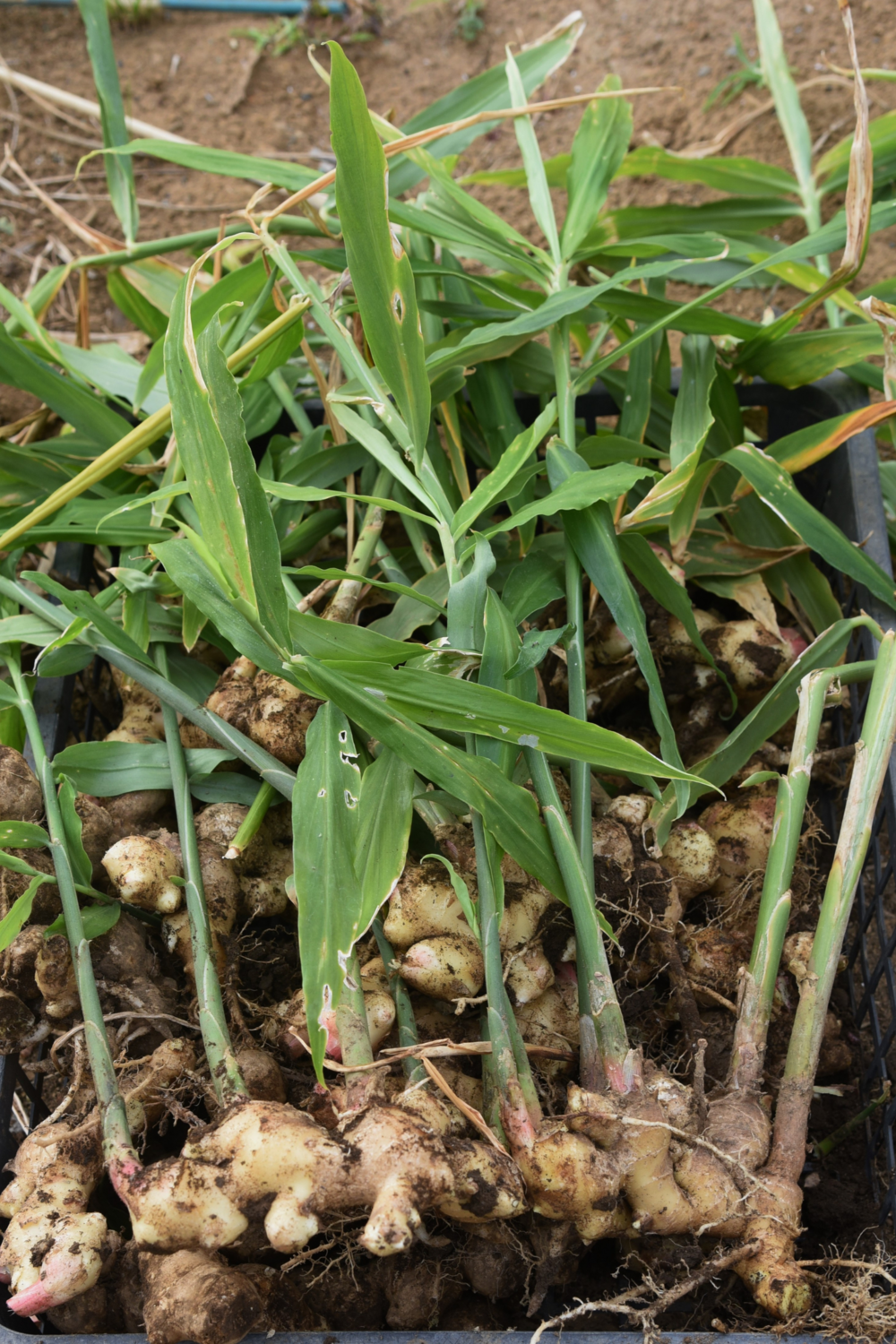
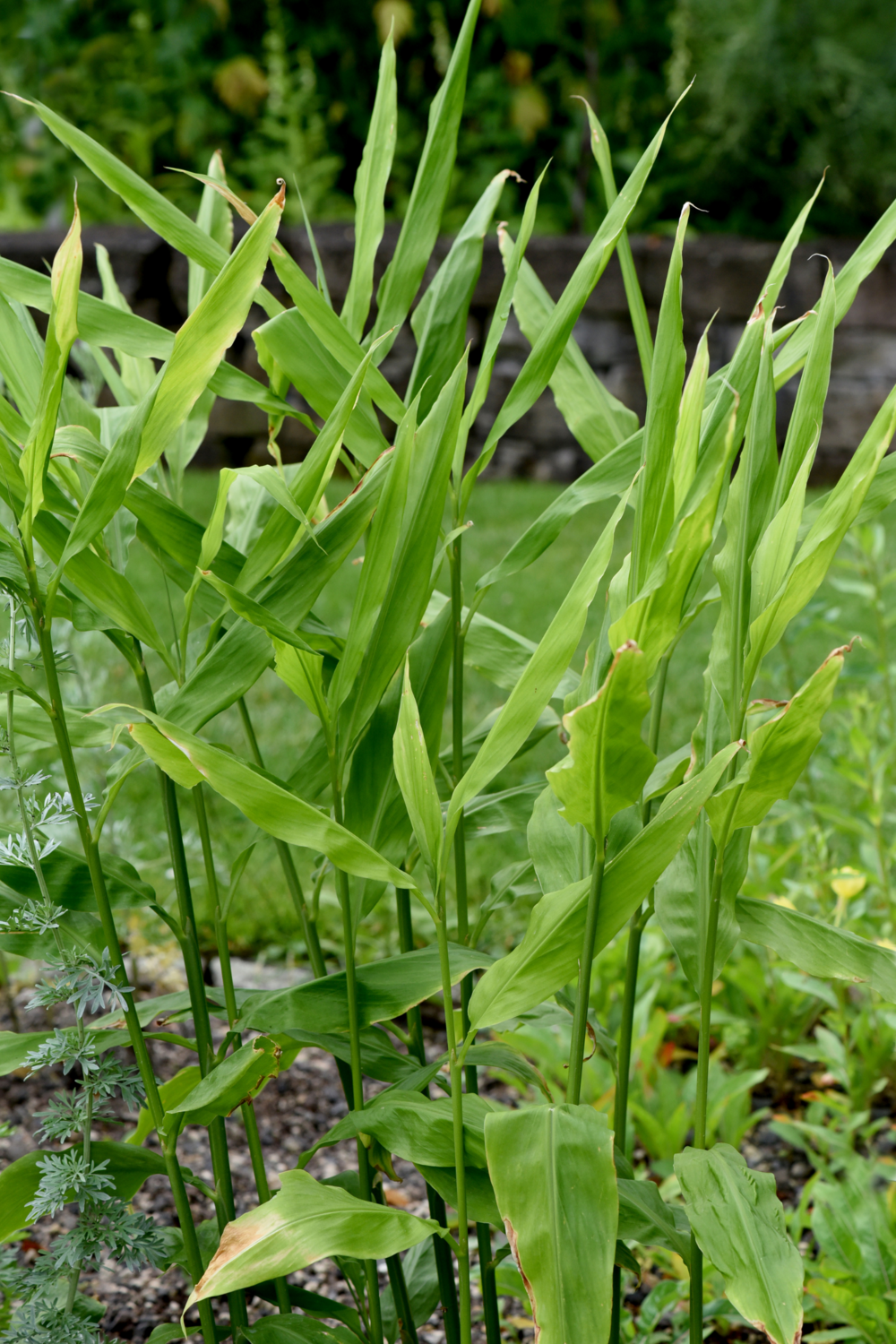
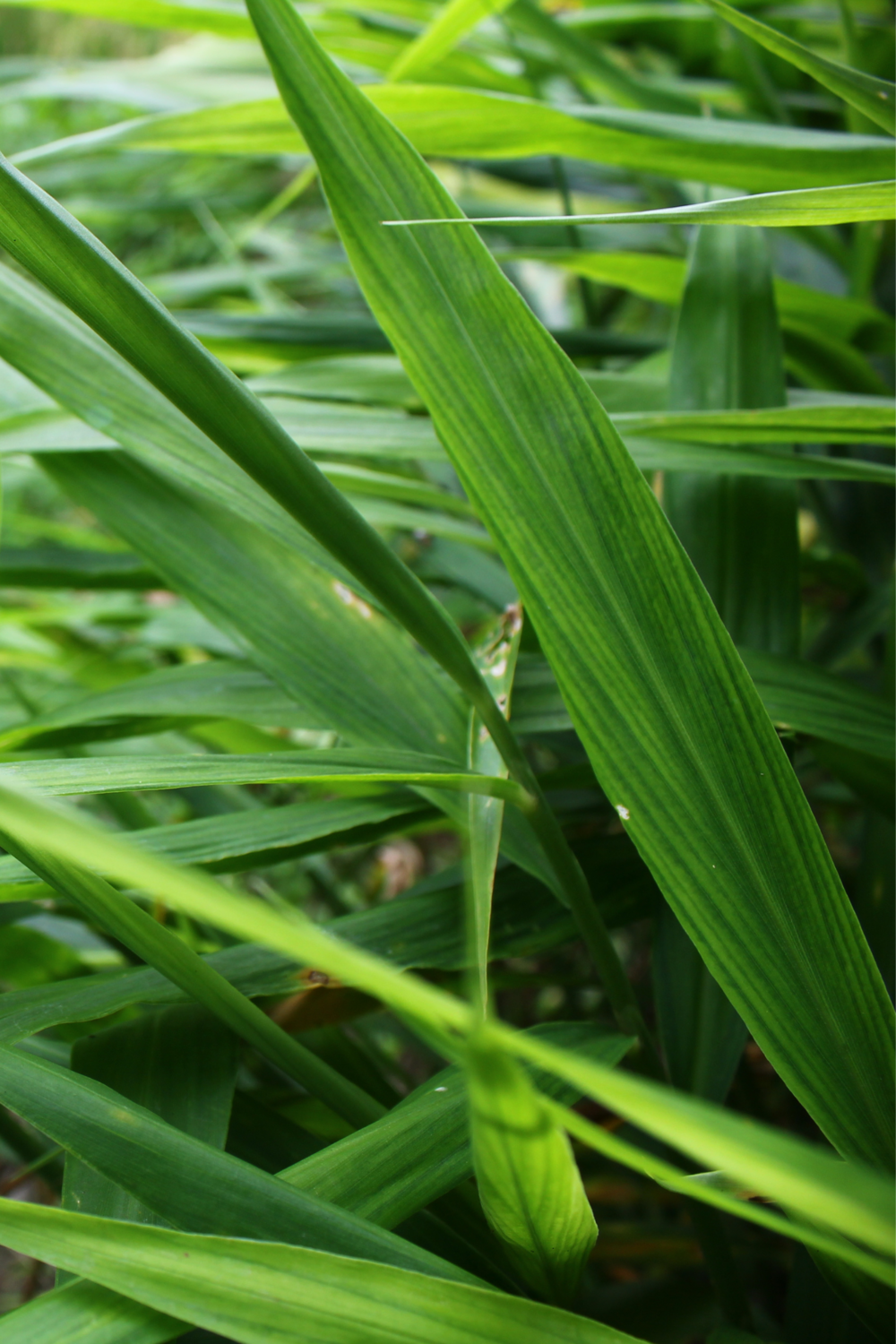
🌿 Culinary Ginger Plant – 1-Gallon Zingiber officinale
Bold flavor, tropical foliage, and a fresh harvest hiding just below the soil.
Why keep buying ginger when you can grow the real deal at home? Culinary Ginger, Zingiber officinale, transforms a bright, protected corner of the garden into a renewable source of fragrant young shoots, tender baby ginger, and mature spicy rhizomes.
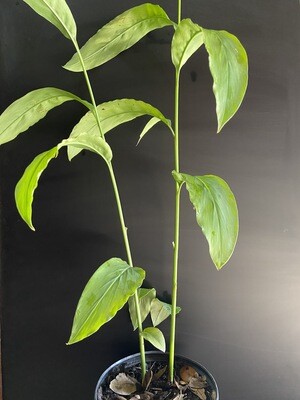
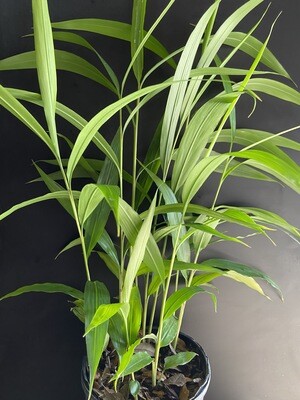
This tropical perennial produces lush, narrow foliage aboveground while developing its prized culinary crop beneath the soil. Grow it in a shaded Florida food forest, a raised garden bed, or a wide patio container—and harvest ginger with flavor that grocery-store rhizomes simply cannot match.
🌿 Culinary Ginger Quick Facts
| Category | Growing Details |
|---|---|
| Botanical Name | Zingiber officinale Roscoe |
| Common Names | Culinary Ginger, Edible Ginger, Common Ginger, Ginger Root |
| Plant Family | Zingiberaceae |
| Plant Type | Rhizomatous herbaceous perennial; often grown as a seasonal crop in colder climates |
| Sale Size | Live plant established in a 1-gallon nursery container |
| Estimated Age | Typically approximately 4–8 months, depending on propagation date, season, and dormancy |
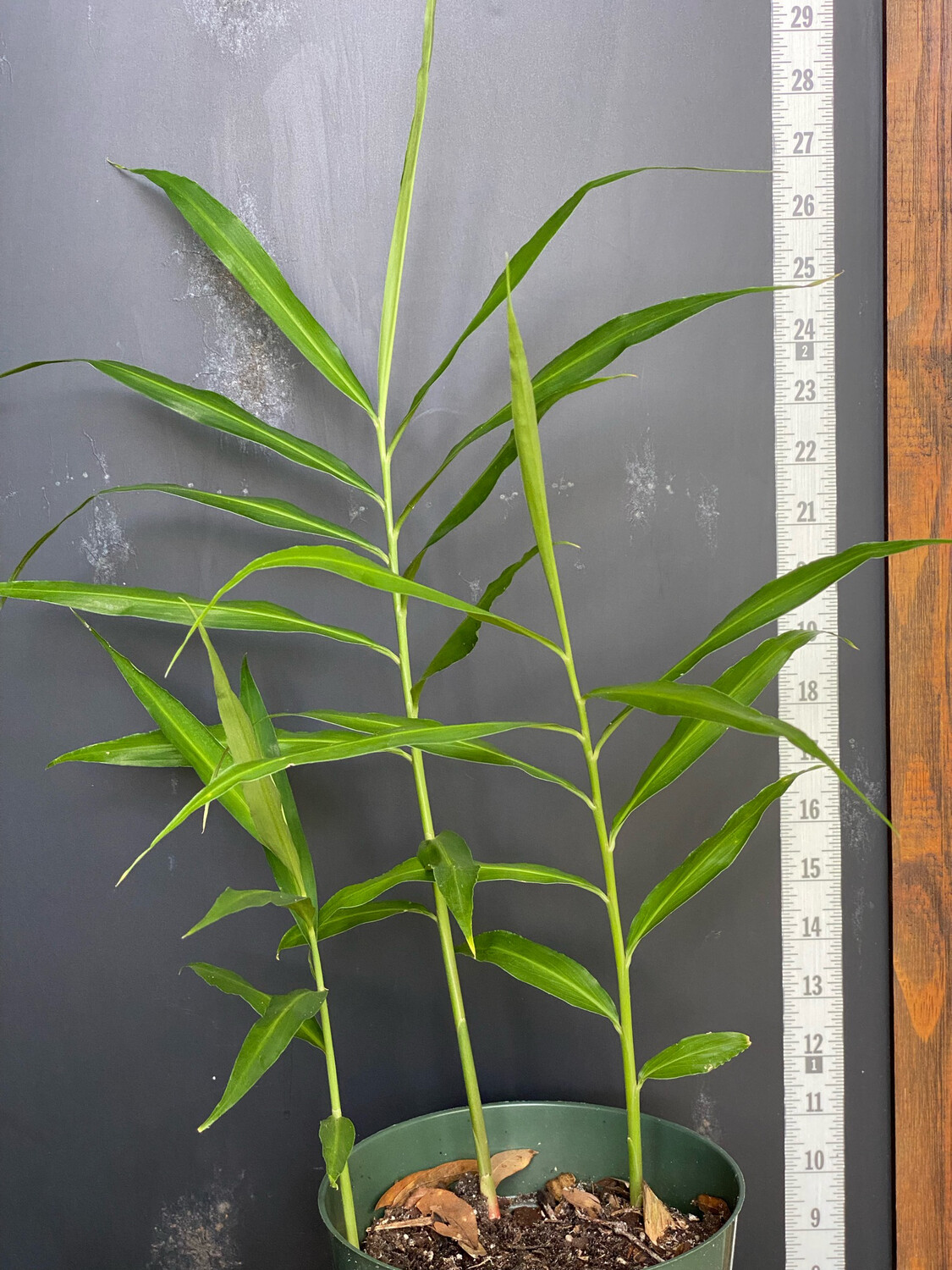
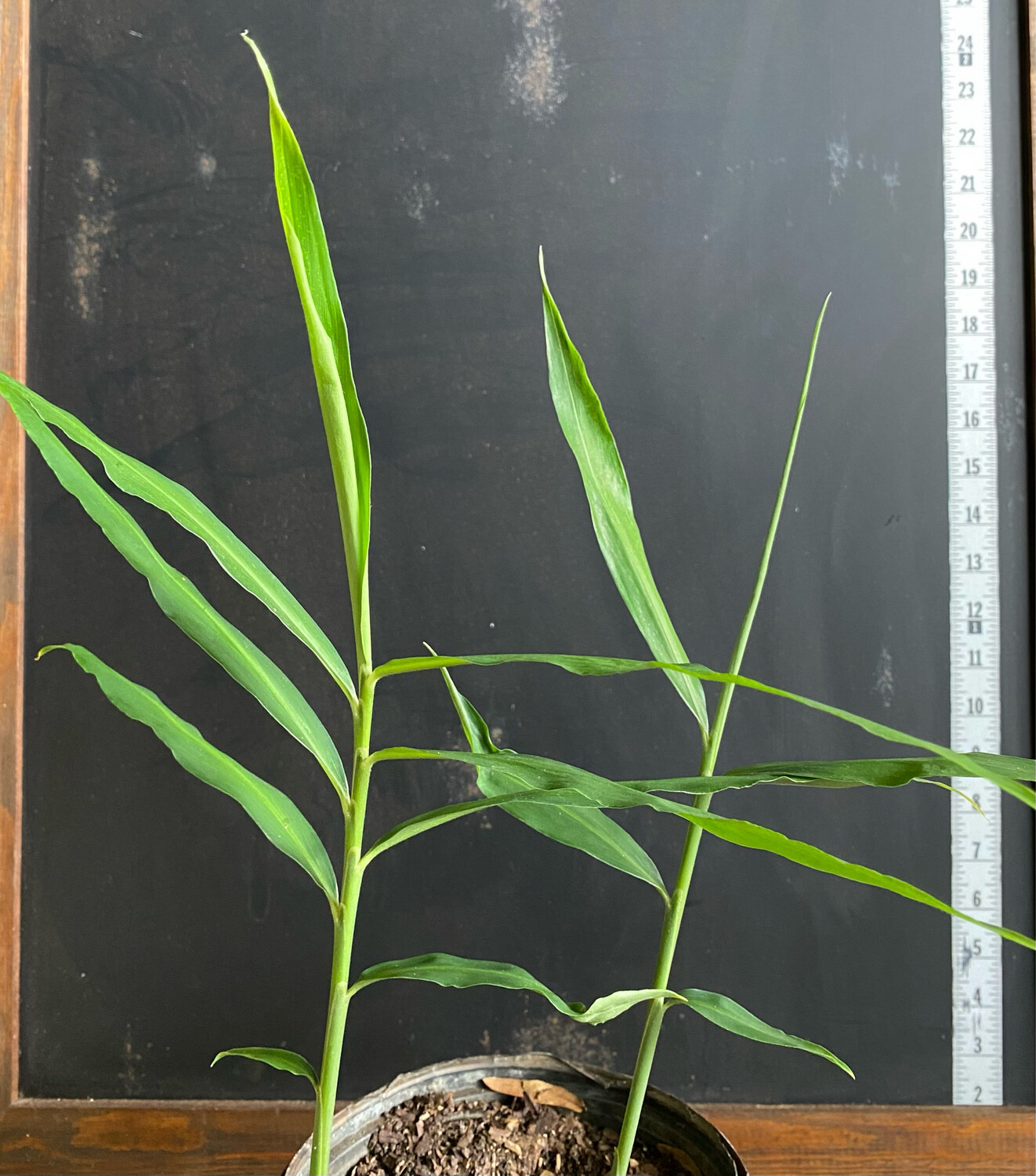
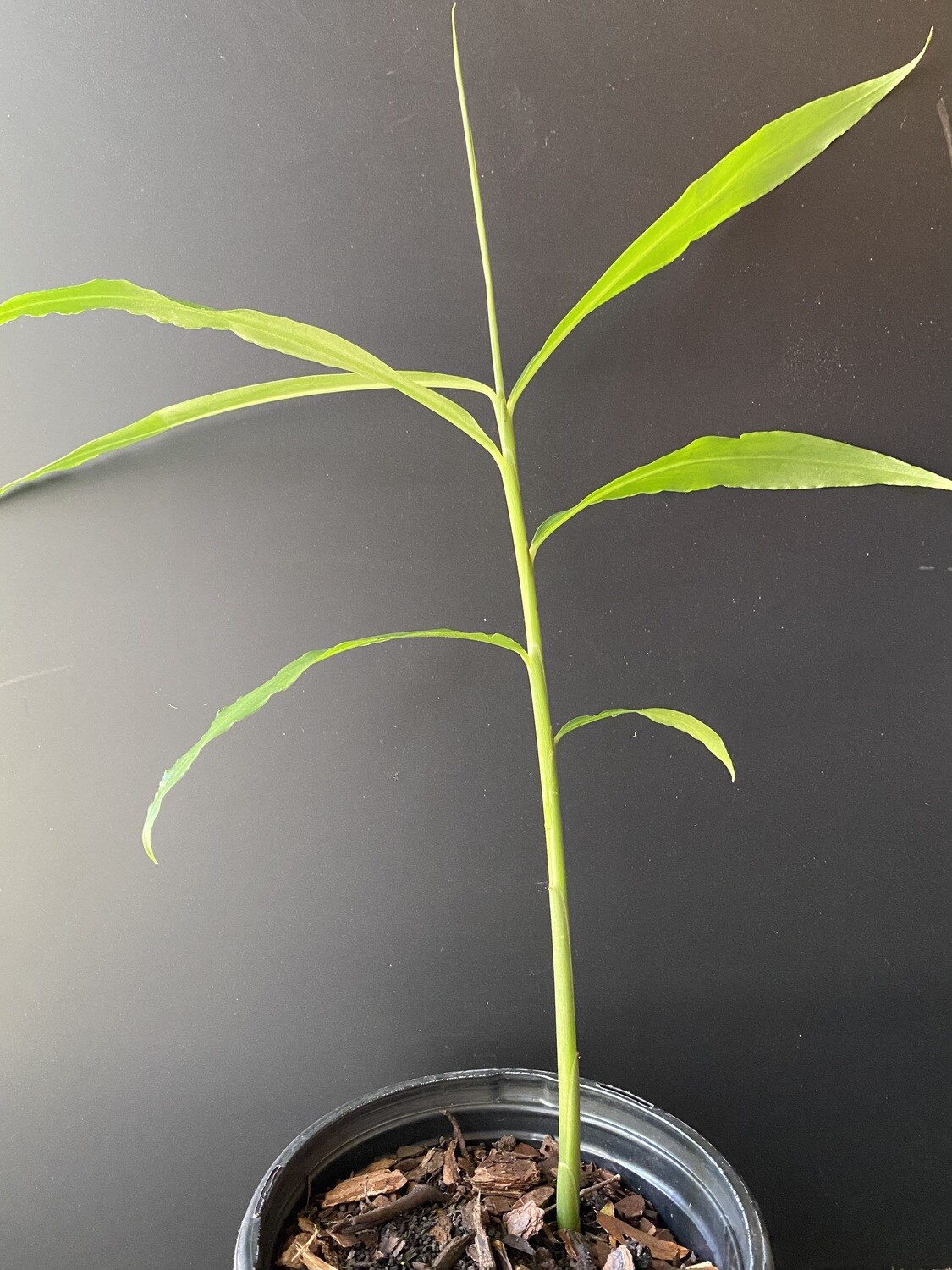
| Shipped Plant Appearance | Height and number of stalks vary seasonally; plants may be actively growing, recently cut back, or entering dormancy |
| Mature Height | Usually 2–4 ft tall |
| Mature Width | Approximately 2–3 ft as a developing clump |
| Pruned Height | Height pruning is generally unnecessary; mature or dormant stalks are removed at soil level |
| USDA Zones | Commonly grown as a perennial in Zones 9–12; may overwinter with protection in Zone 8 |
| Colder Regions | Grow as a warm-season crop or move containers indoors before frost |
| Florida Sun Requirements | Bright shade, filtered light, or approximately 25–40% shade |
| Best Sun Exposure | Gentle morning sun followed by afternoon shade |
| Cold Hardiness | Frost damages or kills the foliage; cool temperatures and shorter days trigger dormancy |
| Preferred Temperature | Approximately 70–85°F during active growth |
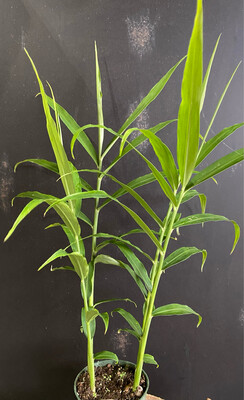
| Growth Habit | Upright clump of leafy pseudostems spreading gradually through underground rhizomes |
| Spacing | Approximately 15–18 inches for production rows; 18–24 inches for an ornamental clump |
| Soil Preference | Rich, loose, moisture-retentive, and well-draining soil with abundant organic matter |
| Water Needs | Consistent moisture during active growth without standing water |
| Wind Tolerance | Fair in protected beds; broad exposure can shred foliage or tip containers |
| Salt Tolerance | Low; protect from direct salt spray, saline soil, and brackish irrigation |
| Harvest Window | Baby ginger in approximately 4–6 months; mature ginger commonly in 8–10 months |
| Primary Edible Part | Underground rhizome |
| Additional Uses | Tender young shoots and leaves may be used sparingly as aromatic culinary ingredients |
Seasonal note: Culinary Ginger is not a woody evergreen shrub. In Central Florida and similar subtropical climates, the foliage commonly yellows and dies back during fall or winter as temperatures cool and days shorten. The living rhizomes remain below the soil and can produce fresh shoots when warm weather returns.
🫚 What Makes Freshly Grown Ginger Different?
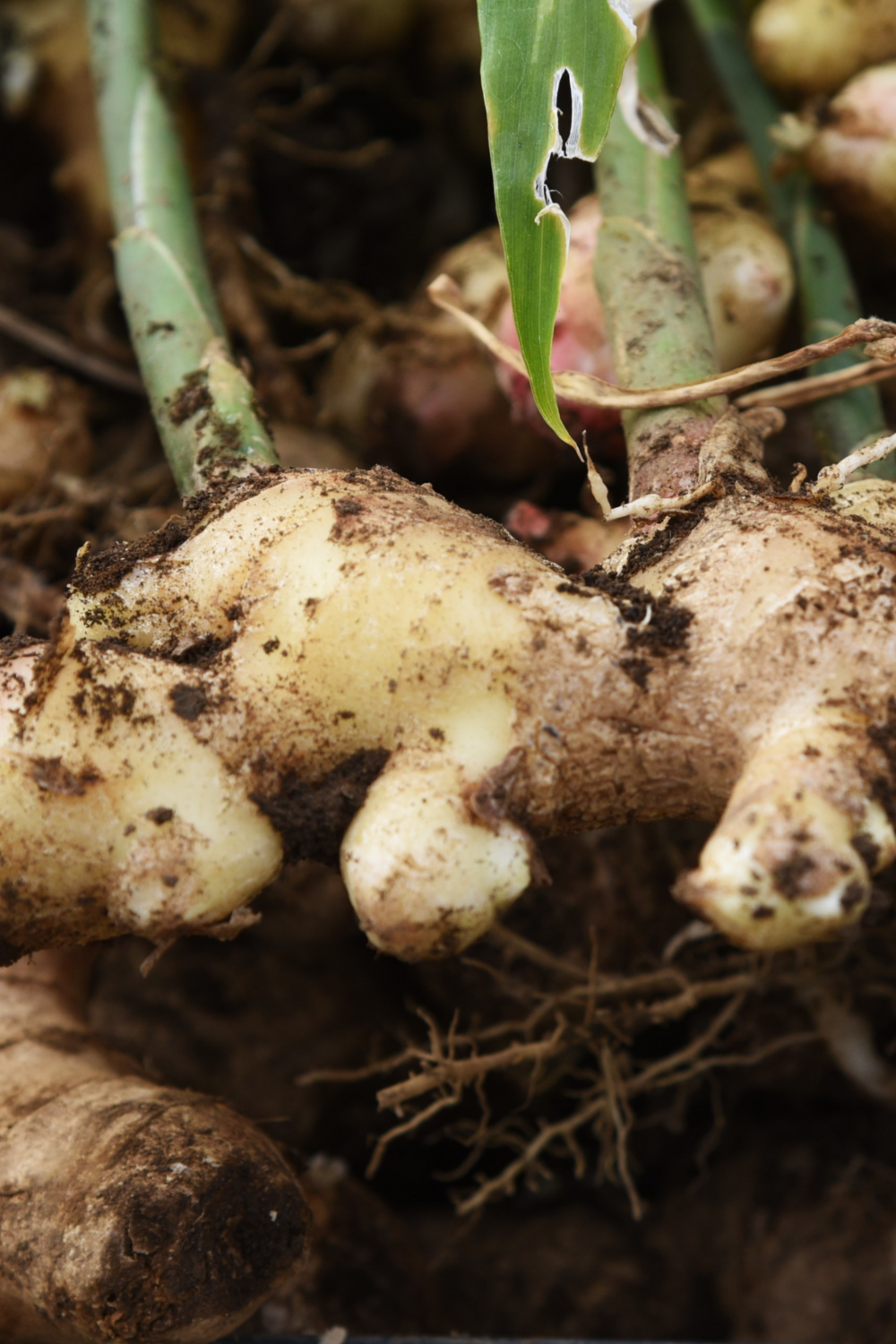
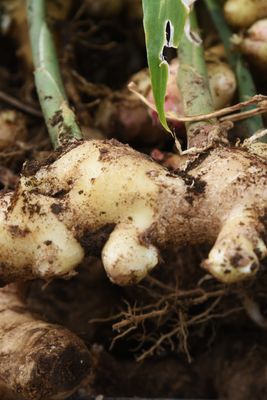
The familiar “ginger root” is technically not a root at all. It is a rhizome—an underground stem that stores energy and produces new shoots, roots, and branches.
Freshly harvested ginger can be used at several stages of maturity, and each stage has a noticeably different personality.
| Harvest Stage | Texture | Flavor | Best Uses |
|---|---|---|---|
| Young shoots | Crisp and tender when harvested very young | Light, green, and gently spicy | Soups, broths, aromatic pastes, stir-fries |
| Baby ginger | Juicy, tender, nearly fiberless, with delicate skin | Mild, bright, floral, and citrusy | Pickling, slicing, juicing, fresh sauces |
| Midseason ginger | Firm with developing fibers | Balanced heat and fragrance | Curries, marinades, tea, stir-fries |
| Mature ginger | Dense, drier, and more fibrous | Stronger heat with deep spicy notes | Drying, powdering, baking, extracts |
| Dried ginger | Firm or ground into powder | Concentrated, warm, and sharp | Spice blends, baking, tea, dry rubs |
Young ginger often develops pale cream-colored flesh with blush-pink scales near the growing tips. As the rhizome matures, its outer skin becomes tan and more cork-like while its flavor grows hotter and more concentrated.
🍲 A Culinary Plant with Serious Range
Culinary Ginger moves effortlessly between sweet, savory, fresh, fermented, and preserved recipes.
Fresh Ginger
Use grated, minced, sliced, crushed, or juiced ginger in:
- Curries and coconut-based sauces
- Stir-fries and noodle dishes
- Soups, broths, and congee
- Marinades for vegetables, seafood, tofu, or meat
- Fresh salsa and dipping sauces
- Smoothies and wellness shots
- Salad dressings and vinaigrettes
- Fruit salads and tropical desserts
- Homemade ginger ale or ginger beer
- Fermented ginger bugs and tonics
Baby Ginger
Baby ginger is especially prized because its skin is thin and its flesh is tender enough that peeling is often unnecessary.
Try it:
- Thinly sliced and quick-pickled
- Grated into dipping sauces
- Added raw to salads
- Blended into fresh curry paste
- Candied in syrup
- Fermented with vegetables
- Frozen in measured portions for later cooking
Dried or Powdered Ginger
Mature ginger can be sliced and dehydrated or ground into powder for:
- Gingerbread and cookies
- Chai blends
- Pumpkin and sweet potato recipes
- Curry powders
- Dry rubs
- Herbal tea blends
- Homemade spice mixes
Leaves and Young Shoots
In several Asian culinary traditions, tender ginger shoots and leaves are used as aromatic ingredients. The leaves may be used to wrap or perfume foods during cooking, while very young shoots can be finely sliced or blended into sauces.
Use only correctly identified Zingiber officinale. Northern “wild ginger” plants in the genus Asarum are unrelated and should not be used as a substitute.
☕ Easy Garden-to-Cup Fresh Ginger Tea
Ingredients
- 1–2 inches freshly harvested ginger
- 2 cups water
- Optional lemon, lime, honey, mint, or cinnamon
Directions
- Wash the ginger thoroughly.
- Thinly slice or lightly crush the rhizome.
- Simmer in water for approximately 10–15 minutes.
- Strain and add your preferred citrus, herbs, or sweetener.
- Adjust the amount of ginger depending on the maturity and heat of your harvest.
Garden tip: Tender baby ginger produces a lighter, brighter tea. Mature ginger creates a stronger and more warming cup.
🌏 From Ancient Spice Routes to the Backyard Garden
Ginger has been cultivated for so long that its precise early domestication story is difficult to reconstruct. Modern botanical references place its ancestral range from the eastern Himalaya into south-central China, while its culinary and agricultural history is deeply connected to South and Southeast Asia.
The plant does not commonly produce viable seed. For generations, growers preserved and distributed ginger by dividing and replanting valuable pieces of rhizome. Every cultivated plant is therefore part of a long chain of human selection and propagation.
Arab traders carried ginger westward, and Greek and Roman cultures obtained it through early spice trade networks. It later became one of the most valued Asian spices in medieval Europe. Today, it remains central to cuisines throughout India, China, Japan, Southeast Asia, the Caribbean, Africa, the Pacific, Europe, and the Americas.
Planting ginger is more than starting another herb. It is continuing one of the world’s oldest living culinary traditions—one rhizome at a time.
🌱 Top Reasons to Grow Culinary Ginger
- Harvest fresher flavor: Homegrown ginger can be used within minutes of harvest.
- Enjoy multiple harvest stages: Grow mild baby ginger or wait for stronger mature rhizomes.
- Fill partially shaded spaces: Ginger thrives where many traditional vegetables struggle in Florida.
- Create tropical texture: Narrow leaves and upright stalks add movement and lush seasonal color.
- Grow in containers: A wide pot can produce a useful harvest on a patio, porch, or balcony.
- Build a productive understory: Ginger works beneath open-canopy fruit trees and in protected food-forest edges.
- Preserve your crop: Freeze, dry, pickle, candy, or ferment extra rhizomes.
- Replant for the next season: Save healthy sections of rhizome and allow the patch to return.
- Grow organically: Ginger generally experiences limited insect pressure when drainage and sanitation are properly managed.
- Turn unused shade into food: That awkward side yard may be hiding its true calling.
🌾 Nutritional, Traditional, and Functional Uses
Ginger contains aromatic oils and naturally occurring compounds including gingerols, shogaols, zingerone, and other phenolic and terpene compounds. The concentration and character of these compounds change as ginger is cooked, dried, or stored.
Ginger has a long history of traditional use in Ayurvedic, Chinese, Middle Eastern, Caribbean, and Western herbal practices. It has commonly been prepared as a tea, food, syrup, infused oil, compress, or dried spice.
Modern research has evaluated ginger preparations for nausea, menstrual discomfort, and several other uses. Evidence varies considerably by condition, product, preparation, and dosage. Culinary ginger should be presented as a flavorful food plant—not as a substitute for professional medical care.
People who are pregnant, managing a medical condition, preparing for surgery, or taking prescription medication should consult a qualified healthcare professional before using concentrated ginger supplements or therapeutic quantities.
🌿 Ornamental Appeal in the Edible Landscape
Culinary Ginger may be famous for what happens underground, but the foliage still earns its place aboveground.
The plant produces upright pseudostems formed by tightly overlapping leaf sheaths. Long, narrow green leaves create a soft, tropical texture that contrasts beautifully with broad-leaved fruit trees, colorful edible hibiscus, and low-growing groundcovers.
Use Zingiber officinale:
- Along a shaded pathway
- Beneath open-canopy fruit trees
- Around the edge of a food forest
- In a dedicated rhizome-production bed
- Behind lower edible groundcovers
- In wide containers on a protected patio
- As a seasonal green backdrop near outdoor living spaces
Because the foliage may disappear during winter dormancy, culinary ginger is best planted as part of a layered landscape rather than used as the only year-round focal point.
🔍 Culinary Ginger vs. Common Lookalikes
| Plant | Botanical Name | Main Culinary Part | Flavor | Growing Habit |
|---|---|---|---|---|
| Culinary Ginger | Zingiber officinale | Rhizome, young shoots, aromatic leaves | Pungent, warm, citrusy | Seasonal upright clump |
| Turmeric | Curcuma longa | Orange rhizome | Earthy, peppery, slightly bitter | Broad-leaved seasonal clump |
| Galangal | Alpinia galanga | Firm rhizome | Piney, sharp, citrus-like | Larger and more persistent clump |
| Ornamental Ginger | Several genera and species | Species dependent; many are not culinary substitutes | Variable | Primarily grown for flowers or foliage |
| Wild Ginger | Asarum species | Not a culinary substitute | Ginger-like aroma in some species | Low temperate woodland groundcover |
SEASONAL CARE, PLANTING, WATERING, CONTAINERS & PRODUCTION
🌤 Where to Grow Zingiber officinale
Culinary Ginger thrives in warm, humid conditions with fertile soil and protection from intense afternoon sun.
Best Locations in Florida
Choose a location with:
- Bright, filtered light
- Approximately 25–40% shade during summer
- Gentle morning sunlight
- Afternoon protection
- Rich, organically amended soil
- Consistent access to water
- Excellent drainage during heavy summer rainfall
- Shelter from strong, drying wind
UF/IFAS research indicates that Florida-grown ginger benefits from partial shade, especially during establishment. Full summer sun can cause heat stress, browned leaf margins, and reduced growth. Extremely deep shade may produce attractive foliage but reduce the amount of energy available for rhizome production.
Good Landscape Positions
- East side of a home or structure
- Beneath a high, open fruit-tree canopy
- Edge of a banana circle without root-zone waterlogging
- Protected food-forest understory
- Raised bed under light shade cloth
- Patio receiving morning sun
- Bright lanai or screened enclosure
Avoid Planting Ginger
- In standing water
- In compacted clay without drainage improvement
- Directly beside saltwater or brackish irrigation
- Against a hot west-facing wall
- Under extremely dense evergreen shade
- In exposed wind tunnels
- Where lawn irrigation constantly wets the foliage
- In soil previously affected by severe rhizome rot
🌬 Wind and Salt Exposure
Culinary Ginger can tolerate normal garden breezes, but its tall leafy stalks are not built for repeated coastal wind, tropical-storm gusts, or constant exposure.
Strong wind can:
- Tear or fold leaves
- Dry the soil rapidly
- Produce brown leaf margins
- Loosen newly transplanted plants
- Tip tall or lightweight containers
Place containers near a protected wall, hedge, or open windbreak while maintaining airflow.
Ginger is also not considered a salt-tolerant crop. Saline soil and irrigation water can restrict growth and increase drought-like stress even when the soil appears moist. In coastal landscapes, protect plants from direct salt spray and use fresh irrigation water.
📦 First Steps After Your Plant Arrives
Shipping is a major environmental change. Your Culinary Ginger needs time to adjust before being transplanted.
For the First 30 Days
- Remove the plant carefully from its shipping box.
- Place it in bright shade with protection from afternoon sun and wind.
- Water thoroughly at soil level if the potting mix feels dry.
- Keep the plant in its original 1-gallon container.
- Do not immediately fertilize, divide, harvest, or disturb the rhizomes.
- Watch for fresh shoots, expanding leaves, or other signs of active recovery.
- Transplant only after approximately 30 days or after healthy new growth appears.
A few yellow leaves, folded stalks, torn foliage, or temporary wilting can occur after shipping. The underground rhizome is the plant’s energy reserve, and cosmetic foliage damage does not automatically mean the plant has failed.
If the plant arrives during dormancy, new growth may not appear until temperatures and day length increase.
🌱 How to Plant Culinary Ginger Using the GreenDreams Method
Although ginger is not a fruit tree, the same GreenDreams principle applies: avoid planting too deeply and protect the crown and rhizomes from trapped moisture.
In-Ground Planting
- Choose a partially shaded, well-draining location.
- Water the plant in its container before transplanting.
- Dig a hole only slightly wider than the nursery container.
- Keep the hole approximately the same depth as the root ball.
- Gently remove the plant without pulling on the stalks.
- Place the plant so the upper root ball and crown sit at or slightly above the surrounding grade.
- Backfill with native soil blended with finished compost where appropriate.
- Firm the soil carefully around the plant to eliminate large air pockets.
- Do not bury the stalk bases or mound wet soil over the crown.
- Water deeply at soil level.
- Top-dress the surrounding soil with compost, biochar, azomite, and an appropriate organic nutrient source.
- Apply 2–3 inches of hardwood mulch while keeping mulch several inches away from the stalk bases.
For more detail on GreenDreams planting principles, watch our High & Tight planting guide.
Important Soil Note
Do not replace the entire planting hole with rich compost. An abrupt pocket of soft material can hold excess water and discourage roots from moving into the surrounding soil. Use compost primarily as a broad amendment or top-dressing unless you are building a properly drained raised production bed.
🌾 Best Soil for Culinary Ginger
The ideal soil balances two needs that seem contradictory:
- It must hold consistent moisture
- It must also drain quickly enough to protect the rhizomes
In-Ground Soil
A productive ginger bed should contain:
- Loose sandy loam or amended native soil
- Finished compost
- Stable organic matter
- Adequate pore space for oxygen
- A raised or crowned profile in wet locations
Florida gardeners with poorly drained soil should strongly consider a raised bed at least 8 inches deep.
Recommended Container Mix
Use a loose mix containing materials such as:
- Coconut coir or quality peat-based potting mix for moisture retention
- Composted pine bark or coarse bark fines for structure
- Perlite, pumice, or similar material for aeration
- Finished compost or worm castings for biological activity
- A measured organic fertilizer suitable for edible crops
A practical starting blend is:
- 40% coconut coir or peat-based mix
- 25% composted pine bark
- 20% finished compost
- 15% perlite or pumice
Exact percentages may be adjusted for local humidity and watering habits. During Florida’s rainy season, prioritize more coarse material and drainage. In dry indoor conditions, slightly increase moisture-retentive material.
Avoid heavy garden soil in containers. It compacts easily, drains poorly, and can suffocate shallow ginger roots.
💧 Watering Culinary Ginger Correctly
Ginger appreciates steady moisture during active growth but is highly vulnerable to rhizome and root disease in waterlogged soil.
GreenDreams Watering Rule
Water at soil level in the morning. Do not routinely water over the foliage.
Overhead irrigation can splash contaminated soil onto leaves, waste water, and leave foliage wet for extended periods. Avoid afternoon overhead watering, especially during intense sun or humid weather.
Drip irrigation, microtubing, or careful hand-watering at the base is preferred.
Watering Guide
| Growing Situation | Suggested Approach |
|---|---|
| First week after transplanting | Check daily and maintain evenly moist soil while roots establish |
| Established in-ground plant | Provide deep soil-level irrigation whenever rainfall is insufficient |
| Florida summer production | Rainfall or irrigation may be needed most days, especially in sandy soil |
| 1-gallon nursery container | Check daily during active growth; water thoroughly when the surface begins drying |
| Larger outdoor container | Check moisture several inches deep; water until excess drains from the bottom |
| Indoor container | Water when the upper 1–2 inches begin to dry; never leave standing water in a saucer |
| Dormant, leafless container | Reduce water dramatically; keep rhizomes barely moist rather than wet |
| Before a planned mature harvest | Gradually reduce irrigation as foliage naturally yellows and declines |
Ginger’s Water-Stress Signals
Too dry:
- Leaves curl inward
- Tips turn brown
- Margins appear scorched
- Growth stalls
- Stalks wilt during the day
Too wet:
- Soil remains saturated for days
- Lower stalks soften
- Rhizomes smell sour or rotten
- Shoots collapse
- Leaves yellow despite wet soil
Never use a rigid calendar without checking the soil. Heat, wind, container size, rainfall, shade, and potting mix all affect watering frequency.
🌿 Organic Fertility and Feeding Schedule
Culinary Ginger is a moderate-to-heavy feeder while actively producing foliage and rhizomes.
At Planting
Top-dress with:
- Finished compost
- Charged biochar
- Worm castings
- Trace-mineral amendment such as azomite
- A measured organic fertilizer formulated for vegetables or tropical edible crops
Avoid placing concentrated fertilizer directly against the rhizomes.
During Active Growth
Feed lightly but consistently rather than applying one oversized dose.
A practical organic schedule may include:
- Compost or worm castings every 6–8 weeks
- Diluted fish hydrolysate or liquid organic feed during early vegetative growth
- A balanced granular organic fertilizer applied according to its label
- Adequate potassium as rhizomes begin bulking
- Micronutrients when indicated by a soil test or persistent deficiency symptoms
Avoid
- Heavy fertilization immediately after shipping
- High-salt synthetic feeding programs
- Excessive nitrogen late in the season
- Fertilizing dormant, leafless plants
- Guessing at deficiencies without checking drainage and root health first
Too much nitrogen can create impressive foliage without delivering the rhizome production you expected. The goal is not just a jungle above the soil—it is a harvest below it.
📅 Seasonal Ginger Care in Florida and Similar Zones 8–10
🌱 Spring — Wake-Up and Planting Season
Central and South Florida
- New shoots may begin emerging as temperatures and day length increase.
- Plant or transplant once cold risk has passed.
- Refresh mulch and compost.
- Resume regular watering as active growth begins.
- Divide crowded rhizomes before vigorous growth starts, if needed.
North Florida and Zone 8
- Wait until soil has warmed and nights remain reliably above approximately 50°F.
- Late cold can delay sprouting or damage emerging shoots.
- Pre-starting ginger in a warm container can extend the season.
🌞 Summer — Peak Growth
- Expect rapid stalk and leaf production.
- Maintain consistent moisture.
- Provide 25–40% shade in exposed Florida locations.
- Feed during active growth.
- Inspect containers frequently because they can dry quickly.
- Monitor for curled leaves, tip burn, and heat stress.
- Maintain mulch without covering the stalk bases.
This is the plant’s primary energy-building period. Healthy summer foliage feeds the developing rhizomes belowground.
🍂 Fall — Rhizome Bulking and Early Harvest
- Shorter days encourage rhizome development and seasonal slowdown.
- Baby ginger may be ready for harvest.
- Older foliage may begin yellowing.
- Reduce fertilizer as growth slows.
- Continue watering while the foliage remains active, but do not keep cooling soil saturated.
- Harvest only part of the clump when you want it to return.
❄️ Winter — Dormancy and Mature Harvest
In Central Florida and similar Zone 9 climates:
- Leaves may yellow, spot, brown, and collapse.
- Stalks may dry completely to the soil line.
- This can be normal dormancy rather than plant death.
- Cut fully dried stalks near the soil surface.
- Reduce irrigation significantly.
- Maintain a protective mulch layer over in-ground rhizomes.
- Harvest mature rhizomes once foliage has naturally declined.
In colder Zone 8 locations:
- Apply deep mulch before freezing temperatures.
- Grow in a container that can be moved into protection.
- Store dormant rhizomes in their relatively dry container where they will not freeze.
In frost-free South Florida:
- Plants may remain green longer, although short days can still slow growth.
✂️ Pruning, Dividing, and Maintaining Ginger
Culinary Ginger does not require traditional height pruning.
Routine Maintenance
- Remove broken or fully yellow stalks at soil level.
- Leave healthy green stalks intact because they feed the developing rhizomes.
- Sanitize cutting tools before moving between plants.
- Remove diseased material from the growing area rather than composting it.
- Cut dormant stalks only after they have naturally declined.
Dividing a Crowded Clump
- Wait until dormancy or early spring when practical.
- Lift the rhizome clump carefully.
- Select firm, healthy pieces with visible growth buds.
- Cut along natural joints using a clean knife.
- Allow cut surfaces to dry and callus before replanting.
- Discard soft, foul-smelling, discolored, or diseased pieces.
- Replant in fresh, well-draining soil.
Avoid dividing a recently shipped or stressed plant.
🪴 Growing Ginger in Containers
Culinary Ginger has relatively shallow roots and expanding horizontal rhizomes. A wide container is generally more useful than an excessively deep container.
Container Progression
| Current Size | Suggested Next Step |
|---|---|
| 4-inch starter | Move to a 1-gallon pot after establishment |
| 1-gallon plant | Move to a 3-gallon container when crowded |
| 3-gallon plant | Move to a wide 5- or 7-gallon container |
| Long-term production | Use a wide 10- to 15-gallon container or similar raised planter |
A container approximately 14 inches wide can support several developing rhizomes, but larger pots offer more consistent moisture and a larger potential harvest.
How to Up-Pot Your 1-Gallon Culinary Ginger
- Wait at least 30 days after shipping or until healthy new growth appears.
- Choose a container only one or two practical sizes larger.
- Confirm that it has generous drainage holes.
- Add enough fresh potting mix to maintain the original planting depth.
- Slide the root ball out without pulling on the stalks.
- Do not aggressively break apart healthy rhizomes.
- Set the plant at the same level or slightly high.
- Backfill and firm the mix gently.
- Water thoroughly at soil level.
- Return the plant to bright shade while it re-establishes.
Containers and soil components may be found through local garden centers, independent nurseries, landscape-supply yards, agricultural suppliers, nursery-supply stores, and reputable online gardening retailers. Search for wide nursery containers, food-safe planters, coarse organic potting mix, coconut coir, composted pine bark, and horticultural perlite.
🏠 Can Culinary Ginger Grow Indoors?
Yes—but indoor production requires warmth, bright light, patience, and realistic expectations.
Best Indoor Conditions
- Bright indirect light near a large window
- Supplemental grow lighting when natural light is limited
- Temperatures preferably above 60°F
- Protection from cold air-conditioning vents
- Moderate-to-high humidity
- Excellent container drainage
- Air movement without harsh drafts
Indoor ginger may produce fewer or smaller rhizomes because household light levels are often much lower than protected outdoor light.
Do not mist constantly as a substitute for proper watering. Persistent wet foliage and stagnant air can encourage disease. Increase humidity with grouped plants, a humidifier, or a properly maintained pebble tray while watering the soil directly.
Move indoor plants away from cold window glass during winter.
🫚 Harvesting Your Homegrown Ginger
Baby Ginger
Harvest approximately 4–6 months after planting when:
- Rhizomes are tender and juicy
- Skin is thin and easily rubbed
- Fibers are limited
- Flavor is mild and floral
Carefully dig beside the plant and remove only what you need, leaving active sections in place.
Mature Ginger
Harvest approximately 8–10 months after planting or after the foliage naturally yellows and dies back.
- Reduce watering as dormancy begins.
- Loosen soil around the clump.
- Lift rhizomes carefully to avoid cutting them.
- Shake or rinse away soil.
- Remove damaged or diseased sections.
- Allow the surface to dry in shade.
- Save firm pieces with healthy buds for replanting.
For long-term production, thin the clump rather than harvesting every rhizome.
Storage Options
Fresh ginger may be:
- Refrigerated for short-term use
- Frozen whole, sliced, grated, or portioned
- Dehydrated
- Ground into powder
- Pickled
- Candied
- Fermented
- Preserved in syrup
Do not refrigerate rhizomes intended for replanting for extended periods, as chilling can reduce their ability to sprout.
🌻 Edible-Landscape Companions and Support Plants
Ginger performs best in a layered system where neighboring plants provide filtered light, organic matter, beneficial-insect habitat, and wind protection without overwhelming its shallow rhizomes.
Productive Neighbors
- Bananas planted at an appropriate distance
- Papayas with an open canopy
- Katuk
- Chaya
- Edible hibiscus
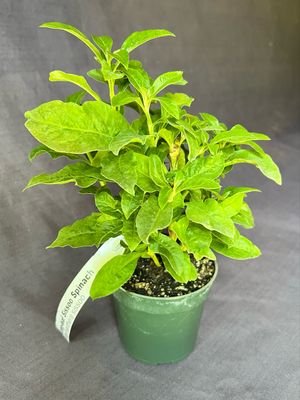
- Okinawan spinach
- Longevity spinach
- Surinam spinach
- Turmeric
- Galangal
- Taro in adjacent moist—but not waterlogged—areas
Support Plants
- Mexican sunflower: Pollinator support and chop-and-drop biomass
- Pigeon pea: Seasonal canopy, biomass, and nitrogen-fixing potential
- Clumping grasses: Carbon-rich mulch material and wind diffusion
- Native flowering plants: Habitat for beneficial insects
- Low edible groundcovers: Soil shading and visual layering
Keep vigorous support plants far enough away that they do not crowd the ginger rhizomes or intercept all available light and moisture.
Avoid placing loose chop-and-drop material directly over the stalk bases. Allow fresh green material to wilt before using it as mulch, and maintain airflow around the plant.
CAUTIONS, TROUBLESHOOTING, FAQ & SHIPPING
⚠️ Culinary Ginger Cautions
Culinary Ginger is generally approachable and rewarding, but several precautions are important.
Growing Cautions
- Rhizomes rot readily in saturated or poorly aerated soil.
- Frost can kill the foliage.
- Full Florida afternoon sun may burn the leaves.
- Containers can tip in strong wind.
- Saline irrigation and salt spray can reduce growth.
- Diseased rhizomes can introduce persistent soil pathogens.
- Recently shipped plants should not be transplanted immediately.
- Dormancy may make a healthy plant appear dead during winter.
- Overfertilization can damage roots and reduce plant performance.
- Ginger should not be repeatedly planted in a bed with a history of serious rhizome disease.
Culinary Identification Warning
Not every plant called “ginger” is Zingiber officinale. Ornamental ginger species may have different edible uses—or no established culinary use at all.
Northern wild ginger, Asarum species, is not true culinary ginger and should not be consumed as a substitute.
🔍 Culinary Ginger Troubleshooting Guide
Icons represent common issues and organic recovery options—look for 🌿 for corrective steps.
| ⚠️ Issue | 🧠 Likely Cause | 🌿 Organic Response |
|---|---|---|
| 🍂 Lower leaves yellowing in winter | Normal seasonal dormancy | Reduce watering and wait for warm-season regrowth |
| 🍂 Yellow leaves during summer | Excess water, poor drainage, root disease, or nutrient imbalance | Check soil moisture and drainage before adding fertilizer |
| 🫣 Leaves curling inward | Drought stress, heat, wind, or dry root ball | Water deeply at soil level and provide afternoon shade |
| 🔥 Brown leaf tips | Dry soil, intense sun, fertilizer salts, salinity, or wind | Flush container soil, improve shade, and review watering |
| ☀️ Bleached or scorched foliage | Too much direct Florida sun | Move to filtered light or provide 25–40% shade |
| 💦 Soft stalk bases | Saturated soil or developing rhizome rot | Stop excess watering and improve drainage immediately |
| 🧫 Sour-smelling or mushy rhizomes | Pythium, Phytophthora, Fusarium, bacterial disease, or prolonged saturation | Discard infected material and sanitize tools and containers |
| 🌱 No new growth after winter | Soil remains cool or plant is still dormant | Keep the rhizome protected and wait for warmer conditions |
| 🌱 No growth after shipping | Transit stress, dormancy, cool temperatures, or damaged foliage | Keep in the original pot, provide warmth and bright shade, and wait |
| 🌿 Tall green foliage but small harvest | Excessive shade or high nitrogen | Increase gentle light and use balanced nutrition |
| 🕷️ Fine webbing or stippled leaves indoors | Spider mites | Isolate, improve humidity and airflow, and use an appropriate organic treatment |
| 🪲 Sticky foliage or clustered insects | Aphids or other sap-feeding pests | Rinse carefully at soil-safe timing, control ants, and encourage beneficial insects |
| 🐛 Chewed leaf edges | Grasshoppers, caterpillars, or armyworms | Inspect at dawn or dusk and remove pests manually |
| 🍄 Gray mold on unsprouted rhizomes | Excess moisture and poor airflow | Remove affected material and allow healthier pieces to dry |
| 🌬️ Torn leaves | Wind exposure or shipping abrasion | Move to protection; cosmetic damage can be trimmed after recovery |
| 🪴 Container dries daily | Pot is undersized or root/rhizome mass is crowded | Up-pot after the plant is established |
| 🪴 Plant repeatedly wilts despite wet soil | Root damage or oxygen-starved soil | Inspect drainage and rhizome health rather than adding more water |
Serious Wilt Warning
A plant that develops progressive yellowing, curling, complete wilt, and soft or discolored rhizomes may have a serious soilborne disease. Remove affected material, avoid reusing the potting mix, sanitize tools, and do not plant new ginger immediately in the same contaminated soil.
🌟 Is Culinary Ginger Right for You?
✅ Ideal For
- Florida and Southeastern growers
- Home chefs and food-focused gardeners
- Permaculture and food-forest enthusiasts
- Gardeners with bright shade
- Container growers
- Herbal and tea gardeners
- Tropical plant collectors
- Growers who enjoy seasonal harvests
- People willing to provide regular water during active growth
- Gardeners looking for an edible understory crop
❌ May Not Be Ideal For
- Completely unprotected cold-climate gardens
- Hot full-sun locations without irrigation
- Permanently wet or flood-prone soil
- Highly saline coastal sites
- Gardeners seeking a year-round evergreen focal point
- Homes without adequate indoor light or winter protection
- Anyone expecting an instant rhizome harvest
- Landscapes irrigated only by overhead sprinklers
❓ Culinary Ginger FAQ
Is Culinary Ginger a root?
The edible portion is technically a rhizome, which is an underground stem. It stores energy, spreads horizontally, and produces new shoots and roots.
How long does ginger take to harvest?
Baby ginger may be harvested approximately 4–6 months after planting. Mature, more fibrous ginger generally requires about 8–10 months of active production.
Can ginger grow in full Florida sun?
Full summer sun is usually too intense. Culinary Ginger generally performs better with bright shade, filtered sunlight, or gentle morning sun followed by afternoon protection.
Can I grow ginger in a container?
Yes. Ginger’s rhizomes spread horizontally, so choose a wide container with excellent drainage. A 5- to 15-gallon container provides more productive growing space than a narrow decorative pot.
Can Culinary Ginger grow indoors?
Yes, but it needs warmth and bright light. Indoor plants may produce smaller harvests without strong natural light or supplemental grow lighting.
Does ginger die in winter?
The foliage commonly dies back or disappears during cool weather and short days. This is normal dormancy. Healthy rhizomes can remain alive below the soil and sprout again when warmth returns.
When should I transplant my 1-gallon ginger?
Keep it in its nursery container for at least 30 days after shipping or until healthy new growth appears. Transplant when the plant has recovered and its roots or rhizomes are beginning to crowd the pot.
How often should ginger be watered?
During active summer growth, ginger needs consistent moisture and may require rainfall or irrigation most days in sandy Florida soil or small containers. Always check the soil and avoid standing water.
Why are the tips of my ginger leaves turning brown?
Common causes include dry soil, excessive sun, fertilizer salts, saline water, low humidity, strong wind, or damaged roots. Check the growing conditions before assuming the plant needs fertilizer.
Is ginger invasive?
Culinary Ginger gradually expands through rhizomes, but regular harvesting and division usually keep it manageable. It is generally much less aggressive than many large ornamental ginger species.
Can I eat the leaves?
Tender young leaves and shoots have culinary uses in some Asian traditions and may be used as aromatic ingredients. The mature rhizome remains the primary edible crop.
Will my ginger flower?
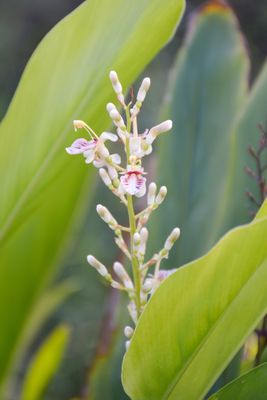
Older, established clumps may produce small flower spikes, but flowering is uncommon in young container plants. Culinary Ginger is grown primarily for its rhizomes rather than showy flowers.
Can I harvest ginger without killing the plant?
Yes. Carefully expose the edge of the clump, remove a portion of healthy rhizome, and cover the remaining plant. Leaving active buds and shoots allows continued growth.
🚚 Shipping Your 1-Gallon Culinary Ginger Plant
Culinary Ginger ships most successfully to Florida, the Southeastern United States, and Texas, where transit times are generally shorter and climatic conditions are closer to those at our Florida nursery.
We ship live plants from Florida using UPS Ground every Monday.
Before Ordering, Please Consider
- Ground shipping to northern and western states can involve an extended transit period.
- Small and actively growing tropical plants may arrive with wilted, yellow, folded, torn, or browned foliage.
- California shipments may be held for agricultural inspection, adding another day or more to transit.
- Extreme heat or cold encountered after the package leaves our nursery is outside our control.
- A plant may require considerable recovery time and attentive care after a long trip.
- Dormant ginger may arrive with very limited foliage during cooler months.
- Cosmetic leaf damage does not necessarily indicate damage to the living rhizome.
- Larger plants generally tolerate extended transit better when larger sizes are available.
Regional and Seasonal Buyer Discretion
Orders placed during peak heat or freezing weather are shipped at the buyer’s discretion. GreenDreams cannot guarantee the condition of live plants exposed to extreme temperatures, carrier delays, ground-service handling, agricultural inspection delays, or extended cross-country transit.
By ordering for delivery to northern or western regions, the buyer accepts the additional risk associated with UPS Ground travel from Florida.
After Delivery
- Unpack immediately.
- Photograph the plant and packaging if there is serious shipping damage.
- Place the plant in bright shade.
- Water at soil level if needed.
- Protect it from direct sun and wind.
- Keep it in its original pot for at least 30 days or until new growth appears.
- Do not fertilize or transplant a stressed plant immediately.
Many ginger plants recover from transit-related foliage damage because their stored energy remains protected inside the rhizome.
🌾 Shop with Us in Person
GreenDreams Nursery & Farm – Retail Nursery Open to the Public
Shop Culinary Ginger and explore countless edible, medicinal, native, ecological, and tropical plants in larger sizes—plus many varieties that never make it onto our online store.
🌾 18709 US Hwy. 41, Spring Hill, FL 34610
🕘 Tuesday–Friday: 9AM–5PM
🌞 Saturday: 8AM–3PM
Walk through the nursery, compare available plant sizes, ask our team growing questions, and see what is blooming, fruiting, and ready to plant this week.
Come find the next layer of your edible landscape. 🌿
🌿 Beyond the Plant: GreenDreams Services
At GreenDreams, we do more than grow plants—we design, build, and restore productive ecosystems across Florida.
- 🌳 Onsite consultations and edible landscape design
- 🚜 Ecological landscape installation and project management
- 🌱 Food forests, kitchen gardens, and regenerative planting systems
- 🌾 Project labor and garden revitalization
- 🚚 Bulk delivery of compost, mulch, biochar, and soil materials
- 🪴 Retail and wholesale plant sales
- 🌻 Large-scale regenerative and agricultural solutions
Let our team help you create a thriving edible paradise—starting with a productive understory of Culinary Ginger.
🌿 IMPORTANT INFORMATION BEFORE PURCHASING LIVE PLANTS
Please note: Plants purchased through our online store are not available for pickup at our retail nursery in Spring Hill, Florida.
Online inventory is housed at a separate facility and is priced, prepared, and handled exclusively for shipping.
🌱 Looking for larger plants or more selection?
Our retail nursery location offers far more availability, including larger sizes, specialty plants, and many selections not suitable for nationwide shipping.
Local pickup is available for retail nursery purchases only.
Visit our Spring Hill, FL retail nursery page to explore in-person shopping options.
🚚 LIVE PLANT SHIPPING & TRANSIT EXPECTATIONS
Live plants naturally experience stress during shipping. Temporary leaf drop, mild wilting, or cosmetic stress is normal after transit. Most plants recover quickly with proper watering, gradual light exposure, and basic aftercare. Some plants may require additional attention during the first few weeks.
Despite careful packing, minor cosmetic damage may occur during transit. Small issues such as broken leaves or stems typically resolve with time and proper care.
If your shipping box arrives with significant external damage, please contact UPS within 30 days to initiate a carrier claim.
⏱️ SHIPPING METHOD, TIMING & TRANSIT WINDOWS
All online orders ship via UPS Ground from our Central Florida nursery.
📦 Shipping Schedule: Orders ship once weekly on Mondays to reduce the risk of packages sitting in transit over weekends. A countdown clock on our website displays the next shipping date.
🚚 Typical Transit Times:
-
Florida: 1–2 days
-
Southern U.S.: approximately 2 days
-
Midwest, West & Northern U.S.: 3–5 business days
Long-distance shipments, particularly to the western U.S., may experience additional transit time due to agricultural inspections in states such as Arizona, California, and Texas.
Extended transit times can be more challenging for small or tender plants and may require additional recovery care after arrival.
🌡️ EXTREME WEATHER & SEASONAL RISK
Live plants are sensitive to temperature extremes.
We cannot guarantee plant condition during periods of extreme summer heat or winter cold and freezing temperatures. Weather-related delays, carrier interruptions, or exposure during delivery are beyond our control.
Customers are responsible for:
-
Monitoring tracking information sent via email
-
Retrieving packages promptly upon delivery
-
Preventing plants from being left outdoors in extreme conditions
During unsafe weather, holiday shipping volume, or extended transit risk, orders may be held and shipped the following week to protect plant health.
⚠️ CUSTOMER RESPONSIBILITY & REFUND POLICY
By purchasing live plants, customers acknowledge and accept the risks associated with shipping, weather exposure, transit delays, and regional suitability.
Refunds or replacements are considered only under exceptional circumstances and in accordance with our return and refund policy. We are not responsible for:
-
Weather-related damage
-
Carrier delays
-
Poor plant selection for a given climate or region
-
Improper care after delivery
Upon purchase, customers assume full responsibility for the ongoing care and success of their plants.
✅ CONSENT & AGREEMENT
By completing a purchase, you confirm that you have read, understand, and agree to all shipping policies, responsibilities, and conditions outlined above.
Our goal is transparency, plant health, and long-term growing success — and we appreciate your understanding and care when ordering live plants.


