


🌿 1-Gallon Moringa Tree (Moringa oleifera) – The Plant That Started It All
Before GreenDreams became a nursery filled with rare fruit trees, medicinal herbs, native plants, and edible ecosystems…
there was moringa.
This was the very first plant we ever sold.
Not because it was trendy.
Not because it looked exotic.
But because once we understood what this tree was capable of, we couldn’t stop thinking about it.
It changed the way we viewed landscapes forever.
Before moringa, we thought about plants mostly in terms of:
- beauty
- shade
- aesthetics
- ornamentals
After moringa, we started asking a completely different question:
“Why aren’t more people growing plants that actually feed them?”
Not just seasonally.
Not just occasionally.
But repeatedly. Reliably. Regeneratively.
That single realization became GreenDreams.
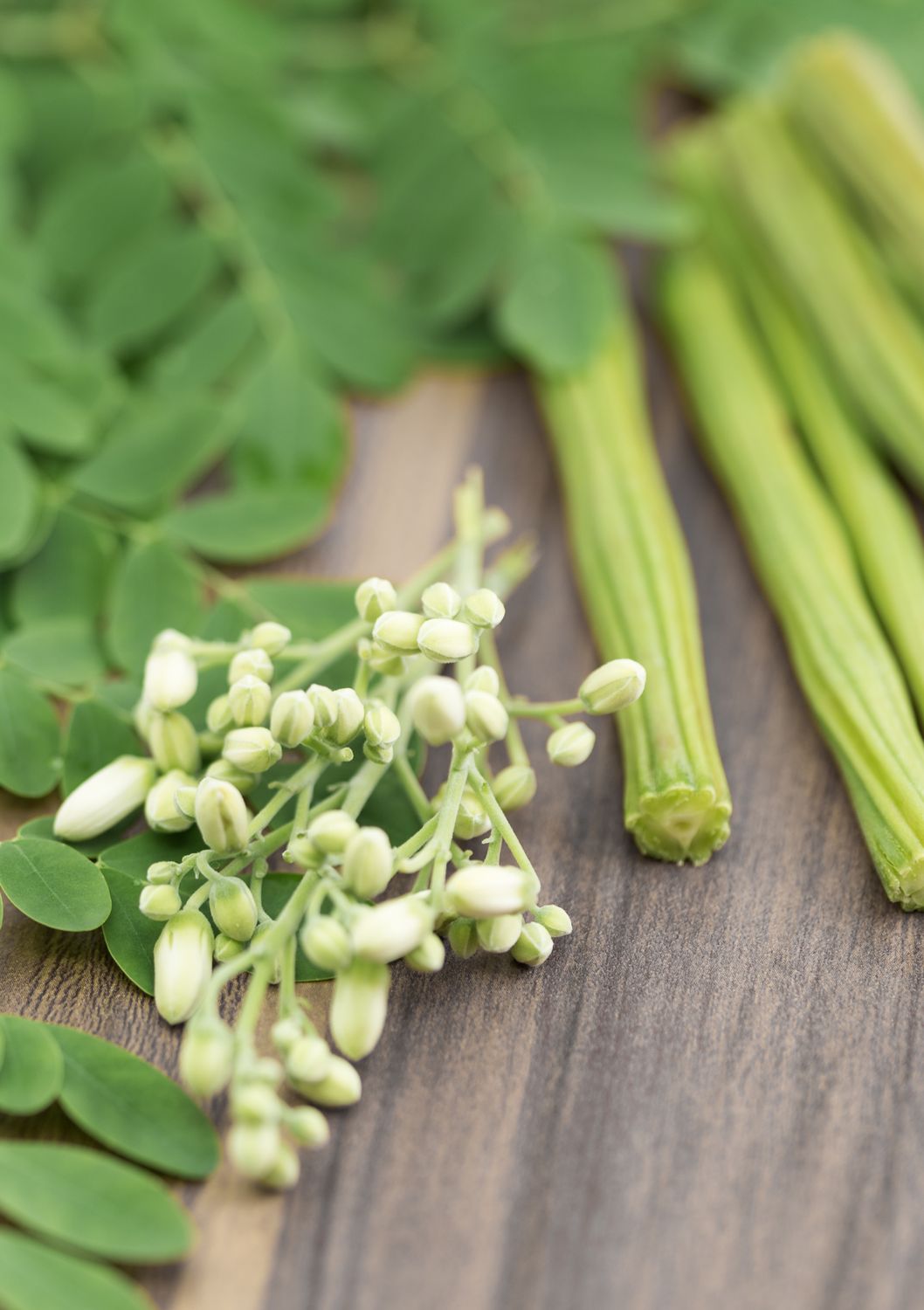
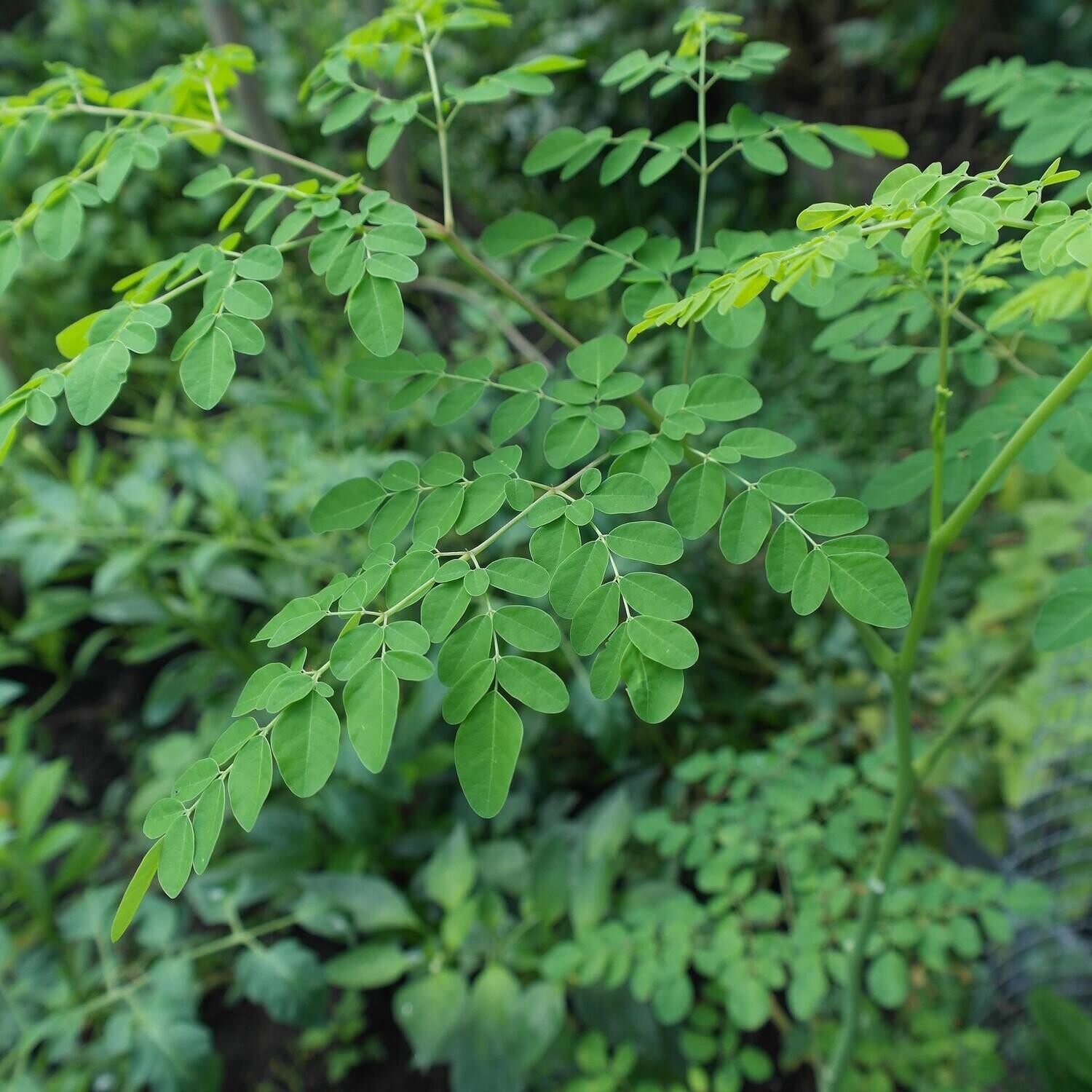
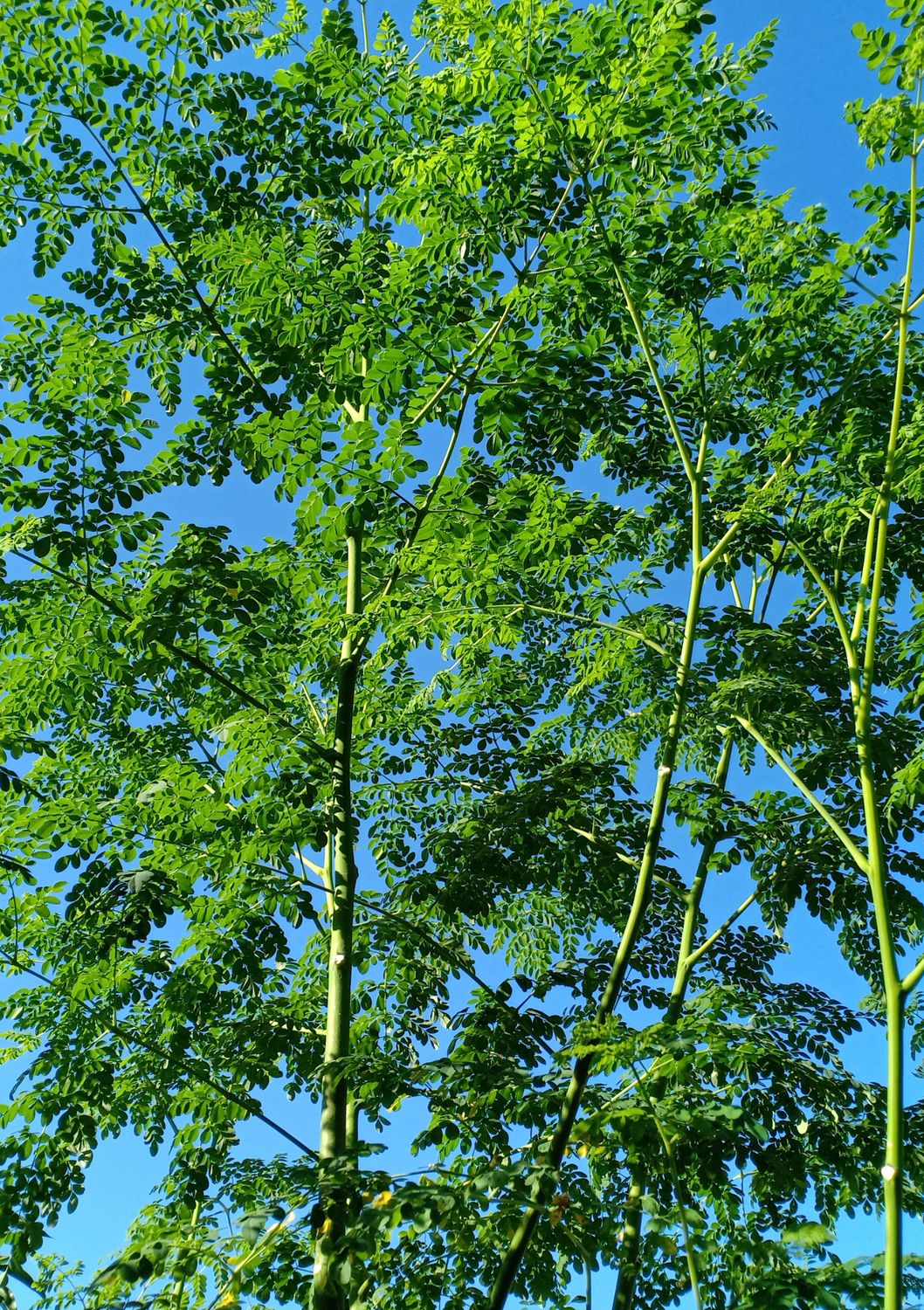
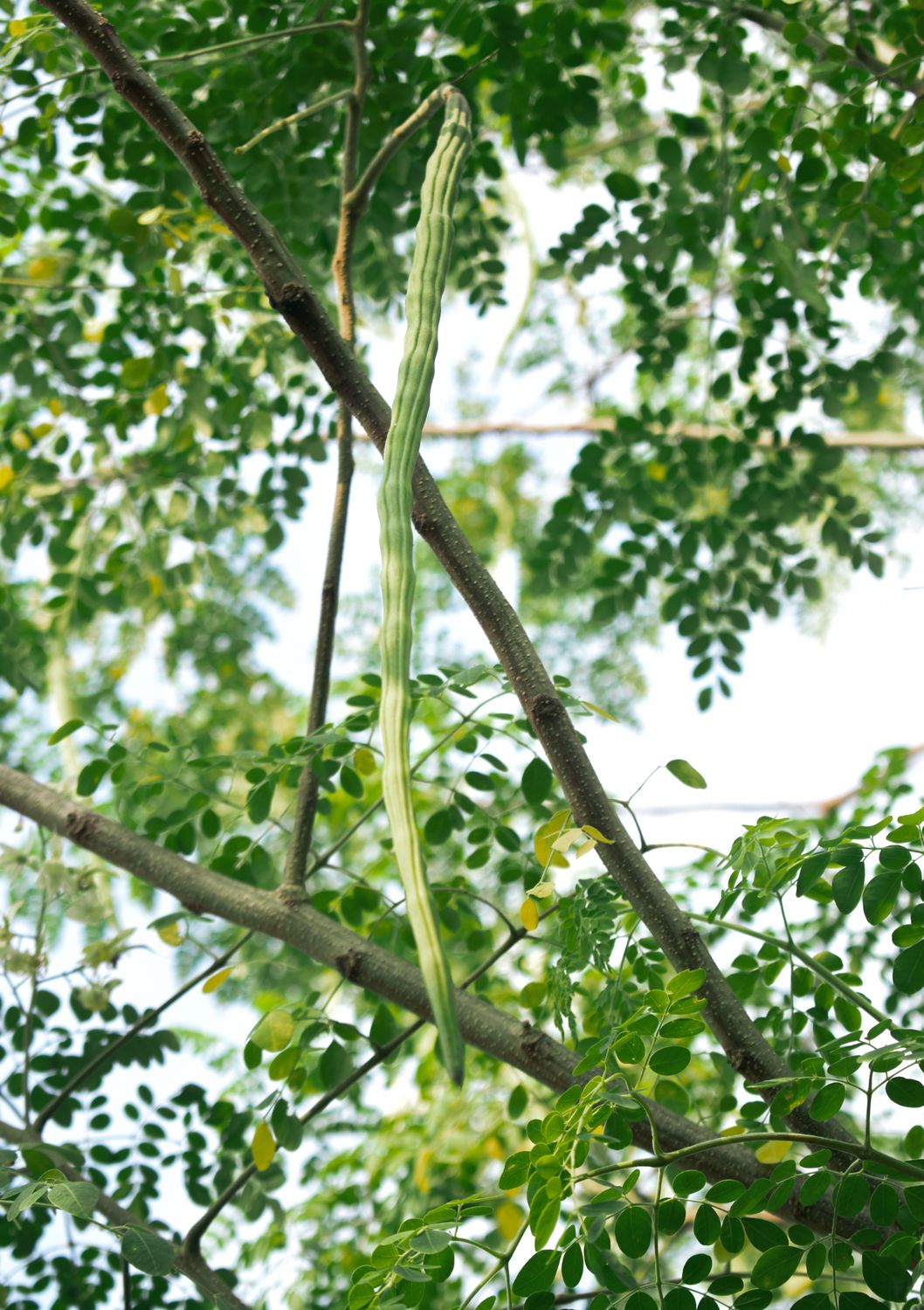
Moringa oleifera is more than a tree. It’s one of the most useful plants a warm-climate grower can own — a fast-growing edible powerhouse capable of producing nutrient-dense leaves, edible flowers, long drumstick pods, massive biomass, filtered shade, and continuous harvests from one beautifully adaptable plant.
For many growers, moringa becomes the gateway into:
- food forests
- regenerative gardening
- perennial nutrition
- edible landscaping
- climate-resilient growing
And honestly?
We believe it deserves that reputation.
🌎 Why Moringa Matters More Than Most Plants
There are very few plants on Earth capable of simultaneously producing:
🥬 edible leafy greens
🌿 medicinal ethnobotanical value
🌾 biomass for soil building
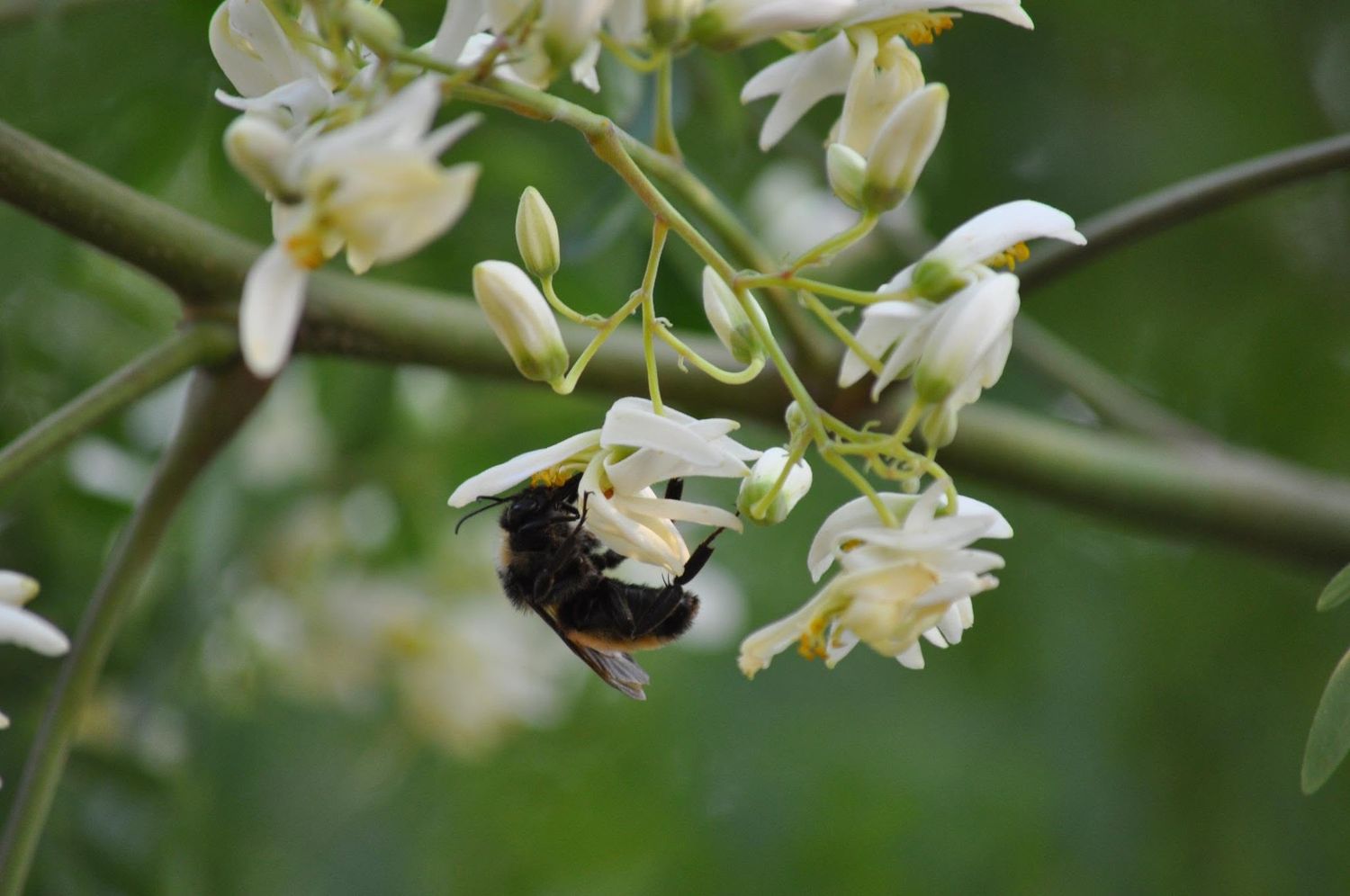
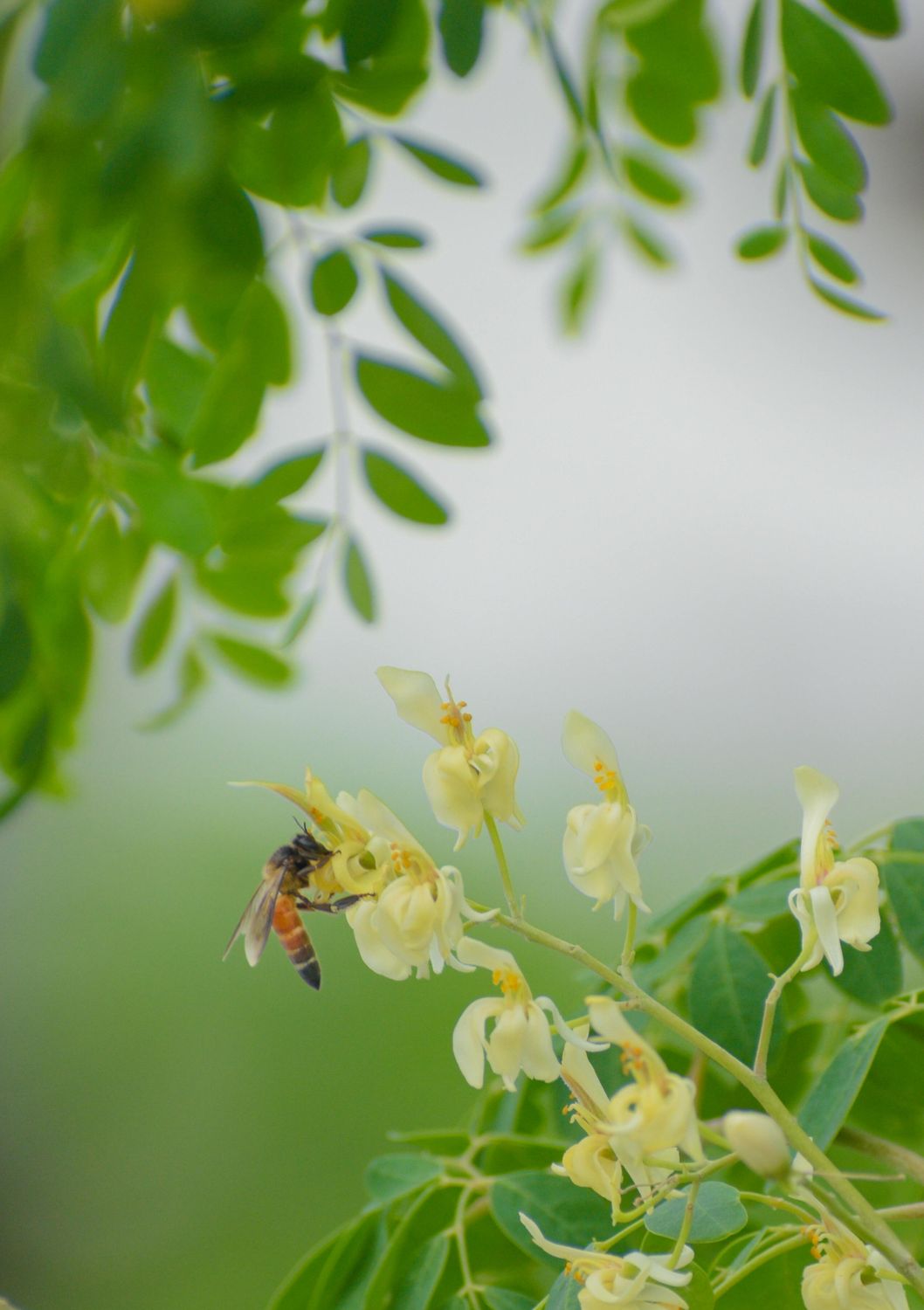
🌸 pollinator support
🌳 filtered shade
♻️ regenerative agriculture support
💧 drought resilience
🍲 staple food ingredients
🪵 chop-and-drop material
🌱 rapid renewable harvests
Moringa does all of it.
That’s why this tree has become so important globally in:
- agroforestry
- food security systems
- tropical agriculture
- regenerative farming
- homesteading
- humanitarian agriculture projects
- climate-adaptive growing systems
In many regions of the world, moringa is not viewed as a “superfood trend.”
It’s viewed as:
a living nutrition system.
🌿 Quick Facts
| Category | Details |
|---|---|
| Botanical Name | Moringa oleifera |
| Common Names | Moringa, Drumstick Tree, Tree of Life, Miracle Tree |
| Plant Type | Fast-growing edible perennial tree |
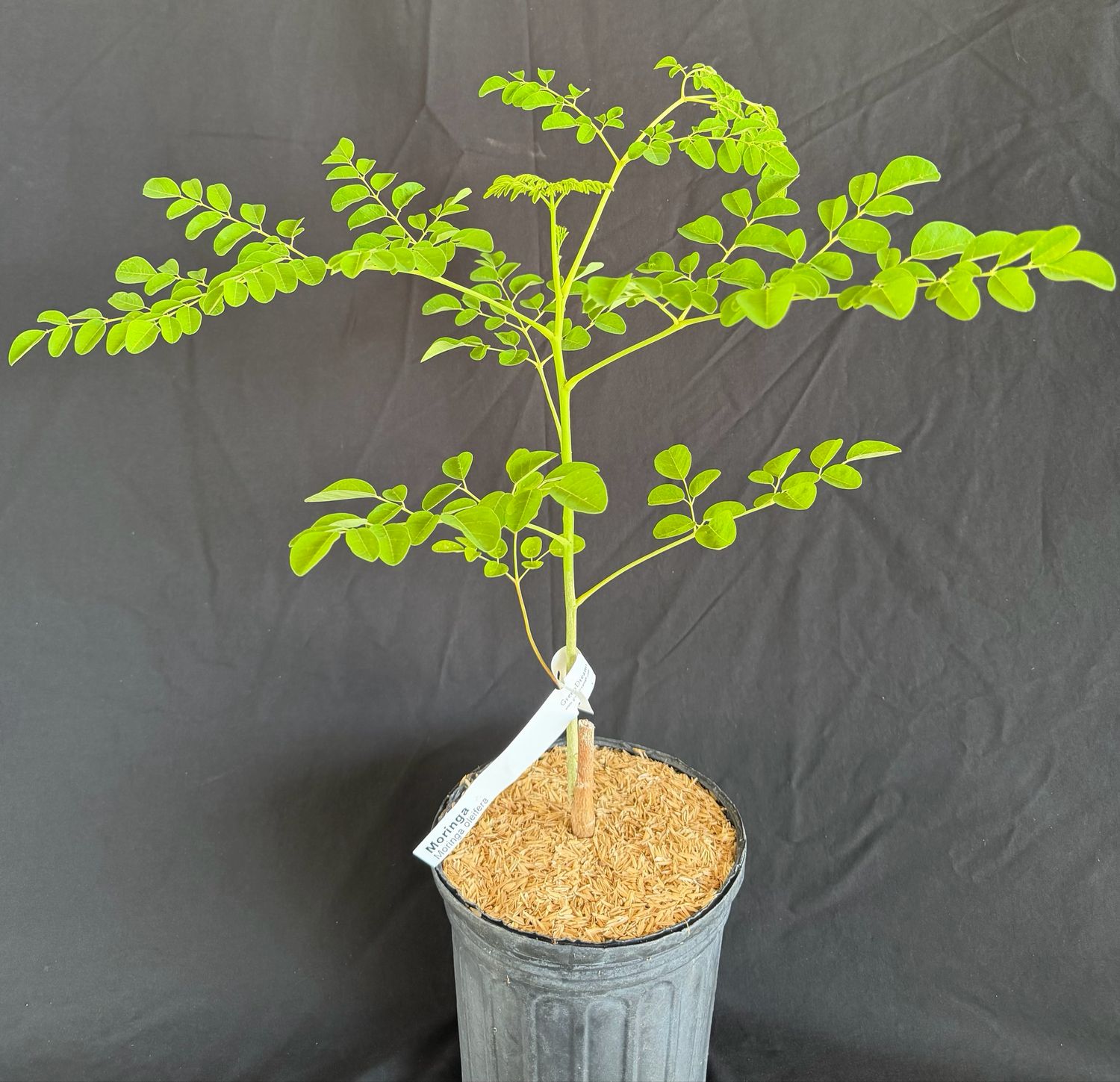
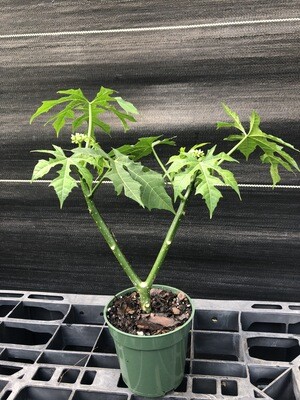
| Size at Sale | 1-gallon container |
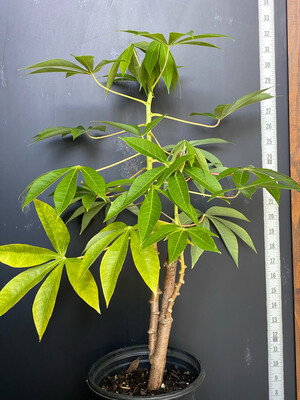
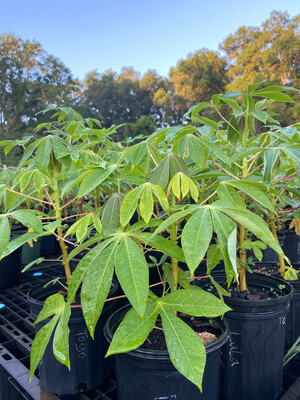
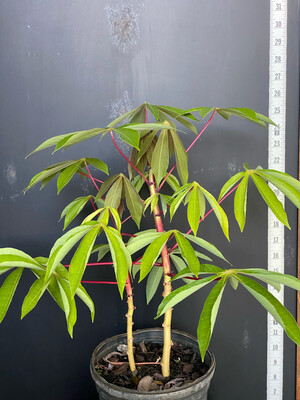
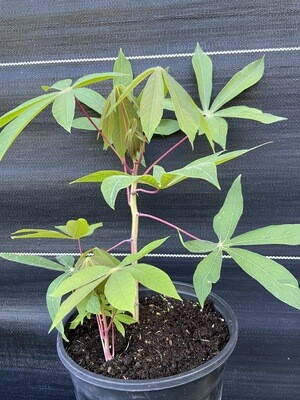
| Estimated Age | Young but established plant, typically several months old |
| Mature Height | 15–35 ft unpruned |
| Managed Height | 6–12 ft with pruning |
| Mature Width | 8–20 ft |
| USDA Zones | 9–10 |
| Sun Requirements | Full sun |
| Cold Hardiness | Sensitive below ~35°F |
| Growth Habit | Upright, airy, rapid growth |
| Soil Preference | Well-draining sandy or loamy soil |
| Spacing | 8–12 ft |
| Wind Tolerance | Moderate once established |
| Salt Tolerance | Mild to moderate; better inland |
| Container Friendly | Excellent |
| Indoor Growing | Only in very bright protected spaces |
| Seasonal Habit | Semi-deciduous in cool weather |
🌍 Origins & Ancient History
Moringa oleifera originates from the foothills of the Himalayas in northern India and surrounding regions.
For thousands of years, it spread across:
- India
- Africa
- Southeast Asia
- Central America
- South America
- tropical and subtropical regions worldwide
And it spread for one reason:
👉 people realized how valuable it was.
This tree became historically important because it:
- grows quickly
- tolerates difficult conditions
- produces edible material rapidly
- supports nutrition in hot climates
- recovers aggressively after harvest
That’s how it earned names like:
- “Tree of Life”
- “Miracle Tree”
- “Mother’s Best Friend”
This wasn’t branding.
This was survival.
Why Nutrition Experts Became Obsessed with Moringa
Moringa gained global scientific attention because researchers realized something unusual:
👉 it behaves more like a nutritional supplement than a typical leafy vegetable.
🌿 Moringa leaves contain:
- Protein
- Essential amino acids
- Vitamin A precursors
- Vitamin C
- Calcium
- Iron
- Potassium
- Magnesium
- Antioxidant compounds
Why this matters:
Most leafy greens:
- struggle in extreme heat
- require repeated replanting
- collapse during summer
Moringa:
- thrives in heat
- regrows repeatedly
- produces continuously
- grows on a TREE
That changes everything for warm-climate growers.
🥬 A Backyard Nutrition Factory
Most fruit trees teach patience.
Moringa teaches participation.
You don’t wait years wondering if one day your plant might produce.
You begin harvesting leaves relatively early.
A mature, actively managed moringa can provide:
- repeated leafy harvests
- biomass for compost
- mulch material
- edible flowers
- edible pods
- nutrient-dense greens
- fodder
- regenerative support material
This is one of the highest biomass-producing edible plants many home growers will ever own.
And unlike annual vegetables:
👉 it keeps coming back.
🍽️ Culinary Uses & Real-World Value
One of the reasons we love moringa so much at GreenDreams is because it quickly becomes part of everyday life.
This isn’t a novelty plant.
This is:
- breakfast
- smoothies
- soups
- teas
- curries
- stir fries
- preservation
- food security
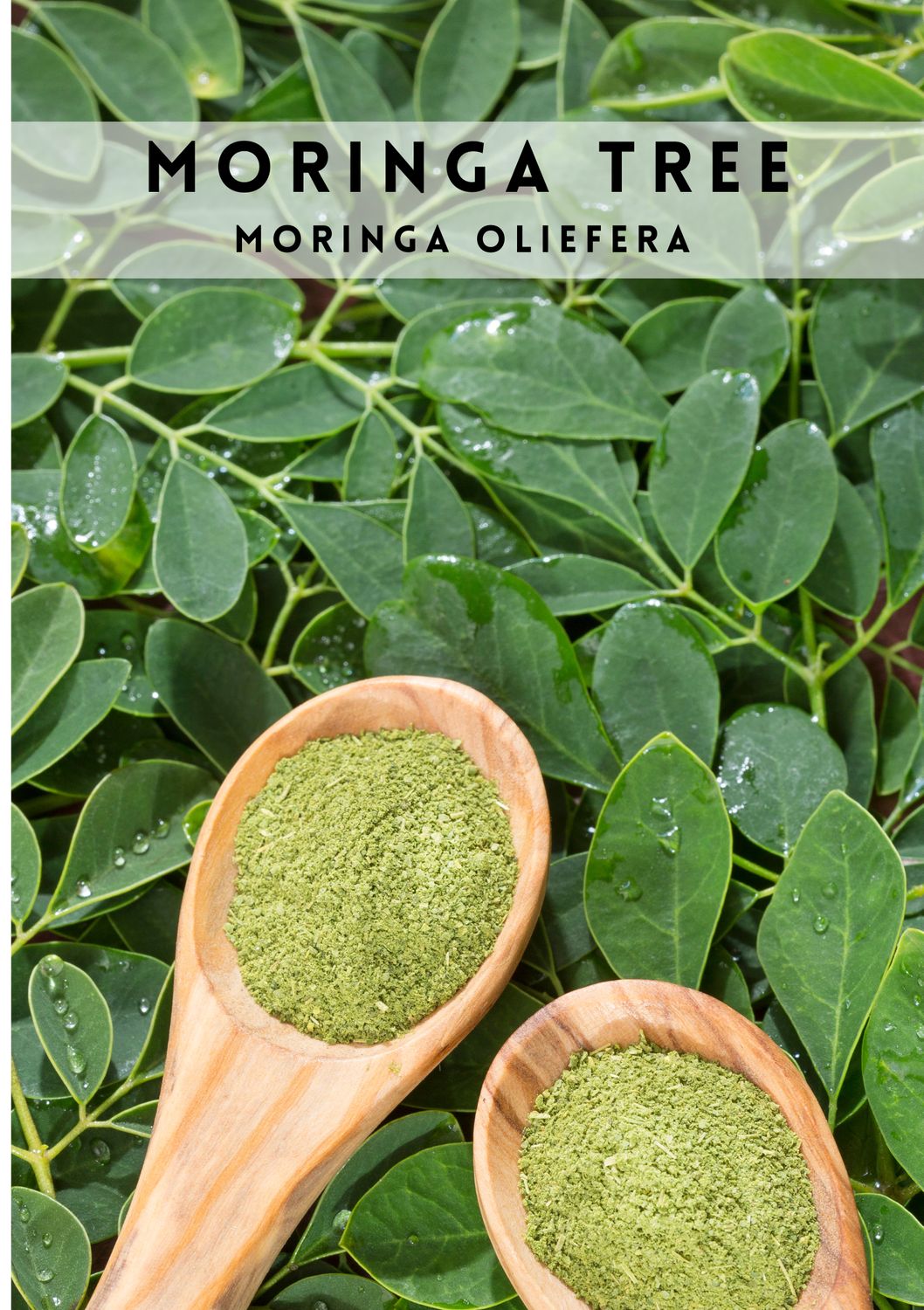
🌿 Leaves
Use fresh or cooked:
- sautéed like spinach
- blended into smoothies
- stirred into soups
- added to eggs and rice
- dried into powder
Flavor is green, earthy, mild, and nutrient-rich.
🌱 Pods (“Drumsticks”)
Popular in Indian cuisine.
The interior becomes tender when cooked and is often compared to:
- asparagus
- green beans
🌸 Flowers
Edible and aromatic.
Often:
- brewed into tea
- lightly sautéed
- added to specialty dishes
🌰 Seeds
Traditionally used for:
- oil production
- water clarification practices
- propagation
🍲 Featured Recipes
🥬 Everyday Moringa Leaf Sauté
Ingredients
- Fresh moringa leaves
- Garlic
- Olive oil or coconut oil
- Sea salt
- Optional: turmeric, onion, chili flakes
Method
Quick sauté for 2–4 minutes until wilted.
Perfect with:
- eggs
- rice
- beans
- roasted vegetables
🥤 Moringa Smoothie
Blend:
- banana
- mango or pineapple
- coconut water
- fresh moringa leaves
One of the easiest ways to integrate moringa into daily nutrition.
🍲 Traditional Drumstick Curry
Cook young pods with:
- garlic
- onion
- tomato
- ginger
- curry spices
- coconut milk
This is one of the most traditional uses of moringa worldwide.
🌾 Moringa & Regenerative Agriculture
This is where moringa becomes truly special.
Moringa is not just:
- an edible tree
It can also function as:
- a support species
- a biomass plant
- a chop-and-drop system
- a nutrient cycling plant
- a regenerative agriculture tool
Why regenerative growers love moringa:
- rapid regrowth after pruning
- massive leaf production
- repeated biomass harvest
- filtered light canopy
- soil-building potential
- fast nutrient cycling
In food forests, moringa can help:
- create filtered shade
- produce mulch material
- feed pollinators
- support soil life
- create continual organic matter
This is one reason it has become so important in permaculture systems worldwide.
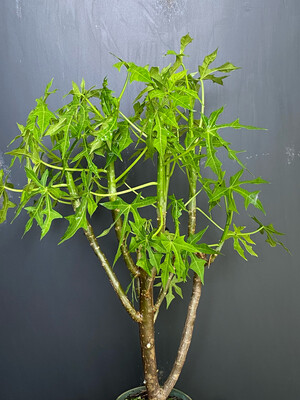
🌳 Growth Habit (Important to Understand)
Moringa grows FAST.
And if you don’t understand how it wants to grow, it can absolutely become:
- tall
- sparse
- floppy
- leggy
- awkward
This is not a “plant it and forget it” ornamental tree.
👉 Moringa is meant to be harvested.
That’s the secret.
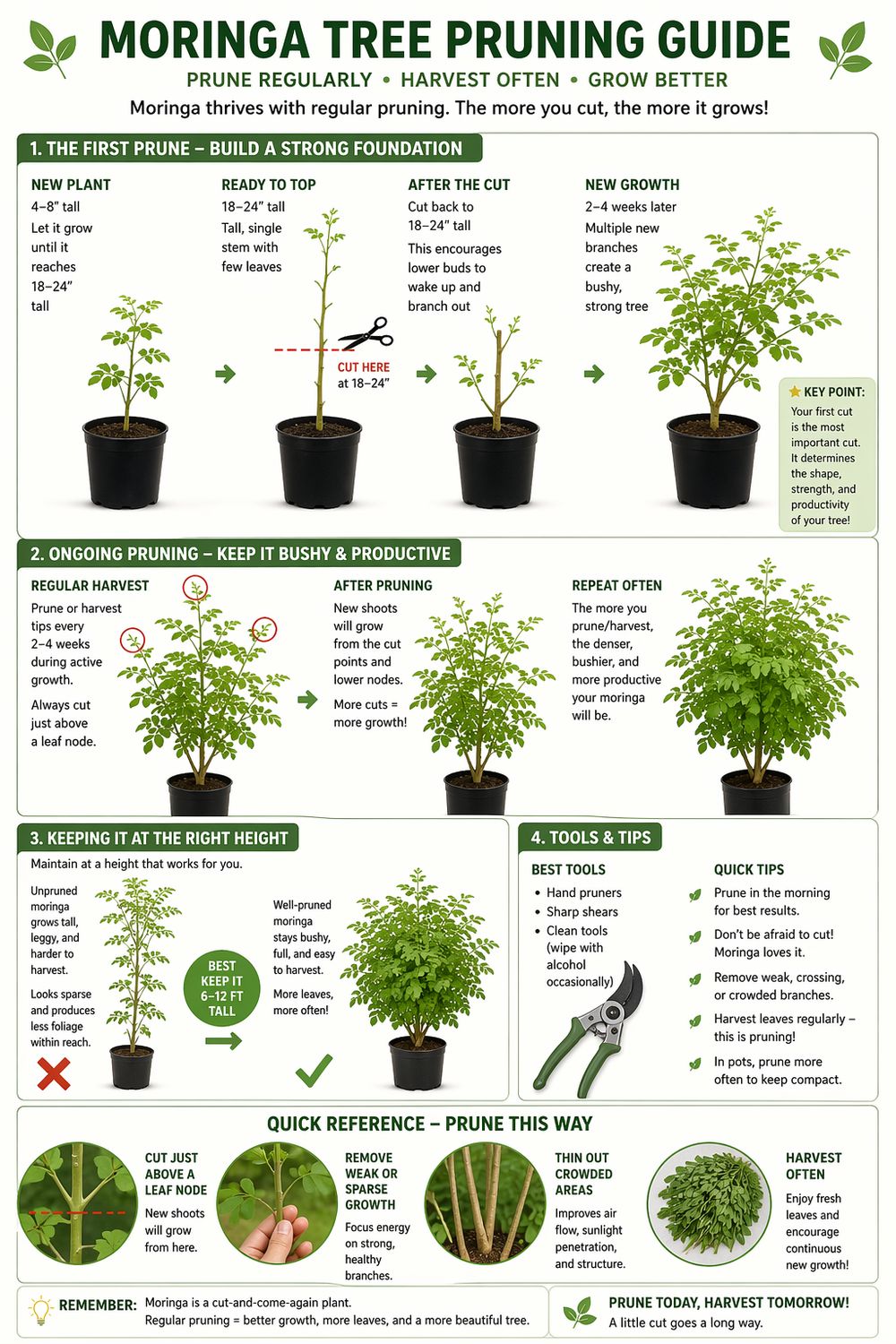
With regular pruning:
- becomes fuller
- branches heavily
- stays harvestable
- looks dramatically better
- produces more edible growth
Without pruning:
- it stretches vertically
- growth becomes sparse
- leaves move out of reach
Think of moringa more like:
- basil
- mulberry
- katuk
The more intentionally you harvest it:
👉 the better it performs.
✂️ Pruning = Productivity
This is the most important care concept on this entire page.
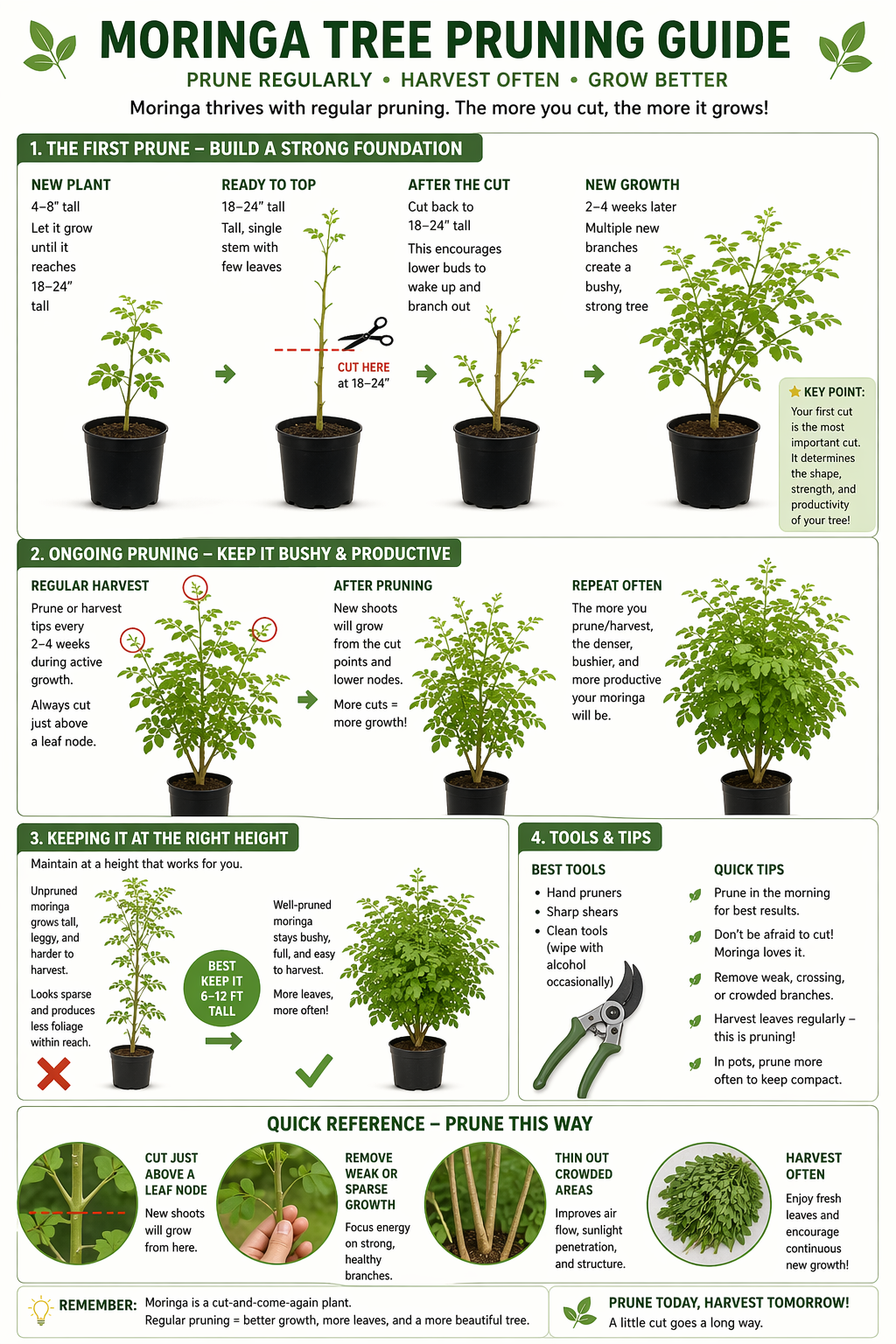
🌿 Harvesting IS pruning.
Why pruning matters:
- activates branching
- creates denser growth
- increases leaf production
- improves structure
- keeps plant manageable
Beginner strategy:
Once plant reaches:
- 30–36 inches tall
Cut back to:
- 18–24 inches
This encourages branching and fuller growth.
Ongoing maintenance:
- tip prune every few weeks
- harvest leaves regularly
- remove weak stems
- maintain desired height
Ideal maintained size:
6–12 feet for most home growers.
👉 Neglect = leggy tree
👉 Harvest = lush production
🌱 FIRST 90 DAYS CARE PLAN
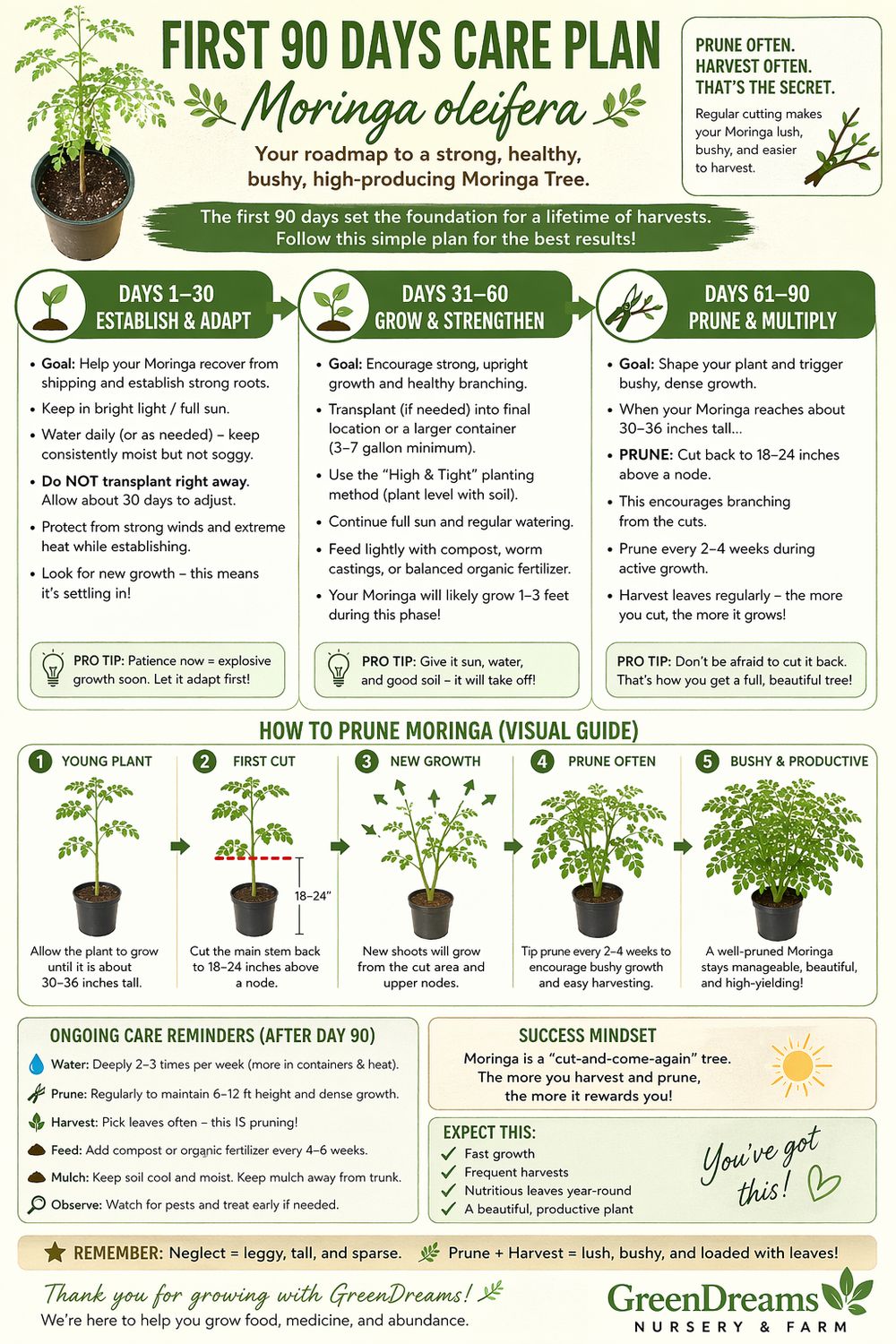
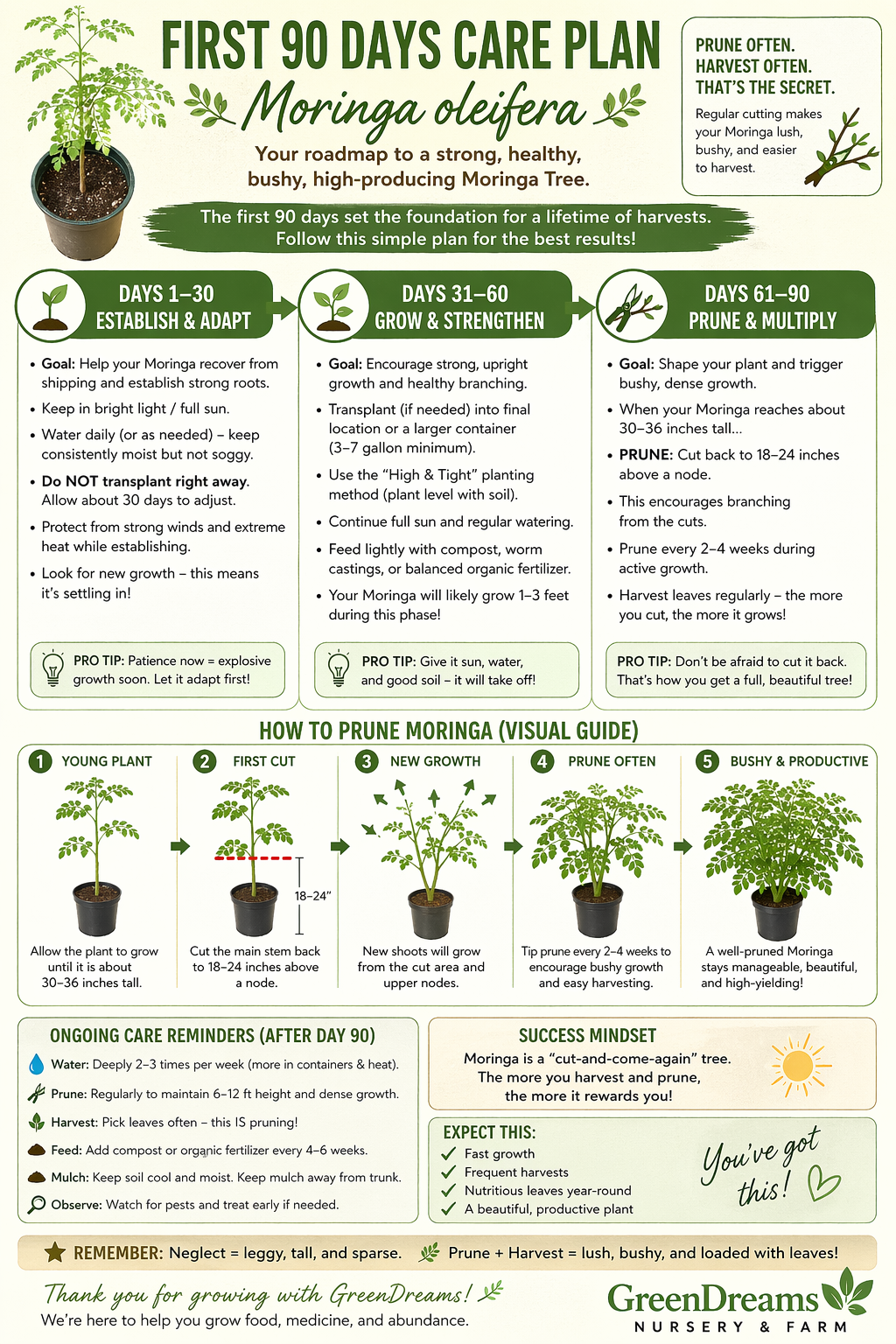
📦 Days 1–7: Recovery Phase
- Bright shade or morning sun
- Keep lightly moist
- Avoid immediate transplanting
- Watch for new growth
🌞 Days 7–30: Acclimation
- Increase sunlight gradually
- Maintain consistent moisture
- Keep in original container
- Allow root system to stabilize
🪴 Days 30–60: Transplant Phase
- Up-pot or plant in ground
- Begin light feeding
- Move to full sun
- Prepare for first structural pruning
✂️ Days 60–90: Shape & Harvest
- Begin active pruning
- Encourage branching
- Start harvesting leaves
- Build long-term structure
This phase determines what kind of moringa tree you end up with long term.
🌞 Seasonal Habits in Florida
🌱 Spring
Explosive growth begins.
🌿 Summer
Peak production season.
🌾 Fall
Continued harvests in warm weather.
🍂 Winter
May:
- yellow
- defoliate
- slow down
- go semi-dormant
In colder parts of Zone 9:
👉 dieback can occur.
This is normal.
🪴 Container Growing
Recommended progression:
1 gallon → 3 gallon → 7 gallon → 15 gallon+
Best soil:
Fast-draining mix with:
- aeration
- coarse material
- moderate compost
- excellent drainage
Avoid:
- soggy soil
- heavy clay-like mixes
- constantly wet conditions
🌿 Best Practices for Planting & Care of Moringa oleifera
Where to Plant
- Full sun
- Excellent drainage
- Warm microclimate
- Protected from cold winds
Where NOT to Plant
- Wet low spots
- Heavy shade
- Cold pockets
- Poor drainage
High & Tight Planting Method
- Plant level or slightly high
- Do not bury stem
- Pack soil firmly
- Add compost, biochar, minerals
- Mulch surrounding area
- Keep mulch away from trunk
Watering
💧 Daily container checks during heat
💦 Regular watering during establishment
🌿 Reduce frequency as roots establish
Fertility
Moringa responds best to:
- compost
- mulch
- balanced organic fertility
- biologically active soil
Overfertilizing often creates weak growth.
🌾 Companion Plants & Guild Ideas
Excellent companion categories include:
🌱 Nitrogen fixers
🌸 Pollinator plants
🌾 Biomass producers
🌿 Tropical understory crops
Our favorite companions:
- pigeon pea
- Mexican sunflower
- lemongrass
- turmeric
- ginger
- bananas
- clumping grasses
These combinations create:
- chop-and-drop systems
- pollinator habitat
- soil building
- layered edible ecosystems
⚠️ Cautions
- ❄️ Cold sensitive
- 💦 Poor drainage can kill roots
- ✂️ Requires active pruning
- 🌿 Can become leggy if ignored
- 🌱 Young plants need consistent moisture
- 🌎 Should be responsibly managed in Florida landscapes
🔍 Troubleshooting Guide
| Issue | Cause | Solution |
|---|---|---|
| 🍂 Yellow leaves | Seasonal stress or overwatering | Adjust irrigation |
| 💦 Wilting in wet soil | Poor drainage | Improve aeration |
| 🫣 Sparse growth | Lack of pruning | Cut back aggressively |
| ❄️ Blackened foliage | Frost damage | Wait for warm weather before pruning |
| 🐛 Chewed leaves | Caterpillars | Inspect regularly |
| 🪲 Sticky leaves | Aphids | Encourage beneficial insects |
🌟 Is This Plant Right For You?
✅ Ideal For:
- food forest growers
- homesteaders
- regenerative gardeners
- nutrition-focused households
- tropical gardeners
- container growers
- active harvesters
❌ Not Ideal For:
- low-maintenance landscapes
- cold climates without protection
- heavily shaded properties
- growers unwilling to prune
🚚 Shipping Notes
Our 1-gallon moringa plants ship best to:
- Florida
- Southeastern US
- Texas
We ship nationwide, but buyer discretion is important.
Please understand:
- Extended transit can stress live plants
- California may experience delays
- We are not responsible for heat/cold transit damage
- UPS Ground only
- Shipping occurs every Monday
After arrival:
- unbox promptly
- water if dry
- allow recovery
- wait for new growth before transplanting
📍 Local Pickup
We carry moringa and countless other edible and useful plants at our retail nursery.
Many larger sizes and rare items are available only in person.
GreenDreams Nursery & Farm
🌾 18709 US Hwy. 41, Spring Hill, FL 34610
🕘 Tues–Fri 9AM–5PM | 🌞 Sat 8AM–3PM
🌿 Come explore what’s growing this week.
🌿 Beyond the Plant: GreenDreams Services
At GreenDreams, we do more than grow plants — we design, build, and restore ecosystems across Florida.
- 🌳 Onsite consultations & edible landscape design
- 🚜 Installation & project management
- 🚚 Bulk delivery of compost, mulch, biochar, and soil materials
- 🌾 Wholesale & regenerative growing solutions
Let our team help you build your own edible paradise — starting with Moringa oleifera.
🌿 IMPORTANT INFORMATION BEFORE PURCHASING LIVE PLANTS
Please note: Plants purchased through our online store are not available for pickup at our retail nursery in Spring Hill, Florida.
Online inventory is housed at a separate facility and is priced, prepared, and handled exclusively for shipping.
🌱 Looking for larger plants or more selection?
Our retail nursery location offers far more availability, including larger sizes, specialty plants, and many selections not suitable for nationwide shipping.
Local pickup is available for retail nursery purchases only.
Visit our Spring Hill, FL retail nursery page to explore in-person shopping options.
🚚 LIVE PLANT SHIPPING & TRANSIT EXPECTATIONS
Live plants naturally experience stress during shipping. Temporary leaf drop, mild wilting, or cosmetic stress is normal after transit. Most plants recover quickly with proper watering, gradual light exposure, and basic aftercare. Some plants may require additional attention during the first few weeks.
Despite careful packing, minor cosmetic damage may occur during transit. Small issues such as broken leaves or stems typically resolve with time and proper care.
If your shipping box arrives with significant external damage, please contact UPS within 30 days to initiate a carrier claim.
⏱️ SHIPPING METHOD, TIMING & TRANSIT WINDOWS
All online orders ship via UPS Ground from our Central Florida nursery.
📦 Shipping Schedule: Orders ship once weekly on Mondays to reduce the risk of packages sitting in transit over weekends. A countdown clock on our website displays the next shipping date.
🚚 Typical Transit Times:
-
Florida: 1–2 days
-
Southern U.S.: approximately 2 days
-
Midwest, West & Northern U.S.: 3–5 business days
Long-distance shipments, particularly to the western U.S., may experience additional transit time due to agricultural inspections in states such as Arizona, California, and Texas.
Extended transit times can be more challenging for small or tender plants and may require additional recovery care after arrival.
🌡️ EXTREME WEATHER & SEASONAL RISK
Live plants are sensitive to temperature extremes.
We cannot guarantee plant condition during periods of extreme summer heat or winter cold and freezing temperatures. Weather-related delays, carrier interruptions, or exposure during delivery are beyond our control.
Customers are responsible for:
-
Monitoring tracking information sent via email
-
Retrieving packages promptly upon delivery
-
Preventing plants from being left outdoors in extreme conditions
During unsafe weather, holiday shipping volume, or extended transit risk, orders may be held and shipped the following week to protect plant health.
⚠️ CUSTOMER RESPONSIBILITY & REFUND POLICY
By purchasing live plants, customers acknowledge and accept the risks associated with shipping, weather exposure, transit delays, and regional suitability.
Refunds or replacements are considered only under exceptional circumstances and in accordance with our return and refund policy. We are not responsible for:
-
Weather-related damage
-
Carrier delays
-
Poor plant selection for a given climate or region
-
Improper care after delivery
Upon purchase, customers assume full responsibility for the ongoing care and success of their plants.
✅ CONSENT & AGREEMENT
By completing a purchase, you confirm that you have read, understand, and agree to all shipping policies, responsibilities, and conditions outlined above.
Our goal is transparency, plant health, and long-term growing success — and we appreciate your understanding and care when ordering live plants.


