


🌶️ Chocolate Habanero Pepper (Capsicum Chinense 'Chocolate Habanero')
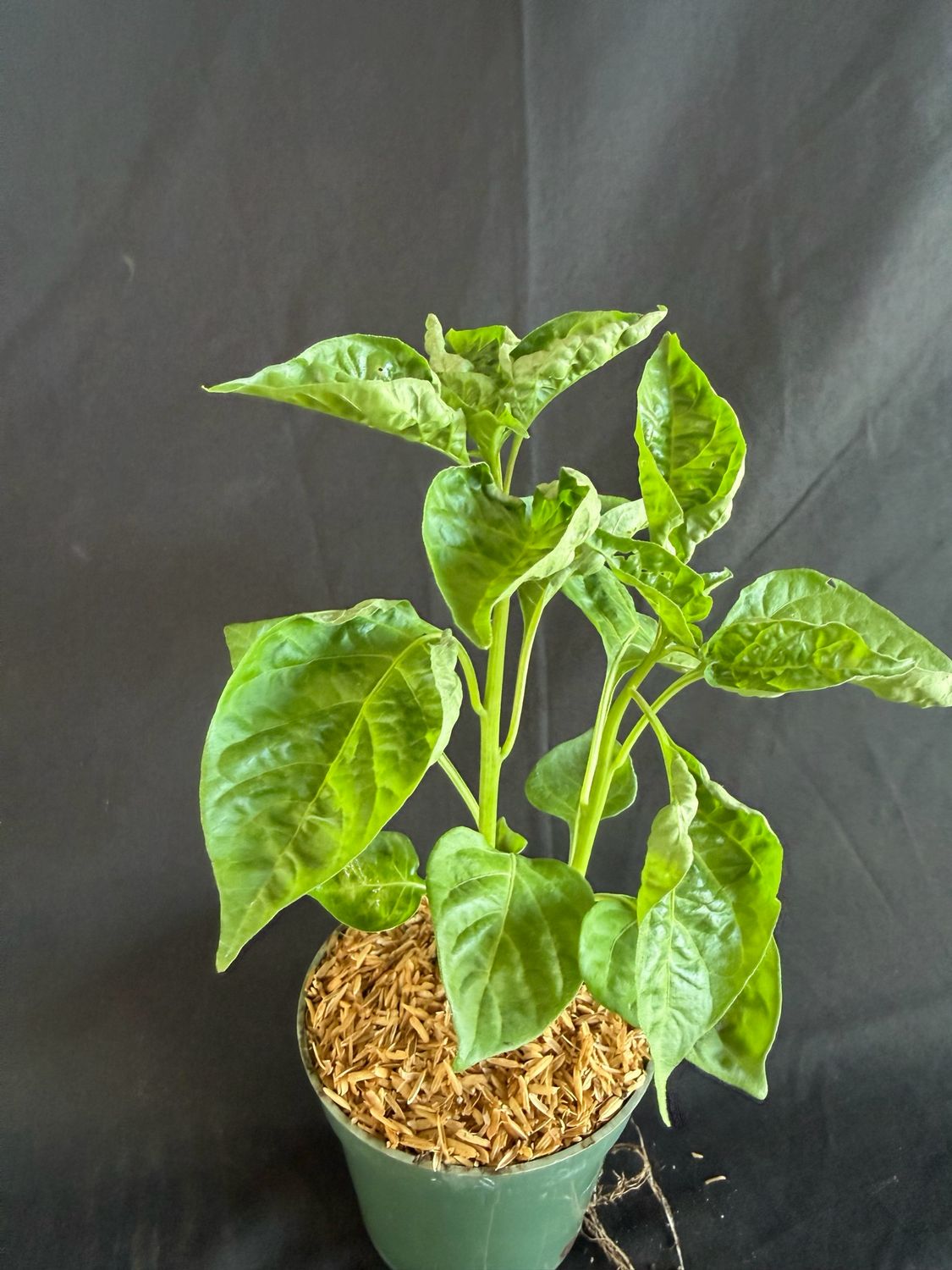
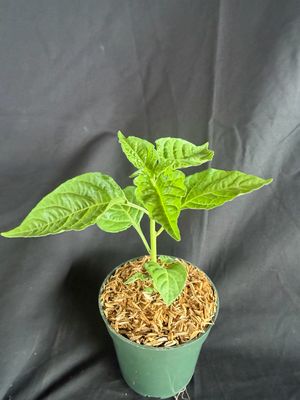
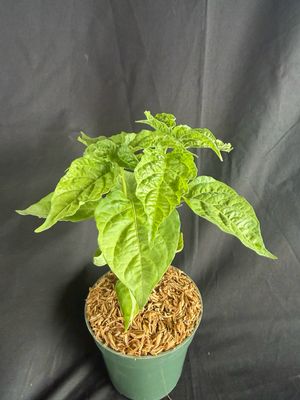
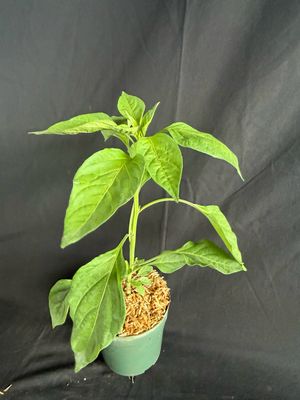
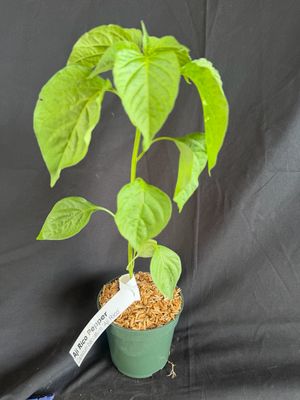
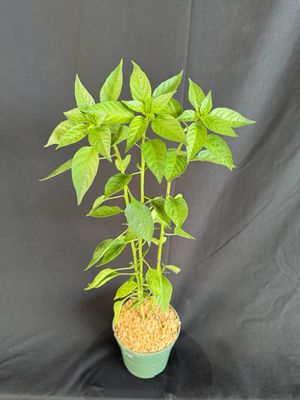
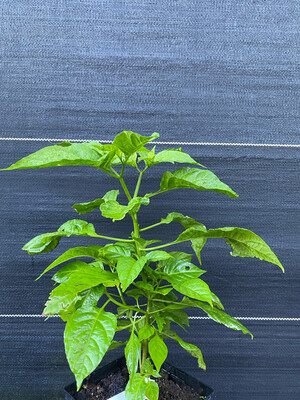
Ships in a 4" pot — a young, vigorous starter plant ready to settle into your garden or container and grow on from there.
🔥 Quick Facts Guide
| Feature |
Details |
| Also Known As |
Black Congo, Brown Congo, Congo Black, Jamaican Hot Chocolate |
| Botanical Name |
Capsicum chinense |
| Ships As |
4" pot (young plant, roughly 8–14 weeks old) |
| Mature Height |
3–4 ft (unpruned); can be kept 2–3 ft with pruning |
| Spacing |
18–24 in between plants, 24–36 in between rows |
| USDA Growing Zones |
9b–12 as a perennial; grown as a warm-season annual in zones 8 and below |
| Sunlight |
Full sun, 6–8+ hours daily |
| Heat Level |
425,000–577,000 SHU 🌋 |
| Days to Harvest |
90–120 days from transplant |
| Wind/Salt Tolerance |
Moderate wind tolerance with staking; low-moderate salt tolerance |
| Container Friendly |
Yes — 10–15 gallon pot at maturity |
| Indoor Friendly |
Yes, with bright direct light or grow lights |
Why Your Garden Has Been Missing This One 🌶️
Some peppers bring heat. This one brings heat with a story. The Chocolate Habanero isn't just another hot pepper — it's the pod that Caribbean cooks reach for when a jerk marinade needs to taste like something, not just burn like something. Underneath that deep, glossy mahogany skin is a fruity, smoky, almost raisin-like sweetness that regular orange habaneros simply don't have. If you've ever wondered why the best hot sauces and the best jerk chicken always seem to have "something extra" going on — this is very often it.
We're not talking about a novelty plant, either. This is a productive, compact bush that will happily live for years in a Florida or Gulf Coast garden, cranking out dozens of pods a season once it's established. It's the kind of plant that earns a permanent spot in your beds instead of getting composted every winter.
You've read this far — that's your intrigue talking. Let's get into why this one belongs in your yard. 🌿
🍫 Origin Story: How a Habanero Turned to Chocolate
The habanero itself has deep roots — literally. Domesticated habanero-type peppers have been traced back roughly 8,500 years to an archaeological site in Peru, with the Capsicum chinense species eventually spreading north through the Amazon into Mexico and the Caribbean. The name "habanero" translates to "from Havana," a nod to the trade routes that carried the pepper through Cuba on its way into wider culinary use, even though the fruit likely didn't originate there.
The chocolate-colored strain is believed to be a naturally occurring color mutation of the classic orange habanero — the same wrinkled, lantern-shaped pod, just ripening to a deep chestnut-brown instead of orange. It picked up its various nicknames — Black Congo, Congo Black, Brown Congo — as it moved through Caribbean growing regions and seed-saving communities, where growers noticed it wasn't just a different color, but a different (and for many, better) flavor experience entirely. Heirloom seed keepers have preserved it ever since, prized for that cocoa-and-raisin depth that develops as the pod finishes ripening.
🌶️ Heat Profile & Flavor: What Makes This One Different
- Scoville Heat Units (SHU): Typically 425,000–577,000 SHU — roughly double the punch of a standard orange habanero.
- How it hits: The burn builds fast, sweeping across the tongue and into the back of the throat rather than lingering as a slow simmer.
- Flavor underneath the fire: A smoky, fruity, slightly sweet profile with earthy, raisin-like undertones — this is the reason chefs reach for it over milder chinense varieties.
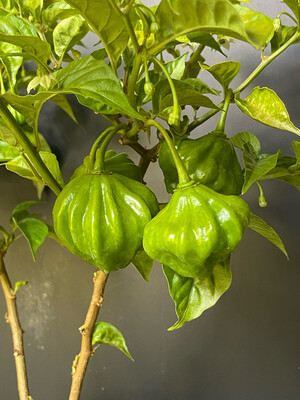
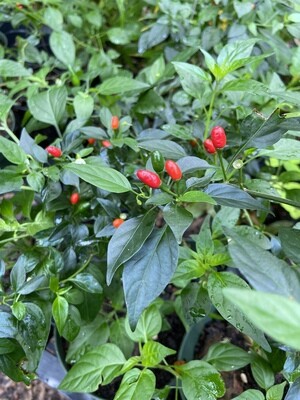
- Pod appearance: 1.5–2.5 inches long, classic wrinkled habanero "lantern" shape, ripening from bright green to a deep, glossy mahogany or chestnut brown.
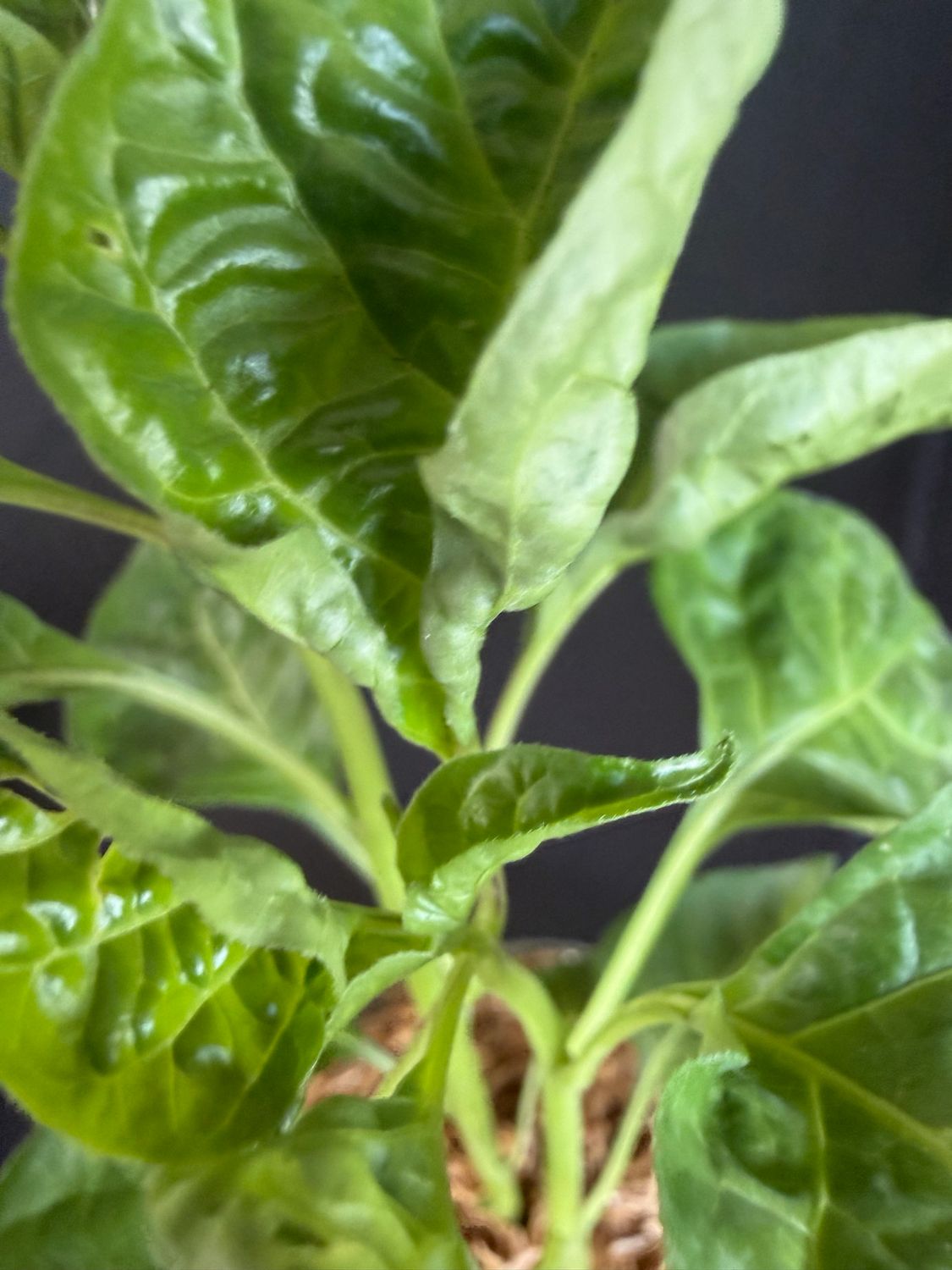
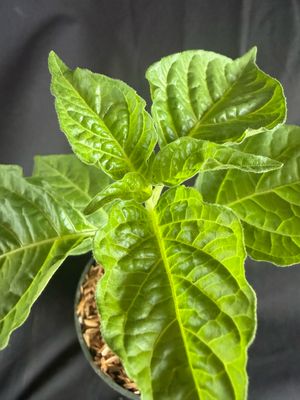
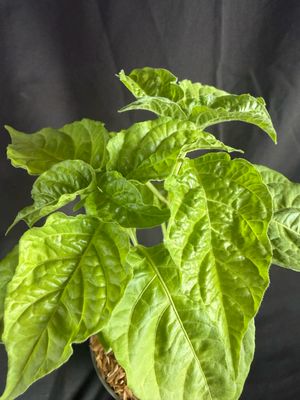
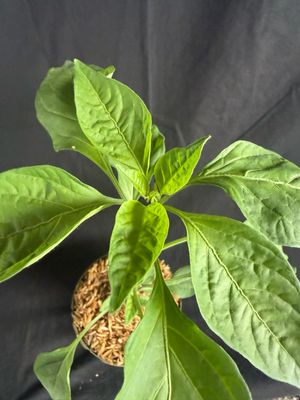
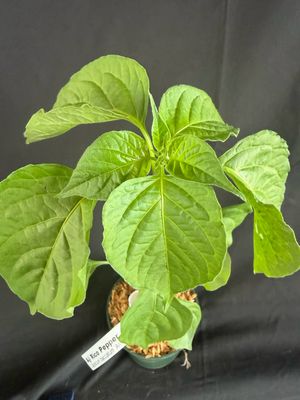
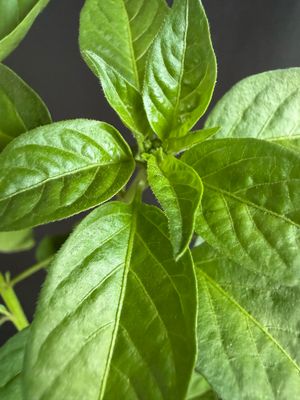
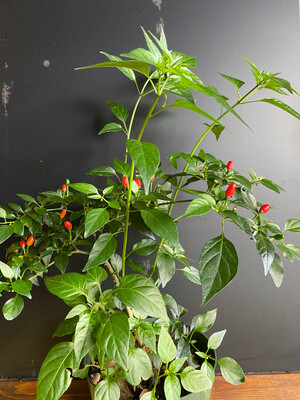
- Plant appearance: Compact, bushy growth habit with dense lime-green foliage that shows off the dark pods beautifully once fruiting begins — this plant pulls double duty as an edible and an ornamental.
📏 Size, Growth & Timeline
- Ships in: 4" pot
- Estimated plant age at shipping: Roughly 8–14 weeks old, given the slow germination and steady early growth typical of C. chinense peppers.
- Mature height, unpruned: 3–4 ft
- Mature height, pruned/maintained: 2–3 ft — pinching early growth encourages a bushier, more productive shape.
- Growth habit: Upright, branching bush with a dense canopy; self-pollinating, so a single plant will set fruit on its own (though gentle breezes or a light shake help fruit set along).
- Spacing: 18–24 in between plants, 24–36 in between rows for good airflow and disease prevention.
- USDA Growing Zones: Perennial in zones 9b–12; grown as a warm-season annual everywhere else, including Florida zones 8b–9a if planted after the last frost.
- Sunlight: Full sun — 6–8+ hours of direct light daily for the best pod production and that deep chocolate color.
- Wind tolerance: Moderate — a stake or small cage is a smart addition once pods start weighing down the branches.
- Salt tolerance: Low to moderate. Not a true coastal plant, but it will tolerate light salt air with some wind protection.
- Cold hardiness / frost tolerance: Not frost hardy. Growth stalls below 50°F, leaf damage begins around 45°F, and any exposure to 32°F or below will kill the plant. Treat this as an annual outside of zones 9b and warmer, or bring container plants indoors before your first frost date.
🌦️ Seasonal Guide for Florida & Similar Zone 9–10 Climates
The Chocolate Habanero is grown as a short-lived perennial in Central and South Florida and as a warm-season annual further north. Here's what to expect through the year in Florida-like climates:
- 🌱 Spring: Plant out after nighttime temps hold above 60°F. New growth flushes quickly in the warming soil; expect flowering to begin within 6–8 weeks of transplant.
- ☀️ Summer: Peak growth and heaviest fruit set. Pods take 90–120 days from transplant to reach that full chocolate-brown finish, so early summer flowers become late-summer harvests.
- 🍂 Fall: Continued fruiting well into October and November in Florida's mild autumns. This is often the heaviest harvest window of the year.
- ❄️ Winter: Growth slows dramatically below 55°F and stops below 50°F. In protected Central Florida locations (zone 9b+), established plants can survive a mild winter and resprout in spring, but a hard freeze will kill the plant to the ground or outright. We recommend treating it as an annual unless you're in a warm microclimate and are prepared to cover it during cold snaps.
🌿 Top Benefits of Growing Chocolate Habanero
- Significantly more complex, fruity flavor than standard orange habaneros
- Extremely productive — a single healthy plant can yield dozens to over a hundred pods in a season
- Compact size makes it ideal for beds, borders, or large containers
- Doubles as an ornamental — dark, glossy pods against bright green foliage are genuinely striking
- Dries and powders beautifully thanks to its high oil content
- Self-pollinating, so one plant is all you need to get fruit
- A genuine conversation-starter pepper for home cooks and hot sauce makers alike
🍽️ Culinary Uses: How to Actually Use This Pepper
This is the part that matters most — the reason to grow this plant instead of just buying the sauce.
- Jamaican jerk seasoning: The Chocolate Habanero is the traditional heat source in authentic jerk marinades and rubs, prized specifically for its smoky-sweet depth over the sharper heat of an orange habanero.
- Hot sauces & barbecue sauces: Its fruity, raisin-toned flavor rounds out vinegar- and fruit-based hot sauces without tasting one-dimensional.
- Mexican mole & rich salsas: Adds a smoky backbone that plays well against chocolate, tomato, and dried chile flavors already found in mole.
- Dehydrated pepper powder: High oil and moisture content means it dries down into a concentrated, richly flavored powder — dry at around 135°F for 8–12 hours until brittle, then grind.
- Fresh use: A little goes a long way — finely minced into salsas, marinades, or infused oils.
- Handling note: Always wear gloves when harvesting or prepping — the oils are potent and linger.
🌶️ Comparison Chart: How the Chocolate Habanero Stacks Up
| Variety |
Heat (SHU) |
Flavor Notes |
Pod Color |
Plant Size |
| Chocolate Habanero |
425,000–577,000 |
Smoky, fruity, raisin-like |
Deep mahogany/brown |
3–4 ft |
| Orange Habanero |
100,000–350,000 |
Bright, fruity, citrusy |
Orange |
2–3 ft |
| Red Savina Habanero |
350,000–580,000 |
Sharp, fruity heat |
Deep red |
2–3 ft |
| Scotch Bonnet |
100,000–350,000 |
Sweet, fruity, slightly milder |
Yellow/orange/red |
3–4 ft |
(Have your eye on more than one? Ask us about mixed variety packs for a full pepper-tasting garden bed!)
🪴 Container & Indoor Growing
Container growing: Yes — Chocolate Habanero thrives in containers. Start in a 1–3 gallon pot and size up as roots fill in, working toward a 10–15 gallon container at full maturity. Dark-colored pots help warm the root zone, which this heat-loving plant appreciates.
Indoor growing: Yes, with caveats. It needs abundant, bright, direct light — place it within a foot of a south-facing window, or supplement with a grow light, especially through winter months when natural light drops off. It will not tolerate low light and will get leggy and unproductive without it.
Transplanting up in size: As your Chocolate Habanero's roots fill out its current pot, it's time to size up. A general path looks like: 4" pot → 1 gallon → 3 gallon → 7 gallon → 10–15 gallon for a mature container specimen. Look for roots circling the base of the pot or emerging from the drainage holes — that's your cue. Local garden centers, hardware stores, and online retailers all carry a range of container sizes and potting soil components — a quick search for "nursery pots" or "potting soil bulk" in your area or online will turn up plenty of options.
Potting soil: Chocolate Habanero wants a rich, fast-draining mix — think a blend heavy on compost and coarse material (perlite or coarse sand) rather than a dense, water-retentive mix. These peppers are sensitive to soggy soil and root rot, so drainage is the priority over moisture retention.
🌱 Best Practices for Planting & Care
Before you start: Please leave your Chocolate Habanero in its original container after it arrives until transplant shock has passed and new growth appears — typically around 30 days, or once you see the plant actively pushing new leaves.
Where to Plant: Choose a sunny spot with well-draining soil, ideally somewhere sheltered from strong, consistent wind. Raised beds or amended garden soil both work well.
Planting Tips (GreenDreams Method — Plant "High & Tight"): Dig a hole only slightly wider than the container and at the same depth — resist the urge to plant deep. When backfilling with compost or native soil, pack it in firmly around the root ball without burying the crown of the plant. We plant "high & tight" to keep the base of the plant slightly proud of grade, which helps prevent moisture from collecting around the stem and causing rot. Top dress with a blend of biochar, compost, azomite, and your organic nutrients of choice. Add a layer of hardwood mulch around the planting area, keeping it pulled back from direct contact with the base of the plant. For a full walkthrough of our planting method, check out our video guide:
Care: We recommend organic practices throughout, including regular mulching with hardwood species to retain moisture and suppress weeds — just keep that mulch away from direct contact with the stem.
💧 Watering, Fertilizing & Pruning
Watering (containers): Container-grown Chocolate Habaneros generally need water daily, especially in warm weather, since pots dry out faster than garden soil. Check soil moisture at the first inch or two before watering — the plant prefers to dry slightly between waterings but should never be allowed to fully wilt.
Watering (in-ground): Drip irrigation is strongly preferred over overhead sprinklers or misters, which can promote fungal disease on the foliage. During dry seasons, water daily; during cooler or rainier months, check soil moisture and plant health before watering and adjust accordingly. Keep the soil evenly moist but never waterlogged — uneven watering cycles can cause blossom end rot and reduced pod quality.
Fertilizing: Chocolate Habaneros are heavy feeders. Start with a balanced, slow-release organic fertilizer at planting. Once flowering begins, switch to a potassium-rich formula to support fruit development — heavy nitrogen at that stage will push leafy growth at the expense of pods.
Pruning: Pinch the growing tips early in the plant's life to encourage a bushier, more productive shape. Avoid heavy pruning once the plant is actively flowering and fruiting — light shaping only. Stake or lightly cage the plant once pods begin to weigh down the branches, especially in windy locations.
⚠️ Cautions
- This is an extremely hot pepper — always wear gloves when harvesting, handling, or prepping fruit, and avoid touching your face or eyes.
- Not intended for ornamental consumption by pets or small children — keep fruiting plants out of easy reach.
- Sudden exposure to intense afternoon sun after periods of shade can scald the dark pods — harden plants off gradually when moving them into full sun.
🌶️ Is This Plant For Me?
This plant is ideal for:
- Home cooks who want serious depth of flavor, not just raw heat
- Hot sauce and jerk seasoning makers
- Gardeners in zones 9b–12 looking for a productive perennial pepper
- Container gardeners with a bright patio or sunny window
- Anyone who wants an edible plant that also looks striking in the landscape
This plant is NOT ideal for:
- Gardeners in consistently cold, frost-prone climates without the ability to overwinter indoors
- Households with curious pets or small children who might handle fruit unsupervised
- Anyone sensitive to capsaicin looking for a milder pepper — this one is genuinely intense
🌼 Companion Plants & Garden Guilds
Great pepper gardens are built as communities, not solo acts. Consider pairing your Chocolate Habanero with:
- Mexican sunflower (Tithonia) — a pollinator magnet that boosts fruit set nearby
- Clumping grasses — excellent for chop-and-drop mulch material and soil biomass
- Nitrogen-fixing companions — support healthy, steady growth without excess synthetic fertilizer
- Aesthetic companions — bright, low-growing flowering annuals planted at the base soften the look of the bed while attracting beneficial insects
(Ask us about which of these companion plants we currently have in stock to build your own pepper guild!)
🔍 Troubleshooting Guide: Chocolate Habanero Pepper
✅ Yellowing leaves: Often just normal older-leaf shedding. If new growth is yellowing or the whole plant changes at once, check for overwatering or root rot first.
✅ Slow or stalled seedlings: Root zone likely too cool — Chocolate Habanero wants root temperatures above 70°F to grow actively.
✅ Poor fruit set during heat waves: Provide light afternoon shade during extreme heat spikes and avoid pruning while the plant is under stress.
✅ Sunscald on dark pods: Harden plants off gradually when moving from shade into full sun exposure.
✅ Aphids (leaf curl, sticky residue, sooty mold): Spray colonies off with a firm stream of water, then follow up with insecticidal soap or neem oil.
✅ Blossom end rot: Almost always tied to inconsistent watering — even out your watering schedule and check for adequate calcium in your soil program.
🍋 Wilting despite moist soil: Check for root rot from overwatering before assuming the plant needs more water — this is a very common pepper mistake.
❓ Frequently Asked Questions
How hot is the Chocolate Habanero pepper compared to a regular habanero? Roughly double the heat of a standard orange habanero, typically landing between 425,000–577,000 SHU.
Can I grow Chocolate Habanero in Florida year-round? In protected Central and South Florida locations (zone 9b and warmer), it can persist as a short-lived perennial. In cooler pockets or further north, treat it as a warm-season annual.
How long until my Chocolate Habanero pepper plant produces fruit? Expect roughly 90–120 days from transplant to fully ripened, chocolate-brown pods.
Do I need more than one plant to get peppers? No — Chocolate Habanero is self-pollinating. A gentle breeze or light shake of the plant helps improve fruit set.
Can Chocolate Habanero peppers be grown in a pot? Yes. Plan to size up gradually to a 10–15 gallon container for a mature, fully productive plant.
Is the Chocolate Habanero the same as a Scotch Bonnet? No — they're closely related C. chinense peppers with a similar shape, but the Chocolate Habanero runs hotter and carries a smokier, more raisin-forward flavor than the sweeter Scotch Bonnet.
📦 Shipping Details
We ship Chocolate Habanero peppers in their 4" starter pot size, which is best suited for shipping to Florida, the southeastern US, and Texas. We're happy to ship across the northern and western US as well, but please note: we are not responsible for the condition of the plant upon arrival in these regions, and plants may need an extra recovery period to bounce back from transit stress.
⚠️ Buyer discretion during peak heat & cold seasons: We are not responsible for damage caused by extreme temperatures during transit. All orders ship from Florida via UPS Ground, every Monday.
⚠️ Extended transit for western & northern US customers: Longer ground-shipping transit times may not be ideal for small plants. This risk is assumed by the buyer at purchase. California residents should also note that packages may be held an extra day for agricultural inspection, which can further delay delivery. We are not responsible for damages resulting from ground shipping delays — though with a little TLC, most plants recover well. For customers in cooler or more distant regions, we recommend ordering larger plant sizes when available, as they tend to handle transit more reliably.
Once your plant arrives, leave it in its original container for about 30 days, or until new growth appears, before transplanting — this gives roots time to recover from shipping stress.
🌾 Local Pickup
We also grow and sell Chocolate Habanero peppers — plus countless other varieties in larger sizes not available online — right here at our retail nursery.
GreenDreams Nursery & Farm 🌾 18709 US Hwy. 41, Spring Hill, FL 34610 🕘 Tues–Fri 9AM–5PM | 🌞 Sat 8AM–3PM 🌿 Stop by our regenerative nursery to see what's blooming this week! 🌸
🌿 Beyond the Plant: GreenDreams Services
At GreenDreams, we do more than grow plants — we design, build, and restore ecosystems across Florida.
🌳 Onsite consultations & edible landscape design 🚜 Installation & project management 🚚 Bulk delivery of compost, mulch, biochar, and soil materials 🌾 Wholesale & large-scale regenerative solutions
Let our team help you create your own thriving edible paradise — starting with your Chocolate Habanero pepper! 🌿
🌿 IMPORTANT INFORMATION BEFORE PURCHASING LIVE PLANTS
Please note: Plants purchased through our online store are not available for pickup at our retail nursery in Spring Hill, Florida.
Online inventory is housed at a separate facility and is priced, prepared, and handled exclusively for shipping.
🌱 Looking for larger plants or more selection?
Our retail nursery location offers far more availability, including larger sizes, specialty plants, and many selections not suitable for nationwide shipping.
Local pickup is available for retail nursery purchases only.
Visit our Spring Hill, FL retail nursery page to explore in-person shopping options.
🚚 LIVE PLANT SHIPPING & TRANSIT EXPECTATIONS
Live plants naturally experience stress during shipping. Temporary leaf drop, mild wilting, or cosmetic stress is normal after transit. Most plants recover quickly with proper watering, gradual light exposure, and basic aftercare. Some plants may require additional attention during the first few weeks.
Despite careful packing, minor cosmetic damage may occur during transit. Small issues such as broken leaves or stems typically resolve with time and proper care.
If your shipping box arrives with significant external damage, please contact UPS within 30 days to initiate a carrier claim.
⏱️ SHIPPING METHOD, TIMING & TRANSIT WINDOWS
All online orders ship via UPS Ground from our Central Florida nursery.
📦 Shipping Schedule: Orders ship once weekly on Mondays to reduce the risk of packages sitting in transit over weekends. A countdown clock on our website displays the next shipping date.
🚚 Typical Transit Times:
-
Florida: 1–2 days
-
Southern U.S.: approximately 2 days
-
Midwest, West & Northern U.S.: 3–5 business days
Long-distance shipments, particularly to the western U.S., may experience additional transit time due to agricultural inspections in states such as Arizona, California, and Texas.
Extended transit times can be more challenging for small or tender plants and may require additional recovery care after arrival.
🌡️ EXTREME WEATHER & SEASONAL RISK
Live plants are sensitive to temperature extremes.
We cannot guarantee plant condition during periods of extreme summer heat or winter cold and freezing temperatures. Weather-related delays, carrier interruptions, or exposure during delivery are beyond our control.
Customers are responsible for:
-
Monitoring tracking information sent via email
-
Retrieving packages promptly upon delivery
-
Preventing plants from being left outdoors in extreme conditions
During unsafe weather, holiday shipping volume, or extended transit risk, orders may be held and shipped the following week to protect plant health.
⚠️ CUSTOMER RESPONSIBILITY & REFUND POLICY
By purchasing live plants, customers acknowledge and accept the risks associated with shipping, weather exposure, transit delays, and regional suitability.
Refunds or replacements are considered only under exceptional circumstances and in accordance with our return and refund policy. We are not responsible for:
-
Weather-related damage
-
Carrier delays
-
Poor plant selection for a given climate or region
-
Improper care after delivery
Upon purchase, customers assume full responsibility for the ongoing care and success of their plants.
✅ CONSENT & AGREEMENT
By completing a purchase, you confirm that you have read, understand, and agree to all shipping policies, responsibilities, and conditions outlined above.
Our goal is transparency, plant health, and long-term growing success — and we appreciate your understanding and care when ordering live plants.


