


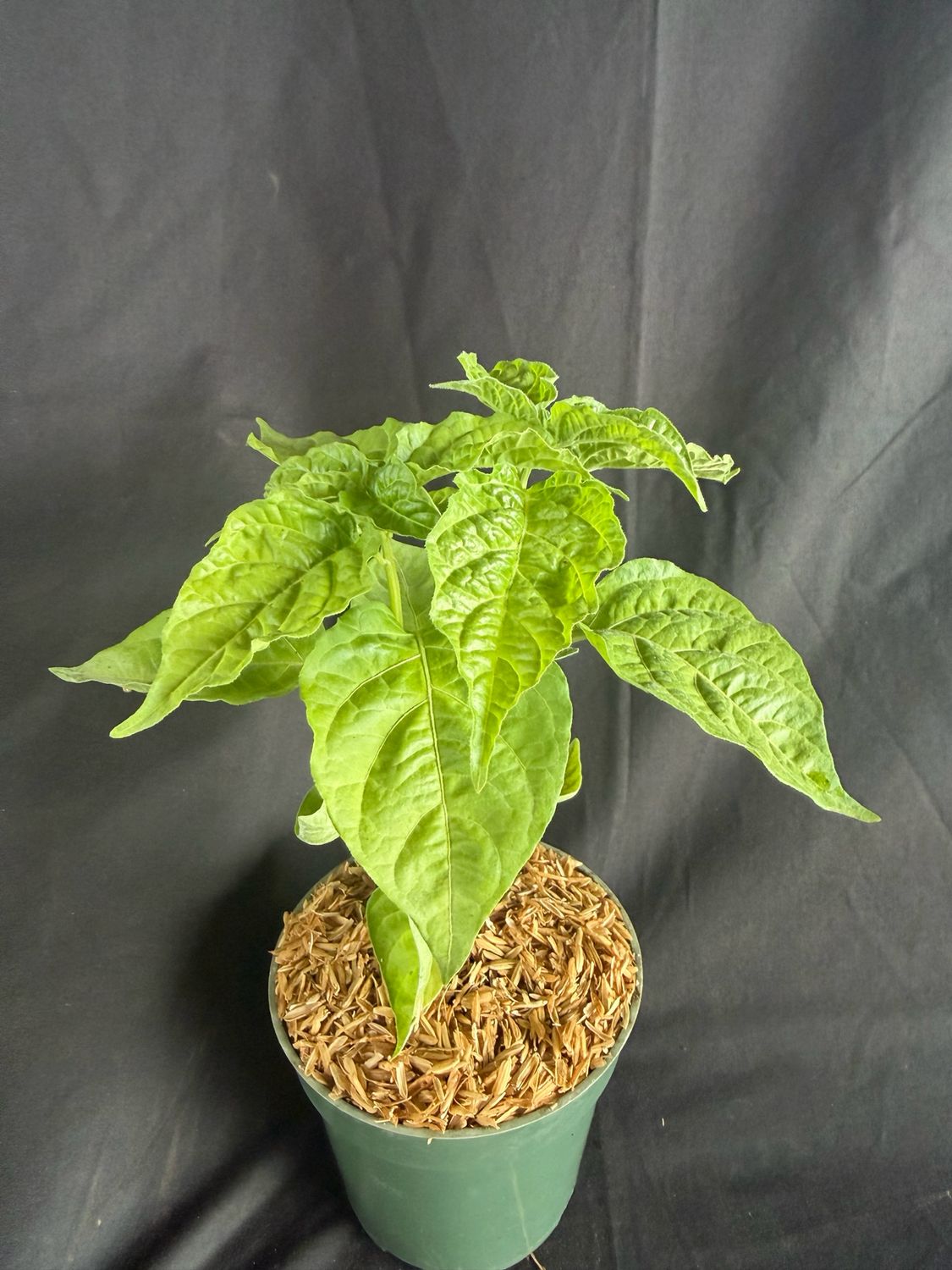
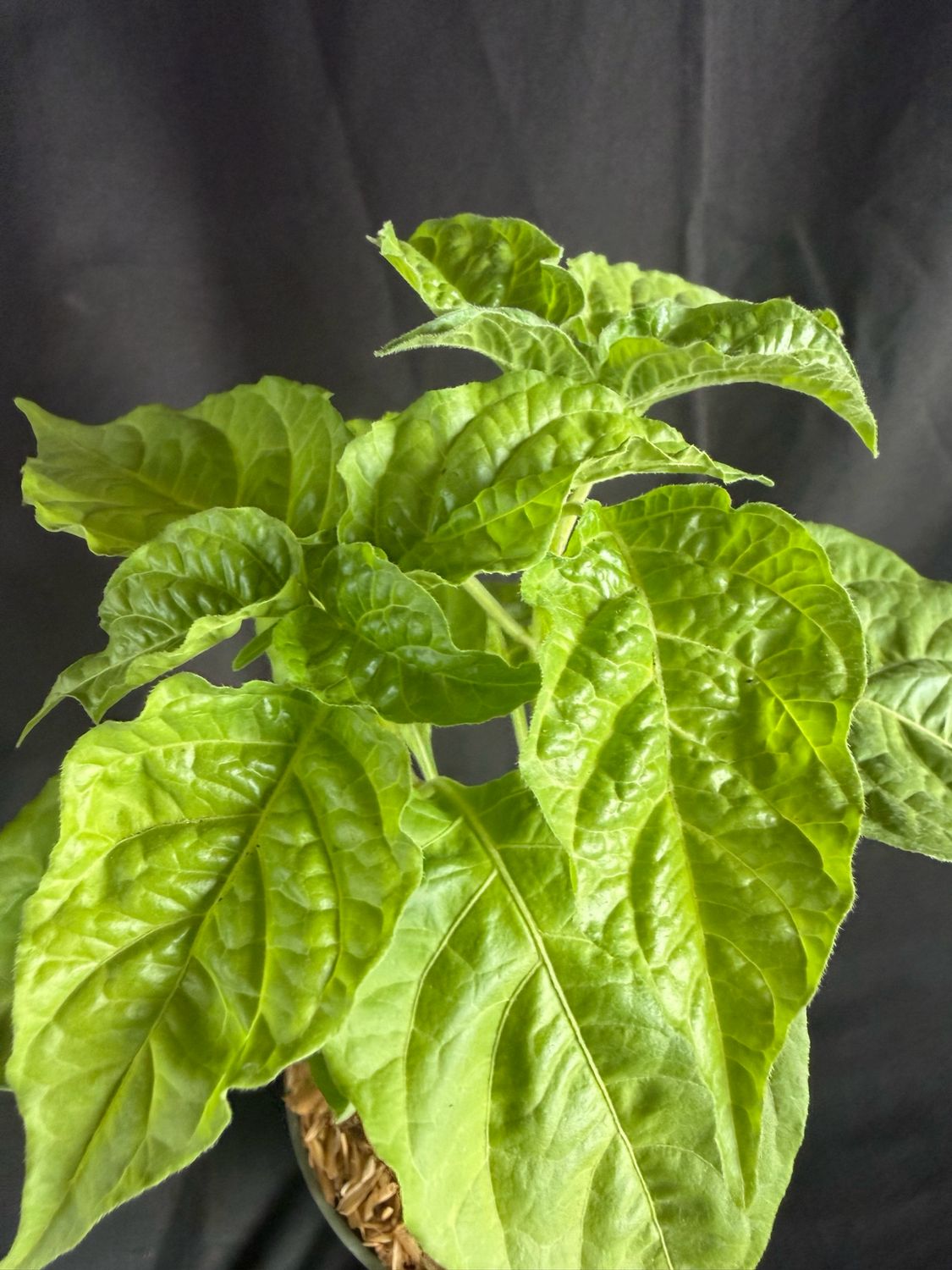
🌶️ Orange Scotch Bonnet Pepper (Capsicum chinense)
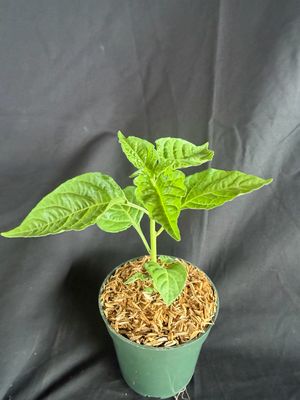
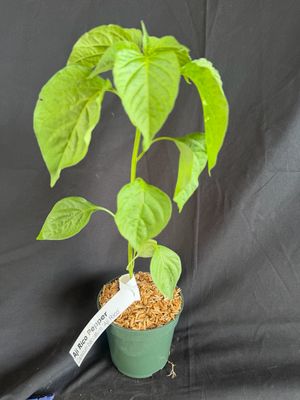
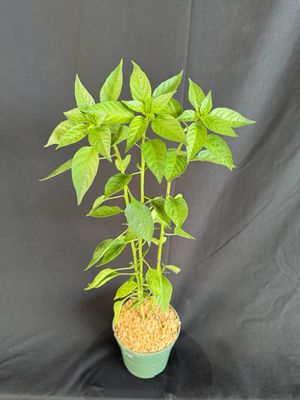
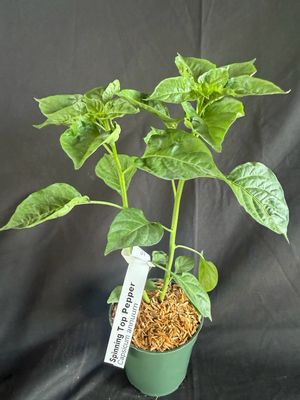
🪴This ships as a 4" Pot
Meet the pepper that built an entire cuisine. The Orange Scotch Bonnet isn't just hot — it's legendary. Sweet, tropical, fruity, and packing a Scoville punch that rivals a habanero, this is the pepper Jamaican jerk was built around. If your spice rack doesn't have one growing in the backyard yet, it's time to fix that. 🔥
This isn't a "one-note heat bomb" chili. It's citrusy, floral, almost mango-adjacent in its sweetness — and then it lights you up. Once you taste jerk chicken made with the real thing, bottled sauce just won't cut it anymore. Grow your own, harvest by the handful, and never run out again.
🌿 Quick Facts Guide
| Category |
Details |
| Botanical Name |
Capsicum chinense |
| Common Names |
Scotch Bonnet, Bonney Pepper, Caribbean Red Pepper, Jamaican Hot |
| Pot Size |
4" container |
| Estimated Age at Shipping |
8–14 weeks from seed — Scotch Bonnets are notoriously slow, deliberate growers early on |
| Mature Height |
2–3 ft as a managed annual/container plant; up to 4–5 ft where grown as a tender perennial in frost-free zones |
| USDA Growing Zones |
9–12 outdoors year-round (perennial in 10–11); grown as a warm-season annual in zones 8 and below |
| Sunlight |
Full sun, 6–8+ hours daily |
| Wind Tolerance |
Moderate — appreciates a bit of shelter from harsh, sustained wind |
| Salt Tolerance |
Low to moderate — not a beachfront specimen, but fine with light coastal exposure |
| Cold Hardiness |
Not frost hardy — damage begins near 50°F, death likely below 32°F |
| Growth Habit |
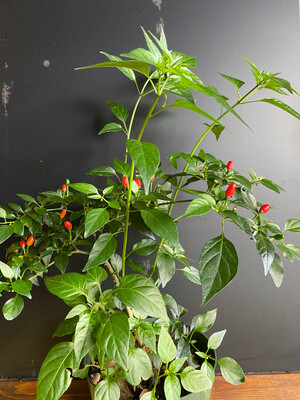
Compact, bushy, branching shrub |
| Spacing |
24–30 inches apart in rows 30–36 inches apart |
| Days to Maturity |
75–100 days from transplant to first ripe fruit |
| Top Benefits |
Homegrown jerk seasoning, prolific harvests, pollinator-friendly blooms, striking ornamental color |
🍊 Flavor Profile: What Makes It Special
The Orange Scotch Bonnet is proof that heat and sweetness aren't opposites — they're partners. Expect:
- Heat: 100,000–350,000 Scoville Heat Units (SHU) — comparable to a habanero, sometimes hotter
- Flavor: Sweet, floral, tropical-fruity, with smokier undertones than the red variety
- Texture: Thin-walled but crisp, with a juicy, fleshy bite
- Aroma: Fragrant and fruity before you even get to the heat
- Color Journey: Deep green → gradually ripens into a brilliant, sun-drenched orange
Scotch Bonnet vs. Habanero — people ask us this constantly, so let's settle it:
| Feature |
Scotch Bonnet |
Habanero |
| Shape |
Squat, deeply lobed, "bonnet" folds |
Smoother, teardrop-shaped |
| Heat Range |
100,000–350,000 SHU |
100,000–350,000 SHU |
| Flavor |
More pronounced fruity sweetness |
Similar heat, slightly less sweet |
| Culinary Identity |
THE pepper of authentic Jamaican jerk |
Common across broader Latin/Caribbean cooking |
🍃 Plant Appeal & Fruiting Habits
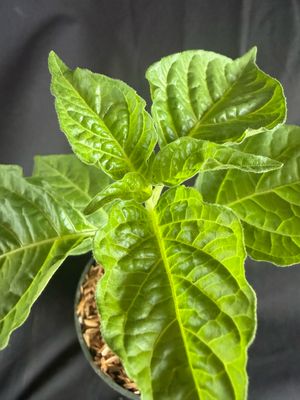
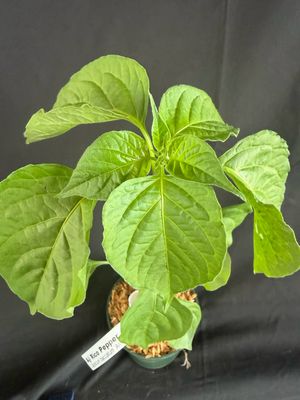
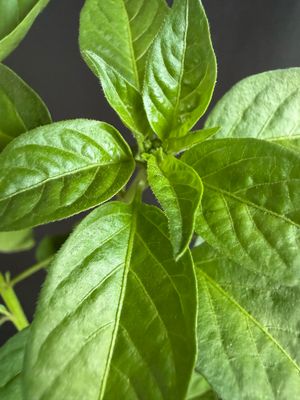
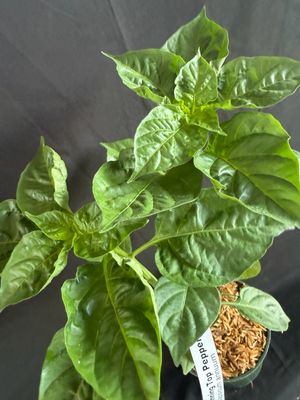
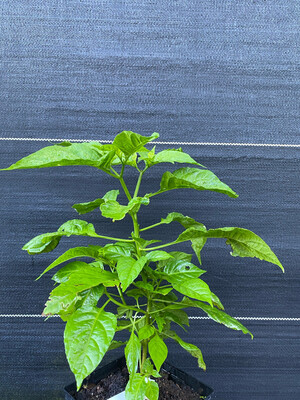
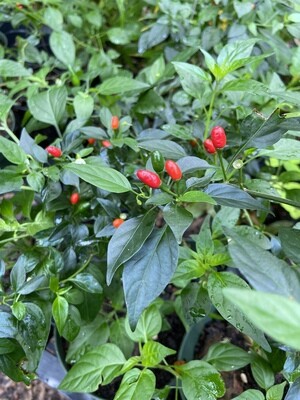
This is a good-looking plant, not just a productive one. Expect dense, dark green foliage on a compact, well-branched frame — the kind of shrub that looks equally at home in a raised veggie bed or tucked into an ornamental border. Small white star-shaped flowers appear before fruit set, drawing in pollinators before the real show begins.
Fruiting habits:
- A single healthy plant can produce 20–50+ peppers in a season, sometimes more with a long growing window and a generous pot
- Peppers ripen unevenly on the same plant — you'll be harvesting green-to-orange fruit simultaneously for weeks
- Fruit set improves with consistent moisture, warm nights, and active pollinator traffic
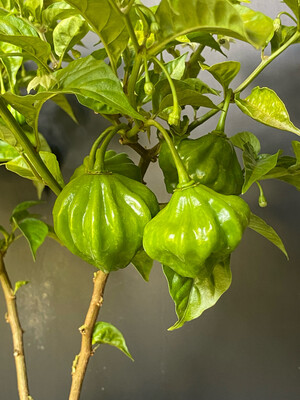
- The classic "Grade A" bonnet shape has four pronounced lobes and a diameter of at least 1.5" — but don't worry if yours look a little irregular; flavor and heat aren't affected
📜 Origin Story: From the Amazon to the Jerk Pit
Here's a fact that surprises most people: the Scotch Bonnet isn't Scottish, and it isn't originally Jamaican either. Its roots trace back to the lowland jungles of the Amazon Basin, where it was cultivated by Indigenous peoples for centuries before it ever touched Caribbean soil.
The Taíno people carried Scotch Bonnets and other staple crops like cassava across the Caribbean by canoe as they migrated from the Orinoco River Valley toward the Greater Antilles — including the island the Taíno called Xamayca, known today as Jamaica. When Spanish colonization devastated the Taíno population, much of their agricultural and culinary knowledge survived through the Maroons — formerly enslaved people who fled into Jamaica's mountains and continued Taíno barbecue traditions, eventually shaping what we now know as jerk cooking.
So where does the "Scotch" part come from? Not from Scotland's climate — obviously, nothing this heat-loving is surviving a Highland winter. The name comes from the pepper's resemblance to the "Tam o' Shanter," a traditional Scottish bonnet, with a similar squat, folded shape. Some food historians also point to the significant number of Scottish plantation owners in the 18th-and-19th-century Caribbean as part of the naming story. Either way — a South American pepper, grown by Taíno hands, carried to a Caribbean island, and given a Scottish name. That's a origin story with more passport stamps than most of us.
🍽️ Culinary Uses & Cultural Significance
This is the whole reason to grow this plant. The Orange Scotch Bonnet isn't a garnish — it's a foundational ingredient.
Most iconic use: Jerk seasoning. Traditional Jamaican jerk seasoning blends Scotch Bonnet peppers with black pepper, scallions, onion, thyme, and allspice, historically smoked over pimento wood in roadside "jerk huts." That smoky-sweet-spicy marinade is arguably Jamaica's most famous culinary export.
Beyond jerk, Scotch Bonnets show up in:
- Jamaican pepper sauce (blended with vinegar, garlic, mustard, and tropical fruit)
- Curry goat and curried chicken
- Escovitch fish
- Peppered shrimp
- Rice and peas
- Oxtail stew and pepper pot soup
- Caribbean patties (as a minced addition to the filling)
- West African stews and pepper soups, where the pepper is equally beloved
How to use it in your own kitchen:
- Use whole and remove before serving for background heat without full intensity (great for stews and soups)
- Mince or blend for maximum heat and flavor distribution
- Freeze whole peppers and grate directly from frozen into dishes — no thawing required
- Always wear gloves when handling; the capsaicin oils are intense and will irritate skin and eyes on contact
Nutritional & folk-medicine notes: Scotch Bonnets are a source of vitamin C, vitamin A, and capsaicin — the compound responsible for the heat, which has a long history of use in topical analgesics and circulatory stimulants. As always, we share this as food-culture context, not medical advice.
🌾 Harvest Timing: Florida vs. Other Regions
Florida & the Gulf South (Zones 9–11): With our long warm season, expect first ripe fruit roughly 75–100 days after transplanting outdoors — often landing a summer through fall harvest window, sometimes stretching into early winter if temperatures stay mild. In true zone 10–11 pockets, plants can behave as short-lived perennials and produce for multiple seasons.
Cooler regions (Zone 8 and below): Treat this as a warm-season annual. Start seed indoors 8–12 weeks before your last frost, transplant only after nighttime temps hold above 60°F, and expect harvest in late summer into fall before the first frost ends the season.
🌼 Ornamental Value
Don't sleep on this plant's landscape potential. The glossy foliage, compact branching habit, and vivid orange fruit make it a genuinely attractive addition to an edible landscape border, herb spiral, or mixed container planting. It won't be your focal point specimen, but it earns its spot as a textural, colorful accent — especially clustered with other pepper varieties for a rainbow effect as fruit ripens.
🚜 Large-Scale & Market Growing
Scotch Bonnets are absolutely suitable for larger production plots — they're a genuine commercial crop across the Caribbean. For scaled plantings:
- Space rows 30–36 inches apart with plants 24–30 inches apart within the row
- Use drip irrigation for consistent moisture without disease-promoting overhead wetness
- Black plastic mulch is commonly used to boost soil temperature and suppress weeds in cooler production zones
- Stagger plantings by 2–3 weeks for an extended harvest window rather than one giant flush
🍂 Seasonal Behavior in Central Florida (Zone 9b) & Similar Climates
The Orange Scotch Bonnet is not deciduous — but it is tender, and in zone 9 climates it behaves more like a warm-season perennial that goes dormant (or dies back) rather than one that drops leaves seasonally like a fruit tree. Here's what to expect:
- Spring: New growth resumes as soil warms; this is your transplant and fertilizing window
- Summer: Peak growth, flowering, and fruit set; watch for stress during extreme heat spikes (peppers may drop blooms above 95°F)
- Fall: Heaviest harvest window; begin monitoring nighttime temps as cold season approaches
- Winter: Frost will damage or kill foliage. In zone 9b, gardeners can cut the main stem back to about 6 inches, strip most of the foliage, mulch heavily, and attempt overwintering — or bring container plants indoors near a bright window. Some plants may not be available for purchase during dormant winter months, so grab yours while the growing season is active!
If your plant does overwinter successfully, year-two plants typically flower earlier and produce more heavily — dormancy is a worthwhile investment, not a failure.
🪴 Container & Indoor Growing
Container growing: The Orange Scotch Bonnet is an excellent container candidate — its compact size makes it ideal for patios, balconies, and porches. Use a 5-gallon or larger pot with good drainage. Dark-colored containers help retain heat, which this tropical plant appreciates.
Indoor growing: Can be grown indoors or overwintered indoors in a bright, south-facing window or under grow lights (aim for 14–16 hours of light daily if using supplemental lighting). Indoor plants tend to produce less heavily than those grown outdoors in full sun, but it's a great way to keep a plant alive through winter in non-tropical zones.
⚠️ Important: Please leave your new plant in its original nursery container until transplant shock has passed and you see clear signs of new growth. Transplanting too soon can set your plant back significantly.
🌱 Transplanting Into Larger Containers
As your Orange Scotch Bonnet grows, its roots will eventually fill out its current pot. Pepper plants generally move up in stages — from a 4" starter, to a 1-gallon, to a 3-gallon, and up to a 7-gallon or larger as the plant matures. Signs it's time to size up include roots circling the drainage holes or the plant drying out unusually fast between waterings.
How to transplant:
- Wait at least 30 days after receiving your plant, or until new growth appears, before transplanting
- Choose a container just one size up — going too large too fast can lead to waterlogged soil around the roots
- Gently loosen the root ball without tearing major roots
- Set the plant at the same depth it was previously growing — plant "high & tight," never deeper than it was in its nursery pot
- Backfill with fresh potting mix, firming gently around the base without compacting too tightly
Containers and quality potting soil materials are widely available from local garden centers, hydroponic supply shops, or online retailers — a quick search for "pepper-specific potting mix" or "well-draining container soil" in your area will point you toward good local options.
Recommended soil type: Scotch Bonnets want a loose, fast-draining mix with a slightly acidic pH (around 6.0–6.8). A blend heavy in compost with perlite or coarse sand worked in for drainage suits this plant well — avoid dense, water-retentive mixes that stay soggy, as these peppers are highly sensitive to waterlogged roots.
🌞 Best Practices for Planting and Care
Where to Plant: Choose the sunniest spot available — a minimum of 6-8 hours of direct sun daily — with well-draining soil and, ideally, a bit of shelter from harsh, sustained wind.
Planting Tips: Dig a hole only slightly wider than the container and at the same depth — never deeper. This is what we call planting "high & tight." When backfilling with compost or native soil, pack it firmly around the root ball without burying the stem too deep. Top dress with a blend of biochar, compost, azomite, and your organic nutrients of choice. Add a layer of hardwood mulch around the plant, keeping it pulled back from direct contact with the base to prevent rot.
For a full walkthrough of our fruit tree and edible planting method, check out our video:
Watering — Containers: Container-grown Orange Scotch Bonnets typically need water daily, especially during Florida's hot growing season. Check soil moisture with a finger 2-3 inches deep before watering; if it's dry at that depth, it's time to water.
Watering — In-Ground: We always recommend drip irrigation over overhead sprinklers or misters to reduce disease pressure on foliage. A general schedule is daily watering during dry, hot seasons, tapering back in cooler or rainier stretches — always let plant health and soil moisture guide adjustments rather than the calendar alone.
Fertilizing: Feed with a balanced organic fertilizer at transplanting, then again when flowering begins. Many growers add a light dusting of Epsom salt at planting time for a magnesium boost. Avoid overfeeding with high-nitrogen fertilizers — this pushes leafy growth at the expense of fruit production.
Pruning: Light pruning throughout the season encourages bushier growth and better fruit production. In late season or ahead of a cold snap, trim back non-fruiting branches and any blooms unlikely to mature before frost — redirecting the plant's energy into ripening what's already set.
⚠️ Cautions
- High capsaicin content means gloves are non-negotiable when handling or harvesting fruit
- Never touch your face or eyes after handling — wash hands thoroughly, even with gloves
- Not frost tolerant — protect or bring indoors ahead of any cold snap
- Sensitive to overwatering and waterlogged soil, which can quickly cause root rot
🤔 Is This Plant For Me?
This plant is ideal for:
- Home cooks who want authentic Caribbean heat and flavor without relying on store-bought sauce
- Florida & southeastern gardeners with the warm, long season this pepper craves
- Container gardeners with a sunny patio or balcony
- Anyone wanting a productive, good-looking edible plant for a mixed garden bed
This plant is NOT ideal for:
- Gardeners in consistently cool or short-season climates without season-extension tools
- Anyone sensitive to spicy food looking for a mild pepper
- Shaded gardens or spaces without at least 6 hours of direct sun
🐝 Companion Planting & Guild Support
Pair your Orange Scotch Bonnet with plants that support pollination, soil fertility, and pest resistance:
- Pollinator magnets: Mexican sunflower (Tithonia) draws in the pollinators that boost fruit set
- Chop-and-drop biomass: Clumping grasses add organic matter and mulch material back into the bed
- Aesthetic companions: Colorful, compact tropical foliage plants pair beautifully alongside the pepper's dark green leaves and orange fruit
Ask us about which of these companion plants we currently have in stock — we love building out full edible guilds, not just single specimens.
🔍 Troubleshooting Guide: Orange Scotch Bonnet Pepper
| Problem |
Likely Cause |
Organic Solution |
| Yellowing leaves |
Overwatering or nitrogen deficiency |
Check drainage; feed with balanced organic fertilizer |
| Dropped flowers, no fruit |
Extreme heat (95°F+) or inconsistent watering |
Provide light afternoon shade during heat spikes; water consistently |
| Slow or no germination |
Soil too cool |
Use a heat mat, maintain 80–90°F soil temperature |
| Aphids on new growth |
Common seasonal pest |
Neem oil spray in the evening; encourage beneficial insects |
| Spider mites during heat waves |
Hot, dry conditions |
Increase humidity around plant; neem oil treatment |
| Powdery white coating on leaves |
Powdery mildew |
Weekly potassium bicarbonate or sulfur spray; improve airflow |
| Fruit tastes bitter or off late-season |
Cooler overnight temps or fertilizer stress |
Harvest earlier in the season; avoid over-fertilizing |
| Stunted growth after a cold night |
Cold stress (below 50°F) |
Move containers indoors on cold nights; use frost cloth in-ground |
❓ Frequently Asked Questions
Is the Orange Scotch Bonnet the same as a habanero? No — though they share a similar heat range and botanical family, Scotch Bonnets have a distinct squat, lobed shape and a more pronounced fruity sweetness that's central to authentic Jamaican jerk flavor.
How long until my Orange Scotch Bonnet pepper plant produces fruit? Expect roughly 75-100 days from transplant to first ripe fruit, with heavier production building through the season.
Can I grow Orange Scotch Bonnet peppers in a pot? Yes! This plant thrives in containers of 5 gallons or larger, making it a great option for patios and porches, including here in Florida.
Will my Scotch Bonnet plant survive winter in Florida? In true zone 10-11 areas, it may survive as a short-lived perennial with protection. In zone 9b and cooler, treat it as an annual or attempt an indoor overwintering strategy.
How hot is an Orange Scotch Bonnet pepper really? Between 100,000 and 350,000 Scoville Heat Units — on par with, and sometimes hotter than, a habanero.
🌳 Companion Plant Sidebar
Building a full guild around your Orange Scotch Bonnet? Consider adding from our inventory:
- Nitrogen fixers for soil fertility
- Pollinator magnets like Mexican sunflower for improved fruit set
- Dynamic accumulators to mine and cycle nutrients back into your bed
Ask our team for current availability — we're always happy to help you plan a complete edible ecosystem, not just a single plant.
📦 Shipping Details for Continental US
This Orange Scotch Bonnet ships in a compact 4" pot — a size best suited for shipping to Florida, the southeastern US, and Texas. We're happy to ship across the northern and western US as well, but please note we're not responsible for the plant's condition upon arrival in these regions; it may need extra recovery time after a longer transit.
We ship from Florida via UPS Ground every Monday. During peak heat and cold seasons, please use buyer discretion when ordering — we are not responsible for extreme temperature exposure during transit.
Growers in the western or northern US should be aware that extended UPS Ground transit times may not be ideal for smaller plants; this risk is assumed by the buyer at purchase. California shipments may also be held for an additional inspection day, which can further delay delivery. We are not responsible for damages related to ground shipping delays — though with a little TLC, most plants bounce back beautifully. For long-distance orders, we recommend choosing larger, more transit-resilient sizes when available.
We always suggest waiting 30 days, or until new growth appears, before transplanting your new arrival into a larger container or the ground.
🌾 Local Pickup
We carry the Orange Scotch Bonnet — and countless other varieties in larger sizes not available online — right here at our nursery.
GreenDreams Nursery & Farm 🌾 18709 US Hwy. 41, Spring Hill, FL 34610 🕘 Tues–Fri 9AM–5PM | 🌞 Sat 8AM–3PM 🌿 Stop by our regenerative nursery to see what's blooming this week! 🌸
🌿 Beyond the Plant: GreenDreams Services
At GreenDreams, we do more than grow plants — we design, build, and restore ecosystems across Florida.
🌳 Onsite consultations & edible landscape design 🚜 Installation & project management 🚚 Bulk delivery of compost, mulch, biochar, and soil materials 🌾 Wholesale & large-scale regenerative solutions
Let our team help you create your own thriving edible paradise — starting with an Orange Scotch Bonnet Pepper! 🌿
🌿 IMPORTANT INFORMATION BEFORE PURCHASING LIVE PLANTS
Please note: Plants purchased through our online store are not available for pickup at our retail nursery in Spring Hill, Florida.
Online inventory is housed at a separate facility and is priced, prepared, and handled exclusively for shipping.
🌱 Looking for larger plants or more selection?
Our retail nursery location offers far more availability, including larger sizes, specialty plants, and many selections not suitable for nationwide shipping.
Local pickup is available for retail nursery purchases only.
Visit our Spring Hill, FL retail nursery page to explore in-person shopping options.
🚚 LIVE PLANT SHIPPING & TRANSIT EXPECTATIONS
Live plants naturally experience stress during shipping. Temporary leaf drop, mild wilting, or cosmetic stress is normal after transit. Most plants recover quickly with proper watering, gradual light exposure, and basic aftercare. Some plants may require additional attention during the first few weeks.
Despite careful packing, minor cosmetic damage may occur during transit. Small issues such as broken leaves or stems typically resolve with time and proper care.
If your shipping box arrives with significant external damage, please contact UPS within 30 days to initiate a carrier claim.
⏱️ SHIPPING METHOD, TIMING & TRANSIT WINDOWS
All online orders ship via UPS Ground from our Central Florida nursery.
📦 Shipping Schedule: Orders ship once weekly on Mondays to reduce the risk of packages sitting in transit over weekends. A countdown clock on our website displays the next shipping date.
🚚 Typical Transit Times:
-
Florida: 1–2 days
-
Southern U.S.: approximately 2 days
-
Midwest, West & Northern U.S.: 3–5 business days
Long-distance shipments, particularly to the western U.S., may experience additional transit time due to agricultural inspections in states such as Arizona, California, and Texas.
Extended transit times can be more challenging for small or tender plants and may require additional recovery care after arrival.
🌡️ EXTREME WEATHER & SEASONAL RISK
Live plants are sensitive to temperature extremes.
We cannot guarantee plant condition during periods of extreme summer heat or winter cold and freezing temperatures. Weather-related delays, carrier interruptions, or exposure during delivery are beyond our control.
Customers are responsible for:
-
Monitoring tracking information sent via email
-
Retrieving packages promptly upon delivery
-
Preventing plants from being left outdoors in extreme conditions
During unsafe weather, holiday shipping volume, or extended transit risk, orders may be held and shipped the following week to protect plant health.
⚠️ CUSTOMER RESPONSIBILITY & REFUND POLICY
By purchasing live plants, customers acknowledge and accept the risks associated with shipping, weather exposure, transit delays, and regional suitability.
Refunds or replacements are considered only under exceptional circumstances and in accordance with our return and refund policy. We are not responsible for:
-
Weather-related damage
-
Carrier delays
-
Poor plant selection for a given climate or region
-
Improper care after delivery
Upon purchase, customers assume full responsibility for the ongoing care and success of their plants.
✅ CONSENT & AGREEMENT
By completing a purchase, you confirm that you have read, understand, and agree to all shipping policies, responsibilities, and conditions outlined above.
Our goal is transparency, plant health, and long-term growing success — and we appreciate your understanding and care when ordering live plants.


