


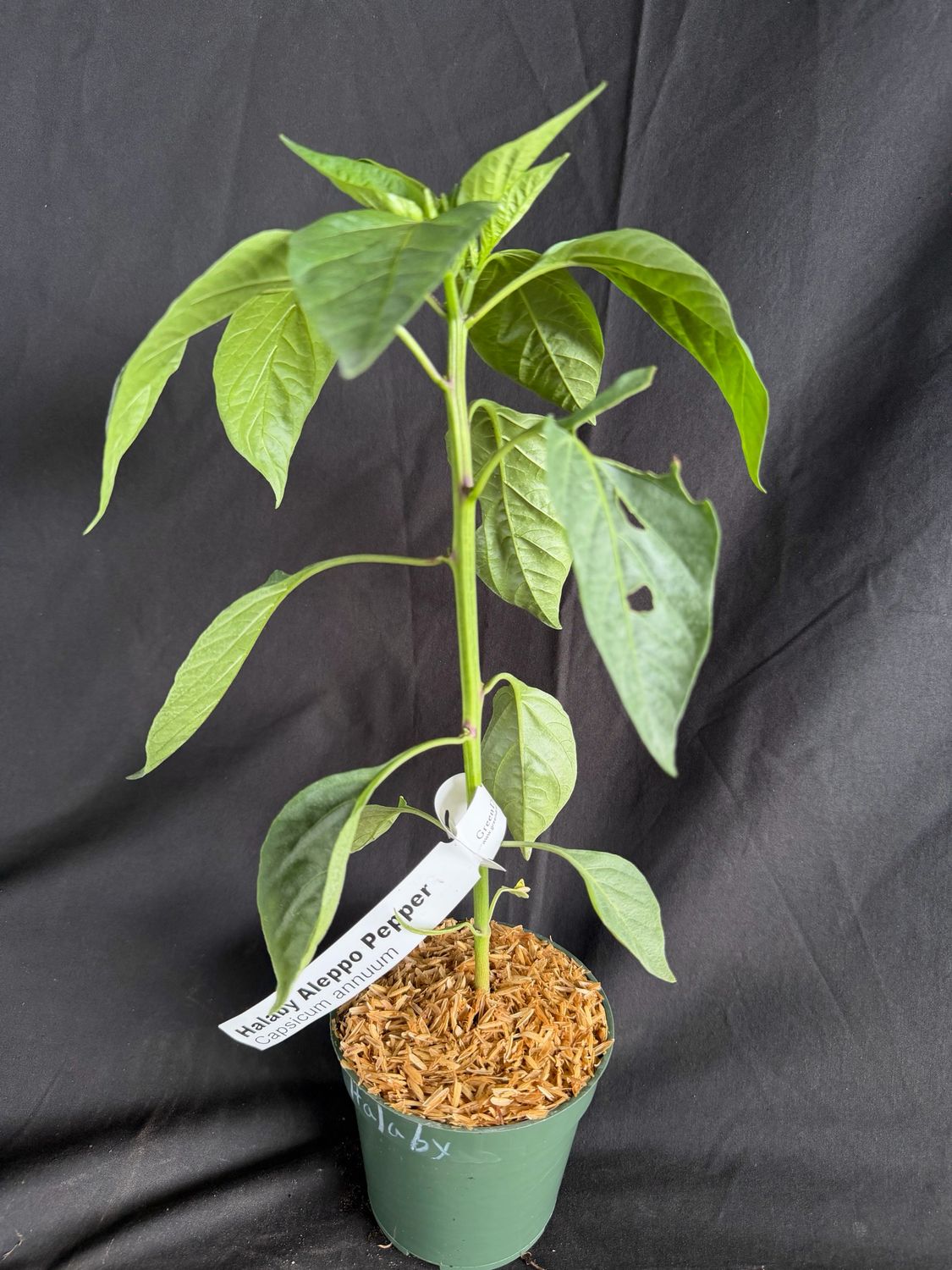
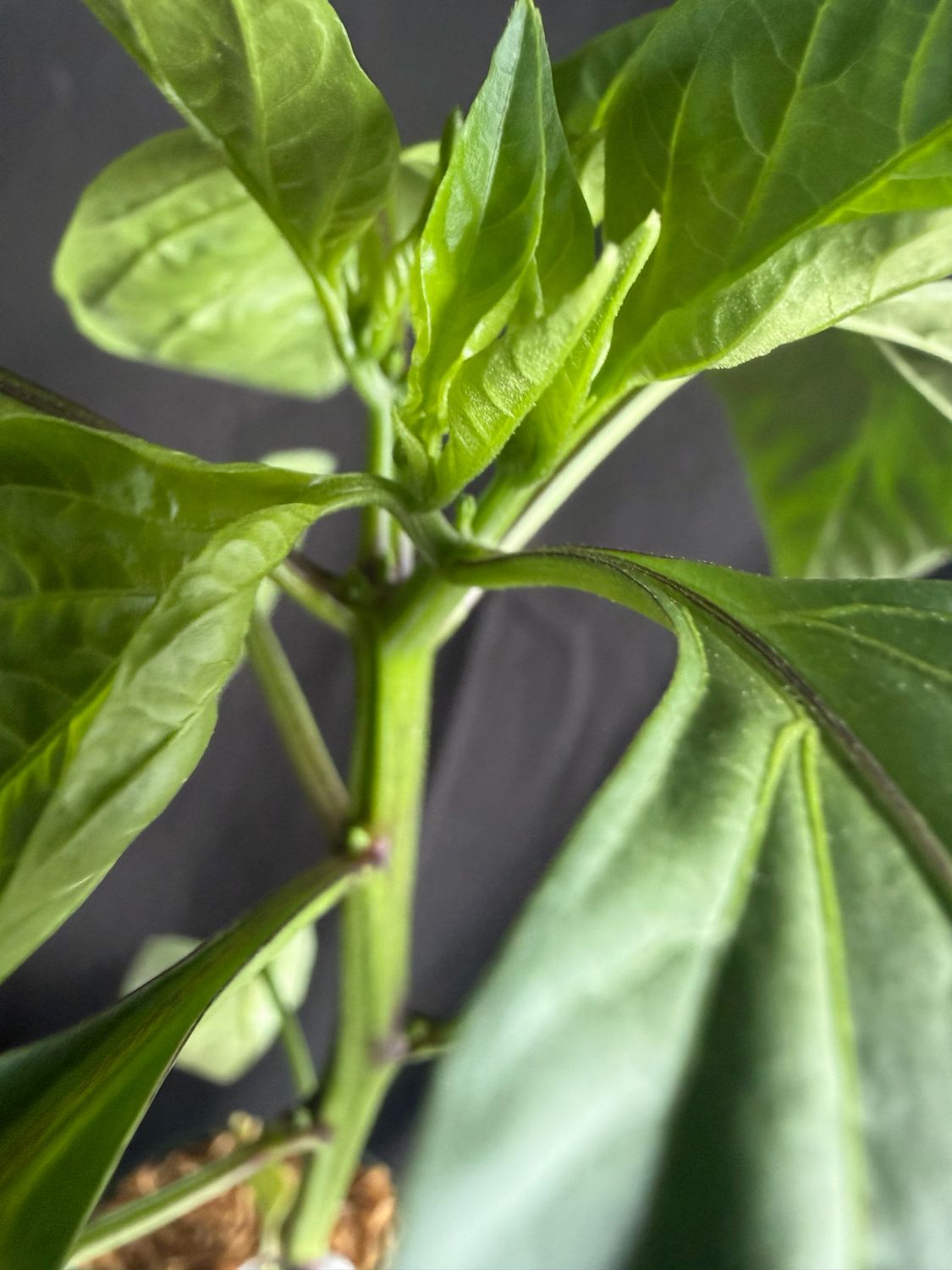
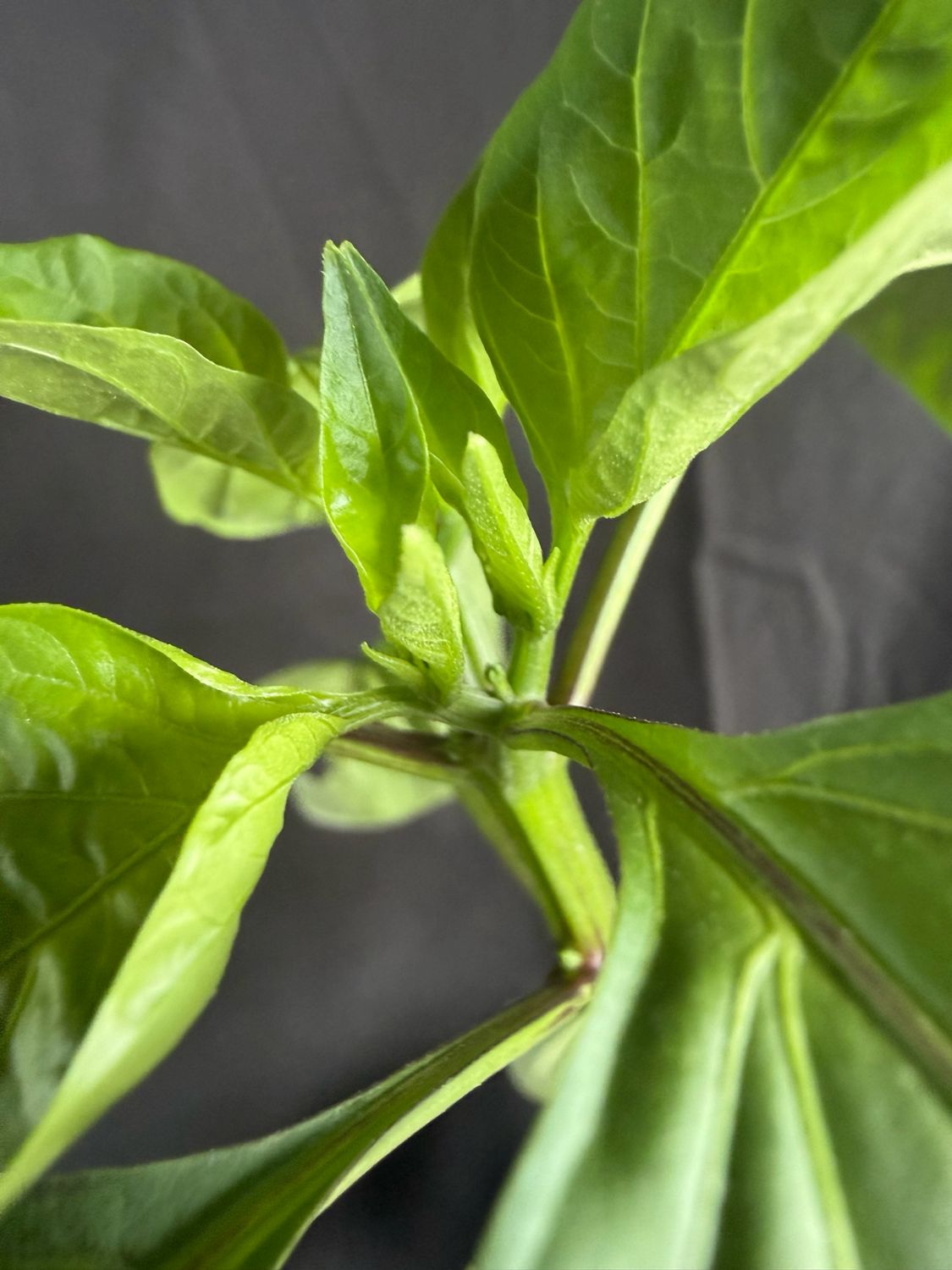
🌶️ Halaby Aleppo Pepper — (Capsicum annuum)
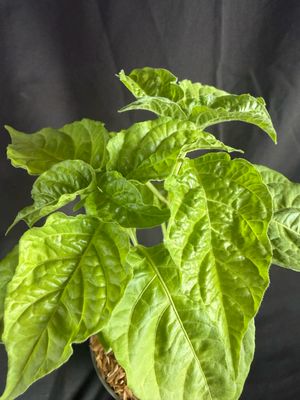
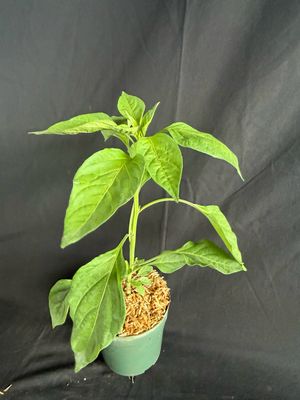
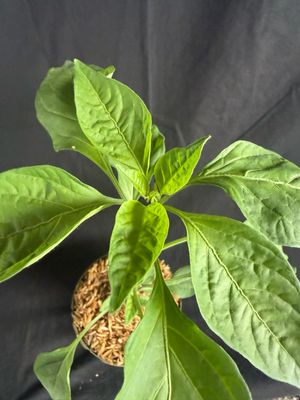
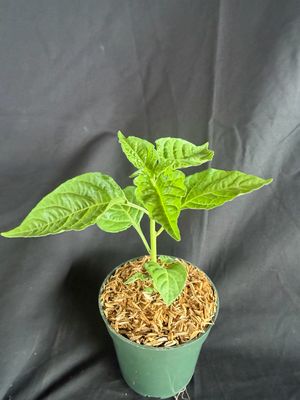
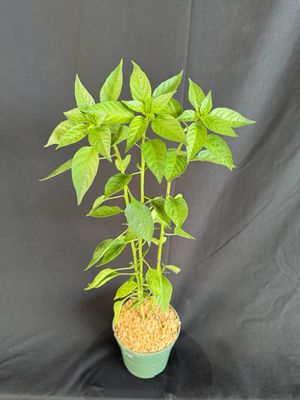
Ships as a 4" size pot
🌿 Quick Facts Guide
| Detail |
Info |
| 🪴 Ships As |
4" pot |
| 🌱 Estimated Age at Shipping |
~6–10 weeks from seed (young, actively rooting seedling) |
| 📏 Mature Height |
3–4 ft unpruned; can be kept 18–24" with regular pruning/pinching |
| 🌎 USDA Zones |
9b–11 (grown as a tender perennial); annual everywhere else |
| ☀️ Sunlight |
Full sun (6+ hrs); light afternoon shade in peak Florida summer helps |
| 💨 Wind & Salt Tolerance |
Moderate wind tolerance once established (stake if exposed); low salt tolerance — keep away from direct salt spray |
| 🥶 Cold Hardiness |
Damaged below 40°F, killed by frost/freeze — bring containers in or treat as annual outside zone 9b+ |
| 🌶️ Heat Level |
~5,000–10,000 SHU (mild-hot, milder than cayenne) |
| 📐 Spacing |
14–24" apart in-ground; 3 ft between rows |
| 🍅 Days to Maturity |
75–90 days from transplant |
You know that little jar of red flakes the fancy restaurants keep next to the salt & pepper? That's not crushed red pepper — that's Aleppo. And you can grow it in your own backyard. 🌶️
If you've cooked with Aleppo pepper, you already know it isn't just "spicy" — it's fruity, a little tangy, faintly smoky, with an almost sun-dried-tomato sweetness underneath the heat. If you haven't cooked with it yet, buckle up, because once this plant starts fruiting on your patio you'll be reaching for it more than salt. This isn't a pepper you sprinkle for a dare — it's a pepper you sprinkle because dinner needs it.
At GreenDreams, we grow our Aleppo pepper starts organically, right here in Florida, so you get a plant that's already acclimated to the heat, humidity, and thunderstorm-every-afternoon lifestyle of the Southeast — while still shipping strong to gardeners across the country.
📖 The Story Behind the Spice
Aleppo pepper takes its name from the ancient Syrian city of Aleppo, one of the oldest continuously inhabited cities on earth and, for centuries, a major stop along the Silk Road spice trade. Locally it's known as Halaby pepper — "Halaby" simply meaning "from Aleppo." For generations, Syrian and broader Levantine farmers dried the ripe red pods, cured them lightly with salt, and crushed them into the rustic, semi-oily flakes that chefs now can't stop talking about.
The pepper's history took a hard turn during the Syrian civil war, when much of the region's traditional Aleppo pepper cultivation was disrupted, pushing growers and seed savers around the world to preserve the variety outside its homeland. It's now listed with Slow Food's Ark of Taste, a project dedicated to protecting foods at risk of disappearing — and in September 2023, the Herb Society of America even named it their Herb of the Month. Not bad for a pepper that started as a humble regional spice. 🌍
🍽️ Flavor Profile
- Taste: Fruity, tangy, and earthy — often described as a blend of sun-dried tomato, cumin, and a touch of raisin sweetness, with a slow, warm heat that builds rather than blasts.
- Heat: Roughly 5,000–10,000 Scoville Heat Units — hotter than a jalapeño, but nowhere near cayenne territory. Approachable heat with real personality.
- Texture (dried/flaked): Traditionally cured with a little salt and olive oil rather than bone-dried, giving Aleppo flakes their signature semi-oily, coarse, "sticky" texture — completely different from the dusty crushed red pepper in most spice racks.
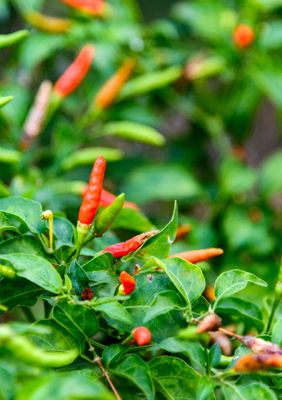
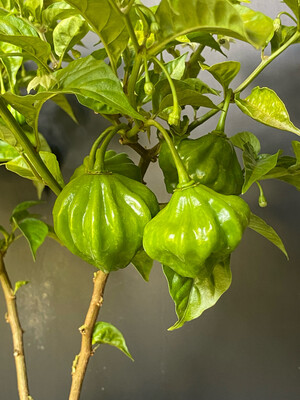
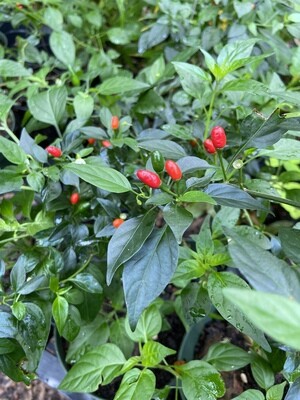
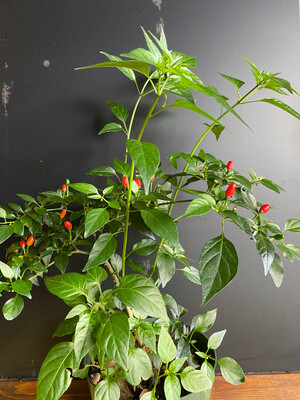
- Fresh pods: Elongated, 4–6" long, ripening from green to a deep, almost burgundy red.
🌱 Plant Appeal & Growth Habits
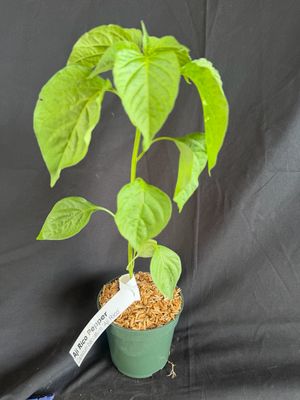
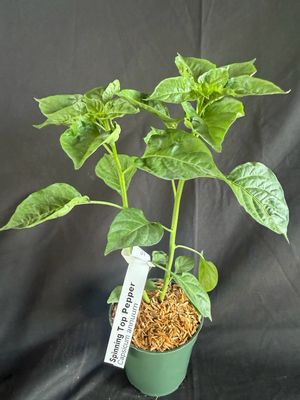
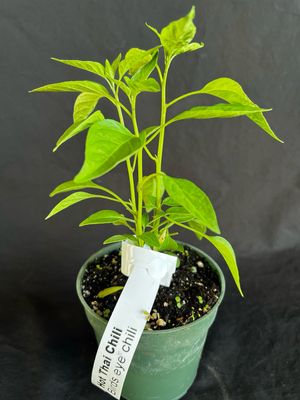
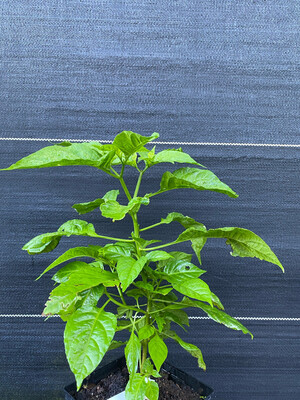
- Habit: Upright, bushy, self-branching plant that fills out nicely in a container or garden bed.
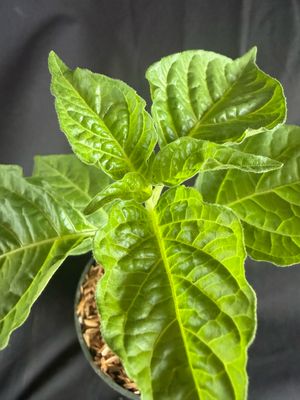
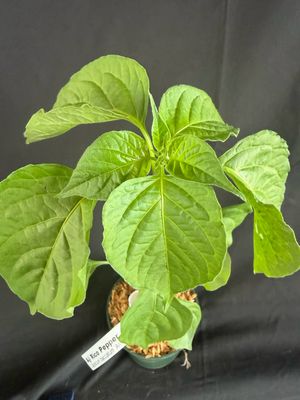
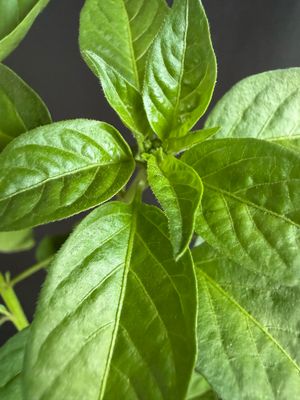
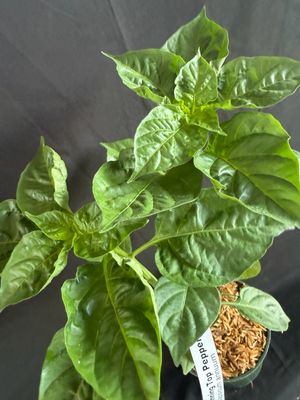
- Foliage: Deep green, glossy, tapered leaves typical of Capsicum annuum — attractive enough to double as an ornamental edible in a landscape bed.
- Fruit set: A single well-established plant can produce dozens of pods over a season. Pollinator activity (bees, especially) boosts fruit set considerably — more on companion planting below. 🐝
- Growth pace: Fast for a pepper. Expect flowering within 6–8 weeks of transplant in warm weather, with first ripe pods 75–90 days after transplanting out.
- Staking: Because mature plants can reach 3–4 ft and get heavy with fruit, a simple stake or tomato cage keeps things tidy and prevents branches from snapping under a good harvest.
🌤️ Seasonal Guide — Florida & the Southeast (Zones 8–10)
Aleppo pepper is grown as an annual in most of the continental US, though in true zone 9b–11 climates (like South and Central Florida), it can behave as a short-lived tender perennial if protected from frost.
- Spring: Plant out after all danger of frost has passed and nighttime temps stay above 55°F. This is prime planting season in Central Florida.
- Summer: Peak growth and flowering. Florida's heat and humidity suit this pepper well, though a little afternoon shade during the most brutal July/August stretch helps prevent blossom drop.
- Fall: Second flush of flowering and fruiting as temperatures ease — often the most productive harvest window in Florida.
- Winter: In zone 9b+, plants may survive a mild winter and resprout in spring if protected from frost (fabric cover, bring containers indoors on cold nights). In zones 8 and cooler, treat as an annual and expect the plant to be killed by frost — save seed or start fresh in spring.
🌿 Top Benefits of Growing Aleppo Pepper
- Heavy producer — a single plant yields dozens of pods per season
- Compact enough for patios, raised beds, or in-ground landscape plantings
- Dual-purpose: delicious fresh and as a dried, crushed spice
- Attracts pollinators when in flower
- A rare, at-risk heirloom variety — growing it helps preserve agricultural biodiversity
- Ornamental value — glossy foliage and colorful ripening pods
🍅 Culinary Uses & Applications
Aleppo pepper functions almost like a seasoning salt in the kitchen — used generously, not sparingly, to build flavor into a dish rather than just add heat.
- Dips & spreads: The backbone of muhammara (Syrian roasted red pepper and walnut dip) and a common addition to baba ganoush and hummus.
- Meat & seafood: Excellent as a dry rub or marinade base for grilled chicken, lamb kebabs, and baked or grilled fish.
- Everyday finishing spice: Sprinkle over eggs, pizza, roasted vegetables, or salads the way you'd use crushed red pepper — but with far more depth.
- Fresh use: Chop the fresh pod into stews, sauces, or roasted dishes for a milder, brighter version of the flavor before drying concentrates it.
Most common preparation: Pods are sun-dried or dehydrated, lightly cured with salt (and sometimes a touch of olive oil), then crushed into coarse flakes — the traditional Aleppo/Halaby pepper flakes found in Middle Eastern and Mediterranean pantries.
🩺 Nutritional & Traditional Notes
Like most Capsicum peppers, Aleppo pepper contains capsaicin, along with vitamin C and carotenoids concentrated in the ripe red flesh. In traditional Levantine and broader Middle Eastern kitchens, it's valued as much for warming, appetite-stimulating qualities as for flavor — though as with any spice, this is culinary tradition rather than medical guidance, and we always suggest checking with your doctor about dietary changes.
🏡 Growing as an Ornamental
Aleppo pepper isn't just a workhorse in the kitchen garden — its neat, bushy habit and glossy foliage make it a great edible accent in a mixed landscape bed, herb spiral, or large decorative container. Tuck it among other sun-loving edibles rather than as a lone focal point; the real showstopper moment comes when the pods start blushing from green to deep red against the dark green leaves. 🌶️
Can it be grown in a container? Yes — very well, in fact. A 5-gallon (or larger) container with excellent drainage is ideal for long-term growing.
Can it be grown indoors? Aleppo pepper can be grown indoors in a bright south-facing window or under grow lights, though it will perform best with at least 12 hours of light per day and consistent warmth (65–85°F). Indoor plants often need supplemental pollination (a gentle shake of the flowers, or a soft artist's brush) since there are no bees indoors to do the work for you.
Is it suitable for large-scale production? Yes — it's grown commercially in Syria and increasingly by small farms preserving the variety elsewhere. For production plantings, space rows 3 ft apart with plants 18–24" apart within the row, and stake or trellis to support heavy fruit loads.
🪴 Planting & Transplanting Aleppo Pepper — Step by Step
Your Aleppo pepper will arrive in its 4" pot. Leave it in that pot until you see fresh new growth — this tells you the plant has recovered from transit shock and is ready for its next home.
When to Transplant
Wait about 30 days, or until new growth appears, before moving your Aleppo pepper into a larger container or the ground. The best time to transplant is once roots are visibly crowding the current pot.
How to Transplant Up in Size
As Aleppo pepper grows, roots will eventually outgrow their container. A general sizing path looks like: 4" → 1 gallon → 3 gallon → 7 gallon and up, moving one size up at a time rather than jumping straight to a huge pot (oversized containers hold excess moisture and can stress young roots). When you find roots circling the bottom or sides of the pot, it's time to size up. You can find larger nursery containers and quality potting soil through garden centers, hydroponic supply shops, or local community garden exchanges — a quick search for "nursery containers near me" or "bulk potting soil [your city]" is a great place to start.
Potting Soil for Aleppo Pepper
Aleppo pepper wants a light, fast-draining mix — think a base of quality potting soil amended with perlite or coarse sand for drainage, plus compost or worm castings for nutrition. Peppers dislike "wet feet," so avoid heavy, moisture-retentive blends.
Planting In-Ground — GreenDreams "High & Tight" Method
- Dig the hole only slightly wider than the container, and at the same depth as the root ball — never deeper.
- Backfill with compost or native soil, packing gently around the root ball without burying the stem too deep. Planting "high & tight" (root ball sitting slightly proud of grade) helps prevent crown rot in Florida's humid, rainy climate.
- Top dress with a blend of biochar, compost, azomite, and your organic nutrients of choice.
- Mulch with hardwood mulch around — not against — the base of the plant, to lock in moisture and regulate soil temperature. 🍁
- Watch our planting walkthrough here: GreenDreams Fruit Tree Planting Guide
Where to plant: Full sun, well-draining soil, and some shelter from strong, sustained wind. Avoid low-lying areas that collect standing water after Florida's summer storms.
💧 Watering Guide
Containers: Aleppo pepper in a pot typically needs water daily during warm weather, since containers dry out fast. Check the top inch of soil — if it's dry, it's time to water.
In-ground: We recommend drip irrigation over overhead misting to keep foliage dry and reduce fungal issues. A good starting schedule is daily watering during Florida's dry season (roughly fall through spring), tapering as summer rains pick up. Always let plant appearance and soil moisture guide adjustments — wilting in the cool morning hours is a better stress signal than afternoon droop (which is often just normal heat response).
✂️ Pruning & Seasonal Care
- Early pruning: Pinch the growing tip once the plant reaches 6–8" tall to encourage bushier branching and more fruiting sites.
- Ongoing maintenance: Remove any yellowing, damaged, or crossing branches to improve airflow — critical in Florida's humidity.
- Staking: Once the plant is loaded with fruit, a simple stake or small cage prevents branches from snapping.
- Fertilizing: Feed with a balanced organic fertilizer every 4–6 weeks, especially as flowering begins. Avoid excess nitrogen once flowering starts, or you'll get lush leaves and fewer peppers.
- Winter care (zone 9b+): If keeping as a perennial, cut back lightly after the first light cold snap and mulch the root zone. Protect with frost cloth on nights below 40°F.
⚠️ Cautions
- Not frost-tolerant — protect or bring containers indoors below 40°F.
- Low salt tolerance — avoid direct coastal salt spray.
- Can cross-pollinate with other pepper varieties if grown near them and you intend to save true-to-type seed; isolate by 100+ feet or hand-pollinate for seed saving purposes.
- As with any hot pepper, use gloves when handling large quantities of dried pods or flakes to avoid skin/eye irritation.
🙋 Is This Plant For Me?
Great fit for you if:
- You cook Mediterranean, Middle Eastern, or globally-inspired food and want fresh, homegrown flavor
- You have a sunny patio, raised bed, or garden spot in zones 8–11
- You want a productive, compact edible that also looks good in a landscape planting
- You're interested in growing a rare heirloom variety with real cultural history
Maybe not the best fit if:
- You're in a climate with short summers and no ability to start seedlings/transplants early (though our 4" starts help solve this!)
- You don't have full sun exposure (6+ hours) available
- You're looking for a "set it and forget it" plant with zero watering needs — peppers in containers need consistent attention
🌼 Companion Planting Guide
Pair your Aleppo pepper with plants that support pollination, soil health, and pest resistance:
| Companion |
Why It Helps |
| Mexican Sunflower (Tithonia) |
Pollinator magnet — draws bees that boost fruit set |
| Clumping grasses |
Great "chop & drop" biomass for mulch and soil building |
| Nitrogen-fixing legumes |
Naturally feed the soil around heavy-feeding peppers |
| Basil, marigold |
Classic pest-deterrent companions that also look great planted together |
(Ask us about which of these companion plants we currently have in stock!) 🌻
🔍 Troubleshooting Guide — Aleppo Pepper
| Problem |
Likely Cause |
Organic Fix |
| Flowers dropping, no fruit |
Extreme heat, inconsistent watering, or low pollinator activity |
Provide light afternoon shade in peak summer, keep watering consistent, hand-pollinate if needed |
| Yellowing leaves |
Overwatering or nitrogen deficiency |
Check drainage first; if soil is dry, feed with a balanced organic fertilizer |
| Spotted or curling leaves |
Fungal disease (common in humid Florida summers) |
Improve airflow, avoid overhead watering, remove affected leaves promptly |
| Aphids or whitefly |
Common pepper pests |
Insecticidal soap or neem oil, encourage beneficial insects like ladybugs |
| Slow growth after transplant |
Normal transplant shock |
Keep in original pot until new growth appears, avoid overwatering during recovery |
| Peppers staying green |
Cooler temps or insufficient sunlight |
Be patient — full sun and warm weather speed ripening to red |
❓ FAQ
Is Aleppo pepper the same as crushed red pepper flakes? No — Aleppo flakes are lightly salted and slightly oily, with a fruitier, milder, more complex flavor than standard crushed red pepper.
How hot is Aleppo pepper compared to a jalapeño? Aleppo pepper generally runs 5,000–10,000 SHU, making it noticeably hotter than a jalapeño (2,500–8,000 SHU) but far milder than cayenne.
Can I grow Aleppo pepper in a pot on my patio? Yes — a 5-gallon or larger container with well-draining soil works great, and it's one of the best ways to control the plant's size.
Will my Aleppo pepper plant come back next year? In true tropical/subtropical zones (9b–11) with frost protection, it can act as a short-lived perennial. In cooler zones, treat it as an annual.
How long until I get peppers? Roughly 75–90 days from transplant to first ripe, red pods.
📦 Shipping Details
We ship Aleppo pepper (4" pot) via UPS Ground from our Florida greenhouse every Monday. This size is best suited for customers in Florida, the Southeastern US, and Texas, where transit times are shortest.
- We're happy to ship across the northern and western US as well, but please note: we are not responsible for the plant's condition upon arrival outside of manufacturing/handling defects. Plants may need a short recovery period after transit stress — this is normal.
- Buyer discretion advised for shipments during peak summer heat or winter cold — we are not responsible for temperature-related transit damage, and orders are placed at buyer's risk during extreme weather windows.
- Customers in the western/northern US should note that extended UPS Ground transit times may not be ideal for smaller starts like this one. California shipments may be held an additional day for agricultural inspection, which can further extend delivery. We are not responsible for delivery delays or damage related to ground shipping — though most plants recover beautifully with a little TLC.
- For long-distance or northern/western shipping, consider ordering a larger, more established size if available, as they typically handle transit better.
- Always leave your plant in its original pot until transplant shock has passed and new growth appears — usually about 30 days.
🏡 Local Pickup
Love to shop in person? We've got you covered — and we carry countless plants in larger sizes at the nursery that never make it online!
GreenDreams Nursery & Farm 🌾 18709 US Hwy. 41, Spring Hill, FL 34610 🕘 Tues–Fri 9AM–5PM | 🌞 Sat 8AM–3PM 🌿 Stop by our regenerative nursery to see what's blooming this week! 🌸
🌿 Beyond the Plant: GreenDreams Services
At GreenDreams, we do more than grow plants — we design, build, and restore ecosystems across Florida.
🌳 Onsite consultations & edible landscape design 🚜 Installation & project management 🚚 Bulk delivery of compost, mulch, biochar, and soil materials 🌾 Wholesale & large-scale regenerative solutions
Let our team help you create your own thriving edible paradise — starting with your Aleppo pepper! 🌿
🌿 IMPORTANT INFORMATION BEFORE PURCHASING LIVE PLANTS
Please note: Plants purchased through our online store are not available for pickup at our retail nursery in Spring Hill, Florida.
Online inventory is housed at a separate facility and is priced, prepared, and handled exclusively for shipping.
🌱 Looking for larger plants or more selection?
Our retail nursery location offers far more availability, including larger sizes, specialty plants, and many selections not suitable for nationwide shipping.
Local pickup is available for retail nursery purchases only.
Visit our Spring Hill, FL retail nursery page to explore in-person shopping options.
🚚 LIVE PLANT SHIPPING & TRANSIT EXPECTATIONS
Live plants naturally experience stress during shipping. Temporary leaf drop, mild wilting, or cosmetic stress is normal after transit. Most plants recover quickly with proper watering, gradual light exposure, and basic aftercare. Some plants may require additional attention during the first few weeks.
Despite careful packing, minor cosmetic damage may occur during transit. Small issues such as broken leaves or stems typically resolve with time and proper care.
If your shipping box arrives with significant external damage, please contact UPS within 30 days to initiate a carrier claim.
⏱️ SHIPPING METHOD, TIMING & TRANSIT WINDOWS
All online orders ship via UPS Ground from our Central Florida nursery.
📦 Shipping Schedule: Orders ship once weekly on Mondays to reduce the risk of packages sitting in transit over weekends. A countdown clock on our website displays the next shipping date.
🚚 Typical Transit Times:
-
Florida: 1–2 days
-
Southern U.S.: approximately 2 days
-
Midwest, West & Northern U.S.: 3–5 business days
Long-distance shipments, particularly to the western U.S., may experience additional transit time due to agricultural inspections in states such as Arizona, California, and Texas.
Extended transit times can be more challenging for small or tender plants and may require additional recovery care after arrival.
🌡️ EXTREME WEATHER & SEASONAL RISK
Live plants are sensitive to temperature extremes.
We cannot guarantee plant condition during periods of extreme summer heat or winter cold and freezing temperatures. Weather-related delays, carrier interruptions, or exposure during delivery are beyond our control.
Customers are responsible for:
-
Monitoring tracking information sent via email
-
Retrieving packages promptly upon delivery
-
Preventing plants from being left outdoors in extreme conditions
During unsafe weather, holiday shipping volume, or extended transit risk, orders may be held and shipped the following week to protect plant health.
⚠️ CUSTOMER RESPONSIBILITY & REFUND POLICY
By purchasing live plants, customers acknowledge and accept the risks associated with shipping, weather exposure, transit delays, and regional suitability.
Refunds or replacements are considered only under exceptional circumstances and in accordance with our return and refund policy. We are not responsible for:
-
Weather-related damage
-
Carrier delays
-
Poor plant selection for a given climate or region
-
Improper care after delivery
Upon purchase, customers assume full responsibility for the ongoing care and success of their plants.
✅ CONSENT & AGREEMENT
By completing a purchase, you confirm that you have read, understand, and agree to all shipping policies, responsibilities, and conditions outlined above.
Our goal is transparency, plant health, and long-term growing success — and we appreciate your understanding and care when ordering live plants.


