


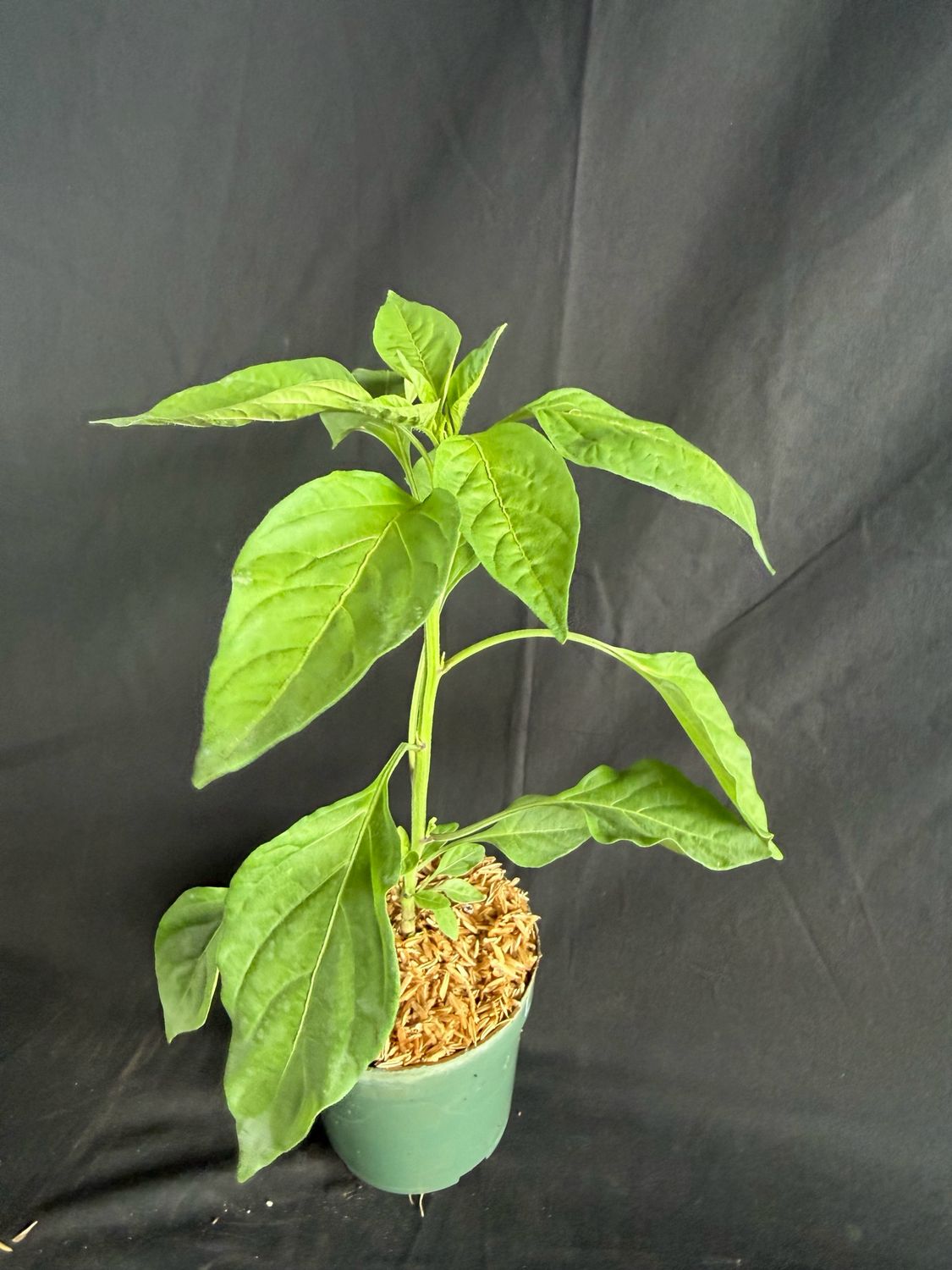
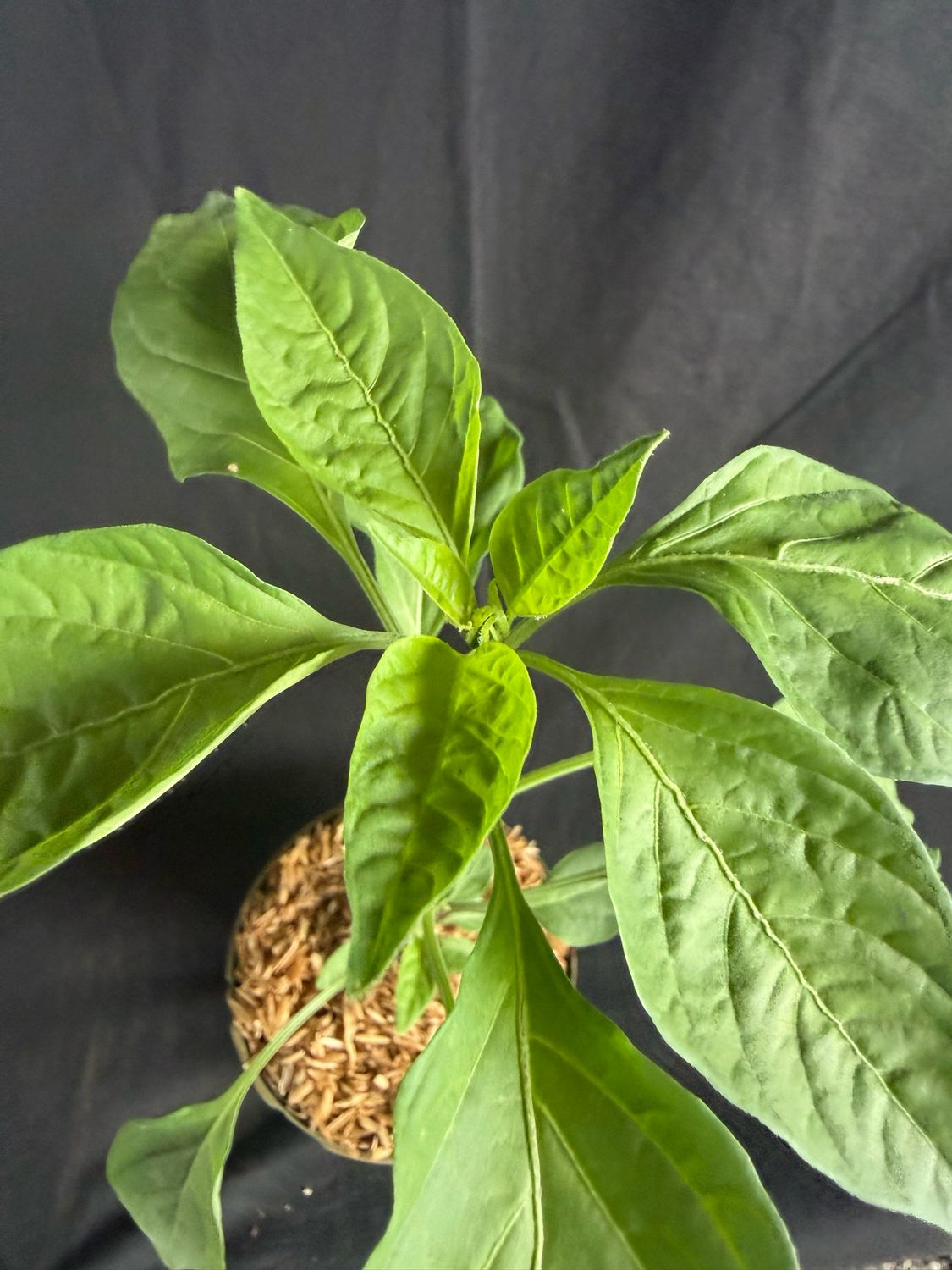
🌶️ Yellow Scotch Bonnet Pepper (Capsicum Chinense)
Available in a 4" Pot — Your Caribbean Garden Starts Small & Mighty
Ever met a pepper with island energy? The Yellow Scotch Bonnet isn't just heat — it's a whole vibe. Sweet, fruity, sunshine-colored, and packing enough Scoville punch to make your jerk chicken legendary, this little plant is about to become the MVP of your garden. Grown organically and shipped to you as a healthy, established 4" starter, this pepper is ready to settle into your landscape (or your favorite patio pot) and start its journey toward hundreds of fiery, citrus-kissed pods. 🔥
If you've ever wondered why real Jamaican jerk tastes nothing like the bottled stuff at the grocery store — this is your answer. Let's get you growing.
🍋 Quick Facts Guide
| Category |
Details |
| Botanical Name |
Capsicum chinense 'Yellow Scotch Bonnet' |
| Shipped Size |
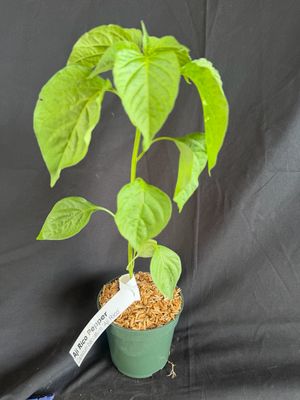
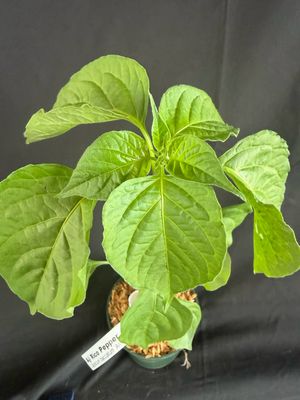
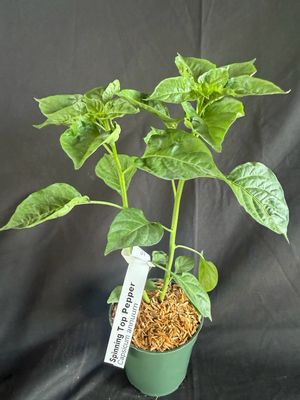
4" pot (nursery starter size) |
| Estimated Age at Shipping |
Roughly 6–10 weeks old from seed/cutting — young, vigorous, and just past the true-leaf stage |
| Mature Height |
2–4 ft unpruned; 18–24" if kept pruned/compact |
| Growth Habit |
Bushy, branching, self-supporting shrub |
| USDA Growing Zones |
Perennial in zones 9–12; grown as a warm-season annual (or overwintered indoors) in zones 8 and below |
| Sunlight |
Full sun (6–8+ hours) |
| Wind Tolerance |
Moderate — benefits from a wind-sheltered spot or staking when fruit-heavy |
| Salt Tolerance |
Low to moderate — not a true coastal plant, keep away from direct salt spray |
| Cold Hardiness |
Damaged below 40°F, killed by hard frost/freeze |
| Days to Harvest |
90–120 days from transplant |
| Heat Level |
100,000–350,000 Scoville Heat Units 🌶️🌶️🌶️ |
| Spacing |
20–24" apart in rows 30–36" apart |
| Container Friendly? |
Yes ✅ |
| Indoor Friendly? |
Yes, with strong light ✅ |
🌺 The Story Behind the Bonnet
This pepper has serious roots — literally. The Yellow Scotch Bonnet traces its lineage back to the wild lowlands of the Amazon Basin, where early Capsicum chinense varieties first grew. From there, the Taíno people carried the pepper by canoe across the Caribbean centuries before European contact, alongside other staples like cassava. By the time it reached Jamaica, it had become woven into the island's identity — eventually becoming the fiery backbone of jerk seasoning, a cooking tradition later shaped by the Maroons, who blended Taíno smoking techniques with West African culinary traditions.
So where does the funny name come from? The pepper's rounded, ruffled shape reminded Scottish settlers on Caribbean plantations of the traditional tam o'shanter — a flat wool bonnet — and the nickname stuck. Today, it's grown across the Caribbean, West Africa, Sri Lanka, and the Maldives, and it remains one of the most recognizable and beloved chile peppers on Earth. 🌍
🌿 Plant Appeal & Appearance
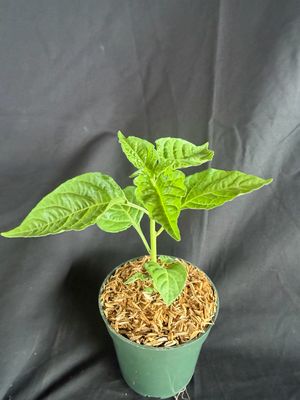
The Yellow Scotch Bonnet is as good-looking as it is useful. Expect:
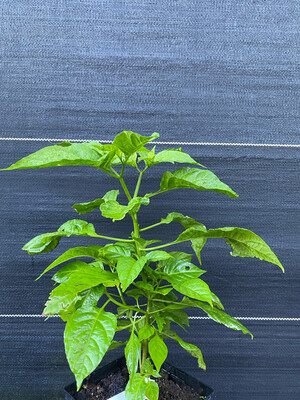
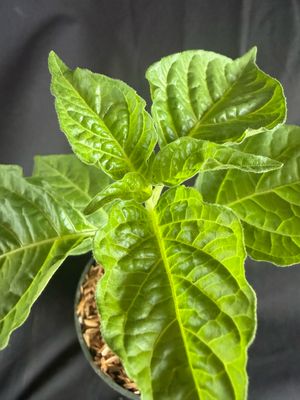
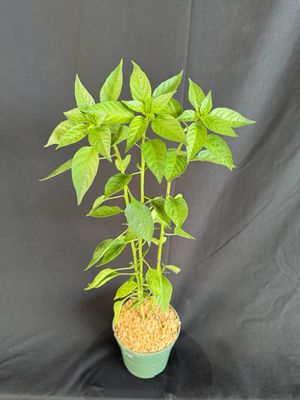
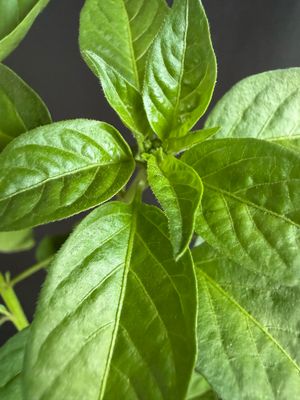
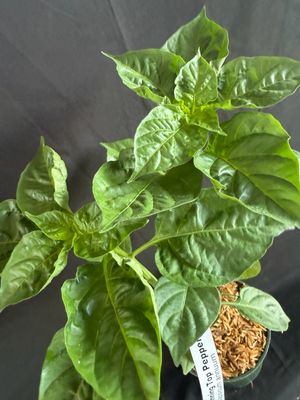
- Foliage: Glossy, deep-green oval leaves on a dense, branching frame
- Structure: A compact, shrubby form that fills out beautifully — great as a focal point in an edible bed or a striking container specimen
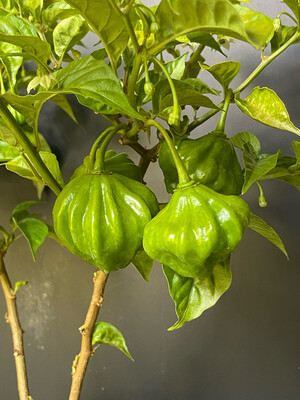
- Fruit: Small, wrinkled, lantern-shaped pods (roughly 1–2.5") that ripen from green to a brilliant golden-yellow
- Flowers: Delicate white star-shaped blossoms that pollinators love before each pepper forms
It's the kind of plant that turns heads on the porch — golden pods glowing against dark green leaves like little edible lanterns. 🏮
🔥 Flavor Profile & Culinary Uses
Let's talk flavor, because this is where the Yellow Scotch Bonnet really earns its reputation. Unlike sharper, more bitter hot peppers, this one brings fruity, tropical sweetness — think apple, citrus, and a touch of cherry — layered underneath serious, lingering heat. The flesh is thin-walled but juicy, and the flavor builds slowly before settling into a long, warm finish.
How it's used around the world:
- 🇯🇲 Jamaica: The essential ingredient in jerk marinade, paired with allspice, thyme, garlic, and ginger; also found in curry goat, escovitch fish, pepper pot soup, and rice and peas
- 🌶️ West Africa: A staple in pepper soups, stews, and sauces
- 🏝️ Wider Caribbean: Used across Haitian, Trinidadian, and Grenadian cooking for hot sauces, marinades, and condiments
- 🍹 Modern kitchens: Increasingly popping up in craft hot sauces, spicy cocktails, and tropical salsas
Most common preparation: A blended Caribbean-style pepper sauce — Scotch bonnet, vinegar, garlic, mustard, and a touch of tropical fruit, blended smooth and bottled for everyday use on eggs, meats, and rice.
Safety note: The capsaicin is concentrated in the pepper's inner pith, not the seeds. Always wear gloves when handling or cutting fresh pods — trust us on this one. 🧤
🌱 Fruiting Habits & Harvest Timing
- Each healthy plant can produce 20–50+ pods per season, more with consistent feeding and a long growing season
- Flowers need consistent moisture and pollinator activity to set fruit — inconsistent watering is the #1 cause of flower drop
- Pods can be harvested at the yellow stage for peak heat, or left a little longer for maximum flavor complexity
- Florida & Gulf Coast harvest window: Because our growing season runs long, expect first ripe pods roughly 90–120 days after transplant, with harvest continuing from early summer through the first frost — often into November in Central Florida
- Cooler/northern regions: Start seeds indoors 8–10 weeks before last frost; expect a shorter single harvest window from mid-summer through early fall before plants need to come indoors
🌡️ Is This Plant Deciduous? (Perennial vs. Annual Behavior)
Good news: the Yellow Scotch Bonnet is not deciduous — it doesn't drop its leaves on a seasonal cycle the way a fruit tree does. Instead, its behavior depends entirely on your climate zone:
- Zones 9–12 (including most of Central & South Florida): This plant is a true perennial. It will stay evergreen through mild winters and simply slow its growth when temperatures dip, picking back up with vigorous new growth each spring.
- Zone 8 and cooler: Treat it as a warm-season annual, or dig and pot it up to overwinter indoors near a bright window before your first frost.
What to expect season-by-season in Central Florida & similar zone 9 climates:
- 🌸 Spring: New growth resumes, flowering begins as nights warm above 60°F
- ☀️ Summer: Peak growth and heaviest fruit set; watch for extra water needs during peak heat
- 🍂 Fall: Harvest continues; growth slows as days shorten
- ❄️ Winter: Growth pauses; plant may look sparse but is simply dormant-ish, not dead — protect from frost with a cover or bring containers indoors if a hard freeze threatens
Plants may not be available for online purchase during the coldest dormancy stretch of winter, as we prioritize healthy, actively growing stock for shipping.
🌎 USDA Zones, Sun, Wind & Salt
- USDA Zones: 9–12 for reliable perennial growth; can be grown further north as an annual or overwintered indoors
- Sunlight: Full sun is non-negotiable — 6 to 8+ hours daily for the best fruit production
- Wind: Handles typical garden breezes fine, but strong, sustained wind can snap fruit-loaded branches — a staked cage helps in exposed spots
- Salt Tolerance: Low to moderate. This is not a true beachfront plant — keep it a good distance from direct salt spray if you're coastal
🪴 Container & Indoor Growing
Yes, the Yellow Scotch Bonnet is a fantastic container plant, and yes, it can be grown indoors with the right light.
Container growing:
- Start in your 4" pot and size up as roots fill in — this plant loves a little room to stretch
- A well-draining container mix designed for vegetables/peppers is ideal — good moisture retention balanced with drainage so roots never sit wet
- Terra cotta or fabric grow bags both work well; just make sure there's a drainage hole
Indoor growing:
- Needs a very bright south-facing window or supplemental grow lighting — natural windowsill light alone is often too dim for strong fruiting
- Keep away from cold drafts and heating vents
- Great option for overwintering plants in zones 8 and cooler
⚠️ Important: Please leave your new plant in its original nursery container until it shows clear signs of new growth and has fully recovered from transplant shock — this is typically 2–4 weeks after arrival.
🌾 Transplanting & Pot Sizing Guide
As your Yellow Scotch Bonnet grows, its roots will eventually fill out its container — that's your cue to size up. A general progression looks like: 4" pot → 1 gallon → 3 gallon → 7 gallon, moving up roughly one size whenever roots begin circling the container's edge.
How to transplant:
- Wait until you see healthy new growth (usually 30 days minimum) before transplanting
- Choose a new container just one size up — avoid jumping too many sizes at once, as this can cause the soil to stay too wet for the smaller root mass
- Gently loosen the root ball, place at the same depth it was growing previously, and backfill with fresh potting mix
- Water thoroughly and keep in a sheltered spot for a few days while it adjusts
Where to find containers & soil: Local garden centers, hardware stores, and hydroponic/grow shops all carry a range of pot sizes and quality potting mixes — a quick search for "pepper potting mix" or "vegetable container soil" near you (or online) is a great place to start. Look for a well-draining blend rather than a heavy garden soil.
🌻 Best Practices for Planting & Care
Where to Plant: Choose the sunniest spot available — 6 to 8+ hours of direct light is essential for strong fruit production. Well-draining soil is a must; avoid low, soggy areas of the yard.
Planting Tips (GreenDreams "High & Tight" Method): Dig your hole only slightly wider than the container and at the same depth — never deeper. Backfill with compost or native soil, packing gently around the base without burying the stem too deep. Top-dress with a blend of biochar, compost, azomite, and your favorite organic nutrients. Add a layer of hardwood mulch around the root zone, keeping it pulled back a few inches from the main stem to prevent rot.
📺 Watch our planting walkthrough:
Watering:
- Containers: Check soil daily, especially in summer heat — potted peppers often need daily watering once established, more during fruiting
- In-ground: Drip irrigation is strongly preferred over overhead sprinklers, which can encourage foliar disease. Water deeply, roughly daily during Florida's dry season, and always check soil moisture and plant vigor before adjusting your schedule
Fertilizing: Feed every 2–3 weeks during active growth with an organic fish emulsion or balanced organic fertilizer. Avoid over-fertilizing with nitrogen — it produces lush leaves but fewer peppers.
Pruning: Light pruning to remove crossing or leggy branches encourages a fuller, more productive plant. In Florida's mild winters, a harder pruning back by about a third in late winter can rejuvenate perennial plants before spring's flush of new growth.
🌼 Ornamental & Landscape Use
Don't sleep on this plant's good looks. The Yellow Scotch Bonnet works beautifully as an ornamental edible in mixed beds, thanks to its glossy foliage and bright, dangling fruit. Tuck it into a sunny border, use it as a colorful anchor in a raised edible bed, or grow it in a decorative container on the patio — just avoid making it the sole focal point of a formal landscape bed, since it will die back or go dormant in cooler months further north.
🚜 Large-Scale & Market Growing
Yes, the Yellow Scotch Bonnet scales well for market gardeners and small commercial growers. A general spacing strategy:
- Rows spaced 30–36" apart, with plants spaced 20–24" apart within the row
- Raised beds or plastic mulch can help boost soil temperature and reduce weed pressure
- A modest planting of a few dozen plants can supply a steady stream of pods for hot sauce production, farmers market sales, or restaurant supply throughout the season
🌶️ Comparison Chart — Scotch Bonnet Varieties
| Variety |
Color at Maturity |
Flavor Notes |
Heat Level |
| Yellow Scotch Bonnet (this listing) |
Golden yellow |
Bright, citrus-forward sweetness |
100,000–350,000 SHU |
| Red Scotch Bonnet |
Brilliant red |
Fruity, slightly smoky |
100,000–350,000 SHU |
| Chocolate Scotch Bonnet |
Deep chocolate brown |
Earthy, smoky, complex |
100,000–350,000 SHU |
| MOA Scotch Bonnet |
Red/orange |
Milder, more beginner-friendly |
Lower end of the range |
(Availability of additional cultivars varies seasonally — check our current online catalog or ask us in-store!)
✅ Top Benefits of Growing This Plant
- Grows and fruits prolifically in a single warm season
- Perennial and low-maintenance in Florida's zone 9 climate
- Thrives in containers, raised beds, or in-ground plantings
- A genuinely ornamental plant that also feeds you
- Unlocks authentic Caribbean and West African cooking at home
- Rich in vitamin C and naturally high in antioxidants
- A serious conversation-starter in any garden
🌟 Is This Plant For Me?
This plant is IDEAL for you if:
- You love bold, spicy, tropical flavors in your cooking
- You want a productive, good-looking edible for a sunny bed or patio container
- You're in Florida, the Gulf Coast, or another warm-season zone
- You enjoy making homemade hot sauce, marinades, or jerk seasoning
This plant is NOT ideal for you if:
- You're looking for a mild, kid-friendly pepper (this one is seriously hot!)
- Your space gets less than 6 hours of direct sun
- You live in a zone with long, harsh winters and don't want to overwinter plants indoors
🐝 Companion Planting Guide
Give your Yellow Scotch Bonnet some friends! Great companions from our own GreenDreams collection include:
- Pollinator magnets: Mexican sunflower (Tithonia) draws in the bees and beneficial insects that boost fruit set
- Biomass & chop-and-drop companions: Clumping grasses build organic matter and can be cut back to mulch in place, feeding the soil around your pepper
- Aesthetic companions: Try pairing with ornamental basil or marigolds for a pollinator-friendly, good-looking bed that also helps deter certain pests
🔍 Troubleshooting Guide
Growing Yellow Scotch Bonnet peppers in Florida and beyond? Here's how to handle the most common hiccups:
- Yellowing or curling leaves: Usually a sign of inconsistent watering or overwatering — check drainage and let the soil dry slightly between waterings ✅
- Flower drop with no fruit: Often caused by drought stress, extreme heat spikes, or inconsistent watering during flowering — keep moisture steady during bloom 🍋
- Aphids: Small clusters on new growth; treat with insecticidal soap or a strong water spray
- Bacterial leaf spot: Dark, water-soaked spots on leaves — improve air circulation, avoid overhead watering, and remove affected foliage
- Pepper weevils: Watch for small holes in developing fruit; remove and destroy affected pods promptly to prevent spread
- Slow or stalled growth in containers: Likely means it's time to size up the pot — check for roots circling the container's edge
❓ Frequently Asked Questions
How hot is the Yellow Scotch Bonnet pepper? It ranges from 100,000 to 350,000 Scoville Heat Units — similar to a habanero, but with a much fruitier, sweeter flavor.
Can I grow Yellow Scotch Bonnet peppers in a pot? Absolutely. It's one of the best hot peppers for container growing, as long as you size the pot up as the plant matures and keep it in full sun.
Is the Yellow Scotch Bonnet pepper perennial or annual? It's a true perennial in USDA zones 9–12. In cooler zones, it's typically grown as an annual or overwintered indoors.
When should I harvest my Scotch Bonnet peppers? Once pods turn from green to a full, even yellow — typically 90 to 120 days after transplanting.
Do I need to wear gloves when handling this pepper? Yes! The capsaicin oils are potent and can cause skin and eye irritation. Always wear gloves when harvesting or cutting fresh pods.
How many peppers will one plant produce? A healthy, well-fed plant typically produces 20 to 50+ pods over the course of a season.
🌿 Beyond the Plant: GreenDreams Services
At GreenDreams, we do more than grow plants — we design, build, and restore ecosystems across Florida.
- 🌳 Onsite consultations & edible landscape design
- 🚜 Installation & project management
- 🚚 Bulk delivery of compost, mulch, biochar, and soil materials
- 🌾 Wholesale & large-scale regenerative solutions
Let our team help you create your own thriving edible paradise — starting with your Yellow Scotch Bonnet pepper! 🌿
📦 Shipping Details
We ship the Yellow Scotch Bonnet pepper as a healthy 4" starter plant, best suited for shipping to Florida, the Southeastern US, and Texas. We're happy to ship across the northern and western US as well, but please note: we are not responsible for the condition of the plant upon arrival in these regions, and your plant may need a short recovery period after transit stress.
- We ship from Florida via UPS Ground, every Monday
- Buyer discretion is advised for shipments during periods of peak heat or cold — we are not responsible for extreme temperature exposure during transit
- Extended UPS Ground transit times to western or northern states may not be ideal for smaller starter plants; risk is assumed by the buyer at purchase
- California shipments may be held an additional day for agricultural inspection, which can further delay delivery
- We are not responsible for damages resulting from ground shipping, though most plants recover beautifully with a little TLC
- We recommend waiting at least 30 days, or until new growth appears, before transplanting your new arrival into a larger container or the ground
🏡 Local Pickup — See It, Touch It, Take It Home Today
Why wait for shipping when you can walk out with a bigger, more established plant today? We carry the Yellow Scotch Bonnet pepper — plus countless other sizes and varieties not available online — right here at our retail nursery.
GreenDreams Nursery & Farm 🌾 18709 US Hwy. 41, Spring Hill, FL 34610 🕘 Tues–Fri 9AM–5PM | 🌞 Sat 8AM–3PM 🌿 Stop by our regenerative nursery to see what's blooming this week! 🌸
🌿 IMPORTANT INFORMATION BEFORE PURCHASING LIVE PLANTS
Please note: Plants purchased through our online store are not available for pickup at our retail nursery in Spring Hill, Florida.
Online inventory is housed at a separate facility and is priced, prepared, and handled exclusively for shipping.
🌱 Looking for larger plants or more selection?
Our retail nursery location offers far more availability, including larger sizes, specialty plants, and many selections not suitable for nationwide shipping.
Local pickup is available for retail nursery purchases only.
Visit our Spring Hill, FL retail nursery page to explore in-person shopping options.
🚚 LIVE PLANT SHIPPING & TRANSIT EXPECTATIONS
Live plants naturally experience stress during shipping. Temporary leaf drop, mild wilting, or cosmetic stress is normal after transit. Most plants recover quickly with proper watering, gradual light exposure, and basic aftercare. Some plants may require additional attention during the first few weeks.
Despite careful packing, minor cosmetic damage may occur during transit. Small issues such as broken leaves or stems typically resolve with time and proper care.
If your shipping box arrives with significant external damage, please contact UPS within 30 days to initiate a carrier claim.
⏱️ SHIPPING METHOD, TIMING & TRANSIT WINDOWS
All online orders ship via UPS Ground from our Central Florida nursery.
📦 Shipping Schedule: Orders ship once weekly on Mondays to reduce the risk of packages sitting in transit over weekends. A countdown clock on our website displays the next shipping date.
🚚 Typical Transit Times:
-
Florida: 1–2 days
-
Southern U.S.: approximately 2 days
-
Midwest, West & Northern U.S.: 3–5 business days
Long-distance shipments, particularly to the western U.S., may experience additional transit time due to agricultural inspections in states such as Arizona, California, and Texas.
Extended transit times can be more challenging for small or tender plants and may require additional recovery care after arrival.
🌡️ EXTREME WEATHER & SEASONAL RISK
Live plants are sensitive to temperature extremes.
We cannot guarantee plant condition during periods of extreme summer heat or winter cold and freezing temperatures. Weather-related delays, carrier interruptions, or exposure during delivery are beyond our control.
Customers are responsible for:
-
Monitoring tracking information sent via email
-
Retrieving packages promptly upon delivery
-
Preventing plants from being left outdoors in extreme conditions
During unsafe weather, holiday shipping volume, or extended transit risk, orders may be held and shipped the following week to protect plant health.
⚠️ CUSTOMER RESPONSIBILITY & REFUND POLICY
By purchasing live plants, customers acknowledge and accept the risks associated with shipping, weather exposure, transit delays, and regional suitability.
Refunds or replacements are considered only under exceptional circumstances and in accordance with our return and refund policy. We are not responsible for:
-
Weather-related damage
-
Carrier delays
-
Poor plant selection for a given climate or region
-
Improper care after delivery
Upon purchase, customers assume full responsibility for the ongoing care and success of their plants.
✅ CONSENT & AGREEMENT
By completing a purchase, you confirm that you have read, understand, and agree to all shipping policies, responsibilities, and conditions outlined above.
Our goal is transparency, plant health, and long-term growing success — and we appreciate your understanding and care when ordering live plants.


