


🌿 Okinawan Spinach (Gynura bicolor) — Purple-Backed Edible Beauty
A Heat-Loving Leafy Green That Looks as Good as It Tastes
Why settle for an ordinary green when your edible landscape can serve up rich color, tropical texture, and repeat harvests?
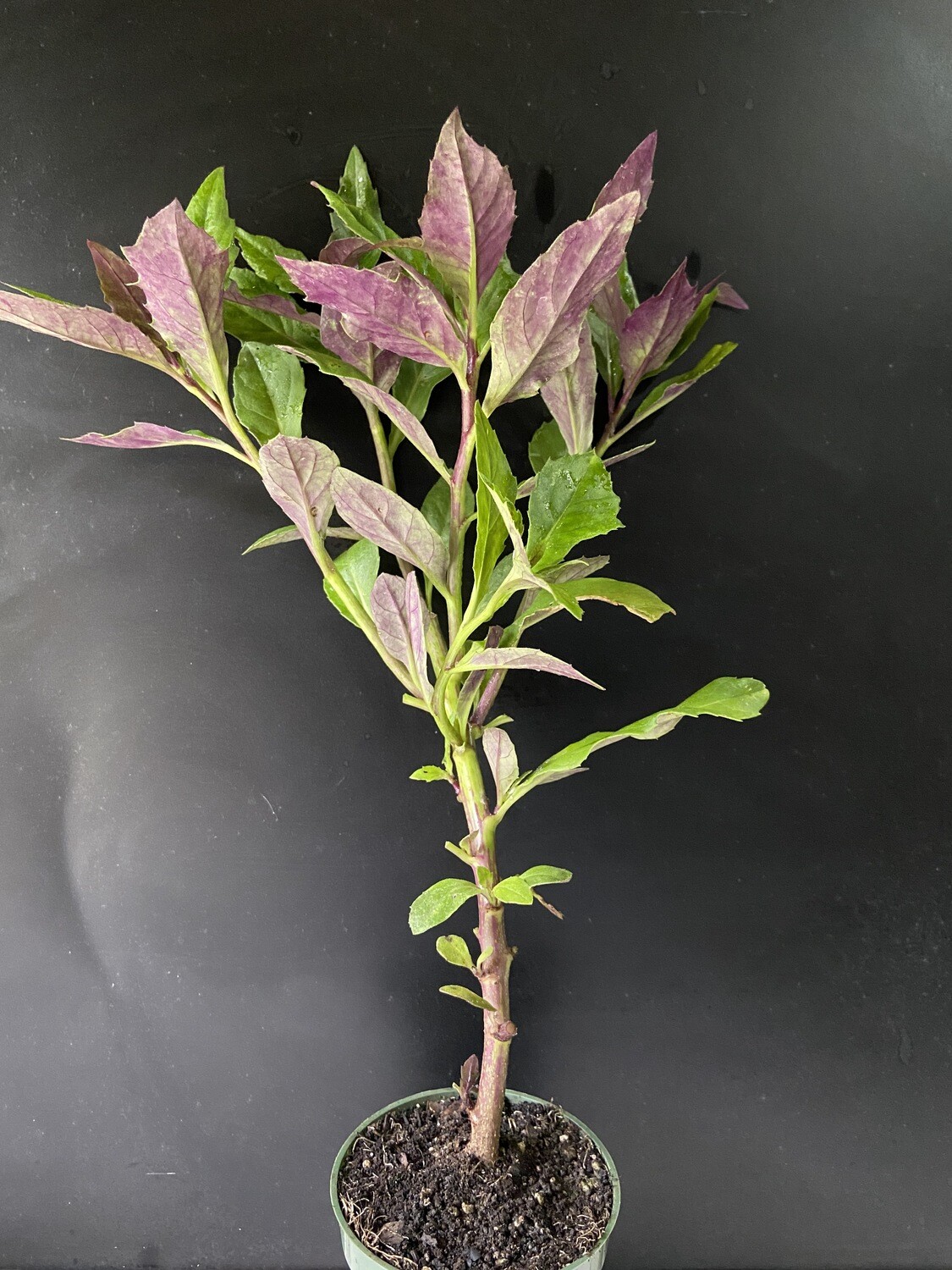
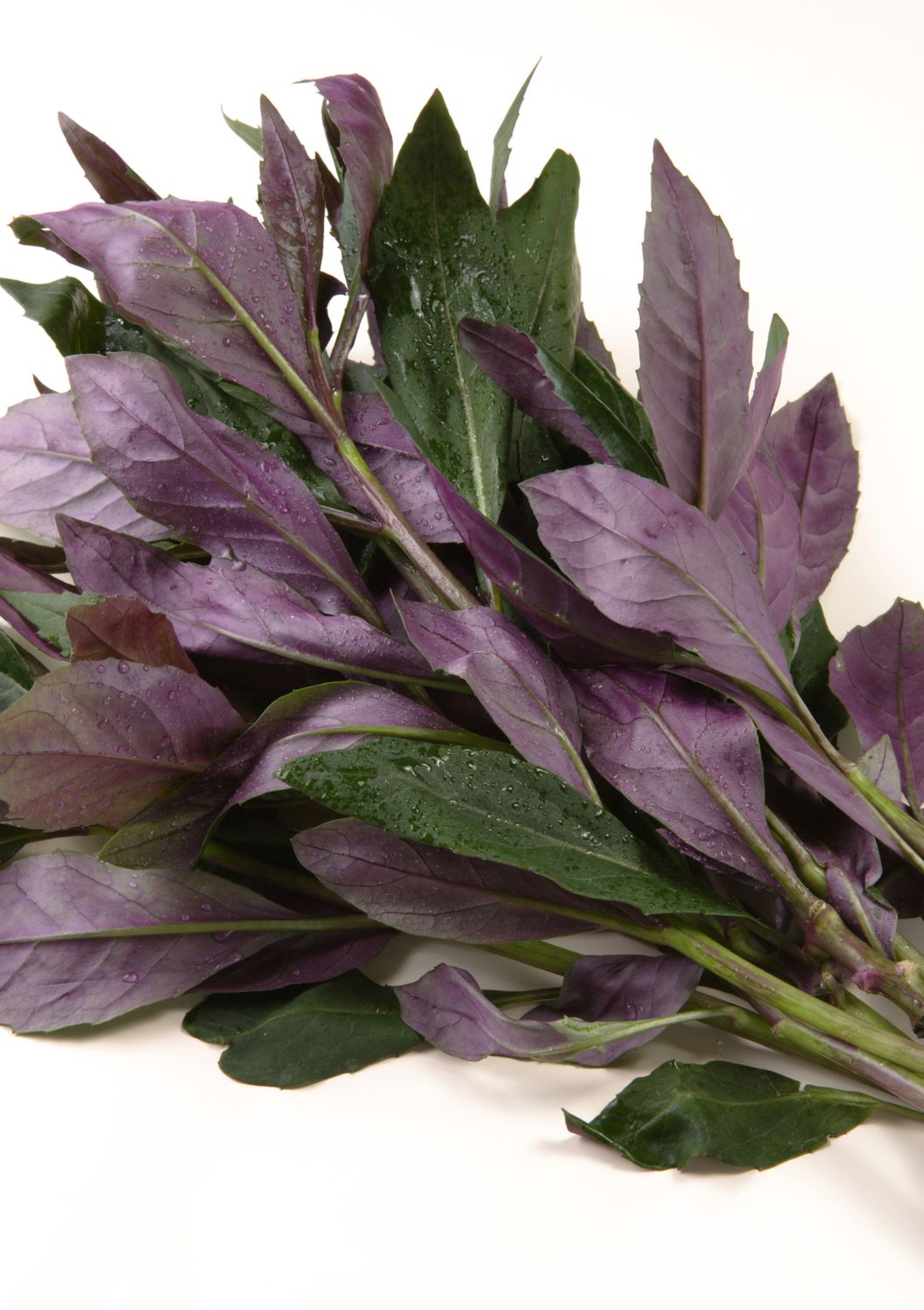
Okinawan Spinach (Gynura bicolor) is a beautiful perennial vegetable known for its vivid green leaves and dramatic purple undersides. It delivers tender, mild-flavored foliage through warm weather, making it one of our favorite alternatives to traditional spinach for Florida gardens and other hot, humid regions.
Grow it as an edible border, tuck it beneath fruit trees, let it spill from a patio container, or create a colorful patch that can be harvested again and again. This is the kind of useful plant that makes people stop, look twice, and then ask whether they can eat it.
The answer is yes—and that is exactly what makes it so much fun.
🌿 Quick Facts Guide
| Category | Details |
|---|---|
| Botanical Name | Gynura bicolor |
| Common Name | Okinawan Spinach |
| Plant Type | Tropical perennial leafy vegetable |
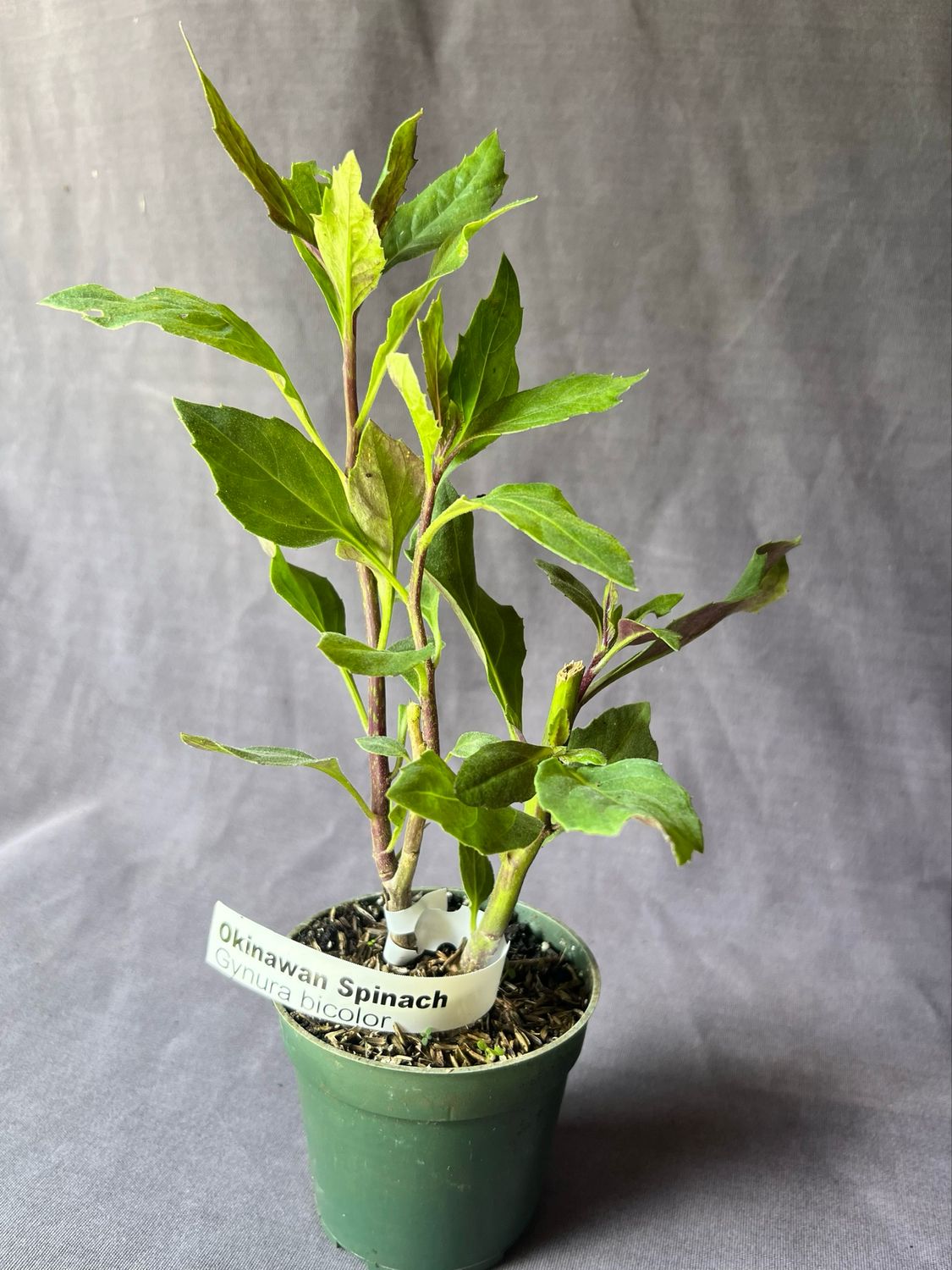
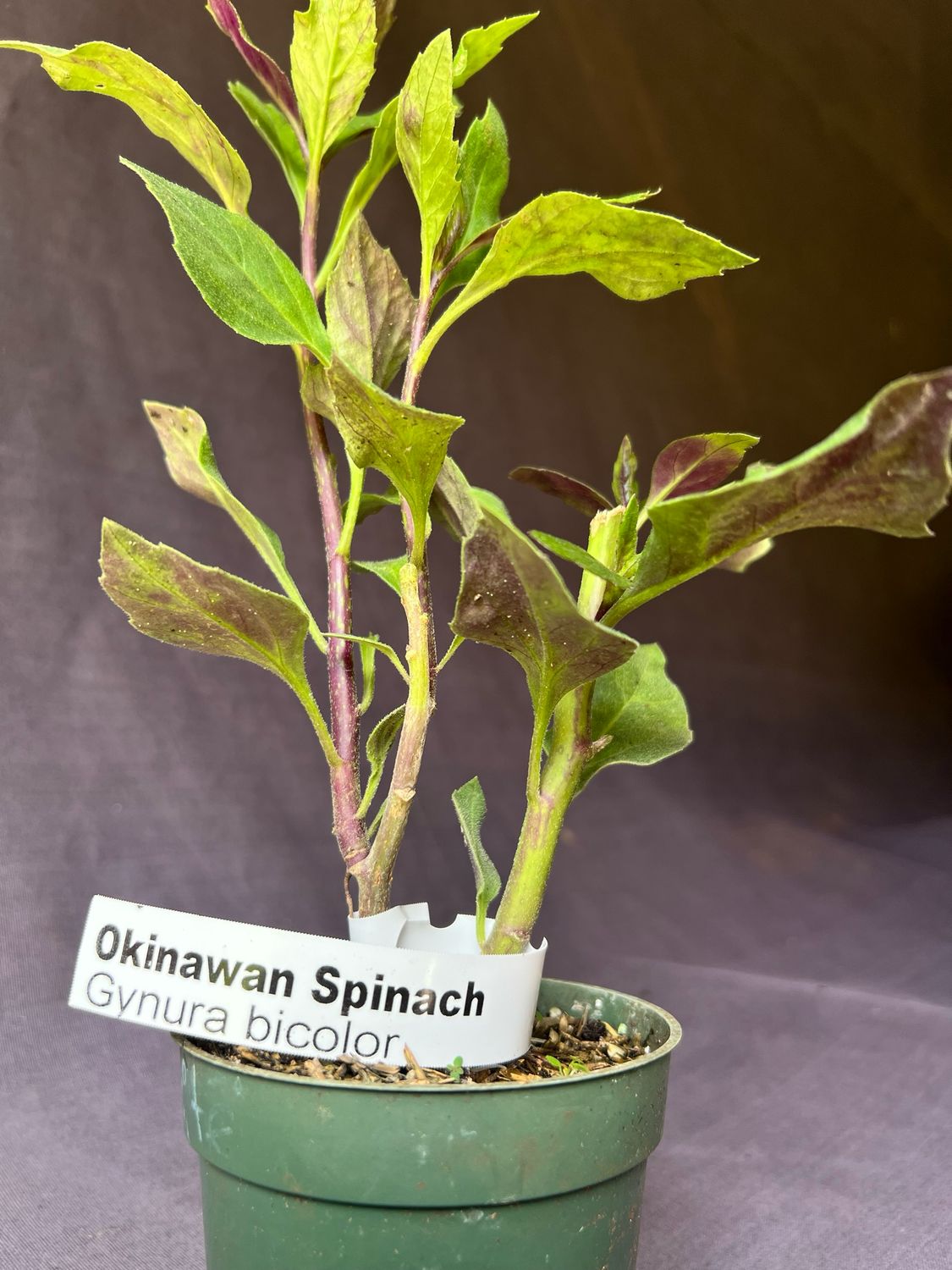
| Plant at Sale | Young, actively growing starter plant in a 4-inch nursery container |
| Estimated Plant Age | Varies by seasonal production cycle and growth rate |
| Mature Height | Approximately 1–2 feet tall |
| Mature Spread | Approximately 2–3 feet wide |
| Maintained Size | Can be kept around 12–18 inches tall through regular harvesting |
| USDA Zones | Best as a perennial in Zones 9–11; may survive protected Zone 8b locations |
| Colder Regions | Grow as a warm-season annual or overwinter indoors |
| Sun Requirements | Partial shade to full sun |
| Best Florida Exposure | Morning sun with afternoon shade |
| Cold Hardiness | Frost-tender; protect near 32°F |
| Growth Habit | Low, branching, spreading, and responsive to pruning |
| Spacing | Approximately 18–24 inches apart |
| Container Friendly | Yes |
| Indoor Growing | Possible with strong light or grow lights |
| Propagation | Roots readily from healthy stem cuttings |
| Wind Tolerance | Moderate; protect tender stems from strong wind |
| Salt Tolerance | Limited; avoid direct salt spray and saline irrigation |
| Primary Harvest | Tender leaves and growing tips |
| Dormancy | Not naturally deciduous, but growth slows during cold weather |
💜 The Leaf That Makes This Plant Unforgettable
The upper surface of each leaf is lush green, while the underside develops shades of burgundy, violet, and deep purple. The contrast becomes especially noticeable when leaves move in the breeze or cascade over the edge of a container.
The plant’s color can vary according to:
- Light exposure
- Plant maturity
- Temperature
- Nutrition
- Growing conditions
Bright filtered light or morning sun typically supports attractive coloration without subjecting the leaves to harsh afternoon heat.
The soft stems branch readily when pinched, producing a full, layered plant with an almost ornamental bedding-plant appearance.
🥗 Flavor and Texture
Okinawan Spinach has a mild vegetable flavor that makes it easy to blend into everyday meals.
Flavor Profile
- Mild and pleasantly green
- Less assertive than mustard greens
- Generally milder than kale
- Easy to combine with herbs and seasonings
- Suitable for both raw and cooked preparations
Texture
Young leaves are tender with a slightly succulent quality. They are generally not as mucilaginous as Malabar Spinach.
When cooked, the leaves soften and may develop a silky texture without becoming excessively slimy.
Older leaves and stems can become firmer, so regular harvesting produces the most tender kitchen greens.
🍽️ Popular Ways to Use Okinawan Spinach
Fresh
Use tender leaves in:
- Salads
- Wraps
- Sandwiches
- Grain bowls
- Fresh spring rolls
- Garden herb blends
- Smoothies
- Colorful edible garnishes
Cooked
Okinawan Spinach works well in:
- Garlic sautés
- Stir-fries
- Omelets
- Quiche
- Soups
- Stews
- Noodle dishes
- Fried rice
- Curries
- Vegetable side dishes
Add the leaves near the end of cooking to preserve more color and maintain a pleasant texture.
🍳 Simple Garlic Okinawan Spinach Sauté
Ingredients
- Fresh Okinawan Spinach leaves and tender tips
- Chopped garlic
- Cooking oil
- Salt to taste
- Optional ginger, chili, sesame oil, or tamari
Directions
- Wash the leaves and allow excess water to drain.
- Remove thick or mature lower stems.
- Warm a small amount of oil in a skillet.
- Add garlic and optional ginger.
- Add the Okinawan Spinach.
- Toss briefly until the leaves are just wilted.
- Season and serve immediately.
This quick preparation highlights the plant’s mild flavor without overcooking its tender foliage.
🌱 Top Reasons to Grow Okinawan Spinach
A Warm-Season Green
Traditional spinach struggles in Florida heat. Okinawan Spinach is built for warm conditions and can continue producing when many cool-season vegetables have already faded.
Repeated Harvests
Clip the growing tips and allow the plant to branch. Regular harvesting encourages fresh shoots rather than ending the crop after one harvest.
Edible and Ornamental
This plant brings together:
- Useful food production
- Purple ornamental color
- Tropical texture
- Low-growing landscape coverage
- Container versatility
Beginner Friendly
Okinawan Spinach is fast-growing, easy to shape, and forgiving once established.
Excellent for Small Spaces
It can be grown in:
- Patio pots
- Raised beds
- Balcony gardens
- Courtyards
- Small edible landscapes
- Food forest edges
- Mixed ornamental beds
Living Soil Protection
When allowed to spread, the foliage can shade exposed soil, conserve moisture, and reduce open areas where weeds may become established.
PLANTING, WATERING, SOIL, CONTAINERS & PRODUCTION
🌿 Choosing the Best Location
Okinawan Spinach grows best in a warm location with good soil moisture, adequate airflow, and protection from extreme environmental stress.
Ideal Conditions
Choose a planting location with:
- Morning sun
- Bright filtered light
- Afternoon shade in hot inland areas
- Fertile soil
- Good drainage
- Consistent moisture
- Protection from strong winter winds
Full Sun
Okinawan Spinach can grow in full sun when adequately watered, but intense afternoon heat may cause:
- Temporary wilting
- Smaller leaves
- Tougher foliage
- Faded color
- Leaf-edge scorching
- Faster drying
In Florida, morning sun and afternoon shade often produce the best balance between lush growth, leaf tenderness, and strong coloration.
Avoid Planting In
- Standing water
- Permanently soggy soil
- Highly compacted ground
- Direct coastal salt spray
- Dry sand without irrigation
- Harsh reflected heat from pavement
- Heavy foot-traffic areas
- Unprotected frost pockets
📦 Care After Your Plant Arrives
A 4-inch starter plant has a smaller root system and less stored moisture than a larger nursery plant. It can establish beautifully, but it needs attentive care during its adjustment period.
When your plant arrives:
- Open the package promptly.
- Remove packing materials carefully.
- Check the moisture level of the soil.
- Water at soil level if the growing medium feels dry.
- Place the plant in bright shade or filtered light.
- Protect it from intense afternoon sun.
- Keep it away from drying wind.
- Do not fertilize immediately when the plant appears stressed.
- Allow it to recover in its original nursery container.
- Watch for fresh new growth before transplanting.
Some yellowing, wilting, or leaf loss may occur after shipping. The condition of emerging growth is a better indicator of recovery than the appearance of older leaves.
🗓️ When to Transplant
We recommend leaving the plant in its original container for approximately 30 days or until healthy new growth appears.
Transplant when:
- The plant has adjusted to its new environment
- Fresh growth is developing
- Roots are reaching the container edges
- Roots are visible through drainage holes
- The container begins drying unusually quickly
- The plant has become stable and actively growing
Do not immediately transplant a wilted or visibly stressed plant unless drainage failure or severe root crowding creates a more urgent concern.
🌱 GreenDreams “High & Tight” Planting Method
When planting Okinawan Spinach in the ground:
- Dig a hole only slightly wider than the nursery container.
- Make the hole approximately the same depth as the root ball.
- Remove the plant gently without tearing apart the young root system.
- Set the root ball level with or slightly above the surrounding soil.
- Backfill with native soil, compost-amended soil, or a compatible garden blend.
- Press the soil firmly enough to remove major air pockets.
- Do not bury the base of the stems.
- Water thoroughly at soil level.
- Apply hardwood mulch around the planting area.
- Keep mulch away from the crown and stems.
Planting too deeply can trap moisture around the crown and increase the risk of rot.
📺 Learn more about GreenDreams’ High & Tight planting method:
https://youtu.be/RRQFY30qdA8?si=rRIcsbLlVAVYotfI
💧 Watering Okinawan Spinach
Okinawan Spinach appreciates consistent moisture, but the roots should never remain in stagnant or waterlogged soil.
Watering the Original 4-Inch Container
Small nursery containers can dry quickly, particularly during:
- Hot weather
- Wind
- Full sun exposure
- Low humidity
- Active new growth
Check the container daily.
Water thoroughly when the upper surface begins to dry. Continue until excess water drains from the bottom of the pot.
Do not allow the container to sit in standing water.
Newly Transplanted Containers
After moving the plant into a larger pot:
- Check moisture daily
- Keep the soil evenly moist during establishment
- Confirm that water drains freely
- Protect the plant from intense afternoon sun
- Reduce watering if the mix remains saturated
Newly Planted in the Ground
During establishment:
- Check the soil every day
- Water when the upper soil begins to dry
- Increase watering during hot, windy, or rain-free periods
- Reduce frequency when rainfall is sufficient
- Adjust according to soil type and plant response
A young plant may require frequent watering until its roots expand into the surrounding soil.
Established Plants
Established Okinawan Spinach may require regular irrigation during Florida’s dry season, especially in sandy soils.
Drip irrigation is preferred over overhead sprinklers.
💧 Important Watering Rule
Water Okinawan Spinach at soil level, preferably in the morning.
Avoid routine overhead watering.
Overhead afternoon irrigation can contribute to:
- Leaf burn
- Fungal pressure
- Soil splash
- Uneven moisture
- Reduced water absorption
- Pest and disease issues
Direct water toward the root zone and keep foliage as dry as practical.
🌾 Soil Requirements
Okinawan Spinach prefers soil that balances moisture retention with good drainage.
The ideal soil should be:
- Rich in organic matter
- Loose and well aerated
- Moisture retentive
- Free draining
- Biologically active
- Not heavily compacted
In-Ground Soil Improvement
Top-dress or amend with:
- Finished compost
- Worm castings
- Biochar
- A moderate amount of organic soil amendment
- Trace minerals such as azomite when appropriate
Avoid creating a sharply different pocket of rich soil inside otherwise poor native soil. Instead, improve the broader planting area over time with compost and mulch.
🪴 Recommended Potting Mix
For container-grown Okinawan Spinach, use a quality organic potting mix with both moisture retention and drainage.
A suitable blend may contain:
- Organic potting soil
- Finished compost
- Coconut coir or peat-based material
- Pine bark fines
- Perlite or another aeration material
- Worm castings
Do not fill containers with heavy native garden soil. It may compact, drain poorly, and limit oxygen around the roots.
🪴 Container Progression
A healthy progression may include:
4-inch nursery pot → 1 gallon → 3 gallon → 5 or 7 gallon
Do not move a young plant directly into an excessively oversized container unless you are experienced with moisture management. A pot that is much larger than the root system can remain wet for too long.
Up-Potting Instructions
- Select a container one or two sizes larger.
- Confirm that it has open drainage holes.
- Add fresh potting mix to the bottom.
- Remove the plant gently from its current container.
- Avoid aggressively breaking apart young roots.
- Position the root ball at the same depth it was previously growing.
- Fill around it with fresh mix.
- Press lightly to stabilize the plant.
- Water thoroughly at soil level.
- Keep the plant in filtered light while it readjusts.
Containers and growing materials may be found through local nurseries, garden centers, agricultural suppliers, landscape supply companies, hydroponic retailers, or online garden sources.
🌿 Fertilizing and Soil Nutrition
Okinawan Spinach responds well to moderate organic fertility.
Suitable options include:
- Finished compost
- Worm castings
- Diluted fish-based fertilizer
- Balanced organic vegetable fertilizer
- Mild slow-release organic nutrients
- Compost tea when properly prepared
Avoid overfertilizing a young plant.
Too much nitrogen may create:
- Weak, soft stems
- Excessive legginess
- Leaf-tip burn
- Greater aphid pressure
- Imbalanced growth
Wait until the plant is actively producing healthy new growth before applying fertilizer after shipping or transplanting.
🪵 Mulching
Apply approximately 2–3 inches of hardwood mulch around in-ground plants.
Mulch can:
- Conserve moisture
- Moderate soil temperature
- Feed soil organisms
- Suppress weeds
- Protect shallow roots
- Add organic matter over time
Keep mulch several inches away from the crown and stems.
✂️ Pruning and Harvesting
Regular harvesting is the primary pruning method.
How to Harvest
- Clip tender growing tips
- Make cuts above a leaf node
- Leave enough foliage for continued photosynthesis
- Harvest outer stems before cutting the center heavily
- Remove damaged or weak growth
- Avoid stripping the plant completely
How to Encourage a Bushier Plant
Once the plant is established and growing strongly:
- Pinch the upper growing tip.
- Allow side branches to develop.
- Continue harvesting the longest shoots.
- Remove leggy stems above healthy nodes.
- Use suitable trimmings as propagation material.
Frequent light pruning usually produces a denser and more attractive plant than allowing a few long stems to grow unchecked.
🌱 Propagation from Cuttings
Healthy stems root readily.
A simple approach:
- Take a healthy cutting with several nodes.
- Remove leaves from the lower portion.
- Place the lower node in moist propagation mix.
- Keep the cutting warm and protected from harsh sun.
- Maintain light, consistent moisture.
- Wait for rooting and new growth before transplanting.
Taking backup cuttings in fall is useful for gardeners in frost-prone climates.
SEASONAL CARE, LANDSCAPE DESIGN, COMPANIONS & WELLNESS
🌦️ Seasonal Care in Florida and Similar Climates
Okinawan Spinach is not naturally deciduous. In warm, frost-free conditions, it may remain evergreen and productive.
Cold, drought, shipping stress, or frost may cause temporary leaf loss or stem dieback. This stress response should not be confused with normal deciduous dormancy.
| Season | What to Expect | Recommended Care |
|---|---|---|
| Spring | Strong new growth as temperatures rise | Plant, transplant, feed lightly, and begin tip pruning |
| Summer | Peak growth and repeated harvests | Water consistently, mulch, harvest often, and provide afternoon shade if needed |
| Fall | Continued growth until nights cool | Take cuttings, inspect for pests, and prepare cold protection |
| Winter | Slower growth with possible frost damage | Protect from cold, reduce watering, and overwinter containers indoors |
🌱 Spring Care
Spring is an excellent time to establish Okinawan Spinach throughout Florida and the Southeast.
During spring:
- Remove confirmed dead winter growth
- Add compost
- Refresh mulch
- Begin regular irrigation
- Pinch growing tips
- Up-pot established container plants
- Gradually acclimate plants to stronger sunlight
Do not prune cold-damaged plants too aggressively before the threat of additional frost has passed.
🌞 Summer Care
Summer is typically the most productive season.
During summer:
- Harvest regularly
- Check small containers every day
- Maintain consistent moisture
- Provide afternoon shade when leaves scorch
- Monitor for mites, aphids, caterpillars, snails, and slugs
- Avoid overhead afternoon watering
- Replace mulch as it decomposes
A 4-inch nursery pot can dry very quickly during Florida summer weather. Up-pot once the plant has recovered, resumed growth, and begun filling the original container.
🍂 Fall Care
Fall is the time to prepare for colder nights.
Recommended tasks include:
- Take backup cuttings
- Root several young plants
- Reduce heavy fertilization
- Inspect plants before moving them indoors
- Prepare frost cloth
- Move containers closer to protected structures
- Reduce watering as growth slows
❄️ Winter Care
In warmer areas of Florida, Okinawan Spinach may remain green through much of winter.
In frost-prone locations:
- Cover plants before cold nights
- Anchor frost cloth to trap warmth from the ground
- Move containers indoors or into a protected structure
- Keep plants away from freezing wind
- Reduce irrigation during cool, cloudy weather
- Avoid fertilizing cold-stressed plants
Cold-damaged leaves may turn dark, translucent, limp, or black.
Wait until conditions warm before deciding how much stem tissue to remove. Firm green lower stems may produce new shoots.
🌴 Growing in Colder Regions
Outside warm perennial zones, Okinawan Spinach can be treated as:
- A summer annual
- A seasonal patio edible
- A greenhouse crop
- An indoor overwintered container plant
- A mother plant for spring cuttings
Move containers indoors before frost rather than waiting until foliage has already frozen.
🏠 Indoor Growing
Okinawan Spinach can grow indoors when it receives adequate light.
Provide:
- A bright south- or east-facing window
- Supplemental grow lighting when needed
- Temperatures around 60–80°F
- Good airflow
- A free-draining container
- Regular pinching
- Careful moisture management
Low indoor light may produce pale, long, weak stems.
Rotate the container regularly and pinch growing tips to maintain fuller growth.
🌼 Ornamental Landscape Uses
Okinawan Spinach does not need to be hidden in a vegetable bed. Its purple-backed foliage gives it genuine ornamental value.
Use it as:
- A colorful edible border
- A pathway edging plant
- A patio container feature
- A raised-bed accent
- An underplanting beneath fruit trees
- A warm-season groundcover
- A filler between tropical perennials
- A cascading plant near retaining walls
- A contrasting plant beside chartreuse or silver foliage
Place it where the purple undersides can be seen. Elevated containers, bed edges, slopes, and raised planters are especially effective.
🌿 Edible Guild Partners
Soil-Building and Biomass Plants
Consider planting nearby:
- Pigeon Pea
- Mexican Sunflower
- Moringa
- Clumping grasses
- Comfrey where locally appropriate
Pigeon Pea can contribute nitrogen-fixing benefits, flowers, vertical structure, and biomass.
Mexican Sunflower is a fast-growing chop-and-drop biomass plant, although it is not a nitrogen fixer.
Clumping grasses can provide carbon-rich pruning material and visual structure.
🐝 Pollinator and Beneficial-Insect Plants
Okinawan Spinach is primarily grown for foliage, but nearby flowers help support a diverse garden ecosystem.
Useful companions include:
- Blue Porterweed
- Firebush
- African Blue Basil
- Tropical Sage
- Coreopsis
- Dune Sunflower
- Native asters
🎨 Aesthetic Companion Plants
Pair Okinawan Spinach with:
- Longevity Spinach
- Cranberry Hibiscus
- Variegated Cuban Oregano
- Purple Basil
- Spiral Ginger
- Lagos Spinach
- Roselle
- Okinawan Sweet Potato
- Golden or chartreuse tropical foliage
The contrast between green, purple, burgundy, and bright foliage creates an edible garden that looks intentionally designed.
🌿 Wellness and Nutritional Interest
Okinawan Spinach is consumed as a leafy vegetable and has attracted research interest because of its naturally occurring pigments and plant compounds.
The leaves may contain:
- Phenolic compounds
- Carotenoids
- Antioxidant pigments
- Nutrients commonly associated with leafy vegetables
Exact nutrient content varies according to:
- Soil fertility
- Plant maturity
- Harvest timing
- Light exposure
- Preparation method
- Environmental conditions
⚠️ Informational Wellness Disclaimer
Traditional food and folk uses do not establish that Okinawan Spinach can diagnose, treat, prevent, or cure a medical condition.
People who are pregnant, nursing, taking medication, or managing blood sugar, blood pressure, or another chronic health condition should consult a qualified healthcare professional before consuming concentrated preparations or medicinal quantities.
Use unfamiliar edible plants in modest culinary portions at first.
COMPARISON, CAUTIONS, TROUBLESHOOTING & FAQ
🌿 Tropical “Spinach” Comparison Guide
| Variety | Botanical Name | Growth Habit | Heat Tolerance | Texture and Flavor | Best Use | Ornamental Appeal |
|---|---|---|---|---|---|---|
| Okinawan Spinach | Gynura bicolor | Branching, spreading perennial | ⭐⭐⭐⭐ | Mild, tender, slightly silky when cooked | Borders, containers, part-shade beds | Green leaves with purple undersides |
| Longevity Spinach | Gynura procumbens | Low spreading groundcover | ⭐⭐⭐⭐ | Mild, crisp, slightly succulent | Containers and edible groundcover | Glossy deep-green foliage |
| Lagos Spinach | Celosia argentea var. argentea | Upright annual | ⭐⭐⭐⭐ | Soft, earthy, and amaranth-like | Fast warm-season harvests | Colorful foliage and edible flowers |
| Sissoo Spinach | Alternanthera sissoo | Low spreading perennial | ⭐⭐⭐ | Mild and slightly salty | Groundcover and part shade | Dense green carpet |
| Surinam Spinach | Talinum triangulare | Succulent perennial herb | ⭐⭐⭐⭐ | Juicy, tender, and lightly tangy | Salads, soups, and tropical beds | Glossy succulent leaves |
| Malabar Spinach | Basella alba or B. rubra | Climbing tropical vine | ⭐⭐⭐⭐⭐ | Thick and noticeably mucilaginous | Trellises, soups, and cooked dishes | Lush vines with green or red stems |
⚠️ Plant Cautions
Frost Sensitivity
Okinawan Spinach is frost-tender. Exposed foliage can be damaged near freezing temperatures.
Poor Drainage
Constantly wet soil may lead to:
- Root stress
- Crown rot
- Yellowing
- Wilting despite wet soil
- Stem decline
Strong Sun Exposure
Young plants moved suddenly into full Florida afternoon sun may scorch.
Gradually increase light exposure after shipping or indoor growing.
Salt Exposure
The plant is not ideal for locations receiving direct coastal salt spray or saline irrigation.
Spreading Growth
Okinawan Spinach can widen through branching stems and may root where stems maintain contact with moist soil. Regular pruning keeps it within its intended space.
Pest Pressure
Tender growth may attract:
- Aphids
- Spider mites
- Caterpillars
- Beetles
- Snails
- Slugs
Inspect plants regularly, particularly the undersides of leaves.
🌟 Is This Plant Right for You?
✅ Ideal For
- Florida gardeners
- Southeastern growers
- Tropical and subtropical gardens
- Food forest growers
- Edible landscape enthusiasts
- Patio and balcony gardeners
- Growers seeking heat-tolerant greens
- Gardeners who enjoy unusual edible plants
- Households wanting repeat harvests
- Landscapes combining food and ornamental color
- Growers comfortable protecting plants from frost
❌ May Not Be Ideal For
- Gardens with no summer irrigation
- Permanently wet planting sites
- Direct coastal salt-spray locations
- Very cold climates without indoor winter space
- Extremely dark indoor locations
- Growers seeking a traditional cool-season spinach
- Landscapes where spreading stems cannot be occasionally pruned
- Long-distance buyers unable to provide recovery care to a small starter plant
🔍 Okinawan Spinach Troubleshooting Guide
Icons represent common conditions and organic recovery steps.
| ⚠️ Issue | 🧠 Likely Cause | 🌿 Recommended Response |
|---|---|---|
| 🍂 Yellowing older leaves | Shipping stress, overwatering, low nutrition, or natural leaf turnover | Check soil moisture and wait for healthy new growth |
| 🫣 Long, weak stems | Insufficient light or lack of pruning | Increase light gradually and pinch growing tips |
| ☀️ Bleached or scorched leaves | Sudden exposure to intense sun | Move to filtered light and acclimate gradually |
| 💧 Wilted plant with dry soil | Underwatering | Water thoroughly at soil level and protect from heat |
| 💦 Wilted plant with wet soil | Root stress or poor drainage | Allow drainage, reduce watering, and inspect roots |
| 🔥 Brown leaf tips | Fertilizer burn, salt buildup, drought, or heat | Flush container soil and reduce fertilizer |
| 🐛 Holes in leaves | Caterpillars, beetles, snails, or slugs | Inspect closely and handpick pests |
| 🪲 Curling new growth | Aphids, mites, or other sap-feeding pests | Inspect leaf undersides and apply an appropriate organic control |
| 🕷️ Fine stippling or webbing | Spider mites | Isolate affected plants and treat early |
| 🍄 Leaf spotting | Overhead watering, poor airflow, or soil splash | Remove damaged leaves and water at soil level |
| ❄️ Blackened foliage | Frost injury | Protect the roots and wait before pruning |
| 🌱 No immediate new growth | Shipping or transplant shock | Maintain stable conditions and avoid repeated disturbances |
| 🪴 Container dries very quickly | Root crowding or small soil volume | Up-pot after the plant has recovered and resumed growth |
| 🌾 Slow growth | Cool temperatures, compacted soil, weak light, or low fertility | Improve conditions and feed lightly during active growth |
❓ Frequently Asked Questions
Is Okinawan Spinach a true spinach?
No. Okinawan Spinach is a tropical perennial in the genus Gynura. Traditional spinach, Spinacia oleracea, is a cool-season annual.
What parts of Okinawan Spinach are eaten?
The tender leaves and young growing tips are the primary edible portions.
Is Okinawan Spinach slimy?
It generally has a tender, slightly silky texture rather than the strongly mucilaginous texture of Malabar Spinach.
Can Okinawan Spinach grow in full sun?
Yes, but plants often produce better-quality foliage with morning sun and afternoon shade in hot climates.
Why does my plant look wilted after shipping?
A young plant may experience temporary moisture loss and environmental stress during transit. Unpack it promptly, water when needed, and allow it to recover in filtered light.
Should I transplant the plant immediately after delivery?
No. Keep it in its original container for approximately 30 days or until healthy new growth appears, unless an urgent root or drainage issue requires earlier action.
How quickly will the plant fill out?
Growth rate depends on temperature, sunlight, moisture, nutrition, and root development. Once established in warm weather, regular tip pruning encourages rapid branching.
Can it be grown indoors?
Yes, but it requires a bright window or supplemental grow light to prevent leggy growth.
Will it grow year-round in Florida?
It may grow year-round in warm, protected areas. Frost can damage foliage and exposed stems in colder inland locations.
Will Okinawan Spinach come back after frost?
It may regrow from protected lower stems or roots if the freeze was brief and the root system survived.
Can I propagate it from cuttings?
Yes. Healthy stem cuttings generally root readily in warm conditions.
How often can I harvest?
Actively growing plants can be harvested regularly. Remove tender tips while leaving enough foliage for the plant to recover.
Can it remain in a 4-inch pot permanently?
The original nursery container is intended for shipping and early establishment. For long-term growth and repeated harvests, move the plant into a larger container after it has recovered and developed a stronger root system.
SHIPPING, LOCAL PICKUP & SERVICES
🚚 Shipping and Handling for 4-Inch Starter Plants
Okinawan Spinach starter plants in 4-inch nursery containers are most ideally shipped within:
- Florida
- The Southeastern United States
- Texas
- Areas with relatively short UPS Ground delivery times from Florida
We can ship across the continental United States, but smaller plants contain less soil and stored moisture than larger container sizes. This makes them more vulnerable to extended transit, temperature extremes, carrier delays, and rapid drying.
📦 Why Regional Shipping Is Recommended
A young starter plant may experience:
- Faster soil drying
- Temporary wilting
- Yellowing leaves
- Leaf drop
- Broken tender growth
- Slower recovery
- Heat or cold stress
- Delayed new growth
Many plants can recover with attentive care, but buyers should understand that a small tropical starter plant may not arrive looking the same as it did when packed.
When available, we recommend choosing a 1-gallon plant or larger for long-distance shipping, particularly to northern or western destinations.
🗓️ GreenDreams Shipping Schedule
- Orders are processed to ship each Monday
- Plants ship from Florida
- We currently use UPS Ground
- Tracking information is sent automatically by email
- Delivery time varies according to destination and carrier conditions
🌡️ Extreme Heat and Cold Disclaimer
Buyer discretion is strongly advised during:
- Summer heat waves
- Freezing weather
- Winter cold snaps
- Severe storms
- Holiday shipping congestion
- Periods of extended carrier delays
GreenDreams cannot guarantee plant condition when live plants are exposed to extreme temperatures or delays during ground transportation.
We are not responsible for decline caused by:
- Extreme heat or cold during transit
- Extended UPS Ground delivery periods
- Carrier handling
- Delayed delivery
- Packages left outdoors after delivery
- Agricultural inspection delays
- Buyer-selected shipping during unsuitable weather
Risk associated with long-distance ground shipping is assumed by the buyer.
🌎 Northern and Western Destinations
Growers in northern and western states should carefully consider:
- The number of transit days
- Forecast temperatures
- Their ability to unpack the plant immediately
- Whether someone will be available at delivery
- Whether a larger size is available
- Whether the plant can be provided with a protected recovery area
The plant may need an extended recovery period after arrival.
California Shipping
California agricultural inspection may hold a package for an additional day or longer. This can increase transit time and plant stress.
GreenDreams is not responsible for inspection delays or associated decline during ground transportation.
📬 What to Do Immediately After Delivery
- Bring the package indoors or into shade promptly.
- Open the box carefully.
- Remove all packing material.
- Check the soil moisture.
- Water thoroughly at soil level if dry.
- Allow excess water to drain.
- Place the plant in bright shade or filtered light.
- Protect it from wind and afternoon sun.
- Do not fertilize immediately.
- Keep it in its original container while it recovers.
- Wait for healthy new growth before transplanting.
- Gradually acclimate it to stronger sunlight.
Avoid repeatedly changing locations or transplanting the plant while it is recovering.
🌱 Understanding Live Plant Recovery
Older leaves may yellow, wilt, or fall after transit. This does not always mean the plant has failed.
Look for:
- Firm green stems
- Healthy nodes
- Stable soil moisture
- New buds
- Fresh leaf growth
- White or light-colored healthy roots when visible
Healthy new growth is the strongest indication that the plant has adjusted.
🏡 Shop with Us in Person
We also sell Okinawan Spinach and many other edible, medicinal, native, tropical, and useful plants at our Spring Hill retail nursery.
Our local nursery often has:
- Larger plant sizes
- Plants not available online
- Seasonal fruit trees
- Tropical edible plants
- Native species
- Pollinator plants
- Food forest support plants
- Organic soil amendments
- Garden and landscape materials
GreenDreams Nursery & Farm — Retail Nursery Open to the Public
🌾 18709 US Hwy. 41, Spring Hill, FL 34610
🕘 Tuesday–Friday: 9 AM–5 PM
🌞 Saturday: 8 AM–3 PM
Stop by our regenerative nursery to see what is blooming, fruiting, and ready for your garden this week.
🌿 Beyond the Plant: GreenDreams Services
At GreenDreams, we do more than grow plants—we design, build, and restore ecosystems throughout Florida.
- 🌳 Onsite consultations and edible landscape design
- 🚜 Ecological landscape installation and project management
- 🚚 Bulk delivery of compost, mulch, biochar, and soil materials
- 🌾 Large-scale and regenerative landscape solutions
- 🌱 Day-labor assistance for garden and landscape projects
Let our team help you create a thriving edible paradise—starting with Okinawan Spinach.
🌿 IMPORTANT INFORMATION BEFORE PURCHASING LIVE PLANTS
Please note: Plants purchased through our online store are not available for pickup at our retail nursery in Spring Hill, Florida.
Online inventory is housed at a separate facility and is priced, prepared, and handled exclusively for shipping.
🌱 Looking for larger plants or more selection?
Our retail nursery location offers far more availability, including larger sizes, specialty plants, and many selections not suitable for nationwide shipping.
Local pickup is available for retail nursery purchases only.
Visit our Spring Hill, FL retail nursery page to explore in-person shopping options.
🚚 LIVE PLANT SHIPPING & TRANSIT EXPECTATIONS
Live plants naturally experience stress during shipping. Temporary leaf drop, mild wilting, or cosmetic stress is normal after transit. Most plants recover quickly with proper watering, gradual light exposure, and basic aftercare. Some plants may require additional attention during the first few weeks.
Despite careful packing, minor cosmetic damage may occur during transit. Small issues such as broken leaves or stems typically resolve with time and proper care.
If your shipping box arrives with significant external damage, please contact UPS within 30 days to initiate a carrier claim.
⏱️ SHIPPING METHOD, TIMING & TRANSIT WINDOWS
All online orders ship via UPS Ground from our Central Florida nursery.
📦 Shipping Schedule: Orders ship once weekly on Mondays to reduce the risk of packages sitting in transit over weekends. A countdown clock on our website displays the next shipping date.
🚚 Typical Transit Times:
-
Florida: 1–2 days
-
Southern U.S.: approximately 2 days
-
Midwest, West & Northern U.S.: 3–5 business days
Long-distance shipments, particularly to the western U.S., may experience additional transit time due to agricultural inspections in states such as Arizona, California, and Texas.
Extended transit times can be more challenging for small or tender plants and may require additional recovery care after arrival.
🌡️ EXTREME WEATHER & SEASONAL RISK
Live plants are sensitive to temperature extremes.
We cannot guarantee plant condition during periods of extreme summer heat or winter cold and freezing temperatures. Weather-related delays, carrier interruptions, or exposure during delivery are beyond our control.
Customers are responsible for:
-
Monitoring tracking information sent via email
-
Retrieving packages promptly upon delivery
-
Preventing plants from being left outdoors in extreme conditions
During unsafe weather, holiday shipping volume, or extended transit risk, orders may be held and shipped the following week to protect plant health.
⚠️ CUSTOMER RESPONSIBILITY & REFUND POLICY
By purchasing live plants, customers acknowledge and accept the risks associated with shipping, weather exposure, transit delays, and regional suitability.
Refunds or replacements are considered only under exceptional circumstances and in accordance with our return and refund policy. We are not responsible for:
-
Weather-related damage
-
Carrier delays
-
Poor plant selection for a given climate or region
-
Improper care after delivery
Upon purchase, customers assume full responsibility for the ongoing care and success of their plants.
✅ CONSENT & AGREEMENT
By completing a purchase, you confirm that you have read, understand, and agree to all shipping policies, responsibilities, and conditions outlined above.
Our goal is transparency, plant health, and long-term growing success — and we appreciate your understanding and care when ordering live plants.


