


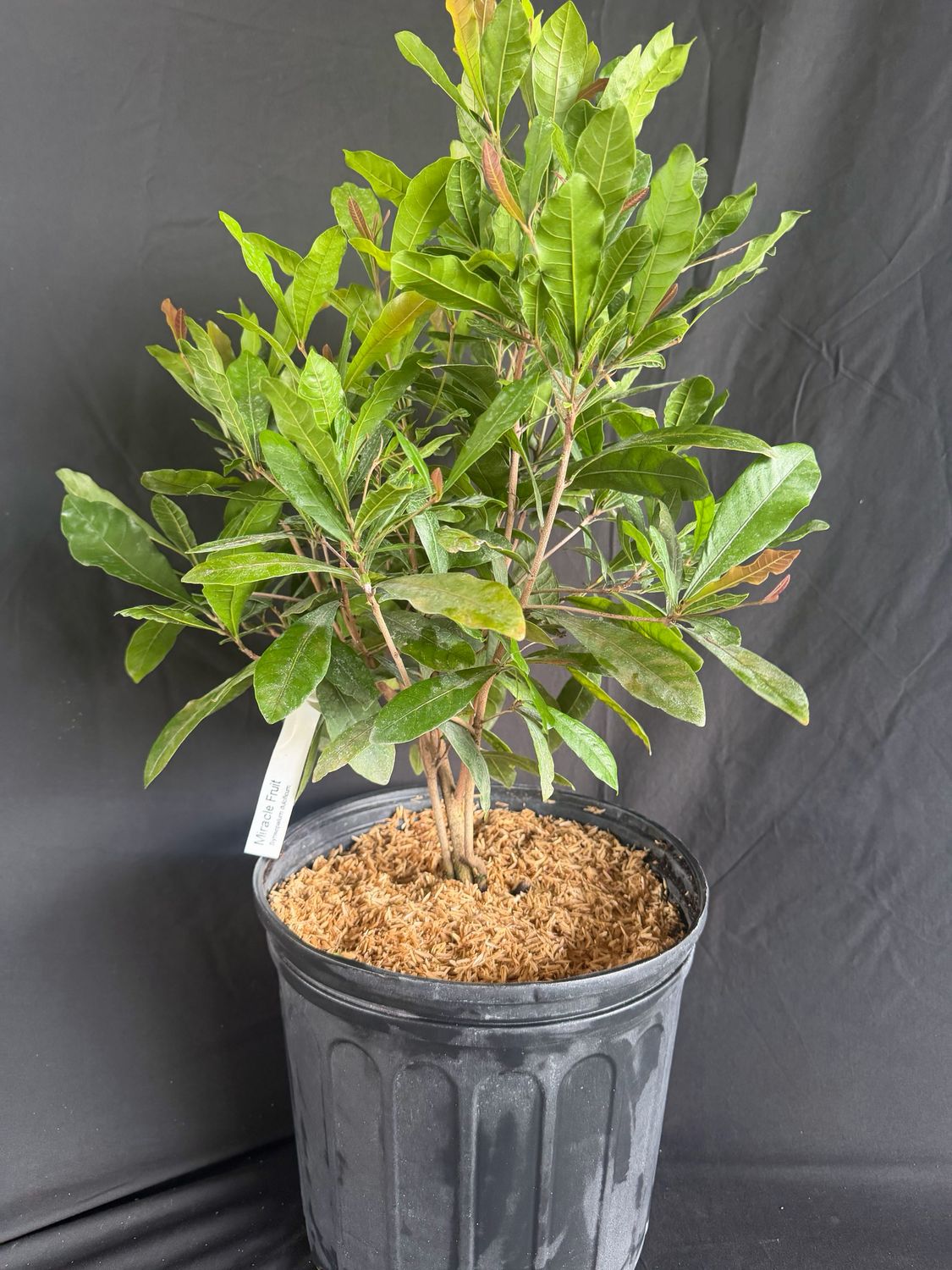
Miracle Fruit (Synsepalum dulcificum)
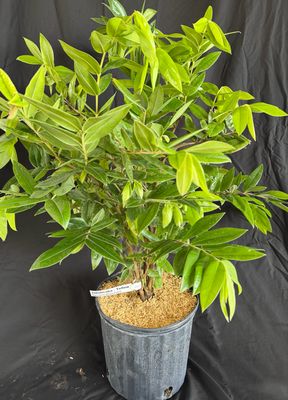
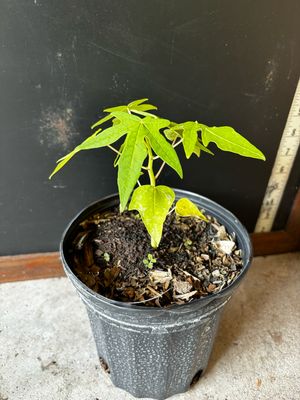
This ships as a 3-Gallon size pot
🍋 The Incredible Berry That Makes Sour Foods Taste Sweet Naturally
Nature's Sweetest Magic Trick—One Berry, Endless Smiles!
Grow One of the World's Most Fascinating Edible Plants
Some plants produce delicious fruit. Others become beautiful landscape specimens. Miracle Fruit does something almost unbelievable—it temporarily changes the way your taste buds experience sour foods.
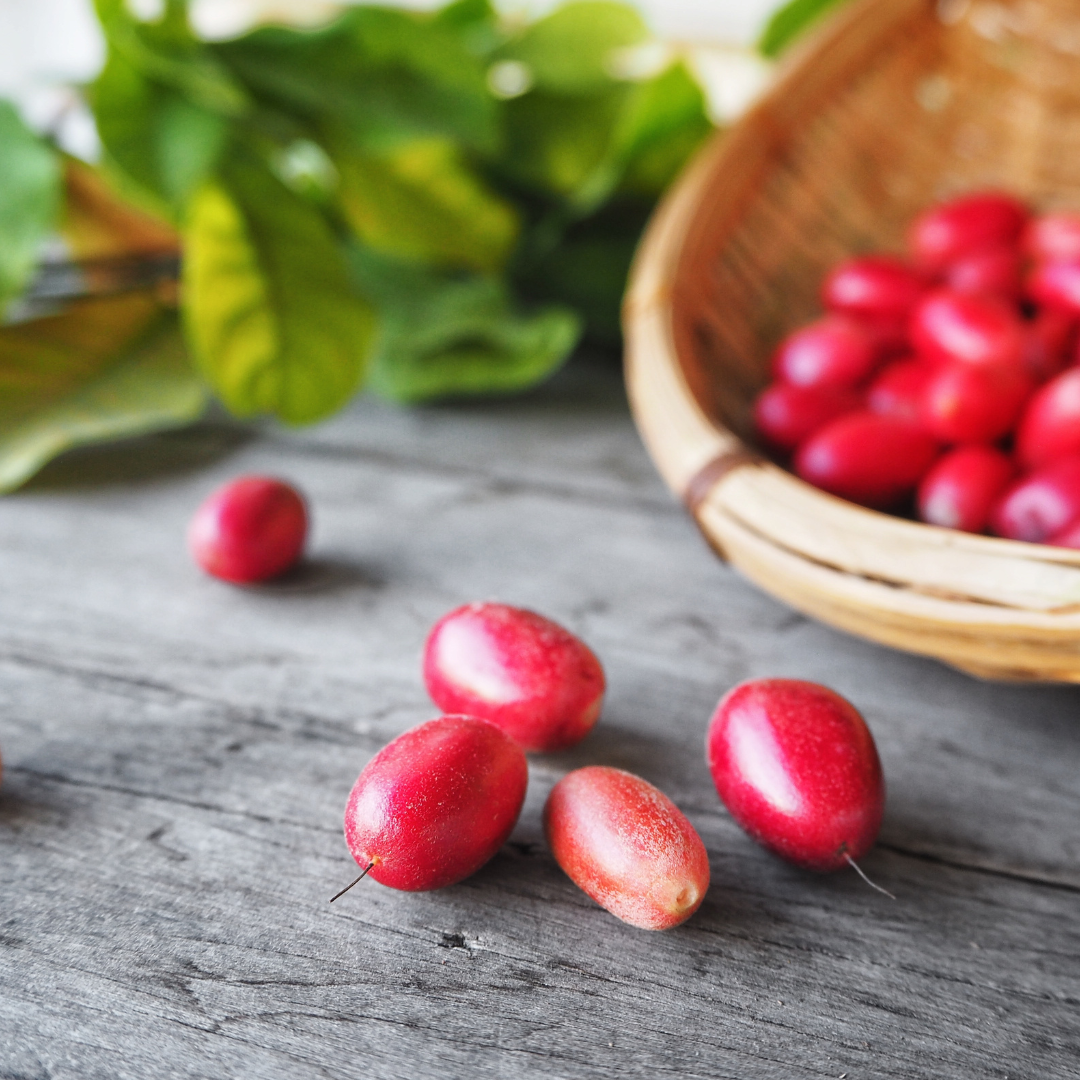
Native to the tropical forests of West Africa, Miracle Fruit (Synsepalum dulcificum) has amazed people for centuries with its remarkable berries containing miraculin, a naturally occurring glycoprotein that temporarily causes acidic foods to taste sweet. Bite into a lemon after eating a ripe Miracle Fruit berry, and you'll quickly understand how this incredible plant earned its name.
Whether you're creating an edible landscape, collecting rare tropical fruit trees, hosting unforgettable tasting parties, or simply searching for one of the most unique plants available, Miracle Fruit is guaranteed to become one of the highlights of your garden.
At GreenDreams, we love introducing growers to unusual edible plants that spark curiosity while producing delicious harvests. Miracle Fruit is one of those rare species that delivers beauty, conversation, and a truly unforgettable experience.
🌿 Quick Growing Guide
| Feature |
Details |
| Botanical Name |
Synsepalum dulcificum |
| Common Names |
Miracle Fruit, Miracle Berry, Sour-to-Sweet Berry |
| Plant Type |
Evergreen Tropical Shrub |
| USDA Zones |
9B–11 (container recommended outside tropical climates) |
| Mature Height |
4–8 ft with pruning, 10–15 ft if left natural |
| Mature Width |
4–6 ft |
| Growth Rate |
Slow |
| Sunlight |
Full Sun to Partial Shade |
| Soil |
Rich, acidic, well-draining (pH 4.5–6.5) |
| Water Needs |
Moderate; prefers consistent moisture |
| Cold Hardiness |
Sensitive below 32°F |
| Evergreen |
Yes |
| Container Friendly |
Excellent |
| Indoor Growing |
Possible with bright light |
| Fruiting Age |
Typically 2–3 years |
| Pollinator Friendly |
Yes |
🌱 Why You'll Love Growing Miracle Fruit
Growing Miracle Fruit isn't just about harvesting berries—it's about growing an experience.
Top reasons gardeners love this remarkable plant:
🍋 Naturally makes sour foods taste sweet
🌿 Attractive evergreen foliage year-round
🪴 Excellent patio or container specimen
🍓 Produces unique edible berries
🌺 Small fragrant flowers attract pollinators
🌞 Perfect for edible landscapes
🌎 Rare collector's plant
🏡 Great conversation piece for family and friends
Unlike many novelty plants, Miracle Fruit combines genuine ornamental value with practical edible production, making it one of the most rewarding tropical fruit plants you can own.
🌎 Origin Story
Miracle Fruit originates from the humid tropical forests of West Africa, where local communities have enjoyed its remarkable berries for hundreds of years. Before consuming naturally sour foods such as fermented grains, palm wine, or acidic fruits, people would first eat Miracle Fruit to improve the flavor of their meals.
Scientists eventually discovered that the berry's "magic" comes from a naturally occurring protein called miraculin. Rather than adding sweetness itself, miraculin temporarily binds to taste receptors on the tongue, causing acidic foods to activate sweet taste receptors instead.
Today, Miracle Fruit has become a favorite among gardeners, chefs, educators, researchers, and rare fruit collectors around the world.
🍃 Plant Characteristics
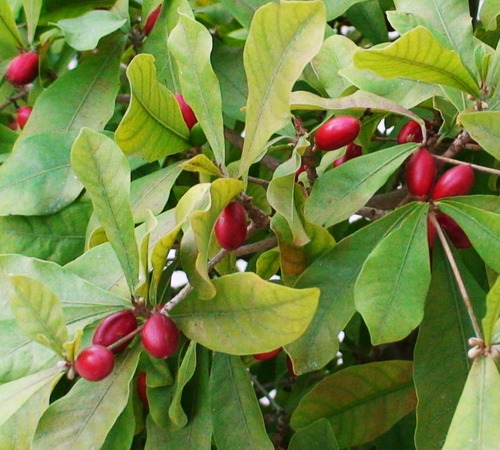
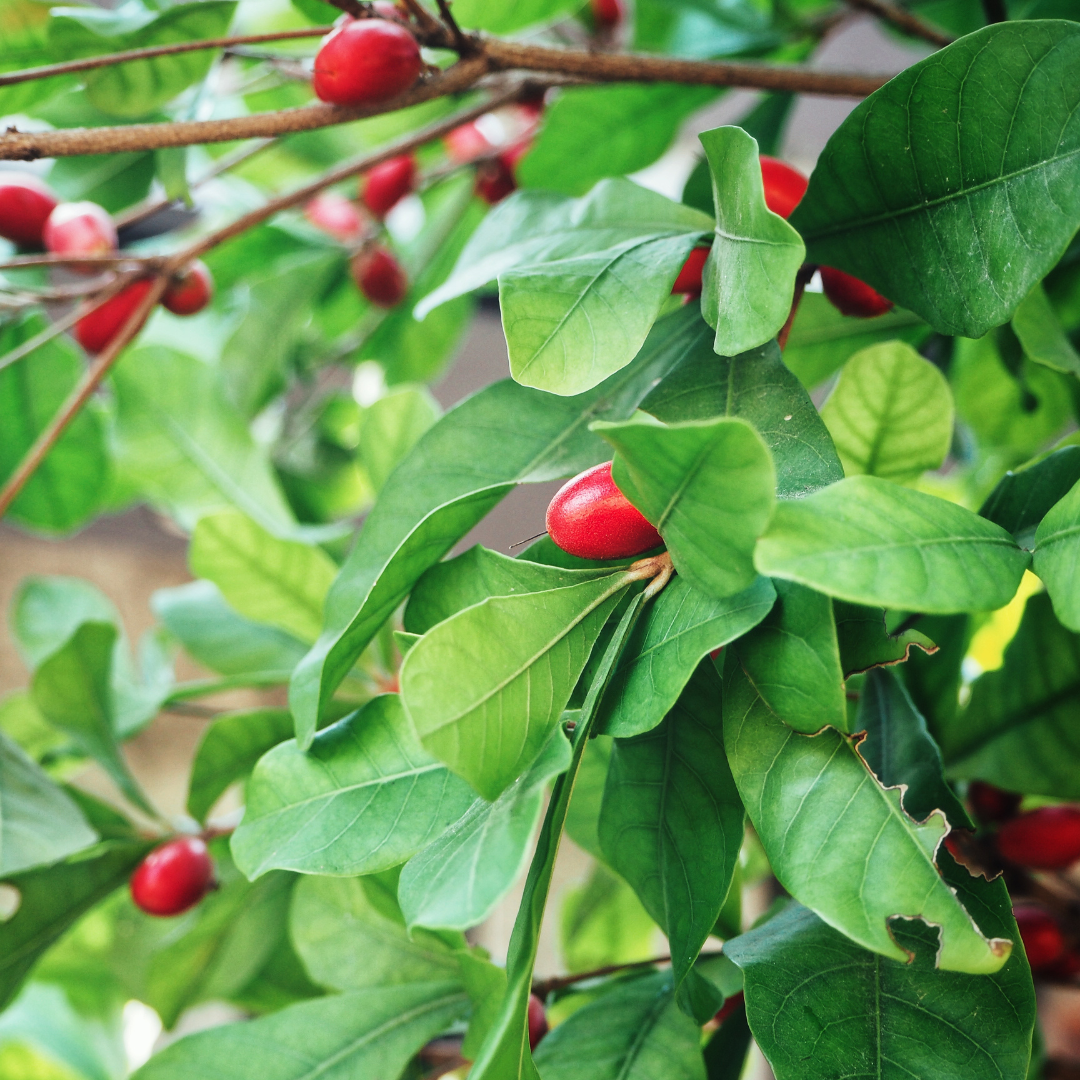
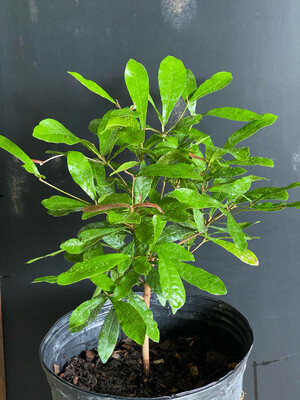
Miracle Fruit forms a dense, slow-growing evergreen shrub with glossy deep green leaves that remain attractive throughout the year.
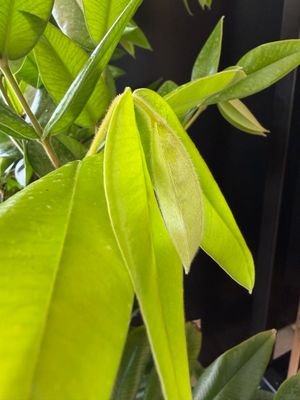
New growth emerges with a lighter green color before maturing into thick, leathery foliage that gives the plant a lush tropical appearance.
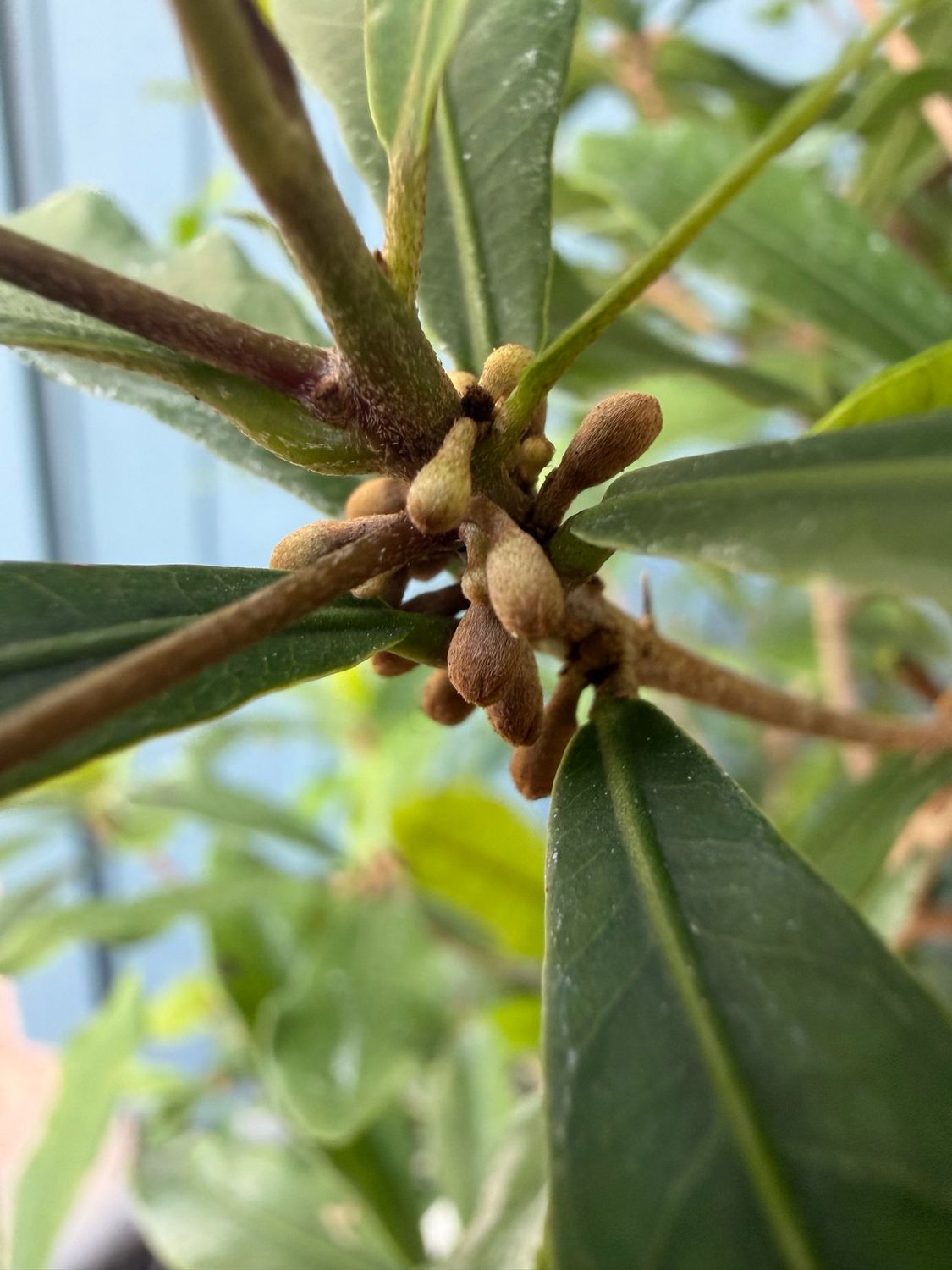
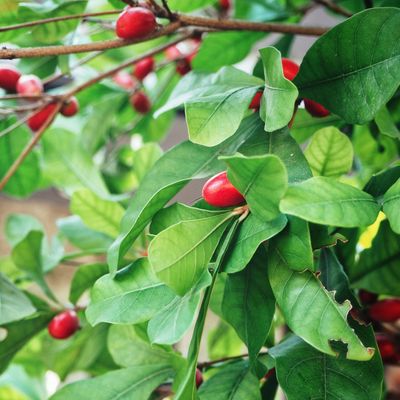
Tiny white flowers appear in clusters throughout the warmer months and develop into brilliant crimson-red berries approximately ¾ to 1 inch long.
Each fruit contains a single seed surrounded by a thin layer of edible pulp where the miraculin protein is concentrated.
Because of its naturally compact growth habit, Miracle Fruit works beautifully in decorative containers, patios, edible landscapes, food forests, and even as an attractive hedge in tropical climates.
🍓 Fruit Flavor & Taste Experience
By itself, Miracle Fruit has a very mild flavor.
Most gardeners describe the berry as:
• Lightly sweet
• Mildly fruity
• Soft and juicy
• Thin edible skin
• Small amount of pulp surrounding one seed
The real excitement begins after eating the berry.
Within minutes, sour foods undergo an incredible transformation.
Popular foods to try include:
🍋 Lemons
🍊 Limes
🍊 Grapefruit
🍓 Strawberries
🍍 Pineapple
🥝 Kiwi
🍅 Tomatoes
🥗 Vinegar-based dressings
The effect generally lasts 15 minutes to one hour, depending on the individual.
🍽️ Culinary Uses
Miracle Fruit has become famous around the world for creating unforgettable culinary experiences.
Popular uses include:
• Taste-tripping parties
• Educational science demonstrations
• Gourmet tasting events
• Fine dining experiences
• Home gardening fun
Many gardeners freeze extra berries for future use since the miraculin protein remains active after freezing.
The berries are also commonly freeze-dried while maintaining much of their taste-modifying ability.
🌳 Ornamental Landscape Uses
Although famous for its berries, Miracle Fruit is also a beautiful ornamental shrub.
Its glossy evergreen foliage, compact growth habit, and bright red fruit make it an excellent addition to:
🌿 Edible landscapes
🌴 Tropical gardens
🏡 Courtyard plantings
🪴 Decorative patio containers
🌺 Pollinator gardens
🌳 Food forests
Its manageable size makes it especially valuable for gardeners with limited space.
🐝 Flowers & Pollinators
Small white flowers appear periodically throughout the warm growing season.
These fragrant blossoms attract beneficial pollinating insects while eventually producing successive crops of bright red berries.
Encouraging healthy pollinator populations nearby can improve fruit production over time.
🌞 Growing Miracle Fruit
Miracle Fruit performs best in warm, humid climates with acidic soil.
Choose a planting location that receives:
☀️ Full morning sun
🌤️ Afternoon shade in extremely hot climates
🌿 Excellent drainage
💧 Consistent soil moisture
Avoid planting in highly alkaline soils, which commonly lead to nutrient deficiencies and poor growth.
🪴 Container Growing
For most gardeners, especially throughout Central and North Florida, container growing is highly recommended.
Growing in containers allows you to:
• Maintain proper acidic soil
• Easily protect plants during freezes
• Move plants as sunlight changes
• Improve drainage
• Monitor watering more effectively
A pine bark-based potting mix formulated for acid-loving plants works exceptionally well.
As the root system fills the container, transplant into progressively larger pots:
4-inch → 1 Gallon → 3 Gallon → 7 Gallon → 15 Gallon
Always wait at least 30 days after delivery, or until you see healthy new growth, before transplanting your Miracle Fruit plant to minimize transplant shock.
💧 Watering
Miracle Fruit prefers evenly moist soil.
Container plants often require daily watering during Florida's hottest months, while landscape plants generally benefit from deep watering several times per week during extended dry periods.
Whenever possible, use drip irrigation instead of overhead sprinklers.
Rainwater is often preferred because it naturally helps maintain lower soil pH.
Avoid allowing containers to remain waterlogged.
🌿 Fertilizing
Miracle Fruit responds well to regular feeding during the growing season.
We recommend using an organic fertilizer formulated for fruit trees or acid-loving plants every 6–8 weeks from spring through early fall.
Organic compost, hardwood mulch, biochar, and trace minerals all contribute to long-term soil health.
Avoid excessive nitrogen applications, which may encourage foliage growth at the expense of fruit production.
✂️ Pruning
Miracle Fruit requires very little pruning.
Light annual pruning helps:
🌿 Maintain a compact shape
🌞 Improve sunlight penetration
🍓 Increase flowering sites
🌳 Encourage denser branching
Remove dead or crossing branches whenever necessary.
Avoid heavy pruning immediately before flowering.
🍂 Seasonal Guide
🌸 Spring
New flushes of foliage emerge as temperatures warm.
Resume fertilizing and increase watering as growth accelerates.
☀️ Summer
Peak growing season.
Expect flowering, fruit development, and vigorous new growth.
Maintain consistent watering.
🍁 Fall
Growth begins slowing.
Reduce fertilizer applications while continuing regular watering during dry periods.
❄️ Winter
Miracle Fruit remains evergreen but grows much more slowly.
Protect plants whenever temperatures approach freezing.
Container plants should be moved indoors or into a protected location if necessary.
🔍 Troubleshooting Guide
🍃 Yellow Leaves
Possible causes:
✅ Soil pH too high
✅ Iron deficiency
✅ Poor drainage
🍂 Leaf Drop
Usually caused by:
✅ Cold temperatures
✅ Transplant stress
✅ Underwatering
🐞 Common Pests
Occasionally monitor for:
• Mealybugs
• Spider mites
• Scale insects
Most can be managed successfully using organic horticultural oils or insecticidal soaps.
❓ Frequently Asked Questions
Can Miracle Fruit grow indoors?
Yes. Bright light, acidic soil, and consistent humidity are essential for success.
How long before it produces fruit?
Most healthy plants begin fruiting within 2–3 years under favorable conditions.
Can Miracle Fruit survive freezing temperatures?
No. Protect plants whenever temperatures approach 32°F.
Can I grow Miracle Fruit in a pot forever?
Absolutely. Many growers maintain productive container specimens for decades with periodic repotting.
🌿 Is Miracle Fruit Right for Me?
Perfect For:
✔️ Rare fruit collectors
✔️ Florida gardeners
✔️ Container gardeners
✔️ Families
✔️ Food forest enthusiasts
✔️ Tropical plant lovers
✔️ Culinary adventurers
May Not Be Ideal For:
✖️ Gardeners with highly alkaline soils who cannot amend them
✖️ Locations with prolonged freezing temperatures unless grown in containers
✖️ Growers looking for fast-growing fruit trees
🌱 Companion Plants
Miracle Fruit pairs beautifully with many acid-loving tropical plants available from GreenDreams, including:
🌿 Jaboticaba
🌿 Blueberries
🌿 Surinam Cherry
🌿 Coffee
🌿 Grumichama
🌺 Mexican Sunflower (pollinator support)
🌾 Clumping grasses for chop-and-drop mulch
📦 Shipping Information
Our 3-Gallon Miracle Fruit plants are carefully packaged and shipped every Monday from our Florida nursery via UPS Ground.
Larger plants typically establish more quickly after transplanting and tolerate shipping better than smaller nursery sizes. However, buyers should still use discretion when ordering during periods of extreme summer heat or winter cold, particularly if located in the northern or western United States. Extended transit times, along with California agricultural inspections, may increase travel time and temporary transplant stress.
Upon arrival, inspect your plant, water thoroughly if needed, and allow it to remain in its original container for approximately 30 days, or until healthy new growth appears. Waiting before transplanting helps reduce stress and encourages successful establishment.
🚚 Local Pickup
Visit us at GreenDreams Nursery & Farm to explore larger Miracle Fruit plants and thousands of other edible, native, and regenerative species not currently listed online.
🌾 18709 US Hwy. 41, Spring Hill, FL 34610
🕘 Tuesday–Friday: 9 AM–5 PM
🌞 Saturday: 8 AM–3 PM
🌿 Stop by our regenerative nursery and see what's growing this week!
🌿 Beyond the Plant — GreenDreams Services
At GreenDreams, we do more than grow plants—we design, build, and restore edible ecosystems across Florida.
🌳 Onsite consultations & edible landscape design
🚜 Installation & project management
🚚 Bulk delivery of compost, mulch, biochar & soil blends
🌾 Wholesale & regenerative growing solutions
Let our team help you create your own thriving edible paradise—starting with Miracle Fruit!
🌿 IMPORTANT INFORMATION BEFORE PURCHASING LIVE PLANTS
Please note: Plants purchased through our online store are not available for pickup at our retail nursery in Spring Hill, Florida.
Online inventory is housed at a separate facility and is priced, prepared, and handled exclusively for shipping.
🌱 Looking for larger plants or more selection?
Our retail nursery location offers far more availability, including larger sizes, specialty plants, and many selections not suitable for nationwide shipping.
Local pickup is available for retail nursery purchases only.
Visit our Spring Hill, FL retail nursery page to explore in-person shopping options.
🚚 LIVE PLANT SHIPPING & TRANSIT EXPECTATIONS
Live plants naturally experience stress during shipping. Temporary leaf drop, mild wilting, or cosmetic stress is normal after transit. Most plants recover quickly with proper watering, gradual light exposure, and basic aftercare. Some plants may require additional attention during the first few weeks.
Despite careful packing, minor cosmetic damage may occur during transit. Small issues such as broken leaves or stems typically resolve with time and proper care.
If your shipping box arrives with significant external damage, please contact UPS within 30 days to initiate a carrier claim.
⏱️ SHIPPING METHOD, TIMING & TRANSIT WINDOWS
All online orders ship via UPS Ground from our Central Florida nursery.
📦 Shipping Schedule: Orders ship once weekly on Mondays to reduce the risk of packages sitting in transit over weekends. A countdown clock on our website displays the next shipping date.
🚚 Typical Transit Times:
-
Florida: 1–2 days
-
Southern U.S.: approximately 2 days
-
Midwest, West & Northern U.S.: 3–5 business days
Long-distance shipments, particularly to the western U.S., may experience additional transit time due to agricultural inspections in states such as Arizona, California, and Texas.
Extended transit times can be more challenging for small or tender plants and may require additional recovery care after arrival.
🌡️ EXTREME WEATHER & SEASONAL RISK
Live plants are sensitive to temperature extremes.
We cannot guarantee plant condition during periods of extreme summer heat or winter cold and freezing temperatures. Weather-related delays, carrier interruptions, or exposure during delivery are beyond our control.
Customers are responsible for:
-
Monitoring tracking information sent via email
-
Retrieving packages promptly upon delivery
-
Preventing plants from being left outdoors in extreme conditions
During unsafe weather, holiday shipping volume, or extended transit risk, orders may be held and shipped the following week to protect plant health.
⚠️ CUSTOMER RESPONSIBILITY & REFUND POLICY
By purchasing live plants, customers acknowledge and accept the risks associated with shipping, weather exposure, transit delays, and regional suitability.
Refunds or replacements are considered only under exceptional circumstances and in accordance with our return and refund policy. We are not responsible for:
-
Weather-related damage
-
Carrier delays
-
Poor plant selection for a given climate or region
-
Improper care after delivery
Upon purchase, customers assume full responsibility for the ongoing care and success of their plants.
✅ CONSENT & AGREEMENT
By completing a purchase, you confirm that you have read, understand, and agree to all shipping policies, responsibilities, and conditions outlined above.
Our goal is transparency, plant health, and long-term growing success — and we appreciate your understanding and care when ordering live plants.


