


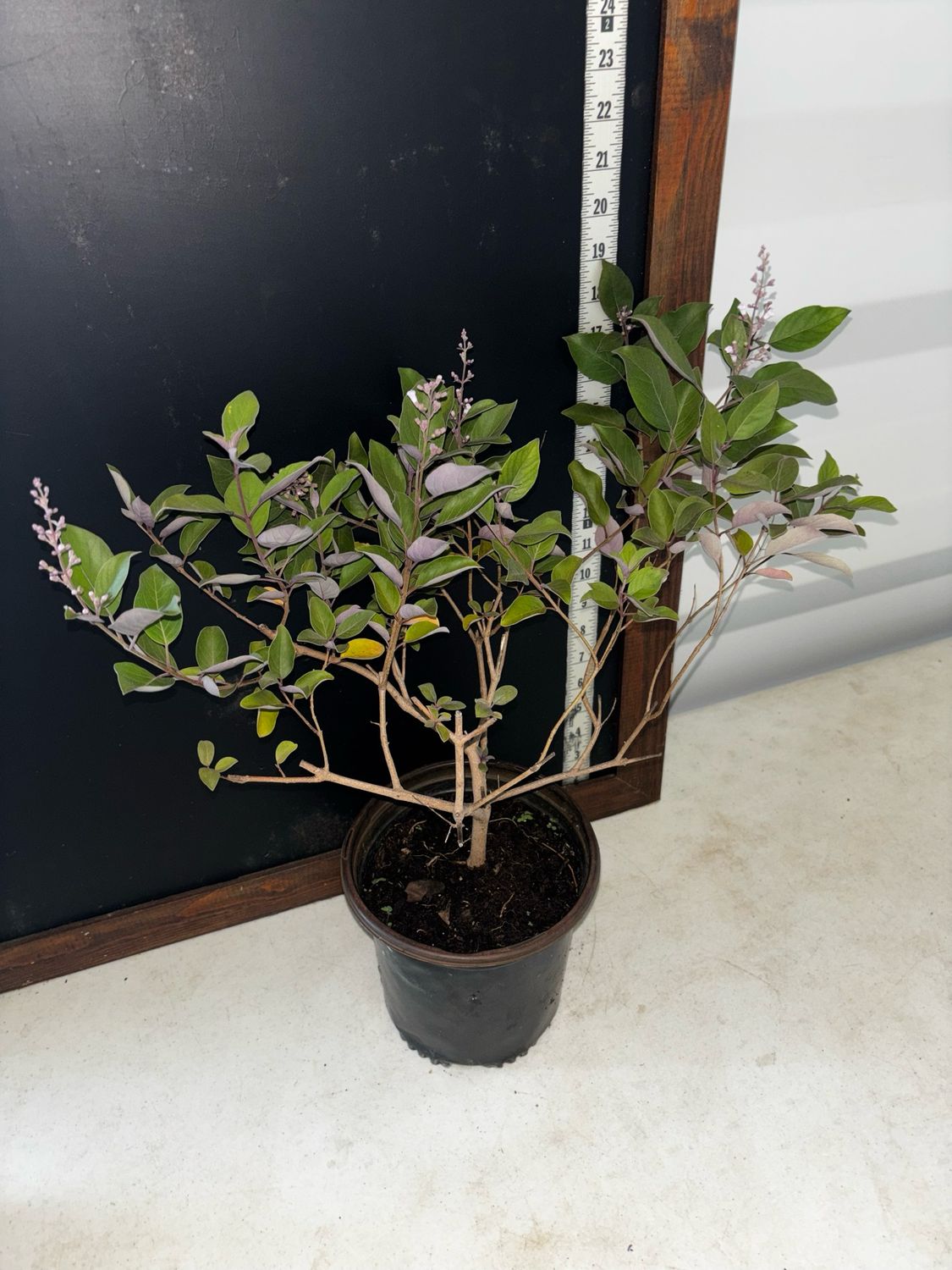
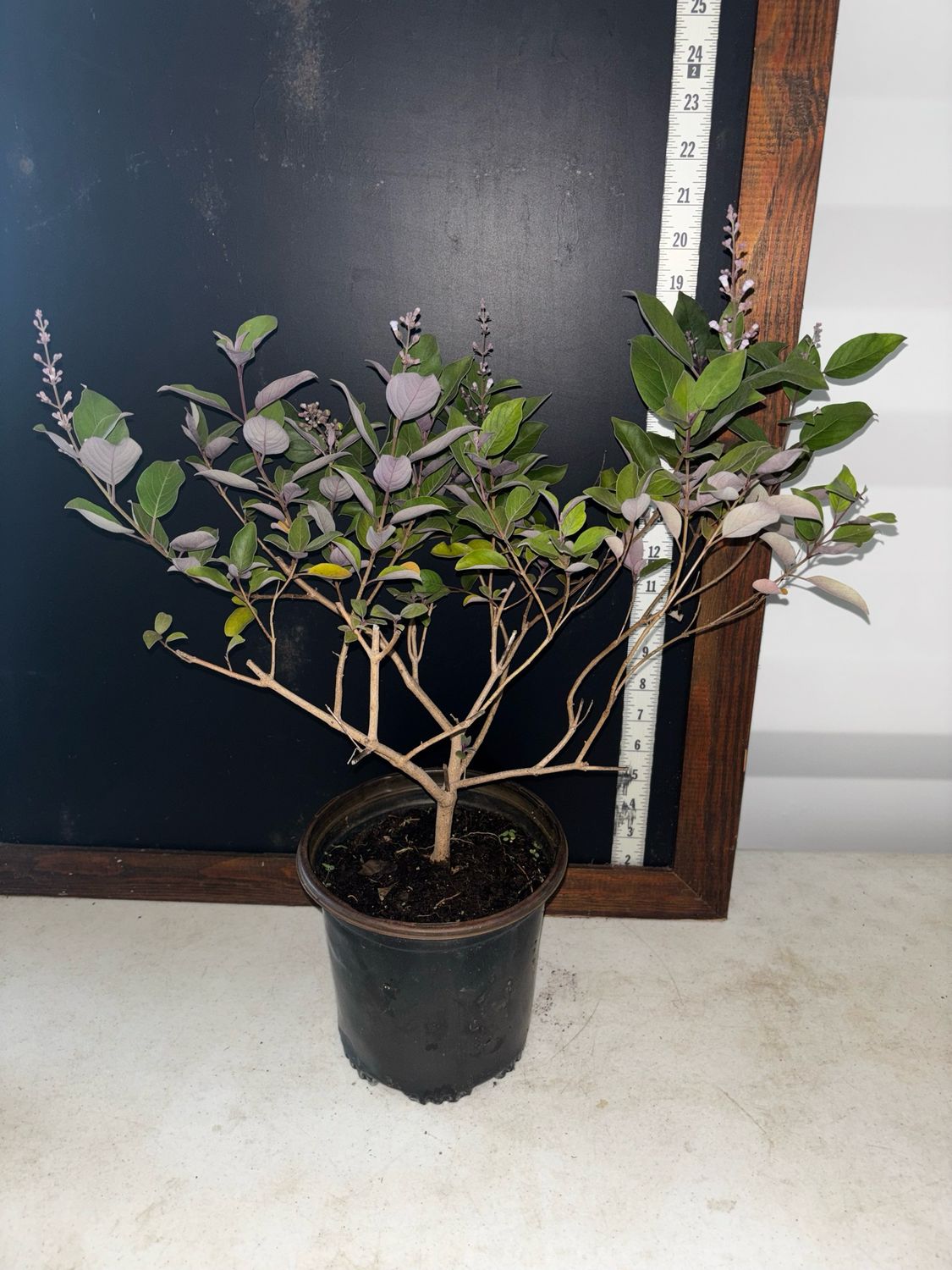
💜 Arabian Lilac — Purple-Backed Vitex for Pollinators, Color & Tropical Texture 🌿
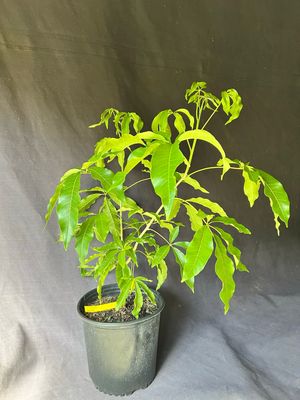
Bring bold foliage, soft lavender blooms, and serious pollinator energy into your landscape with Arabian Lilac (Vitex trifolia ‘Purpurea’) — a fast-growing ornamental shrub or small tree with shimmering gray-green leaves and velvety purple undersides. This is one of those “wait, what is that plant?” landscape pieces: tough, colorful, fragrant when crushed, and beautiful almost year-round in warm climates.
🌿 Quick Facts
| Category | Details |
|---|---|
| Botanical Name | Vitex trifolia ‘Purpurea’ |
| Common Names | Arabian Lilac, Purple Arabian Lilac, Blue Vitex, Fascination |
| Plant Type | Evergreen to semi-evergreen shrub / small ornamental tree |
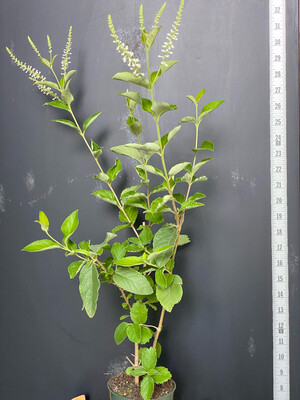
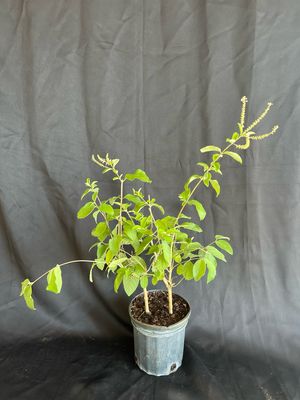
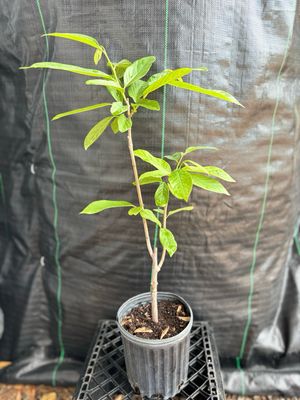
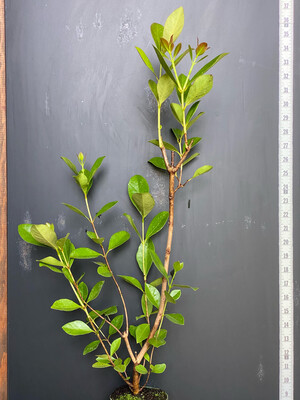
| Sale Size | 1-gallon container |
| Estimated Age | Typically young, actively growing nursery stock; age varies by crop timing and growth rate |
| Mature Size — Unpruned | About 10–15 ft tall x 10–15 ft wide |
| Mature Size — Pruned | Can be maintained around 6–10 ft as a hedge, screen, or patio specimen |
| USDA Zones | Best in Zones 9–11 |
| Cold Hardiness | Evergreen to about 28°F, stem hardy near 25°F, root hardy to about 20°F in protected conditions |
| Sun Requirements | Full sun to partial shade |
| Soil Needs | Adaptable, but must drain well |
| Water Needs | Moderate while establishing; drought tolerant once established |
| Salt / Wind Tolerance | Good choice for warm, windy, and coastal-style landscapes |
| Growth Habit | Upright, rounded, vigorous, multi-stemmed |
| Spacing | 6–8 ft for hedges; 10–15 ft for specimen form |
| Edible Use | Not sold as an edible plant; grown as ornamental / ecological landscape plant |
💜 What Makes Arabian Lilac Special?
Arabian Lilac (Vitex trifolia ‘Purpurea’) is all about contrast. The upper leaf surface is a soft gray-green, while the underside is rich purple and velvety — creating movement and color every time the breeze flips the foliage.
Top standout features:
- 💜 Purple-backed foliage for year-round ornamental interest
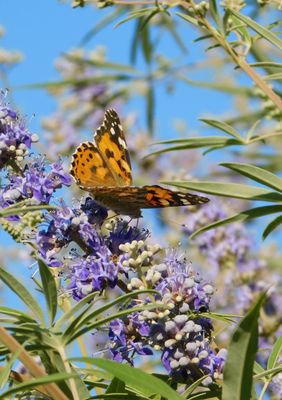
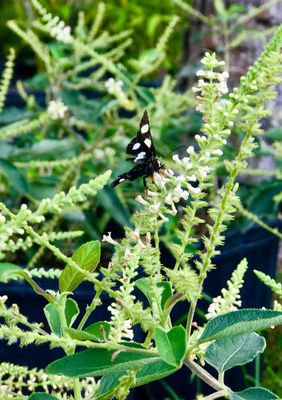
- 🌸 Lavender flower clusters that attract butterflies, bees, and beneficial insects
- 🌿 Fast growth for quick screening, hedging, or specimen impact
- 🌞 Excellent heat tolerance once established
- 🌬️ Useful in windy and coastal-influenced landscapes
- 🪴 Can be grown in large containers with pruning
- 🦋 Pollinator-friendly without needing fruit production or complex care
🌸 Flowers, Foliage & Fragrance
While the flowers are pretty, the foliage is the main character.
Foliage
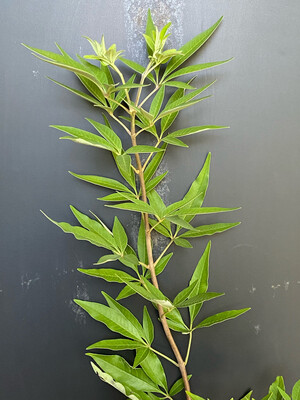
The leaves are typically divided into three leaflets, giving the plant its species name trifolia, meaning “three-leaved.” New growth and leaf undersides show the strongest purple tones, especially in bright light.
Flowers
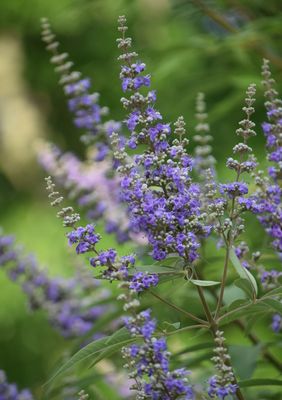
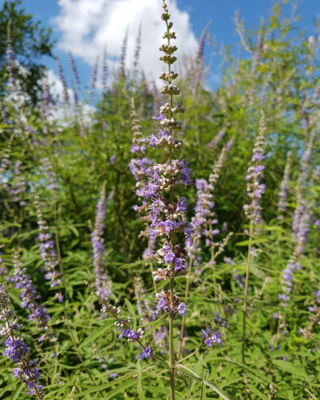
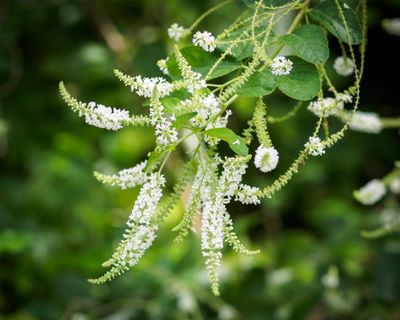
Arabian Lilac produces airy lavender to bluish-purple flower clusters, often appearing through warm months and sometimes nearly year-round in frost-free climates.
Fragrance
When crushed, the leaves release a peppery, herbal scent. This adds another sensory layer to the garden and makes the plant fun to introduce during nursery walks or landscape tours.
🌱 Best Uses in the Landscape
🌳 Small Ornamental Tree
Train Arabian Lilac into a single-trunk or multi-trunk small tree for a dramatic purple-foliage accent.
🌿 Privacy Hedge or Living Screen
Plant in a row and prune lightly to create a colorful, fast-growing hedge with pollinator value.
🦋 Pollinator Garden Anchor
Lavender blooms attract butterflies, honeybees, and beneficial insects, making this a great ecological ornamental.
🪴 Patio or Container Specimen
In a large decorative pot, Arabian Lilac can become a striking patio plant. Keep it pruned and well-watered during hot weather.
🌬️ Coastal & Wind-Exposed Landscapes
This is a strong option for sunny, warm, breezy locations where softer ornamentals struggle.
🌎 Origin & Plant Story
Vitex trifolia is native across parts of Africa, Asia, Australia, and Pacific regions, where it grows as a shrub or small tree in tropical and subtropical environments. Kew lists the species as native from eastern Africa through parts of the Pacific region. (Plants of the World Online)
The cultivar ‘Purpurea’ is especially treasured for its purple-backed foliage. In the landscape trade, it is grown less for fruit or culinary use and more for its dramatic color, resilience, and pollinator-friendly blooms.
🌞 Where to Plant Arabian Lilac
For best color and strongest growth, plant Arabian Lilac (Vitex trifolia ‘Purpurea’) in:
- Full sun to bright partial shade
- Well-draining soil
- Areas with room for airflow
- Warm microclimates protected from hard freezes
- Coastal or windy sites where tough ornamentals are needed
Avoid planting in low, soggy areas. This plant can tolerate drought after establishment, but wet roots and poor drainage are the fastest way to make it unhappy.
🌿 Planting & Care for Arabian Lilac
After Shipping
Keep your Arabian Lilac in its current 1-gallon container for about 30 days or until you see new growth, especially after shipping. This helps the plant recover from transit stress before being transplanted.
Planting Method
Use the GreenDreams “High & Tight” planting method:
- Dig the hole only slightly wider than the container
- Keep the root crown at or just above surrounding grade
- Backfill firmly so there are no large air pockets
- Do not bury the plant too deep
- Top-dress with compost, biochar, azomite, or organic nutrients as preferred
- Mulch with hardwood mulch, keeping mulch away from the woody base
Planting video:
https://youtu.be/RRQFY30qdA8?si=rRIcsbLlVAVYotfI
💧 Watering Guide
| Stage | Watering Recommendation |
|---|---|
| First 2–4 weeks after planting | Water regularly while roots establish |
| Dry season establishment | Water deeply several times per week as needed |
| Established in-ground plants | Drought tolerant, but better growth with occasional deep watering |
| Container plants | May need daily watering in hot weather |
| Best irrigation method | Drip irrigation preferred over overhead spray |
Check the soil before watering. Arabian Lilac likes moisture during establishment, but it does not want to sit wet.
✂️ Pruning Arabian Lilac
Arabian Lilac responds well to pruning and shaping.
Pruning goals:
- Maintain hedge height
- Encourage fuller branching
- Remove frost-damaged tips
- Shape into a small tree
- Control size in containers
Light pruning after flowering can encourage fresh growth. In Central Florida and similar Zone 9 climates, wait until cold damage has fully shown itself before heavy pruning in late winter or early spring.
❄️ Seasonal Care in Florida & Zone 9 Gardens
Spring
Expect fresh growth as temperatures warm. Prune out winter-damaged wood once new growth begins.
Summer
This is peak growth season. Water during drought, mulch well, and enjoy the strongest foliage color and flowering.
Fall
Growth may continue strongly in warm areas. Light shaping is fine, but avoid hard pruning right before possible cold weather.
Winter
In mild winters, Arabian Lilac may stay mostly evergreen. After frost, it may drop leaves or die back partially, then return from stems or roots when warmth returns.
🪴 Container Growing Tips
Arabian Lilac can grow well in a container, especially when young or maintained as a patio specimen.
Best container guidance:
- Start with the 1-gallon container until roots fill the pot
- Step up gradually: 1-gallon → 3-gallon → 7-gallon → larger patio container
- Use a well-draining potting mix
- Choose a container with strong drainage holes
- Place in full sun to bright filtered light
- Prune regularly to maintain size
For potting mix, look for a high-quality outdoor container blend with good drainage. A mix containing pine bark fines, compost, perlite, coarse sand, or similar drainage-supporting materials is ideal.
🏡 Can Arabian Lilac Grow Indoors?
Not as a long-term houseplant. Arabian Lilac is best outdoors where it receives real sun, airflow, and seasonal cues.
It may be overwintered temporarily in a bright greenhouse, sunroom, or protected patio in colder regions, but it should not be treated like a low-light indoor plant.
🌾 Companion Planting & Landscape Pairings
Arabian Lilac looks excellent with other sun-loving, pollinator-supporting, drought-tolerant plants.
Great GreenDreams-style companions:
- Mexican sunflower for chop-and-drop biomass and pollinators
- Lemongrass for texture and pest-confusing fragrance
- Clumping grasses for movement and structure
- Firebush for hummingbirds and native pollinator support
- Perennial peanut as a sunny groundcover in warmer areas
- Beautyberry for wildlife and purple fruit contrast
- Salvia, porterweed, and tropical milkweed for butterfly gardens
Use Arabian Lilac as the bold purple-textured backdrop, then layer flowering pollinator plants in front.
⚠️ Cautions
Not an edible listing
We do not sell Arabian Lilac as an edible or medicinal plant. It is best treated as an ornamental and ecological landscape plant.
Pet caution
Some sources list this plant as “may be poisonous” if ingested. Keep away from plant-chewing pets and children.
Florida invasive caution
UF/IFAS currently lists Vitex trifolia under Caution status for Florida, meaning it should be managed to prevent escape while assessment is ongoing. (assessment.ifas.ufl.edu)
For responsible planting:
- Avoid planting directly beside unmanaged natural areas
- Prune after flowering if seed set becomes a concern
- Monitor seedlings
- Use as a maintained landscape plant, not a wild hedge
🔍 Troubleshooting Guide
| Issue | Likely Cause | Organic Solution |
|---|---|---|
| 🍂 Yellowing lower leaves | Transplant adjustment, overwatering, or old foliage | Check drainage and avoid keeping soil soggy |
| 🫣 Wilting after shipping | Transit stress | Keep shaded/filtered light for recovery, water evenly, wait for new growth |
| ❄️ Frost-burned foliage | Cold exposure below comfort range | Wait until spring growth appears, then prune damaged tips |
| 💦 Root stress | Poor drainage or overwatering | Plant high, improve drainage, reduce watering frequency |
| 🪲 Leaf pests | Mites, scales, or sucking insects in hot/dry weather | Inspect undersides, rinse foliage, use organic horticultural oil if needed |
| 🌬️ Wind-tattered leaves | Exposed site or storms | Plant with wind-tolerant companions and mulch well |
| ☀️ Faded foliage color | Too much shade | Move or plant in brighter light for stronger purple tones |
🌟 Is Arabian Lilac Right for You?
✅ Ideal For:
- Gardeners wanting bold purple foliage
- Pollinator and butterfly gardens
- Fast-growing privacy screens
- Warm-climate hedges
- Coastal or windy landscapes
- Large containers and patio specimens
- Landscapers needing a tough ornamental with year-round interest
❌ Not Ideal For:
- Cold climates without winter protection
- Wet, poorly drained soils
- Households with plant-chewing pets
- Unmanaged planting near sensitive natural areas
- Growers looking for an edible or medicinal crop plant
❓ FAQ
Is Arabian Lilac the same as common lilac?
No. Arabian Lilac is not a true lilac. It is a tropical/subtropical Vitex with lavender blooms and purple-backed foliage.
Does Arabian Lilac attract butterflies?
Yes. The lavender flowers are attractive to butterflies, bees, and other beneficial insects.
Is Arabian Lilac evergreen?
In warm climates, yes, it can be evergreen to semi-evergreen. In Zone 9 frost events, it may drop leaves or experience stem dieback before returning in spring.
How big does Arabian Lilac get?
Unpruned plants can reach about 10–15 ft tall and wide. With regular pruning, it can be maintained smaller as a hedge or patio plant.
Can Arabian Lilac handle salt and wind?
Yes, it is widely noted as tolerant of coastal influence, wind, and heat once established. (Port St. Lucie Botanical Gardens)
🚚 Shipping Notes for 1-Gallon Arabian Lilac
This plant ships in a 1-gallon container from Florida using UPS Ground.
Best shipping regions:
- Florida
- Southeastern U.S.
- Texas
- Warm Zone 9–11 regions
We can ship across the continental U.S., but buyer discretion is important for northern and western states. Extended ground transit, peak heat, cold weather, and California agricultural inspection delays may increase stress on live plants.
Please note:
- We ship on Mondays
- Extreme heat and cold can affect plant condition in transit
- Plants may need extra recovery time after arrival
- Wait 30 days or until new growth appears before transplanting
- Risk from UPS Ground transit delays or weather exposure is assumed by the buyer
💜 Ready to Add Purple Foliage Magic to Your Garden?
Order your 1-gallon Arabian Lilac (Vitex trifolia ‘Purpurea’) today and bring home a fast-growing, pollinator-friendly ornamental with bold color, soft blooms, and tropical texture.
📍 Local Pickup at GreenDreams Nursery & Farm
We also sell Arabian Lilac and many other plants at our retail nursery location. We often have larger sizes and unique nursery-only finds that may not be available online.
GreenDreams Nursery & Farm
🌾 18709 US Hwy. 41, Spring Hill, FL 34610
🕘 Tues–Fri 9AM–5PM | 🌞 Sat 8AM–3PM
🌿 Stop by our regenerative nursery to see what’s blooming this week!
🌿 Beyond the Plant: GreenDreams Services
At GreenDreams, we do more than grow plants — we design, build, and restore ecosystems across Florida.
- 🌳 Onsite consultations & edible landscape design
- 🚜 Installation & project management
- 🚚 Bulk delivery of compost, mulch, biochar, and soil materials
- 🌾 Wholesale & large-scale regenerative solutions
Let our team help you create your own thriving edible paradise — starting with beautiful, ecological plants like Arabian Lilac.
🌿 IMPORTANT INFORMATION BEFORE PURCHASING LIVE PLANTS
Please note: Plants purchased through our online store are not available for pickup at our retail nursery in Spring Hill, Florida.
Online inventory is housed at a separate facility and is priced, prepared, and handled exclusively for shipping.
🌱 Looking for larger plants or more selection?
Our retail nursery location offers far more availability, including larger sizes, specialty plants, and many selections not suitable for nationwide shipping.
Local pickup is available for retail nursery purchases only.
Visit our Spring Hill, FL retail nursery page to explore in-person shopping options.
🚚 LIVE PLANT SHIPPING & TRANSIT EXPECTATIONS
Live plants naturally experience stress during shipping. Temporary leaf drop, mild wilting, or cosmetic stress is normal after transit. Most plants recover quickly with proper watering, gradual light exposure, and basic aftercare. Some plants may require additional attention during the first few weeks.
Despite careful packing, minor cosmetic damage may occur during transit. Small issues such as broken leaves or stems typically resolve with time and proper care.
If your shipping box arrives with significant external damage, please contact UPS within 30 days to initiate a carrier claim.
⏱️ SHIPPING METHOD, TIMING & TRANSIT WINDOWS
All online orders ship via UPS Ground from our Central Florida nursery.
📦 Shipping Schedule: Orders ship once weekly on Mondays to reduce the risk of packages sitting in transit over weekends. A countdown clock on our website displays the next shipping date.
🚚 Typical Transit Times:
-
Florida: 1–2 days
-
Southern U.S.: approximately 2 days
-
Midwest, West & Northern U.S.: 3–5 business days
Long-distance shipments, particularly to the western U.S., may experience additional transit time due to agricultural inspections in states such as Arizona, California, and Texas.
Extended transit times can be more challenging for small or tender plants and may require additional recovery care after arrival.
🌡️ EXTREME WEATHER & SEASONAL RISK
Live plants are sensitive to temperature extremes.
We cannot guarantee plant condition during periods of extreme summer heat or winter cold and freezing temperatures. Weather-related delays, carrier interruptions, or exposure during delivery are beyond our control.
Customers are responsible for:
-
Monitoring tracking information sent via email
-
Retrieving packages promptly upon delivery
-
Preventing plants from being left outdoors in extreme conditions
During unsafe weather, holiday shipping volume, or extended transit risk, orders may be held and shipped the following week to protect plant health.
⚠️ CUSTOMER RESPONSIBILITY & REFUND POLICY
By purchasing live plants, customers acknowledge and accept the risks associated with shipping, weather exposure, transit delays, and regional suitability.
Refunds or replacements are considered only under exceptional circumstances and in accordance with our return and refund policy. We are not responsible for:
-
Weather-related damage
-
Carrier delays
-
Poor plant selection for a given climate or region
-
Improper care after delivery
Upon purchase, customers assume full responsibility for the ongoing care and success of their plants.
✅ CONSENT & AGREEMENT
By completing a purchase, you confirm that you have read, understand, and agree to all shipping policies, responsibilities, and conditions outlined above.
Our goal is transparency, plant health, and long-term growing success — and we appreciate your understanding and care when ordering live plants.


