


🌿 Dwarf Chaste Tree (Dwarf Vitex) — Compact Color, Pollinator Power, Folk Remedy Charm
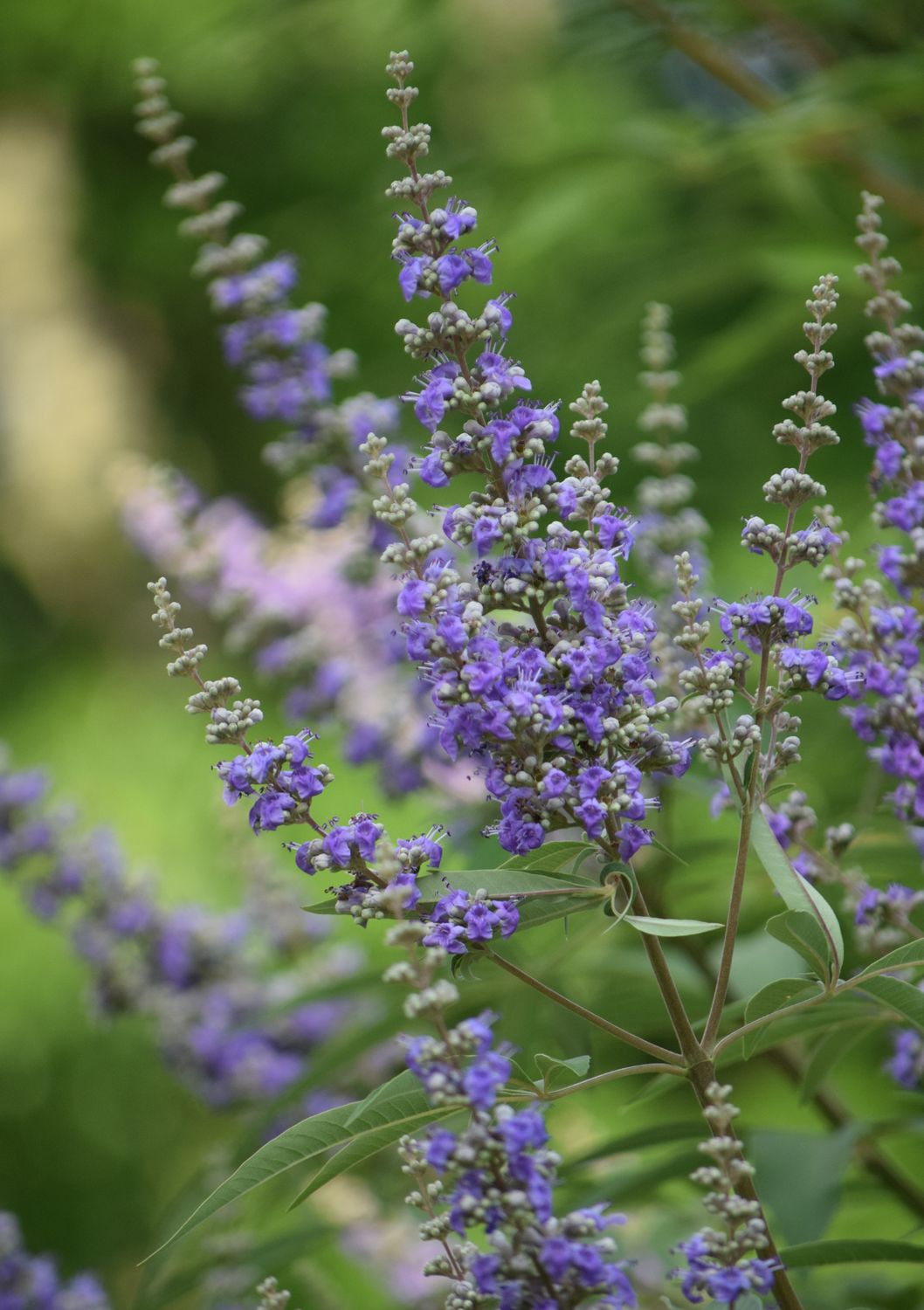
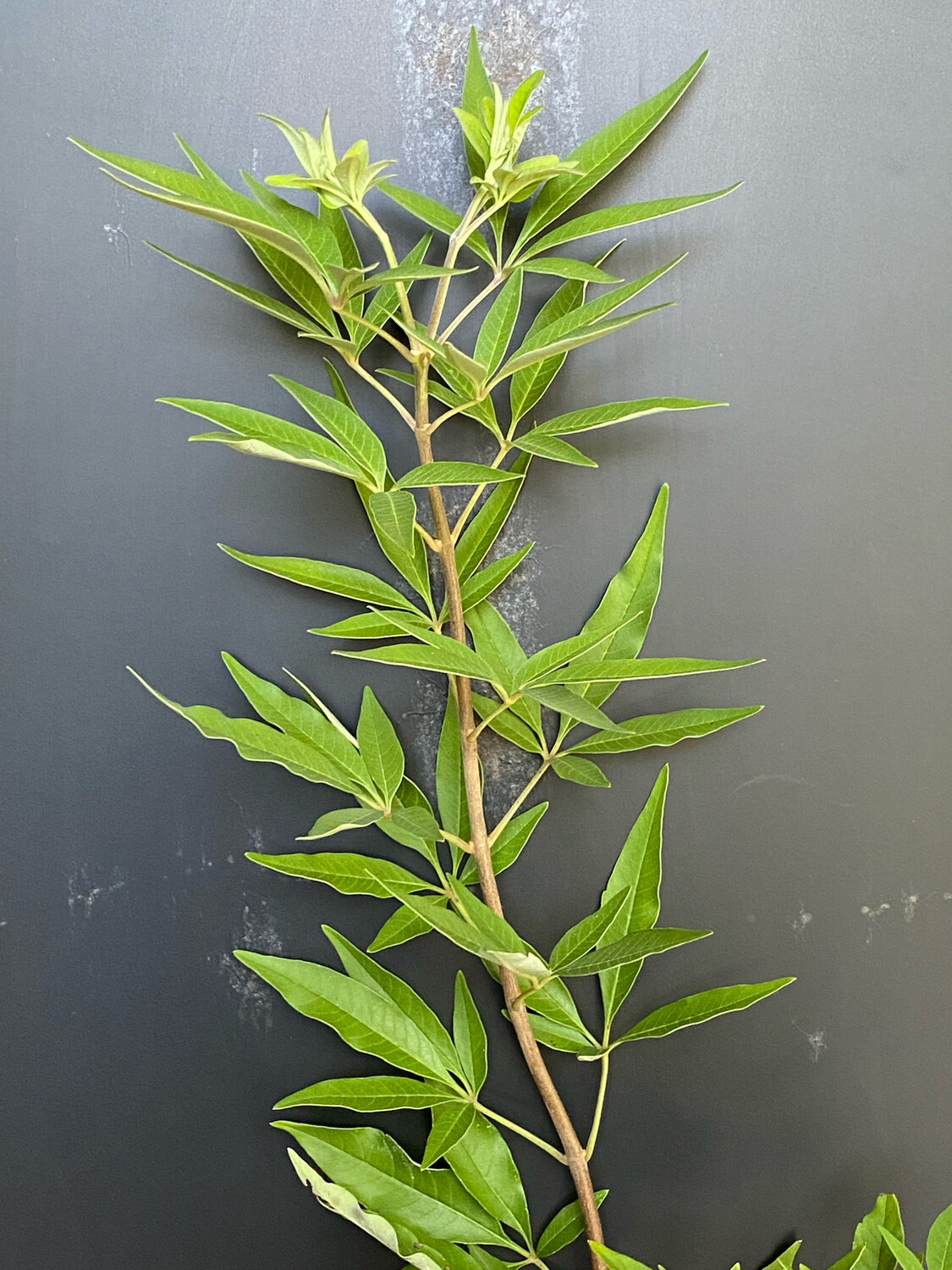
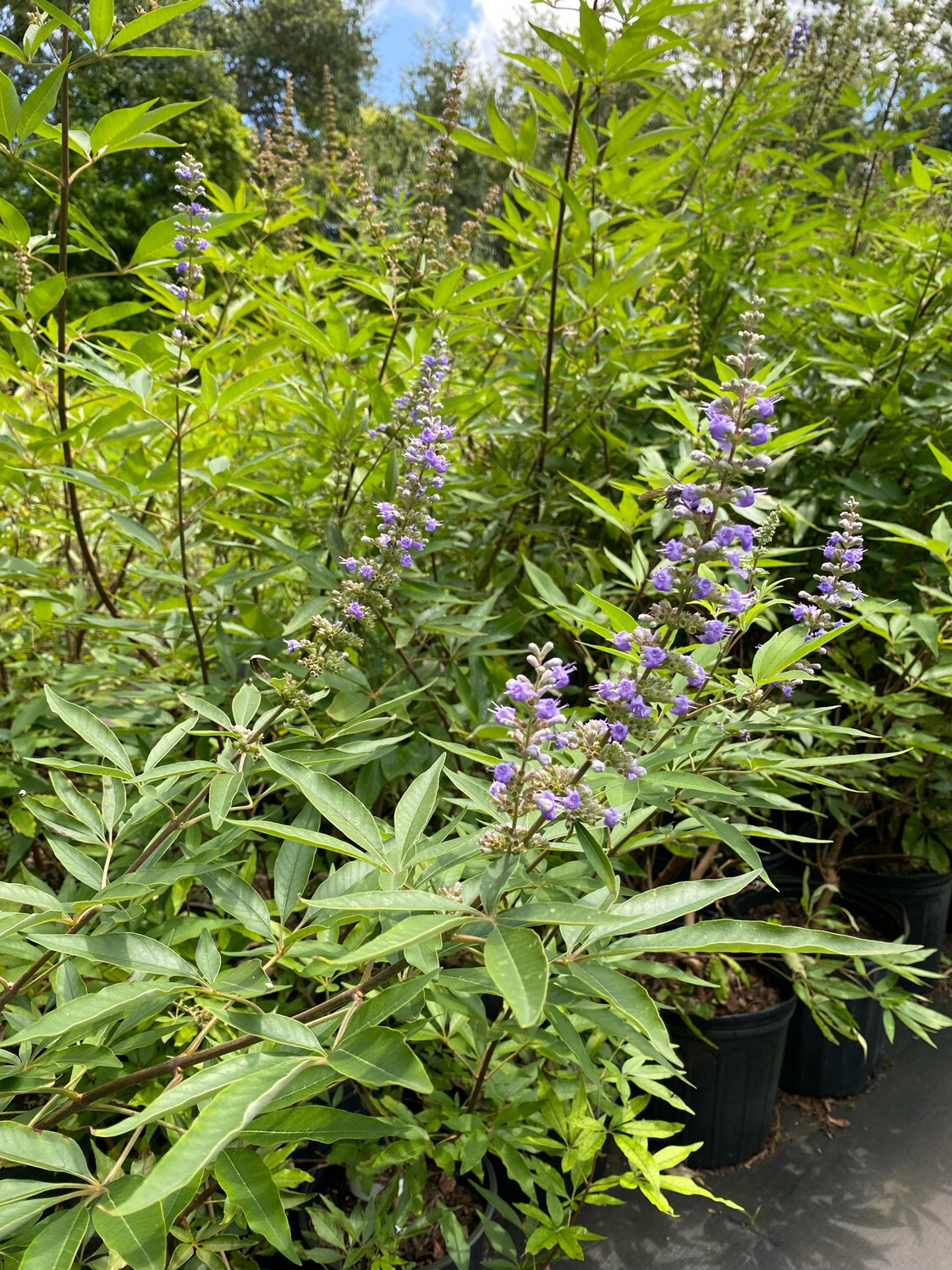
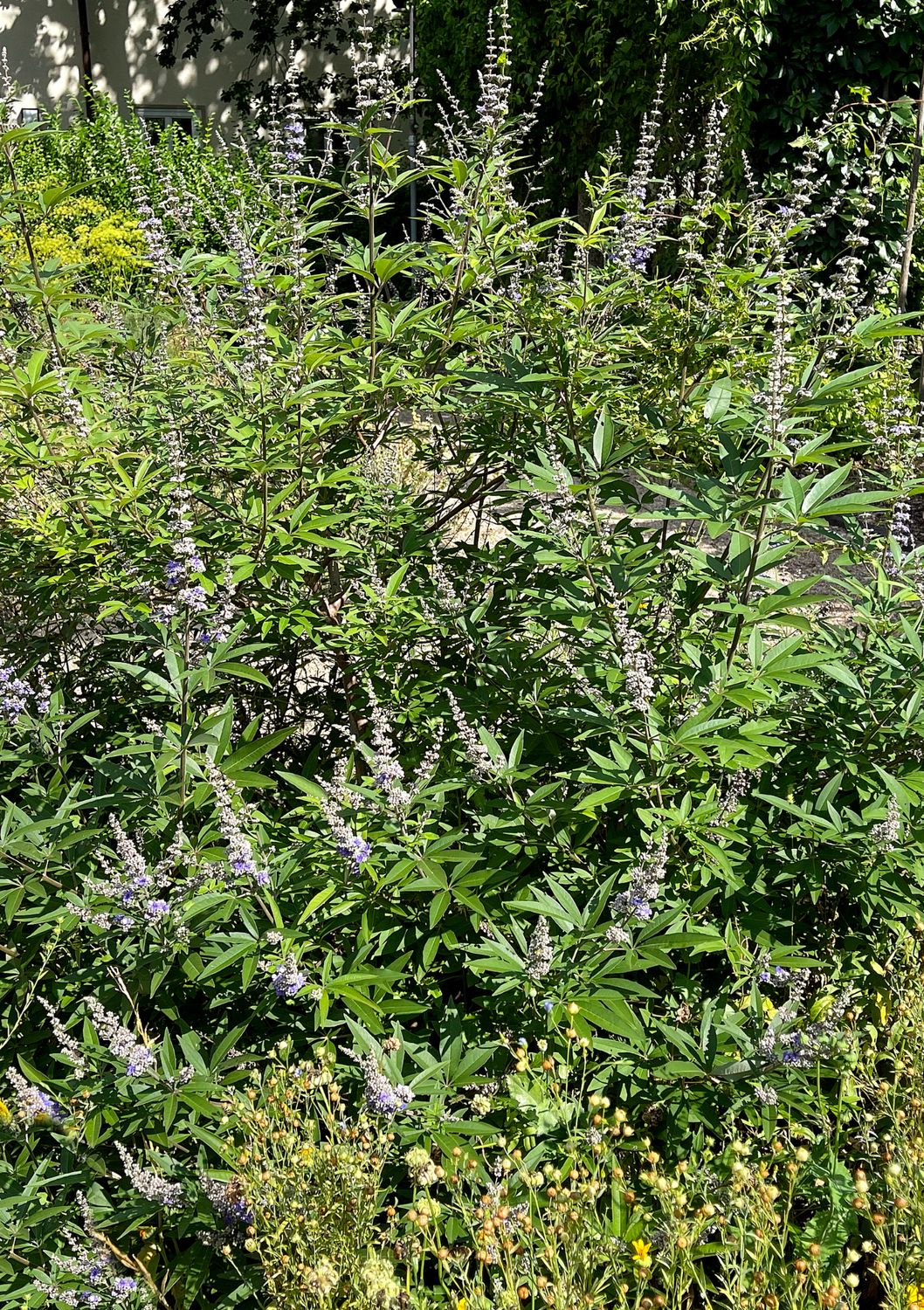
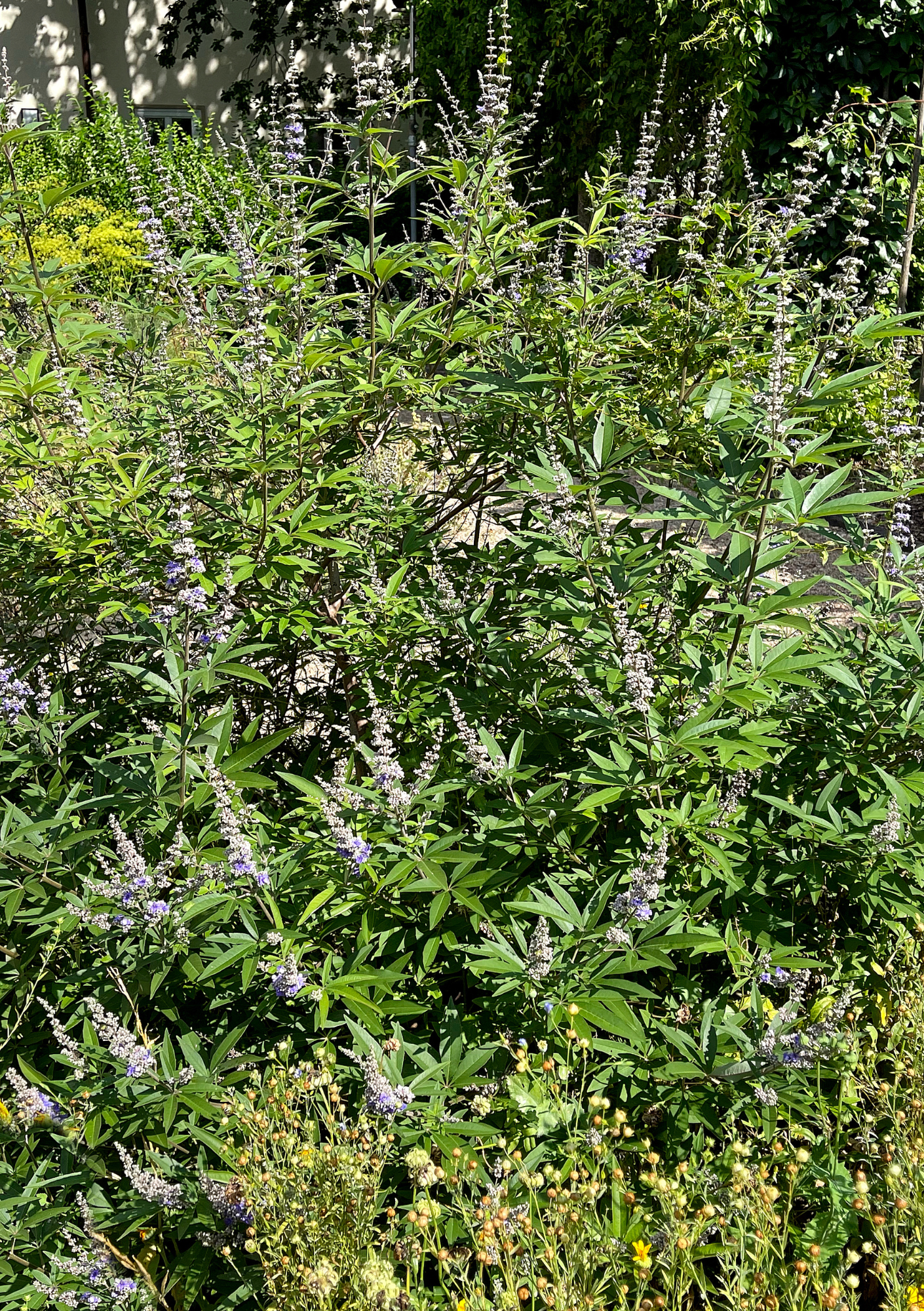
Meet the space-savvy star of sunny gardens: the Dwarf Chaste Tree (Vitex agnus-castus, compact selections). It delivers lavender-blue or white flower spikes through the warm season, feeds butterflies and bees, and keeps a neat, easy-care form that fits patios, borders, and large containers. Florida-friendly, drought-tough once established, and rich with herbal folklore—this is small scale with a big impact. 🌸🦋
Ships in a 4" starter container
🌿 Quick Facts (Grower Cheat Sheet)
| Category | Details |
|---|---|
| Botanical Name | Vitex agnus-castus (dwarf/compact forms) |
| Plant Type | Deciduous flowering shrub / small tree |
| Sale Sizes | 4" container (1-gallon also available for shipping, larger sizes available for local pickup) |
| Mature Size | Typically 4–8 ft tall × 4–8 ft wide; in frost-free areas and with light training, 8–12 ft is possible. |
| Prune-To Size | Maintain at 3–6 ft for ultra-compact hedges or patio standards |
| USDA Zones | 8–11 (best); can grow in warm pockets of 7b with dieback and spring rebound |
| Sun | Full sun (best bloom); tolerates light/part sun in hot climates |
| Cold/Dieback | May die back in winter in 8–9; blooms on new wood, so it rebounds and still flowers |
| Soil/Drainage | Well-drained sandy/loamy soils; avoid chronically wet spots |
| Spacing | 5–6 ft on-center for hedges; 8–10 ft for airy specimens |
Zone examples:
8–9: North/Central FL, Gulf Coast (AL, MS, LA), much of TX
10–11: Central/South FL with excellent drainage (avoid mucky, waterlogged sites)
🌸 Flower & Garden Performance
- Color: Most dwarf/compact forms are lavender-blue; white forms exist for a cool, elegant look.
- Season: Late spring–summer main flush with sporadic rebloom if you remove spent spikes.
- Pollinators: A reliable nectar source for bees, butterflies, and occasional hummingbirds.
🌱 Top Benefits & Uses
- Small-footprint showpiece: Tight habit = big color where space is limited.
- Low water once established: Great for Florida-Friendly, Mediterranean, and xeric accents.
- Easy care: Forgiving in heat and sun; simple to shape.
- Herbal folklore: “Chasteberry/monk’s pepper” has a long tradition in women’s wellness; modern users still explore extracts for PMS support. (Share safety notes with customers; see Cautions.)
Planting & Care (GreenDreams Method)
Where to plant
- Sun & soil: Choose a sunny, well-drained site. Vitex dislikes standing water.
- Florida tip: Performs from Panhandle to South FL with drainage; plant slightly mounded in flat, rainy sites.
How to plant — the “High & Tight” approach
- Dig a hole just wider than the container and no deeper.
- Set the root ball 1–2" high above surrounding grade for drainage.
- Backfill firmly to remove air pockets; water thoroughly to settle.
- Mulch 2–3" around the dripline, but keep mulch off the trunk.
Water & feed
- Establishment: Water daily for the first week, 2–3×/week for 4–6 weeks, then weekly through the first warm season (adjust for rainfall).
- Mature plants: Deep, occasional watering during droughts; avoid heavy nitrogen (can reduce flowering).
- Feeding: If desired, use a balanced, organic fertilizer in early spring; stop feeding by late summer.
Pruning (super simple)
- Blooms on new wood → Prune in late winter/early spring for size and shape.
- Rebloom boost: Lightly deadhead/cut back after the first flush to encourage more spikes.
- Forms to try: Train a single or multi-trunk patio standard, or keep a compact mound/hedge with a once-a-year haircut.
🪴 Container & (Temporary) Indoor Tips
- Containers: Dwarf vitex thrives in large pots with drainage (start ~14–20" diameter for 1–3G plants).
- Potting mix: Well-aerated, fast-draining blend; avoid waterlogged media.
- Repot cycle: Every 2–3 years or when rootbound.
- Indoors (temporary only): Bright south or west window during cold snaps; return outdoors ASAP for best vigor.
🌿 Ornamental Design Ideas
- Sunny patio accent: A compact standard in a tall planter = instant resort vibes.
- Pollinator ribbon: Mass along a fence with rosemary, lavender, muhly grass, and gaura.
- Small-hedge screen: Shear to 3–4 ft for a tidy, floriferous border.
🍃 Herbal/Folklore Snapshot (non-medical)
- Traditional use: Dried chasteberries have a long history in European and Mediterranean herbal practices for women’s wellness (commonly discussed for PMS).
- Modern note: Some people use standardized extracts; evidence and experiences vary. Always advise customers to consult a clinician before use—especially with hormone-related medications or during pregnancy/lactation.
⚠️ Cautions & Regional Notes
- Self-seeding: Less of an issue with compact forms, but always deadhead spent spikes if you garden near natural areas.
- Drainage matters: Persistent wetness invites decline; plant high, water deeply but infrequently once established.
- Herbal safety: Potential interactions with hormone-related or dopamine-related medications; not advised during pregnancy/breastfeeding without medical guidance.
🌿 Is This Plant Right for You?
✅ Ideal for:
- Small yards, courtyards, patios, pool decks
- Low-maintenance landscapes needing long-season color
- Pollinator gardens and Florida-Friendly plantings
- Gardeners who like easy pruning and container versatility
❌ Not ideal for:
- Waterlogged or heavy clay sites without amending/mounding
- Shady spaces (fewer flowers in low light)
- Areas where you cannot manage seed heads near sensitive natural corridors
❓ Dwarf Vitex FAQ
How tall does the dwarf really get?
Most compact forms stay around 4–8 ft with light shaping; in frost-free areas and with training, 8–12 ft is possible.
Will it flower after winter dieback?
Yes. It flowers on new wood, so it rebounds and still blooms after a cold knockback.
Can I keep it at 3–4 ft?
Absolutely—annual late-winter pruning plus light summer shaping keeps a tight, blooming mound.
Does it need much water?
No—after establishment it’s drought-tough. Water deeply but infrequently during extended dry spells.
Good for containers?
Yes—choose a large, stable pot with drainage; feed lightly and prune once a year.
🍽️ Culinary/Industry Uses?
- Not grown for fruit in the kitchen garden; berries are small and peppery.
- Primary value is ornamental + pollinator support; herbal interest is with the berries (see safety notes).
🌿 Chaste Tree vs. Dwarf Chaste Tree — Comparison Guide
Choosing between our two Vitex agnus-castus varieties?
Here’s a quick, side-by-side guide to help you decide which one fits your landscape, space, and style best. 🌸🦋
| Feature | 🌳 Standard Chaste Tree | 🌿 Dwarf Chaste Tree (Compact Vitex) |
|---|---|---|
| Botanical Name | Vitex agnus-castus | Vitex agnus-castus (compact selection) |
| Common Names | Chaste Tree, Monk’s Pepper, Vitex | Dwarf Chaste Tree, Compact Vitex, Dwarf Chasteberry |
| Mature Height | 10–20 ft (pruned to 6–10 ft) | 4–8 ft (can reach 10–12 ft in warm zones) |
| Mature Width | 10–20 ft spread | 4–8 ft spread |
| Growth Habit | Multi-trunk tree or large shrub | Compact shrub or small patio tree |
| Best For | Shade tree, landscape focal point, pollinator haven | Small gardens, patios, borders, containers |
| Sun Requirements | Full sun (6+ hrs/day) | Full sun to light partial shade |
| Cold Hardiness | Root-hardy to Zone 7b; may die back in 8–9 | Root-hardy to Zone 8; regrows after frost |
| USDA Growing Zones | 7b–11 (Florida-Friendly, Texas & Gulf Coast adaptable) | 8–11 (Florida, Gulf Coast, South Texas, Coastal Carolinas) |
| Flower Color Options | Lavender-blue (most common) • White ‘Alba’ variety | Lavender-blue (standard) • White compact forms |
| Blooming Season | Late spring through summer, with rebloom if deadheaded | Late spring through summer, continuous if deadheaded |
| Flowering Habit | Blooms on new wood each year | Blooms on new wood each year |
| Water Requirements | Moderate to low once established | Moderate to low once established |
| Soil Preference | Well-drained sandy or loamy soil | Well-drained sandy or loamy soil |
| Drought Tolerance | Excellent once mature | Excellent once mature |
| Salt Tolerance | Moderate | Moderate |
| Maintenance Needs | Annual pruning for size control & rebloom | Light pruning for shape or hedge form |
| Container Suitability | Can be grown in large containers (7–15+ gal) | Perfect for medium to large pots (5–10 gal) |
| Ornamental Appeal | Elegant, tree-like form with showy spikes | Compact, mounding habit with dense bloom clusters |
| Wildlife Benefits | Major nectar source for bees, butterflies, and hummingbirds | Same as standard, ideal for small pollinator gardens |
| Herbal/Folklore Use | Traditional women’s tonic (“chasteberry”) | Same use; identical species |
| Best Landscape Use | Focal specimen, driveway tree, wildlife garden | Foundation plantings, patio accents, cottage gardens |
| Shipping Availability | 4” & 1G sizes (ships best to FL, SE U.S., TX) | 4” & 1G sizes (ships best to FL, SE U.S., TX) |
| Cold Season Note | May defoliate or die back in frost; regrows in spring | May defoliate; regrows quickly and flowers by early summer |
| Maintenance Difficulty | Easy (low water, light pruning) | Very easy (ideal for beginners) |
| Typical Bloom Time in Florida | May–October | May–October |
🌼 Which One Should You Choose?
Go with the Standard Chaste Tree if you want:
✅ A showy, tree-like form for larger yards or pollinator groves
✅ A statement plant for driveways, borders, or landscape focal points
✅ To create shade or height variation in your garden
Choose the Dwarf Chaste Tree if you want:
✅ A smaller, easy-to-maintain shrub or patio plant
✅ Gorgeous blooms in limited spaces
✅ Container versatility or a short privacy hedge
✅ The same fragrance and pollinator attraction in compact form
🚚 Shipping & Local Pickup
Shipping (4” & 1-gallon sizes):
Best results when shipping to Florida, the Southeastern U.S., and Texas via UPS Ground (ships Mondays). Plants sent to northern/western states may need extra recovery time from transit. During peak heat or cold, buyer discretion is advised; we are not responsible for extreme temperature conditions in transit. Note: 4" plants dry out faster; for long distances, 1-gallon is recommended when available.
Local Pickup (larger sizes available):
GreenDreams Nursery & Farm
18709 US Hwy. 41, Spring Hill, FL 34610
Tue–Fri 9–5 | Sat 8–3
🌟 Ready to plant?
Dress small spaces with big summer color—and feed your local pollinators while you’re at it. Add Dwarf Chaste Tree to your cart or visit our Spring Hill nursery to choose yours in person. 🌿🌸
🌿 IMPORTANT INFORMATION BEFORE PURCHASING LIVE PLANTS
Please note: Plants purchased through our online store are not available for pickup at our retail nursery in Spring Hill, Florida.
Online inventory is housed at a separate facility and is priced, prepared, and handled exclusively for shipping.
🌱 Looking for larger plants or more selection?
Our retail nursery location offers far more availability, including larger sizes, specialty plants, and many selections not suitable for nationwide shipping.
Local pickup is available for retail nursery purchases only.
Visit our Spring Hill, FL retail nursery page to explore in-person shopping options.
🚚 LIVE PLANT SHIPPING & TRANSIT EXPECTATIONS
Live plants naturally experience stress during shipping. Temporary leaf drop, mild wilting, or cosmetic stress is normal after transit. Most plants recover quickly with proper watering, gradual light exposure, and basic aftercare. Some plants may require additional attention during the first few weeks.
Despite careful packing, minor cosmetic damage may occur during transit. Small issues such as broken leaves or stems typically resolve with time and proper care.
If your shipping box arrives with significant external damage, please contact UPS within 30 days to initiate a carrier claim.
⏱️ SHIPPING METHOD, TIMING & TRANSIT WINDOWS
All online orders ship via UPS Ground from our Central Florida nursery.
📦 Shipping Schedule: Orders ship once weekly on Mondays to reduce the risk of packages sitting in transit over weekends. A countdown clock on our website displays the next shipping date.
🚚 Typical Transit Times:
-
Florida: 1–2 days
-
Southern U.S.: approximately 2 days
-
Midwest, West & Northern U.S.: 3–5 business days
Long-distance shipments, particularly to the western U.S., may experience additional transit time due to agricultural inspections in states such as Arizona, California, and Texas.
Extended transit times can be more challenging for small or tender plants and may require additional recovery care after arrival.
🌡️ EXTREME WEATHER & SEASONAL RISK
Live plants are sensitive to temperature extremes.
We cannot guarantee plant condition during periods of extreme summer heat or winter cold and freezing temperatures. Weather-related delays, carrier interruptions, or exposure during delivery are beyond our control.
Customers are responsible for:
-
Monitoring tracking information sent via email
-
Retrieving packages promptly upon delivery
-
Preventing plants from being left outdoors in extreme conditions
During unsafe weather, holiday shipping volume, or extended transit risk, orders may be held and shipped the following week to protect plant health.
⚠️ CUSTOMER RESPONSIBILITY & REFUND POLICY
By purchasing live plants, customers acknowledge and accept the risks associated with shipping, weather exposure, transit delays, and regional suitability.
Refunds or replacements are considered only under exceptional circumstances and in accordance with our return and refund policy. We are not responsible for:
-
Weather-related damage
-
Carrier delays
-
Poor plant selection for a given climate or region
-
Improper care after delivery
Upon purchase, customers assume full responsibility for the ongoing care and success of their plants.
✅ CONSENT & AGREEMENT
By completing a purchase, you confirm that you have read, understand, and agree to all shipping policies, responsibilities, and conditions outlined above.
Our goal is transparency, plant health, and long-term growing success — and we appreciate your understanding and care when ordering live plants.


