


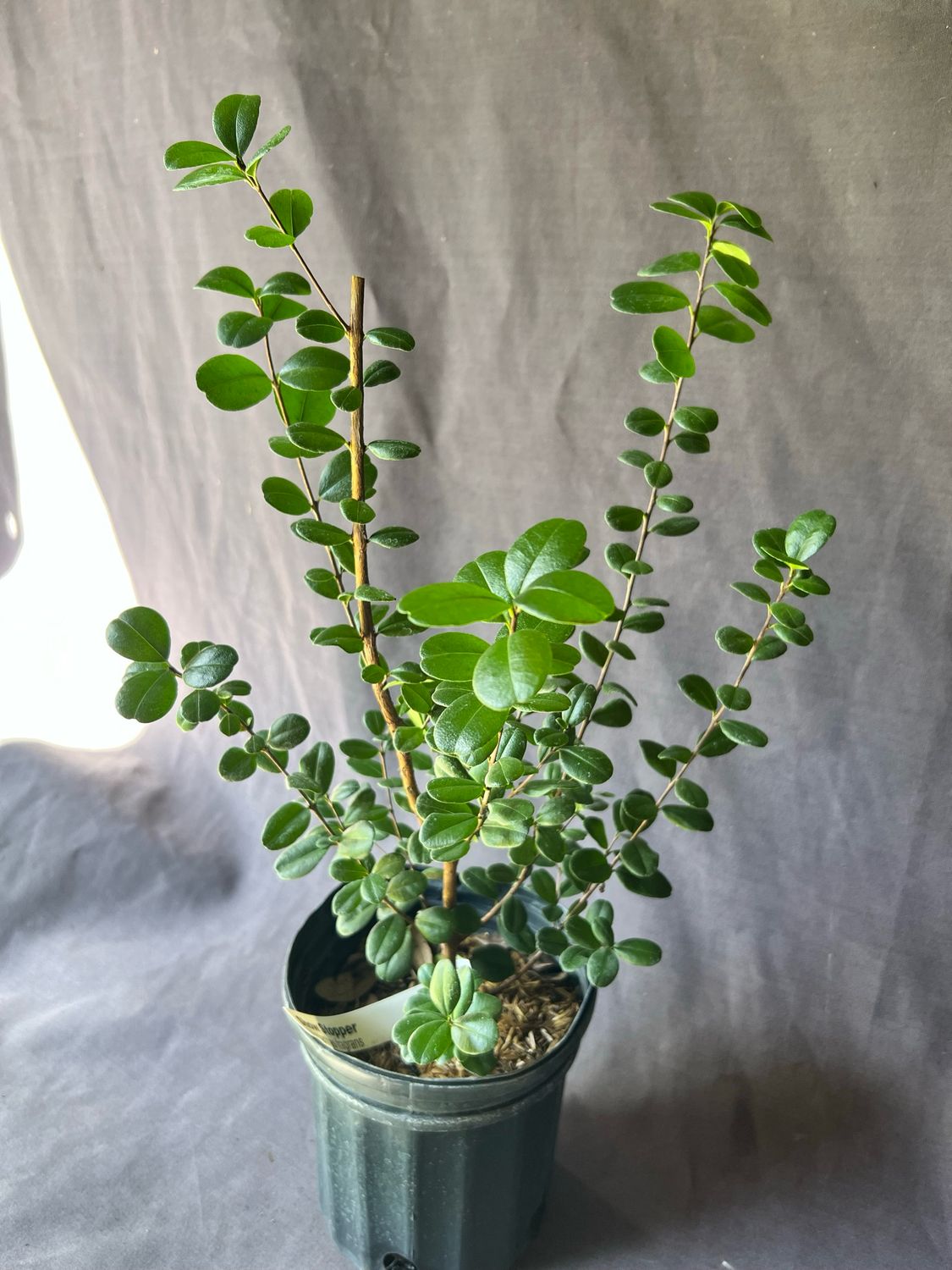
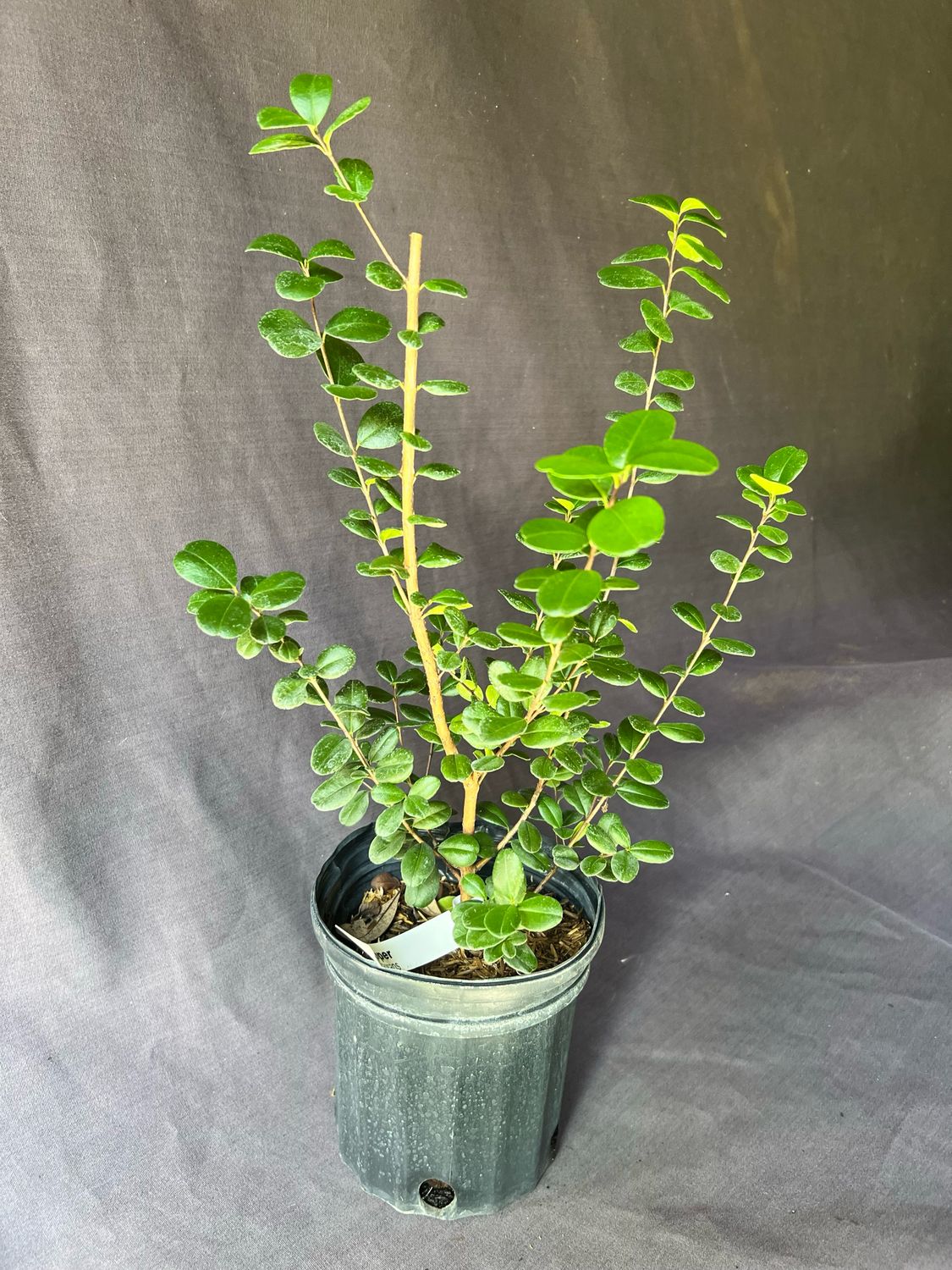
🌿 ‘Show Stopper’ Simpson’s Stopper – Florida Native Evergreen Hedge & Wildlife Plant
Myrcianthes fragrans ‘Show Stopper’ | 1-Gallon Live Plant
Glossy evergreen foliage. Fragrant white flowers. Red-orange berries. Birds, bees, butterflies—and one seriously useful Florida native.
If you have ever wished a privacy hedge could do more than simply block the neighbor’s view, ‘Show Stopper’ Simpson’s Stopper makes a strong case for upgrading the entire idea of a hedge.
This beautiful Florida native can become a dense evergreen screen, a polished foundation shrub, a multi-trunk specimen tree, a coastal landscape workhorse, and a year-round piece of wildlife habitat—all from the same plant. Its small aromatic leaves, fragrant white blooms, bright berries, and peeling reddish bark create layers of interest that conventional hedge plants simply cannot match.
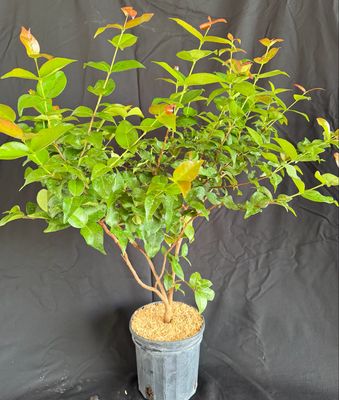
Ships as a nursery-grown plant in a 1-gallon container.
⠀ ⠀ ⠀ ⠀ ⠀
🌿 Quick Facts: ‘Show Stopper’ Simpson’s Stopper
| Category | Details |
|---|---|
| Botanical Name | Myrcianthes fragrans ‘Show Stopper’ |
| Also Seen in Nursery Trade As | ‘Shostopper’ |
| Common Names | Simpson’s Stopper, Twinberry |
| Family | Myrtaceae – the Myrtle family |
| Plant Type | Evergreen woody shrub / small tree |
| Florida Native | Yes |
| Sale Size | Ships in a 1-gallon nursery container |
| Estimated Nursery Age | Often approximately 1–2+ years depending on propagation and production method; chronological age is not guaranteed by container size |
| Growth Rate | Slow to moderate; UF/IFAS notes roughly 1 ft of growth per year is common while establishing toward maturity |
| Cultivar Mature Height | Approximately 6–20 ft if allowed to develop naturally |
| Cultivar Mature Width | Approximately 6–12 ft |
| Common Managed Height | Approximately 5–10 ft as a hedge or screen; can be kept smaller with regular pruning |
| General Species Potential | Older unpruned specimens can exceed normal landscape dimensions under favorable conditions |
| Growth Habit | Dense rounded shrub to upright multi-trunked small tree |
| Leaf Persistence | Evergreen |
| Sun | Full sun to partial shade; tolerates substantial shade |
| Best Density | Full sun produces the densest foliage |
| USDA Zones | Generally 8B–11 by UF/IFAS Gardening Solutions; other UF resources conservatively list 9B–11 |
| Cold Hardiness | Approximately 25°F once established; young 1-gallon plants require greater protection |
| Water | Regular during establishment; highly drought tolerant once mature |
| Soil | Adaptable to sandy, loamy, rocky, shell, marl, limerock and alkaline soils |
| Soil Moisture | Well-drained through periodically wet conditions |
| Salt Tolerance | High according to UF/IFAS |
| Wind Resistance | Moderately wind resistant once mature; not considered storm-proof |
| Primary Florida Bloom | Typically April–May, with sporadic flowering possible at other times |
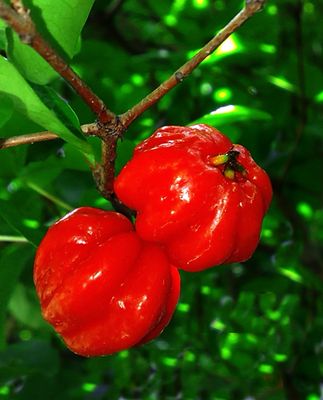
| Fruit | Small orange to reddish-orange berries, often appearing in pairs |
| Wildlife Value | Nectar for bees and butterflies; fruit and cover for birds |
| Hedge Spacing | Approximately 3–5 ft apart |
| Specimen Spacing | Allow approximately 6–12+ ft depending on intended mature form |
| Best Landscape Uses | Hedge, privacy screen, native buffer, wildlife garden, specimen tree, foundation planting, coastal landscape, patio tree, topiary |
| Container Growing | Yes, with pruning and progressive up-potting |
| Indoor Growing | Not recommended as a permanent indoor houseplant |
🌡️ A Note About Zones 8B–9A
UF/IFAS Gardening Solutions reports Simpson’s Stopper as hardy into Zone 8B and approximately 25°F, while the Florida-Friendly Landscaping database uses the more conservative range of Zones 9B–11.
For growers in North Florida, the northern Gulf Coast, inland Zone 9A, southeastern Georgia, coastal South Carolina, and similar marginal areas, think of this as a protected-site subtropical evergreen, especially while young.
A mature established plant and a newly shipped 1-gallon plant should not be expected to have identical cold tolerance.
⠀ ⠀ ⠀ ⠀ ⠀
🌿 What Makes ‘Show Stopper’ Different?
Florida nurseries commonly sell several forms or cultivars of Myrcianthes fragrans. The selection featured here is commonly called ‘Show Stopper’, while some commercial growers list the same or closely associated nursery selection as ‘Shostopper’.
‘Show Stopper’ is marketed as a landscape selection particularly useful for:
- 🌿 Dense screening
- 🏡 Privacy hedges
- 🌳 Upright specimen development
- ✂️ Managed formal or informal shapes
- 🐦 Wildlife-focused landscapes
- 🌊 Coastal and subtropical planting designs
Commercial nursery references place the selection around 6–20 ft tall and 6–12 ft wide.
One thing we will not do is invent a dramatic cultivar story that the horticultural record does not support. Public university references provide extensive information on Myrcianthes fragrans itself, but the original breeder or selection history of ‘Show Stopper’ is not well documented in the sources we could verify.
Sometimes the responsible horticultural answer is simply: the plant is excellent even without a marketing legend attached to it.
⠀ ⠀ ⠀ ⠀ ⠀
🌳 ‘Show Stopper’ vs. Standard Simpson’s Stopper
| Feature | ‘Show Stopper’ Selection | Simpson’s Stopper – General Species |
|---|---|---|
| Botanical Name | Myrcianthes fragrans ‘Show Stopper’ | Myrcianthes fragrans |
| Typical Published Height | Approx. 6–20 ft | Commonly 6–30 ft depending on source and conditions |
| Typical Published Width | Approx. 6–12 ft | Often 15–20 ft on unrestricted specimens |
| Growth Form | Landscape selection sold for shrub / screen / tree applications | Naturally variable shrub to small tree |
| Growth Rate | Cultivar-specific independent data is limited | Slow to moderate |
| Pruning Response | Excellent | Excellent |
| Flowers | Fragrant white | Fragrant white |
| Fruit | Orange-red | Orange-red |
| Wildlife Value | Excellent | Excellent |
| Best Use | Managed hedge, screen, specimen | Naturalistic planting, hedge, specimen, wildlife landscape |
GreenDreams Note: We prefer not to claim that ‘Show Stopper’ is biologically faster, more cold-hardy, or more salt-tolerant than the species unless reliable cultivar-specific research demonstrates it. The species itself is already exceptionally adaptable.
⠀ ⠀ ⠀ ⠀ ⠀
🍃 The Foliage: Small Leaves, Big Landscape Impact
One of Simpson’s Stopper’s greatest strengths is its fine-textured evergreen canopy.
Leaves are generally:
- Small
- Glossy to leathery
- Deep green when mature
- Oppositely arranged
- Oval to elliptic
- Dotted with aromatic oil glands
New growth may emerge lighter green, bronzy, reddish, or wine-toned, creating subtle seasonal color even when the plant is not flowering.
Crush a leaf and another characteristic appears: aromatic oils release a distinctive scent commonly compared to nutmeg, citrus, spice, or pine.
That aromatic foliage is one reason mature Simpson’s Stopper feels different from the standard row of anonymous landscape shrubs.
⠀ ⠀ ⠀ ⠀ ⠀
🌸 Fragrant White Flowers: Tiny but Seriously Busy
The flowers are not enormous—and they do not need to be.
Small white blossoms open with numerous long white stamens, giving each flower a delicate, airy, almost firework-like appearance.
Florida Flowering
The primary flowering period is generally:
🌸 April through May
However, flowering may occur sporadically throughout much of the year in warm climates.
Why the Flowers Matter
They provide nectar for:
- 🐝 Honey bees
- 🐝 Native bees
- 🦋 Butterflies
- 🌿 Other beneficial insects
For ecological landscapes, a woody evergreen that can provide both permanent structure and floral resources is particularly valuable.
⠀ ⠀ ⠀ ⠀ ⠀
🍒 Twinberries: Tiny Fruit with a Big Wildlife Following
After flowering, Simpson’s Stopper develops small fruits that transition from green into shades of:
- Orange
- Orange-red
- Bright red
The fruits commonly appear in pairs—which explains the old common name Twinberry.
Is Simpson’s Stopper Fruit Edible?
Technically, yes—the fruit pulp is considered edible to people.
But this needs context.
Simpson’s Stopper is not a fruit tree we recommend buying for human food production. The berries are generally regarded as much more interesting to wildlife than to the average gardener’s palate.
The seeds are not eaten.
🐦 The Real Customers Are Usually the Birds
Documented visitors include:
- Cardinals
- Mockingbirds
- Blue jays
- Buntings
- Other fruit-eating birds
Dense branching also creates protective cover, making the plant useful for more than simply providing food.
This is habitat with curb appeal.
⠀ ⠀ ⠀ ⠀ ⠀
🌿 Where Did the Name “Stopper” Come From?
The name has an interesting piece of Florida ethnobotanical history behind it.
The Florida Native Plant Society notes that Simpson’s Stopper was historically called a “stopper” because of traditional use associated with diarrhea.
That historical reference is useful for understanding the common name—but it should not be interpreted as modern medical guidance.
GreenDreams does not recommend consuming Simpson’s Stopper as a treatment for illness. Historical plant use and evidence-based medical treatment are not the same thing.
Still, names like this remind us that native plants were part of human landscapes long before they appeared on modern nursery benches.
⠀ ⠀ ⠀ ⠀ ⠀
🌎 Native Range & Natural Habitat
Myrcianthes fragrans is native to Florida and also occurs through portions of:
- The Caribbean
- Mexico
- Central America
- Colombia
- Venezuela
In Florida it is associated particularly with coastal and tropical hammock environments, including rocky and calcareous soils that would frustrate many less-adapted ornamentals.
That helps explain why this species handles:
- Sandy soil
- Limestone
- Shell
- Alkalinity
- Periodic drought
- Coastal exposure
- Occasional wet conditions
with unusual flexibility.
⠀ ⠀ ⠀ ⠀ ⠀
🐝 Why Grow a Native Hedge Instead of Just Another Hedge?
There is nothing wrong with wanting privacy.
We just think privacy can accomplish more.
A conventional hedge may give you:
✅ Green foliage
✅ Screening
A well-designed Simpson’s Stopper planting can give you:
✅ Evergreen screening
✅ Fragrant flowers
✅ Pollinator nectar
✅ Bird food
✅ Wildlife cover
✅ Native habitat
✅ Attractive bark
✅ Seasonal berries
✅ Salt tolerance
✅ Drought tolerance
✅ A plant actually adapted to Florida
That is a much better return on the same few feet of landscape.
⠀ ⠀ ⠀ ⠀ ⠀
🌳 Landscape & Professional Applications
Simpson’s Stopper has value well beyond residential gardens.
UF/IFAS notes applications that include:
- Roadway medians
- Buffer strips
- Parking-lot landscapes
- Low-irrigation landscapes
- Coastal planting
- Screening
- Patio trees
- Small-space shade trees
For residential and regenerative designs, we especially like it for:
🏡 Privacy
Allow plants to branch naturally and develop together into an evergreen wall.
🌿 Native Borders
Combine with different heights and textures instead of creating a monoculture hedge.
🌳 Small Multi-Trunk Trees
Gradually expose the lower trunks as plants mature to reveal the smooth, exfoliating reddish-brown bark.
🐦 Wildlife Corridors
Use multiple native shrubs to connect feeding and nesting areas across a property.
🌊 Coastal Landscapes
Its salt and alkaline-soil tolerance make Simpson’s Stopper valuable where more sensitive landscape plants struggle.
🌴 Tropical-Looking Native Gardens
The glossy evergreen foliage pairs beautifully with palms, cycads, grasses, broad-leaved tropicals and flowering natives.
⠀ ⠀ ⠀ ⠀ ⠀
🌱 First Steps After Your 1-Gallon Show Stopper Arrives
A live plant does not understand that UPS delivery day is transplanting day.
Shipping temporarily changes:
- Light
- Airflow
- Temperature
- Humidity
- Soil moisture
- Plant orientation
- Root activity
Even a healthy plant may arrive temporarily wilted, slightly spotted, curled, or cosmetically stressed.
For the First 7–14 Days
- Remove packing material carefully.
- Check soil moisture before watering.
- Keep the plant in its original 1-gallon container.
- Place outdoors in bright shade or gentle morning sun.
- Protect from harsh afternoon sun at first.
- Protect from drying wind.
- Water only at soil level.
- Do not immediately fertilize.
- Do not prune healthy foliage simply because it looks imperfect.
- Gradually increase sunlight as the plant stabilizes.
🌱 When Should I Transplant?
GreenDreams recommends waiting approximately 30 days or until healthy new growth appears—whichever takes longer.
New growth is the plant’s way of telling you that its root system has resumed active function.
Transplant when:
- Leaves remain firm
- New buds or shoots are developing
- The root ball remains intact
- The plant is acclimated to local sunlight
- Roots are beginning to fill the container
Shipping recovery first. Landscaping second.
⠀ ⠀ ⠀ ⠀ ⠀
🌦️ Seasonal Care Guide for Florida & Similar Climates
Simpson’s Stopper is evergreen, not deciduous.
It does not normally lose its entire canopy and enter a predictable bare winter dormancy like a mulberry, peach, fig, or persimmon.
Growth and appearance can still change with the seasons.
| Season | What to Expect | Recommended Care |
|---|---|---|
| 🌱 Spring – March to May | Fresh foliage flush, primary flowering period, increased root activity | Excellent planting period after freeze risk. Resume consistent irrigation, top-dress lightly with compost, and avoid heavy pruning if you want flowers |
| 🌞 Summer – June to September | Active growth, developing fruit, rapid container drying, strong rain cycles | Check 1G plants daily. Mulch landscape plants. Reduce irrigation when summer rainfall is adequate. Monitor drainage |
| 🍂 Fall – October to November | Berries may be present, growth begins slowing as nights cool | Great establishment period in much of Florida. Light shaping is possible. Prepare young plants for eventual cold |
| ❄️ Winter – December to February | Evergreen structure remains; growth slows; cold snaps may bronze or burn tender foliage | Reduce watering frequency, avoid heavy fertilization, protect young plants during freezes and postpone severe pruning until freeze danger passes |
⠀ ⠀ ⠀ ⠀ ⠀
❄️ What Winter Looks Like in Different Florida Regions
South Florida – Zones 10–11
Plants generally remain evergreen and active.
Expect:
- Little cold damage
- Continued root activity
- Possible sporadic flowers
- Occasional berries
- Reduced but ongoing growth
Central Florida – Zones 9B–10A
This is an excellent climate for Simpson’s Stopper.
Most winters:
- Foliage remains evergreen
- Growth slows substantially
- Older leaves may show cosmetic stress
- Tender new growth may react to cold snaps
During unusually severe freezes, young plants may require protection.
North Florida / Inland Zone 8B–9A
Site selection becomes much more important.
Use:
- Southern exposures
- Protected courtyards
- Areas shielded from north wind
- Mulched root zones
- Established overhead canopy where appropriate
A young 1-gallon plant should not be treated as though it already possesses the resilience of a mature landscape specimen.
⠀ ⠀ ⠀ ⠀ ⠀
❄️ Is Brown or Bronzed Winter Foliage Normal?
It can be.
Cold stress may produce:
- Bronzed leaves
- Brown tips
- Spotted foliage
- Leaf drop
- Burned tender shoots
Do not immediately assume the plant is dead.
After a Freeze
Wait until the danger of additional severe cold has passed.
Then:
- Look for swelling buds.
- Scratch questionable stems lightly to check for green tissue underneath.
- Remove confirmed dead wood.
- Resume irrigation as active growth returns.
- Avoid trying to “fix” cold damage with heavy fertilizer.
Healthy roots can often push new growth after cosmetic canopy damage.
⠀ ⠀ ⠀ ⠀ ⠀
🌞 Where to Plant ‘Show Stopper’ Simpson’s Stopper
Best Location
For the densest hedge or screen:
Choose full sun to bright partial shade.
Full sun encourages:
- Denser branching
- Compact foliage
- Strong screening
- Good flowering
Partial shade works well when:
- A softer natural form is desired
- The plant is being grown beneath an open tree canopy
- You want to emphasize branching and bark
Deep shade is tolerated by the species, but foliage generally becomes more open.
🌿 GreenDreams Design Tip
Sun = foliage.
Shade = architecture.
In strong sun, you notice the hedge.
In shade, you begin noticing the trunks and exfoliating bark.
⠀ ⠀ ⠀ ⠀ ⠀
🚫 Where We Would NOT Plant It
Avoid locations where:
- A 6–20 ft woody plant cannot ever be accommodated
- The root zone will be permanently submerged
- Extremely dense shade makes privacy screening the primary goal
- Irrigation continually saturates the soil unnecessarily
- The plant must be constantly sheared into a tiny geometric shape
- Saltwater regularly inundates the root system for prolonged periods
Salt spray tolerance does not mean a plant should be planted directly in seawater.
⠀ ⠀ ⠀ ⠀ ⠀
🌿 Planting ‘Show Stopper’ Simpson’s Stopper: GreenDreams High & Tight Method
Florida plants are frequently installed too deep.
We prefer planting high & tight, particularly in landscapes subject to summer rainfall, compacted soil, or questionable drainage.
Step 1: Prepare the Hole
Dig a hole only slightly wider than the 1-gallon root ball.
Do not dig a deep bowl and bury the plant into it.
Step 2: Check the Root Crown
The top of the root ball should finish at the surrounding grade or slightly above it—not several inches below grade.
Step 3: Inspect the Roots
If roots are beginning to circle the outside of the container, gently loosen the outermost roots before planting.
Do not destroy a healthy root ball.
Step 4: Backfill
Use surrounding native soil as the primary backfill material.
Pack soil firmly enough to eliminate major air pockets without compacting it into concrete.
Step 5: Build Soil From the Top Down
Rather than filling an oversized hole with rich organic material, top-dress the planting area with materials such as:
- Finished compost
- Biochar
- Mineral amendments as appropriate
- Organic nutrients as needed
Step 6: Mulch
Apply approximately 2–4 inches of hardwood mulch over the surrounding root zone.
Keep mulch several inches away from the woody trunk.
🌿 Learn GreenDreams’ High & Tight Planting Method
urlWatch our fruit tree and landscape planting method
⠀ ⠀ ⠀ ⠀ ⠀
💧 Watering Your ‘Show Stopper’ Simpson’s Stopper
The two most important words are:
Check first.
A watering calendar is useful, but weather, soil, container size, wind, root development, and rainfall all affect how quickly a plant dries.
🪴 Watering a 1-Gallon Container
During warm Florida weather:
- Check the container daily
- Water thoroughly when the root zone begins drying
- Continue watering until excess water exits the drainage holes
- Never allow the pot to sit permanently in standing water
A 1-gallon plant can dry considerably faster than a larger nursery container.
During cool weather, watering frequency may decrease substantially.
🚫 NO ROUTINE OVERHEAD WATERING
We strongly recommend watering at the soil level.
Best practice:
- 💧 Water in the morning
- 💧 Apply water directly to the soil
- 💧 Use drip irrigation or a watering wand aimed at the root zone
Repeated overhead watering can:
- Keep foliage unnecessarily wet
- Increase fungal pressure
- Create uneven soil moisture
- Waste irrigation water
Late-afternoon overhead watering is especially discouraged.
⠀ ⠀ ⠀ ⠀ ⠀
💦 Suggested In-Ground Establishment Schedule
First 1–2 Weeks
Check the root zone daily.
During hot, dry weather, a newly installed 1-gallon plant may require frequent watering.
Weeks 3–8
Begin spacing irrigation farther apart as roots move into surrounding soil.
Approximately 2–3 deep waterings per week during dry conditions may be appropriate, adjusted for rainfall and soil type.
Months 2–6+
Continue encouraging deeper root development rather than providing tiny amounts of water constantly.
Established Plants
Mature Simpson’s Stopper is highly drought tolerant and may need little or no supplemental irrigation during normal Florida rainfall.
Provide deep irrigation during prolonged drought when the plant displays stress.
💡 Do not continue watering an established native shrub every day simply because that was appropriate during initial establishment.
⠀ ⠀ ⠀ ⠀ ⠀
🌧️ What About Florida’s Rainy Season?
Sometimes the correct watering schedule is:
Turn the irrigation off.
Simpson’s Stopper tolerates a surprising range of soil moisture, including periodically wet soil, but unnecessary irrigation during weeks of heavy summer rain accomplishes very little.
After tropical downpours:
- Check drainage
- Look for standing water
- Pull irrigation frequency back
- Keep mulch away from the trunk
- Allow the upper root zone access to oxygen
⠀ ⠀ ⠀ ⠀ ⠀
🌾 Soil Preferences
One reason Simpson’s Stopper performs so well in Florida is that it does not demand perfect garden soil.
It adapts to:
- Sandy soils
- Loam
- Rocky soils
- Shell-based soils
- Marl
- Limerock
- Slightly acidic soils
- Neutral soils
- Alkaline soils
This is particularly valuable in coastal and South Florida landscapes where limestone and high pH can create nutrient problems for less-adapted species.
⠀ ⠀ ⠀ ⠀ ⠀
♻️ Fertilization & Organic Soil Care
Simpson’s Stopper does not need an aggressive fertilization program to be useful.
Our preferred approach is to build soil health gradually.
🌱 Spring
Apply a modest top-dressing of:
- Finished compost
- Worm castings
- Appropriate organic fertilizer if needed
🌞 Summer
A second light feeding can be used on actively growing young plants if growth or soil fertility warrants it.
🍂 Fall
Reduce aggressive nitrogen inputs as cool weather approaches in frost-prone areas.
❄️ Winter
Routine heavy fertilization is generally unnecessary.
Avoid
- Excessive synthetic nitrogen
- Fertilizing severely stressed plants
- Fertilizing immediately after shipping
- Piling compost directly against stems
- Assuming more fertilizer automatically means faster growth
Native plants do not need to be forced into unnatural speed to be successful.
⠀ ⠀ ⠀ ⠀ ⠀
🪵 Why We Like Hardwood Mulch
A broad mulch ring can:
- Reduce weed pressure
- Stabilize root-zone moisture
- Reduce soil temperature swings
- Feed decomposer organisms
- Add carbon over time
- Create a more forest-like soil surface
Use approximately 2–4 inches.
Keep the woody trunk exposed.
No mulch volcanoes.
⠀ ⠀ ⠀ ⠀ ⠀
✂️ Pruning ‘Show Stopper’ Simpson’s Stopper
Pruning determines what this plant becomes.
🌿 For a Dense Hedge
Use periodic tip pruning to encourage branching.
Avoid constantly shaving the plant every few weeks if flowers and wildlife value matter.
🌸 For Flowers & Berries
Prune less frequently.
Frequent shearing removes flowering growth and can substantially reduce fruit production.
🌳 For a Multi-Trunk Tree
As the plant matures:
- Select several attractive primary trunks.
- Gradually remove unwanted lower shoots.
- Open the lower canopy.
- Allow the upper canopy to develop naturally.
This exposes the plant’s beautiful smooth, peeling bark.
✂️ For Size Control
Simpson’s Stopper tolerates substantial pruning.
That does not mean severe pruning should be your default annual maintenance technique.
Small, intentional cuts performed over time generally create a better plant than repeatedly allowing it to become oversized and then cutting it dramatically.
❄️ After Freeze Damage
Wait until the risk of additional freezes has passed before removing questionable wood.
⠀ ⠀ ⠀ ⠀ ⠀
🏡 Creating a Simpson’s Stopper Privacy Hedge
For a developing hedge, UF/IFAS recommends approximately:
3–5 ft between plants
Closer Spacing
Creates a quicker continuous visual screen but increases competition as plants mature.
Wider Spacing
Takes longer to fill but gives each plant greater room to develop its natural canopy.
Our Favorite Approach
Instead of creating a completely uniform wall, consider mixing Simpson’s Stopper with complementary native species for a layered ecological screen.
You can still block the view—but now the hedge becomes habitat.
⠀ ⠀ ⠀ ⠀ ⠀
🌿 Build a Native & Regenerative Plant Guild Around It
Simpson’s Stopper works beautifully as the evergreen structural layer of a more diverse planting.
🐝 Pollinator Layer
Consider:
- Tropical Sage
- Tickseed
- Native asters
- Native milkweeds where site-appropriate
- Dune Sunflower
- Blue Porterweed
- Firebush
🌱 Groundcover Layer
Depending on site conditions:
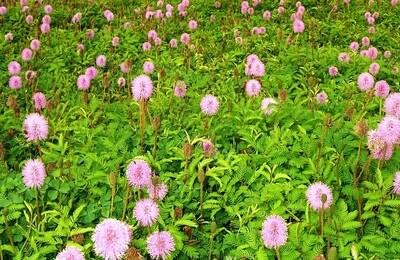
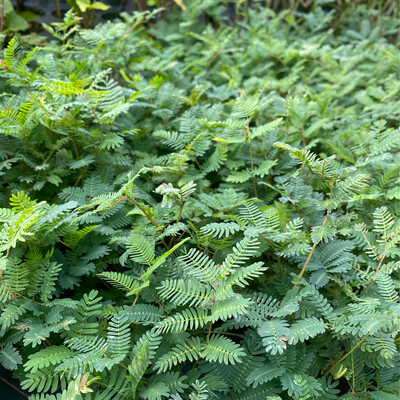
- Sunshine Mimosa
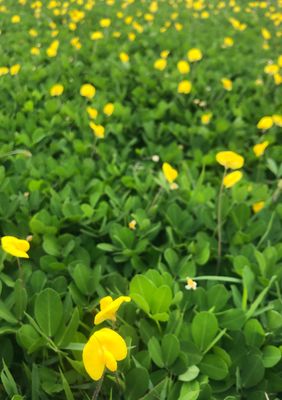
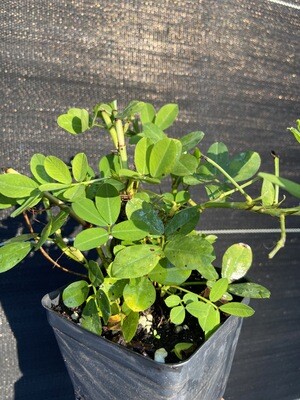
- Perennial Peanut in managed edible landscapes
- Frogfruit
- Low native flowering groundcovers
🌾 Biomass / Chop-and-Drop Layer
For regenerative systems:
- Mexican Sunflower in managed areas
- Fakahatchee Grass
- Muhly Grass
- Other non-running clumping grasses
These plants can add:
- Carbon
- Organic matter
- Root diversity
- Pollinator habitat
- Soil protection
🌴 Structural Companions
Pair Simpson’s Stopper with:
- Coontie
- Saw Palmetto
- Beautyberry
- Walter’s Viburnum
- Yaupon Holly
- Native palms
- Florida Privet
- Wild Coffee in shaded areas
A mixed hedge usually provides far more ecological value than a single-species wall.
⠀ ⠀ ⠀ ⠀ ⠀
🪴 Growing Simpson’s Stopper in Containers
Yes—this species can be grown successfully in containers.
It tolerates pruning extremely well and has even been used for:
- Patio specimens
- Topiary
- Bonsai
- Container shrubs
Your Plant Starts in a 1-Gallon Container
Do not rush to move it simply because you own a larger pot.
Wait until:
- Shipping stress has passed
- New growth is visible
- Roots are filling the existing pot
- The root ball holds together when handled
Typical Pot Progression
A practical progression might look like:
1 gallon → 3 gallon → 7 gallon → 15 gallon → larger patio container
You do not need to move through every exact nursery size, but avoid placing a small root system into an enormous volume of constantly wet soil.
How to Know It Is Ready
Look for:
- Roots circling drainage holes
- Roots visible around the pot perimeter
- Water demand increasing rapidly
- Healthy top growth slowing despite good care
- Root ball holding together firmly
⠀ ⠀ ⠀ ⠀ ⠀
🪴 How to Up-Pot Your Simpson’s Stopper
- Select a container only moderately larger than the existing root ball.
- Confirm there are multiple unobstructed drainage holes.
- Add enough mix to position the root crown correctly.
- Remove the plant gently.
- Loosen only obvious circling outer roots.
- Set the plant at the same depth or slightly high.
- Fill around the root ball.
- Water thoroughly at soil level.
- Keep out of severe afternoon exposure for several days if the roots were disturbed.
- Resume stronger light gradually.
Where Can I Find Larger Pots?
Search locally or online for:
- Nursery containers
- Tree pots
- Landscape grow pots
- Large patio planters
Landscape supply companies, independent nurseries, farm stores and garden centers are often excellent sources.
⠀ ⠀ ⠀ ⠀ ⠀
🌾 Best Potting Soil for Simpson’s Stopper
Use a professional-quality, well-aerated container mix that drains freely but does not dry instantly.
Suitable components may include:
- Aged pine bark
- Coco coir or peat
- Perlite
- Pumice
- Other coarse drainage materials
- Finished organic components in moderation
Avoid:
- Heavy native garden soil in pots
- Muck-like mixes
- Containers without drainage
- Dense compost used as the entire potting medium
Simpson’s Stopper tolerates soil moisture well in the landscape, but container roots still need oxygen.
⠀ ⠀ ⠀ ⠀ ⠀
🏠 Can Simpson’s Stopper Grow Indoors?
We do not recommend it as a permanent indoor houseplant.
It is an outdoor woody landscape species that performs best with:
- Strong natural light
- Outdoor airflow
- Seasonal weather
- Room for root development
Growers in cold climates can temporarily protect container specimens in a greenhouse, sunroom, enclosed porch, or similarly bright frost-free environment during severe winter weather.
Move plants back outdoors gradually once conditions improve.
⠀ ⠀ ⠀ ⠀ ⠀
⚠️ Important Things to Know Before Planting
🌿 It Is Not a Dwarf Plant
‘Show Stopper’ can be managed as a hedge, but it still has the genetic potential to become a substantial woody shrub or small tree.
Plan before planting.
🍒 Edible Does Not Mean “Fruit Tree”
The berry pulp is technically edible, but this plant should primarily be considered an ornamental and ecological species.
✂️ Too Much Pruning Means Fewer Flowers
If every fresh shoot is sheared away, do not expect maximum bloom and berry production.
❄️ A 1-Gallon Plant Needs More Cold Protection
Published mature cold tolerance does not guarantee that a small newly established plant will tolerate identical conditions.
🌿 Never Collect Simpson’s Stopper From the Wild
Simpson’s Stopper is listed as a threatened native plant in Florida.
Purchase nursery-propagated plants and protect natural populations.
⠀ ⠀ ⠀ ⠀ ⠀
🔍 Simpson’s Stopper Troubleshooting Guide
| 🔍 What You See | 🧠 Likely Cause | 🌿 What to Do |
|---|---|---|
| 🍂 A few yellow leaves after shipping | Transit stress / environmental change | Keep plant in original pot, stabilize moisture and gradually acclimate to sunlight |
| 🫣 Wilting in a 1G pot | Root ball drying too quickly | Check moisture immediately; water deeply at soil level |
| 💦 Constant yellowing with soggy soil | Excess moisture / low root-zone oxygen | Reduce irrigation and verify drainage holes are functioning |
| ☀️ Bleached or crispy leaves after arrival | Sudden exposure to intense sun | Return temporarily to bright shade and acclimate gradually |
| 🌬️ Brown edges after shipping | Wind or transit dehydration | Shelter temporarily and maintain even soil moisture |
| ❄️ Brown or bronzed winter foliage | Cold exposure | Wait for warmer weather before determining what wood is dead |
| 🌿 Thin or open growth | Heavy shade | Increase light if a dense hedge is the goal |
| 🌸 Few flowers | Excess shade or frequent pruning | Increase available light and allow shoots time to mature |
| 🍒 Few berries | Flowers removed by pruning or limited flowering | Reduce shearing and encourage pollinator habitat |
| 🍄 Rust-colored spores on tender new growth | Possible guava rust | Remove heavily affected material, improve plant vigor and obtain a correct diagnosis before treating |
| 🌱 No visible growth immediately after shipping | Recovery period | Keep conditions stable; wait for active new growth before transplanting |
| 🔥 Burned tips after fertilizing | Excessive nutrients / salt accumulation | Stop feeding, irrigate appropriately and allow the plant to recover |
🍄 Guava Rust
Simpson’s Stopper generally has few serious pest or disease problems.
One notable exception is occasional guava rust on stressed plants.
Possible symptoms include:
- Rust-colored spores
- Damage to tender new leaves
- Shoot dieback
Because many disorders can resemble one another, avoid automatically spraying a plant based on internet photos.
Correct identification comes first.
⠀ ⠀ ⠀ ⠀ ⠀
🌟 Is ‘Show Stopper’ Simpson’s Stopper Right for You?
✅ Ideal For
- Florida native plant enthusiasts
- Homeowners needing evergreen privacy
- Bird gardeners
- Pollinator gardens
- Coastal properties
- Florida-Friendly landscapes
- Permaculture and ecological designs
- Low-irrigation landscapes
- Alkaline or sandy soils
- Small-tree applications
- Native hedges
- Wildlife corridors
- HOA landscapes needing a polished evergreen appearance
- Gardeners replacing conventional ornamental hedges with something more functional
❌ Probably Not Ideal For
- Gardeners looking for a major human fruit crop
- Landscapes too small for a woody shrub unless regular pruning is planned
- Very cold climates without winter protection
- People wanting an instant 10-ft screen from a small starter plant
- Sites where no sunlight reaches the plant and a dense hedge is required
- Gardeners who do not want to perform occasional pruning
- Areas where the root system will remain permanently submerged
⠀ ⠀ ⠀ ⠀ ⠀
❓ Frequently Asked Questions About ‘Show Stopper’ Simpson’s Stopper
Is Simpson’s Stopper native to Florida?
Yes. Myrcianthes fragrans is a true Florida native associated particularly with hammock and coastal habitats.
Its native distribution also extends into the Caribbean, Mexico, Central America and northern portions of South America.
Is it called ‘Show Stopper’ or ‘Shostopper’?
You may see both names in the Florida nursery trade.
PlantRealFlorida currently lists Myrcianthes fragrans ‘Show Stopper’, while Cherry Lake markets a selection spelled ‘Shostopper’.
GreenDreams uses Show Stopper for this listing while including the alternate trade spelling to help customers researching the plant.
Is Show Stopper Simpson’s Stopper evergreen?
Yes.
It normally maintains foliage through winter rather than entering a predictable bare dormancy.
Cold snaps can still damage leaves and tender growth, especially on young plants.
How tall does Show Stopper Simpson’s Stopper grow?
Commercial references describe the selection at approximately 6–20 ft tall and 6–12 ft wide.
Pruning can maintain it considerably smaller.
Can I keep Simpson’s Stopper at 6–8 ft tall?
Yes.
It tolerates pruning very well and is commonly used as a managed hedge or screen.
Just remember that frequent shearing reduces flowers and fruit.
How quickly does Simpson’s Stopper grow?
UF/IFAS generally characterizes the species as slow to moderate growing, with approximately 1 ft of annual growth commonly cited during development toward maturity.
This is not an instant screen—but that slower growth also means less constant pruning once the hedge reaches its desired size.
Will Simpson’s Stopper grow in shade?
Yes.
The species tolerates substantial shade.
However:
Full sun = denser foliage.
Shade generally produces a more open canopy.
Is Simpson’s Stopper good for privacy?
Excellent.
Its evergreen foliage, branching habit and pruning tolerance make it one of Florida’s better native options for privacy screening.
UF/IFAS recommends approximately 3–5 ft spacing for hedges.
Is Simpson’s Stopper salt tolerant?
Yes.
UF/IFAS rates its salt tolerance as high, making it useful for many coastal Florida landscapes.
Does Simpson’s Stopper tolerate wind?
UF/IFAS Gardening Solutions describes mature plants as moderately wind resistant.
That should not be interpreted as a guarantee against hurricane damage.
How cold hardy is Simpson’s Stopper?
UF/IFAS Gardening Solutions reports cold hardiness to approximately 25°F and recommends Zones 8B–11.
Another UF database uses the more conservative range of 9B–11.
Young plants should be protected more aggressively.
Does Simpson’s Stopper attract butterflies?
Yes.
The fragrant white flowers provide nectar for butterflies and other pollinators.
Does it attract bees?
Yes.
UF/IFAS specifically identifies Simpson’s Stopper as attractive to honey bees.
Does Simpson’s Stopper attract birds?
Absolutely.
Birds eat the orange-red berries and may also use the dense canopy for cover.
Are Simpson’s Stopper berries edible?
The pulp is considered edible, but this is not generally regarded as a high-quality fruit crop.
We recommend growing it primarily for its landscape and wildlife value.
Does Simpson’s Stopper need two plants for fruit?
University references do not identify a second cultivar as necessary for normal landscape fruit production.
Planting additional flowering natives nearby can still increase overall pollinator activity in the landscape.
Can I grow it in a pot?
Yes.
Simpson’s Stopper handles pruning well and can remain container-grown for years when progressively up-potted and properly watered.
Does Simpson’s Stopper have serious pest problems?
Usually not.
UF/IFAS describes serious insect and disease issues as uncommon. Guava rust can occasionally affect stressed plants.
Why should I plant a Florida native hedge?
Because a hedge can become part of the ecosystem instead of simply occupying space.
Simpson’s Stopper can provide:
- Privacy
- Pollinator nectar
- Bird food
- Shelter
- Evergreen structure
- Native biodiversity
all in the same planting.
⠀ ⠀ ⠀ ⠀ ⠀
🚚 Shipping Your 1-Gallon ‘Show Stopper’ Simpson’s Stopper
Smaller live plants require realistic expectations during long-distance ground shipping.
🌿 Best Shipping Region
Our 1-gallon plants are most ideally suited for shipment to:
- Florida
- The Southeastern United States
- Texas
- Other relatively nearby warm-climate destinations
We can ship across the continental United States, but longer routes into northern and western states naturally increase transit time and plant stress.
📦 UPS Ground Shipping Only
All online live-plant orders currently ship from Florida using UPS Ground.
Shipping Day
Orders ship each Monday to reduce the chance of boxes remaining stationary over a weekend.
⠀ ⠀ ⠀ ⠀ ⠀
🌡️ Extreme Heat & Cold Shipping Disclaimer
The buyer should evaluate destination weather before ordering.
Live plants can experience temperatures inside vehicles, terminals and distribution facilities that are very different from normal outdoor growing conditions.
During Extreme Heat
Possible symptoms include:
- Wilting
- Leaf burn
- Premature leaf drop
- Dehydration
- Temporary growth interruption
During Extreme Cold
Possible symptoms include:
- Chilling injury
- Bronzing
- Leaf drop
- Stem damage
- Delayed recovery
Shipping during peak heat or freezing weather is at buyer discretion.
GreenDreams cannot control temperatures encountered after a package enters the carrier network.
⠀ ⠀ ⠀ ⠀ ⠀
🗺️ Northern & Western US Buyers
Please consider the length of UPS Ground transport before purchasing smaller live plants.
A 1-gallon plant contains less soil and moisture reserve than a larger landscape specimen.
Extended transit can increase:
- Dehydration
- Temperature stress
- Leaf loss
- Recovery time
California-bound packages may occasionally experience an additional agricultural inspection delay.
We cannot guarantee that a live plant traveling across the country by ground service will look identical upon arrival to the way it looked when packed in Florida.
Many stressed plants recover beautifully with proper care—but recovery may take time.
Buyer assumes the increased risk associated with extended-distance ground shipping and extreme weather.
⠀ ⠀ ⠀ ⠀ ⠀
📦 Live Plant Shipping & Transit Expectations
Temporary symptoms after shipping may include:
- Mild wilting
- Yellow leaves
- Leaf drop
- Broken leaves
- Minor stem damage
- Cosmetic spotting
- Reduced growth
These symptoms do not automatically indicate that the plant is dying.
After Arrival
Remember:
Do not immediately transplant.
Keep your Show Stopper Simpson’s Stopper in its original 1-gallon container for approximately 30 days or until vigorous new growth appears, whichever takes longer.
Let the plant recover before asking its root system to handle another major environmental change.
⠀ ⠀ ⠀ ⠀ ⠀
🌾 Shop with Us in Person
GreenDreams Nursery & Farm – Retail Nursery Open to the Public
We also grow Simpson’s Stopper and an enormous collection of other Florida native, edible, medicinal, tropical and ecological plants at our Spring Hill nursery.
Retail availability frequently includes:
- Larger specimens
- Sizes not suitable for shipping
- Additional cultivars
- Plants not offered online
- Seasonal specialty inventory
Please note: our retail nursery inventory and online shipping inventory are maintained separately. Sizes, availability and pricing shown online should not be assumed to match retail inventory.
🌾 18709 US Hwy. 41, Spring Hill, FL 34610
🕘 Tuesday–Friday: 9AM–5PM
🌞 Saturday: 8AM–3PM
🌿 Stop by our regenerative nursery to see what is blooming, fruiting and ready to plant this week.
⠀ ⠀ ⠀ ⠀ ⠀
🌿 Beyond the Plant: GreenDreams Services
At GreenDreams, we do more than grow plants—we design, build and restore ecosystems across Florida.
Our services include:
- 🌳 Onsite consultations
- 🌿 Edible and ecological landscape design
- 🚜 Installation and project management
- 🌱 Food forests and native habitat plantings
- 🌾 Garden revitalization and field labor
- 🚚 Bulk compost delivery
- 🪵 Hardwood mulch delivery
- ♻️ Biochar and soil-building materials
- 🪴 Retail and wholesale plant sales
- 🌻 Large-scale regenerative landscape solutions
A Simpson’s Stopper can become a hedge.
Or it can become one layer of an entire living ecosystem.
Let our team help you build the rest. 🌿
🌿 IMPORTANT INFORMATION BEFORE PURCHASING LIVE PLANTS
Please note: Plants purchased through our online store are not available for pickup at our retail nursery in Spring Hill, Florida.
Online inventory is housed at a separate facility and is priced, prepared, and handled exclusively for shipping.
🌱 Looking for larger plants or more selection?
Our retail nursery location offers far more availability, including larger sizes, specialty plants, and many selections not suitable for nationwide shipping.
Local pickup is available for retail nursery purchases only.
Visit our Spring Hill, FL retail nursery page to explore in-person shopping options.
🚚 LIVE PLANT SHIPPING & TRANSIT EXPECTATIONS
Live plants naturally experience stress during shipping. Temporary leaf drop, mild wilting, or cosmetic stress is normal after transit. Most plants recover quickly with proper watering, gradual light exposure, and basic aftercare. Some plants may require additional attention during the first few weeks.
Despite careful packing, minor cosmetic damage may occur during transit. Small issues such as broken leaves or stems typically resolve with time and proper care.
If your shipping box arrives with significant external damage, please contact UPS within 30 days to initiate a carrier claim.
⏱️ SHIPPING METHOD, TIMING & TRANSIT WINDOWS
All online orders ship via UPS Ground from our Central Florida nursery.
📦 Shipping Schedule: Orders ship once weekly on Mondays to reduce the risk of packages sitting in transit over weekends. A countdown clock on our website displays the next shipping date.
🚚 Typical Transit Times:
-
Florida: 1–2 days
-
Southern U.S.: approximately 2 days
-
Midwest, West & Northern U.S.: 3–5 business days
Long-distance shipments, particularly to the western U.S., may experience additional transit time due to agricultural inspections in states such as Arizona, California, and Texas.
Extended transit times can be more challenging for small or tender plants and may require additional recovery care after arrival.
🌡️ EXTREME WEATHER & SEASONAL RISK
Live plants are sensitive to temperature extremes.
We cannot guarantee plant condition during periods of extreme summer heat or winter cold and freezing temperatures. Weather-related delays, carrier interruptions, or exposure during delivery are beyond our control.
Customers are responsible for:
-
Monitoring tracking information sent via email
-
Retrieving packages promptly upon delivery
-
Preventing plants from being left outdoors in extreme conditions
During unsafe weather, holiday shipping volume, or extended transit risk, orders may be held and shipped the following week to protect plant health.
⚠️ CUSTOMER RESPONSIBILITY & REFUND POLICY
By purchasing live plants, customers acknowledge and accept the risks associated with shipping, weather exposure, transit delays, and regional suitability.
Refunds or replacements are considered only under exceptional circumstances and in accordance with our return and refund policy. We are not responsible for:
-
Weather-related damage
-
Carrier delays
-
Poor plant selection for a given climate or region
-
Improper care after delivery
Upon purchase, customers assume full responsibility for the ongoing care and success of their plants.
✅ CONSENT & AGREEMENT
By completing a purchase, you confirm that you have read, understand, and agree to all shipping policies, responsibilities, and conditions outlined above.
Our goal is transparency, plant health, and long-term growing success — and we appreciate your understanding and care when ordering live plants.


