


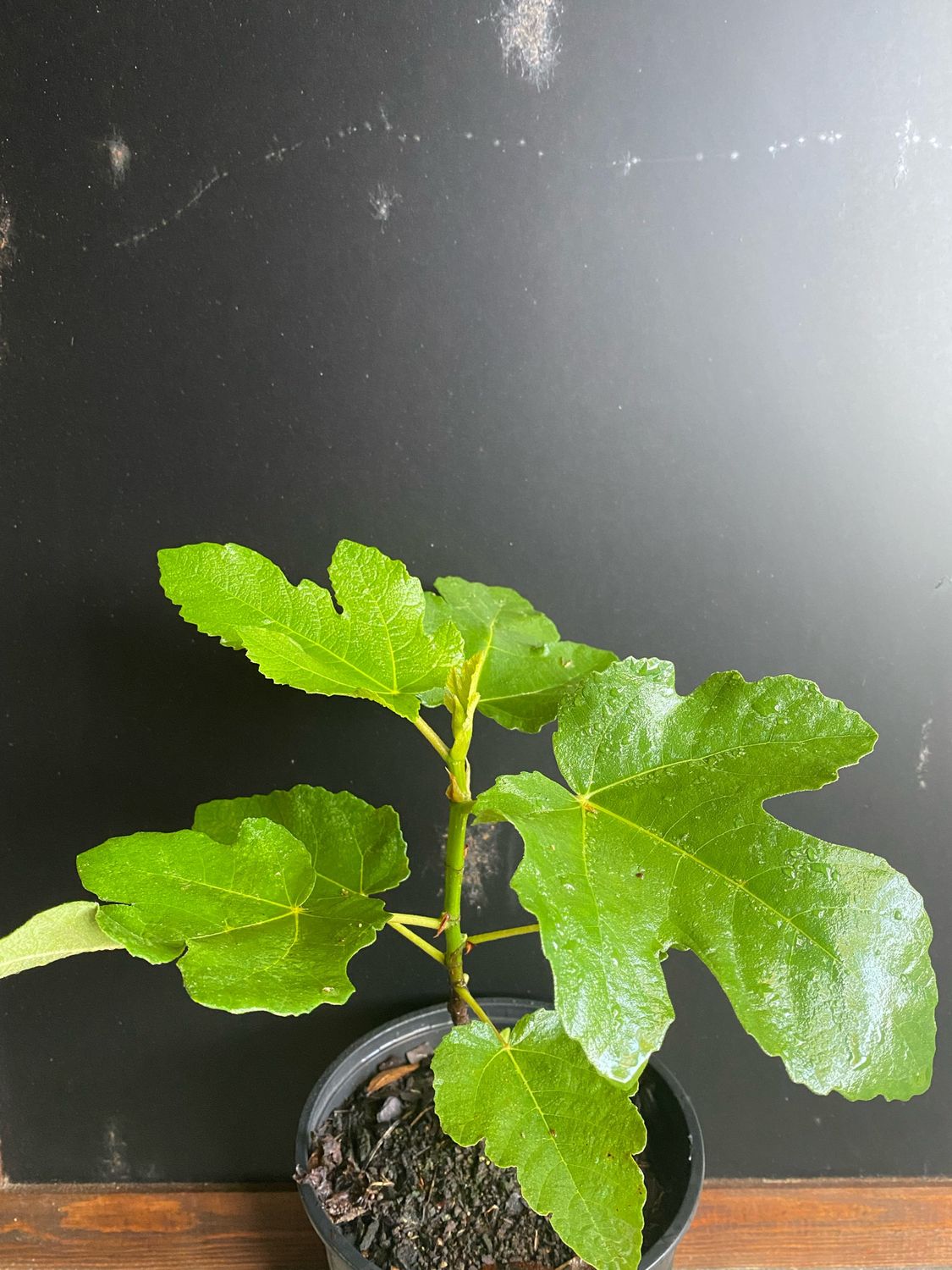
🌿 Little Ruby Fig (Ficus carica ‘Little Ruby’) — Compact, Cold-Tough & Jammy-Sweet 🍇
Meet the pint-size fig that brings big flavor to small spaces. Little Ruby is a true dwarf that loads up with berry-sweet fruit on a naturally compact plant—perfect for patios, courtyards, and tight edible landscapes. Ships in a resilient 3-gallon container for instant impact.
🌱 Quick Facts (At-a-Glance)
| Feature | Details |
|---|---|
| Botanical Name | Ficus carica ‘Little Ruby’ |
| Plant Type | Deciduous, self-fertile fruiting shrub/tree (common fig) |
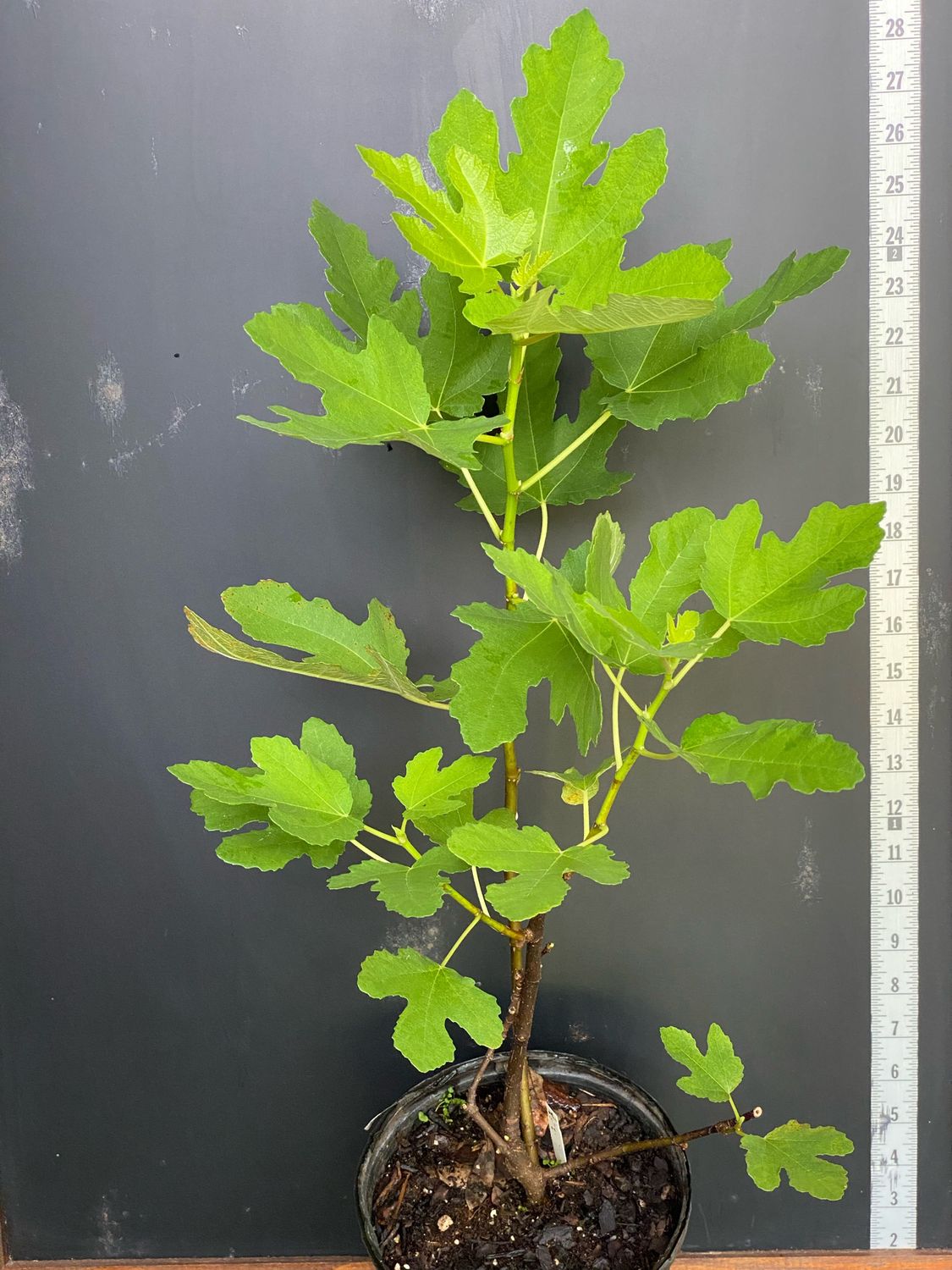
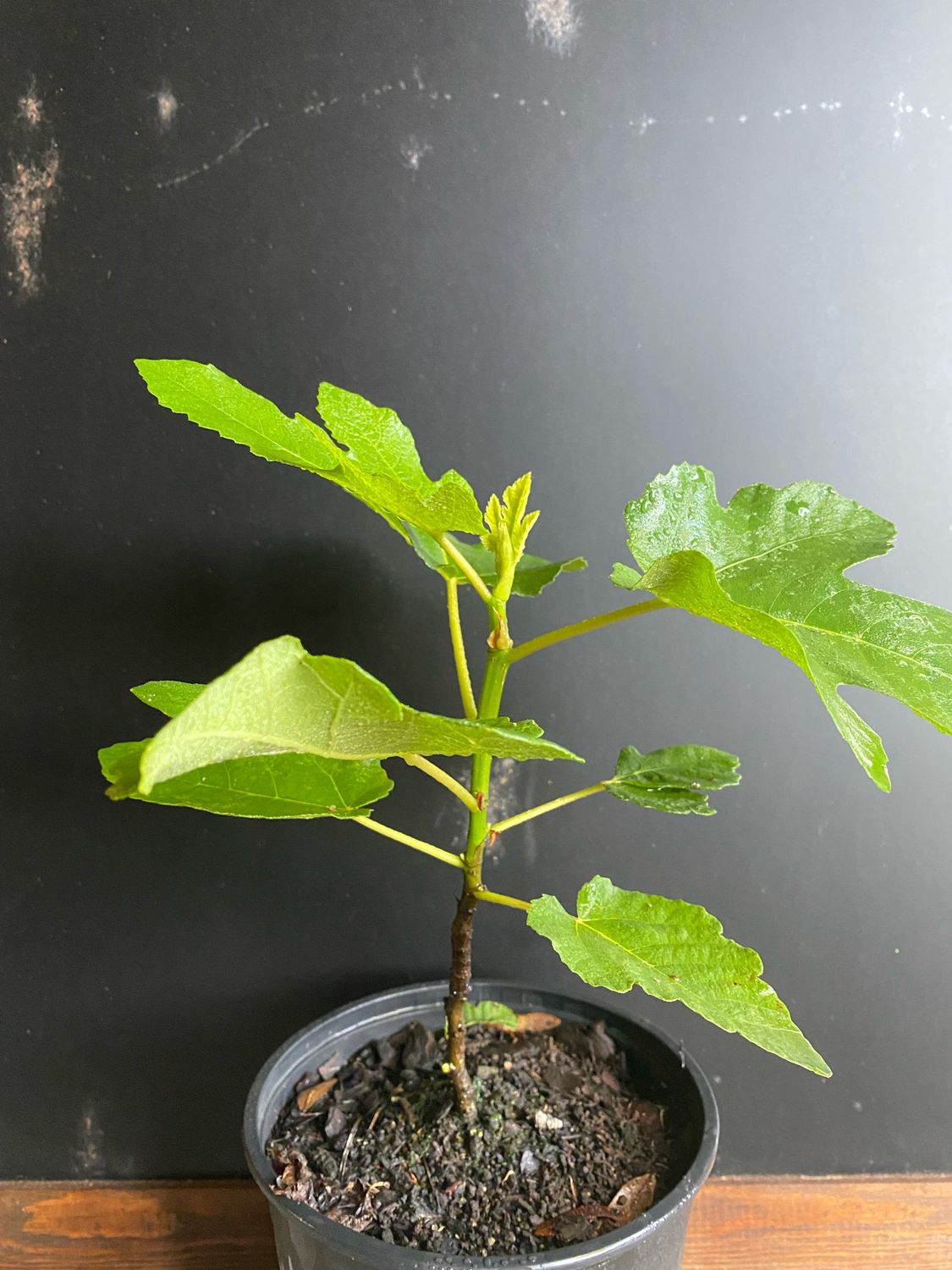
| Sale Size | 3-gallon live plant (well-rooted) |
| Mature Height × Width | 4–6 ft × 4–6 ft unpruned; can be kept ~3–4 ft with pruning |
| USDA Zones | 7–10 (Florida-friendly; protect in freezes) |
| Cold Hardiness | Plan for ~10–15 °F with protection; some growers report survival into single digits in sheltered sites |
| Sunlight | Full sun (6–8+ hours) for best sweetness and yield |
| Growth Habit | Naturally dwarf/compact; dense canopy; excellent for containers |
| Spacing (in-ground) | 8–12 ft (closer if maintaining a pruned hedge) |
| Fruiting Rhythm | Breba crop on old wood (late spring–early summer) + main crop on new wood (late summer–fall) |
🍓 Fruit & Flavor
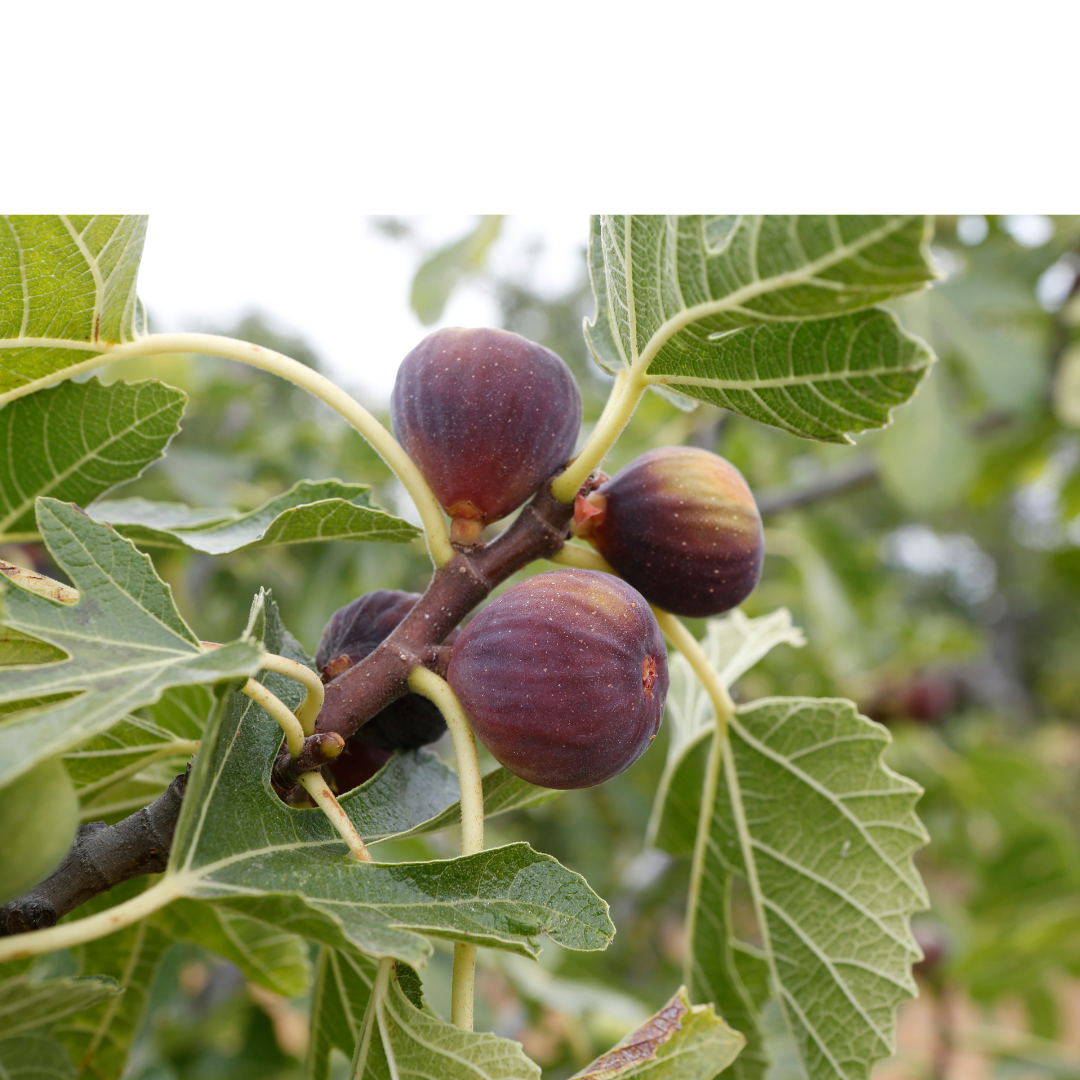
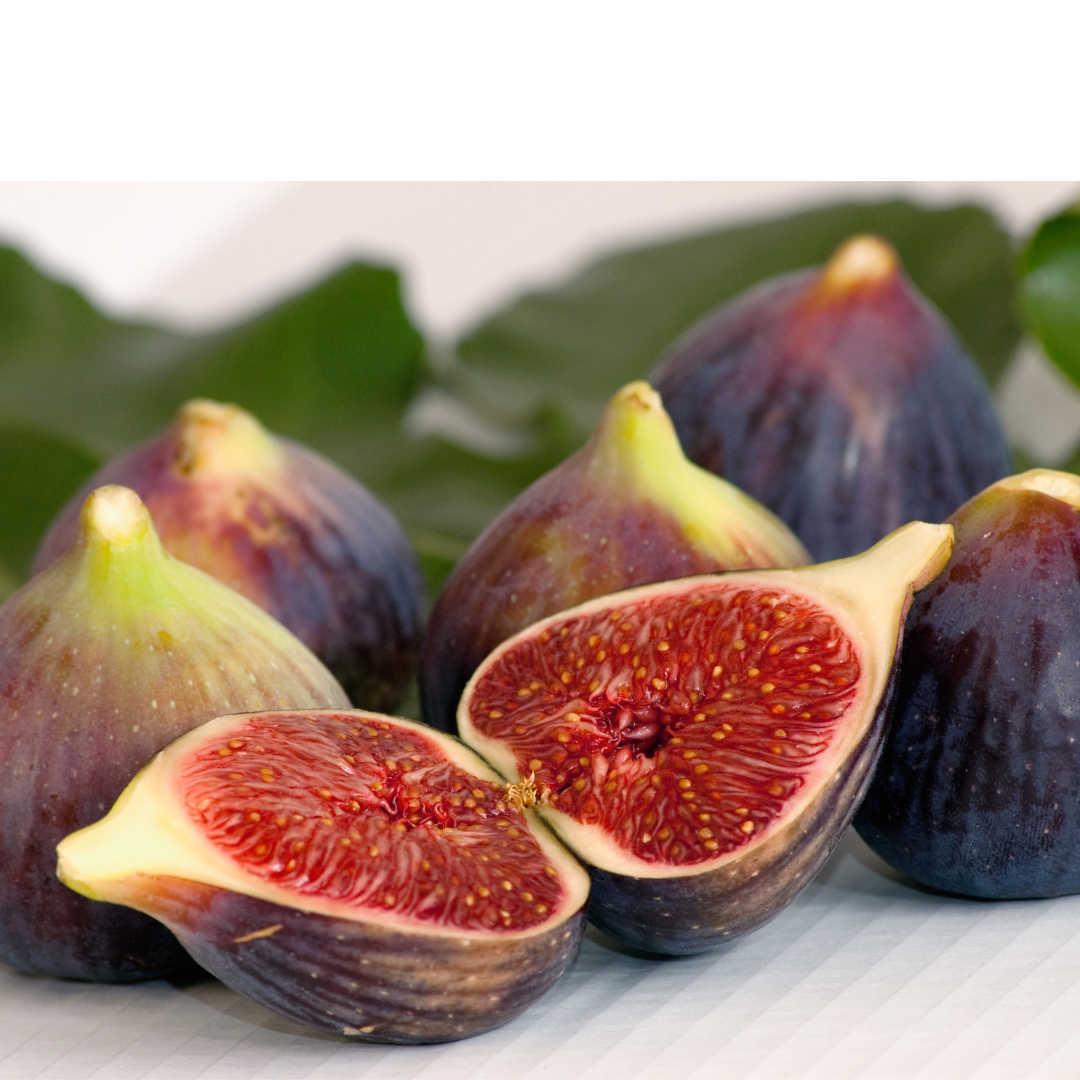
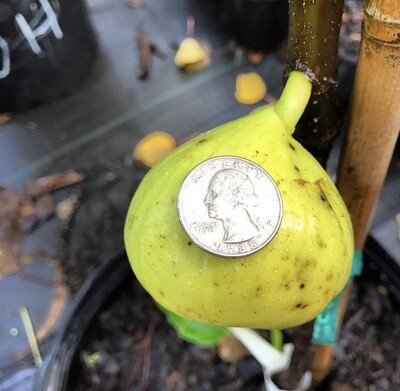
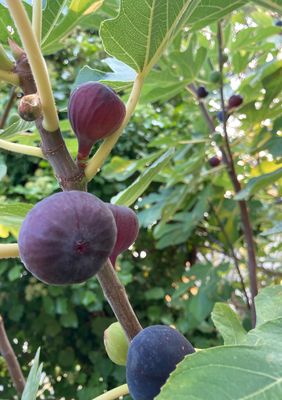
- Skin / Flesh: Bronze-to-purple skin with ruby-red flesh
- Taste / Texture: Very sweet, sugar-dense with berry-jam character; tender skin, juicy flesh
- Ripening Cues: Fruit softens and deepens in color; a slight droop and hairline cracking at the neck signal peak ripeness
- Use it for: Fresh eating, cheeseboards, roasting, dehydrating, and small-batch jam
🌟 Why Grow ‘Little Ruby’ (Top Benefits)
- Big crops on a small plant — high fruit per square foot
- Container all-star — fruits reliably in pots on patios and pool decks
- Florida-smart — low-chill adaptability with excellent heat tolerance
- Self-fertile — no pollinator tree needed
Seasonal Habits (Florida & Similar Climates)
Deciduous rhythm:
- Fall: Leaves naturally yellow/spot and drop as dormancy begins
- Winter: Bare branches; protect young plants/pots from hard freezes
- Spring: Bud swell, new leaves, and often a breba flush on older wood
- Summer–Fall: Vigorous growth and main crop on new shoots; steady moisture and full sun boost fruit quality
✂️ Pruning & Training (Made Simple)
- When: Best right after harvest; avoid heavy winter cutting that removes breba wood
- How:
- Keep an open center for airflow and easy harvesting
- Tip-prune vigorous shoots to encourage branching and manageable height
- Preserve some older laterals to support the breba crop next season
💧 Planting & Care (Best Practices)
Where to Plant
- Choose a sunny, wind-sheltered spot with excellent drainage; use a raised mound/bed if soil is heavy or seasonally wet
GreenDreams “High & Tight” Method
- Dig the hole only slightly wider than the pot and the same depth
- Set the root ball slightly above grade (“high”), backfill firmly (“tight”) with native soil + compost
- Build a watering berm and mulch 2–3 in deep, keeping mulch off the trunk
- Watch our planting demo: High & Tight Fruit Tree Planting → https://youtu.be/RRQFY30qdA8?si=rRIcsbLlVAVYotfI
Watering
- Daily for 1–2 weeks to establish, then 2–3×/week for 2–3 months
- After establishment, give deep weekly soaks, adjusting during heat or drought
- Reduce splashing on leaves; avoid routine overhead irrigation
Fertilizing
- Go light and organic; figs prefer lean soils
- Feed modestly in spring and, if needed, mid-summer to support cropping—avoid heavy nitrogen (excess foliage, less fruit)
Winter Care (Zones 7–8 / inland 9)
- Mulch the root zone, wrap or cover young plants on freeze nights
- For containers, roll under cover around/below 20 °F
🪴 Container & Indoor Tips
- Pot Size: Start 7–15 gal, upsize over time to 20–25 gal for larger yields
- Soilless Mix: Fast-draining (pine bark/perlite/compost) with excellent aeration
- Light: Full sun outdoors; for overwintering in cold zones, store dormant in a cool, dark, unheated space after leaf-drop
- Water & Feeding: Keep evenly moist (not soggy); light organic feeding in spring
🧑🍳 Kitchen Inspiration
- Fresh: Halved with goat cheese, honey, and cracked pepper
- Roasted: With vanilla and orange zest; finish with a drizzle of balsamic
- Preserved: Whole-fruit jam or dehydrated “ruby” slices for snacks
🌿 Companion & Support Guild (we grow these!)
- Biomass (carbon): Tithonia (Mexican sunflower), Vetiver, Banana leaves for chop-and-drop
- Nitrogen support: Pigeon pea, Sunn hemp (warm season), clover (cool season)
- Pollinator power: Sweet Almond, African Blue Basil, Pineapple Sage
- Aesthetic pairings: Spiral Ginger, Rosemary, Unryu Corkscrew Mulberry (winter sculpture)
Troubleshooting Guide
- Yellow/Spotted Leaves (late season): Often normal senescence; also common with fig rust in humidity—improve airflow, avoid overhead watering, remove fallen leaves, refresh mulch
- Fruit Splitting / Sourness: Irregular moisture or heavy rain near ripening—improve drainage, harvest promptly at softening, consider temporary rain cover
- Fig Mosaic-style Mottling: Usually cosmetic; prioritize vigor (sun, drainage, balanced organic nutrition)
- Pests: Birds (netting or scare tape), ants on fruit (manage around trunks), root-knot nematodes in sandy soils (raised beds/containers)
❓ FAQ
Does Little Ruby need a pollinator?
No—self-fertile (common fig).
How cold can it take?
Plan for ~10–15 °F with protection; in sheltered microclimates and containers moved under cover, growers sometimes report survival into the single digits.
Will it fruit in a pot?
Yes—Little Ruby is made for containers and will crop in surprisingly small footprints with full sun and consistent care.
When is harvest in Florida?
Typically late spring (breba) and late summer into fall (main crop), varying by microclimate and pruning.
🌿 GreenDreams Fig Variety Comparison Table
Use this chart to see how Little Ruby stacks up against the rest of our fig collection. (We only discuss and sell the figs listed here.)
| Variety | Fruit Color / Flesh | Flavor Profile | Humidity & Rain Resistance | Cold Hardiness (°F) | Growth Habit / Size | Notable Strengths & Best Uses |
|---|---|---|---|---|---|---|
| Alma | Light brown / Amber | Honey-sweet with caramel notes | ⭐⭐⭐ Good | ~10–15 °F | Compact 8–12 ft | Early bearing; rich flavor; great for preserves |
| Beers Black | Dark purple / Red | Jammy, balanced sweet-tart | ⭐⭐ Moderate | ~15 °F | Upright 12–15 ft | Classic dessert fig; “Black Mission” type |
| Brown Turkey | Brown / Pink | Mild sweetness, very reliable | ⭐⭐ Fair | ~5–10 °F | 12–20 ft | Cold-hardy, prolific, great starter fig |
| Celeste | Light brown / Rose | Sugar-sweet, small fruit | ⭐⭐⭐ Good | ~10 °F | 8–12 ft | “Sugar Fig” of the South; dependable cropper |
| Deanna | Yellow-green / Amber | Honeyed, mild, large fruit | ⭐⭐ Fair | ~15 °F | 10–15 ft | Big, showy fruit; excellent fresh eating |
| 🌿 Di Redo | Dark purple-black / Red | Raspberry-jam, berry-sweet, syrupy | ⭐⭐⭐⭐ Excellent (tight eye) | ~10–15 °F | 8–15 ft | Top flavor & humidity resistance — Florida favorite |
| Fignomenal | Violet / Pink | Rich, sugary-sweet | ⭐⭐⭐ Good | ~20 °F | Miniature 2–3 ft | Perfect patio fig; fruits year-round in warm zones |
| Green Egg | Light green / Pink | Custard-sweet, tropical notes | ⭐⭐ Fair | ~15 °F | 10–15 ft | Unique flavor; ornamental appeal |
| Ischia (Green) | Green / Strawberry-red | Sweet-berry, tangy | ⭐⭐ Moderate | ~15 °F | 8–12 ft | Historic Italian variety; container friendly |
| Little Ruby | Red-purple / Ruby | Very sweet, sugar-dense | ⭐⭐⭐ Good | ~15 °F | Dwarf 3–4 ft | Excellent container fig; heavy producer |
| LSU Purple | Deep purple / Amber | Light berry-sweet | ⭐⭐⭐⭐ Excellent | ~15 °F | 10–15 ft | LSU-bred for Gulf humidity; consistent yields |
| 🌳 Olympian | Purple-bronze / Rose | Honey-sweet, juicy, tangerine-sized fruit | ⭐⭐⭐ Good | Below 0 °F | Compact 4–8 ft | Unrivaled cold tolerance + giant fruit |
| White Kadota | Pale green / Amber | Honeyed, chewy, mild | ⭐⭐ Moderate | ~15 °F | 10–15 ft | Classic drying fig; dense, flavorful flesh |
| White Marseilles | Green-yellow / Pale amber | Mild-sweet, delicate | ⭐⭐ Fair | ~0 °F | 10–12 ft | Thomas Jefferson’s heirloom favorite |
| White Texas Everbearing | Green-yellow / Pink | Very sweet, long-season crop | ⭐⭐⭐ Good | ~10 °F | 8–12 ft | Long fruiting season in warm zones |
| Yellow Long Neck | Golden-yellow / Amber | Honey-vanilla, very mild | ⭐⭐ Fair | ~15 °F | 12–18 ft | Showy dessert-style fruit for fresh eating |
How Little Ruby compares: It’s the smallest true dwarf in our lineup (easy 3–4 ft with pruning), delivers big crops for its size, and shows good humidity resistance for the Southeast—making it our go-to container fig for Florida patios and small spaces.
⚠️ Cautions
- Avoid overhead watering (can increase leaf disease and fruit splitting)
- Protect ripening fruit from birds
- In cold snaps, cover young trees and roll container plants under shelter
🌿 Is This Plant Right for You?
✅ Ideal for:
Small yards, patios, container growers, Florida & Gulf South gardeners, beginners who want reliable, self-fertile fruit.
❌ Not ideal for:
Growers needing a large shade tree, sites with chronically wet soil, or deep-freeze climates without winter protection.
🛒 Shipping & Seasonal Notes
- 4" & 1-gallon sizes ship best to Florida, the Southeastern U.S. & Texas
- We can ship to northern & western states via UPS Ground (Mondays), but plants may arrive stressed during peak heat/cold and can require extra recovery. Buyer discretion is advised; we are not responsible for extreme temperatures during transit.
- 3-gallon ships regionally and to select zones based on weather windows
- As a deciduous plant, figs may ship leafy, partially defoliated, or dormant depending on season—this is normal
📍 Local Pickup (Visit Us!)
GreenDreams Nursery & Farm
18709 Hwy. 41, Spring Hill, FL 34610
Open to the public — Tues–Fri 9 AM–5 PM | Sat 8 AM–3 PM
Come see what’s fresh 🌿
🎥 Planting Video
Learn our High & Tight method for long-term success:
https://youtu.be/RRQFY30qdA8?si=rRIcsbLlVAVYotfI
Ready to add a jewel to your edible oasis?
Order Little Ruby Fig today and enjoy jammy, ruby-fleshed fruit from a tree that fits your life!
🌿 Beyond the Plant: GreenDreams Services
At GreenDreams, we do more than grow plants—we design, build, and restore ecosystems across Florida.
- 🌳 Onsite consultations & edible landscape design
- 🚚 Bulk delivery of compost, mulch, biochar, and soil materials
- 🌾 Wholesale & large-scale regenerative solutions
- 🛠️Installation & project management
Let our team help you create your own thriving edible paradise—starting with Little Ruby Fig! 🌿
🌿 IMPORTANT INFORMATION BEFORE PURCHASING LIVE PLANTS
Please note: Plants purchased through our online store are not available for pickup at our retail nursery in Spring Hill, Florida.
Online inventory is housed at a separate facility and is priced, prepared, and handled exclusively for shipping.
🌱 Looking for larger plants or more selection?
Our retail nursery location offers far more availability, including larger sizes, specialty plants, and many selections not suitable for nationwide shipping.
Local pickup is available for retail nursery purchases only.
Visit our Spring Hill, FL retail nursery page to explore in-person shopping options.
🚚 LIVE PLANT SHIPPING & TRANSIT EXPECTATIONS
Live plants naturally experience stress during shipping. Temporary leaf drop, mild wilting, or cosmetic stress is normal after transit. Most plants recover quickly with proper watering, gradual light exposure, and basic aftercare. Some plants may require additional attention during the first few weeks.
Despite careful packing, minor cosmetic damage may occur during transit. Small issues such as broken leaves or stems typically resolve with time and proper care.
If your shipping box arrives with significant external damage, please contact UPS within 30 days to initiate a carrier claim.
⏱️ SHIPPING METHOD, TIMING & TRANSIT WINDOWS
All online orders ship via UPS Ground from our Central Florida nursery.
📦 Shipping Schedule: Orders ship once weekly on Mondays to reduce the risk of packages sitting in transit over weekends. A countdown clock on our website displays the next shipping date.
🚚 Typical Transit Times:
-
Florida: 1–2 days
-
Southern U.S.: approximately 2 days
-
Midwest, West & Northern U.S.: 3–5 business days
Long-distance shipments, particularly to the western U.S., may experience additional transit time due to agricultural inspections in states such as Arizona, California, and Texas.
Extended transit times can be more challenging for small or tender plants and may require additional recovery care after arrival.
🌡️ EXTREME WEATHER & SEASONAL RISK
Live plants are sensitive to temperature extremes.
We cannot guarantee plant condition during periods of extreme summer heat or winter cold and freezing temperatures. Weather-related delays, carrier interruptions, or exposure during delivery are beyond our control.
Customers are responsible for:
-
Monitoring tracking information sent via email
-
Retrieving packages promptly upon delivery
-
Preventing plants from being left outdoors in extreme conditions
During unsafe weather, holiday shipping volume, or extended transit risk, orders may be held and shipped the following week to protect plant health.
⚠️ CUSTOMER RESPONSIBILITY & REFUND POLICY
By purchasing live plants, customers acknowledge and accept the risks associated with shipping, weather exposure, transit delays, and regional suitability.
Refunds or replacements are considered only under exceptional circumstances and in accordance with our return and refund policy. We are not responsible for:
-
Weather-related damage
-
Carrier delays
-
Poor plant selection for a given climate or region
-
Improper care after delivery
Upon purchase, customers assume full responsibility for the ongoing care and success of their plants.
✅ CONSENT & AGREEMENT
By completing a purchase, you confirm that you have read, understand, and agree to all shipping policies, responsibilities, and conditions outlined above.
Our goal is transparency, plant health, and long-term growing success — and we appreciate your understanding and care when ordering live plants.


