


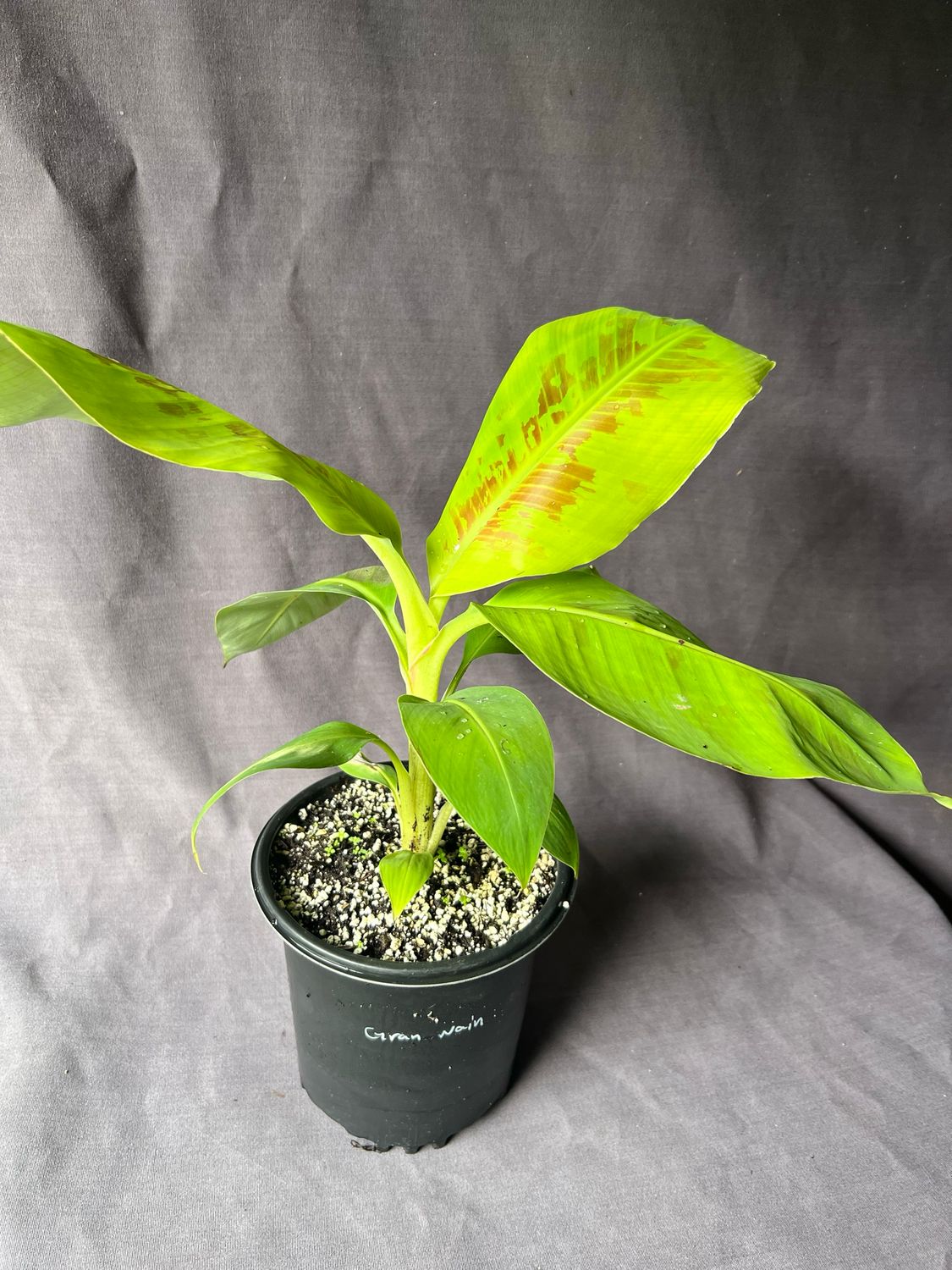
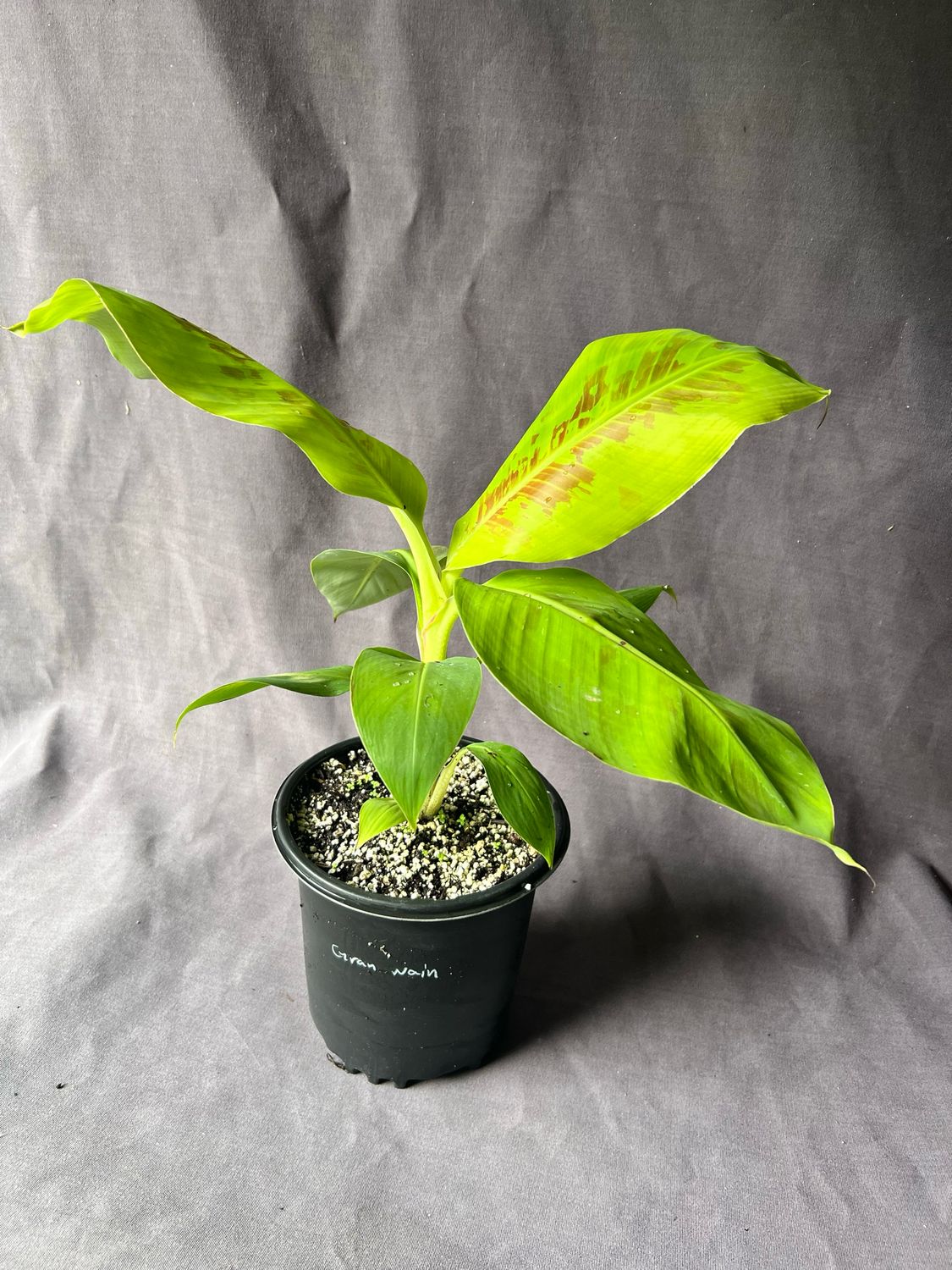
🍌 Cuban Red Dacca Banana Plant – Rare Red-Fruited Tropical Cultivar 🌺🌿
The Tropical Showstopper with Sweet Red Fruit & Massive Jungle Energy
Some plants blend into the landscape. Cuban Red Dacca Banana completely transforms it.
With enormous tropical foliage, richly colored pseudostems, dramatic red-purple fruit, and sweet, creamy dessert bananas, this legendary cultivar delivers food production and resort-style beauty in one fast-growing plant.
Also known as Cuban Red Banana, Jamaican Red Banana, Red Dacca, Hawaiian Red, and Tall Red, this is the banana for growers who want their edible landscape to make a statement.
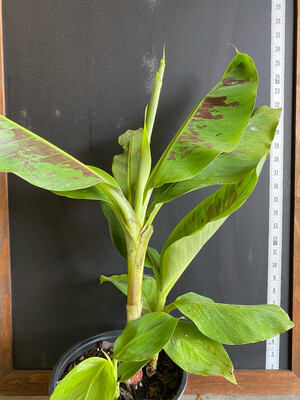
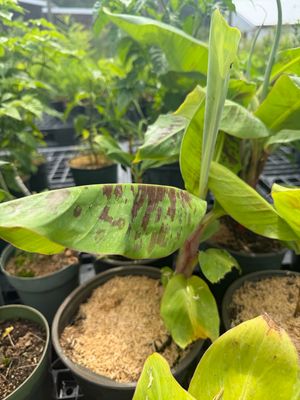
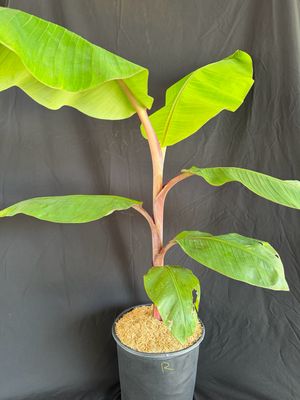
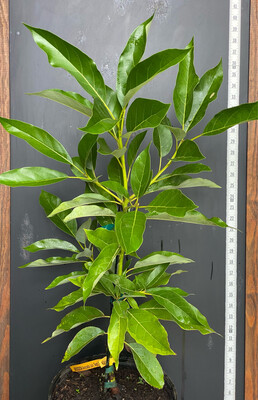
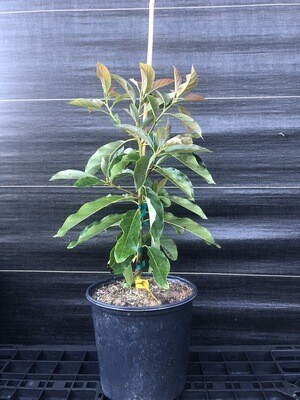
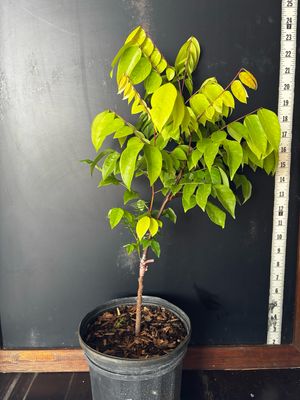
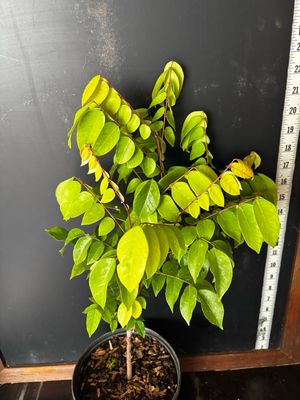
This listing is for a young Cuban Red Dacca Banana growing in a 1-gallon nursery container—an approachable starter size for growers who want excellent cultivar value without paying to ship a larger container.
🌿 Quick Facts – Cuban Red Dacca Banana
| Feature | Details |
|---|---|
| Botanical Name | Musa acuminata AAA Group ‘Red Dacca’ |
| Cultivar Group | Triploid AAA dessert banana; Red subgroup |
| Common Names | Cuban Red, Red Dacca, Jamaican Red, Hawaiian Red, Tall Red, Red Macaboo |
| Plant Type | Fast-growing tropical fruiting herbaceous perennial |
| Size at Sale | Live plant in a 1-gallon nursery container |
| Estimated Nursery Age | Commonly approximately 6–12 months; age and height vary by season and propagation method |
| Mature Height | Commonly 8–15 ft in managed subtropical landscapes; potentially taller in ideal tropical conditions |
| Mature Width | Approximately 6–10 ft as a developing clump or banana mat |
| Recommended Spacing | Approximately 10–12 ft from other large bananas, structures, and vulnerable landscape features |
| USDA Zones | Best suited to Zones 9B–11; container or seasonal culture elsewhere |
| Sun Requirements | Full or near-full sun for strongest fruit production; young plants tolerate bright filtered light |
| Cold Hardiness | Growth slows below 60°F; freeze injury may occur near 32°F; hard freezes may kill growth to the ground |
| Growth Habit | Upright pseudostems emerging from a spreading underground rhizome |
| Fruit Color | Red, reddish-purple, or deep maroon peel with cream to pale orange flesh |
| Flavor | Sweet, creamy, aromatic, and richer than standard yellow Cavendish bananas |
| Fruiting Window | Often 12–24+ months from planting under warm, well-managed conditions |
| Pollination Required? | No—edible bananas normally develop fruit without pollination |
| Wind Tolerance | Low to moderate; leaves shred and tall pseudostems may topple in strong wind |
| Salt Tolerance | Low; avoid saline soil and direct coastal salt exposure |
| Evergreen? | Semi-evergreen in frost-free climates; cold may damage or collapse foliage |
| Container Friendly? | Yes while young; requires a very large container for mature growth or fruiting |
| Indoor Growing? | Suitable for temporary overwintering with intense light; not ideal as a permanent indoor fruit crop |
Bananas are giant herbs rather than woody trees. Each trunk-like pseudostem grows from an underground rhizome, produces one flower and fruit bunch, and is then replaced by younger pups.
🪴 What to Expect from the 1-Gallon Size
The 1-gallon Cuban Red Dacca Banana is a young starter plant—not a miniature or dwarf version of the cultivar.
Your plant may vary naturally in:
- Overall height
- Number and length of leaves
- Pseudostem thickness
- Red or burgundy coloration
- Seasonal growth rate
- Root development
- Presence or absence of a young pup
Bananas grow quickly during warm weather, so plants from the same nursery crop may look noticeably different only a few weeks apart.
Why choose the 1-gallon size?
- ✅ Lower shipping cost than a mature container-grown banana
- ✅ More established than a tiny starter pot
- ✅ Easy to transplant or up-pot after acclimation
- ✅ Fast growth when planted during warm weather
- ✅ An affordable way to begin a rare banana collection
Leaves may become folded, lightly torn, or cosmetically marked during packaging and transit. Banana leaves are naturally delicate, and even established landscape plants develop wind-split foliage. The most important recovery signal is a healthy center spear producing fresh growth.
🍌 Why Grow Cuban Red Dacca Banana?
Cuban Red Dacca brings several jobs together in one plant:
- Rare dessert-quality fruit
- Immediate tropical atmosphere
- Fast vertical screening
- Dense summer shade
- Food forest biomass
- A renewable clumping growth habit
- An unforgettable conversation piece
The fruit develops a thick reddish-maroon peel and creamy flesh often described as:
- 🍌 Richer than grocery-store Cavendish
- 🍓 Gently berry-like
- 🌺 Highly aromatic
- 🍮 Smooth and custard-like when fully ripe
- 🍯 Sweet with a dense, satisfying texture
Red Dacca bananas are generally shorter, broader, and plumper than standard yellow supermarket bananas. Their peel may remain dark red or maroon even when the flesh is fully ripe, so color alone is not always the best ripeness indicator.
🌎 Origin Story – A Traveling Banana with Many Names
Cultivated bananas trace their early domestication to Southeast Asia, where growers selected countless seedless forms for flavor, cooking quality, appearance, and regional growing conditions.
Red Dacca belongs to the Red subgroup of triploid AAA bananas, meaning its genetics are derived predominantly from Musa acuminata. It is considered a traditional cultivar or landrace rather than a modern patented selection.
As the cultivar traveled, communities gave it regional names. Cuban Red, Jamaican Red, Hawaiian Red, Tall Red, Tongan Red, Red Macaboo, and Red Dacca are all names associated with this historic red-fruited banana group.
That means “Cuban Red” reflects one chapter of its international story—not necessarily a single documented place where the cultivar first originated.
Its real origin story is even better:
This is a heritage banana that traveled the tropical world because growers kept choosing to propagate it.
🌺 Ornamental Appeal – Instant Tropical Architecture
Even before it fruits, Cuban Red Dacca earns its space.
The plant develops:
- Huge paddle-shaped green leaves
- A thick, layered pseudostem
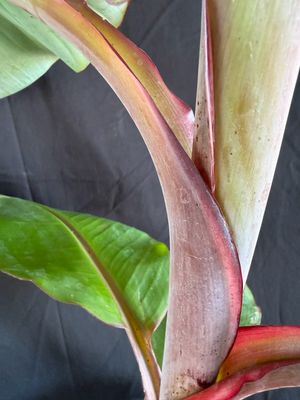
- Red, maroon, or burgundy coloration around the leaf sheaths
- Strong upright architecture
- A widening colony of replacement pups
- Purplish floral bracts followed by dramatic hanging fruit
Excellent landscape uses include:
- Tropical food forests
- Poolside gardens with wind protection
- Courtyards
- Privacy screens
- Edible landscape focal points
- Warm south-facing walls
- Outdoor living spaces
- Tropical-themed entry gardens
- Productive shade around understory crops
Avoid planting tall bananas immediately beside windows, power lines, or spaces where a storm-damaged pseudostem could fall. Continuously windy conditions can shred leaves, distort the crown, and topple tall banana cultivars.
🍴 Fruit & Flavor Guide
| Characteristic | Cuban Red Dacca |
|---|---|
| Peel Color | Red-orange, burgundy, reddish-purple, or maroon |
| Flesh Color | Cream, pale yellow, or lightly orange-toned |
| Shape | Shorter, broad, and plump |
| Texture | Dense, smooth, and creamy when fully ripe |
| Sweetness | High |
| Acidity | Low, with occasional light tanginess |
| Aroma | More pronounced than many standard yellow bananas |
| Common Flavor Comparisons | Banana custard, vanilla, and gentle berry notes |
| Best Eating Stage | Fully colored, slightly soft, and fragrant |
| Primary Use | Fresh dessert banana |
| Additional Uses | Smoothies, baking, frying, dehydrating, and frozen desserts |
How to Tell When Red Dacca Is Ripe
A red banana may not become bright yellow like a Cavendish. Look for several ripeness signals together:
- The fruit has filled out and lost its sharp angular edges
- The peel has deepened toward red, burgundy, or maroon
- The banana yields slightly under gentle pressure
- A sweet aroma develops
- The peel releases from the flesh more easily
Banana bunches are generally harvested once the fingers have become plump and rounded. They may be cut slightly early and ripened in a shaded, protected location. Refrigerating unripe bananas may interfere with normal ripening.
🌸 Fruiting Habits & Harvest Timing
Edible bananas usually set fruit parthenocarpically, meaning pollination is not required. The flower stalk rises through the center of a mature pseudostem, followed by rows of female flowers that develop into clusters called hands.
Typical production timeline
| Stage | General Timing |
|---|---|
| Establishment and vegetative growth | Fastest during warm, humid weather |
| Flower emergence | Often after the pseudostem has produced approximately 26–32 leaves |
| Flower to harvest | Approximately 80–180 days |
| Young plant to first harvest | Commonly 12–24+ months for a 1-gallon plant, depending on climate and care |
| Individual pseudostem | Fruits once |
| Future crops | Produced by replacement pups from the same rhizome |
Cool weather, drought, shade, transplant stress, restricted roots, and frost can extend the production timeline.
Florida harvest season
Cuban Red Dacca does not follow one strict harvest month. Flowering is triggered by plant maturity and growing conditions rather than a single annual bloom season.
- South Florida: Bunches may mature during many months of the year.
- Central Florida and Tampa Bay: Growth is fastest from spring through fall; winter can pause development.
- North Florida and Zone 8: Fruiting is less reliable outdoors because frost may interrupt the cycle.
- Northern and western states: Container-grown plants require a long warm season, greenhouse protection, or indoor overwintering.
What increases production?
- ✅ Full sun
- ✅ Consistent soil moisture
- ✅ Warm temperatures
- ✅ High organic matter
- ✅ Strong potassium availability
- ✅ Wind protection
- ✅ Regular removal of excess pups
- ✅ A large, healthy leaf canopy
- ✅ Freedom from flooding and root disease
🍌 Culinary Uses – Why This Banana Deserves Garden Space
Cuban Red Dacca is primarily a dessert banana, and the first ripe fruit should absolutely be eaten fresh.
After that, the kitchen options open up quickly.
Fresh uses
- Eat directly from the peel
- Slice over oatmeal or yogurt
- Add to tropical fruit salads
- Pair with coconut, pineapple, or berries
- Spread over toast with nut butter
- Blend into smoothies
- Serve with granola and citrus zest
Baking and desserts
- Banana bread
- Muffins
- Pancakes
- Banana pudding
- Cakes
- Fritters
- Frozen banana bites
- Homemade “nice cream”
- Custards and tropical pies
Preserving the harvest
- Freeze peeled fruit
- Dehydrate into banana chips
- Puree and freeze in recipe-size portions
- Mash into pancake or baking mixes
- Blend into fruit leather
- Cook into banana jam or butter
Cooking at different stages
Green or firm fruit: More starchy and suitable for cooking, frying, or baking.
Fully ripe fruit: Sweeter, softer, and more aromatic—ideal for eating fresh or using in desserts.
🍨 Easy Red Dacca Banana Nice Cream
Ingredients
- 2 fully ripe Red Dacca bananas
- 1–2 tablespoons coconut milk
- Pinch of sea salt
- Optional vanilla, cinnamon, or cacao
Directions
- Peel and slice the ripe bananas.
- Freeze the pieces until solid.
- Blend with a small amount of coconut milk.
- Add salt and optional flavoring.
- Serve immediately for a soft-serve texture or freeze briefly for a firmer dessert.
The cultivar’s dense, creamy texture makes it especially well suited to frozen desserts.
🌿 General Banana Nutrition
Nutritional composition varies with cultivar, ripeness, and serving size, but bananas generally provide:
- Carbohydrates for energy
- Dietary fiber
- Potassium
- Magnesium
- Vitamin B6
- Vitamin C
- Small amounts of protein and other micronutrients
General banana nutrition figures should not be treated as a cultivar-specific laboratory analysis of Red Dacca.
🍌 Banana Cultivar Comparison
| Cultivar | Flavor & Texture | General Height | Relative Cold Performance | Standout Feature |
|---|---|---|---|---|
| Cuban Red Dacca | Rich, sweet, creamy, and aromatic | 8–15+ ft | Fair | Red-purple dessert fruit |
| Namwa | Sweet, dense, and often vanilla-like | 8–12 ft | Better | Reliable subtropical producer |
| Dwarf Cavendish | Familiar sweet banana flavor | 6–8 ft | Fair | Compact growth |
| Raja Puri | Sweet, firm, and dense | 6–10 ft | Better | Shorter stature and easier protection |
| Blue Java | Soft, sweet, and vanilla-like when ripe | 12–18 ft | Fair to good | Blue-green immature peel |
Actual height, fruiting time, and cold response vary considerably with soil, microclimate, irrigation, and winter protection.
SEASONAL CARE, PLANTING, WATERING, CONTAINERS & PRODUCTION
🌴 Growing Cuban Red Dacca Banana in Florida & Beyond
Cuban Red Dacca thrives when treated like what it is: a giant, fast-growing tropical herb with an enormous appetite for warmth, water, organic matter, and nutrients.
The goal is not merely to keep it alive. The goal is to build enough healthy leaf area and stored energy for the plant to push a flower stalk, fill a heavy bunch, and support the next generation of productive pups.
🌡️ Seasonal Care Guide – Florida & Similar Climates
| Season | What to Expect | Recommended Care |
|---|---|---|
| Spring | New leaves accelerate as soil and air warm. Cold-damaged mats begin recovering. | Remove fully dead foliage after freeze risk passes. Increase watering gradually, resume feeding, and plant or transplant once active growth appears. |
| Summer | Peak vegetative growth, pup production, and possible flowering. | Water consistently, maintain mulch, feed regularly, thin excess pups, and monitor leaves during prolonged rainy weather. |
| Fall | Fruit may continue filling while growth gradually slows. | Support heavy bunches, maintain moisture during dry periods, harvest mature fruit, and reduce feeding as temperatures cool. |
| Winter | Growth slows below 60°F and may stop near 50°F. Frost can burn foliage or collapse pseudostems. | Reduce fertilizer and irrigation, protect the corm with mulch, cover young plants during frost, and prevent cold, wet soil. |
Cuban Red Dacca is not truly deciduous. Yellowing, browning, or leaf collapse during winter is generally a response to cold rather than a normal deciduous dormancy cycle. Above-ground growth may be lost during a hard freeze, but a healthy underground rhizome can resprout when warm weather returns.
🗺️ Climate Expectations by Region
Zones 10B–11
Excellent conditions for year-round growth and the greatest likelihood of reliable fruiting.
Examples include:
- Florida Keys
- Miami and protected South Florida locations
- Warm coastal areas of Southern California
- Tropical and frost-free climates
Zones 9B–10A
Strong potential with intelligent site selection and occasional cold protection.
Examples include:
- Tampa Bay
- Spring Hill and coastal Central Florida
- Orlando-area microclimates
- Lower Rio Grande Valley of Texas
- Protected Gulf Coast locations
Zones 8–9A
Best grown as a protected landscape specimen, seasonal plant, or large-container banana. Fruiting is possible in exceptional microclimates but should not be assumed.
Zones 7 and Colder
Grow outdoors during warm weather and move into a greenhouse, sunroom, or protected storage area before freezing conditions. Long-term outdoor fruit production is generally unrealistic without substantial protection.
🌞 Where to Plant Cuban Red Dacca Banana
Choose a location with:
- ✅ Full or near-full sun
- ✅ Warm southern or southeastern exposure
- ✅ Deep, organic-rich soil
- ✅ Reliable irrigation
- ✅ Protection from strong wind
- ✅ Room for pups and lateral root growth
- ✅ Excellent drainage after heavy rain
Avoid:
- ⚠️ Low areas that collect water
- ⚠️ Saline soil or direct salt spray
- ⚠️ Narrow spaces beside windows
- ⚠️ Exposure beneath power lines
- ⚠️ Strong wind corridors
- ⚠️ Unirrigated sandy soil
- ⚠️ Areas regularly hit by lawn equipment
- ⚠️ Planting immediately beside a septic structure or underground utility
Bananas perform best in deep, well-drained soil with abundant organic matter. They tolerate several Florida soil types, but stagnant water and saline conditions can severely reduce growth and fruit quality.
🌱 How to Plant Cuban Red Dacca Banana – High & Tight
After shipping, keep your plant in its original container for approximately 30 days or until healthy new growth appears. Do not rush a travel-stressed banana directly into a larger container or landscape site.
When it is actively growing and ready to transplant:
1. Prepare the site
- Remove grass and competing weeds from the planting area.
- Choose a location that drains rapidly after heavy rain.
- Build a broad mound in areas with a high water table or recurring saturation.
2. Dig the planting hole
- Dig the hole only deep enough to keep the existing root ball at or slightly above grade.
- Make the surrounding soil wider and looser than the container.
- Do not create a deep compost pocket that holds water beneath the plant.
3. Plant “High & Tight”
- Set the root ball slightly above the surrounding grade.
- Keep the top of the nursery soil visible.
- Backfill firmly enough to remove major air pockets.
- Never bury the pseudostem or corm too deeply.
4. Improve the surrounding soil
Top-dress around—not directly against—the plant with:
- Finished compost
- Charged biochar
- Worm castings
- Azomite or another trace-mineral amendment
- An organic fertilizer suitable for fruiting tropical plants
5. Mulch generously
Apply approximately 2–6 inches of hardwood mulch or wood chips over the surrounding root zone.
Keep mulch pulled away from the immediate pseudostem base so moisture is not trapped against soft plant tissue.
6. Water thoroughly
Water at soil level immediately after planting to settle the surrounding soil.
GreenDreams High & Tight Planting Tutorial
https://youtu.be/RRQFY30qdA8?si=rRIcsbLlVAVYotfI
💧 Watering Cuban Red Dacca Banana
Bananas require abundant moisture—but abundant moisture is not the same as stagnant soil.
Important watering rule
Water only at soil level, preferably during the morning.
Avoid routine overhead watering. Wetting the canopy unnecessarily can:
- Increase leaf spotting during humid weather
- Splash contaminated soil onto foliage
- Waste water through evaporation
- Create uneven watering beneath the mat
- Contribute to sun or heat damage when foliage remains wet during intense afternoons
Drip irrigation or a soil-level hose is preferred over overhead sprinklers and misting systems.
Watering a 1-gallon container
Check the container every day, especially during:
- Hot weather
- Windy conditions
- Active leaf growth
- Dry indoor overwintering
- Periods when roots fill the container
Water thoroughly until excess water drains from the bottom. Never leave the container standing in a saucer of water.
A 1-gallon banana may require daily watering during hot Florida weather, but the actual frequency should be based on soil moisture—not a rigid calendar.
Newly planted in the ground
A practical starting schedule during warm, dry weather is:
- First 1–2 weeks: Check daily and water whenever the root ball begins drying.
- Weeks 3–6: Water deeply every 2–3 days as needed.
- Established plants: Deep irrigation approximately 2–4 times weekly during extended dry periods.
- Extreme heat or fruit development: Additional watering may be necessary, especially in sandy soil.
Reduce watering after heavy rain or during cool winter weather.
Drought can reduce fruit number, fruit size, and overall yield. Constant saturation can cause yellowing, stunting, root decline, and corm rot.
🌾 Soil & Potting Mix
Cuban Red Dacca prefers a mix that stays evenly moist while still allowing oxygen to reach the roots.
Practical container mix
A useful starting blend is:
- 50% quality peat- or coconut-coir-based potting mix
- 20% pine bark fines
- 20% finished compost
- 10% perlite or pumice
Optional additions include:
- Charged biochar
- Worm castings
- A small amount of mineral amendment
- Slow-release organic nutrition
The finished mix should:
- ✅ Hold moisture between waterings
- ✅ Drain freely through the container
- ✅ Resist compaction
- ✅ Contain stable organic matter
- ✅ Never smell sour or remain swampy
Do not fill containers with unamended Florida sand, dense garden soil, or pure compost.
🌿 Fertilizing & Feeding
Bananas are among the heaviest feeders in the edible landscape.
They respond especially well to:
- Nitrogen during active leaf development
- Potassium for fruit development and overall plant strength
- Magnesium for healthy green foliage
- Compost and biologically active organic matter
- Regular micronutrient support
Organic feeding options
- Finished compost
- Worm castings
- Fish hydrolysate
- Kelp products
- Organic tropical fruit fertilizer
- Composted manure
- Chopped plant biomass
- Charged biochar
- Trace-mineral amendments
Feeding schedule
Spring: Resume feeding as strong new growth begins.
Summer: Feed regularly according to the product label.
Fall: Continue while the plant is actively growing or filling fruit.
Winter: Reduce or pause feeding when cool temperatures slow growth.
Avoid placing concentrated fertilizer directly against the pseudostem or into a poorly drained planting hole.
✂️ Pruning & the Mother–Daughter–Granddaughter System
Bananas do not respond to topping like woody fruit trees.
Cutting the top from an unfruited pseudostem destroys its central growing point and prevents that stalk from producing normally.
Manage the mat instead
For strong fruit production, maintain:
- One mother: The largest flowering or fruiting pseudostem
- One daughter: A vigorous replacement approximately half-grown
- One granddaughter: A small sword sucker for the following crop
Excess pups compete for:
- Sunlight
- Water
- Nutrients
- Root space
- Air circulation
Crowded mats often produce smaller bunches and take longer to flower.
What to remove
- Weak water suckers
- Excess pups
- Fully dead leaves
- Leaves rubbing directly against the fruit bunch
- Old pseudostems after harvest
- Diseased or decaying plant debris
After harvest, cut the finished pseudostem near ground level and chop it into manageable pieces for mulch—provided the material shows no signs of serious disease or borer infestation.
🍌 The Banana Circle Method
A banana circle can turn household and garden biomass into a moisture-retaining, nutrient-cycling system.
The basic concept
- Bananas grow around the outside of a circular organic-matter zone.
- Mulch and chopped biomass are added toward the center.
- Decomposition improves soil biology and moisture retention.
- Support plants provide repeated chop-and-drop material.
Good materials include:
- Hardwood mulch
- Wood chips
- Banana leaves
- Grass clippings
- Chopped Mexican sunflower
- Pigeon pea trimmings
- Finished compost
- Non-diseased garden biomass
Florida caution
Avoid digging a deep pit where summer rain or a high water table could create stagnant water around the banana roots.
In flood-prone Florida landscapes, a broad raised ring or shallow mulch basin is safer than a deep excavated banana pit. Bananas do not tolerate prolonged flooding.
🌾 Cuban Red Dacca Companion Plant Sidebar
Bananas do not need insect pollination to fruit, but a diverse guild can improve soil health, biomass production, and overall ecosystem resilience.
| Function | Suggested Plants | How They Help |
|---|---|---|
| Nitrogen Support | Pigeon pea, sunn hemp | Produces nitrogen-rich biomass for chop-and-drop |
| Fast Biomass | Mexican sunflower, clumping grasses | Generates carbon and mineral-rich mulch |
| Living Groundcover | Perennial peanut, sweet potato | Shades soil and suppresses weeds |
| Aromatic Layer | Lemongrass, ginger, turmeric | Adds culinary value and tropical texture |
| Pollinator Habitat | Native wildflowers, African blue basil, flowering herbs | Supports beneficial insect diversity elsewhere in the garden |
| Wind Softening | Clumping grasses, pigeon pea, layered shrubs | Reduces drying wind without creating a solid wall |
| Nutrient Cycling | Mexican sunflower and other cut-and-drop species | Produces repeated leafy biomass |
Keep aggressive companions far enough from the banana corm that they do not compete heavily for water or prevent access for pup management.
🪴 Growing Cuban Red Dacca in Containers
Cuban Red Dacca can grow vigorously in containers, but it is a tall cultivar and eventually needs substantial root volume.
Suggested pot progression
1-gallon → 3-gallon → 7-gallon → 15- to 25-gallon or larger
Move up one or two container sizes at a time rather than placing a small root system into an enormous mass of wet potting mix.
Signs it is ready to up-pot
- Roots circle the inside of the container
- Roots emerge from drainage holes
- The plant dries unusually quickly
- Growth slows during warm weather
- The pot becomes unstable or top-heavy
- Water runs around the root ball rather than soaking in
How to up-pot
- Water the plant several hours before transplanting.
- Choose a sturdy container with generous drainage holes.
- Add enough potting mix to hold the original root ball near the same depth.
- Remove the nursery pot carefully.
- Do not bury the pseudostem deeper than it was growing.
- Fill around the root ball and firm gently.
- Water thoroughly at soil level.
- Keep the plant protected from intense wind and harsh afternoon sun for several days.
Containers and potting materials can often be found through local garden centers, landscape suppliers, agricultural stores, hydroponic suppliers, and online searches for nursery pots or professional potting media.
A mature Red Dacca grown for fruit may need a 25-gallon or larger container, frequent irrigation, and regular feeding. A broad, heavy pot is strongly preferred because the cultivar can become top-heavy.
🏠 Can Cuban Red Dacca Grow Indoors?
It can survive indoors temporarily, but permanent indoor fruit production is difficult.
For active indoor growth, provide:
- The brightest window available
- Supplemental grow lighting
- Warm temperatures
- Added humidity
- Strong air circulation
- Careful soil-level watering
- Protection from heating and cooling vents
Insufficient light usually causes:
- Weak elongated growth
- Small pale leaves
- Slow recovery
- Reduced chance of flowering
- Increased sensitivity to overwatering
Container-grown bananas may also be overwintered in a cool protected location after cutting back, depending on the grower’s climate and goals.
🍈 Harvesting the Bunch
Harvest when:
- The bananas have reached their expected size
- The angular ridges become smoother
- The fingers appear full and rounded
- The floral tips dry
- The first fruit begins showing ripening changes
Cut the entire bunch with support from another person whenever possible. Banana bunches can be surprisingly heavy.
Hang the bunch in a shaded, protected location to finish ripening. Harvesting shortly before full plant-ripening may reduce losses to wildlife, storms, and fruit splitting.
CAUTIONS, TROUBLESHOOTING, FAQ, SHIPPING, CTA & SEO
⚠️ Important Cuban Red Dacca Growing Considerations
Cuban Red Dacca is highly rewarding, but it is not a low-input desert plant.
Primary cautions
- Cold sensitivity: Frost can destroy leaves and fruit.
- Wind exposure: Large leaves shred easily and tall pseudostems may topple.
- Low salt tolerance: Avoid saline soil and direct coastal salt spray.
- Heavy water demand: Drought reduces bunch size and overall production.
- Poor flood tolerance: Stagnant water can kill roots and corm tissue.
- Clumping growth: Unmanaged pups can form a crowded colony.
- Large mature size: Do not plant under power lines or in tight foundation spaces.
- Disease movement: Avoid transferring soil or questionable rhizomes between properties.
- Mechanical damage: Weed trimmers and mower strikes can weaken pseudostems.
- Container instability: Mature potted bananas may become dangerously top-heavy.
🌟 Is Cuban Red Dacca Right for You?
✅ Ideal for:
- Florida and Gulf Coast growers
- Tropical fruit collectors
- Food forest gardeners
- Growers with full sun and irrigation
- Homeowners seeking fast tropical screening
- Gardeners interested in rare banana cultivars
- Poolside and courtyard landscapes with wind protection
- Growers willing to mulch, feed, and manage pups
- Container gardeners with space for progressively larger pots
❌ Not ideal for:
- Dry landscapes without supplemental irrigation
- Sites that remain flooded after rain
- Direct salt-exposed coastal locations
- Small indoor spaces without strong grow lights
- Wind tunnels or completely exposed hilltops
- Gardens beneath low power lines
- Growers seeking a naturally dwarf banana
- Cold climates without winter storage or protection
- Gardeners who cannot manage a spreading banana mat
🔍 Cuban Red Dacca Troubleshooting Guide
Icons represent common issues and organic recovery strategies—look for 🌿 and ✅ for practical solutions.
| ⚠️ Issue | 🧠 Likely Cause | 🌿 Recommended Response |
|---|---|---|
| 🍂 Lower leaves yellowing | Natural aging, transplant stress, or temporary moisture imbalance | Remove leaves only after they are mostly spent; monitor new center growth |
| 💧 Leaves folding inward | Drought, wind, or extreme heat | Water deeply at soil level and restore mulch |
| 💦 Entire plant yellowing | Constantly wet roots or poor drainage | Reduce irrigation, inspect drainage, and consider replanting higher |
| 🪣 Soft or foul-smelling corm | Root or corm rot | Remove affected tissue, improve drainage, and avoid replanting in saturated soil |
| 🌬️ Shredded leaves | Wind exposure | Add a permeable windbreak; mild splitting is cosmetic |
| ❄️ Water-soaked or black foliage | Frost or freeze damage | Wait until severe cold passes, then remove fully dead material |
| ☀️ Bleached young leaves | Sudden exposure after shade or shipping | Acclimate gradually to full sun |
| 🔥 Brown leaf margins | Salt injury, fertilizer burn, or drought | Flush container soil, reduce salts, and reassess irrigation |
| 🍄 Brown streaks or expanding leaf spots | Possible fungal leaf disease | Improve sanitation and airflow; obtain a local Extension diagnosis before treatment |
| 🪲 Holes or tunneling near the base | Banana or sugarcane weevil activity | Remove decaying pseudostems and seek local biological or Extension guidance |
| 🌱 Many pups but poor growth | Overcrowded mat | Retain the mother, daughter, and granddaughter; remove excess pups |
| 🍌 No fruit | Insufficient warmth, shade, crowding, drought, or immature pseudostem | Improve sun, feeding, irrigation, and mat management; allow more warm growing time |
| 🍈 Small bunch | Limited leaves, nutrition, water, or root space | Protect the canopy, increase organic nutrition, and reduce competing pups |
| 🌳 Plant leaning | Wind, weak roots, heavy bunch, or pest damage | Inspect the base, support the bunch, and correct the underlying issue |
Warm, humid, and continuously rainy conditions can increase leaf-disease pressure, while weevils and nematodes may weaken roots and contribute to toppling. Use clean plant material and avoid moving suspect soil between banana plantings.
❓ Cuban Red Dacca Banana FAQ
Does Cuban Red Dacca really produce red bananas?
Yes. Mature fruit develops a red, reddish-purple, or deep maroon peel. Exposure, ripeness, and growing conditions can influence the exact color.
Is Cuban Red the same as Red Dacca?
These names are widely treated as synonyms within the Red subgroup. Jamaican Red, Hawaiian Red, Tall Red, and Red Macaboo are also associated with the same historic red-fruited banana group.
Does it need another banana for pollination?
No. Like most edible bananas, Cuban Red Dacca normally develops seedless fruit without pollination.
How long will a 1-gallon plant take to fruit?
Under warm, well-managed conditions, approximately 12–24+ months is a reasonable expectation. Cooler climates, winter damage, shade, drought, restricted roots, and transplant stress can extend the timeline.
Is Cuban Red Dacca cold hardy?
It has fair subtropical cold tolerance but is not freeze-proof. Growth slows below 60°F, foliage may be damaged near freezing, and hard freezes can kill above-ground growth. Established rhizomes may return in spring.
Can it grow in Tampa Bay or Spring Hill?
Yes, particularly in a warm, irrigated, and wind-protected Zone 9B microclimate. Winter protection may be needed during freezes, and fruiting reliability varies from year to year.
Can I keep it permanently in a 1-gallon pot?
No. The 1-gallon container is a starter size. Up-pot once roots fill the container, but wait until the plant has recovered from shipping and produced healthy new growth.
Can Cuban Red Dacca be kept short by pruning?
Not in the same way as a fruit tree. Topping the pseudostem destroys its central growing point. Control the mat by removing excess pups and allowing adequate room for the cultivar’s natural height.
Are torn leaves a sign that the plant is dying?
Usually not. Banana leaves split easily in wind and during shipping. Watch the center spear: new growth emerging from the middle is the best recovery indicator.
Can it fruit indoors?
It is possible only with exceptional light, warmth, root volume, and humidity. Most home interiors do not provide enough light or space for reliable fruiting.
Should the fruit ripen on the plant?
The bunch may be harvested once the fingers are full and rounded, then hung in a shaded location to finish ripening. Avoid refrigerating unripe bananas.
🚚 Shipping Information – Please Read Before Ordering
This listing is for one live Cuban Red Dacca Banana growing in a 1-gallon nursery container.
Best shipping region
The 1-gallon size is best suited for shipping to:
- Florida
- The Southeastern United States
- The Gulf Coast
- Texas
- Other locations within a reasonably short UPS Ground transit window
We ship throughout the continental United States, but buyer discretion is strongly advised for destinations in the northern and western states.
UPS Ground shipping
- Plants ship from Florida.
- We currently use UPS Ground.
- Live-plant orders are generally shipped on Mondays.
- Transit time varies by destination and carrier conditions.
- California packages may experience an additional agricultural inspection delay.
Seasonal weather disclaimer
Young tropical plants are more vulnerable to:
- Extreme summer heat
- Freezing temperatures
- Extended ground transit
- Carrier delays
- Drying during shipping
- Leaf creasing and breakage
- Sudden changes in humidity and light
GreenDreams cannot guarantee optimal arrival condition when a plant travels through extreme heat or cold, experiences extended UPS Ground transit, or is delayed for inspection. Distance- and weather-related transit risk is assumed by the buyer.
Growers in northern and western regions should strongly consider a larger plant size when available, since larger root systems and containers usually retain moisture longer and recover from transit more reliably.
What to do when your plant arrives
- Open the package immediately.
- Remove protective wrapping carefully.
- Check the soil moisture.
- Water at soil level when needed.
- Place the plant in bright shade or gentle morning sun.
- Protect it from strong wind.
- Increase sun exposure gradually.
- Do not fertilize immediately.
- Keep it in the original container for approximately 30 days or until new growth appears.
- Transplant only after the plant is actively recovering.
Yellowing or loss of an older leaf does not necessarily mean the plant has failed. Bananas can redirect stored energy into a fresh center leaf after shipping stress.
🏡 Shop with Us in Person
Find Cuban Red Dacca Banana Plants at GreenDreams
Our retail nursery carries countless edible, useful, native, and tropical plants—including larger sizes and varieties that may not be listed online.
GreenDreams Nursery & Farm – Open to the Public
🌾 18709 US Hwy. 41, Spring Hill, FL 34610
🕘 Tues–Fri 9AM–5PM | Sat 8AM–3PM
Shop in person, compare available sizes, and explore what is blooming, fruiting, and ready for your landscape this week. 🌿
🌿 Beyond the Plant: GreenDreams Services
At GreenDreams, we do more than grow plants—we design, build, and restore productive ecosystems across Florida.
- 🌳 Onsite consultations and edible landscape design
- 🚜 Installation and project management
- 🚚 Bulk delivery of compost, mulch, biochar, and soil materials
- 🌾 Wholesale and large-scale regenerative solutions
Let our team help you create a thriving edible paradise—starting with Cuban Red Dacca Banana. 🍌
🌿 IMPORTANT INFORMATION BEFORE PURCHASING LIVE PLANTS
Please note: Plants purchased through our online store are not available for pickup at our retail nursery in Spring Hill, Florida.
Online inventory is housed at a separate facility and is priced, prepared, and handled exclusively for shipping.
🌱 Looking for larger plants or more selection?
Our retail nursery location offers far more availability, including larger sizes, specialty plants, and many selections not suitable for nationwide shipping.
Local pickup is available for retail nursery purchases only.
Visit our Spring Hill, FL retail nursery page to explore in-person shopping options.
🚚 LIVE PLANT SHIPPING & TRANSIT EXPECTATIONS
Live plants naturally experience stress during shipping. Temporary leaf drop, mild wilting, or cosmetic stress is normal after transit. Most plants recover quickly with proper watering, gradual light exposure, and basic aftercare. Some plants may require additional attention during the first few weeks.
Despite careful packing, minor cosmetic damage may occur during transit. Small issues such as broken leaves or stems typically resolve with time and proper care.
If your shipping box arrives with significant external damage, please contact UPS within 30 days to initiate a carrier claim.
⏱️ SHIPPING METHOD, TIMING & TRANSIT WINDOWS
All online orders ship via UPS Ground from our Central Florida nursery.
📦 Shipping Schedule: Orders ship once weekly on Mondays to reduce the risk of packages sitting in transit over weekends. A countdown clock on our website displays the next shipping date.
🚚 Typical Transit Times:
-
Florida: 1–2 days
-
Southern U.S.: approximately 2 days
-
Midwest, West & Northern U.S.: 3–5 business days
Long-distance shipments, particularly to the western U.S., may experience additional transit time due to agricultural inspections in states such as Arizona, California, and Texas.
Extended transit times can be more challenging for small or tender plants and may require additional recovery care after arrival.
🌡️ EXTREME WEATHER & SEASONAL RISK
Live plants are sensitive to temperature extremes.
We cannot guarantee plant condition during periods of extreme summer heat or winter cold and freezing temperatures. Weather-related delays, carrier interruptions, or exposure during delivery are beyond our control.
Customers are responsible for:
-
Monitoring tracking information sent via email
-
Retrieving packages promptly upon delivery
-
Preventing plants from being left outdoors in extreme conditions
During unsafe weather, holiday shipping volume, or extended transit risk, orders may be held and shipped the following week to protect plant health.
⚠️ CUSTOMER RESPONSIBILITY & REFUND POLICY
By purchasing live plants, customers acknowledge and accept the risks associated with shipping, weather exposure, transit delays, and regional suitability.
Refunds or replacements are considered only under exceptional circumstances and in accordance with our return and refund policy. We are not responsible for:
-
Weather-related damage
-
Carrier delays
-
Poor plant selection for a given climate or region
-
Improper care after delivery
Upon purchase, customers assume full responsibility for the ongoing care and success of their plants.
✅ CONSENT & AGREEMENT
By completing a purchase, you confirm that you have read, understand, and agree to all shipping policies, responsibilities, and conditions outlined above.
Our goal is transparency, plant health, and long-term growing success — and we appreciate your understanding and care when ordering live plants.


