


🌿 Di Redo Fig Tree — A Rare Adriatic-Type Fig with Honeyed Fruit & Curious Kiwi-Pear Notes 🍐🍈
Ficus carica ‘Di Redo’
At GreenDreams, we grow and ship fig trees to gardeners all across the continental United States. Our nursery is based in Florida, so many of the varieties we select are chosen because they can handle challenging growing conditions like heat, humidity, and summer rainfall.
At the same time, we also love offering cultivars that are simply too interesting to leave out of a fig collection.
The Di Redo Fig is one of those varieties.
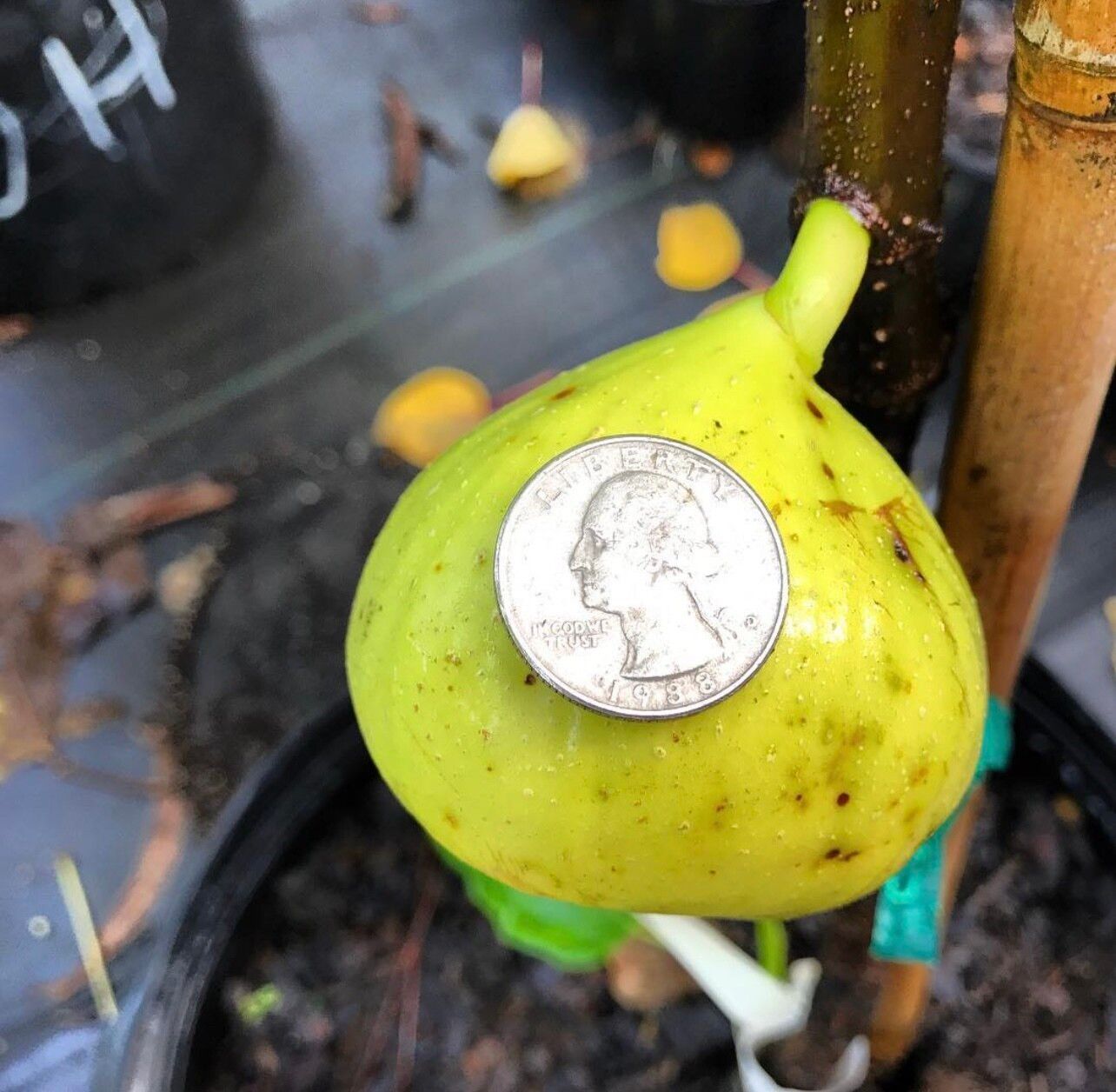
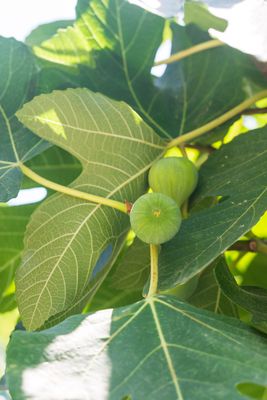
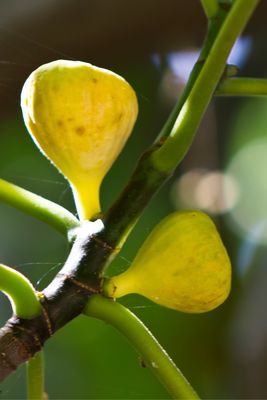
Originally developed through a California fig breeding program during the mid-20th century, this cultivar produces yellow to yellow-green fruit with amber flesh and a distinctive flavor profile that collectors often describe as sweet with subtle notes reminiscent of pear, kiwi, or creamy tropical fruit.
Growers in regions with drier summers and Mediterranean-style climates often find that figs like Di Redo perform especially well, where lower humidity can help maintain fruit quality near harvest.
Florida gardeners can certainly grow this variety as well, particularly as part of a diverse fig collection, though many growers in humid climates also pair it with varieties known for stronger rain tolerance.
For fig enthusiasts who enjoy exploring unique cultivars and the history behind them, Di Redo offers both a distinctive flavor and a fascinating place in the story of modern fig breeding.
🌎 A Fig for Growers Across Many Climates
Because we ship plants nationwide, our customers grow figs in a wide range of environments, including:
- Mediterranean climates of California
- temperate coastal regions of the Pacific Northwest
- continental climates of the Midwest and Northeast
- warm humid areas of the Southeast and Gulf Coast
Figs often perform differently depending on climate.
In regions with drier summers, cultivars like Di Redo may experience fewer issues related to excess moisture near harvest. In more humid climates, thoughtful site selection and proper irrigation can help maintain healthy growth and fruit quality.
Understanding your local climate is one of the most important factors in successful fig growing.
🌿 Quick Facts Guide
| Feature | Details |
|---|---|
| Botanical Name | Ficus carica ‘Di Redo’ |
| Plant Type | Deciduous fruit tree |
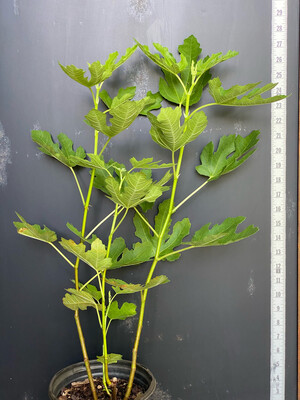
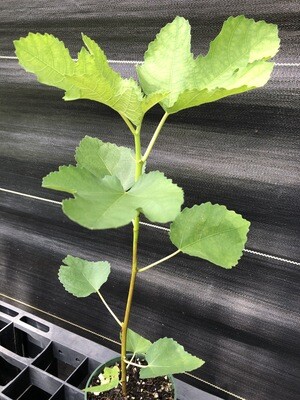
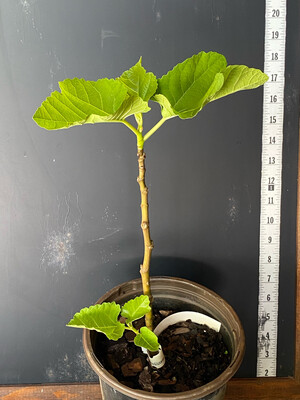
| Size at Sale | 1-gallon container |
| Estimated Plant Age | Approximately 10–18 months |
| Mature Height (pruned) | 8–12 ft |
| Mature Height (unpruned) | 15–25+ ft |
| Mature Width | 12–20 ft |
| USDA Zones | 7–11 |
| Sun Requirements | Full sun (8+ hours recommended) |
| Cold Hardiness | Dormant trees tolerate roughly 15–20°F |
| Growth Habit | Moderate vigor with upright branching |
| Spacing | 12–20 ft |
| Wind Tolerance | Moderate once established |
| Salt Tolerance | Figs show moderate tolerance to coastal conditions |
Like most figs, Di Redo is deciduous, meaning it naturally drops its leaves during the cooler months before pushing fresh growth each spring.
🍈 Fruit & Flavor Profile
| Attribute | Description |
|---|---|
| Fruit Size | Small to medium |
| Skin Color | Yellow to yellow-green |
| Flesh Color | Amber |
| Flavor Profile | Sweet honeyed fig with subtle pear- or kiwi-like notes |
| Texture | Smooth, soft, and syrupy when fully ripe |
Collectors often appreciate this cultivar because its flavor sits somewhere between the classic honey sweetness of Adriatic figs and a more unusual tropical fruit character.
The fruit is best harvested when fully ripe and slightly soft, when sugars are at their peak.
🌞 Fruiting Habits
In warm climates, Di Redo typically produces a main crop during the warmer months of the year.
Harvest timing can vary depending on climate, but generally occurs from mid-summer through early fall.
Fruit production improves when trees receive:
- full sun exposure
- consistent watering
- healthy soil biology
- moderate pruning to maintain airflow
As the tree matures, fruit production usually increases and harvest volumes improve.
Origin Story — A Piece of Fig Breeding History
The Di Redo fig originated from a California fig breeding effort during the mid-1900s, when researchers were working to develop improved fig varieties for commercial and home orchard production.
The cultivar was introduced during the 1950s and is believed to be related to the Adriatic class of figs, which are known for their light-colored skin and honey-sweet interior.
The tree was named after Joe DiRedo, who played a role in helping cultivate and evaluate the trees during the breeding program.
Although the variety never became a major commercial fig crop, it has remained in circulation among collectors who appreciate its unique flavor and its connection to early fig improvement programs in the United States.
🌞 Florida Performance Note
Because our nursery is located in Florida, we always try to be transparent about how different fig varieties perform in humid climates.
Di Redo can certainly be grown successfully in Florida, but we generally consider it more of a collector variety rather than one of the most humidity-adapted figs.
Growers in the Southeast often have the best success when they:
- plant in well-drained soil
- maintain steady irrigation
- encourage airflow through pruning
- grow several fig varieties together for reliability
This approach allows gardeners to enjoy the unique qualities of the cultivar while also ensuring consistent harvests.
🐦 Why Green Figs Are Useful in a Collection
Green and yellow figs bring an interesting advantage to a backyard orchard.
Because their color blends closely with the surrounding foliage, green figs can sometimes be less visually obvious to birds than darker figs that turn deep purple or black when ripe.
While this natural camouflage does not eliminate bird pressure entirely, many growers appreciate including at least one green-fruited fig in their orchard.
Di Redo pairs nicely with darker figs in a mixed collection.
🌳 Landscape Appeal
Fig trees are both productive and ornamental.
Distinctive features include:
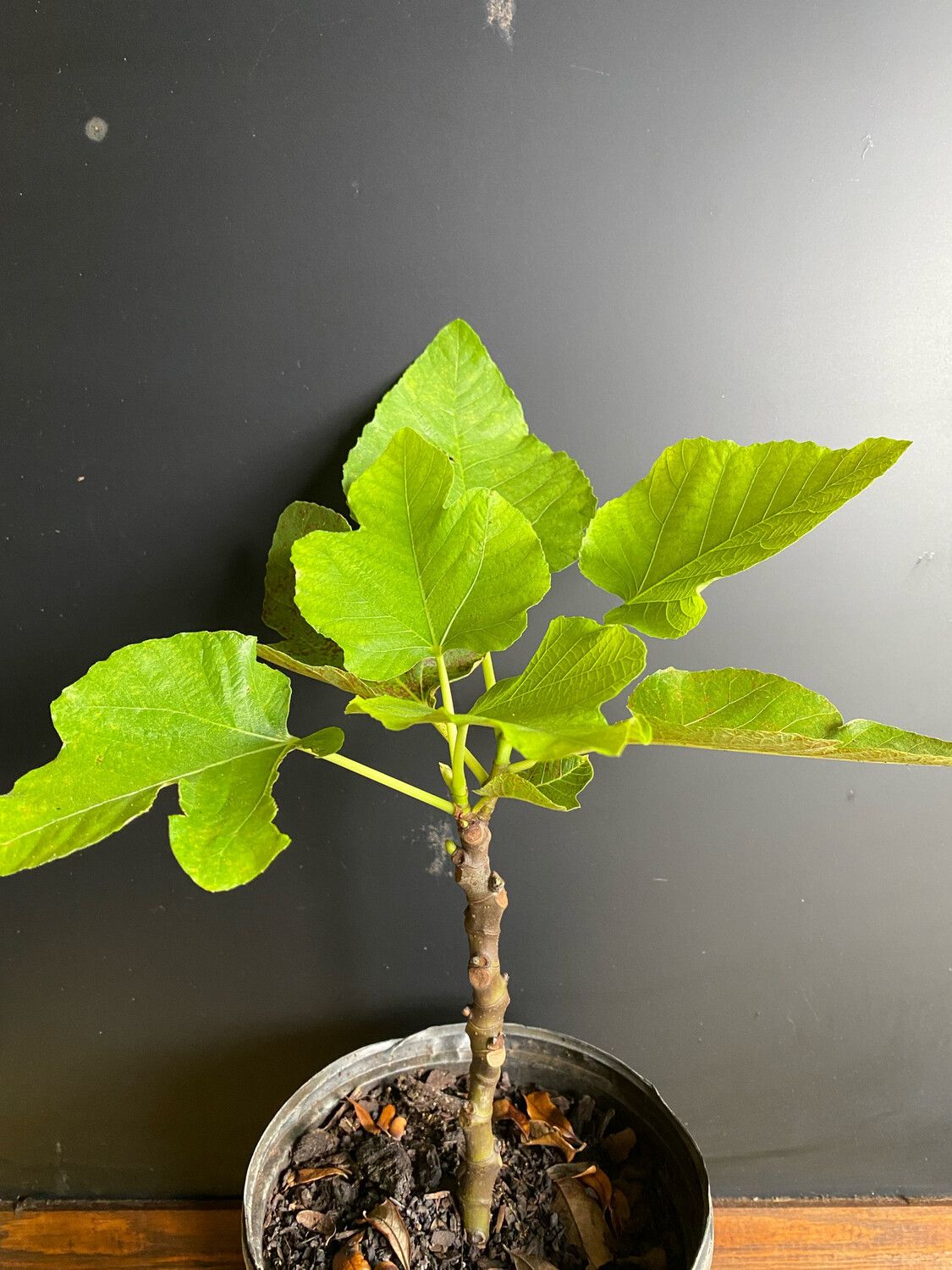
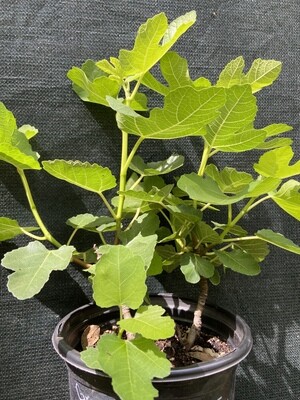
- large lobed leaves with a tropical appearance
- sculptural branching as trees mature
- broad canopies that provide seasonal shade
They fit beautifully into:
- edible landscapes
- backyard orchards
- permaculture food forests
- Mediterranean-style gardens
Keep in mind that figs are deciduous and will naturally lose their leaves during winter dormancy.
🍂 Seasonal Growth Cycle
Winter
Leaves turn yellow and drop as the tree enters dormancy.
Late Winter / Early Spring
New buds emerge and fresh foliage appears.
Spring & Summer
Trees produce vigorous growth and begin developing fruit.
Late Summer / Fall
Main harvest period occurs before the tree gradually prepares for dormancy again.
This seasonal rhythm is completely normal for fig trees.
Culinary Uses
Figs are one of the oldest cultivated fruits in human history and remain incredibly versatile.
Common uses include:
Fresh eating
Enjoyed straight from the tree or paired with cheeses.
Preserves
Figs make excellent jams, spreads, and fruit butters.
Baking
Used in breads, pastries, and desserts.
Drying
Dehydrated figs develop a dense texture and concentrated sweetness.
The unusual flavor of Di Redo makes it especially fun for fig tastings and cultivar comparisons.
🌿 GreenDreams Fig Cultivar Comparison
Flavor, Fruit Color & Climate Performance
| Cultivar | Flavor & Fruit Color | Tree Size | Performance in Humid Climates | Rain / Splitting Resistance | Best For |
|---|---|---|---|---|---|
| Alma | Honey-caramel sweetness; brown skin, amber flesh | Medium | Excellent | Good | Southern climates, dessert figs |
| Beers Black | Rich berry flavor; deep purple skin, red interior | Medium | Good | Moderate | Dark fig lovers |
| Belleaire | Sweet classic fig; bronze skin, amber flesh | Medium | Good | Moderate | Backyard orchards |
| Brown Turkey | Mild classic fig flavor; brown skin, amber flesh | Medium–large | Very good | Good | Beginner-friendly fig |
| Celeste | Sugar-sweet fig; violet-brown skin, pink interior | Compact–medium | Excellent | Excellent | One of the best figs for the Southeast |
| Deanna | Sweet dessert fig; brown fruit with amber flesh | Medium | Good | Moderate | Home orchards |
| Di Redo | Honey-sweet fig with pear/kiwi notes; yellow-green skin, amber flesh | Medium | Moderate | Moderate | Fig collectors, drier climates |
| Fignomenal | Sweet brown figs with red interior | Very dwarf (2–3 ft) | Good | Good | Containers and patios |
| Green Egg | Mild honey flavor; green skin, amber flesh | Medium | Good | Moderate | Honey-style figs |
| Green Ischia | Bright berry sweetness; green skin, strawberry interior | Small–medium | Very good | Good | High-quality green fig |
| LSU Purple | Rich sweet fig; purple skin with amber-pink flesh | Compact–medium | Excellent | Excellent | Top Gulf Coast fig |
| Little Ruby | Jammy sweetness; reddish fruit with ruby flesh | Dwarf (4–6 ft) | Good | Moderate | Small yards and containers |
| Olympian | Honey-peach sweetness; large fruit | Medium | Moderate | Moderate | Cooler climates |
| Texas Blue Giant | Large dessert figs; brown-purple fruit | Medium–large | Good | Moderate | Large fruit growers |
| White Kadota | Mild honey fig; yellow skin, amber flesh | Medium–large | Moderate | Lower | Preserves and drying |
| White Marseilles | Classic honey fig; green-yellow fruit | Medium | Good | Moderate | Honey figs |
| Yellow Long Neck | Sweet honey-melon flavor; elongated yellow fruit | Small–medium | Moderate | Moderate | Collector fig |
🌞 Tip for Building a Backyard Fig Collection
Many growers eventually plant multiple fig varieties because each cultivar offers a different harvest time and flavor profile.
A balanced collection might include:
Early Season
- Celeste
- Brown Turkey
Mid Season
- LSU Purple
- Green Ischia
Late Season
- Alma
- White Kadota
Collectors may also add specialty varieties like Di Redo to explore unique flavors and historical cultivars.
🐦 Why Many Growers Include Green Figs
Green or yellow figs can provide an additional advantage in the garden.
Because their color blends with surrounding foliage, they are often less visually obvious to birds than dark figs that turn deep purple or black when ripe.
Green figs in the GreenDreams collection include:
- Green Ischia
- Green Egg
- White Marseilles
- Yellow Long Neck
- Di Redo
Adding one or two green figs to a collection can help create a more diverse and resilient fig orchard.
🌎 U.S. Climate Performance Chart
It shows which figs perform best in:
- Florida & Gulf Coast
- Texas & Southern Plains
- California & Mediterranean climates
- Midwest / Northeast
That chart is especially useful since you ship nationwide.
🪴 Container Growing
Figs adapt well to container culture.
Typical container progression:
| Stage | Container Size |
|---|---|
| Starter | 1 gallon |
| Intermediate | 3 gallon |
| Developing | 7 gallon |
| Mature container tree | 15–25 gallon |
Container plants require:
- well-draining soil
- consistent watering
- occasional pruning to maintain size.
Transplanting Guide
After shipping, allow the plant to recover and begin pushing new growth before transplanting.
Many growers wait around 30 days before moving the plant into a larger container or into the ground.
Typical container progression:
1 gallon → 3 gallon → 7 gallon → 15+ gallon
Signs a plant is ready to up-pot include roots circling the container or soil drying very quickly.
🌱 Ideal Soil Mix
Figs prefer soil that drains well while retaining moderate moisture.
A balanced container mix often includes:
- pine bark fines
- compost
- perlite or coarse sand
For in-ground planting, improving sandy soils with organic matter and mulch can significantly benefit root health.
🌿 Best Practices for Planting Di Redo Fig Trees
Follow the GreenDreams “High & Tight” planting method.
Where to Plant
Choose a location with:
- full sun
- good airflow
- well-drained soil
Planting Steps
- Dig a hole slightly wider than the container.
- Place the root ball slightly above grade.
- Backfill with native soil and compost.
- Apply a 2–4 inch layer of mulch.
Avoid placing mulch directly against the trunk.
🎥 Planting tutorial
https://youtu.be/RRQFY30qdA8?si=rRIcsbLlVAVYotfI
💧 Watering Guidance
Young trees benefit from consistent watering during establishment.
Once established:
- water deeply during dry periods
- avoid extreme dry/wet cycles
- drip irrigation is preferred
Mulching helps maintain soil moisture and supports healthy soil life.
🔍 Troubleshooting Guide
| Issue | Cause | Solution |
|---|---|---|
| Yellow leaves in winter | Natural dormancy | Normal seasonal cycle |
| Root stress | Poor drainage | Plant slightly elevated |
| Fruit splitting | Irregular watering or heavy rain | Maintain consistent moisture |
| Weak growth | Low organic matter | Add compost and mulch |
| Leaf spotting | Humid conditions | Improve airflow with pruning |
🌟 Is This Plant Right for You?
Ideal for
- fig collectors
- gardeners building diverse orchards
- growers interested in historic cultivars
- those curious about unusual fig flavors
Less Ideal for
- growers wanting only the most humidity-adapted figs
- landscapes with poor drainage and limited irrigation
🚚 Shipping Information
This plant ships in a 1-gallon container.
Small plants ship best to:
- Florida
- the Southeast
- Texas
We ship across the continental United States, but longer transit times to northern or western states may require additional recovery time.
Orders ship every Monday via UPS Ground.
Shipping during extreme heat or cold is buyer discretion.
California shipments may be delayed for inspection.
Local Pickup
We also offer this plant and many others at our retail nursery location.
GreenDreams Nursery & Farm
18709 US Hwy. 41
Spring Hill, FL 34610
Tues–Fri 9AM–5PM
Sat 8AM–3PM
🌿 Beyond the Plant: GreenDreams Services
At GreenDreams, we do more than grow plants — we design and build edible ecosystems across Florida.
Services include:
🌳 edible landscape consultations
🚜 installation and project management
🚚 compost, mulch, and soil delivery
🌾 regenerative farm and garden solutions
Let our team help you create a thriving edible landscape.

🌿 IMPORTANT INFORMATION BEFORE PURCHASING LIVE PLANTS
Please note: Plants purchased through our online store are not available for pickup at our retail nursery in Spring Hill, Florida.
Online inventory is housed at a separate facility and is priced, prepared, and handled exclusively for shipping.
🌱 Looking for larger plants or more selection?
Our retail nursery location offers far more availability, including larger sizes, specialty plants, and many selections not suitable for nationwide shipping.
Local pickup is available for retail nursery purchases only.
Visit our Spring Hill, FL retail nursery page to explore in-person shopping options.
🚚 LIVE PLANT SHIPPING & TRANSIT EXPECTATIONS
Live plants naturally experience stress during shipping. Temporary leaf drop, mild wilting, or cosmetic stress is normal after transit. Most plants recover quickly with proper watering, gradual light exposure, and basic aftercare. Some plants may require additional attention during the first few weeks.
Despite careful packing, minor cosmetic damage may occur during transit. Small issues such as broken leaves or stems typically resolve with time and proper care.
If your shipping box arrives with significant external damage, please contact UPS within 30 days to initiate a carrier claim.
⏱️ SHIPPING METHOD, TIMING & TRANSIT WINDOWS
All online orders ship via UPS Ground from our Central Florida nursery.
📦 Shipping Schedule: Orders ship once weekly on Mondays to reduce the risk of packages sitting in transit over weekends. A countdown clock on our website displays the next shipping date.
🚚 Typical Transit Times:
-
Florida: 1–2 days
-
Southern U.S.: approximately 2 days
-
Midwest, West & Northern U.S.: 3–5 business days
Long-distance shipments, particularly to the western U.S., may experience additional transit time due to agricultural inspections in states such as Arizona, California, and Texas.
Extended transit times can be more challenging for small or tender plants and may require additional recovery care after arrival.
🌡️ EXTREME WEATHER & SEASONAL RISK
Live plants are sensitive to temperature extremes.
We cannot guarantee plant condition during periods of extreme summer heat or winter cold and freezing temperatures. Weather-related delays, carrier interruptions, or exposure during delivery are beyond our control.
Customers are responsible for:
-
Monitoring tracking information sent via email
-
Retrieving packages promptly upon delivery
-
Preventing plants from being left outdoors in extreme conditions
During unsafe weather, holiday shipping volume, or extended transit risk, orders may be held and shipped the following week to protect plant health.
⚠️ CUSTOMER RESPONSIBILITY & REFUND POLICY
By purchasing live plants, customers acknowledge and accept the risks associated with shipping, weather exposure, transit delays, and regional suitability.
Refunds or replacements are considered only under exceptional circumstances and in accordance with our return and refund policy. We are not responsible for:
-
Weather-related damage
-
Carrier delays
-
Poor plant selection for a given climate or region
-
Improper care after delivery
Upon purchase, customers assume full responsibility for the ongoing care and success of their plants.
✅ CONSENT & AGREEMENT
By completing a purchase, you confirm that you have read, understand, and agree to all shipping policies, responsibilities, and conditions outlined above.
Our goal is transparency, plant health, and long-term growing success — and we appreciate your understanding and care when ordering live plants.


