


🌿 White Marseilles Fig (Ficus carica ‘Marseille’) – Thomas Jefferson’s Heirloom Favorite 🌞🍯
A Taste of History, Sweetness & Mediterranean Charm
Step into the pages of garden history with the White Marseilles Fig, a golden-skinned treasure once grown by Thomas Jefferson himself at Monticello. This fig isn’t just fruit — it’s a living heirloom that has crossed centuries, continents, and cuisines. Brought from the Mediterranean port of Marseille, France, this ancient cultivar embodies elegance, flavor, and resilience — perfect for gardeners who crave a blend of culinary delight and historical romance.
🌿 Quick Facts
| Feature | Details |
|---|---|
| Botanical Name | Ficus carica ‘Marseille’ |
| Common Name | White Marseilles Fig |
| Plant Type | Deciduous fruiting tree |
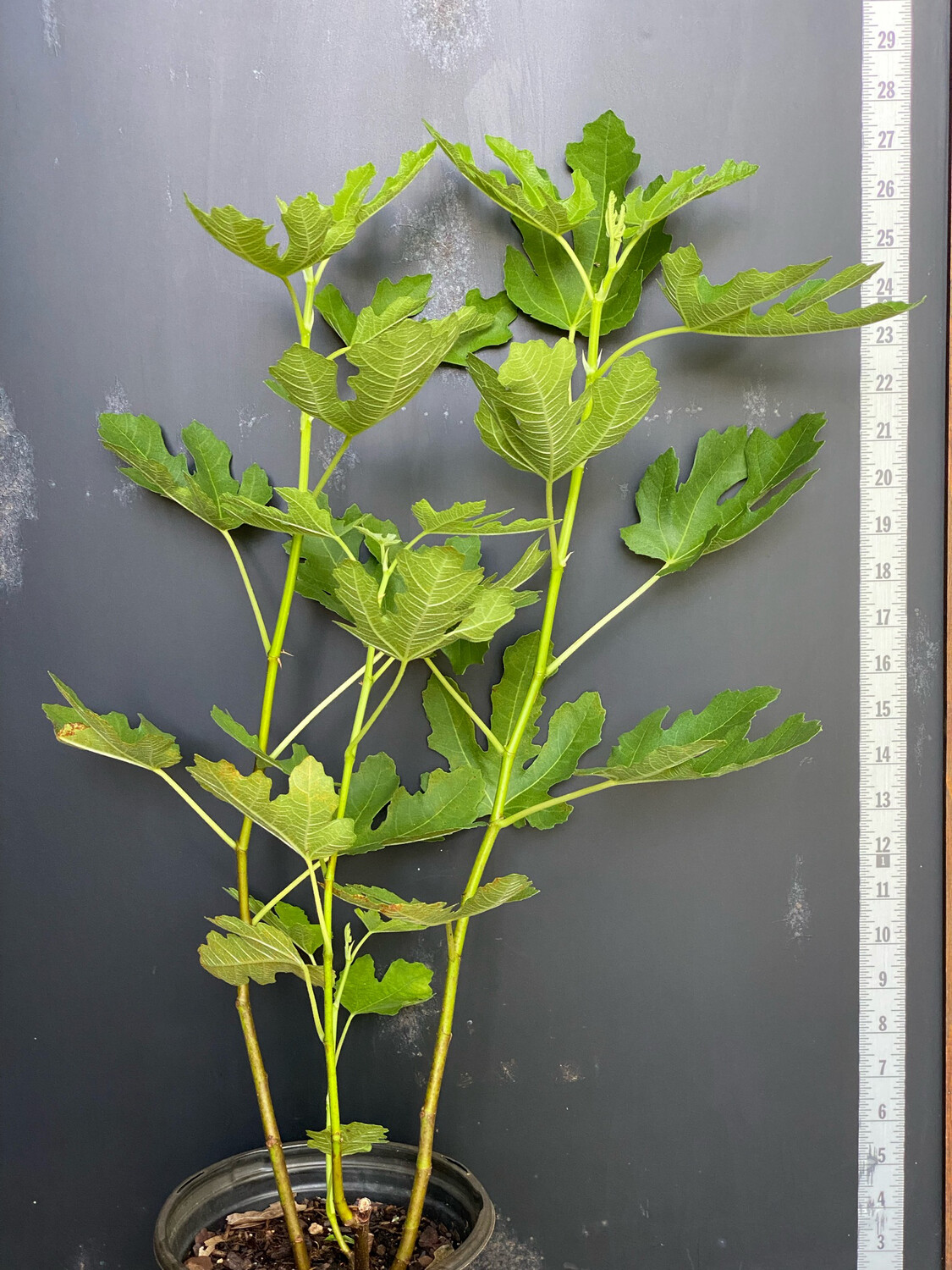
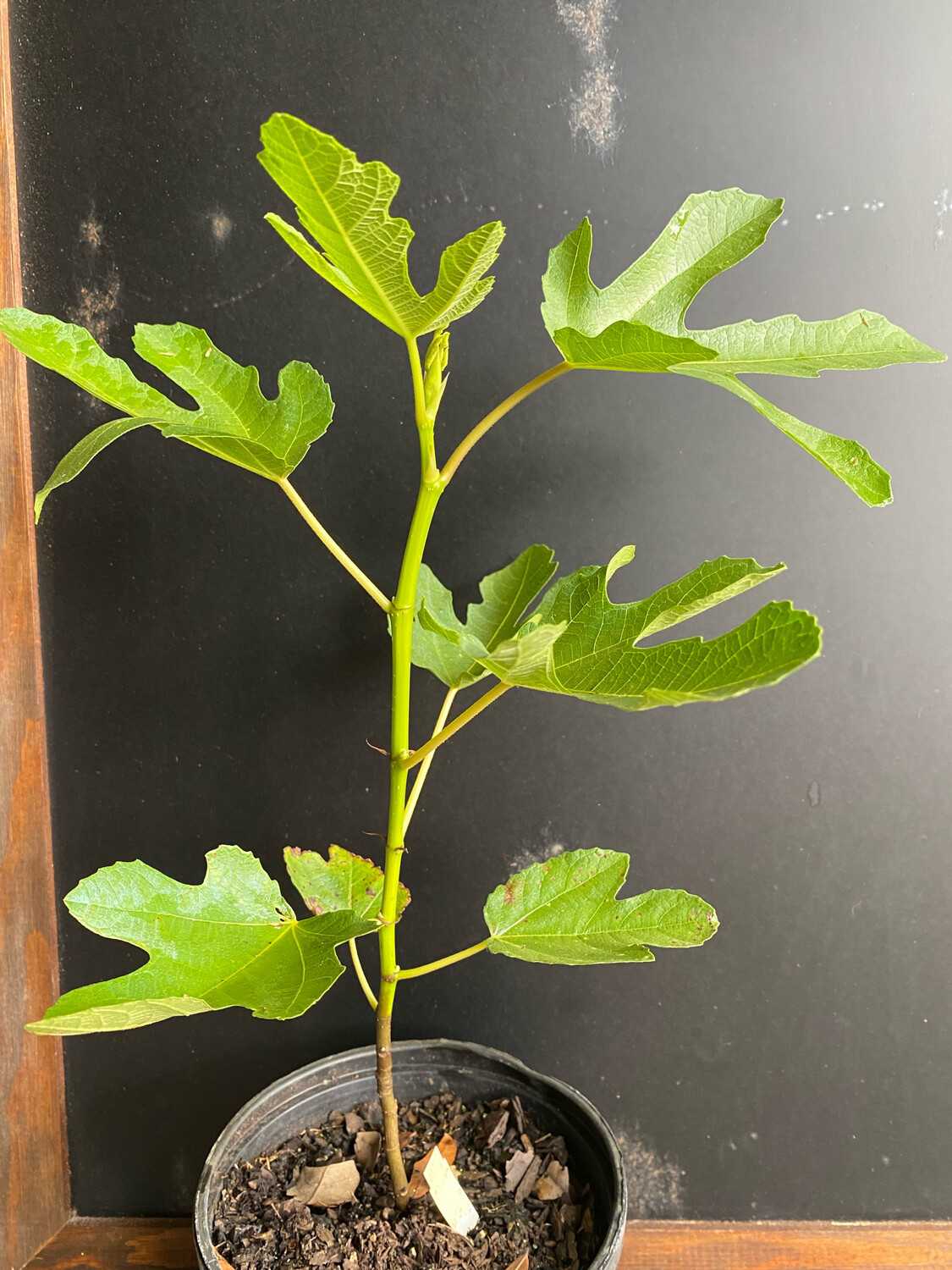
| Shipping Size | 1-gallon live plant |
| Mature Height & Width | 8–12 ft tall × 8–10 ft wide (can be pruned smaller) |
| USDA Zones | 7–10 |
| Sun Requirements | Full sun for best fruiting |
| Cold Hardiness | Down to ~0 °F (very cold-tolerant for a fig) |
| Growth Habit | Dense, rounded, and self-fertile |
| Spacing | 10–15 ft apart (or 6–8 ft if maintained small) |
| Fruiting Season | Mid- to late-summer in Florida; early- to mid-summer in cooler zones |
| Pollination | Self-pollinating (no partner tree required) |
🍯 Fruit & Flavor Details
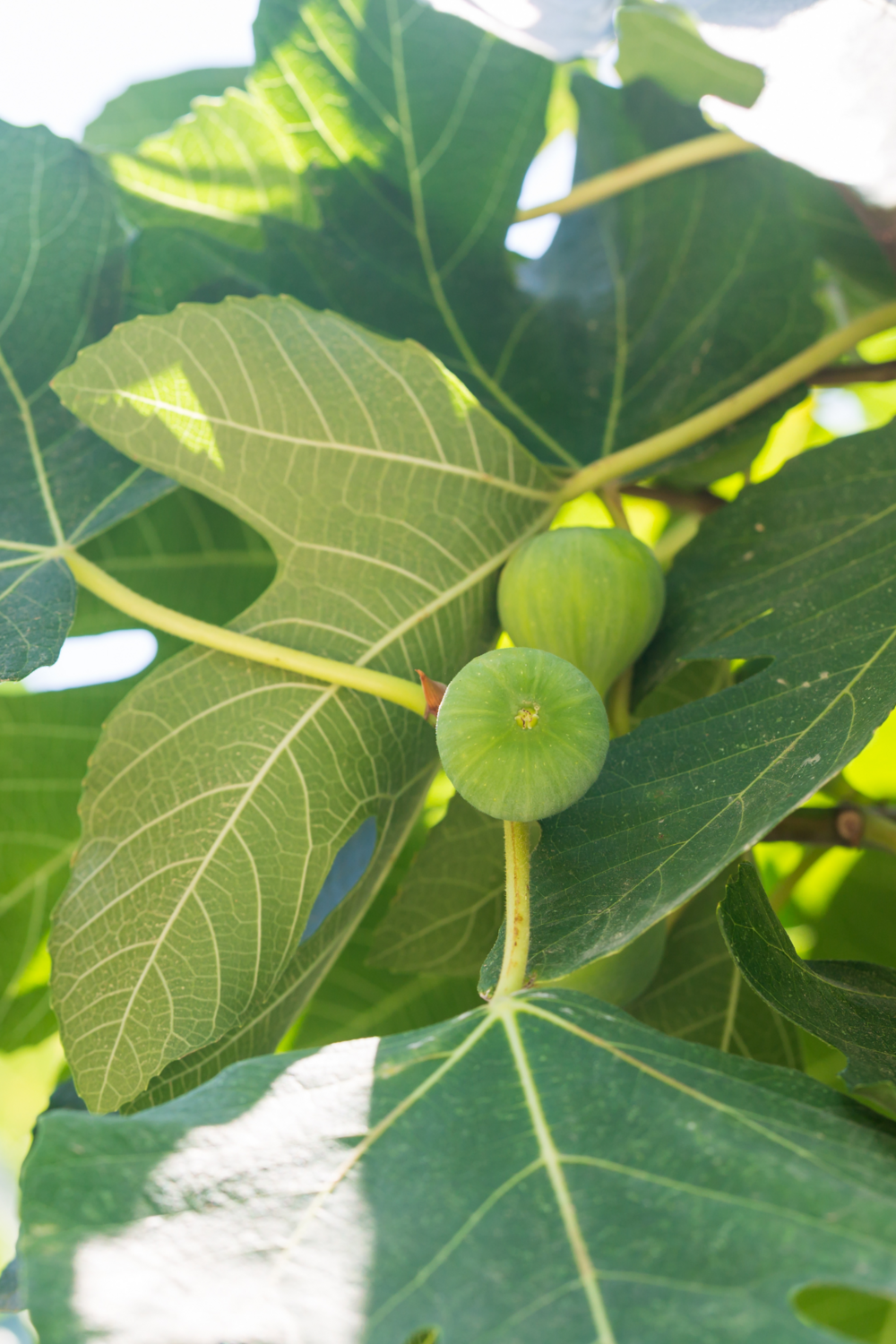
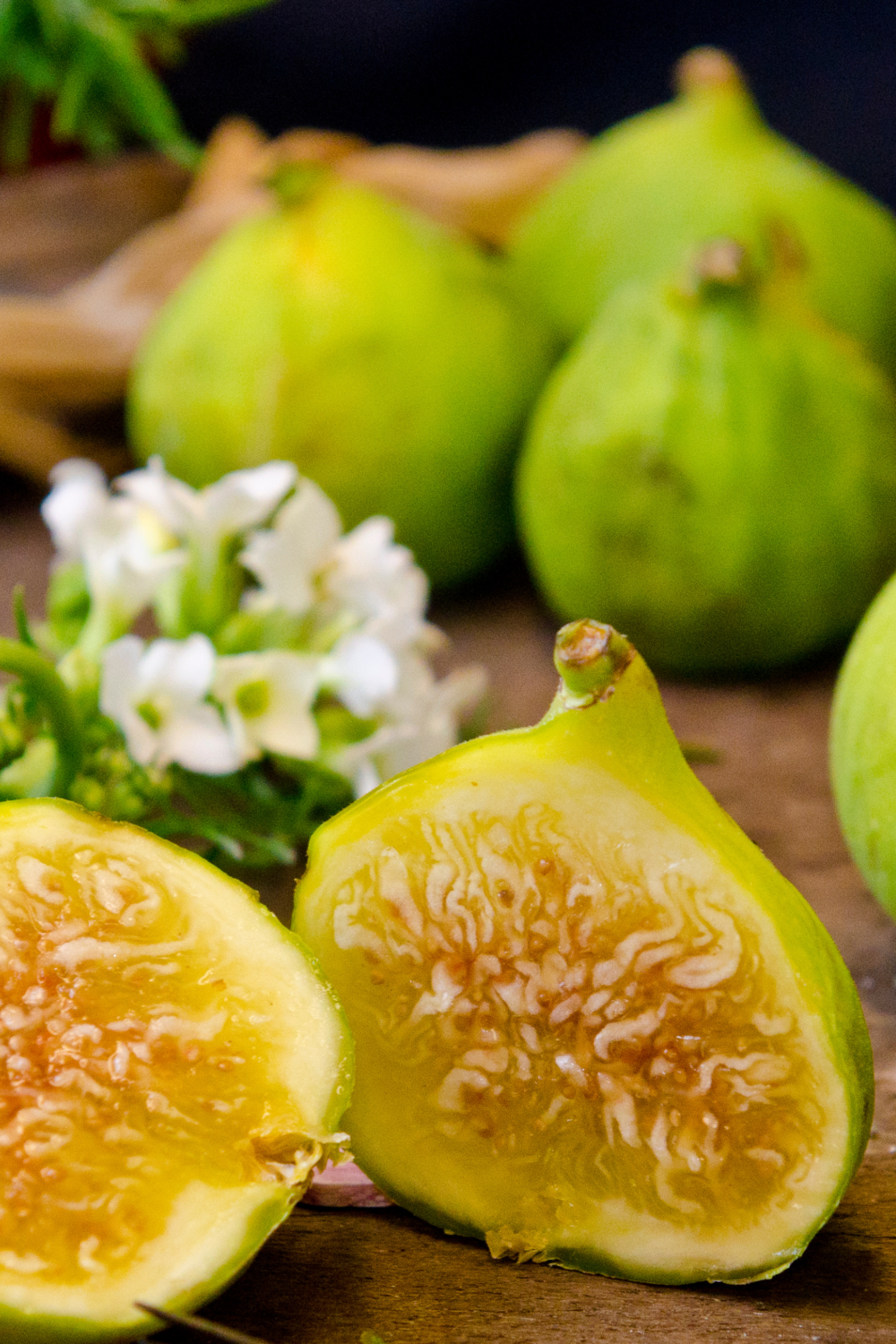
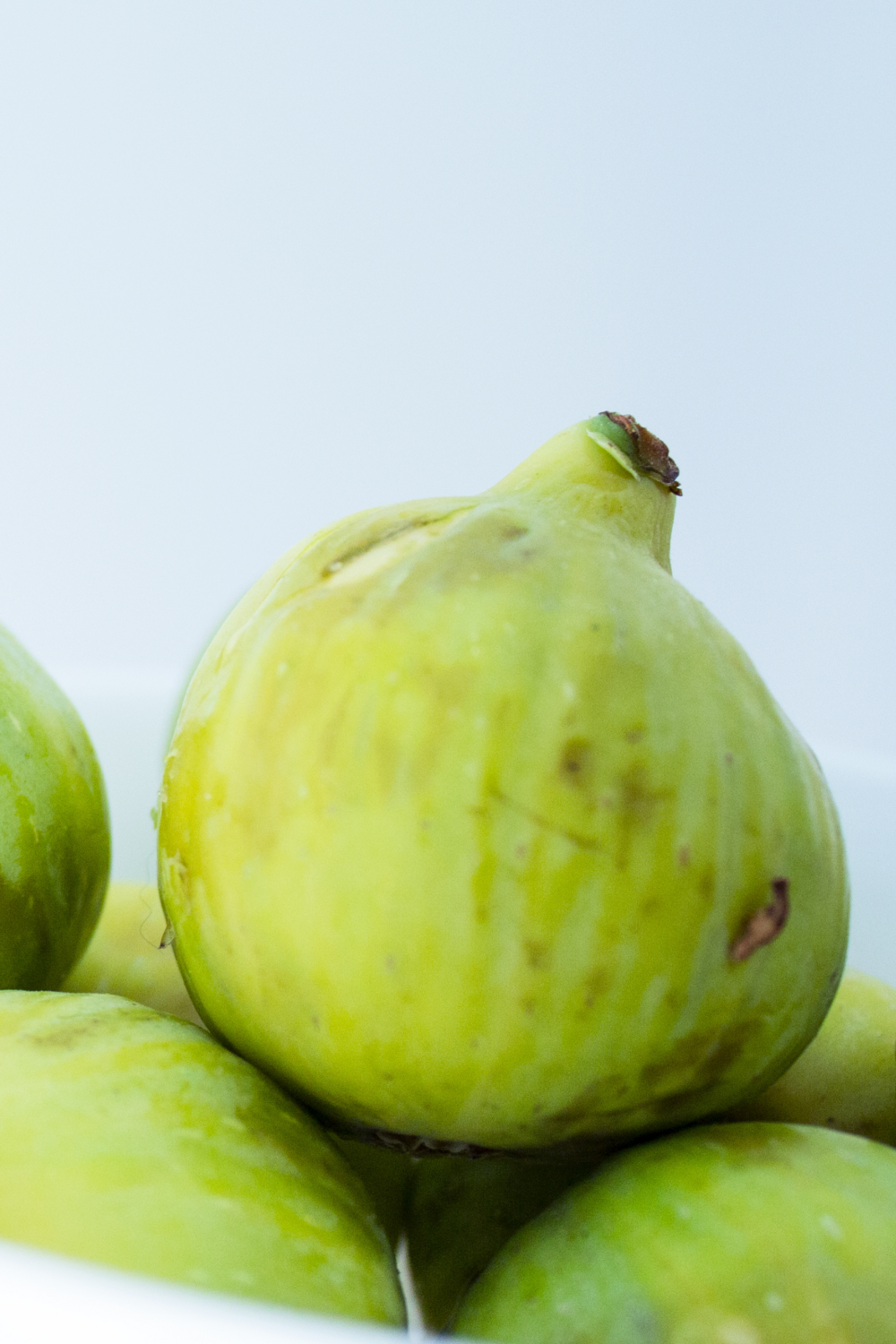
The White Marseilles Fig is prized for its translucent pale-amber flesh wrapped in a thin, green-yellow skin. The flavor is mildly honey-sweet, with subtle citrus and vanilla undertones that make it one of the most delicate and refined figs you’ll ever taste.
- Texture: Soft, jammy interior with tender skin that nearly melts in your mouth.
- Size: Small to medium fruit — typically 1.5–2 inches.
- Harvest Time:
- Florida & Gulf States: Main crop from July through September.
- Mid-Atlantic & Northern Zones: Ripens in August–September; may produce a small breba crop in late spring.
- Yield: Heavy producer once established — often bearing hundreds of figs per season.
- Best Uses:
- Fresh eating straight from the tree
- Delectable jams and preserves
- Elegant charcuterie pairings
- Dried fruit snacks or baked pastries
Its sweetness deepens in warm weather — ideal for Florida and southern growers who want a heat-loving fig that doesn’t sacrifice flavor for productivity.
🌱 Top Benefits & Uses
- Culinary Heritage: Once cherished by Jefferson, the White Marseilles Fig is considered one of the finest dessert figs in the world.
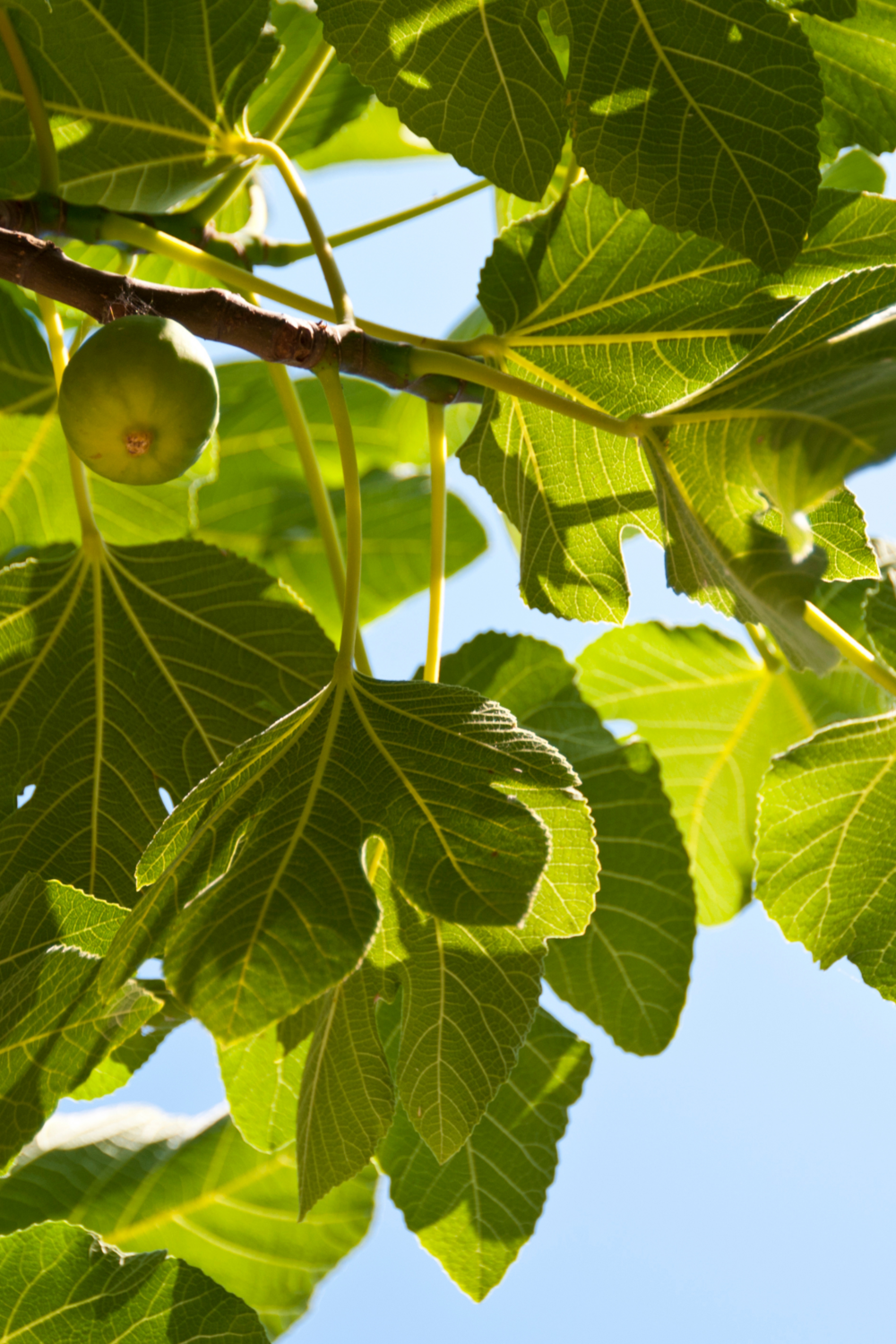
- Ornamental Appeal: Large lobed leaves and a graceful branching structure make it as beautiful as it is delicious.
- Container Friendly: Naturally compact and adaptable to pruning — perfect for patios, courtyards, or urban gardens.
- Wildlife & Ecology: Pollinator-friendly flowers (inside the fruit) support beneficial insects; ripe figs attract birds and fruit bats.
- Cultural Significance: A living link between Old-World gardens and early American horticulture.
🌳 Seasonal Growth Habits (Florida & Similar Climates)
Like all true figs, Ficus carica ‘Marseille’ is deciduous — it rests in winter and revives each spring.
Here’s what to expect:
- Spring: Buds swell and unfurl; vigorous new growth appears.
- Summer: Heavy fruiting and lush canopy. Maintain regular watering.
- Fall: Leaves turn yellow or spotted, then drop — a normal sign of dormancy, not disease.
- Winter: Bare branches await warmer days. Minimal watering needed.
This natural rhythm confuses new growers — but rest assured, leaf drop each fall is healthy dormancy behavior.
🌼 Companion & Support Plants
To create a thriving ecosystem and maximize fruit set, pair your fig with companions that enrich soil and attract pollinators:
- Nitrogen Fixers: Pigeon Pea, Sunshine Mimosa, or Peanut Grass.
- Dynamic Accumulators: Comfrey and Vetiver Grass (excellent mulch source).
- Pollinator Companions: Sweet Almond (Aloysia virgata), African Blue Basil, or Native Bee Balm.
- Aesthetic Partners: Dwarf Mulberry, Roselle, or ornamental gingers for lush, tropical contrast.
These support plants form an ideal fruit-tree guild, enhancing productivity, fertility, and resilience.
🌾 Best Practices for Planting & Care
🌞 Where to Plant
Choose a sunny, well-drained location with at least 6–8 hours of direct sunlight daily. Avoid low, soggy areas — figs dislike “wet feet.”
🌿 Planting Tips
When transplanting, dig a hole only slightly wider than the pot and at the same depth.
Pack soil firmly around the roots without burying the base too deep.
Follow our “High & Tight” planting method for best success — watch the tutorial here:
👉 Tree Planting Video – GreenDreams “High & Tight” Method
💧 Watering
- New Plants: Water daily for the first 1–2 weeks.
- After Establishment: Water 2–3 times per week during dry spells.
- Avoid Overhead Watering to reduce leaf spotting or mildew.
🌰 Soil & Fertility
Figs thrive in fertile, slightly alkaline to neutral soils.
For best results, mix native soil with compost, biochar, and a touch of azomite at planting.
🌿 Mulching
Apply a 2–3" layer of hardwood mulch or Vetiver clippings around the base — keeping mulch away from the trunk. This stabilizes soil moisture and temperature.
✂️ Pruning
- Prune lightly each late winter to remove crossing branches.
- In Florida, prune after leaf drop (December–January).
- Shape young trees early for better airflow and fruit access.
- Figs fruit on new growth, so moderate annual pruning promotes productivity.
🧤 Winter Care
In Zone 8 or colder: protect roots with mulch or burlap wrap. Container figs can be overwintered in garages or covered patios.
🌱 Container & Indoor Growing Tips
White Marseilles performs beautifully in large containers (15–25 gallons).
- Choose a pot with excellent drainage.
- Use a high-quality organic soil mix enriched with compost and perlite.
- Rotate containers every few weeks for even sun exposure.
- Bring indoors or under cover if temperatures drop below freezing.
For indoor or greenhouse growing, place near a sunny south-facing window or under full-spectrum grow lights.
🍽 Culinary & Cultural Notes
- Historic Roots: The White Marseilles Fig arrived in America from France in the late 1700s, likely via Jefferson’s diplomatic connections. It became a centerpiece of his Monticello orchard.
- Mediterranean Origin: Native to the ancient fig-growing regions of southern France and the Mediterranean Basin.
- Culinary Use Worldwide: Popular across Europe for tarts, preserves, and dried confections. In Provence, fresh figs are drizzled with honey and paired with goat cheese.
- Nutritional Highlights: High in fiber, calcium, magnesium, and antioxidants — a sweet treat that supports digestive and cardiovascular health.
🧩 Troubleshooting & Common Issues
| Issue | Likely Cause | Solution |
|---|---|---|
| Yellowing Leaves (Spring/Fall) | Natural dormancy cycle | No action needed |
| Fruit Drop | Overwatering or nutrient imbalance | Improve drainage; use balanced organic fertilizer |
| Leaf Spotting / Mildew | Overhead watering or humidity stress | Water at soil level; prune for airflow |
| Ants / Aphids | Sap attraction | Use neem or AntPro bait near base |
| No Fruit | Too much nitrogen or insufficient sun | Reduce fertilization; increase sunlight exposure |
⚠️ Cautions
- Avoid planting near septic systems or foundations — fig roots are vigorous.
- Non-toxic, but sap may irritate sensitive skin.
- Not invasive in Florida or similar climates when properly managed.
🌟 Is This Plant Right for You?
✅ Ideal For:
- Gardeners who appreciate culinary history and heritage varieties
- Florida homeowners seeking heat-tolerant fruit trees
- Patio growers or northern gardeners using containers
- Anyone passionate about self-sufficient, organic living
❌ Not Ideal For:
- Gardeners with constantly wet or poorly drained soil
- Those unable to provide full sun
- Growers expecting evergreen foliage year-round
❓ Frequently Asked Questions
Q: Will my fig lose leaves in winter?
Yes — White Marseilles is deciduous and naturally drops leaves each fall before going dormant.
Q: How soon will my tree fruit?
Most 3-gallon trees fruit in their second or third year, depending on care and sunlight.
Q: Can I grow it in a pot on my patio?
Absolutely! It’s one of the best container figs — compact and self-fertile.
Q: Do I need two fig trees to get fruit?
No, this variety is self-pollinating.
Q: Is it suitable for humid Florida weather?
Yes, with good drainage and airflow, White Marseilles performs beautifully throughout Central and North Florida.
🌿 GreenDreams Fig Variety Comparison Table
| Variety | Fruit Color / Flesh | Flavor Profile | Humidity & Rain Resistance | Cold Hardiness (°F) | Growth Habit / Size | Notable Strengths & Best Uses |
|---|---|---|---|---|---|---|
| Alma | Light brown / Amber | Honey-sweet with caramel notes | ⭐⭐⭐ Good | ~10–15 °F | Compact 8–12 ft | Early bearing; rich flavor; great for preserves |
| Beers Black | Dark purple / Red | Jammy, balanced sweet-tart | ⭐⭐ Moderate | ~15 °F | Upright 12–15 ft | Classic dessert fig; “Black Mission”-type |
| Brown Turkey | Brown / Pink | Mild sweetness, very reliable | ⭐⭐ Fair | ~5–10 °F | 12–20 ft | Cold-hardy, prolific, great starter fig |
| Celeste | Light brown / Rose | Sugar-sweet, small fruit | ⭐⭐⭐ Good | ~10 °F | 8–12 ft | “Sugar Fig” of the South; dependable cropper |
| Deanna | Yellow-green / Amber | Honeyed, mild, large fruit | ⭐⭐ Fair | ~15 °F | 10–15 ft | Big, showy fruit; excellent fresh eating |
| 🌿 Di Redo | Dark purple-black / Red | Raspberry-jam, berry-sweet, syrupy | ⭐⭐⭐⭐ Excellent (tight eye) | ~10–15 °F | 8–15 ft | Top flavor & humidity resistance — Florida favorite |
| Fignomenal | Violet / Pink | Rich, sugary-sweet | ⭐⭐⭐ Good | ~20 °F | Miniature 2–3 ft | Perfect patio & balcony fig; fruits year-round in warm zones |
| Green Egg | Light green / Pink | Custard-sweet, tropical notes | ⭐⭐ Fair | ~15 °F | 10–15 ft | Unique flavor; ornamental appeal |
| Ischia (Green) | Green / Strawberry-red | Sweet-berry, tangy | ⭐⭐ Moderate | ~15 °F | 8–12 ft | Historic Italian variety; container friendly |
| Little Ruby | Red-purple / Ruby | Very sweet, sugar-dense | ⭐⭐⭐ Good | ~15 °F | Dwarf 3–4 ft | Excellent container fig; heavy producer |
| LSU Purple | Deep purple / Amber | Light berry-sweet | ⭐⭐⭐⭐ Excellent | ~15 °F | 10–15 ft | LSU-bred for Gulf humidity; consistent yields |
| 🌳 Olympian | Purple-bronze / Rose | Honey-sweet, juicy, tangerine-sized fruit | ⭐⭐⭐ Good | Below 0 °F | Compact 4–8 ft | Unrivaled cold tolerance + giant fruit |
| White Kadota | Pale green / Amber | Honeyed, chewy, mild | ⭐⭐ Moderate | ~15 °F | 10–15 ft | Classic drying fig; dense, flavorful flesh |
| White Marseilles | Green-yellow / Pale amber | Mild-sweet, delicate | ⭐⭐ Fair | ~0 °F | 10–12 ft | Thomas Jefferson’s heirloom favorite |
| White Texas Everbearing | Green-yellow / Pink | Very sweet, long-season crop | ⭐⭐⭐ Good | ~10 °F | 8–12 ft | Long fruiting season in warm zones |
| Yellow Long Neck | Golden-yellow / Amber | Honey-vanilla, very mild | ⭐⭐ Fair | ~15 °F | 12–18 ft | Showy dessert-style fruit for fresh eating |
🚚 Shipping & Handling
1-Gallon & 3-Gallon Live Plants
Ideal for shipping to Florida, the Southeastern U.S., and Texas.
We can ship nationwide, but please note: smaller sizes dry out faster and may require extra recovery time after arrival.
We use UPS Ground, shipping every Monday.
Please use discretion when ordering during peak heat or cold — GreenDreams is not responsible for weather-related transit stress.
📍 Available for Local Pickup
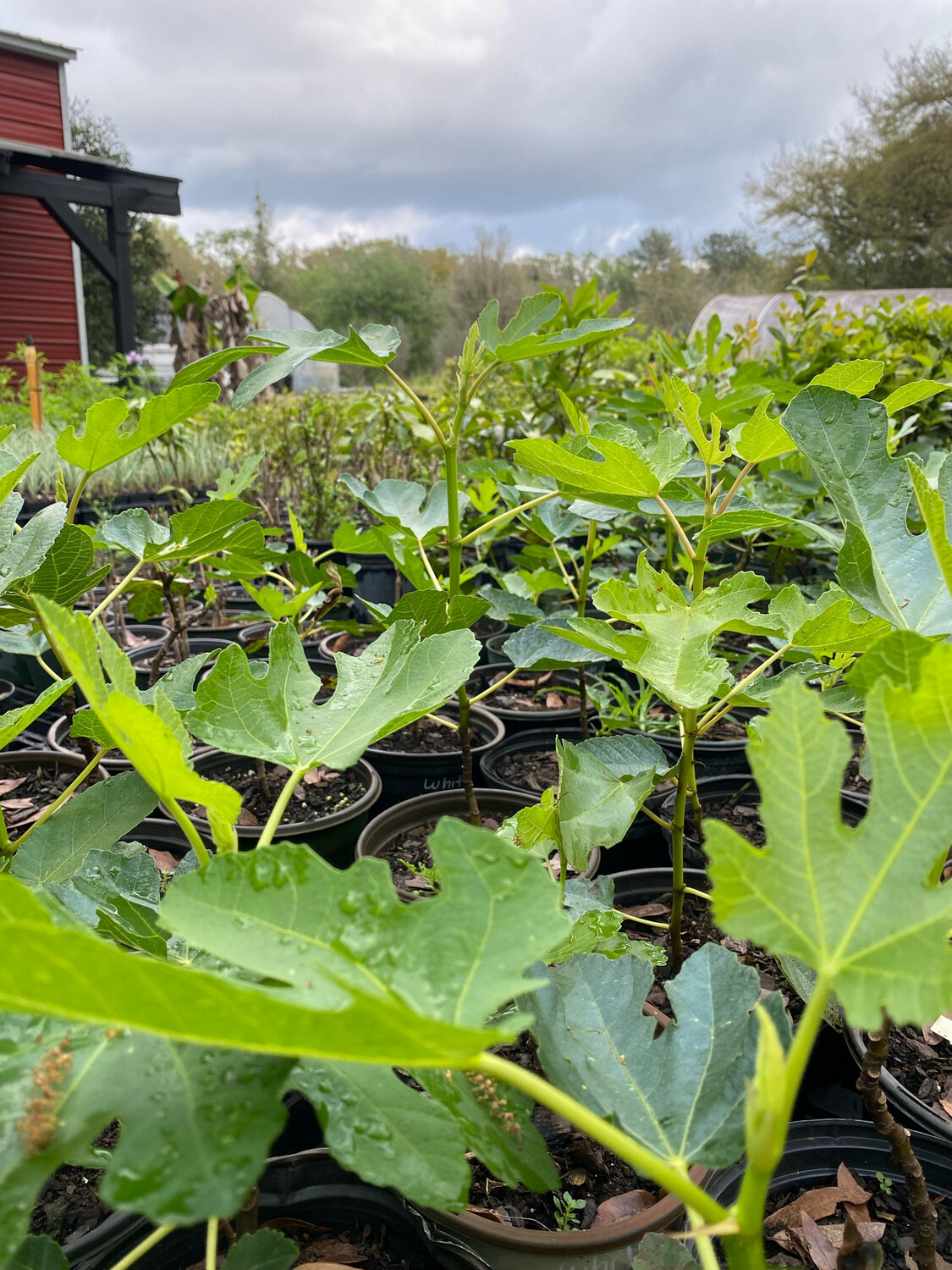
Visit us in person and explore hundreds of edible, native, and medicinal species!
GreenDreams Nursery & Farm
18709 U.S. Hwy 41, Spring Hill, FL 34610
🕘 Tues–Fri 9AM–5PM | Sat 8AM–3PM
Come see what’s fresh this week! 🌿
🌿 Beyond the Plant: GreenDreams Services
At GreenDreams, we do more than grow plants — we design, build, and restore ecosystems across Florida.
- 🌳 Onsite consultations & edible landscape design
- 🌾 Installation & project management
- 🚚 Bulk delivery of compost, mulch, biochar & soil
- 🌱 Wholesale & regenerative solutions
Let our team help you create your own thriving edible paradise — starting with a fig tree! 🌳
🌿 IMPORTANT INFORMATION BEFORE PURCHASING LIVE PLANTS
Please note: Plants purchased through our online store are not available for pickup at our retail nursery in Spring Hill, Florida.
Online inventory is housed at a separate facility and is priced, prepared, and handled exclusively for shipping.
🌱 Looking for larger plants or more selection?
Our retail nursery location offers far more availability, including larger sizes, specialty plants, and many selections not suitable for nationwide shipping.
Local pickup is available for retail nursery purchases only.
Visit our Spring Hill, FL retail nursery page to explore in-person shopping options.
🚚 LIVE PLANT SHIPPING & TRANSIT EXPECTATIONS
Live plants naturally experience stress during shipping. Temporary leaf drop, mild wilting, or cosmetic stress is normal after transit. Most plants recover quickly with proper watering, gradual light exposure, and basic aftercare. Some plants may require additional attention during the first few weeks.
Despite careful packing, minor cosmetic damage may occur during transit. Small issues such as broken leaves or stems typically resolve with time and proper care.
If your shipping box arrives with significant external damage, please contact UPS within 30 days to initiate a carrier claim.
⏱️ SHIPPING METHOD, TIMING & TRANSIT WINDOWS
All online orders ship via UPS Ground from our Central Florida nursery.
📦 Shipping Schedule: Orders ship once weekly on Mondays to reduce the risk of packages sitting in transit over weekends. A countdown clock on our website displays the next shipping date.
🚚 Typical Transit Times:
-
Florida: 1–2 days
-
Southern U.S.: approximately 2 days
-
Midwest, West & Northern U.S.: 3–5 business days
Long-distance shipments, particularly to the western U.S., may experience additional transit time due to agricultural inspections in states such as Arizona, California, and Texas.
Extended transit times can be more challenging for small or tender plants and may require additional recovery care after arrival.
🌡️ EXTREME WEATHER & SEASONAL RISK
Live plants are sensitive to temperature extremes.
We cannot guarantee plant condition during periods of extreme summer heat or winter cold and freezing temperatures. Weather-related delays, carrier interruptions, or exposure during delivery are beyond our control.
Customers are responsible for:
-
Monitoring tracking information sent via email
-
Retrieving packages promptly upon delivery
-
Preventing plants from being left outdoors in extreme conditions
During unsafe weather, holiday shipping volume, or extended transit risk, orders may be held and shipped the following week to protect plant health.
⚠️ CUSTOMER RESPONSIBILITY & REFUND POLICY
By purchasing live plants, customers acknowledge and accept the risks associated with shipping, weather exposure, transit delays, and regional suitability.
Refunds or replacements are considered only under exceptional circumstances and in accordance with our return and refund policy. We are not responsible for:
-
Weather-related damage
-
Carrier delays
-
Poor plant selection for a given climate or region
-
Improper care after delivery
Upon purchase, customers assume full responsibility for the ongoing care and success of their plants.
✅ CONSENT & AGREEMENT
By completing a purchase, you confirm that you have read, understand, and agree to all shipping policies, responsibilities, and conditions outlined above.
Our goal is transparency, plant health, and long-term growing success — and we appreciate your understanding and care when ordering live plants.


