



🌺 Edgar’s Baby Dragon Fruit (Hylocereus hybrid) — Compact, Early, Sweet-Tart Perfection!
Small-space friendly, patio-ready, and bred for flavor—Edgar’s Baby brings dazzling night blooms and candy-magenta fruit to your garden or greenhouse. Bred by renowned California hybridizer Edgar Valdivia, this collector favorite is celebrated for early production and balanced sweet-tangy flavor.
🌿 Quick Facts
| Category | Details |
|---|---|
| Botanical Name | Hylocereus (hybrid; a.k.a. Selenicereus hybrid) |
| Plant Type | Climbing cactus (pitaya), night-blooming, fruiting vine |
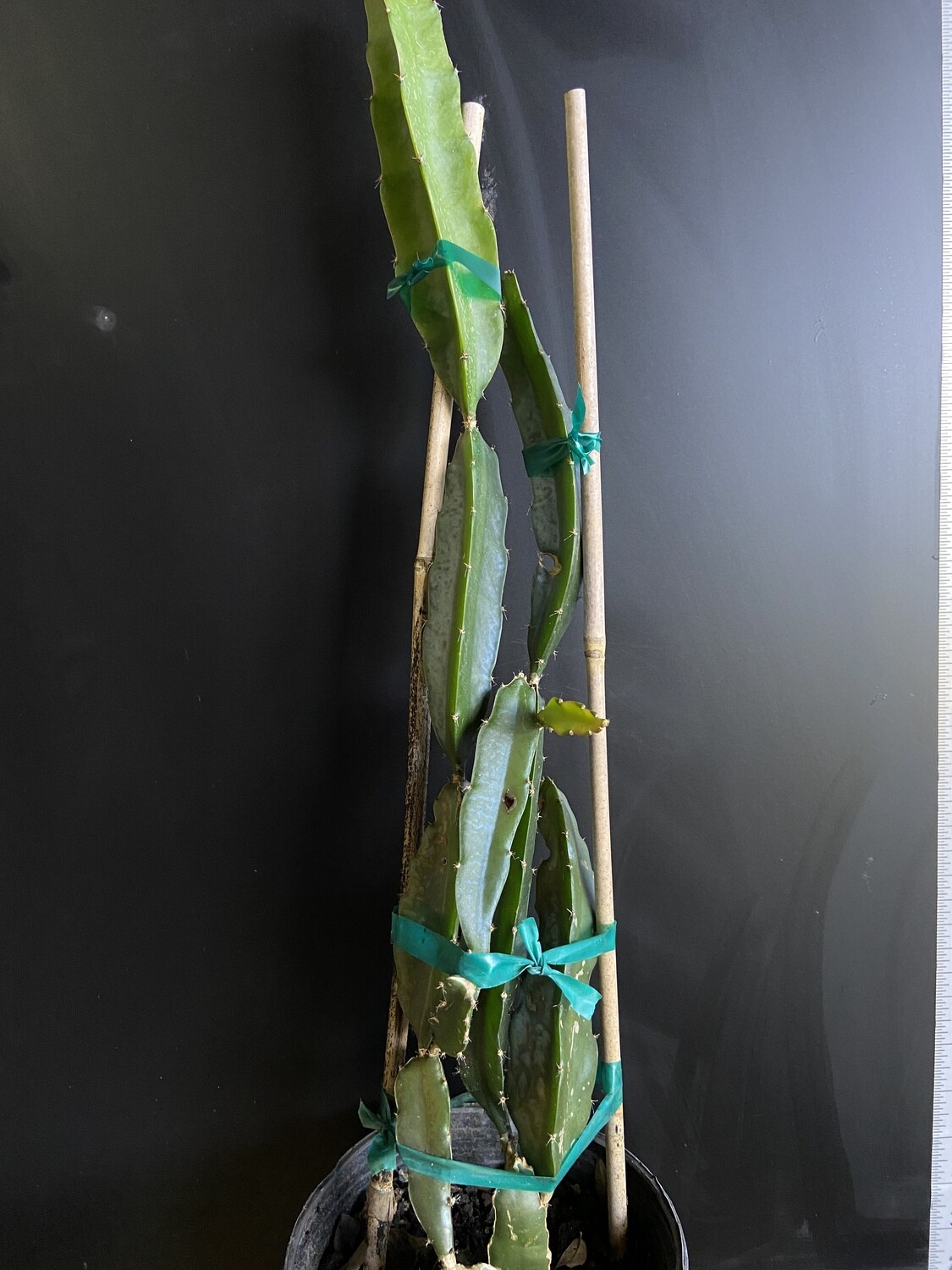
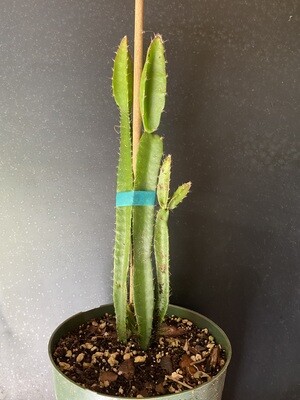
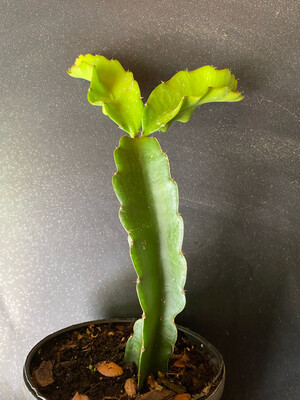
| Size at Sale | Ships in 1-gallon pot |
| Mature Height & Width | 10–15+ ft with support (easily managed smaller by pruning); 3–6 ft spread |
| USDA Zones | 9–11 (protect from frost; best growth above ~46–50°F) |
| Sun Requirements | Full sun preferred; tolerates part shade |
| Cold Hardiness | Tissue injury near 32°F—protect or overwinter inside |
| Growth Habit | Fast-growing segmented stems; climbs posts/trellises |
| Spacing Requirements | 8–10 ft between plants; one strong post/trellis per plant is ideal |
🍈 Fruit, Flowers & Flavor
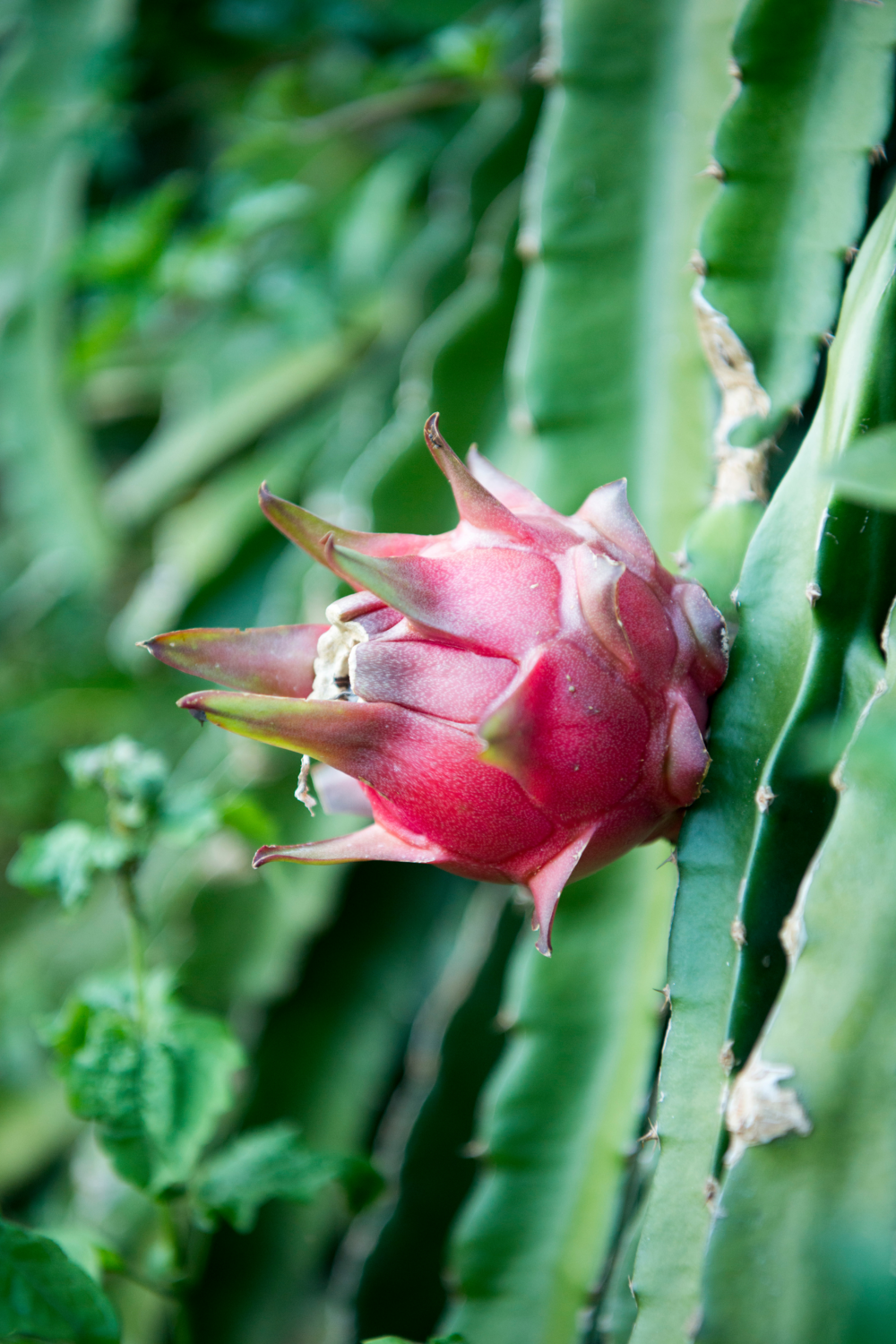
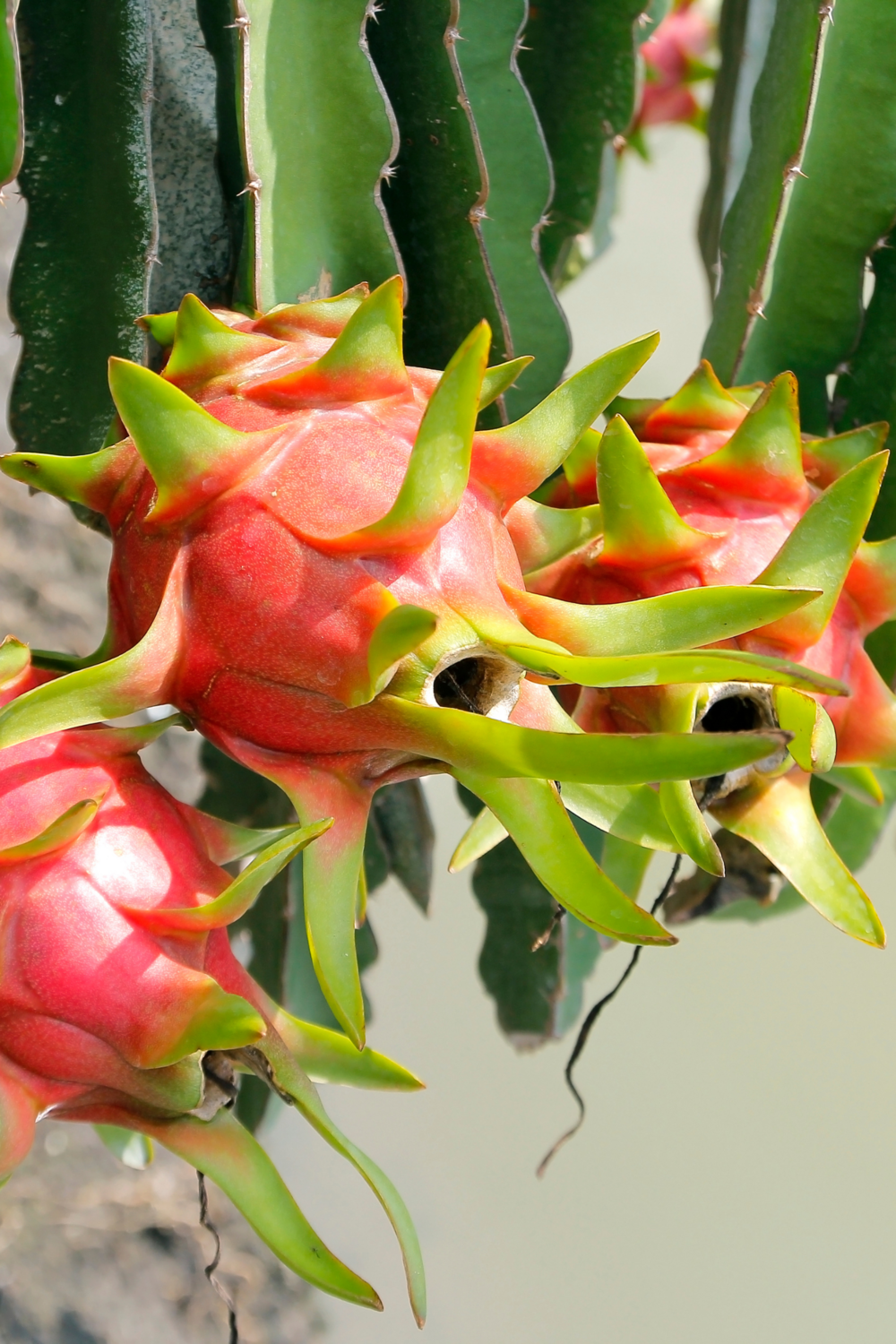
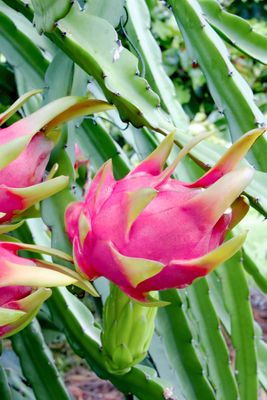
- Appearance: Striking pink-to-red skin with leafy scales; vibrant magenta flesh packed with edible black seeds.
- Flavor & Texture: Juicy, kiwi-like seed crunch with a sweet-tart tropical profile—refreshing and complex. Typical Brix reported around ~18 at full ripeness.
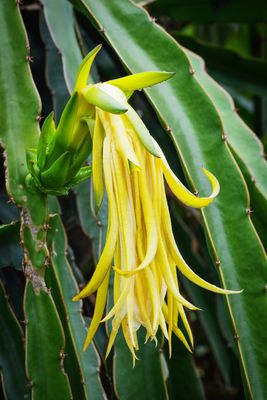
- Blooming: Huge, fragrant, night-blooming flowers (the famed “queen of the night”) precede fruit.
- Harvest Window: Summer through early fall in warm climates; fruit matures roughly ~30–50 days after pollination, depending on conditions.
- Pollination: Often fruits well with cross-pollination or hand-pollination for bigger, more consistent crops.
🧬 What Makes “Edgar’s Baby” Special?
- Breeding & Parentage: A Valdivia hybrid linked to the Asunta line (with genetics from H. stenopterus, H. guatemalensis, and some H. undatus in the background). Expect white flowers and green-tinged skin that ripens to vivid color with purple/magenta flesh.
- Compact, Early, Productive: Selected for manageable size and earlier fruiting than many sprawling types—excellent for home growers and containers.
🌱 Top Benefits & Uses
- Culinary: Spoon fresh, cube for fruit bowls, blend into smoothies/sorbets, or use in bright sauces and mocktails.
- Nutrition: Naturally a good source of vitamin C, fiber, and antioxidants typical of dragon fruit; a flavorful addition to a produce-rich diet.
- Ornamental: Architectural ribbed stems and spectacular nocturnal flowers make it a centerpiece on patios and entryways.
- Space-saving: Performs beautifully on a single post-and-umbrella training system—perfect for small gardens and potted culture.
🌼 Ornamental & Container Gardening Notes
- Landscape Use: Train up a 4×4 post, fence, or arbor; let stems drape from the top for heavy flowering.
- Containers: Thrives in 15–20+ gallon pots with fast-draining mix; install the support post at planting. Edgar’s Baby is frequently recommended among the best cultivars for pot culture.
- Indoors/Greenhouse: Provide bright, direct light (south exposure or grow lights). Hand-pollinate night blooms if pollinators are absent.
🌿 Best Practices for Planting & Care
Where to Plant
- Sun: Full sun (6–8+ hrs); light afternoon shade is fine in high-heat sites.
- Soil: Well-drained sandy/loamy soil; slightly acidic to neutral (approx. pH 6–7.5).
- Site: Wind-sheltered location with room for trellising.
Planting Instructions
- Dig a hole just wider than the pot, plant at same depth as the root ball.
- Backfill with native soil blended with compost; do not bury the stem base.
- Follow GreenDreams’ “High & Tight” method: keep the crown slightly above grade and firm in well for zero wobble.
- Set a sturdy support (post/trellis) at planting and tie leaders loosely as they climb.
Watering
- Establishment: Water daily for the first week, then 2–3×/week, tapering to weekly in the first year.
- Bloom/Fruiting: Keep evenly moist (not soggy) to reduce flower/fruit drop. Overwatering can cause stem/stem-end rot—good drainage is critical.
Nutrition & Mulch
- Seasonal top-dress: compost + biochar + trace minerals (e.g., azomite).
- Hardwood mulch helps regulate moisture and soil temps—keep mulch off the stem.
Seasonal Maintenance (Florida & similar climates)
- Cold: Protect around freezing with covers or move containers to shelter.
- Pruning: After harvest, thin crowded/damaged stems and maintain a few strong leaders up the post, forming an umbrella canopy for heavy bloom set.
⚠️ Cautions
- Frost sensitive: Tissue damage near 32°F—protect or overwinter inside.
- Pollination: Yields may improve with cross-pollination or light hand-pollination at night.
- Handling: Stem edges can be mildly bristly; use gloves when pruning/tying.
🌟 Is This Plant Right for You?
✅ Ideal For:
Small-space gardeners, patio/greenhouse growers, tropical fruit collectors, smoothie lovers, and anyone seeking a compact, early-fruiting dragon fruit.
❌ Not Ideal For:
Areas colder than Zone 9 without winter protection, or sites without a solid vertical support.
❓ FAQ (SEO-Ready)
Q1: Who bred Edgar’s Baby, and what’s its lineage?
A: It was bred by Edgar Valdivia; sources note links to the Asunta line and hybrid genetics involving H. stenopterus, H. guatemalensis, and some H. undatus.
Q2: How soon will it fruit?
A: In warm zones with good care, it’s known for earlier production than many types—often within 1–2 seasons after strong establishment.
Q3: What’s the taste like?
A: Magenta flesh with a sweet-tart, tropical profile; some listings report ~18 Brix at peak.
Q4: Can I grow it in a container?
A: Yes—Edgar’s Baby is frequently recommended for pot culture; use 15–20+ gallon containers with a center post.
Q5: Does it need cross-pollination?
A: You can get fruit without it, but cross- or hand-pollination generally improves set and size, especially in indoor/greenhouse culture.
📦 Shipping & Handling Notes (1-Gallon)
These smaller sizes are best suited for Florida, the Southeast, and Texas.
We do ship nationwide, but buyers in the northern and western US should expect potential transit stress and allow recovery time.
Extreme heat/cold: Please use buyer discretion during peak seasons.
We ship Mondays via UPS Ground from Florida, and we are not responsible for damage from extreme temperatures during transit.
📍 Local Pickup — Come Visit!
GreenDreams Nursery & Farm
18709 US Hwy. 41, Spring Hill, FL 34610
Open Tues–Fri 9 AM–5 PM | Sat 8 AM–3 PM
First-come, first-served—our inventory changes daily!
🛒 Bring Home a Proven Patio Performer
Ready for gorgeous night blooms and sweet-tart magenta fruit? Add Edgar’s Baby to your cart and start your patio orchard!


🌿 IMPORTANT INFORMATION BEFORE PURCHASING LIVE PLANTS
Please note: Plants purchased through our online store are not available for pickup at our retail nursery in Spring Hill, Florida.
Online inventory is housed at a separate facility and is priced, prepared, and handled exclusively for shipping.
🌱 Looking for larger plants or more selection?
Our retail nursery location offers far more availability, including larger sizes, specialty plants, and many selections not suitable for nationwide shipping.
Local pickup is available for retail nursery purchases only.
Visit our Spring Hill, FL retail nursery page to explore in-person shopping options.
🚚 LIVE PLANT SHIPPING & TRANSIT EXPECTATIONS
Live plants naturally experience stress during shipping. Temporary leaf drop, mild wilting, or cosmetic stress is normal after transit. Most plants recover quickly with proper watering, gradual light exposure, and basic aftercare. Some plants may require additional attention during the first few weeks.
Despite careful packing, minor cosmetic damage may occur during transit. Small issues such as broken leaves or stems typically resolve with time and proper care.
If your shipping box arrives with significant external damage, please contact UPS within 30 days to initiate a carrier claim.
⏱️ SHIPPING METHOD, TIMING & TRANSIT WINDOWS
All online orders ship via UPS Ground from our Central Florida nursery.
📦 Shipping Schedule: Orders ship once weekly on Mondays to reduce the risk of packages sitting in transit over weekends. A countdown clock on our website displays the next shipping date.
🚚 Typical Transit Times:
-
Florida: 1–2 days
-
Southern U.S.: approximately 2 days
-
Midwest, West & Northern U.S.: 3–5 business days
Long-distance shipments, particularly to the western U.S., may experience additional transit time due to agricultural inspections in states such as Arizona, California, and Texas.
Extended transit times can be more challenging for small or tender plants and may require additional recovery care after arrival.
🌡️ EXTREME WEATHER & SEASONAL RISK
Live plants are sensitive to temperature extremes.
We cannot guarantee plant condition during periods of extreme summer heat or winter cold and freezing temperatures. Weather-related delays, carrier interruptions, or exposure during delivery are beyond our control.
Customers are responsible for:
-
Monitoring tracking information sent via email
-
Retrieving packages promptly upon delivery
-
Preventing plants from being left outdoors in extreme conditions
During unsafe weather, holiday shipping volume, or extended transit risk, orders may be held and shipped the following week to protect plant health.
⚠️ CUSTOMER RESPONSIBILITY & REFUND POLICY
By purchasing live plants, customers acknowledge and accept the risks associated with shipping, weather exposure, transit delays, and regional suitability.
Refunds or replacements are considered only under exceptional circumstances and in accordance with our return and refund policy. We are not responsible for:
-
Weather-related damage
-
Carrier delays
-
Poor plant selection for a given climate or region
-
Improper care after delivery
Upon purchase, customers assume full responsibility for the ongoing care and success of their plants.
✅ CONSENT & AGREEMENT
By completing a purchase, you confirm that you have read, understand, and agree to all shipping policies, responsibilities, and conditions outlined above.
Our goal is transparency, plant health, and long-term growing success — and we appreciate your understanding and care when ordering live plants.


