


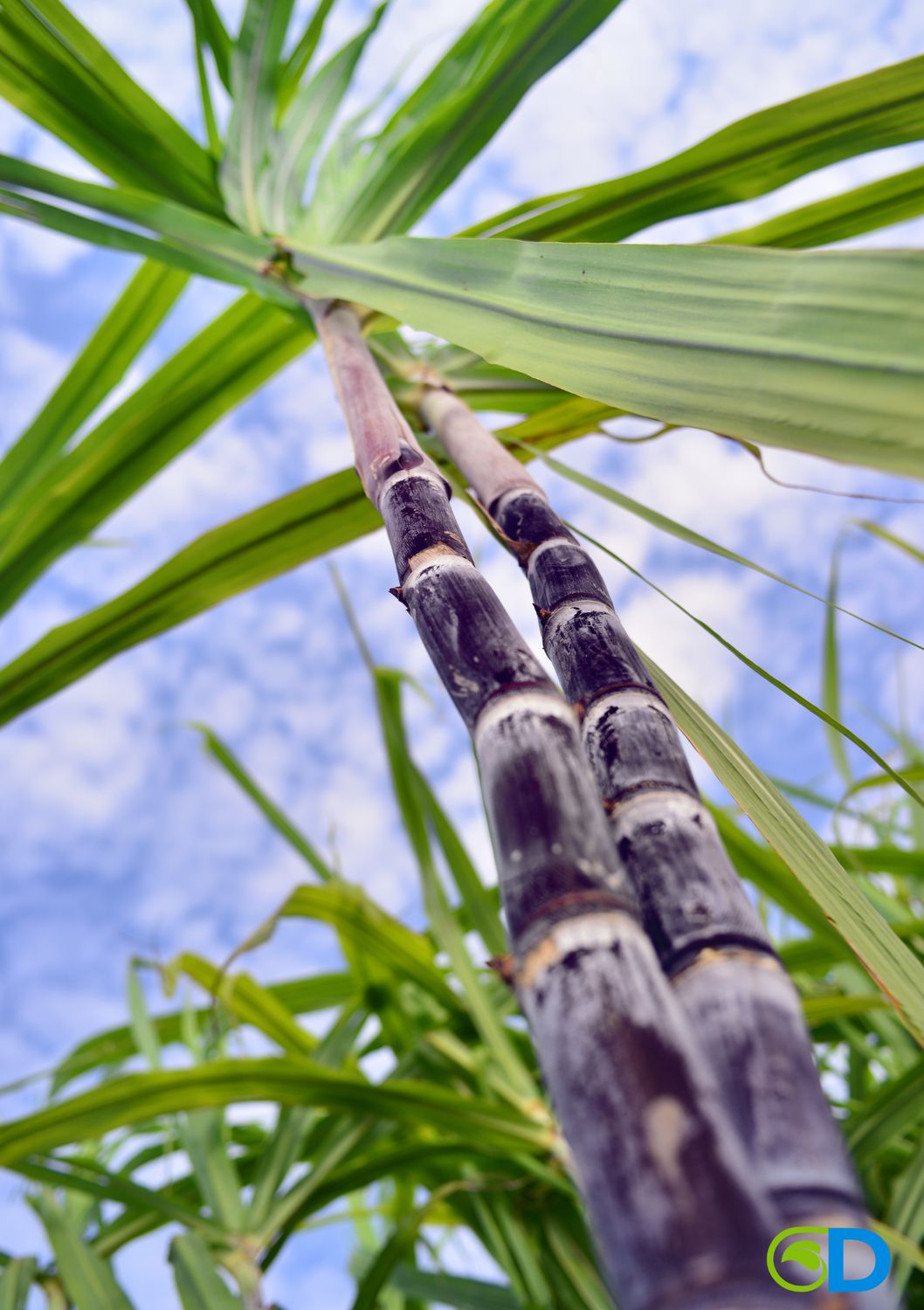
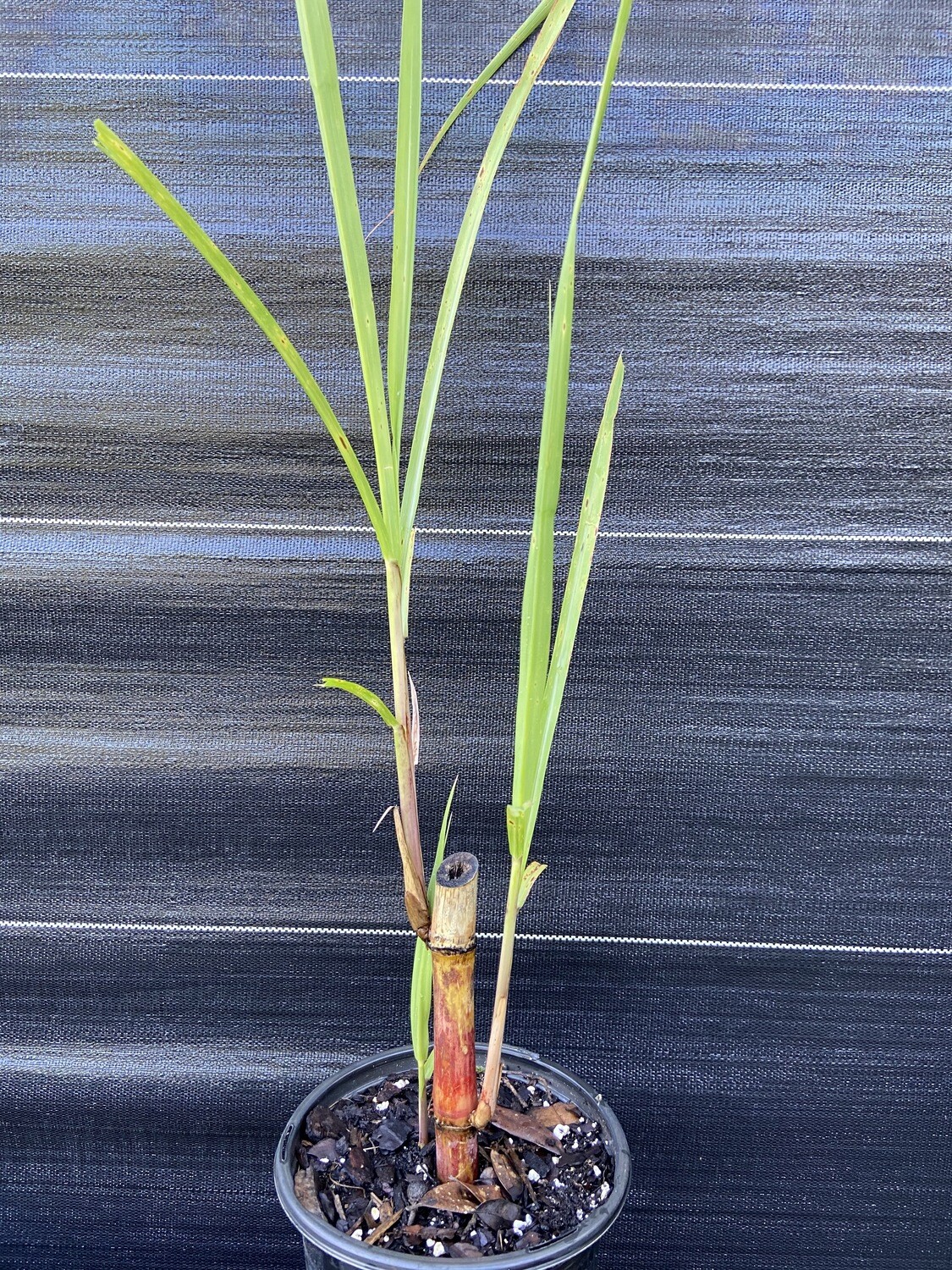
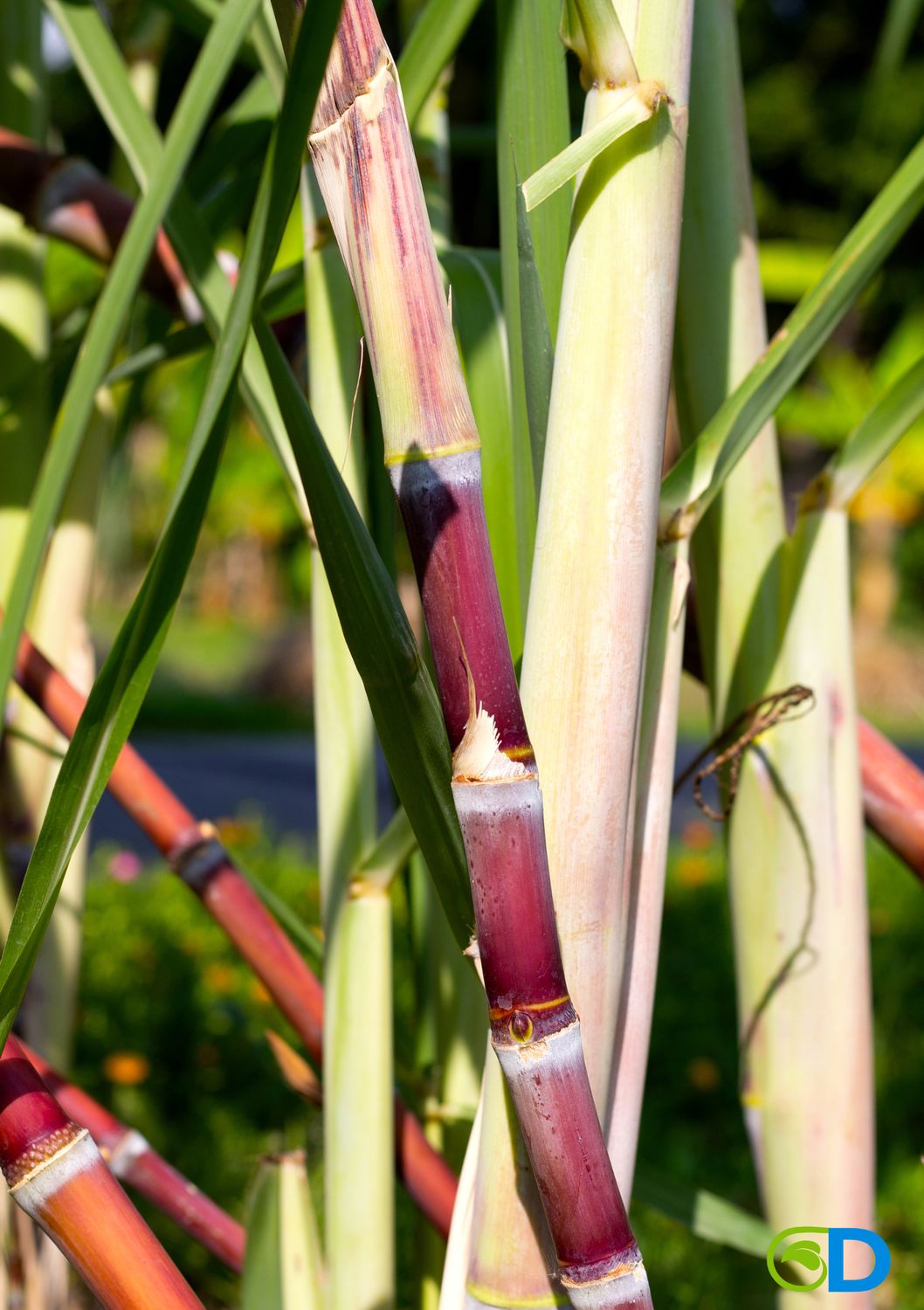
🌿 Sugarcane (Saccharum officinarum) – Grow Your Own Backyard Sweetener 🍹🌾
Imagine stepping into your garden, cutting a fresh cane, and tasting pure sun-grown sweetness right from the stalk. Sugarcane is one of those plants that feels larger than life — bold, productive, beautiful in motion, and deeply tied to the history of tropical agriculture.
This fast-growing tropical grass offers more than sweetness. It creates privacy, produces massive biomass, adds movement and texture to the landscape, and gives growers the fun of harvesting a crop that feels both old-world and excitingly hands-on.
🌿 Quick Facts
| Feature | Details |
|---|---|
| Botanical Name | Saccharum officinarum |
| Plant Type | Tropical perennial grass |
| Sale Size | 2-Gallon container |
| Estimated Age | More established plant with a stronger root system than smaller starter sizes |
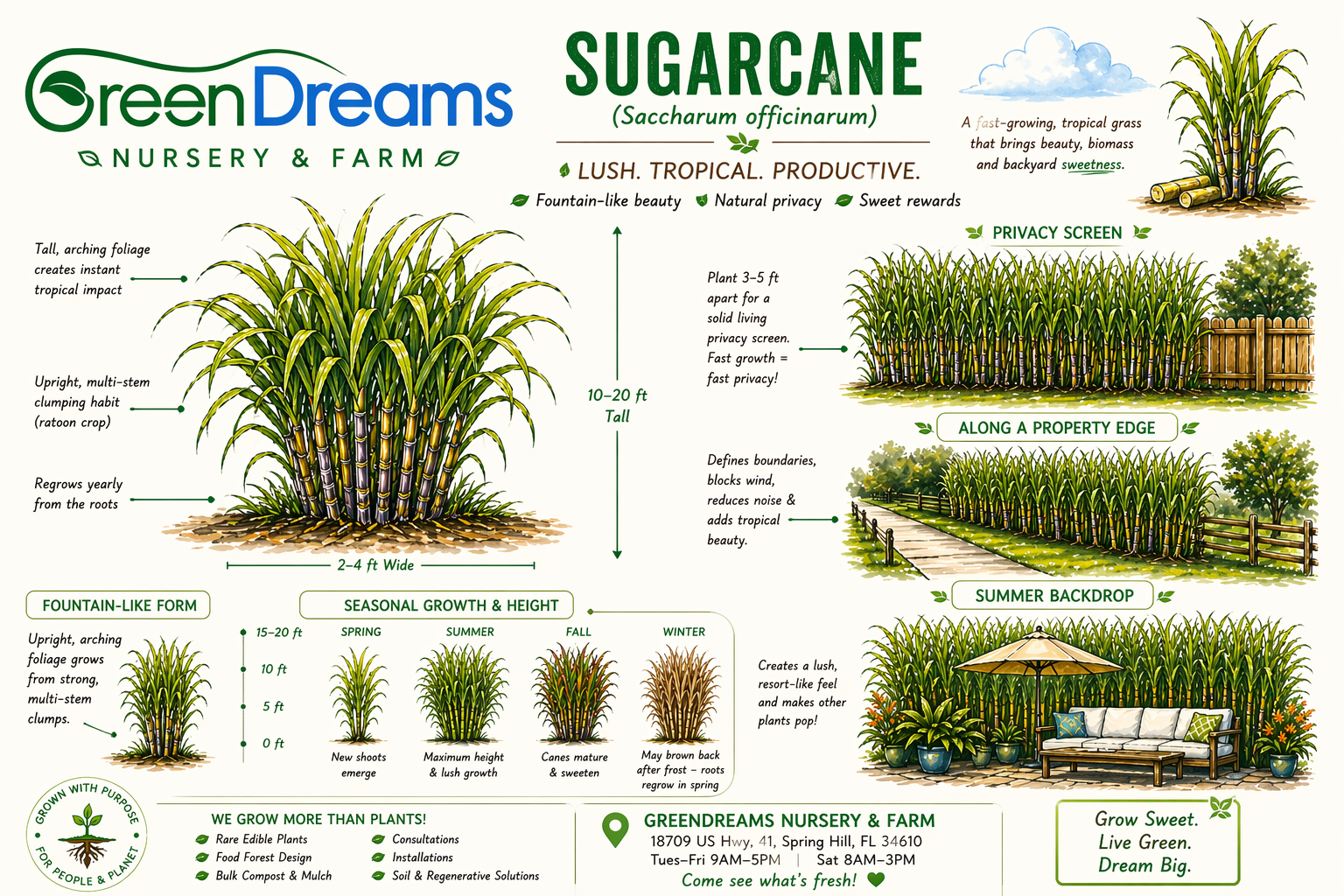
| Mature Height | 10–20 ft unpruned |
| Mature Width | 2–4 ft clumping spread |
| USDA Zones | 8–11, best in 9–11 |
| Sun Requirements | Full sun, 6–8+ hours daily |
| Cold Hardiness | Leaf damage around 32°F; severe damage below about 25–28°F |
| Growth Habit | Upright, clumping, multi-stem tillering grass |
| Spacing | 3–5 ft between clumps, 4–10 ft for row plantings |
🍹 What Does Sugarcane Taste Like?
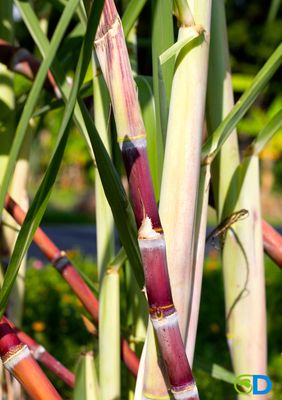
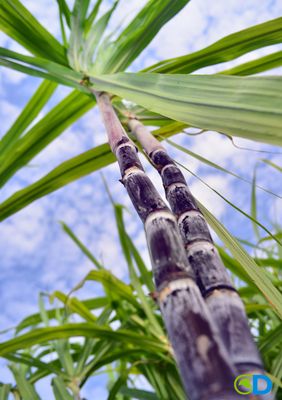
Sugarcane, Saccharum officinarum, is grown for its sweet, juicy interior. The experience is simple and satisfying: cut a piece, peel or split it, chew the cane, enjoy the juice, and discard the fiber.
Flavor profile:
- Clean, grassy sweetness
- Mild mineral notes
- Refreshing, not syrupy when fresh
Texture:
- Firm and fibrous on the outside
- Extremely juicy inside when mature
🍈 What You Can Make With Sugarcane
A homegrown stand of Saccharum officinarum opens the door to all kinds of fun uses:
- Fresh sugarcane juice
- Cane juice with lime and ginger
- Homemade syrups for tea, cocktails, and desserts
- Fresh chewing canes for snacking
- Traditional reductions and sweet preparations
- Mulch and compost material from leaves and stalk residue
In many tropical parts of the world, fresh cane juice is one of the most beloved drinks there is.
🌱 Why Grow Sugarcane?
Top Benefits and Uses
Sugarcane, Saccharum officinarum, is a powerhouse plant for productive landscapes.
- Fresh sweetener source for the home grower
- Fast tropical visual impact with tall upright foliage
- Excellent screen or backdrop plant
- High biomass producer for chop-and-drop systems
- Educational crop for families, children, and school gardens
- Ratoon crop potential, meaning it can regrow after harvest in the right climate
Industry and Historical Importance
Sugarcane is one of the most important grasses in human history. It has been used for:
- Raw sugar and table sugar production
- Fresh juice markets
- Molasses and traditional sweeteners
- Ethanol and biofuel production
- Bagasse, the leftover fiber, for paper, packaging, and organic matter
🌍 Origin Story
Saccharum officinarum is believed to have originated in New Guinea thousands of years ago, where people selected sweeter and juicier canes over time. It later spread through Southeast Asia and India, then across the tropics through trade and cultivation.
Few plants have shaped global food history the way sugarcane has. Growing it at home lets gardeners reconnect with that story on a much more personal and regenerative scale.
🌞 Growth Habit and Seasonal Behavior
In warm climates, Sugarcane, Saccharum officinarum, grows vigorously through the warmer months and creates a lush, upright clump that moves beautifully in the wind.
Seasonal Pattern in Florida
- Spring: vigorous new shoots begin emerging
- Summer: rapid height gain and cane thickening
- Fall: canes continue sizing up and sugars concentrate
- Winter: top growth may brown back after frost, but roots often survive and regrow in spring
In Central Florida and similar climates, sugarcane is often a strong warm-season performer that rebounds once temperatures rise again.
🍈 Harvest and Yield Expectations
A more established 2-gallon Saccharum officinarum plant gives growers a head start compared with smaller container sizes, though harvest timing still depends on climate, care, and growing season.
What to Expect
- First meaningful harvest is often around 12–18 months
- Established clumps may continue producing through ratoon regrowth
- Florida harvest season is often fall through spring, especially October through April
- Mature canes are sweeter when allowed to fully size up before cutting
Tips for Better Sweetness
- Let the canes mature into cooler weather
- Avoid pushing late soft growth with excess nitrogen
- Harvest mature canes rather than young green stalks
🌴 Landscape and Garden Uses
Sugarcane is not just a crop — it is also a dramatic design plant.
Use Saccharum officinarum for:
- Tropical privacy screens
- Fast-growing summer backdrop plantings
- Food forest biomass zones
- Edges of large gardens or orchards
- Seasonal visual movement around patios, fences, or water features
Keep in mind that the leaves can have sharp edges, so it is best planted away from narrow walkways.
🪴 Container Growing
Yes — Sugarcane, Saccharum officinarum, can be grown in containers, and a 2-gallon plant is a nice starting point for growers who want a stronger, more developed specimen.
Recommended Container Progression
- Start in the 2-gallon pot until well-rooted and actively growing
- Move up to 15–25 gallon containers or larger
- Use a rich but well-draining mix
Suggested Potting Blend
- 40% compost
- 30% sandy loam
- 30% aeration material such as bark or perlite
Container Tips
- Keep in full sun
- Water frequently during hot weather
- Feed regularly
- Up-pot before it becomes root-bound
🌿 Best Practices for Planting and Care
Where to Plant
Saccharum officinarum performs best in:
- Full sun
- Rich, moisture-retentive but draining soil
- Areas with room to spread upward and outward
Planting Method
Do not rush to transplant immediately after arrival. Let the plant settle in and resume active growth first.
Then:
- Dig a hole slightly wider than the root ball
- Set the plant at the same depth or slightly elevated
- Firm the soil well around the roots
- Top-dress with compost, biochar, and minerals if desired
- Mulch around the plant, but keep mulch off the cane base
Watering
- Keep consistently moist during establishment
- Water regularly in heat
- Drip irrigation is ideal
- Avoid stagnant, poorly drained conditions
Feeding
Sugarcane is a relatively heavy feeder.
- Feed more actively in warm weather
- Use organic nitrogen early in the growing season
- Reduce heavy feeding late in the year if frost is approaching
🌿 Companion Plants
Sugarcane can play very well in a food forest or tropical guild.
Good companions include:
- Nitrogen fixers: Pigeon Pea, Sunn Hemp
- Biomass plants: Mexican Sunflower, Clumping Grasses
- Pollinator plants: Basil, Salvia, Roselle
- Groundcovers: Sweet Potato, Peanut
🌿 Troubleshooting
| ⚠️ Issue | 🧠 Cause | 🌿 Solution |
|---|---|---|
| 🍂 Yellowing leaves | 💦 Overwatering or poor drainage | Improve drainage and reduce saturation |
| 🫣 Thin canes | ⚖️ Low fertility | Feed regularly during active growth |
| 🐛 Chewed growth | Insect pressure | Inspect often and treat early with organic methods |
| ❄️ Frost burn | Cold exposure | Mulch heavily and allow spring regrowth |
| 🌊 Slow growth | Compacted or weak soil | Add compost and improve soil structure |
⚠️ Cautions
- Leaf edges can be sharp
- Tall canes may lean or lodge in strong wind
- Young plants are sensitive to frost
- Borers and other pests may occur in warm climates
- Best results come from room, sunlight, and regular feeding
🌟 Is This Plant Right for You?
✅ Ideal For:
- Tropical and subtropical gardeners
- Florida, Gulf Coast, and Southeast growers
- Food forest systems
- Homesteaders
- Families wanting a fun, educational crop
- Growers wanting more size and vigor than a starter pot
❌ Not Ideal For:
- Very tight urban spaces
- Growers in cold climates without protection
- Landscapes needing a highly manicured look with little maintenance
- Areas with poor drainage and limited sun
❓ FAQ
How is the 2-gallon size different from a 1-gallon?
A 2-gallon Saccharum officinarum plant is a more established selection with greater root mass and usually more immediate visual impact in the landscape.
Can I plant it directly in the ground?
Yes, once the plant is settled and actively growing. Warm weather and good drainage will help it transition best.
Will sugarcane come back after winter?
In mild climates, yes. Frost may damage the leaves, but the roots often survive and push new growth in spring.
How long until I can harvest?
Harvest timing varies, but many growers can expect a first useful harvest in about 12–18 months under good growing conditions.
Can I grow sugarcane in a pot long-term?
Yes, but it needs a large container, regular feeding, strong sun, and steady moisture to perform well.
🚚 Shipping and Handling
This 2-gallon Sugarcane is a more substantial plant than our smaller starter sizes, but it is still a live tropical plant and should be purchased with seasonal shipping conditions in mind.
- Ships in a 2-gallon container
- Best suited for Florida, the Southeast, and Texas
- Longer-distance transit may cause stress
- Buyer discretion is advised during peak heat and cold
- Ships via UPS Ground
- Orders may need recovery time after arrival
- California orders may experience inspection-related delays
🏡 Local Pickup Available
GreenDreams Nursery & Farm
18709 US Hwy. 41, Spring Hill, FL 34610
Tues–Fri 9AM–5PM | Sat 8AM–3PM
Come explore rare edible, tropical, medicinal, and useful plants in person.
🌿 Beyond the Plant: GreenDreams Services
We do more than grow plants — we help growers build productive ecosystems.
- Food forest design and consultation
- Installation and project management
- Bulk compost, mulch, and soil delivery
- Regenerative landscape planning


🌿 IMPORTANT INFORMATION BEFORE PURCHASING LIVE PLANTS
Please note: Plants purchased through our online store are not available for pickup at our retail nursery in Spring Hill, Florida.
Online inventory is housed at a separate facility and is priced, prepared, and handled exclusively for shipping.
🌱 Looking for larger plants or more selection?
Our retail nursery location offers far more availability, including larger sizes, specialty plants, and many selections not suitable for nationwide shipping.
Local pickup is available for retail nursery purchases only.
Visit our Spring Hill, FL retail nursery page to explore in-person shopping options.
🚚 LIVE PLANT SHIPPING & TRANSIT EXPECTATIONS
Live plants naturally experience stress during shipping. Temporary leaf drop, mild wilting, or cosmetic stress is normal after transit. Most plants recover quickly with proper watering, gradual light exposure, and basic aftercare. Some plants may require additional attention during the first few weeks.
Despite careful packing, minor cosmetic damage may occur during transit. Small issues such as broken leaves or stems typically resolve with time and proper care.
If your shipping box arrives with significant external damage, please contact UPS within 30 days to initiate a carrier claim.
⏱️ SHIPPING METHOD, TIMING & TRANSIT WINDOWS
All online orders ship via UPS Ground from our Central Florida nursery.
📦 Shipping Schedule: Orders ship once weekly on Mondays to reduce the risk of packages sitting in transit over weekends. A countdown clock on our website displays the next shipping date.
🚚 Typical Transit Times:
-
Florida: 1–2 days
-
Southern U.S.: approximately 2 days
-
Midwest, West & Northern U.S.: 3–5 business days
Long-distance shipments, particularly to the western U.S., may experience additional transit time due to agricultural inspections in states such as Arizona, California, and Texas.
Extended transit times can be more challenging for small or tender plants and may require additional recovery care after arrival.
🌡️ EXTREME WEATHER & SEASONAL RISK
Live plants are sensitive to temperature extremes.
We cannot guarantee plant condition during periods of extreme summer heat or winter cold and freezing temperatures. Weather-related delays, carrier interruptions, or exposure during delivery are beyond our control.
Customers are responsible for:
-
Monitoring tracking information sent via email
-
Retrieving packages promptly upon delivery
-
Preventing plants from being left outdoors in extreme conditions
During unsafe weather, holiday shipping volume, or extended transit risk, orders may be held and shipped the following week to protect plant health.
⚠️ CUSTOMER RESPONSIBILITY & REFUND POLICY
By purchasing live plants, customers acknowledge and accept the risks associated with shipping, weather exposure, transit delays, and regional suitability.
Refunds or replacements are considered only under exceptional circumstances and in accordance with our return and refund policy. We are not responsible for:
-
Weather-related damage
-
Carrier delays
-
Poor plant selection for a given climate or region
-
Improper care after delivery
Upon purchase, customers assume full responsibility for the ongoing care and success of their plants.
✅ CONSENT & AGREEMENT
By completing a purchase, you confirm that you have read, understand, and agree to all shipping policies, responsibilities, and conditions outlined above.
Our goal is transparency, plant health, and long-term growing success — and we appreciate your understanding and care when ordering live plants.


