


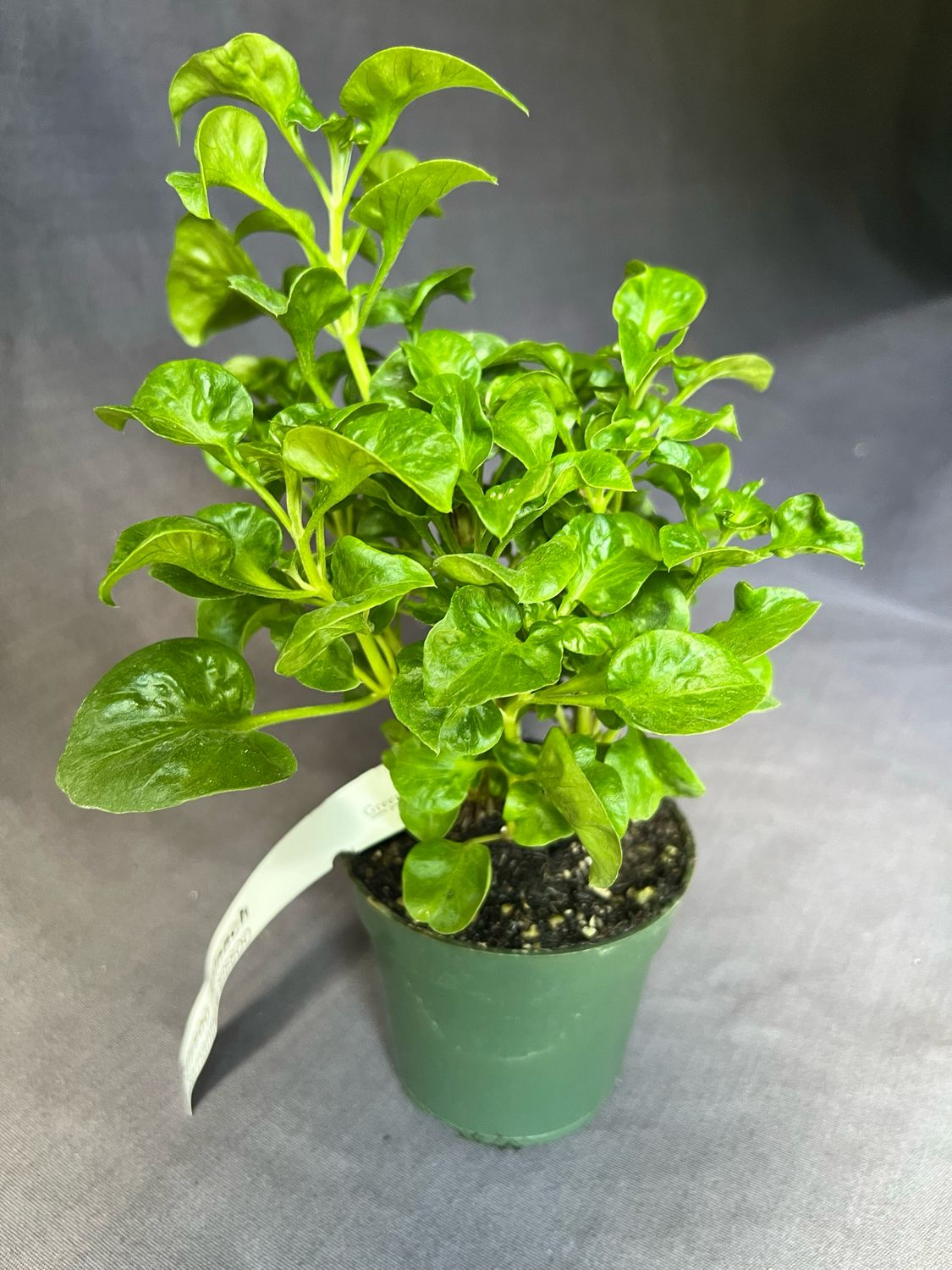
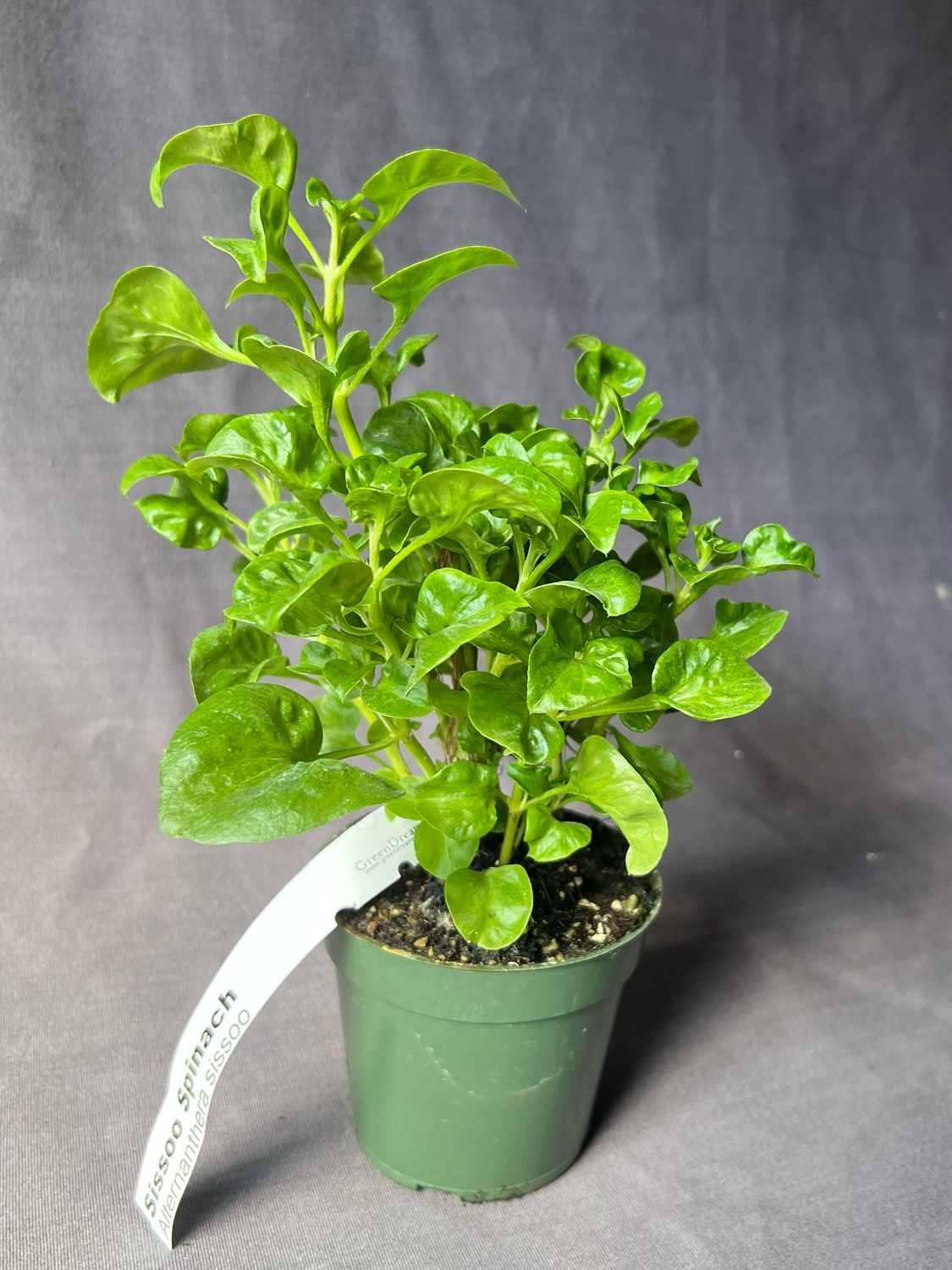
🌿 Sissoo Spinach Plant — Crisp Brazilian Spinach Edible Groundcover
The leafy green that covers the soil, crowds out weeds, handles summer heat, and keeps coming back for another harvest.
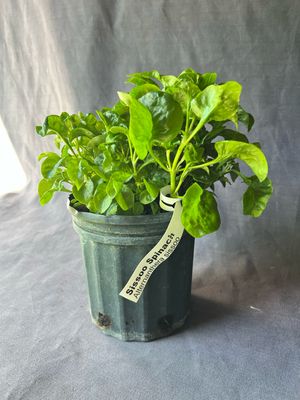
Sissoo Spinach is what happens when a salad green decides to pull double duty in the landscape. Its crisp, crinkled leaves form a lush edible groundcover that can soften garden edges, spill over containers, shade exposed soil, and produce tender cut-and-come-again harvests throughout the warm season.
Unlike traditional spinach, which quickly struggles once Florida temperatures rise, Sissoo Spinach thrives during the months when cool-season greens tap out. Plant it beneath open-canopy fruit trees, tuck it along a partially shaded pathway, or let it fill a broad patio planter. Once established, this little plant can become one of the most productive square feet in your garden.
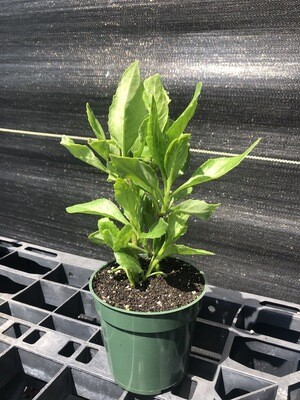
Ships in our economy 4-inch starter container. This smaller size is best suited for regional UPS Ground shipping to Florida, the Southeastern United States, and Texas.
🌿 Quick Facts Guide
| Category | Details |
|---|---|
| Botanical Name | Commonly sold as Alternanthera sissoo; also treated horticulturally as Alternanthera ‘Sissoo’ and taxonomically associated with Alternanthera sessilis |
| Common Names | Sissoo Spinach, Brazilian Spinach, Brazil Spinach, Sabu Spinach, Samba Lettuce |
| Plant Family | Amaranthaceae |
| Plant Type | Fast-growing perennial leafy vegetable and edible groundcover in warm climates |
| Plant We Ship | Young plant in a 4-inch nursery container |
| Estimated Age | Commonly about 6–12 weeks from propagation, depending on season, temperature, and nursery crop timing |
| Mature Height | Approximately 8–12 inches tall |
| Mature Spread | Commonly 20–40 inches wide; creeping stems may continue rooting outward where permitted |
| With Regular Pruning | Usually maintained around 6–10 inches tall as a dense, harvestable mat |
| Without Regular Pruning | Becomes looser, wider, and less uniform, with older stems extending beyond the original planting area |
| Practical USDA Range | Best as an outdoor perennial in frost-free or nearly frost-free Zones 10–11; often protected or seasonally grown in Zone 9; grown as a warm-season annual or overwintered container plant farther north |
| Florida Performance | Strongest from spring through fall; may remain productive through winter in protected South Florida locations |
| Sun Requirements | Bright filtered light, morning sun, or partial shade; approximately 4 or more hours of indirect light is ideal |
| Full-Sun Performance | Can grow in sun with abundant moisture, but Florida heat may produce smaller, tougher leaves and frequent wilting |
| Cold Hardiness | Frost-tender; foliage can be damaged by frost or freezing temperatures |
| Growth Habit | Low, mounding, spreading, and mat-forming |
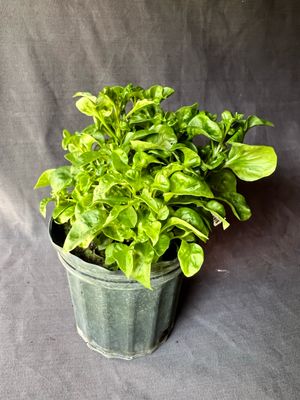
| Foliage | Glossy medium-green, heart-shaped to rounded leaves with a crinkled or gently wavy texture |
| Rooting Habit | Shallow-rooted; stems readily form roots where nodes touch moist soil |
| Soil Preference | Fertile, organic, moisture-retentive soil that still drains freely |
| Water Requirements | Consistent moisture without standing water |
| Spacing | 12–18 inches apart for quick coverage; 18–24 inches apart for more defined individual patches |
| Wind Tolerance | Low growth handles ordinary garden wind reasonably well, but drying winds can increase wilting |
| Salt Tolerance | Not well documented as salt tolerant; avoid direct beachfront exposure and heavy salt spray |
| Propagation | Stem cuttings; commercially and traditionally shared as vegetative material |
| Primary Harvest | Young leaves, tender shoots, and soft stem tips |
| Best Garden Roles | Edible groundcover, living mulch, container spiller, food-forest understory, raised-bed edging |
🌱 Why Grow Sissoo Spinach?
One plant. Multiple garden jobs.
Sissoo Spinach is not simply another edible leaf. It is a functional landscape plant that can help create a cooler, greener, more productive garden.
- Produces edible greens through hot weather
- Offers repeated cut-and-come-again harvests
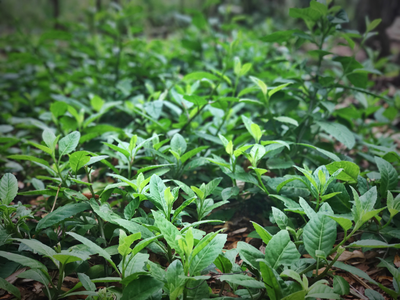
- Creates a low living mulch beneath taller plants
- Helps shade exposed soil
- May reduce open spaces where weeds establish
- Roots easily from cuttings
- Fits small gardens, food forests, raised beds, and containers
- Has a mild flavor that is easy to use
- Stays lower than many tropical leafy vegetables
- Adds a polished, intentional look to edible landscapes
Its shallow root system and ability to grow beneath filtered light make it especially useful around young fruit trees, shrubs, patio gardens, and other locations where an upright vegetable would feel out of place.
🥗 Flavor & Texture
Sissoo Spinach has a mild, fresh flavor and a crisp-to-succulent bite. Young leaves are tender enough for salads, while larger leaves hold up well to quick cooking.
What does Sissoo Spinach taste like?
Expect:
- A mild green-vegetable flavor
- Crisp, juicy young leaves
- A lightly succulent texture
- Little to none of the slippery texture associated with Malabar Spinach
- Occasional faint bitterness in older leaves or plants grown under stress
- A slightly firmer bite than tender grocery-store spinach
For the best eating experience, harvest the newest tips and healthy medium-sized leaves before stems become coarse.
🍃 Which Parts Are Edible?
The most commonly used portions are:
- Young leaves
- Mature leaves when cooked
- Tender stem tips
- Soft, nonwoody portions of new growth
Avoid harvesting tough, aged stems. Regular pruning keeps new edible shoots forming and prevents the patch from becoming lanky or fibrous.
🍽️ How to Use Sissoo Spinach
This plant works almost anywhere you would use a mild leafy green.
Fresh uses
- Mixed garden salads
- Sandwiches and wraps
- Chopped salad bowls
- Garnishes
- Herb-and-green spreads
- Fresh spring rolls
- Grain bowls
Cooked uses
- Quick garlic sauté
- Stir-fries
- Soups and broths
- Egg scrambles and omelets
- Quiche and savory pies
- Rice and noodle dishes
- Beans and lentils
- Curries
- Pasta sauces
- Lasagna and baked casseroles
Best cooking method
Add Sissoo Spinach near the end of cooking. The leaves need only enough heat to soften while retaining their fresh color and pleasant texture.
Young leaves can be eaten raw in moderate portions. When preparing a large quantity, cooking is recommended because the leaves contain oxalic acid and oxalates.
🍳 Most Common Kitchen Move: Quick Garlic Sissoo Spinach
A quick sauté is one of the easiest ways to taste the plant without covering up its natural flavor.
Ingredients
- 4 cups loosely packed Sissoo Spinach leaves and tender tips
- 1–2 cloves garlic, finely chopped
- 1 tablespoon olive oil, avocado oil, or preferred cooking fat
- Pinch of salt
- Black pepper or crushed red pepper, optional
- Squeeze of lemon or lime, optional
Directions
- Rinse the leaves thoroughly and remove tough stems.
- Warm the oil over medium heat.
- Add garlic and cook briefly until fragrant.
- Add the greens and toss for 1–3 minutes, just until wilted.
- Season and serve immediately.
Garden-to-kitchen tip: Harvest just before cooking. Regular tip harvests encourage the plant to branch and produce more tender shoots.
🌎 The Story Behind the Name
The name Brazilian Spinach reflects the plant’s established culinary identity and use in Brazil, where the leaves are often incorporated into salads and everyday vegetable dishes.
The botanical name is less straightforward.
The nursery trade commonly uses Alternanthera sissoo. However, Kew’s Plants of the World Online treats that name as a synonym of Alternanthera sessilis. NParks recognizes that the familiar crinkled-leaf horticultural plant looks significantly different from typical forms of A. sessilis and therefore lists it as Alternanthera ‘Sissoo’.
In other words, the plant is easy to grow—even if its name has made botanists work overtime.
The accepted species Alternanthera sessilis has an exceptionally broad tropical and subtropical native distribution extending through parts of Asia, Australia, Mexico, Central America, South America, and the Caribbean. The exact documented origin and introduction history of the distinctive ‘Sissoo’ horticultural selection is less certain, so claims that it came from one particular wild population should be treated cautiously.
🌿 What Sissoo Spinach Looks Like
Sissoo Spinach creates a low mound of fresh green foliage rather than a tall vegetable plant.
Defining features
- Glossy medium-green leaves
- Rounded to heart-shaped foliage
- Distinctly crinkled or puckered texture
- Soft, flexible stems
- Creeping branches that root at their nodes
- Dense growth when regularly harvested
- A clean, living-carpet appearance in groups
The plant’s ornamental value comes from repetition and texture. One starter may look modest, but a managed patch creates a thick, polished green layer that works beautifully beneath taller edible plants.
🌳 Ornamental & Landscape Uses
Sissoo Spinach is especially useful where gardeners want the landscape to look lush without sacrificing food production.
Great placements
- Beneath open-canopy fruit trees
- Along raised-bed edges
- Around bananas and tropical shrubs
- Near patios with morning sun
- Beside shaded walkways
- In wide mixed-edible planters
- Along the front of food-forest beds
- As a green transition between taller plants
- In hanging baskets or elevated containers
- Between young perennial vegetables
Avoid planting it:
- In direct beachfront salt spray
- In compacted soil that remains waterlogged
- Beside highly drought-tolerant plants receiving no irrigation
- In deep indoor shade
- In exposed frost pockets
- Where vegetative spread would be difficult to manage
- Directly against tree trunks or woody plant crowns
🌾 Harvest Season
Florida and the Gulf Coast
- Spring: Rapid new growth begins as temperatures warm.
- Summer: Peak production with adequate water.
- Fall: Continued harvest until cold weather slows growth.
- Winter: May continue in protected frost-free locations; cold snaps can damage foliage.
Southeastern United States, Zones 8–9
Grow primarily from late spring through fall. Protect container plants before frost or maintain backup cuttings indoors.
Northern and Western regions
Treat Sissoo Spinach as:
- A summer edible annual
- A patio container crop
- A greenhouse vegetable
- An indoor overwintering plant under strong light
Best harvest window
Harvest tender tips continuously once the plant is actively growing. Frequent cutting encourages branching and keeps the patch younger, softer, and more productive. GardeningSG recommends continuous cut-and-come-again harvesting, while research shows that harvest timing and pruning intensity affect canopy development and marketable yield.
🌿 Tropical Spinach Comparison
| Plant | Botanical Name | Flavor & Texture | Growth Habit | Best Light | Best Garden Role |
|---|---|---|---|---|---|
| Sissoo Spinach | Alternanthera ‘Sissoo’ | Mild, crisp, juicy, not notably slimy | Low, dense groundcover | Part shade or filtered sun | Living mulch, edible edging |
| Okinawan Spinach | Gynura bicolor | Mild, tender, slightly earthy | Spreading upright perennial | Part shade | Color contrast and leaf harvest |
| Longevity Spinach | Gynura procumbens | Mild, succulent, tender | Mounding and trailing | Part shade to sun | Containers and easy harvest |
| Malabar Spinach | Basella alba | Succulent and mucilaginous | Climbing vine | Sun to part shade | Vertical summer green |
| Surinam Spinach | Talinum fruticosum | Juicy and tender | Upright, branching succulent | Sun to part shade | Productive warm-season greens |
Choose Sissoo Spinach when you want: a low-growing edible, crisp texture, living groundcover, and no trellis.
Choose Malabar Spinach when you want: a vigorous climbing vine and do not mind a more mucilaginous texture.
Choose Okinawan or Longevity Spinach when you want: a taller mound with easy tip harvests.
CAUTIONS, TROUBLESHOOTING, FAQ & SHIPPING,
⚠️ Important Cautions
Oxalates
Sissoo Spinach leaves contain oxalic acid or oxalates.
- Young leaves may be eaten raw in moderate portions.
- Cook larger servings.
- Avoid treating one leafy vegetable as the entire diet.
- Rotate it with other garden greens.
- People who have been medically advised to restrict dietary oxalates should consult their healthcare professional before making it a frequent food.
Correct identification matters
The genus Alternanthera contains many ornamental and wild plants. Do not assume that every plant sold simply as “Alternanthera,” “Joseph’s Coat,” or “Joyweed” is the same edible Sissoo selection.
Only consume plants that have been reliably identified and grown for edible use.
Spreading habit
Sissoo Spinach typically spreads vegetatively by rooting stems.
Although the familiar cultivar generally produces nonviable seed, it can still move beyond its intended area when runners are not pruned. Dispose of cuttings responsibly and manage the patch near natural areas.
Additional cautions
- Frost can severely damage young plants.
- Small containers dry quickly.
- Constantly wet soil can cause root decline.
- Slugs, snails, and caterpillars may feed on the foliage.
- Direct salt spray is not recommended.
- Newly shipped plants should not be transplanted immediately.
- Wash all harvested leaves before use.
- Avoid harvesting leaves recently treated with products not labeled for edible crops.
🌟 Is Sissoo Spinach Right for You?
✅ Ideal for:
- Florida and Gulf Coast gardeners
- Growers seeking hot-season leafy greens
- Food-forest and permaculture gardens
- Edible-landscape projects
- Partially shaded yards
- Raised-bed growers
- Patio and container gardeners
- Families who prefer mild, crisp greens
- Gardeners who enjoy frequent harvesting
- Growers wanting a living-mulch layer
- Northern gardeners able to overwinter cuttings indoors
❌ Not ideal for:
- Direct beachfront landscapes
- Gardens without reliable water
- Deeply shaded indoor rooms
- Waterlogged planting sites
- Unprotected freeze-prone locations
- Gardeners seeking a tall specimen plant
- People wanting a plant that never needs pruning
- Locations where vegetative spread cannot be monitored
- Customers unable to protect a 4-inch starter from extreme shipping temperatures
🔍 Sissoo Spinach Troubleshooting Guide
Icons represent common issues and organic solutions—look for 🌿 for recovery guidance.
| ⚠️ Issue | 🧠 Likely Cause | 🌿 Organic Response |
|---|---|---|
| 🍂 Yellow lower leaves | Excess water, poor drainage, old foliage, or natural turnover | Check soil moisture, improve drainage, and remove declining leaves |
| 💧 Constant wilting | Dry root ball, undersized container, sun stress, or drying wind | Water slowly at soil level, provide temporary shade, and up-pot after recovery |
| 💦 Soft yellow growth | Saturated soil or low root oxygen | Reduce irrigation, clear drainage holes, and improve aeration |
| 🌱 Long, weak stems | Insufficient light or overcrowding | Move into brighter filtered light and prune tips |
| ☀️ Pale or scorched leaves | Sudden exposure to intense afternoon sun | Acclimate gradually and provide afternoon protection |
| 🐛 Chewed foliage | Caterpillars, slugs, or snails | Inspect at dusk and early morning, handpick pests, and protect young plants |
| 🐜 Sticky leaves or clustered insects | Aphids or other sap-feeding pests, sometimes protected by ants | Wash pests away at soil-safe pressure, control ants, and encourage beneficial insects |
| 🍄 Leaf spots | Wet foliage, poor airflow, or soil splash | Remove damaged leaves, water at soil level, and open the canopy |
| 🪣 Root decline after transplanting | Planted too deeply, disturbed while stressed, or placed in heavy soil | Replant high and tight only when necessary and correct drainage |
| 🔥 Brown leaf tips | Fertilizer burn, salt buildup, drought, or shipping stress | Flush container soil, pause feeding, and stabilize watering |
| ❄️ Blackened foliage | Frost or freezing damage | Protect the root zone, wait for warm weather, and prune dead tissue later |
| 🍃 Smaller, tougher leaves | Patch is aging, too dry, or underharvested | Reset with moderate pruning, compost, and steady moisture |
| 🌿 Patch spreads too far | Runners rooting beyond the bed | Lift runners, prune boundaries, and grow in a wide container if needed |
| 🪴 Growth stops indoors | Low light or cool temperatures | Add supplemental light and move away from cold drafts |
| 🧪 Excessively soft growth | Too much nitrogen | Pause fertilizer and harvest lightly until growth firms |
| 🌊 Plant collapses after rain | Standing water or root rot | Improve drainage immediately and root healthy backup cuttings |
❓ Frequently Asked Questions
Is Sissoo Spinach the same as regular spinach?
No. Traditional spinach is Spinacia oleracea, a cool-season annual. Sissoo Spinach is a tropical or subtropical perennial groundcover used as a spinach substitute.
Is Sissoo Spinach really edible?
Yes. The leaves and tender stems are used as vegetables. Correct plant identification is important because not every ornamental Alternanthera is marketed or documented as an edible crop.
Can Sissoo Spinach be eaten raw?
Young leaves are commonly eaten raw in moderate quantities. Larger servings are better cooked because the plant contains oxalic acid or oxalates.
What does Sissoo Spinach taste like?
The leaves are mild, crisp, juicy, and lightly succulent. Older leaves or stressed plants may develop a slightly firmer or faintly bitter flavor.
Is Sissoo Spinach slimy?
It is generally much less mucilaginous than Malabar Spinach. Its fresh texture is closer to a crisp, succulent leafy green.
Does Sissoo Spinach grow in full sun?
It can grow in full sun when water is abundant, but bright filtered light or morning sun is easier to manage in Florida. Strong afternoon heat may cause smaller leaves and frequent wilting.
How much shade does Sissoo Spinach need?
It performs well in semi-shade and bright indirect light. Approximately 50% shade is commonly recommended for tender growth and reduced pest pressure.
How tall does Sissoo Spinach grow?
It generally forms a mound approximately 8–12 inches tall and may spread 20–40 inches or farther through rooting stems.
Does Sissoo Spinach spread?
Yes. Stems can form roots wherever nodes remain in contact with moist soil.
Is Sissoo Spinach invasive?
The familiar horticultural selection typically does not produce viable seed, but it can spread vegetatively. Manage runners responsibly and avoid allowing unwanted cuttings to establish outside the garden.
How often can Sissoo Spinach be harvested?
Tender leaves may be harvested continuously during active growth. Allow enough foliage to remain so the plant can regrow.
Can Sissoo Spinach survive frost?
It is frost-tender. Severe cold may burn or kill exposed foliage. Protected roots or indoor backup cuttings may recover when warmth returns.
Can Sissoo Spinach be grown in Zone 9?
Yes, but winter protection may be required. In colder Zone 9 locations, treat it as a warm-season crop or overwinter cuttings indoors.
Can it grow in a container?
Yes. Wide containers, window boxes, hanging baskets, and patio bowls work especially well.
Can Sissoo Spinach grow indoors?
Yes, with strong light, warmth, airflow, and careful watering. Supplemental grow lights are often necessary for dependable indoor production.
Why are my Sissoo Spinach leaves getting smaller?
Common causes include intense sun, inconsistent watering, crowded old growth, depleted fertility, or insufficient light. Moderate pruning and improved care generally stimulate fresh shoots.
How long should I wait before transplanting after shipping?
Wait approximately 30 days or until healthy new growth appears, whichever takes longer.
How is Sissoo Spinach propagated?
It is commonly propagated from stem cuttings rooted in soil or water.
🚚 Shipping & Handling for Our 4-Inch Sissoo Spinach
Our 4-inch starter plants are most ideally shipped to:
- Florida
- The Southeastern United States
- Texas
- Other locations within a relatively short UPS Ground transit range from Florida
Important regional shipping notice
We ship live plants across the continental United States using UPS Ground, but our smaller 4-inch plants may experience additional stress during longer transit periods.
Customers in northern and western states understand that:
- UPS Ground transit may be extended.
- Plants may not arrive in optimal cosmetic condition.
- Small containers dry faster than larger sizes.
- Extra recovery time may be necessary.
- Severe heat or cold may affect the plant in transit.
- California inspections may delay delivery by an additional day.
- Ground-service conditions are outside our control.
- Risk associated with extended transit is assumed by the buyer.
Whenever available, we recommend ordering a 1-gallon or larger Sissoo Spinach plant for northern or western delivery. Larger plants typically retain moisture longer and have more stored energy for recovery.
Peak heat and cold
Buyer discretion is strongly advised during:
- Extreme summer heat
- Regional heat waves
- Freezing weather
- Winter storms
- Major holiday shipping periods
- Severe weather affecting UPS transportation
GreenDreams is not responsible for damage caused by extreme temperatures, extended ground-service transit, delivery delays, or packages left outside after delivery.
Our shipping schedule
Live plants ship every Monday via UPS Ground.
Tracking information is sent automatically once the shipping label is processed.
When your plant arrives
- Retrieve the package immediately.
- Carefully unpack the plant.
- Water at soil level if the root ball is dry.
- Place it in bright shade.
- Protect it from wind and afternoon sun.
- Keep it in the original container.
- Allow approximately 30 days—or wait until healthy new growth appears—before transplanting.
Shipping stress does not always mean a plant is permanently damaged. Warmth, stable moisture, filtered light, and patience can encourage significant recovery.
🌾 Shop with Us in Person
GreenDreams Nursery & Farm — Open to the Public
Visit our Spring Hill nursery to shop Sissoo Spinach and explore a much larger collection of edible, ecological, medicinal, tropical, subtropical, and native plants.
Our retail nursery frequently carries:
- Larger Sissoo Spinach plants
- Plants not listed online
- Fruit trees
- Perennial vegetables
- Culinary and medicinal plants
- Native species
- Pollinator plants
- Food-forest support species
- Organic garden supplies
- Seasonal nursery releases
🌾 18709 US Hwy. 41, Spring Hill, FL 34610
🕘 Tuesday–Friday: 9AM–5PM
🌞 Saturday: 8AM–3PM
🌿 Stop by our regenerative nursery to see what is growing, blooming, and fruiting this week.
🌿 Beyond the Plant: GreenDreams Services
At GreenDreams, we do more than grow plants—we design, build, and restore productive ecosystems throughout Florida.
- 🌳 Onsite consultations and edible-landscape planning
- 🌿 Ecological and food-forest design
- 🚜 Landscape installation and project management
- 🧤 Day-labor assistance for garden and landscape projects
- 🚚 Bulk delivery of compost, mulch, biochar, and soil materials
- 🌾 Wholesale plants and large-scale regenerative solutions
Let our team help you turn an ordinary outdoor space into a thriving edible ecosystem—starting from the ground up with Sissoo Spinach.
🌿 IMPORTANT INFORMATION BEFORE PURCHASING LIVE PLANTS
Please note: Plants purchased through our online store are not available for pickup at our retail nursery in Spring Hill, Florida.
Online inventory is housed at a separate facility and is priced, prepared, and handled exclusively for shipping.
🌱 Looking for larger plants or more selection?
Our retail nursery location offers far more availability, including larger sizes, specialty plants, and many selections not suitable for nationwide shipping.
Local pickup is available for retail nursery purchases only.
Visit our Spring Hill, FL retail nursery page to explore in-person shopping options.
🚚 LIVE PLANT SHIPPING & TRANSIT EXPECTATIONS
Live plants naturally experience stress during shipping. Temporary leaf drop, mild wilting, or cosmetic stress is normal after transit. Most plants recover quickly with proper watering, gradual light exposure, and basic aftercare. Some plants may require additional attention during the first few weeks.
Despite careful packing, minor cosmetic damage may occur during transit. Small issues such as broken leaves or stems typically resolve with time and proper care.
If your shipping box arrives with significant external damage, please contact UPS within 30 days to initiate a carrier claim.
⏱️ SHIPPING METHOD, TIMING & TRANSIT WINDOWS
All online orders ship via UPS Ground from our Central Florida nursery.
📦 Shipping Schedule: Orders ship once weekly on Mondays to reduce the risk of packages sitting in transit over weekends. A countdown clock on our website displays the next shipping date.
🚚 Typical Transit Times:
-
Florida: 1–2 days
-
Southern U.S.: approximately 2 days
-
Midwest, West & Northern U.S.: 3–5 business days
Long-distance shipments, particularly to the western U.S., may experience additional transit time due to agricultural inspections in states such as Arizona, California, and Texas.
Extended transit times can be more challenging for small or tender plants and may require additional recovery care after arrival.
🌡️ EXTREME WEATHER & SEASONAL RISK
Live plants are sensitive to temperature extremes.
We cannot guarantee plant condition during periods of extreme summer heat or winter cold and freezing temperatures. Weather-related delays, carrier interruptions, or exposure during delivery are beyond our control.
Customers are responsible for:
-
Monitoring tracking information sent via email
-
Retrieving packages promptly upon delivery
-
Preventing plants from being left outdoors in extreme conditions
During unsafe weather, holiday shipping volume, or extended transit risk, orders may be held and shipped the following week to protect plant health.
⚠️ CUSTOMER RESPONSIBILITY & REFUND POLICY
By purchasing live plants, customers acknowledge and accept the risks associated with shipping, weather exposure, transit delays, and regional suitability.
Refunds or replacements are considered only under exceptional circumstances and in accordance with our return and refund policy. We are not responsible for:
-
Weather-related damage
-
Carrier delays
-
Poor plant selection for a given climate or region
-
Improper care after delivery
Upon purchase, customers assume full responsibility for the ongoing care and success of their plants.
✅ CONSENT & AGREEMENT
By completing a purchase, you confirm that you have read, understand, and agree to all shipping policies, responsibilities, and conditions outlined above.
Our goal is transparency, plant health, and long-term growing success — and we appreciate your understanding and care when ordering live plants.


