


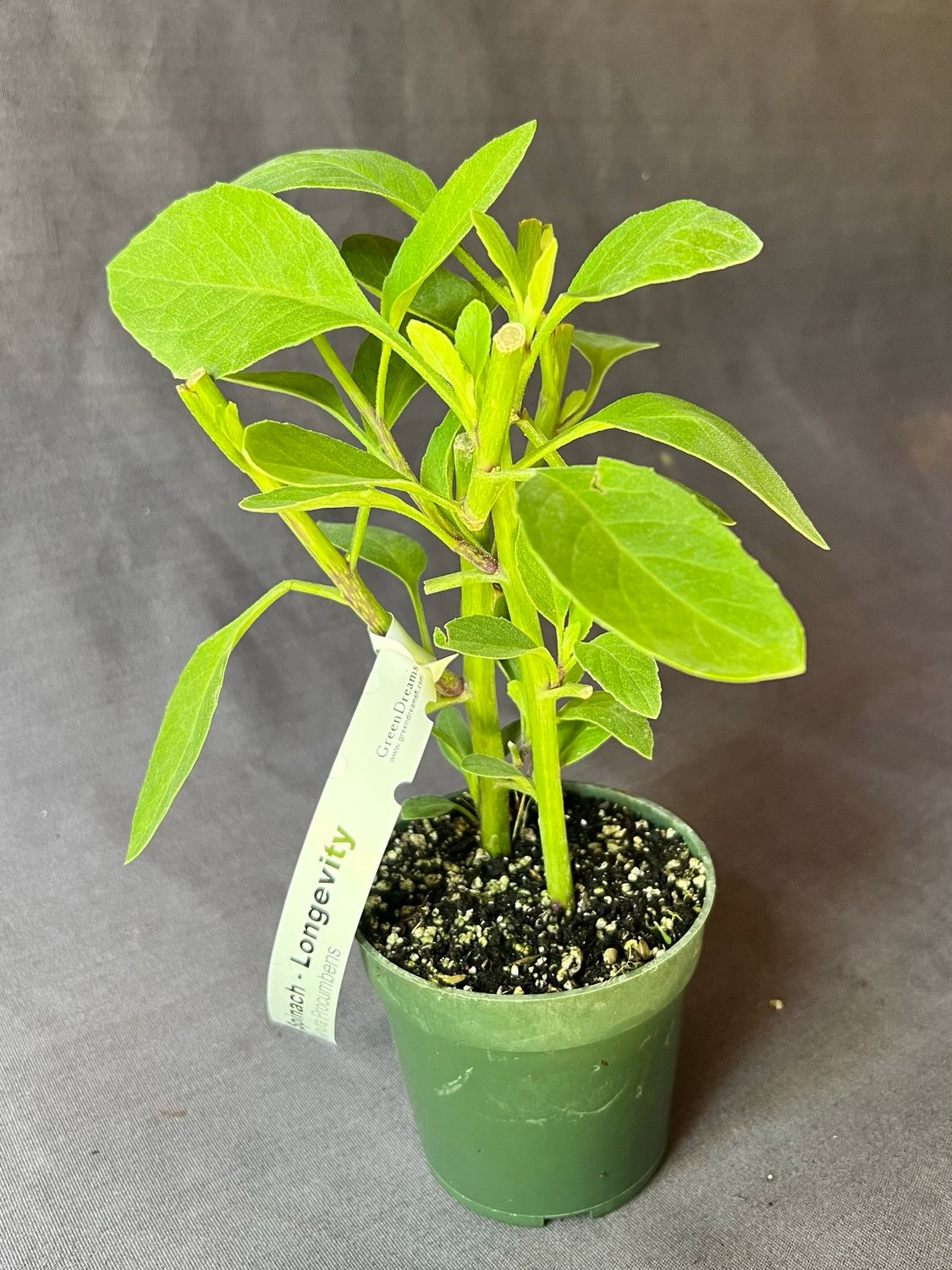
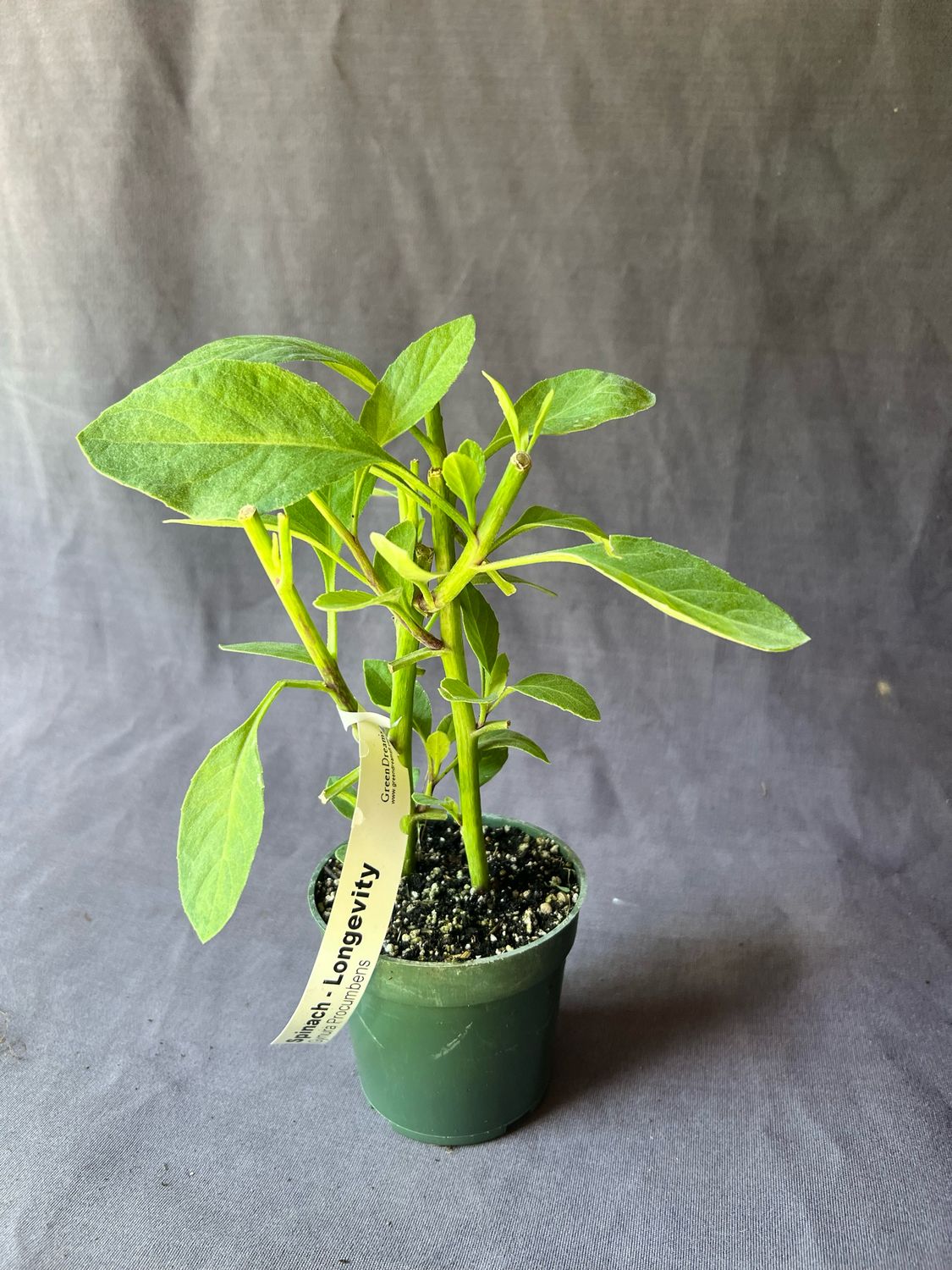
🌿 Longevity Spinach Live Plant (Gynura procumbens) — 4-Inch Pot
A Heat-Loving Leafy Green That Keeps Producing When Regular Spinach Calls It Quits 🌞
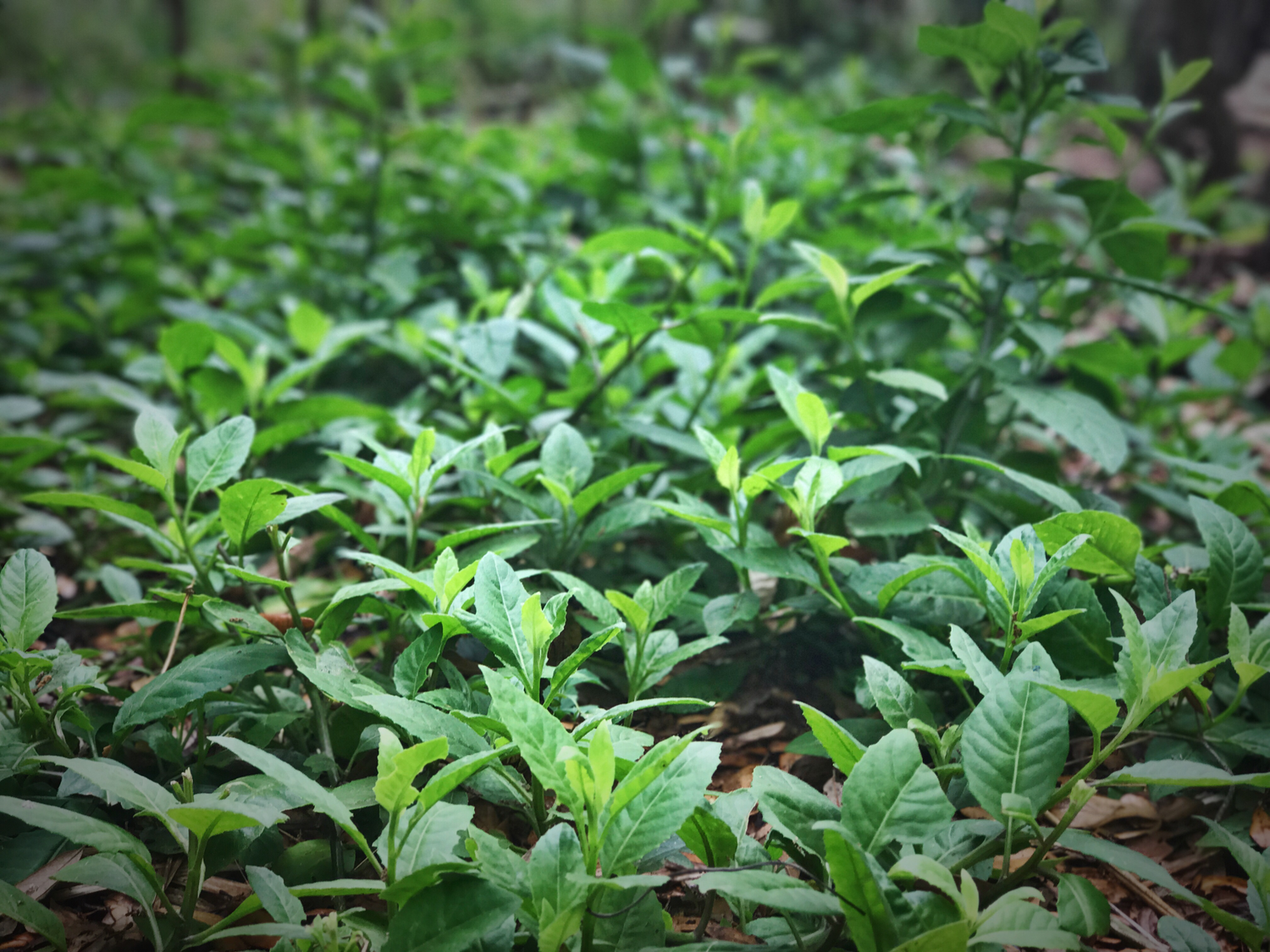
Florida summer has officially met its match. Longevity Spinach is a fast-growing, cut-and-come-again tropical green with crisp, mild leaves that can be eaten raw or cooked.
Grow it in an edible landscape, underneath fruit trees, along a garden border, or in a patio container for a dependable supply of fresh greens through the hottest months of the year.
🌿 Quick Facts
| Category | Details |
|---|---|
| Botanical Name | Gynura procumbens |
| Plant Family | Asteraceae — the sunflower and daisy family |
| Common Names | Longevity Spinach, Sambung Nyawa, Leaves of the Gods, Scrambling Gynura |
| Plant Type | Tropical perennial edible groundcover; warm-season annual in colder regions |
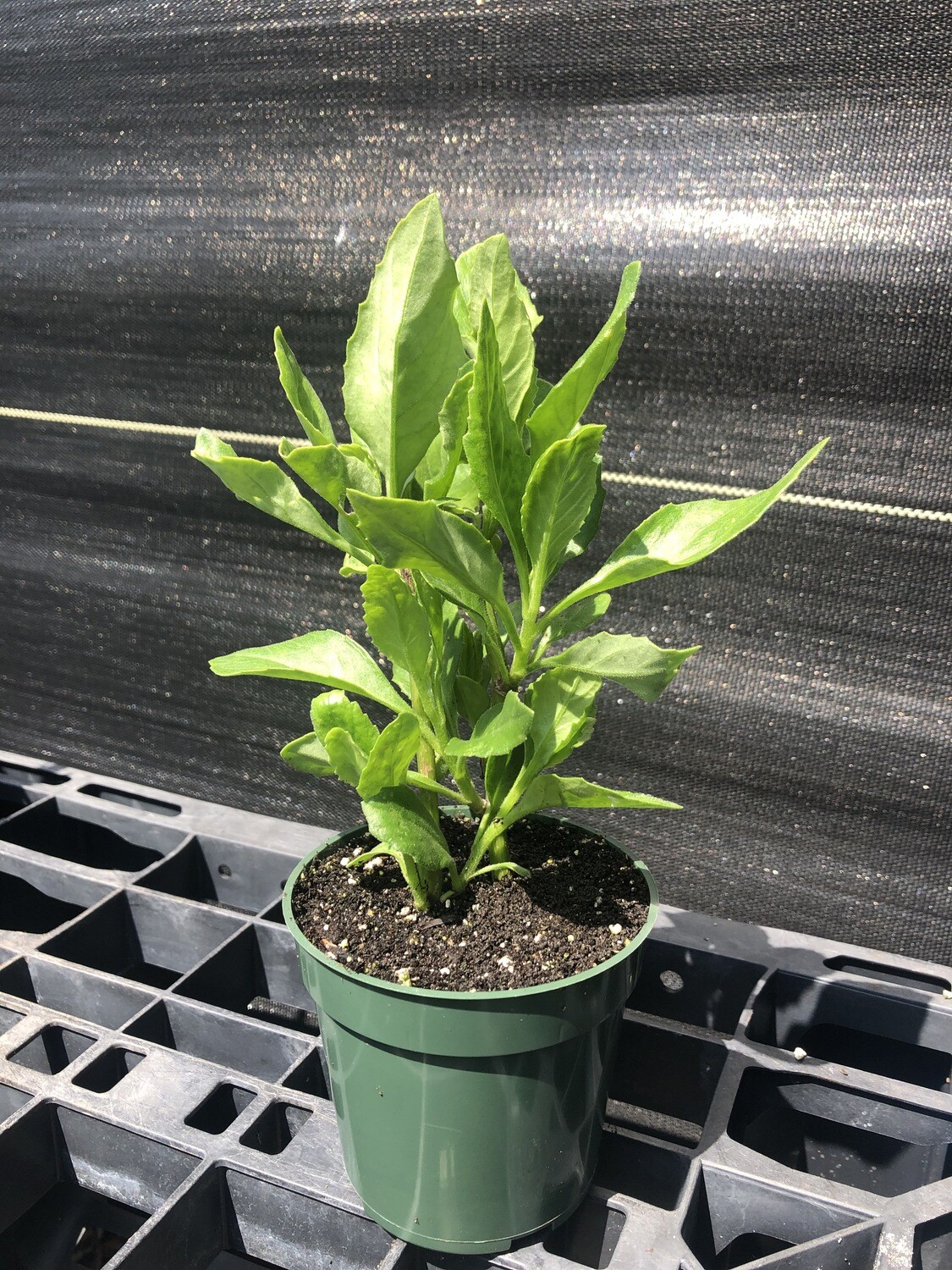
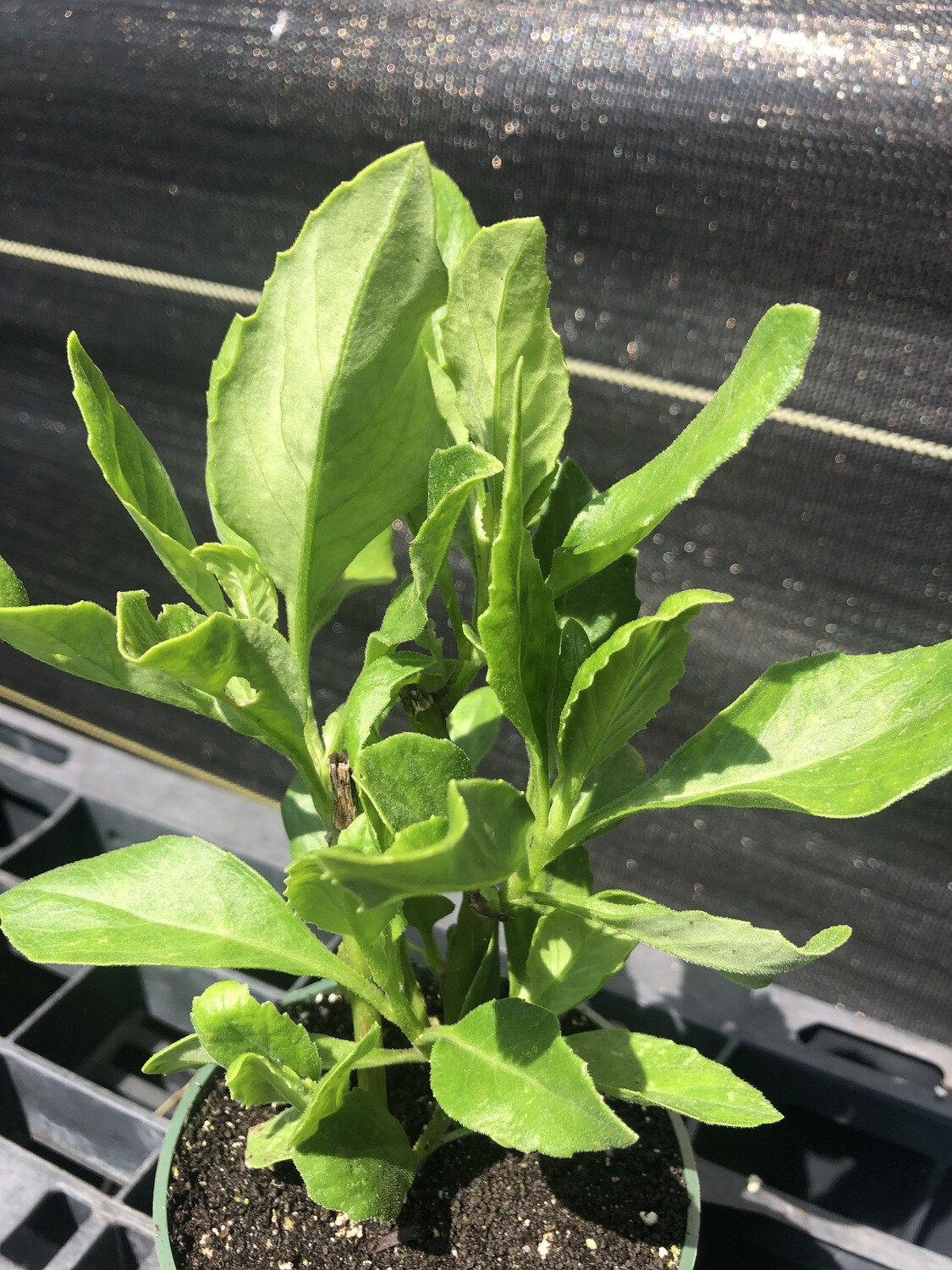
| Sale Size | Ships growing in a 4-inch nursery pot |
| Estimated Plant Age | Typically a young rooted starter approximately 6–10 weeks from propagation; age and top growth vary seasonally |
| Maintained Size | Approximately 6–12 inches tall when regularly harvested |
| Unpruned Size | Sprawling stems may reach 2–3 feet tall and spread 3–6 feet or more |
| USDA Zones | Best as a perennial in Zones 9b–11; protect in Zone 9 and grow as an annual or overwinter indoors farther north |
| Sun Requirements | Bright filtered light, partial shade, or gentle morning sun |
| Florida Placement | Morning sun with afternoon shade is usually ideal |
| Cold Hardiness | Frost-tender; protect when temperatures approach 40°F and expect damage near or below 32°F |
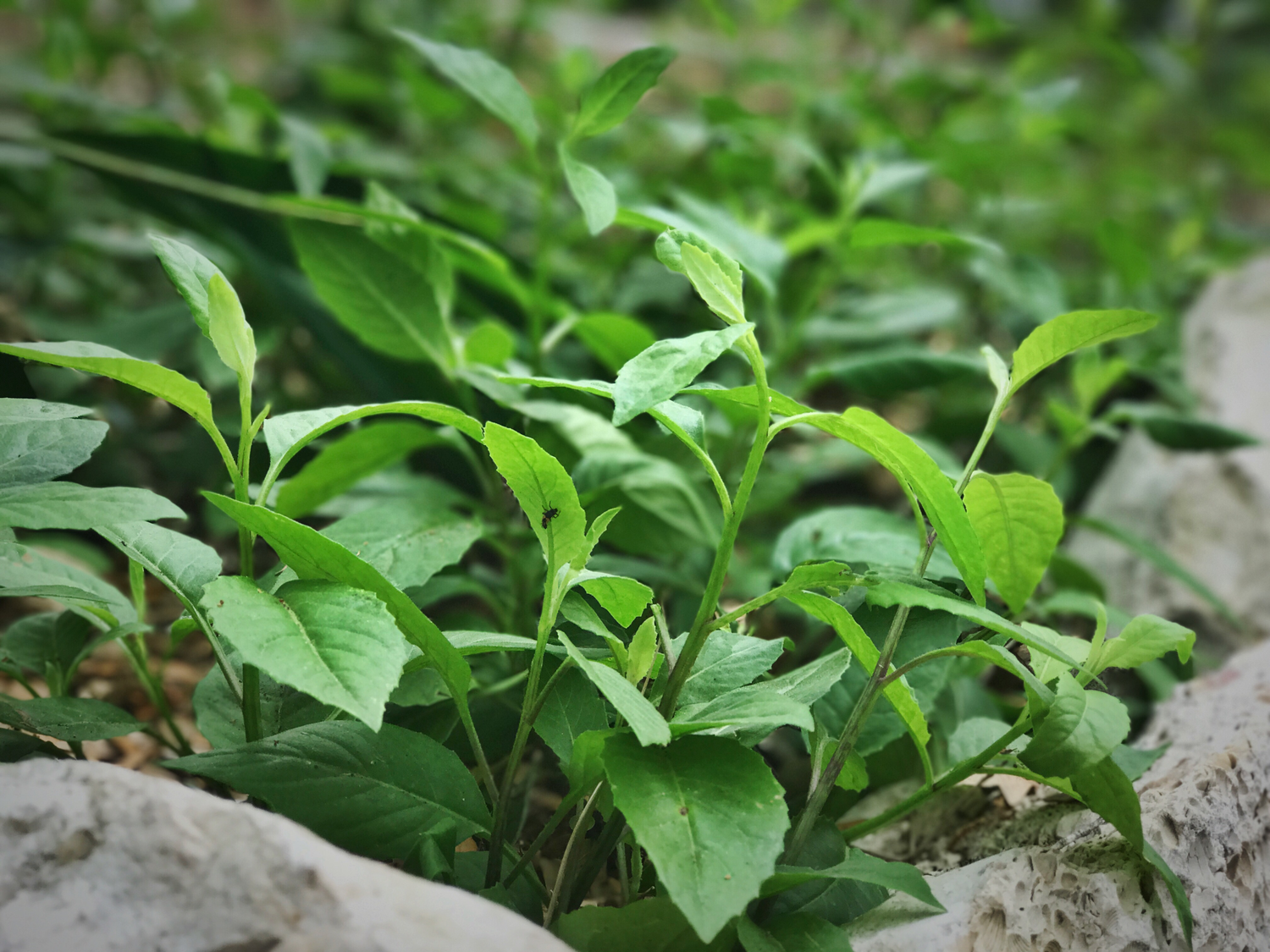
| Growth Habit | Fast-growing, spreading, semi-succulent herb with flexible stems |
| Foliage | Smooth, fleshy green leaves with lightly toothed edges |
| Flowers | Small orange flower clusters; remove flowers when leaf production is the priority |
| Spacing | 18–24 inches apart |
| Soil | Loose, fertile, organically enriched soil with excellent drainage |
| Water Needs | Moderate and consistent; dislikes both prolonged drought and waterlogged roots |
| Wind Tolerance | Moderate when protected; fleshy stems may break in strong, exposed winds |
| Salt Tolerance | Not well documented; avoid direct coastal salt spray and saline soil |
| Harvest Season | Nearly year-round in frost-free climates; spring through fall in cooler regions |
| Propagation | Easily propagated from healthy stem cuttings |
| Deciduous? | No. Evergreen in frost-free conditions, but cold may cause temporary dieback |
🥗 Flavor, Texture & Edible Uses
Longevity Spinach has a mild green flavor that is sometimes compared to tender green beans or young garden greens. The leaves are pleasantly crisp and slightly succulent when raw, becoming tender with a light silkiness when cooked.
Young leaves and tender stem tips provide the best flavor and texture.
Enjoy Longevity Spinach:
- Fresh in salads and wraps
- Blended into green smoothies
- Chopped into omelets or scrambled eggs
- Quickly sautéed with garlic, ginger, onions, or sesame oil
- Added to soups and curries near the end of cooking
- Steamed or lightly blanched
- Mixed into rice, noodle, and vegetable dishes
- Layered onto sandwiches in place of lettuce
- Served raw alongside rice, sambal, or other dishes in the Malaysian tradition of ulam
🍳 Easy Garden-to-Table Preparation
Heat a small amount of oil in a pan and sauté garlic or onion until fragrant. Add young Longevity Spinach leaves and cook briefly—usually just long enough for them to soften. Finish with salt, pepper, citrus, soy sauce, or a scrambled egg.
Avoid overcooking. A quick sauté preserves the leaf’s fresh flavor and pleasant texture.
Why Is It Called Longevity Spinach?
The name reflects the plant’s long history as both a vegetable and traditional wellness herb.
In Malaysia, it is commonly called Sambung Nyawa, often translated as “prolongation of life.” In Chinese traditions, the name Bai Bing Cao has been interpreted as “the plant of 100 ailments.”
The botanical name tells another story:
- Gynura refers to the flower’s elongated female structures.
- Procumbens means lying flat or creeping forward—a fitting description of the plant’s sprawling growth habit.
Despite its common name, Longevity Spinach is not a true spinach. It belongs to the sunflower family and is naturally adapted to warm tropical and subtropical environments.
Its native distribution extends across portions of tropical Africa, the Himalayas, southern China, Southeast Asia, and New Guinea. Over generations, it became a familiar edible garden plant in Malaysia, Indonesia, Thailand, Java, and surrounding regions.
🌱 Top Reasons to Grow Longevity Spinach
🌞 A True Summer Green
Traditional spinach struggles and bolts as Florida temperatures rise. Longevity Spinach actively grows during warm, humid weather, helping fill the summer leafy-green gap.
✂️ Cut-and-Come-Again Harvests
Harvest the top 4–6 inches of tender growth and the plant responds by producing additional branches. Regular harvesting keeps plants compact, leafy, and productive.
🪴 Excellent for Containers
Its shallow, fibrous root system grows well in patio pots, hanging containers, raised beds, and compact gardens.
🌳 Edible Groundcover
Use Longevity Spinach below fruit trees, along garden paths, around raised beds, or at the front of edible landscape borders.
🌿 Easy to Propagate
Healthy stem cuttings root readily in moist, well-draining soil, making it easy to expand your planting or preserve backup plants before winter.
🧺 Useful for Small Farms and Market Gardens
Longevity Spinach can be grown for:
- Fresh-cut specialty greens
- CSA boxes
- Farmers’ market bundles
- Restaurant and chef sales
- Edible landscaping installations
- Nursery propagation
- Tropical vegetable demonstrations
It is best suited to small-scale, hand-harvested production rather than mechanized field cropping.
🌿 A Living Groundcover for Edible Landscapes
Longevity Spinach creates a lush layer of edible foliage beneath taller plants. Its glossy green leaves soften bed edges and help occupy open garden space that might otherwise fill with weeds.
Use it:
- Beneath bananas, papayas, mulberries, loquats, and other fruit trees
- Around the outer edge of a food forest guild
- Along partially shaded walkways
- At the front of perennial vegetable beds
- In mixed tropical foliage containers
- As a spiller over raised beds or retaining walls
Although vigorous, it is generally manageable with harvesting and pruning. Stems may root where they remain in contact with moist soil, so trim wandering growth before it reaches areas where it is not wanted.
Keep all groundcovers several inches away from tree trunks and woody plant bases to maintain airflow and prevent excess moisture around the bark.
📦 Caring for Your Longevity Spinach After Delivery
A plant that has traveled through the shipping system needs time to recover before being transplanted.
When Your Plant Arrives:
- Open the box promptly and carefully remove all packing material.
- Check the soil moisture before watering.
- Water thoroughly only if the soil feels dry.
- Place the plant in bright shade or filtered light.
- Avoid immediate full sun, fertilizer, pruning, or transplanting.
- Allow the plant to adjust gradually to its new environment.
We recommend keeping Longevity Spinach in its original nursery container for approximately 30 days or until healthy new growth appears.
New growth is one of the best signs that the root system has recovered and the plant is ready for its next step.
Minor yellowing, leaf loss, wilting, or cosmetic damage may occur after shipping. This does not necessarily indicate that the plant is unhealthy. Semi-succulent stems and healthy nodes can often produce fresh growth once the plant is hydrated and acclimated.
🌾 How to Plant Longevity Spinach
Where to Plant
Choose a location with:
- Morning sun or bright filtered light
- Protection from harsh afternoon sun
- Loose, compost-enriched soil
- Reliable drainage
- Access to drip irrigation
- Protection from cold north winds
- Room for the plant to spread
Avoid planting in:
- Low areas that remain waterlogged
- Dense clay without drainage improvement
- Deep shade with very little ambient light
- Unprotected coastal salt spray
- Areas exposed to repeated foot traffic
- Directly against tree trunks or structures
GreenDreams “High & Tight” Planting Method
Longevity Spinach is vulnerable to root and stem rot when planted too deeply.
- Dig a hole only slightly wider than the nursery container.
- Make the hole approximately the same depth as the root ball.
- Carefully remove the plant without tearing apart the young root system.
- Position the top of the root ball level with—or slightly above—the surrounding soil.
- Backfill using native soil blended lightly with finished compost when needed.
- Firm the soil gently around the root ball to remove large air pockets.
- Do not bury the crown or lower stems.
- Water thoroughly to settle the soil.
Top-dress the surrounding area with compost, biochar, worm castings, trace minerals, or another organic soil amendment appropriate for your garden.
Apply 2–3 inches of hardwood mulch around the planting area while keeping mulch several inches away from the stems.
For more information about GreenDreams’ planting method, watch our
High & Tight Fruit Tree Planting Video.
💧 Watering Longevity Spinach
Longevity Spinach prefers evenly moist soil but is sensitive to stagnant, waterlogged conditions.
Newly Planted in the Ground
- Water thoroughly immediately after planting.
- During hot, dry weather, check the plant daily for the first week.
- Water approximately 2–3 times per week while roots establish, adjusting for rainfall, soil type, and temperature.
- Sandy Florida soils may require more frequent irrigation than moisture-retentive soils.
Established Plants
Water when the upper 1–2 inches of soil begin to dry.
Established plants may tolerate brief dry periods, but repeated wilting reduces leaf quality and productivity.
Container Plants
A 4-inch nursery pot can dry rapidly, especially during Florida summer weather. Check small containers daily.
Larger pots may require watering:
- Daily during extreme heat
- Every 1–3 days during normal warm weather
- Less frequently during cool or cloudy periods
Always check the soil before watering rather than following a fixed schedule.
Best Irrigation Method
We recommend drip irrigation or watering directly at the soil line.
Avoid relying on overhead misting systems. Frequently wet foliage, especially overnight, can encourage leaf spotting and fungal problems.
Watch the plant:
- Soft, yellowing stems or persistently wet soil: Reduce watering and improve drainage.
- Wilted leaves with dry soil: Water deeply and check more frequently.
- Crispy leaf edges: Increase moisture consistency and provide afternoon shade.
🌿 Feeding, Harvesting & Pruning
Fertilizing
Longevity Spinach is not a heavy feeder, but regular harvesting removes nutrients from the plant.
For steady production:
- Top-dress with compost or worm castings every 4–8 weeks.
- Apply a light organic fertilizer after a major harvest.
- Use a balanced or moderately nitrogen-rich fertilizer labeled for edible plants.
- Follow product directions carefully.
Avoid heavy fertilization. Excess nitrogen may create weak, overly soft growth that is more attractive to aphids and other sap-feeding pests.
Harvesting
Once established, harvest:
- Individual young leaves
- Tender stem tips
- The upper 4–6 inches of shoots
Cut immediately above a leaf node. New branches will develop below the cut.
Frequent light harvesting usually produces more usable leaves than allowing the plant to become long and tangled.
Pruning
- Pinch growing tips regularly to encourage branching.
- Remove weak, damaged, or crowded stems.
- Cut overgrown plants back substantially during warm weather.
- Remove orange flower stalks when maximum leaf production is desired.
- Allow some flowers to remain when ornamental interest or insect activity is preferred.
Avoid major pruning immediately before cold weather. Fresh growth is especially vulnerable to frost.
🪴 Growing Longevity Spinach in Containers
Longevity Spinach is an excellent container crop and can be maintained on a patio, balcony, porch, or greenhouse bench.
Container Progression
Move the plant into a larger container only when:
- Roots are circling the pot
- Roots are emerging from the drainage holes
- The soil dries unusually quickly
- Growth has slowed despite proper care
- The root ball holds together when removed
A practical progression is:
4-inch pot → 1-gallon pot → 3-gallon pot → 5- or 7-gallon container
Avoid moving a small plant directly into an oversized container. Excess unused soil can remain wet for too long and increase the risk of root rot.
Recommended Potting Mix
Use a loose, organic potting mix that holds moderate moisture while draining freely.
A suitable blend may include:
- 60–70% high-quality organic potting mix
- 20–30% perlite, fine pine bark, or another aeration material
- 10–20% finished compost, worm castings, or coconut coir
Do not use dense native garden soil by itself in a container.
Containers and potting materials may be found through local independent nurseries, garden centers, landscape suppliers, farm stores, hydroponic suppliers, or online retailers. Search for food-safe nursery containers and organic potting mixes formulated for vegetables or tropical plants.
Container Placement
Place the container where it receives bright light and protection from:
- Harsh western afternoon sun
- Reflected heat from pavement or walls
- Standing water
- Strong wind
- Roof runoff
- Air-conditioning exhaust
A 5- to 7-gallon container provides enough room for a mature, regularly harvested plant.
🏠 Can Longevity Spinach Grow Indoors?
Yes, but indoor plants need strong light and attentive pruning.
For best results:
- Place near a bright south- or east-facing window.
- Supplement with a quality grow light when natural light is limited.
- Provide approximately 12–14 hours of bright artificial light.
- Keep the plant away from heating vents and cold drafts.
- Rotate the pot weekly for even growth.
- Pinch stems frequently to prevent legginess.
- Allow the upper portion of the potting mix to dry slightly between waterings.
- Inspect regularly for aphids, mealybugs, and spider mites.
Indoor growth is usually softer and less vigorous than outdoor summer growth. Moving the plant outdoors gradually after frost danger has passed can restore stronger, more compact growth.
🌦 Seasonal Care Guide for Florida and the Southeast
Longevity Spinach is not deciduous. It remains evergreen where temperatures stay warm but may experience cold injury or complete top dieback after frost.
| Season | Florida and Similar Climates |
|---|---|
| Spring | Resume regular watering and light feeding as temperatures rise. Prune away confirmed cold damage after new growth appears. Plant or up-pot once nights remain warm. |
| Summer | Peak growth and harvest season. Provide afternoon shade, mulch, reliable moisture, and frequent tip harvesting. Monitor small pots closely during heat waves. |
| Fall | Continue harvesting while temperatures remain warm. Reduce heavy fertilization late in the season. Take healthy cuttings as backup plants before the first cold front. |
| Winter | Protect plants when temperatures approach 40°F. Cover in-ground plants with frost cloth and move containers into a protected space. Waterlogged winter soil can be as damaging as cold. |
What to Expect by Region
South Florida and frost-free locations:
Plants may produce nearly year-round.
Central Florida and protected Zone 9b gardens:
Plants often slow during winter and may experience temporary leaf or stem damage during cold events.
North Florida, Zone 9a, and Zone 8:
Treat as a tender perennial with protection or as a warm-season annual. Maintain backup cuttings indoors.
Northern and Western States:
Grow outdoors after frost danger has passed, then bring a container or rooted cuttings indoors before autumn cold arrives.
Cold-damaged plants may appear limp, darkened, translucent, or collapsed. Wait until freezing weather has passed and new growth begins before deciding how far to prune.
🌼 Companion Plants & Edible Guild Ideas
Biomass and Soil-Building Partners
- Mexican Sunflower
- Pigeon Pea
- Sunshine Mimosa
- Comfrey where regionally appropriate
- Vetiver or other clumping grasses
- Lemongrass
- Perennial peanut
Mexican sunflower and clumping grasses can provide chop-and-drop mulch. Pigeon pea adds vertical structure and, as a legume, can contribute to a diversified soil-building system.
Pollinator and Beneficial-Insect Plants
- African Blue Basil
- Blue Porterweed
- Firebush
- Tropical Sage
- Native Salvia
- Mountain Mint
- Sweet Almond Bush
Longevity Spinach does not require insect pollination for leaf production, but flowering companions improve overall garden biodiversity.
Attractive Edible Pairings
- Okinawan Spinach
- Cuban Oregano
- Turmeric
- Spiral Ginger
- Lemongrass
- Chaya
- Katuk
- Everglades Tomato
Design Tip
Use Longevity Spinach at the low edge of a layered food forest planting. Pair it with upright herbs and shrubs so its spreading form can fill open ground without covering neighboring plants.
🌿 Tropical Spinach Comparison Guide
| Plant | Botanical Name | Growth Habit | Preferred Light | Texture and Flavor | Best Use |
|---|---|---|---|---|---|
| Longevity Spinach | Gynura procumbens | Spreading groundcover | Partial shade or filtered sun | Mild, crisp, lightly succulent | Groundcovers, containers, salads, stir-fries |
| Okinawan Spinach | Gynura bicolor | Low, spreading perennial | Partial shade | Tender leaves with burgundy-purple undersides | Ornamental edible beds and mixed plantings |
| Green Malabar Spinach | Basella alba | Vigorous climbing vine | Sun to partial shade | Thick and crunchy; more mucilaginous when cooked | Trellises, soups, curries, vertical gardens |
| Molokhia | Corchorus olitorius | Upright warm-season annual | Full sun | Tender leaves that thicken soups and stews | High-summer production, soups, dried leaves |
🔍 Longevity Spinach Troubleshooting Guide
Icons represent common issues and organic solutions—look for 🌿 for recovery tips.
| ⚠️ Issue | 🧠 Likely Cause | 🌿 Organic Response |
|---|---|---|
| 🍂 Yellow leaves and soft stems | Soil remaining too wet | Improve drainage, reduce watering, and inspect roots for rot |
| 🫣 Long, stretched growth | Insufficient light or lack of pruning | Move to brighter filtered light and pinch growing tips |
| ☀️ Pale or scorched patches | Excessive direct afternoon sun | Provide afternoon shade and improve moisture consistency |
| 💧 Wilting with dry soil | Small pot, drought, or root crowding | Water thoroughly and evaluate whether the plant needs up-potting |
| 🍃 Sudden leaf loss after delivery | Transit stress or environmental change | Keep in bright shade, maintain moderate moisture, and wait for new growth |
| 🐌 Missing young leaves | Snails, slugs, or birds | Hand-pick pests, use barriers, or protect small plants with netting |
| 🪲 Sticky leaves or curled new growth | Aphids, whiteflies, or mealybugs | Rinse with water and use an edible-crop-labeled soap if needed |
| 🕷️ Fine webbing or stippled foliage | Spider mites in hot, dry conditions | Rinse foliage, improve humidity and airflow, and isolate affected plants |
| 🍄 Leaf spotting | Wet foliage, poor airflow, or overcrowding | Water at soil level, remove affected leaves, and improve spacing |
| ❄️ Blackened or collapsed stems | Frost or freeze exposure | Wait for warm weather and new growth before pruning damaged tissue |
| 🔥 Brown leaf tips after feeding | Excess fertilizer or salt buildup | Flush the soil with clean water and pause fertilization |
| 🪣 Plant repeatedly collapses despite watering | Root rot or dense soil | Remove damaged roots and repot into a loose, well-draining mix |
Use only pest-control products labeled for edible plants and follow all label directions, including harvest intervals.
🌿 Wellness Notes & Important Cautions
Longevity Spinach has a long history of traditional use in Southeast Asia. Researchers have studied its plant compounds for possible antioxidant, glucose-related, inflammatory, cardiovascular, and metabolic activity.
However, much of the available research involves laboratory studies, animals, or concentrated extracts. Human clinical evidence, standardized dosing, and long-term safety information remain limited.
Please Remember:
- Longevity Spinach is sold as an edible plant, not as a treatment or cure.
- Eating a few leaves as food is not equivalent to using a concentrated extract.
- Do not stop or change prescribed medication because of information about this plant.
- Consult a qualified medical professional before medicinal use.
- Seek professional guidance if you take blood-glucose or blood-pressure medication.
- Avoid medicinal use during pregnancy or lactation unless approved by a healthcare professional.
- Introduce any unfamiliar edible plant gradually.
- Wash leaves thoroughly before eating.
- Harvest only from plants that have not been treated with products prohibited for edible crops.
People with known allergies to members of the sunflower or daisy family should use additional caution.
🌟 Is Longevity Spinach Right for You?
✅ Ideal For:
- Florida and Gulf Coast gardeners
- Tropical and subtropical food forests
- Growers searching for heat-tolerant leafy greens
- Gardeners who enjoy regular harvesting
- Small-space and container gardeners
- Permaculture and edible landscape designs
- Indoor overwintering in cold climates
- Growers interested in unusual international vegetables
- Anyone seeking a mild alternative to more mucilaginous tropical greens
❌ May Not Be Ideal For:
- Gardens with frequent hard freezes and no winter protection
- Extremely dark indoor spaces
- Waterlogged planting locations
- Exposed beachfront sites with direct salt spray
- Gardeners seeking a strictly upright plant
- Landscapes where spreading stems cannot be regularly trimmed
- Anyone expecting medically proven treatment from the plant
❓ Longevity Spinach FAQ
Is Longevity Spinach actually spinach?
No. It is a member of the Asteraceae family rather than the same family as traditional spinach. The name refers to its use as a leafy green.
Is Longevity Spinach slimy?
The raw leaves are crisp and slightly succulent. They may become lightly silky when cooked, but they are generally less mucilaginous than Malabar spinach.
Can Longevity Spinach grow in full sun?
It can tolerate some full sun when well established and consistently watered. In Florida, harsh afternoon sun may cause scorching. Morning sun and afternoon shade usually produce more tender leaves.
How often can I harvest Longevity Spinach?
Established plants can be harvested regularly during active growth. Cutting tender shoots every one to two weeks encourages branching and additional leaf production.
Will Longevity Spinach survive winter in Florida?
It may remain evergreen through mild winters in protected Central and South Florida locations. Frost can damage or kill the top growth. Protect plants during cold events and keep backup cuttings when growing in colder areas.
Does Longevity Spinach spread?
Yes. Its flexible stems spread outward and may root where nodes touch moist soil. Regular harvesting keeps it compact and easy to manage.
Can Longevity Spinach grow indoors year-round?
Yes, provided it receives strong natural light or a suitable grow light. Indoor plants require frequent pinching and careful watering.
Should I root cuttings in water?
Stem cuttings are generally more reliable when placed directly into a moist, airy potting medium. Tender stems may rot when left in water too long.
Can I eat the stems?
The youngest tender stem tips can be eaten with the leaves. Older stems become fibrous and are better used for propagation or composting.
Does Longevity Spinach produce seeds?
Plants may flower, but home and nursery growers usually propagate Longevity Spinach from stem cuttings because this method is faster and more reliable.
🚚 Shipping & Handling Information
Ships in a 4-Inch Nursery Pot
This is an economy starter plant. Four-inch plants have smaller root systems and less stored moisture than larger nursery plants, so they require more attentive care during and after shipping.
Best Shipping Region
Four-inch and 1-gallon plants are most ideally shipped to:
- Florida
- The Southeastern United States
- Texas
We ship throughout the continental United States, but small tropical plants traveling to northern or western states may spend considerably longer in transit.
Shipping Schedule
- Plants ship from Florida.
- Orders are shipped on Mondays.
- UPS Ground is our current shipping service.
Northern and Western Shipping Disclaimer
Extended UPS Ground transit times may not be suitable for every small plant. Plants shipped outside our regional zone may arrive wilted, dehydrated, defoliated, or otherwise stressed and may require an extended recovery period.
Buyer assumes the additional risk associated with long-distance ground shipping.
When available, we strongly recommend selecting a 1-gallon or larger plant for northern or western destinations. Larger plants generally retain moisture better and are more resilient during extended transit.
California Orders
California agricultural inspection may delay a package for an additional day or longer. GreenDreams cannot control inspection schedules or the resulting extension of transit time.
Extreme Weather Disclaimer
Buyer discretion is strongly advised during peak summer heat, freezing weather, and major storm events.
GreenDreams cannot guarantee plant condition when packages are exposed to extreme temperatures or delays during UPS Ground transportation. Damage resulting from temperature exposure, delivery delays, or extended ground-service transit is outside our control.
Many stressed plants can recover with proper hydration, bright shade, patience, and careful acclimation, but recovery is not guaranteed.
Do not transplant immediately after shipping. Allow approximately 30 days—or wait until healthy new growth appears—before moving the plant into a larger container or the landscape.
🏡 Available for Local Pickup at GreenDreams
Shop Longevity Spinach, larger plant sizes, tropical vegetables, fruit trees, native plants, medicinal species, and many selections that may not be listed online.
GreenDreams Nursery & Farm
🌾 18709 US Hwy. 41, Spring Hill, FL 34610
🕘 Tuesday–Friday: 9 AM–5 PM
🌞 Saturday: 8 AM–3 PM
Visit our regenerative nursery, compare plant sizes in person, and see what is fresh, fruiting, flowering, or ready to plant this week.
Come build your edible landscape one useful plant at a time.
🌿 Beyond the Plant: GreenDreams Services
At GreenDreams, we do more than grow plants—we design, build, and restore ecosystems across Florida.
- 🌳 Onsite consultations and edible landscape design
- 🚜 Installation and project management
- 🚚 Bulk delivery of compost, mulch, biochar, and soil materials
- 🌾 Wholesale and large-scale regenerative solutions
Let our team help you create your own thriving edible paradise—starting with Longevity Spinach! 🌿
🌿 IMPORTANT INFORMATION BEFORE PURCHASING LIVE PLANTS
Please note: Plants purchased through our online store are not available for pickup at our retail nursery in Spring Hill, Florida.
Online inventory is housed at a separate facility and is priced, prepared, and handled exclusively for shipping.
🌱 Looking for larger plants or more selection?
Our retail nursery location offers far more availability, including larger sizes, specialty plants, and many selections not suitable for nationwide shipping.
Local pickup is available for retail nursery purchases only.
Visit our Spring Hill, FL retail nursery page to explore in-person shopping options.
🚚 LIVE PLANT SHIPPING & TRANSIT EXPECTATIONS
Live plants naturally experience stress during shipping. Temporary leaf drop, mild wilting, or cosmetic stress is normal after transit. Most plants recover quickly with proper watering, gradual light exposure, and basic aftercare. Some plants may require additional attention during the first few weeks.
Despite careful packing, minor cosmetic damage may occur during transit. Small issues such as broken leaves or stems typically resolve with time and proper care.
If your shipping box arrives with significant external damage, please contact UPS within 30 days to initiate a carrier claim.
⏱️ SHIPPING METHOD, TIMING & TRANSIT WINDOWS
All online orders ship via UPS Ground from our Central Florida nursery.
📦 Shipping Schedule: Orders ship once weekly on Mondays to reduce the risk of packages sitting in transit over weekends. A countdown clock on our website displays the next shipping date.
🚚 Typical Transit Times:
-
Florida: 1–2 days
-
Southern U.S.: approximately 2 days
-
Midwest, West & Northern U.S.: 3–5 business days
Long-distance shipments, particularly to the western U.S., may experience additional transit time due to agricultural inspections in states such as Arizona, California, and Texas.
Extended transit times can be more challenging for small or tender plants and may require additional recovery care after arrival.
🌡️ EXTREME WEATHER & SEASONAL RISK
Live plants are sensitive to temperature extremes.
We cannot guarantee plant condition during periods of extreme summer heat or winter cold and freezing temperatures. Weather-related delays, carrier interruptions, or exposure during delivery are beyond our control.
Customers are responsible for:
-
Monitoring tracking information sent via email
-
Retrieving packages promptly upon delivery
-
Preventing plants from being left outdoors in extreme conditions
During unsafe weather, holiday shipping volume, or extended transit risk, orders may be held and shipped the following week to protect plant health.
⚠️ CUSTOMER RESPONSIBILITY & REFUND POLICY
By purchasing live plants, customers acknowledge and accept the risks associated with shipping, weather exposure, transit delays, and regional suitability.
Refunds or replacements are considered only under exceptional circumstances and in accordance with our return and refund policy. We are not responsible for:
-
Weather-related damage
-
Carrier delays
-
Poor plant selection for a given climate or region
-
Improper care after delivery
Upon purchase, customers assume full responsibility for the ongoing care and success of their plants.
✅ CONSENT & AGREEMENT
By completing a purchase, you confirm that you have read, understand, and agree to all shipping policies, responsibilities, and conditions outlined above.
Our goal is transparency, plant health, and long-term growing success — and we appreciate your understanding and care when ordering live plants.


