


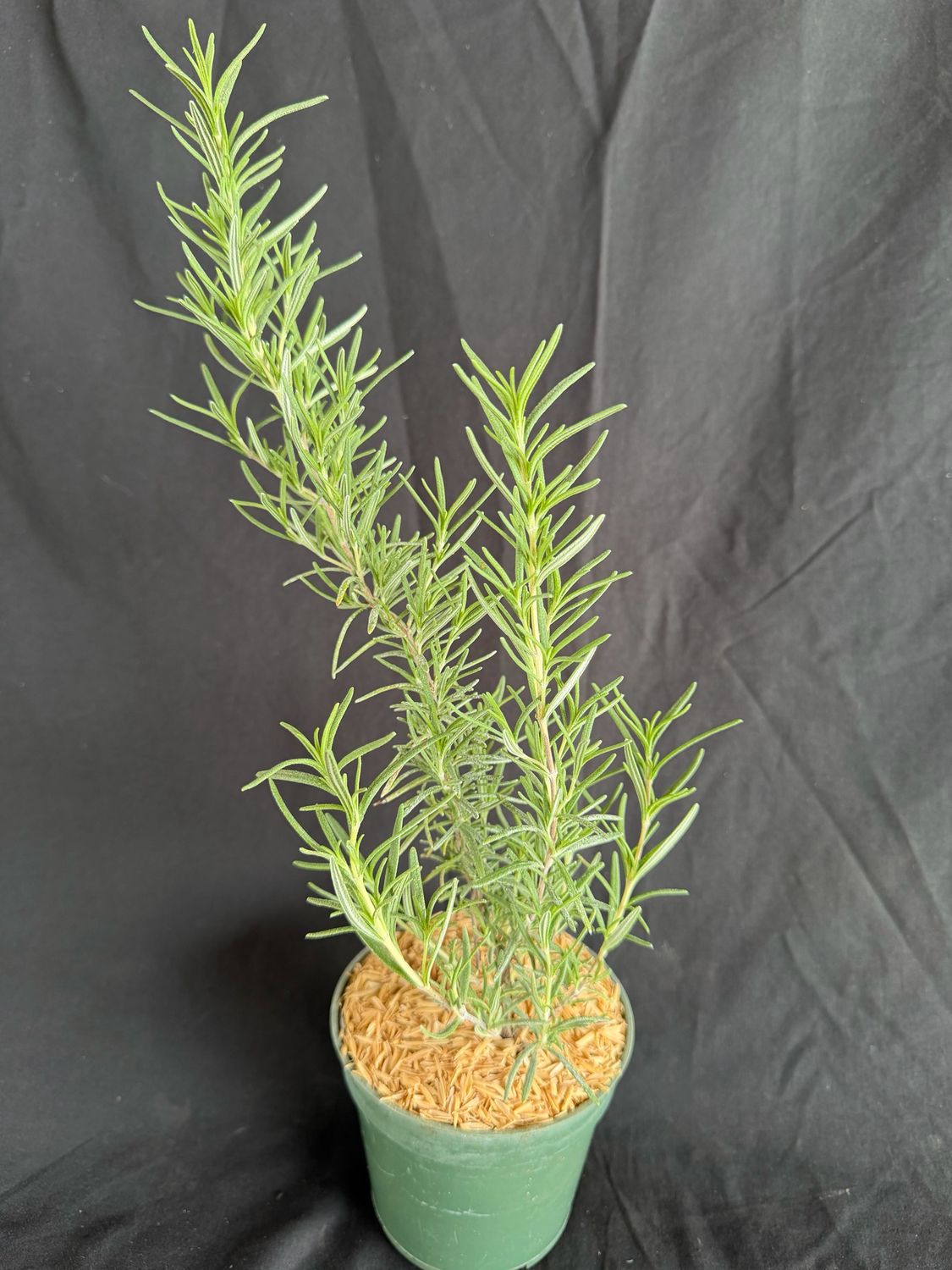
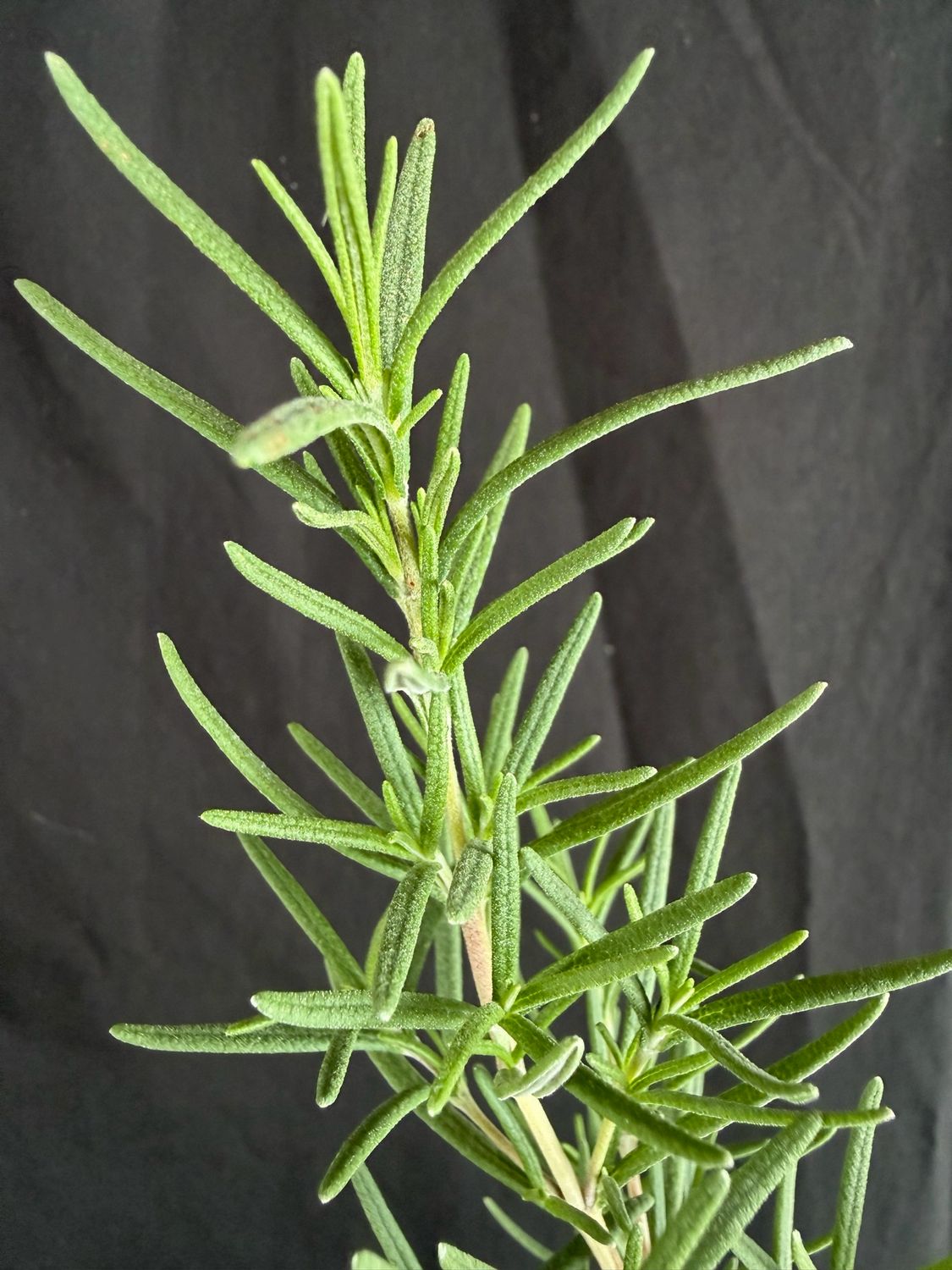
🌿 Rosemary (Salvia rosmarinus) – The Legendary Culinary Herb That Belongs in Every Garden
There are herbs... and then there are legends.
For over 2,000 years, rosemary has traveled through ancient Mediterranean civilizations, monastery gardens, family kitchens, herbal traditions, and modern edible landscapes. It has seasoned meals, fed pollinators, survived droughts, decorated landscapes, and earned a reputation as one of the hardest-working plants a gardener can grow.
If you're building a food forest, creating a productive landscape, stocking a kitchen garden, planting containers around a patio, or simply looking for a low-maintenance edible plant that pulls its weight year-round, Rosemary may be one of the best investments you'll ever make in your garden.
Beautiful. Fragrant. Productive. Tough as nails.
Once established, Rosemary thrives where many other herbs struggle.
🌿 Fresh harvests year-round
🐝 Pollinator friendly
🌞 Heat loving
💧 Drought tolerant
🏡 Evergreen beauty
🌊 Coastal resilient
A true staple of edible landscaping.
🌿 Quick Facts Guide
| Category | Details |
|---|---|
| Botanical Name | Salvia rosmarinus (formerly Rosmarinus officinalis) |
| Common Name | Rosemary |
| Plant Type | Evergreen Perennial Culinary Herb |
| Size at Sale | Ships in a 4" Container |
| Estimated Age | Approximately 3–6 Months Old |
| Mature Height | 3–5 ft. Unpruned |
| Maintained Height | Easily Kept at 2–3 ft. |
| Mature Width | 3–5 ft. |
| USDA Zones | 8–10 |
| Sun Requirements | Full Sun (6–8+ Hours Daily) |
| Cold Hardiness | Typically Hardy to 10–20°F Once Established |
| Growth Habit | Woody Evergreen Shrub |
| Wind Tolerance | Excellent |
| Salt Tolerance | Moderate |
| Drought Tolerance | Excellent Once Established |
| Container Friendly | Yes |
| Indoor Growing | Possible with High Light |
| Spacing | 3–5 ft. Apart |
🌞 Rosemary thrives in hot, sunny locations where many herbs struggle. It performs exceptionally well throughout Florida, Texas, the Gulf Coast, and much of the southeastern United States.
Why Is It Called Rosemary?
The name Rosemary comes from the Latin phrase:
"Ros Marinus" — Dew of the Sea
Native to the rocky coastlines of the Mediterranean, rosemary often grows naturally overlooking the ocean where salty breezes, blazing sun, and drought conditions are common.
Ancient Greeks associated rosemary with memory and learning.
Roman gardeners planted it around temples and homes.
Throughout medieval Europe, rosemary became one of the most treasured herbs in monastery gardens and household kitchens alike.
Thousands of years later, rosemary remains one of the world's most cultivated herbs because it offers something many modern plants don't:
Extreme usefulness with remarkably little maintenance.
🌿 Why Every Edible Landscape Should Have Rosemary
Many plants serve one purpose.
Rosemary serves dozens.
Top Benefits
✅ Fresh herbs year-round
✅ Evergreen beauty
✅ Drought tolerant once established
✅ Pollinator friendly
✅ Deer resistant
✅ Coastal tolerant
✅ Container friendly
✅ Low maintenance
✅ Long lived
✅ Culinary powerhouse
✅ Excellent hedge plant
✅ Beautiful ornamental shrub
Few plants can move so effortlessly between food production and landscape design.
Culinary Uses & Applications
Rosemary is one of the most versatile herbs you can grow.
Favorite Kitchen Uses
🥩 Roasted meats
🍗 Chicken and turkey
🥔 Roasted potatoes
🍞 Artisan breads
🫒 Olive oil infusions
🧈 Herb butters
🍲 Soups and stews
🍕 Mediterranean dishes
🍋 Marinades
🍹 Cocktails and mocktails
🥬 Roasted vegetables
🧄 Garlic herb blends
🍳 Egg dishes
One of the Most Popular Uses
Rosemary Olive Oil
- Harvest fresh sprigs.
- Lightly bruise leaves.
- Add to olive oil.
- Allow to infuse several weeks.
- Use on breads, vegetables, seafood, salads, and grilled meats.
Simple. Delicious. Timeless.
🌍 Rosemary Around the World
Rosemary appears in cuisines across the globe.
Mediterranean Cooking
🥩 Lamb dishes
🍞 Rustic breads
🫒 Olive oil recipes
🍗 Roasted poultry
Middle Eastern Cuisine
🍋 Citrus marinades
🥩 Grilled meats
🧄 Herb sauces
Modern Uses
🍹 Craft cocktails
🫖 Herbal teas
🧈 Compound butters
🧂 Herb finishing salts
🍯 Infused honey
Many commercial food producers even utilize rosemary extracts as natural antioxidants due to compounds naturally found within the plant.
Traditional Uses & Botanical Constituents
For centuries rosemary has been used throughout traditional herbal systems.
Naturally occurring compounds include:
🌿 Rosmarinic acid
🌿 Carnosic acid
🌿 Cineole
🌿 Camphor
🌿 Borneol
🌿 Flavonoids
Historically rosemary has been incorporated into:
🌿 Herbal infusions
🧴 Aromatic oils
🌸 Potpourri blends
🛁 Bath products
🫖 Traditional teas
⚠️ This information is provided for educational purposes only and is not intended to diagnose, treat, cure, or prevent disease.
🌸 Ornamental Appeal
Many people purchase rosemary for cooking.
Then they realize it's one of the most attractive shrubs in the landscape.
Features Include
🌿 Dense evergreen foliage
💙 Lavender-blue flowers
🐝 Pollinator attraction
🌞 Exceptional heat tolerance
🌊 Coastal resilience
✂️ Easily shaped hedges
🏡 Four-season structure
Its needle-like gray-green foliage creates year-round texture while blooms provide nectar for bees, butterflies, and beneficial insects.
🐝 Pollinator & Wildlife Benefits
Rosemary flowers provide valuable nectar sources for:
🐝 Honeybees
🐝 Native bees
🦋 Butterflies
🐞 Beneficial insects
🐦 Occasionally hummingbirds
Many rosemary plants bloom during times of year when fewer nectar sources are available, making them particularly valuable to pollinator populations.
Salt Tolerance & Coastal Performance
One reason rosemary performs so well near coastlines is because that's where it evolved.
Excellent For
🏝️ Coastal Florida
🏝️ Gulf Coast landscapes
🏝️ Waterfront properties
🏝️ Sandy soils
🏝️ Windy locations
While no plant is immune to extreme salt exposure, rosemary generally handles coastal conditions far better than most culinary herbs.
🌾 Rosemary Food Forest Guild
Rosemary integrates beautifully into edible ecosystems.
Pollinator Support
🌻 Mexican Sunflower
🌺 Firebush
🌼 Native Milkweeds
🌸 Salvias
Biomass & Chop-and-Drop Plants
🌾 Vetiver Grass
🌾 Lemongrass
🌾 Clumping Native Grasses
Mediterranean Herb Guild
🌿 Thyme
🌿 Sage
🌿 Lavender
🌿 Oregano
These plants enjoy similar growing conditions and create highly productive, low-maintenance garden systems.
🪴 Can Rosemary Be Grown in Containers?
Absolutely.
Rosemary is one of the best herbs available for container gardening.
Recommended Pot Progression
4" Pot → 1 Gallon
1 Gallon → 3 Gallon
3 Gallon → 7 Gallon
7 Gallon → 15 Gallon+
Only transplant when roots begin filling the current container.
Larger containers allow rosemary to become impressive specimens that remain productive for many years.
🏡 Can Rosemary Be Grown Indoors?
Yes—but lighting matters.
Indoor Growing Requirements
☀️ South-facing window preferred
💡 Supplemental grow lighting often beneficial
🌬️ Good airflow is essential
🪴 Well-draining container
💧 Allow soil to partially dry between watering
Insufficient light remains the number one reason indoor rosemary struggles.
🌱 Best Potting Soil for Rosemary
Rosemary prefers:
✅ Excellent drainage
✅ High oxygen around roots
✅ Moderate fertility
Ideal Potting Mix Components
🌲 Pine bark fines
🥥 Coconut coir
🌿 Compost
🪨 Perlite
🏖️ Coarse sand
Avoid heavy, water-retentive soils.
Wet roots are the fastest way to lose a rosemary plant.
🌿 Seasonal Growing Guide
Florida & Similar Zone 9–10 Climates
Spring
🌱 Vigorous growth begins
🌸 Heavy flowering often occurs
✂️ Light pruning after bloom
Summer
☀️ Rapid growth
🌿 Frequent harvests
💧 Water young plants during drought
Fall
🌿 Continued harvests
✂️ Shape plants if desired
Winter
💙 Evergreen foliage remains
🌸 Flowering may continue during mild winters
❄️ Protect during hard freezes
Unlike deciduous fruit trees, rosemary remains evergreen year-round.
🌱 Best Practices for Planting Rosemary
Where to Plant Rosemary
Choose:
✅ Full sun
✅ Excellent drainage
✅ Good airflow
✅ Raised beds
✅ Mounded planting areas
Avoid:
❌ Wet soils
❌ Heavy clay
❌ Constant irrigation
❌ Dense shade
GreenDreams "High & Tight" Planting Method
When planting Rosemary:
- Dig a hole only slightly wider than the container.
- Plant at the same depth or slightly elevated.
- Firmly pack soil around roots.
- Top dress with compost, biochar, azomite, and organic nutrients.
- Apply hardwood mulch.
- Keep mulch away from the woody stem.
🎥 Planting Guide:
https://youtu.be/RRQFY30qdA8?si=rRIcsbLlVAVYotfI
💧 Watering Newly Shipped Rosemary Plants
After receiving your plant:
✅ Leave in the original container
✅ Allow recovery from shipping stress
✅ Wait approximately 30 days or until new growth appears before transplanting
Container Watering
Small nursery containers may require daily watering during hot weather.
In-Ground Watering
Month 1:
💧 Daily during dry weather
Month 2–3:
💧 Every 2–3 days
Established Plants:
💧 Deep watering every 1–2 weeks during drought
Drip irrigation is strongly preferred over overhead watering.
✂️ Pruning Guide
Rosemary responds exceptionally well to pruning.
For Bushier Growth
✂️ Harvest growing tips regularly.
For Landscape Specimens
✂️ Light shaping after flowering.
Avoid:
❌ Cutting heavily into old leafless wood.
A useful rule:
Never remove more than one-third of the plant at a time.
🌾 Rosemary for Market Gardens & Small Farms
Rosemary is increasingly popular among:
🌾 Market growers
🌾 CSA farms
🌾 Restaurant gardens
🌾 Herb producers
🌾 Edible landscape installers
Suggested Spacing
| Growing Style | Spacing |
|---|---|
| Herb Production | 2–3 ft |
| Hedge Planting | 3–4 ft |
| Large Landscape Shrubs | 4–5 ft |
Once established, rosemary can remain productive for decades.
🔍 Rosemary Troubleshooting Guide
| Issue | Cause | Solution |
|---|---|---|
| 🍂 Yellow Leaves | Overwatering | Improve drainage immediately |
| 🍄 Powdery Mildew | Poor airflow | Increase spacing |
| ☁️ Sparse Growth | Insufficient sunlight | Move to full sun |
| 🟤 Brown Tips | Root stress | Reduce watering |
| 🕷️ Spider Mites Indoors | Stagnant air | Improve airflow |
| ❄️ Frost Damage | Freeze exposure | Prune after danger passes |
| 🪣 Root Rot | Waterlogged soil | Replant high & tight |
Most rosemary problems stem from excessive moisture rather than drought.
⚠️ Cautions
❌ Poor drainage is the leading cause of failure
❌ Avoid pairing with moisture-loving herbs like basil or mint
❌ Heavy clay soils should be amended or avoided
❌ Small containers dry rapidly during summer heat
❌ Overwatering causes more problems than underwatering
🌟 Is Rosemary Right For You?
Ideal For
✅ Home chefs
✅ Pollinator gardeners
✅ Florida landscapes
✅ Coastal properties
✅ Container growers
✅ Food forest enthusiasts
✅ Beginner gardeners
✅ Water-wise landscapes
May Not Be Ideal For
❌ Deep shade locations
❌ Constantly wet soils
❌ Poorly drained landscapes
❌ Gardeners unwilling to provide full sun
❓Frequently Asked Questions
Is rosemary perennial?
Yes. Rosemary is an evergreen perennial throughout USDA Zones 8–10.
Can rosemary survive Florida summers?
Absolutely. Florida heat is rarely a problem if drainage is excellent.
How often should I harvest rosemary?
As often as desired. Regular harvesting encourages bushier growth.
Does rosemary flower?
Yes. Most rosemary varieties produce beautiful blue to lavender blooms.
Do bees like rosemary?
Very much. Rosemary is one of the best pollinator-supporting culinary herbs.
Can rosemary survive drought?
Once established, rosemary is among the most drought-tolerant herbs available.
Does rosemary attract butterflies?
Yes. The flowers may attract butterflies and numerous beneficial insects.
How long does rosemary live?
Healthy plants can remain productive for decades.
Can rosemary be grown indoors year-round?
Yes, with sufficient sunlight or supplemental grow lights.
Why is my rosemary turning yellow?
Overwatering and poor drainage are the most common causes.
🚚 Shipping & Plant Recovery Information
Our 4" Rosemary plants are best suited for shipping throughout:
✅ Florida
✅ Southeastern United States
✅ Texas
We also ship nationwide throughout the continental United States.
Growers in northern and western states should understand:
⚠️ Extended UPS Ground transit times may occur.
⚠️ Small plants may arrive stressed.
⚠️ California inspections may add additional delays.
⚠️ Recovery periods after transit are common.
We strongly recommend waiting at least 30 days or until new growth emerges before transplanting.
Buyer discretion is advised during periods of extreme heat or extreme cold.
We ship from Florida every Monday using UPS Ground.
🏡 Available for Local Pickup at GreenDreams
GreenDreams Nursery & Farm
🌾 18709 US Hwy. 41, Spring Hill, FL 34610
🕘 Tues–Fri 9AM–5PM | 🌞 Sat 8AM–3PM
🌿 We often carry larger Rosemary plants and many additional edible, medicinal, native, and tropical species not listed online.
Stop by our regenerative nursery to see what's growing this week!
🌿 Beyond the Plant: GreenDreams Services
At GreenDreams, we do more than grow plants — we design, build, and restore ecosystems across Florida.
🌳 Onsite consultations & edible landscape design
🚜 Installation & project management
🚚 Bulk delivery of compost, mulch, biochar & soil materials
🌾 Wholesale & regenerative agriculture solutions
Let our team help you create your own thriving edible paradise — starting with Rosemary!
🌿 IMPORTANT INFORMATION BEFORE PURCHASING LIVE PLANTS
Please note: Plants purchased through our online store are not available for pickup at our retail nursery in Spring Hill, Florida.
Online inventory is housed at a separate facility and is priced, prepared, and handled exclusively for shipping.
🌱 Looking for larger plants or more selection?
Our retail nursery location offers far more availability, including larger sizes, specialty plants, and many selections not suitable for nationwide shipping.
Local pickup is available for retail nursery purchases only.
Visit our Spring Hill, FL retail nursery page to explore in-person shopping options.
🚚 LIVE PLANT SHIPPING & TRANSIT EXPECTATIONS
Live plants naturally experience stress during shipping. Temporary leaf drop, mild wilting, or cosmetic stress is normal after transit. Most plants recover quickly with proper watering, gradual light exposure, and basic aftercare. Some plants may require additional attention during the first few weeks.
Despite careful packing, minor cosmetic damage may occur during transit. Small issues such as broken leaves or stems typically resolve with time and proper care.
If your shipping box arrives with significant external damage, please contact UPS within 30 days to initiate a carrier claim.
⏱️ SHIPPING METHOD, TIMING & TRANSIT WINDOWS
All online orders ship via UPS Ground from our Central Florida nursery.
📦 Shipping Schedule: Orders ship once weekly on Mondays to reduce the risk of packages sitting in transit over weekends. A countdown clock on our website displays the next shipping date.
🚚 Typical Transit Times:
-
Florida: 1–2 days
-
Southern U.S.: approximately 2 days
-
Midwest, West & Northern U.S.: 3–5 business days
Long-distance shipments, particularly to the western U.S., may experience additional transit time due to agricultural inspections in states such as Arizona, California, and Texas.
Extended transit times can be more challenging for small or tender plants and may require additional recovery care after arrival.
🌡️ EXTREME WEATHER & SEASONAL RISK
Live plants are sensitive to temperature extremes.
We cannot guarantee plant condition during periods of extreme summer heat or winter cold and freezing temperatures. Weather-related delays, carrier interruptions, or exposure during delivery are beyond our control.
Customers are responsible for:
-
Monitoring tracking information sent via email
-
Retrieving packages promptly upon delivery
-
Preventing plants from being left outdoors in extreme conditions
During unsafe weather, holiday shipping volume, or extended transit risk, orders may be held and shipped the following week to protect plant health.
⚠️ CUSTOMER RESPONSIBILITY & REFUND POLICY
By purchasing live plants, customers acknowledge and accept the risks associated with shipping, weather exposure, transit delays, and regional suitability.
Refunds or replacements are considered only under exceptional circumstances and in accordance with our return and refund policy. We are not responsible for:
-
Weather-related damage
-
Carrier delays
-
Poor plant selection for a given climate or region
-
Improper care after delivery
Upon purchase, customers assume full responsibility for the ongoing care and success of their plants.
✅ CONSENT & AGREEMENT
By completing a purchase, you confirm that you have read, understand, and agree to all shipping policies, responsibilities, and conditions outlined above.
Our goal is transparency, plant health, and long-term growing success — and we appreciate your understanding and care when ordering live plants.


