


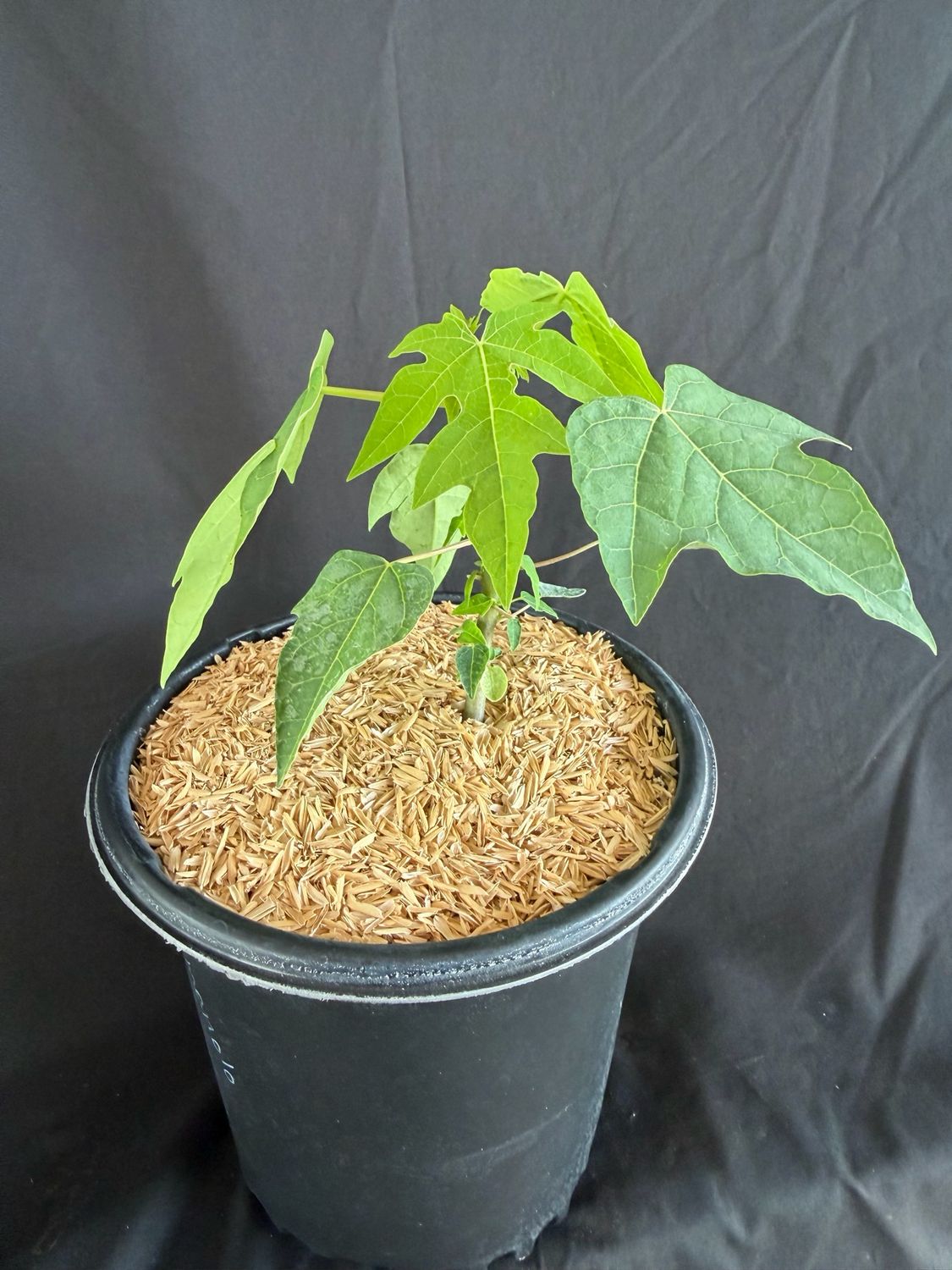
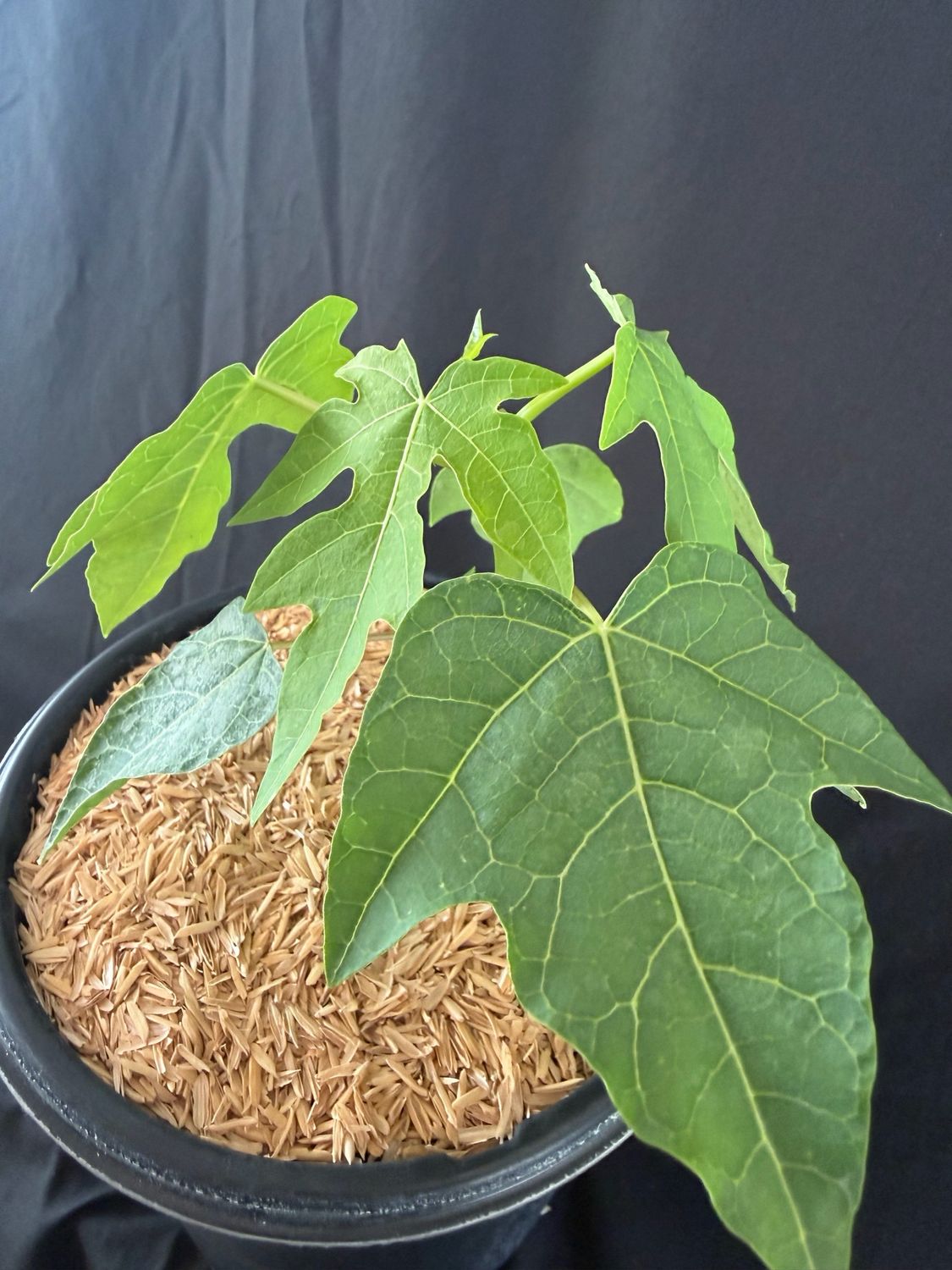
🌺 Waimanalo Papaya (Carica papaya) – The Legendary Hawaiian Backyard Papaya 🌴🍈
Bring the flavor of the Hawaiian tropics straight to your backyard with the famous Waimanalo Papaya — a fast-growing, incredibly productive papaya cultivar celebrated for its sweet tropical flavor, manageable size, and early fruiting habit. If you've ever dreamed of harvesting glowing orange papayas steps from your kitchen door, this is one of the best papayas for home growers in Florida and warm subtropical climates.
Originally developed in Hawaii and beloved for generations, Waimanalo has earned a reputation as one of the most reliable “Solo-type” papayas for backyard growers who want high-quality fruit without needing a massive plantation setup. This cultivar stays relatively compact, fruits young, and absolutely thrives in heat.
And honestly? Few plants make a garden feel more tropical, lush, and alive than a healthy papaya loaded with fruit. 🌿
🌿 Quick Facts — Waimanalo Papaya
| Category | Details |
|---|---|
| Botanical Name | Carica papaya |
| Common Name | Waimanalo Papaya |
| Plant Type | Fast-growing tropical fruiting herbaceous tree |
| Container Size at Sale | 1-Gallon Container |
| Estimated Plant Age | Approx. 4–8 months depending on season |
| Mature Height (Unpruned) | 10–15 ft |
| Mature Height (Managed) | 6–10 ft with harvesting & trunk management |
| Width | 4–8 ft |
| USDA Zones | 9B–11 |
| Cold Hardiness | Damage possible below 32°F |
| Sun Requirements | Full sun preferred |
| Salt Tolerance | Moderate coastal tolerance once established |
| Wind Tolerance | Moderate; protect from strong wind when young |
| Growth Habit | Upright, fast-growing, shallow-rooted tropical herb |
| Spacing | 6–10 ft apart |
| Years to Fruit | Often 8–14 months from seed |
| Pollination | Primarily self-fertile depending on flower type |
| Harvest Season (FL) | Nearly year-round in warm conditions |
| Container Friendly | Yes, temporarily |
| Indoor Growing | Only with extremely bright light / greenhouse conditions |
🌿 Limited seasonal availability — papayas are one of the fastest-moving fruiting plants at our nursery due to their rapid production and tropical appeal.
🍈 What Makes Waimanalo Papaya Special?
Waimanalo Papaya was developed in Hawaii during the 1960s and became known for producing larger fruit than many traditional Solo papayas while maintaining excellent sweetness and rich tropical flavor. The fruit typically develops:
- Golden-yellow skin when ripe
- Deep salmon to orange flesh
- Smooth buttery texture
- Sweet tropical aroma
- Lower muskiness than some larger papaya cultivars
Compared to giant commercial papayas, Waimanalo tends to be:
✅ More manageable for backyard growers
✅ Earlier fruiting
✅ Better suited to home harvest
✅ Easier to protect during cold snaps
✅ More attractive in edible landscapes
The fruit commonly ranges from:
- 1–3 pounds
- Oval to pear-shaped
- Thin-skinned
- Excellent fresh eating quality
This is the type of papaya you slice open for breakfast and instantly understand why tropical gardeners become obsessed with growing fruit. 🌴
🌺 The Story Behind Waimanalo Papaya
The Waimanalo cultivar traces back to breeding work conducted in Hawaii, where researchers and growers sought improved papaya strains that combined:
- Better fruit quality
- Reliable production
- Disease resistance
- Compact growth habits
Named after the Waimanalo region of Oahu, this cultivar became especially popular among Hawaiian growers because it performed well in smaller garden spaces while still producing premium fruit.
Papayas themselves have an incredible history. Native to southern Mexico and Central America, papayas spread throughout the tropics via Spanish and Portuguese trade routes and became deeply integrated into Caribbean, Southeast Asian, Pacific Island, African, and South American cuisine.
Today, papaya remains one of the most important tropical backyard fruits worldwide because of its:
- Speed of production
- Nutritional density
- Culinary versatility
- Small-space productivity
🥭 Flavor Profile & Fruit Quality
🍈 Waimanalo Papaya Flavor Notes
| Characteristic | Description |
|---|---|
| Flavor | Sweet tropical melon-like flavor |
| Texture | Smooth, creamy, juicy |
| Sweetness | Medium-high |
| Aroma | Floral tropical scent |
| Flesh Color | Orange to salmon-orange |
| Skin Color | Yellow-orange when ripe |
| Seed Cavity | Moderate |
| Best Use | Fresh eating, smoothies, breakfast fruit |
When fully ripe, Waimanalo develops rich sweetness with far less of the “musky” flavor that sometimes turns people away from grocery store papayas.
💡 Harvesting fruit fully tree-ripened dramatically improves flavor quality compared to imported supermarket papayas.
Why Grow Papaya at Home?
Homegrown papaya is in an entirely different category from store-bought fruit.
🌿 Top Reasons Gardeners Love Papaya
🍈 Fast Production
Papayas are one of the quickest fruiting plants you can grow.
🌴 Tropical Landscape Appeal
Few plants create an instant lush tropical aesthetic like papaya.
🥤 Incredible Fresh Flavor
Fresh-picked papaya is sweeter, softer, and more aromatic than shipped fruit.
🌱 Compact Food Production
Even small suburban yards can support multiple papaya plants.
🐝 Pollinator Friendly
Papaya flowers attract beneficial insects and pollinators.
🍃 Edible Beyond the Fruit
- Green papaya used in salads
- Seeds used traditionally in culinary applications
- Leaves historically used in various folk traditions
🌞 Year-Round Tropical Harvests
In warm climates like Florida, papayas may produce nearly continuously.
🥗 Culinary Uses for Waimanalo Papaya
Papaya is wildly versatile in the kitchen.
🍈 Fresh Eating
- Breakfast fruit
- Chilled slices with lime
- Fruit salads
- Yogurt bowls
🥤 Smoothies & Juices
Pairs beautifully with:
- Mango
- Pineapple
- Coconut
- Banana
- Citrus
🥗 Green Papaya Uses
Unripe papaya is commonly used in:
- Thai green papaya salad
- Pickles
- Stir fries
- Slaws
🌶️ Savory Applications
Green papaya contains papain, an enzyme traditionally used as a natural meat tenderizer.
🌿 Papaya Seeds
The peppery seeds are sometimes dried and used similarly to black pepper in small quantities.
🌱 Nutritional & Traditional Uses
Papaya has long been valued throughout tropical cultures.
🍈 Papaya Fruit Contains:
- Vitamin C
- Vitamin A
- Potassium
- Folate
- Fiber
- Antioxidants
🌿 Traditional Uses
Historically, papaya has been used in folk traditions for:
- Digestive support
- Culinary enzyme extraction
- Fermented preparations
- Skin applications
⚠️ These references are historical and cultural in nature and are not medical claims.
🍈 Papaya Cultivar Flavor & Fruit Comparison Chart 🌴
| Cultivar | Fruit Size & Flesh Color | Flavor + Muskiness Rating | Plant Size | Best For | Special Notes |
|---|---|---|---|---|---|
| Waimanalo | Medium-Large • Orange-Salmon Flesh | ⭐⭐⭐⭐⭐ Sweet tropical flavor • 🌿 Low muskiness | Compact-Medium | Backyard growers & premium flavor | Hawaiian classic with rich sweetness and manageable growth |
| Sunset | Small-Medium • Deep Orange Flesh | ⭐⭐⭐⭐⭐ Very sweet • 🌿 Very low muskiness | Compact | Fresh eating & smaller spaces | One of Hawaii’s most famous dessert papayas |
| Hawaiian Solo | Small-Medium • Orange Flesh | ⭐⭐⭐⭐ Sweet & aromatic • 🌿 Low muskiness | Compact | Breakfast papaya & containers | Traditional Hawaiian “Solo” type |
| Tainung #2 | Large • Orange-Red Flesh | ⭐⭐⭐ Mild sweetness • 🌿 Medium muskiness | Large vigorous | Heavy production & productivity | Commercial-style hybrid known for large yields |
| Red Lady | Medium-Large • Deep Red-Orange Flesh | ⭐⭐⭐⭐ Sweet & juicy • 🌿 Low muskiness | Medium-Large | Fast-fruiting home orchards | Extremely productive and beginner friendly |
| Red Maradol | Very Large • Deep Red Flesh | ⭐⭐⭐⭐ Rich tropical flavor • 🌿 Medium-High muskiness | Large | Giant fruit lovers | Grocery-style papaya with bold flavor |
| Bella F1 Hybrid | Medium • Orange-Red Flesh | ⭐⭐⭐⭐ Balanced sweetness • 🌿 Low muskiness | Compact-Medium | Reliable backyard production | Strong hybrid vigor and uniform fruit |
| Red Nemesis F1 | Medium • Deep Orange-Red Flesh | ⭐⭐⭐⭐ Vibrant fruity flavor • 🌿 Low muskiness | Medium | Premium fruit quality | Attractive coloration and newer hybrid genetics |
🌞 Best Location for Growing Waimanalo Papaya
🌴 Papayas LOVE:
✅ Heat
✅ Sun
✅ Drainage
✅ Airflow
✅ Consistent moisture
🌞 Ideal Placement
- South-facing exposure
- Near reflected heat
- Protected from strong north winds
- Slightly elevated planting area
⚠️ Avoid:
❌ Wet low spots
❌ Standing water
❌ Heavy clay
❌ Frost pockets
❌ Constant wind tunnels
💡 In Florida, papayas perform best planted “high & tight” on slightly raised mounds.
🌱 How to Plant Waimanalo Papaya
🌿 GreenDreams “High & Tight” Planting Method
We strongly recommend planting papayas slightly elevated above surrounding grade for drainage protection.
🎥 Planting tutorial:
GreenDreams High & Tight Planting Method
🌱 Planting Instructions
- Dig hole only slightly wider than container
- Do NOT plant deeper than current soil line
- Plant slightly elevated if possible
- Pack soil firmly around root ball
- Water thoroughly after planting
- Mulch surrounding area heavily
- Keep mulch OFF trunk base
🌾 Recommended Soil Mix
Papayas prefer:
- Fast drainage
- High organic matter
- Aerated soils
Excellent amendments include:
- Compost
- Pine bark fines
- Biochar
- Coarse sand
- Coconut coir
- Azomite
- Worm castings
💡 Avoid overly peat-heavy soggy mixes.
💧 Watering Requirements
Papayas grow extremely fast and use significant water during warm weather.
🌞 In Containers
- Often require daily watering during heat
- Smaller pots dry quickly
- Never allow total dry-out
🌴 In Ground
Suggested schedule:
- Daily during establishment
- Then deep watering 2–4x weekly depending on rainfall
⚠️ Biggest Danger:
💦 Root rot from poor drainage
Papayas want:
✅ Moist soil
❌ Swampy soil
Drip irrigation is strongly preferred over overhead irrigation.
🌿 Fertilizing Waimanalo Papaya
Papayas are HEAVY feeders.
🌱 Best Organic Feeding Strategy
Apply monthly during warm growth:
- Compost
- Organic fruit tree fertilizer
- Worm castings
- Fish hydrolysate
- Biochar blends
- Potassium-rich inputs
Nutrient Notes
Papayas especially appreciate:
- Nitrogen during active growth
- Potassium during fruiting
- Calcium & magnesium support
💡 Yellow lower leaves may simply indicate rapid growth rather than disease.
Pruning & Long-Term Maintenance
Papayas generally require minimal pruning.
Recommended Management
🌴 Remove:
- Dead leaves
- Damaged leaves
- Diseased foliage
✂️ Height Management
Some growers top papayas once they become too tall to harvest easily.
This may:
- Encourage branching
- Create multiple trunks
- Lower harvest height
⚠️ Always sanitize tools before cutting.
❄️ Seasonal Care for Florida Growers
🌞 Spring
🌱 Explosive growth begins
🌸 Flowering increases
🍈 Fruit set accelerates
☀️ Summer
🍈 Peak production season
💦 Heavy water demand
⚖️ Heavy feeding season
🍂 Fall
🌿 Continued harvest in warm climates
🌬️ Watch tropical storms and wind
❄️ Winter
🧘 Growth slows dramatically
❄️ Cold damage possible below freezing
🍂 Some yellowing may occur naturally
💡 Many papayas in Central Florida benefit from frost cloth during cold snaps.
Growing Waimanalo Papaya in Containers
Yes — temporarily.
Recommended Progression
| Stage | Suggested Pot |
|---|---|
| Starter Plant | 1 gallon |
| Intermediate | 3 gallon |
| Advanced Container | 7–15 gallon |
Papayas grow FAST and quickly outgrow containers.
🌞 Container Tips
- Full sun
- Fast-draining soil
- Frequent feeding
- Daily watering in summer
- Protect roots from overheating
⚠️ We strongly recommend transplanting once roots begin circling heavily.
🏡 Can Papaya Be Grown Indoors?
Technically yes — practically difficult.
Papayas require:
- Extremely high light
- Heat
- Airflow
- Humidity
Best indoor situations:
- Greenhouses
- Sunrooms
- Commercial grow lighting setups
For most growers, outdoor growing is strongly recommended.
🌿 Companion Plants & Food Forest Guild Ideas
Waimanalo Papaya fits beautifully into tropical edible ecosystems.
🌾 Great Companion Plants
🌿 Nitrogen Fixers
- Sunshine Mimosa
- Perennial Peanut
- Pigeon Pea
🐝 Pollinator Plants
- Mexican Sunflower
- Firebush
- Salvia
- Society Garlic
🌾 Biomass Plants
- Lemongrass
- Vetiver
- Clumping grasses
🌱 Tropical Layering Plants
- Turmeric
- Ginger
- Longevity Spinach
- Chaya
💡 Papayas thrive in biologically active soils rich in mulch and fungal life.
🔍 Troubleshooting Waimanalo Papaya
| ⚠️ Issue | 🧠 Cause | 🌿 Solution |
|---|---|---|
| 🍂 Yellow lower leaves | Natural aging or nutrient demand | 🌿 Feed regularly |
| 💦 Root rot | Poor drainage | 🪣 Plant elevated |
| ❄️ Cold damage | Frost exposure | 🪵 Cover during freezes |
| 🪲 Whiteflies or aphids | Warm humid weather | 🐞 Encourage beneficial insects |
| 🍃 Flower drop | Temperature swings | 🌞 Improve consistency |
| 🌬️ Leaning trunk | Wind exposure | 🪵 Stake young plants |
| 🍈 Small fruit | Nutrient deficiency | ⚖️ Increase fertility |
| 🍄 Fungal spotting | Excess overhead moisture | 🌬️ Improve airflow |
💡 Papayas are FAST growers and often recover surprisingly quickly from stress.
🌟 Is Waimanalo Papaya Right For You?
✅ Ideal For:
- Tropical fruit lovers
- Florida gardeners
- Small-space food growers
- Edible landscapers
- Fast-harvest gardeners
- Beginner tropical fruit growers
- Backyard orchard enthusiasts
❌ Not Ideal For:
- Heavy freeze climates
- Poorly drained properties
- Extremely windy exposed sites
- Growers unwilling to water consistently
- Tiny indoor apartment growing situations
❓FAQ — Waimanalo Papaya
🍈 How long until Waimanalo Papaya fruits?
Often within 8–14 months under warm growing conditions.
🌞 Does papaya need full sun?
Yes — full sun dramatically improves sweetness and production.
❄️ Can papaya survive frost?
Light frost may damage foliage. Hard freezes can kill plants.
⚠️ Can I keep papaya in a container permanently?
Possible temporarily, but long-term production is better in ground.
🌿 Should I plant more than one papaya?
Recommended for improved pollination and staggered production.
🍈 How tall will papaya get?
Typically 10–15 ft if unmanaged, though many home growers maintain smaller sizes.
🚚 Shipping & Important Ordering Information
Our 1-gallon Waimanalo Papaya plants are best suited for shipping to:
- Florida
- Southeastern US
- Texas
⚠️ Smaller tropical plants shipped to northern or western states may experience:
- Transit stress
- Leaf yellowing
- Delayed recovery
- Extended acclimation periods
Buyer assumes risk during periods of:
- Extreme heat
- Freezing weather
- Extended UPS Ground transit
📦 We ship Mondays via UPS Ground from Florida.
⚠️ California orders may experience additional agricultural inspection delays.
💡 We strongly recommend allowing plants:
- 30 days recovery after shipping
- Or waiting until active new growth appearsbefore transplanting.
🏡 Local Pickup Available at GreenDreams Nursery & Farm
We often carry:
- Larger papaya sizes
- Additional cultivars
- Rare tropical fruit trees
- Retail-only inventory not listed online
🌿 GreenDreams Nursery & Farm
📍 18709 US Hwy. 41, Spring Hill, FL 34610
🕘 Tues–Fri 9AM–5PM
🌞 Sat 8AM–3PM
🌴 Stop by our regenerative nursery and explore one of Florida’s most unique tropical edible plant collections!
🌿 Beyond the Plant: GreenDreams Services
At GreenDreams, we do more than grow plants — we design, build, and restore ecosystems across Florida.
- 🌳 Onsite consultations & edible landscape design
- 🚜 Installation & project management
- 🚚 Bulk delivery of compost, mulch, biochar & soil blends
- 🌾 Regenerative agriculture & food forest systems
- 🌿 Tropical orchard planning
Let our team help you create your own edible paradise — starting with Waimanalo Papaya. 🌴
🌿 IMPORTANT INFORMATION BEFORE PURCHASING LIVE PLANTS
Please note: Plants purchased through our online store are not available for pickup at our retail nursery in Spring Hill, Florida.
Online inventory is housed at a separate facility and is priced, prepared, and handled exclusively for shipping.
🌱 Looking for larger plants or more selection?
Our retail nursery location offers far more availability, including larger sizes, specialty plants, and many selections not suitable for nationwide shipping.
Local pickup is available for retail nursery purchases only.
Visit our Spring Hill, FL retail nursery page to explore in-person shopping options.
🚚 LIVE PLANT SHIPPING & TRANSIT EXPECTATIONS
Live plants naturally experience stress during shipping. Temporary leaf drop, mild wilting, or cosmetic stress is normal after transit. Most plants recover quickly with proper watering, gradual light exposure, and basic aftercare. Some plants may require additional attention during the first few weeks.
Despite careful packing, minor cosmetic damage may occur during transit. Small issues such as broken leaves or stems typically resolve with time and proper care.
If your shipping box arrives with significant external damage, please contact UPS within 30 days to initiate a carrier claim.
⏱️ SHIPPING METHOD, TIMING & TRANSIT WINDOWS
All online orders ship via UPS Ground from our Central Florida nursery.
📦 Shipping Schedule: Orders ship once weekly on Mondays to reduce the risk of packages sitting in transit over weekends. A countdown clock on our website displays the next shipping date.
🚚 Typical Transit Times:
-
Florida: 1–2 days
-
Southern U.S.: approximately 2 days
-
Midwest, West & Northern U.S.: 3–5 business days
Long-distance shipments, particularly to the western U.S., may experience additional transit time due to agricultural inspections in states such as Arizona, California, and Texas.
Extended transit times can be more challenging for small or tender plants and may require additional recovery care after arrival.
🌡️ EXTREME WEATHER & SEASONAL RISK
Live plants are sensitive to temperature extremes.
We cannot guarantee plant condition during periods of extreme summer heat or winter cold and freezing temperatures. Weather-related delays, carrier interruptions, or exposure during delivery are beyond our control.
Customers are responsible for:
-
Monitoring tracking information sent via email
-
Retrieving packages promptly upon delivery
-
Preventing plants from being left outdoors in extreme conditions
During unsafe weather, holiday shipping volume, or extended transit risk, orders may be held and shipped the following week to protect plant health.
⚠️ CUSTOMER RESPONSIBILITY & REFUND POLICY
By purchasing live plants, customers acknowledge and accept the risks associated with shipping, weather exposure, transit delays, and regional suitability.
Refunds or replacements are considered only under exceptional circumstances and in accordance with our return and refund policy. We are not responsible for:
-
Weather-related damage
-
Carrier delays
-
Poor plant selection for a given climate or region
-
Improper care after delivery
Upon purchase, customers assume full responsibility for the ongoing care and success of their plants.
✅ CONSENT & AGREEMENT
By completing a purchase, you confirm that you have read, understand, and agree to all shipping policies, responsibilities, and conditions outlined above.
Our goal is transparency, plant health, and long-term growing success — and we appreciate your understanding and care when ordering live plants.


