


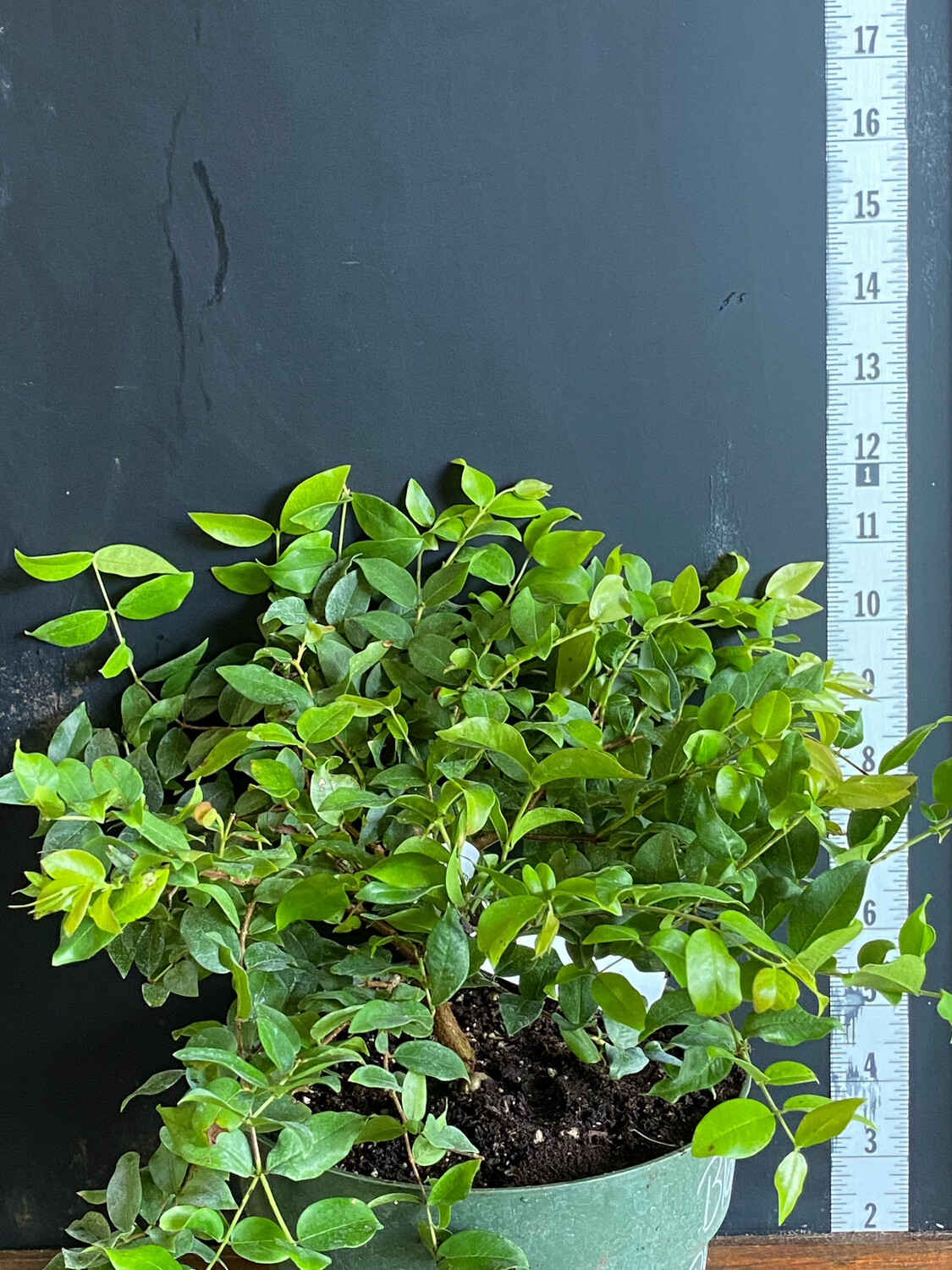
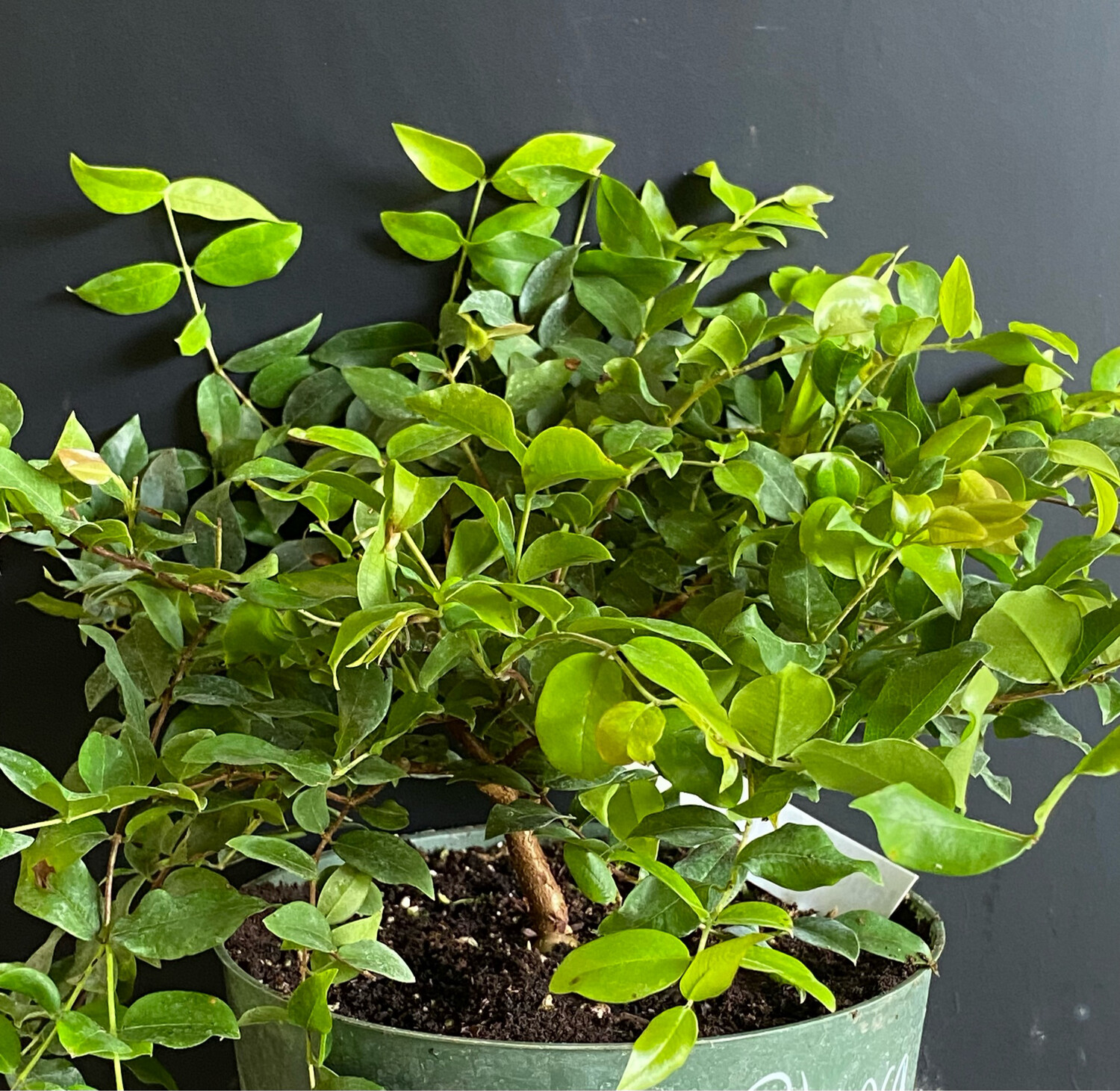
🌿 Branca INTA 2 Jaboticaba Tree — Rare White-Fruited Collector Favorite 🍇
This uncommon white/branca-type jaboticaba is prized in collector circles for its pale yellow-green to whitish fruit, sweet floral flavor, attractive foliage, and earlier fruiting potential compared with slower traditional types. In trade, it’s often grouped with white jaboticaba / branca selections, though exact species labeling can vary depending on the source. White jaboticaba types are generally associated with lighter-colored fruit, sweeter pulp, and strong container potential, while jaboticabas as a group are valued for their trunk-fruiting habit, evergreen beauty, and repeated harvest cycles once mature.
At GreenDreams, this is the kind of plant that checks multiple boxes at once: rare fruit, edible landscaping, patio-tree energy, and serious collector appeal.
🌿 Quick Facts
| Category | Details |
|---|---|
| Botanical Name | Branca INTA 2 Jaboticaba (trade name; exact species labeling varies in cultivation) |
| Common Name | Branca INTA 2 / White Jaboticaba type |
| Plant Type | Evergreen subtropical fruit tree |
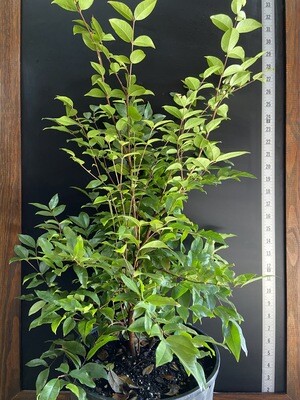
| Sale Size | 1-gallon container |
| Estimated Age | Usually about 2–3 years at this size, depending on growth rate and root development |
| Mature Height (Unpruned) | Often 10–15 ft, sometimes more with age and ideal conditions |
| Managed Height (Pruned / Container) | About 5–8 ft in long-term container culture |
| USDA Zones | 9–11 outdoors • container culture / greenhouse elsewhere |
| Sun Requirements | Bright filtered light to partial sun; acclimate slowly to stronger sun |
| Cold Tolerance | Brief dips around 27–29°F once established; younger plants need protection |
| Growth Habit | Slow to moderate, upright, cauliflorous |
| Soil Preference | Acidic, evenly moist, airy, organic-rich media |
| Wind / Salt | Moderate wind tolerance • not salt tolerant |
| Spacing (In-Ground) | About 10–15 ft |
Jaboticabas are not deciduous fruit trees in the usual sense. They are generally evergreen, though white/branca types and other jaboticabas can show temporary leaf drop or semi-deciduous behavior under cold, drought, or transplant stress. White jaboticaba forms are also noted in grower sources for performing well in pots and even brighter shade conditions for extended periods.
🍇 Fruit, Flavor & Fruiting Habits
Flavor Profile
- Sweet with floral, honeyed notes
- Lower-acid eating experience than many darker jaboticabas
- Often described as gentler and more refined than classic grape-like Sabará types
Fruit Appearance
- Pale yellow-green to whitish fruit
- Light translucent pulp
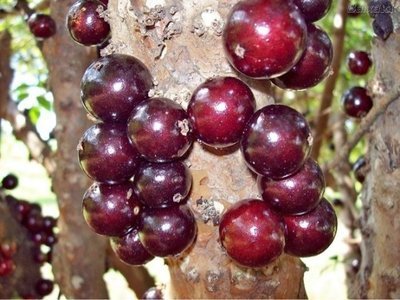
- Trunk-fruiting habit creates a striking ornamental display
Fruiting Expectations
- White/branca jaboticaba selections are often described as more precocious than standard seedling jaboticabas
- Many grower and nursery sources place white/branca fruiting in the 4–5 year from seed range, while more mature propagated plants may produce sooner under excellent care
- From a 1-gallon plant, a realistic expectation is usually several more years of establishment before regular fruiting
Collector and nursery sources describe white/branca jaboticabas as somewhat precocious, very container-friendly, and capable of fruiting repeatedly once mature.
❄️ Jaboticaba Comparison — Cold Tolerance & Fruiting Timeline
Choosing the right jaboticaba is usually about flavor, cold tolerance, and how patient you’re willing to be.
| Cultivar | Flavor Profile | Cold Tolerance | Time to Fruit (Seed) | Time to Fruit (Air-layer/Grafted) |
|---|---|---|---|---|
| Sabara | Classic sweet-tart, grape-like | ⭐⭐⭐⭐ ~22–24°F | 8–10+ yrs | 4–6 yrs |
| Grimal | Rich, complex, larger fruit | ⭐⭐⭐⭐ ~24–26°F | 6–8 yrs | 4–5 yrs |
| Novak (Phitrantha) | Sweet, balanced, excellent quality | ⭐⭐⭐⭐ ~24–26°F | 6–8 yrs | 3–5 yrs |
| Campo Ramón | Deep sweetness, cherry-like notes | ⭐⭐⭐ ~27–29°F | 6–8 yrs | 3–5 yrs |
| Pingo de Mel | 🍯 Honey-sweet, low acidity | ⭐⭐⭐ ~26–28°F | 5–7 yrs | 3–4 yrs |
| Branca INTA 2 | Floral, sweet, pale fruit | ⭐⭐⭐ ~27–29°F | 4–6 yrs | 3–5 yrs |
| White Jaboticaba | Sweet with light acidity | ⭐⭐⭐ ~26–28°F | 6–8 yrs | 4–6 yrs |
| Yellow Jaboticaba | 🍑 Peach / apricot flavor | ⭐⭐⭐ ~26–28°F | 6–8 yrs | 4–6 yrs |
| Red Hybrid | Sweet, mild, earlier fruiting | ⭐⭐ ~28–30°F | 4–6 yrs | 2–4 yrs |
| Scarlet | Juicy, red-skinned fruit | ⭐⭐ ~28–30°F | 5–7 yrs | 3–5 yrs |
Where Branca INTA 2 fits
- Faster-fruiting than many old-school jaboticabas
- Moderate cold tolerance
- Excellent candidate for container-first growing
- Best for growers chasing sweet, lighter-fruited, more unusual genetics
The broad comparison here combines collector-trade observations with general jaboticaba growing patterns. White/branca jaboticaba sources consistently describe earlier fruiting potential, container suitability, and sweet pale fruit.
Origin Story & What “INTA 2” Suggests
This is where things get fun—and a little collector-nerdy.
Branca INTA 2 appears in collector and rare-fruit trade under that name, but it does not seem to have a widely standardized formal cultivar description in extension literature. In practice, it’s treated as a rare branca / white jaboticaba selection, and the “INTA” naming suggests association with Argentine collector or breeding channels, rather than a mainstream nursery-market cultivar label.
That means the plant is real, desirable, and grown by collectors—but the taxonomy and naming are still more collector-trade than textbook-clean. For rare-fruit people, that’s honestly part of the charm.
🌱 Why Grow Branca INTA 2?
- 🍇 Rare pale-fruited jaboticaba with collector appeal
- 🌸 Sweet floral flavor
- 🌳 Excellent edible ornamental
- 🪴 Very strong candidate for container culture
- 🌿 Earlier fruiting potential than many slower jaboticaba seedlings
- 👀 A true conversation plant once it starts trunk-fruiting
Jaboticaba fruits in general are also of increasing interest in food science because the fruit—especially the peel in darker forms—contains phenolics, fiber, and anthocyanin-related compounds, and jaboticaba is widely used for fresh eating, jams, desserts, beverages, and fermentation.
Culinary Uses & Why People Fall for Jaboticaba
The biggest selling point of jaboticaba is simple: you almost have to grow it yourself to really enjoy it.
The fruit is highly perishable, which means home growers get the best experience—fresh off the tree, perfectly ripe, no shipping drama. Jaboticaba is traditionally used for:
- Fresh eating
- Jams and jellies
- Tarts and desserts
- Juice, syrup, and reductions
- Wine, liqueur, and vinegar-style ferments
Jaboticaba peel and byproducts have also been studied for use in functional foods, natural coloring, fiber-rich ingredients, and food innovation applications.
For Branca INTA 2 specifically, the sweeter, less tannic profile makes it especially appealing for:
- fresh snacking
- fruit compotes
- light preserves
- delicate dessert toppings
🌳 Appearance, Habit & Seasonal Behavior
Branca INTA 2 brings more than fruit.
Ornamental Appeal
- Glossy evergreen foliage
- Bronze, salmon, or reddish new growth on many branca/phitrantha types
- Smooth bark and older wood that eventually support flowering and fruit
- Elegant silhouette that works beautifully in a patio collection or subtropical courtyard
Seasonal Habits in Florida & Zone 9-Type Climates
- Spring: fresh new flushes, often colorful
- Summer: strongest growth with heat and steady water
- Fall: evergreen presence, possible flowering on mature trees
- Winter: slower growth, occasional stress leaf drop if cold or too dry
Some branca/phitrantha sources describe larger lanceolate leaves and semi-deciduous responses under stress, but under good Florida conditions this plant is best thought of as an evergreen subtropical fruit tree.
🪴 Container Growing — Highly Recommended
Branca INTA 2 is exactly the type of jaboticaba that makes sense to grow in a pot for a long time.
Why container growing works
- Easier pH control
- Easier freeze protection
- Better moisture management
- Less micronutrient lockout
- Easier placement in filtered light
Pot Progression
1-gallon → 3-gallon → 7-gallon → 15-gallon → 25/30-gallon+
When to Transplant
Wait at least 30 days after arrival, or until you see fresh new growth, whichever comes later.
Transplant when:
- roots circle the bottom heavily
- the media dries out too quickly
- water runs straight through
- the tree looks rootbound and stalled
How to Transplant
- Keep the root ball intact
- Step up one useful size at a time
- Plant at the same depth
- Return to bright filtered light during recovery
Potting Soil for Jaboticabas
For jaboticabas, your existing system is excellent:
- 85% coconut coir or peat moss
- 15% vermiculite, perlite, or fine pine bark
Optional additions:
- compost
- worm castings
- biochar
Avoid dense garden soil, sand-heavy mixes, or anything that compacts easily. White jaboticaba sources repeatedly emphasize consistent moisture, good drainage, and successful pot culture.
☀️ Light, Placement, Wind & Salt
Best Placement
- Bright filtered light
- Dappled light
- Gentle morning sun
- Protected patio or lanai
- Under high, open-canopy trees
- Bright greenhouse or protected indoor-outdoor space in colder climates
Avoid
- Harsh reflected afternoon heat
- Dry, windy corners
- Salt exposure
- Alkaline, compacted planting zones without soil correction
White jaboticaba grower sources note that some forms can fruit in deep shade or in pots for years, but for best growth and production, bright filtered light to partial sun is the better sweet spot.
💧 Watering, Feeding & Long-Term Care
Watering
Branca INTA 2 Jaboticaba likes steady moisture.
- Container plants may need daily watering in warm weather
- In-ground plants should be watered deeply and consistently
- Drip irrigation is strongly preferred over overhead watering
- Do not let the root zone dry hard
Fertility
Use gentle, steady nutrition instead of heavy fertilizer blasts.
Best approach:
- topdress with compost
- add trace minerals as needed
- support iron and micronutrients when pH drifts high
- mulch with hardwood species, but keep mulch away from the trunk
Pruning
Jaboticabas are not plants to chop for fun.
- remove dead, damaged, or crossing growth
- shape lightly only if needed
- avoid heavy pruning of healthy wood
- remember: fruit develops on older wood and trunk surfaces
Planting in Ground
When planting Branca INTA 2 Jaboticaba:
- dig a hole only slightly wider than the container
- plant at the same depth
- backfill firmly
- use the GreenDreams high & tight approach to protect oxygen around the crown
- mulch broadly, not against the trunk
Fruit tree planting video:
https://youtu.be/RRQFY30qdA8?si=rRIcsbLlVAVYotfI
🌿 Companion Plant Sidebar
Pair Branca INTA 2 Jaboticaba with plants that support soil biology, beauty, and pollinator life.
Nitrogen fixers
- Pigeon Pea
- Sunn Hemp
Pollinator plants
- Basil
- Salvia
- Tropical sages
Dynamic accumulators / biomass
- Mexican Sunflower
- Lemongrass, Fakahatchee or Vetiver grass on the outer edge for movement and texture
Aesthetic companions
- Galangal
- Ginger cultivars
- Ferns for filtered-light beds
This gives the jaboticaba a more stable, moisture-friendly microclimate while making the whole planting look intentional—not random.
🔍 Troubleshooting Guide — Branca INTA 2 Jaboticaba
| 🔍 Issue | Likely Cause | ✅ What to Do |
|---|---|---|
| Yellow leaves | High pH / iron lockout | Acidify media, add chelated iron, reduce alkaline inputs |
| Crispy leaf edges | Too much direct sun or salt stress | Move to filtered light and flush media |
| Slow growth | Normal jaboticaba pace or inconsistent care | Stay steady with water, shade, and patience |
| Leaf drop after shipping | Transit or transplant stress | Give time, stable moisture, and gentle light |
| Root stress / sour smell | Poor drainage or compacted mix | Repot into airy 85/15 jaboticaba blend |
| No flowers | Plant still juvenile or moisture stress | Keep evenly moist, avoid hard pruning, grow on |
White/branca jaboticabas are especially praised for container performance, but they still punish inconsistency. Keep the care steady and the plant usually tells you what it wants.
❓ FAQ
How fast does Branca INTA 2 fruit?
White/branca jaboticaba types are often described as earlier-fruiting than many traditional jaboticabas, with roughly 4–5 years from seed often cited in trade. From a 1-gallon live plant, expect a multi-year grow-out before reliable fruiting.
Can Branca INTA 2 be grown in a container long term?
Yes. In fact, that’s one of the smartest ways to grow it, especially where soils or irrigation water are alkaline.
Is it cold hardy?
Moderately. Think brief dips around 27–29°F once established, but protect young plants and container trees. Trade sources vary, and colder numbers online are less consistently supported.
Is it really white?
More like light green, yellow-green, or whitish depending on ripeness and lighting, rather than chalk-white.
Can I grow it indoors?
Only with very bright light, good humidity, and careful watering. For most growers, protected outdoor container culture is easier.
⚠️ Cautions
- Slow compared with mainstream fruit trees
- Sensitive to drought
- Sensitive to alkaline conditions
- Not a salt-tolerant landscape tree
- Shipping stress can be more noticeable on small plants
- Best results come from consistency, not neglect
🌟 Is This Plant for Me?
✅ Ideal For
- rare fruit collectors
- container gardeners
- Florida and subtropical growers
- patio growers
- anyone who wants something unusual, edible, and ornamental
❌ Not Ideal For
- dry, low-input landscapes
- exposed coastal sites
- growers who want fruit immediately
- cold-climate outdoor planting without winter protection
🚚 Shipping & Handling
For 1-gallon plants, this size is most ideal for shipping to Florida, the Southeast, and Texas.
We can ship across the continental U.S., but buyer discretion is important:
- northern and western destinations may involve longer UPS Ground transit
- extreme heat and cold are not guaranteed against
- California inspections can add an extra day
- smaller plants may need a recovery period after arrival
We ship every Monday via UPS Ground from Florida.
Please wait 30 days or until fresh new growth appears before transplanting after delivery.
🏡 Local Pickup
We also sell this plant and many others at our retail nursery, often in larger sizes and with additional in-person selection.
GreenDreams Nursery & Farm
🌾 18709 US Hwy. 41, Spring Hill, FL 34610
🕘 Tues–Fri 9AM–5PM | 🌞 Sat 8AM–3PM
🌿 Stop by our regenerative nursery to see what’s blooming this week.
🌿 Beyond the Plant: GreenDreams Services
At GreenDreams, we do more than grow plants — we design, build, and restore ecosystems across Florida.
- 🌳 Onsite consultations & edible landscape design
- 🚜 Installation & project management
- 🚚 Bulk delivery of compost, mulch, biochar, and soil materials
- 🌾 Wholesale & large-scale regenerative solutions
Let our team help you create your own thriving edible paradise — starting with Branca INTA 2 Jaboticaba 🌿
🌿 IMPORTANT INFORMATION BEFORE PURCHASING LIVE PLANTS
Please note: Plants purchased through our online store are not available for pickup at our retail nursery in Spring Hill, Florida.
Online inventory is housed at a separate facility and is priced, prepared, and handled exclusively for shipping.
🌱 Looking for larger plants or more selection?
Our retail nursery location offers far more availability, including larger sizes, specialty plants, and many selections not suitable for nationwide shipping.
Local pickup is available for retail nursery purchases only.
Visit our Spring Hill, FL retail nursery page to explore in-person shopping options.
🚚 LIVE PLANT SHIPPING & TRANSIT EXPECTATIONS
Live plants naturally experience stress during shipping. Temporary leaf drop, mild wilting, or cosmetic stress is normal after transit. Most plants recover quickly with proper watering, gradual light exposure, and basic aftercare. Some plants may require additional attention during the first few weeks.
Despite careful packing, minor cosmetic damage may occur during transit. Small issues such as broken leaves or stems typically resolve with time and proper care.
If your shipping box arrives with significant external damage, please contact UPS within 30 days to initiate a carrier claim.
⏱️ SHIPPING METHOD, TIMING & TRANSIT WINDOWS
All online orders ship via UPS Ground from our Central Florida nursery.
📦 Shipping Schedule: Orders ship once weekly on Mondays to reduce the risk of packages sitting in transit over weekends. A countdown clock on our website displays the next shipping date.
🚚 Typical Transit Times:
-
Florida: 1–2 days
-
Southern U.S.: approximately 2 days
-
Midwest, West & Northern U.S.: 3–5 business days
Long-distance shipments, particularly to the western U.S., may experience additional transit time due to agricultural inspections in states such as Arizona, California, and Texas.
Extended transit times can be more challenging for small or tender plants and may require additional recovery care after arrival.
🌡️ EXTREME WEATHER & SEASONAL RISK
Live plants are sensitive to temperature extremes.
We cannot guarantee plant condition during periods of extreme summer heat or winter cold and freezing temperatures. Weather-related delays, carrier interruptions, or exposure during delivery are beyond our control.
Customers are responsible for:
-
Monitoring tracking information sent via email
-
Retrieving packages promptly upon delivery
-
Preventing plants from being left outdoors in extreme conditions
During unsafe weather, holiday shipping volume, or extended transit risk, orders may be held and shipped the following week to protect plant health.
⚠️ CUSTOMER RESPONSIBILITY & REFUND POLICY
By purchasing live plants, customers acknowledge and accept the risks associated with shipping, weather exposure, transit delays, and regional suitability.
Refunds or replacements are considered only under exceptional circumstances and in accordance with our return and refund policy. We are not responsible for:
-
Weather-related damage
-
Carrier delays
-
Poor plant selection for a given climate or region
-
Improper care after delivery
Upon purchase, customers assume full responsibility for the ongoing care and success of their plants.
✅ CONSENT & AGREEMENT
By completing a purchase, you confirm that you have read, understand, and agree to all shipping policies, responsibilities, and conditions outlined above.
Our goal is transparency, plant health, and long-term growing success — and we appreciate your understanding and care when ordering live plants.


