


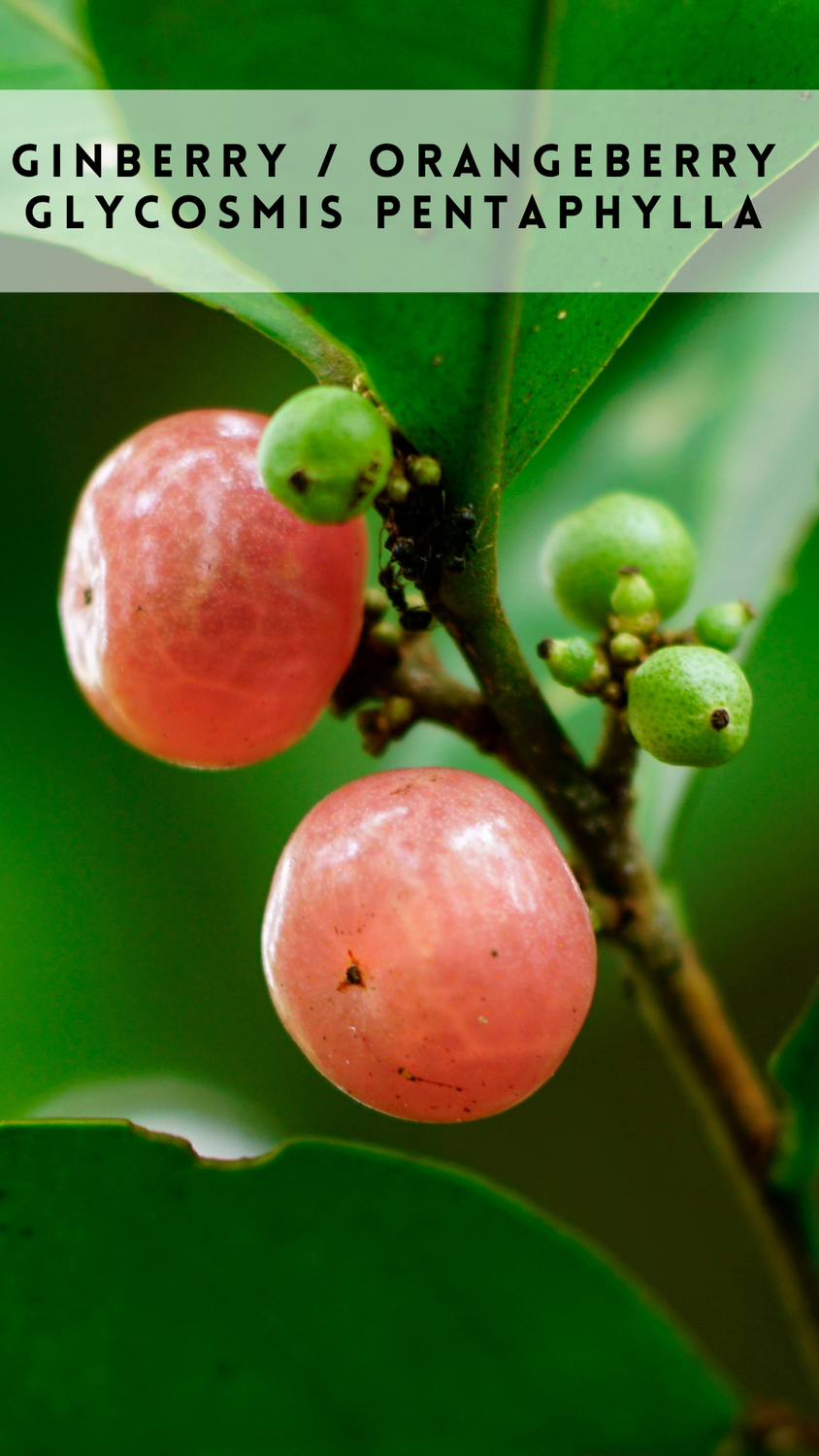
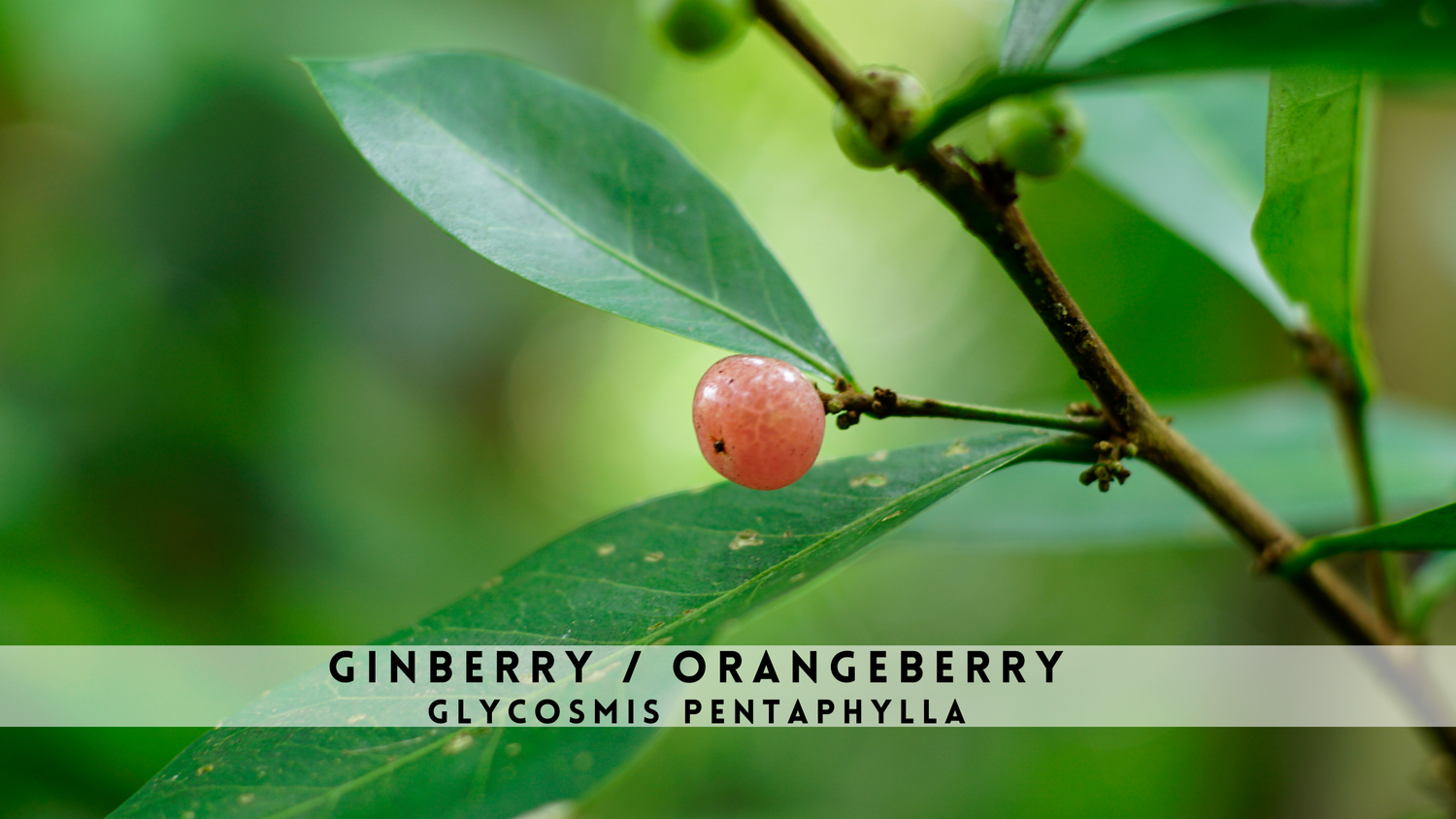
🌿 Gin Berry (Orangeberry) – Sweet Citrus-Family Rarity with a Botanical Twist 🍒
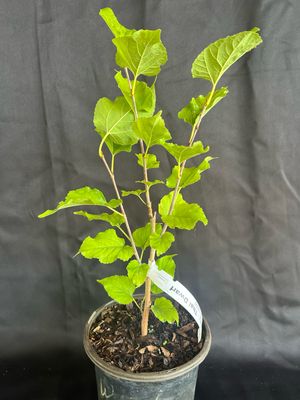
Glycosmis pentaphylla – The Hidden Gem of the Citrus World
If you’ve never tasted a fruit that hints at citrus, sweetness, and a whisper of botanical “gin” complexity… you’re in for something special.
The Gin Berry is one of those rare plants that instantly sparks curiosity—and then keeps delivering. With translucent pink fruits, fragrant foliage, and nearly year-round production in warm climates, this under-the-radar species is quickly becoming a collector’s favorite across Florida and beyond.
🌿 Quick Facts
| Feature | Details |
|---|---|
| Botanical Name | Glycosmis pentaphylla |
| Common Names | Gin Berry, Orangeberry, Gin Fruit |
| Plant Type | Evergreen tropical/subtropical shrub or small tree |
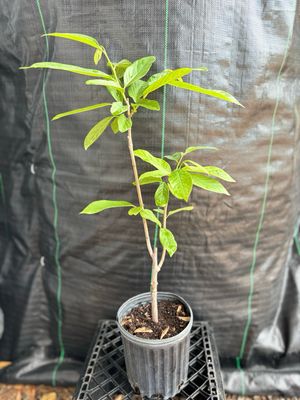
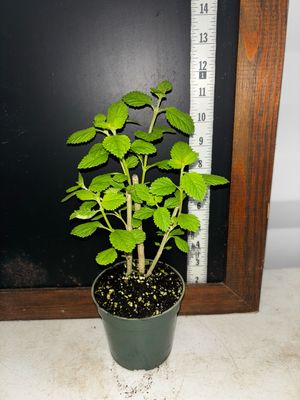
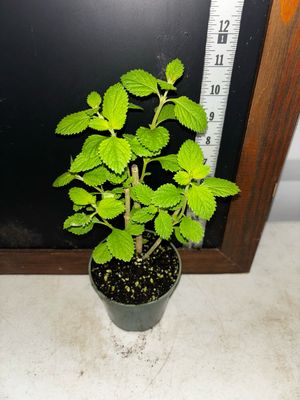
| Sale Size | Typically 4” or 1-Gallon container |
| Estimated Age | ~4–8 months (4”), ~8–14 months (1G) |
| Mature Height | 8–12 ft unpruned • 4–8 ft maintained |
| USDA Zones | 9B–11 (best in 10–11) |
| Sun Requirements | Full sun to partial shade |
| Cold Hardiness | ~28–32°F (damage below freezing) |
| Growth Habit | Dense, bushy, multi-branching shrub |
| Spacing | 6–8 ft apart |
💡 Member of the Rutaceae (citrus) family—related to oranges, limes, and curry leaf
🍒 Fruit Profile – Flavor, Texture & Harvest
🍬 What Does Gin Berry Taste Like?
- Flavor: Sweet with subtle citrus + herbal/gin-like finish
- Texture: Soft, juicy, almost melt-in-your-mouth
- Skin: Thin, translucent pink to light red
- Size: Pea-sized berries in clusters
🍈 Fruiting Habits
- Florida: Nearly year-round production
- Other regions: Seasonal (spring–fall)
- Yield: Heavy cluster producer once established
- Pollination: Self-fertile; benefits from pollinators 🐝
🍃 Fruits often ripen unevenly—harvest selectively for best flavor
🌱 Top Benefits & Uses
Culinary Uses
- Fresh eating straight off the tree (fan favorite)
- Fruit salads & garnish
- Infused beverages (cocktails, mocktails, teas)
- Light preserves or syrups
🍹 Signature Use (Fan Favorite)
Gin Berry Infusion:
- Lightly crush ripe berries
- Add to sparkling water or herbal tea
- Optional: pair with citrus peel or mint👉 Creates a naturally aromatic, botanical drink
🌿 Cultural & Traditional Uses
- Native to India, Southeast Asia, and Northern Australia
- Traditionally used in herbal systems (Ayurveda & folk medicine)
- Leaves and roots historically used for:
- Digestive support
- Anti-inflammatory applications
- Mild antimicrobial uses
🧠 The “gin-like” name comes from the fruit’s subtle juniper-style aromatic compounds
🌸 Ornamental Appeal
- Glossy, deep green foliage 🌿
- Fragrant white flowers 🌼
- Translucent pink fruit clusters 🍒
- Naturally compact, elegant form
Perfect for:
- Edible landscapes
- Courtyards & patios
- Hedge or privacy planting
- Tropical collector gardens
🌳 Growth Habits & Seasonal Behavior
- Evergreen in warm climates (no dormancy)
- Continuous flowering + fruiting cycles
- Flushes new growth throughout the year
- Slows growth in cooler months (Dec–Feb in FL)
🍃 Minor leaf drop may occur in winter—completely normal
Best Practices for Planting & Care
📍 Where to Plant Gin Berry (Glycosmis pentaphylla)
- Full sun = best fruit production 🌞
- Tolerates partial shade (reduced yield)
- Prefers:
- Well-draining soil
- Slightly acidic to neutral pH
- Moderate wind tolerance
- Low salt tolerance (avoid coastal exposure)
🌱 Planting Method (High & Tight)
- Dig hole same depth, slightly wider than container
- Set plant slightly above grade
- Pack soil firmly around root ball
- Top dress with:
- Compost
- Biochar
- Mineral blend
🎥 Watch our planting method:
https://youtu.be/RRQFY30qdA8?si=rRIcsbLlVAVYotfI
💧 Watering Guide
In Container:
- Daily watering in warm months ☀️
- Ensure excellent drainage
In Ground:
- Daily first 2–4 weeks
- Then 2–3x per week
- Adjust based on rainfall
💦 Keep soil moist—not soggy
🌾 Soil Recommendations
- Well-draining mix:
- Compost-rich base
- Pine bark fines or coarse sand
- Optional: coco coir for moisture balance
✂️ Pruning
- Light shaping encourages bushiness
- Remove dead/dense interior branches
- Can be trained as hedge or small tree
❄️ Winter Care (Florida & Beyond)
- Protect below 32°F ❄️
- Use frost cloth or move containers indoors
- Mulch heavily around base 🪵
🪴 Container & Indoor Growing
✔ Excellent container plant
Pot Progression:
- 4” → 1 gallon → 3 gallon → 7 gallon+
Tips:
- Transplant only after 30 days or new growth
- Choose pots with strong drainage
- Place:
- Outdoors: full sun
- Indoors: brightest window possible
🪴 Indoors requires airflow + humidity support
⚠️ Cautions
- Sensitive to frost ❄️
- Poor drainage = root rot risk 💦
- Not salt tolerant 🌊
- Small fruit may attract birds 🐦
🌿 Companion Planting & Guild Ideas
Build a thriving ecosystem:
Nitrogen Fixers:
- Pigeon Pea
- Sunn Hemp
Pollinator Boosters:
- Mexican Sunflower 🌼
- Salvia
Dynamic Accumulators:
- Comfrey
- Turmeric & Ginger
Chop & Drop Biomass:
- Lemongrass
- Clumping grasses
🔍 Troubleshooting Guide
| ⚠️ Issue | 🧠 Cause | 🌿 Solution |
|---|---|---|
| 🍂 Yellow leaves | 💦 Overwatering | Improve drainage, reduce watering |
| 🫣 Leaf curl | 💧 Underwatering / heat | Increase watering frequency |
| ❄️ Cold damage | 🌬️ Frost exposure | Cover or move indoors |
| 🐛 Chewed leaves | Insects | Neem oil + beneficial insects |
| 🍃 Slow fruiting | ☁️ Low light | Increase sun exposure |
❓ FAQ
Does Gin Berry fruit quickly?
Yes—often within 1–2 years in good conditions.
Can I grow this in a container long-term?
Absolutely. It performs very well in containers with proper pruning.
Is it related to citrus?
Yes! It’s part of the Rutaceae family, making it a distant citrus relative.
Does it need a pollinator?
No, but pollinators improve fruit set.
Is it beginner-friendly?
Yes—with proper drainage and warmth.
🌟 Is This Plant Right for You?
✅ Ideal For:
- Florida & subtropical growers
- Container gardeners
- Rare fruit collectors
- Edible landscape designers
❌ Not Ideal For:
- Cold climates without protection
- Coastal/salt-heavy environments
- Poor drainage soils
🚚 Shipping & Handling
- Ships via UPS Ground (Mondays only)
- Best suited for:
- Florida
- Southeast US
- Texas
⚠️ Buyer assumes risk for:
- Northern & Western states
- Heat/cold transit stress
- California inspection delays
💡 Small plants (4”) dry faster—consider larger sizes for long-distance shipping
🏡 Local Pickup Available
GreenDreams Nursery & Farm
📍 18709 US Hwy. 41, Spring Hill, FL 34610
🕘 Tues–Fri 9–5 | Sat 8–3
🌿 Explore rare plants, larger sizes & in-person selection!
🌿 Beyond the Plant: GreenDreams Services
We don’t just sell plants—we build ecosystems 🌎
- 🌳 Edible landscape design
- 🚜 Installation services
- 🚚 Soil, mulch & biochar delivery
- 🌾 Large-scale regenerative planning
👉 Let’s build your food forest—starting with Gin Berry 🌿
🌿 IMPORTANT INFORMATION BEFORE PURCHASING LIVE PLANTS
Please note: Plants purchased through our online store are not available for pickup at our retail nursery in Spring Hill, Florida.
Online inventory is housed at a separate facility and is priced, prepared, and handled exclusively for shipping.
🌱 Looking for larger plants or more selection?
Our retail nursery location offers far more availability, including larger sizes, specialty plants, and many selections not suitable for nationwide shipping.
Local pickup is available for retail nursery purchases only.
Visit our Spring Hill, FL retail nursery page to explore in-person shopping options.
🚚 LIVE PLANT SHIPPING & TRANSIT EXPECTATIONS
Live plants naturally experience stress during shipping. Temporary leaf drop, mild wilting, or cosmetic stress is normal after transit. Most plants recover quickly with proper watering, gradual light exposure, and basic aftercare. Some plants may require additional attention during the first few weeks.
Despite careful packing, minor cosmetic damage may occur during transit. Small issues such as broken leaves or stems typically resolve with time and proper care.
If your shipping box arrives with significant external damage, please contact UPS within 30 days to initiate a carrier claim.
⏱️ SHIPPING METHOD, TIMING & TRANSIT WINDOWS
All online orders ship via UPS Ground from our Central Florida nursery.
📦 Shipping Schedule: Orders ship once weekly on Mondays to reduce the risk of packages sitting in transit over weekends. A countdown clock on our website displays the next shipping date.
🚚 Typical Transit Times:
-
Florida: 1–2 days
-
Southern U.S.: approximately 2 days
-
Midwest, West & Northern U.S.: 3–5 business days
Long-distance shipments, particularly to the western U.S., may experience additional transit time due to agricultural inspections in states such as Arizona, California, and Texas.
Extended transit times can be more challenging for small or tender plants and may require additional recovery care after arrival.
🌡️ EXTREME WEATHER & SEASONAL RISK
Live plants are sensitive to temperature extremes.
We cannot guarantee plant condition during periods of extreme summer heat or winter cold and freezing temperatures. Weather-related delays, carrier interruptions, or exposure during delivery are beyond our control.
Customers are responsible for:
-
Monitoring tracking information sent via email
-
Retrieving packages promptly upon delivery
-
Preventing plants from being left outdoors in extreme conditions
During unsafe weather, holiday shipping volume, or extended transit risk, orders may be held and shipped the following week to protect plant health.
⚠️ CUSTOMER RESPONSIBILITY & REFUND POLICY
By purchasing live plants, customers acknowledge and accept the risks associated with shipping, weather exposure, transit delays, and regional suitability.
Refunds or replacements are considered only under exceptional circumstances and in accordance with our return and refund policy. We are not responsible for:
-
Weather-related damage
-
Carrier delays
-
Poor plant selection for a given climate or region
-
Improper care after delivery
Upon purchase, customers assume full responsibility for the ongoing care and success of their plants.
✅ CONSENT & AGREEMENT
By completing a purchase, you confirm that you have read, understand, and agree to all shipping policies, responsibilities, and conditions outlined above.
Our goal is transparency, plant health, and long-term growing success — and we appreciate your understanding and care when ordering live plants.


