


🌺 Coral Honeysuckle Vine — Native Hummingbird Magnet for Trellises & Fences 🌿
(Lonicera sempervirens)
Imagine stepping outside to a living curtain of coral-red blossoms while hummingbirds dart between the flowers. Coral Honeysuckle is one of North America’s most beloved native vines — elegant, resilient, and bursting with nectar that fuels pollinators all season long.
Unlike many invasive honeysuckles, Lonicera sempervirens is a well-behaved native climber that adds vertical beauty to gardens while supporting wildlife. If you’re building a pollinator garden, ecological landscape, or simply want a spectacular flowering vine — this plant earns its place fast.
🌿 Quick Facts Guide
| Feature | Details |
|---|---|
| Botanical Name | Lonicera sempervirens |
| Common Name | Coral Honeysuckle / Trumpet Honeysuckle |
| Plant Type | Native flowering vine |
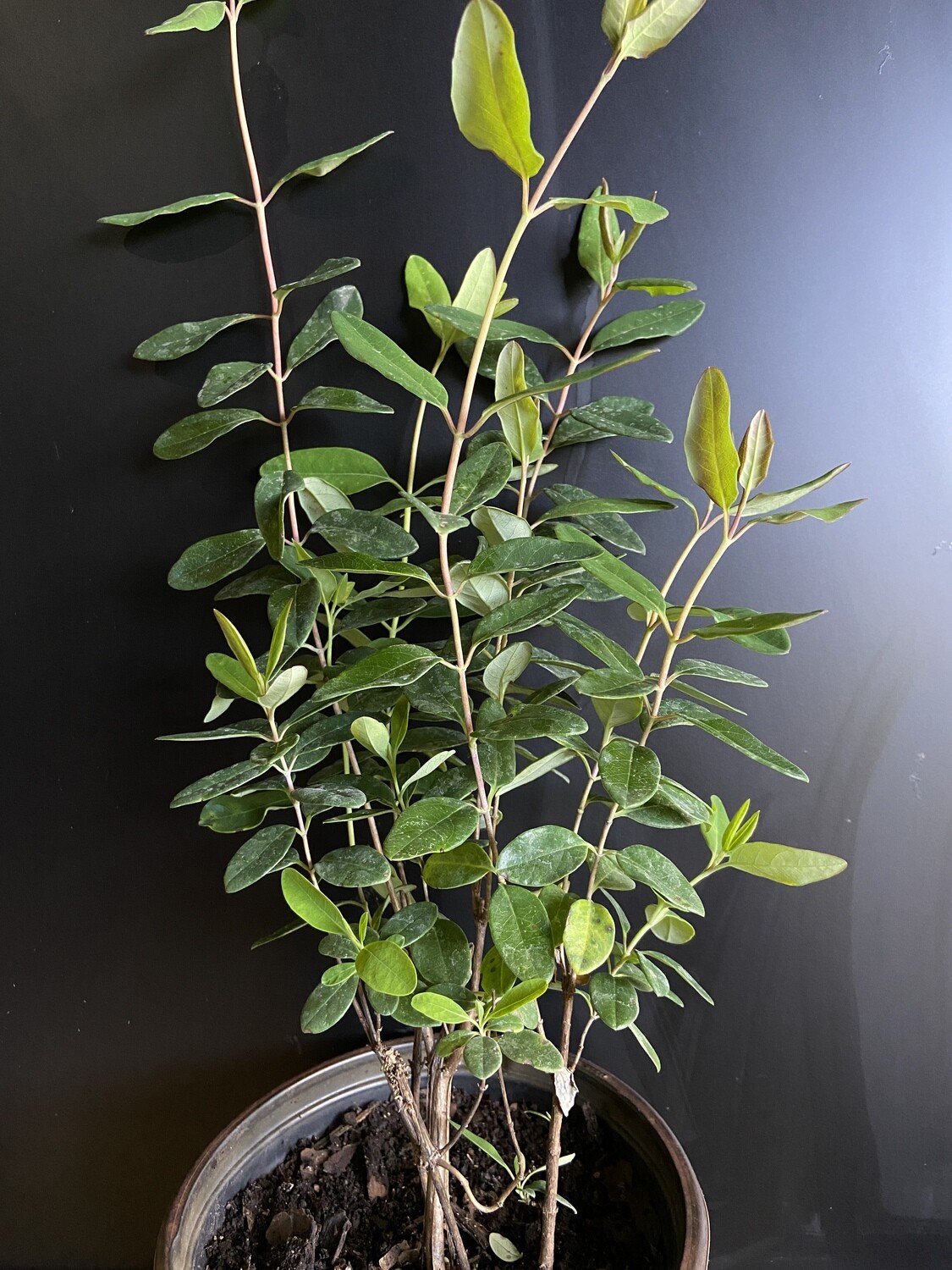
| Size at Sale | 1-gallon container |
| Estimated Age | ~8–14 months old depending on growth cycle |
| Mature Height | 8–12 ft vine (can reach 15 ft with support) |
| Width / Spread | 3–6 ft |
| USDA Zones | 4–9 (sometimes hardy to zone 10) |
| Cold Hardiness | Down to approx. -20°F once established |
| Sun Requirements | Full sun to partial shade |
| Growth Rate | Moderate to fast |
| Spacing | 4–6 ft apart |
| Growth Habit | Twining vine — climbs trellises, fences, arbors |
🌺 Flower Details & Pollinator Value
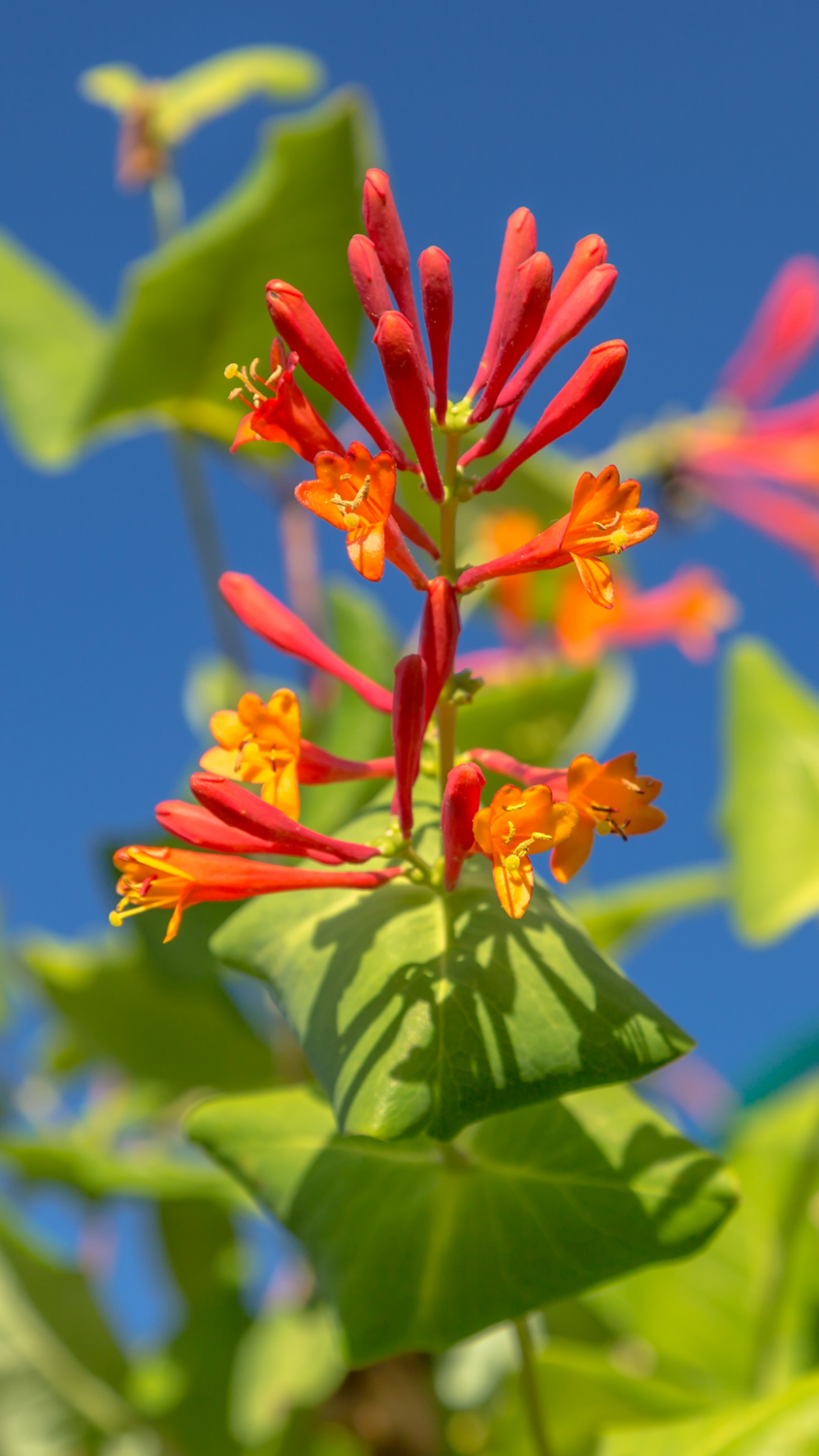
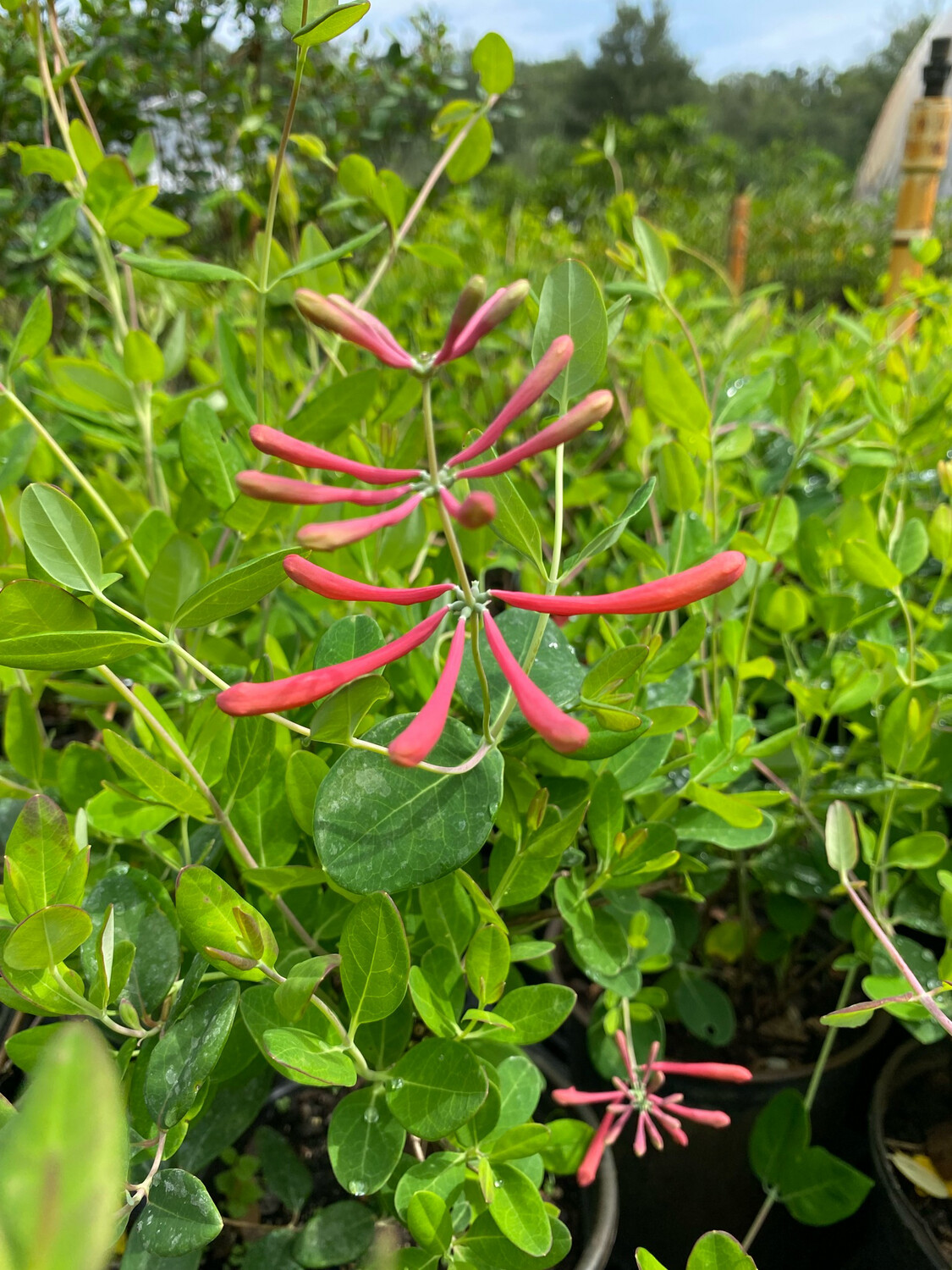
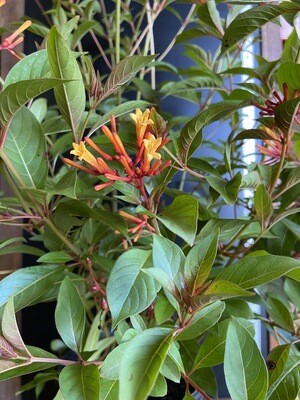
Coral Honeysuckle is famous for its tubular coral-red flowers tipped with yellow interiors — perfectly shaped for hummingbirds.
Bloom Characteristics
- 🌸 Flower Color: coral red with golden interior
- 🌸 Flower Shape: long tubular trumpets
- 🌸 Bloom Season: spring through summer, often into fall in Florida
- 🌸 Fragrance: mild to lightly sweet
- 🌸 Pollinators: hummingbirds, bees, butterflies
After flowering, the vine produces small bright red berries that are eaten by birds.
Origin Story & Natural Habitat
Coral Honeysuckle is native to the eastern United States, growing naturally from Texas and Florida up through the Midwest and Eastern seaboard.
The name sempervirens means “evergreen” or “always green” in Latin, referring to its semi-evergreen nature in warmer climates.
Unlike Asian honeysuckle species introduced to North America (many of which became invasive), this native species evolved with local ecosystems and supports wildlife while remaining garden-friendly.
Because of its ecological value, it has become a staple plant in:
- native landscapes
- pollinator gardens
- wildlife restoration plantings
🌿 Top Benefits of Growing Coral Honeysuckle
🐝 Pollinator Superfood
One of the best hummingbird plants in North America.
🌿 Native & Non-Invasive
Safe ecological alternative to invasive honeysuckles.
🌸 Long Bloom Season
Flowers for months instead of weeks.
🏡 Perfect Vertical Accent
Transforms fences, trellises, pergolas, and arbors.
🦋 Wildlife Support
Feeds hummingbirds, butterflies, and birds.
🌬️ Hardy & Adaptable
Handles heat, drought, and a variety of soils.
Traditional & Cultural Uses
Although primarily ornamental today, Coral Honeysuckle historically had several uses.
Medicinal Folk Uses
Some Native American tribes brewed teas from the leaves for:
- sore throat remedies
- coughs
- mild infections
The sweet nectar of the flowers was occasionally used to soothe throat irritation.
Cultural Symbolism
In folklore the plant symbolized:
- affection
- devotion
- protection
Some tribes placed honeysuckle vines near entrances as protective plants.
🌸 Ornamental Landscape Uses
Coral Honeysuckle is one of the most versatile flowering vines in the landscape.
Ideal for:
- trellises
- fences
- pergolas
- arbors
- mailbox plantings
- pollinator gardens
- cottage gardens
- wildlife habitats
Its soft blue-green leaves and clusters of coral blooms create a beautiful natural curtain.
🌿 Seasonal Growth Habits (Florida & Similar Climates)
Coral Honeysuckle behaves differently depending on climate.
Spring
🌱 New growth emerges rapidly and flowering begins.
Summer
🌸 Peak bloom season — hummingbirds arrive.
Fall
🍂 Some leaves may yellow slightly before new growth.
Winter
🌿 In warm climates (Florida) it is semi-evergreen.
In colder climates it becomes deciduous and drops leaves.
🪴 Can Coral Honeysuckle Be Grown in Containers?
Yes — and it performs very well in large containers.
Recommended container size
- Start: 1 gallon (as shipped)
- Up-pot to: 7–15 gallon container
Provide:
- trellis or support
- full sun exposure
- well-draining soil mix
Great for:
- patios
- balconies
- small gardens
🌞 Sun, Wind & Salt Tolerance
| Condition | Tolerance |
|---|---|
| 🌞 Full Sun | Best flowering |
| 🌤 Partial Shade | Acceptable |
| 🌬 Wind | Moderate tolerance |
| 🌊 Salt | Light coastal tolerance |
🌱 Best Practices for Planting and Care
Where to Plant Coral Honeysuckle
Choose a location with:
- 6+ hours of sunlight
- well-drained soil
- climbing support such as a trellis or fence
Planting Method (GreenDreams “High & Tight”)
When planting Coral Honeysuckle (Lonicera sempervirens):
- Dig a hole slightly wider than the container but no deeper.
- Position plant slightly elevated above surrounding soil level.
- Backfill with native soil mixed with compost.
- Pack soil firmly without burying the crown.
Learn our planting method here:
https://youtu.be/RRQFY30qdA8?si=rRIcsbLlVAVYotfI
Mulching
Add:
- hardwood mulch
- leaf mulch
- wood chips
Keep mulch 2–3 inches away from the stem.
💧 Watering Guide
Container Plants
- Water daily during warm months
- Ensure drainage
In-Ground Plants
- Water 2–3 times weekly while establishing
- Mature plants become moderately drought tolerant
Always prefer drip irrigation over overhead watering.
Pruning
Prune after flowering to shape the vine.
Recommended pruning methods:
- remove dead wood
- thin interior growth
- guide vine along supports
Heavy pruning is rarely necessary.
🌿 Fertilizing
Coral Honeysuckle thrives with organic soil fertility.
Suggested organic inputs:
- compost
- worm castings
- biochar
- azomite minerals
Apply fertilizer lightly in early spring.
🌿 Companion Plants (Guild Ideas)
Plants that pair beautifully with Coral Honeysuckle:
Pollinator plants:
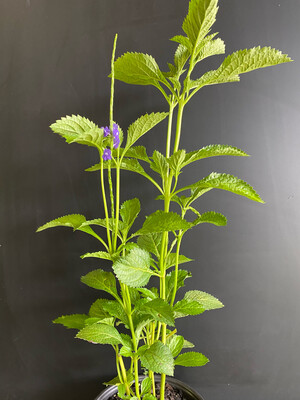
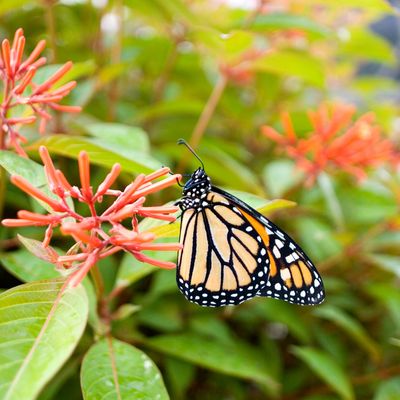
- Firebush
- Scarlet Sage
- Beautyberry
Nitrogen fixers:
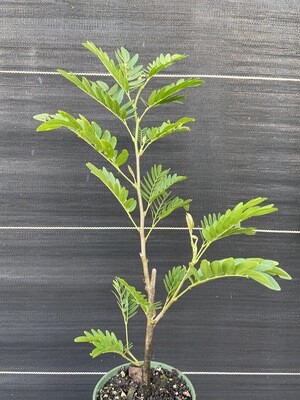
- Pigeon Pea
- Sunn Hemp
Biomass plants:
- Mexican Sunflower
- Comfrey
🔍 Troubleshooting Guide
| ⚠️ Issue | 🧠 Cause | 🌿 Solution |
|---|---|---|
| 🍂 Yellow leaves | 💦 Overwatering | Improve drainage |
| 🫣 Leaf curl | 🌞 Heat stress | Provide mulch |
| 🐛 Chewed leaves | Caterpillars | Encourage beneficial insects |
| 🌬️ Wind damage | Exposed location | Provide trellis protection |
| 🌸 Few flowers | Too much shade | Move to sunnier location |
⚠️ Cautions
- Berries are not recommended for human consumption
- May cause mild digestive upset if eaten in quantity
- Avoid confusing with invasive honeysuckle species
🌿 Is This Plant Right For You?
✅ Ideal For
- Pollinator gardeners
- Native plant enthusiasts
- Trellis or arbor landscapes
- Hummingbird lovers
❌ Not Ideal For
- Indoor plant collections
- Very small gardens without vertical space
Shipping & Handling
Our 4” and 1-gallon plants ship best to Florida, the Southeastern U.S., and Texas.
We do ship nationwide, however:
- Northern & western shipments may experience longer transit times
- Plants may require additional recovery after arrival
Shipping Schedule
- 📦 Ships every Monday
- 🚚 UPS Ground from Florida
Extreme heat or cold during transit is buyer discretion.
Allow 30 days recovery before transplanting or until new growth appears.
Local Pickup
We also carry larger sizes at our retail nursery.
GreenDreams Nursery & Farm
🌾 18709 US Hwy. 41, Spring Hill, FL 34610
🕘 Tues–Fri 9AM–5PM
🌞 Sat 8AM–3PM
🌿 Stop by and see what’s blooming!
🌿 Beyond the Plant: GreenDreams Services
At GreenDreams we do more than grow plants — we design regenerative ecosystems.
Services include:
- 🌳 Edible landscape design
- 🚜 Installation services
- 🚚 Compost, mulch & soil delivery
- 🌾 Regenerative farm solutions
Let our team help you create your own thriving ecosystem.
🌿 IMPORTANT INFORMATION BEFORE PURCHASING LIVE PLANTS
Please note: Plants purchased through our online store are not available for pickup at our retail nursery in Spring Hill, Florida.
Online inventory is housed at a separate facility and is priced, prepared, and handled exclusively for shipping.
🌱 Looking for larger plants or more selection?
Our retail nursery location offers far more availability, including larger sizes, specialty plants, and many selections not suitable for nationwide shipping.
Local pickup is available for retail nursery purchases only.
Visit our Spring Hill, FL retail nursery page to explore in-person shopping options.
🚚 LIVE PLANT SHIPPING & TRANSIT EXPECTATIONS
Live plants naturally experience stress during shipping. Temporary leaf drop, mild wilting, or cosmetic stress is normal after transit. Most plants recover quickly with proper watering, gradual light exposure, and basic aftercare. Some plants may require additional attention during the first few weeks.
Despite careful packing, minor cosmetic damage may occur during transit. Small issues such as broken leaves or stems typically resolve with time and proper care.
If your shipping box arrives with significant external damage, please contact UPS within 30 days to initiate a carrier claim.
⏱️ SHIPPING METHOD, TIMING & TRANSIT WINDOWS
All online orders ship via UPS Ground from our Central Florida nursery.
📦 Shipping Schedule: Orders ship once weekly on Mondays to reduce the risk of packages sitting in transit over weekends. A countdown clock on our website displays the next shipping date.
🚚 Typical Transit Times:
-
Florida: 1–2 days
-
Southern U.S.: approximately 2 days
-
Midwest, West & Northern U.S.: 3–5 business days
Long-distance shipments, particularly to the western U.S., may experience additional transit time due to agricultural inspections in states such as Arizona, California, and Texas.
Extended transit times can be more challenging for small or tender plants and may require additional recovery care after arrival.
🌡️ EXTREME WEATHER & SEASONAL RISK
Live plants are sensitive to temperature extremes.
We cannot guarantee plant condition during periods of extreme summer heat or winter cold and freezing temperatures. Weather-related delays, carrier interruptions, or exposure during delivery are beyond our control.
Customers are responsible for:
-
Monitoring tracking information sent via email
-
Retrieving packages promptly upon delivery
-
Preventing plants from being left outdoors in extreme conditions
During unsafe weather, holiday shipping volume, or extended transit risk, orders may be held and shipped the following week to protect plant health.
⚠️ CUSTOMER RESPONSIBILITY & REFUND POLICY
By purchasing live plants, customers acknowledge and accept the risks associated with shipping, weather exposure, transit delays, and regional suitability.
Refunds or replacements are considered only under exceptional circumstances and in accordance with our return and refund policy. We are not responsible for:
-
Weather-related damage
-
Carrier delays
-
Poor plant selection for a given climate or region
-
Improper care after delivery
Upon purchase, customers assume full responsibility for the ongoing care and success of their plants.
✅ CONSENT & AGREEMENT
By completing a purchase, you confirm that you have read, understand, and agree to all shipping policies, responsibilities, and conditions outlined above.
Our goal is transparency, plant health, and long-term growing success — and we appreciate your understanding and care when ordering live plants.


