


🔥 Coral Bean Seeds (Erythrina herbacea) – Wild Beauty That Feeds the Land 🌿
If you’re looking for a plant that’s as functional as it is striking, Coral Bean (Erythrina herbacea) deserves a spot in your landscape. This resilient native legume does far more than add a splash of color — it actively enriches the soil, supports pollinators, and thrives in tough conditions where many ornamentals fail.
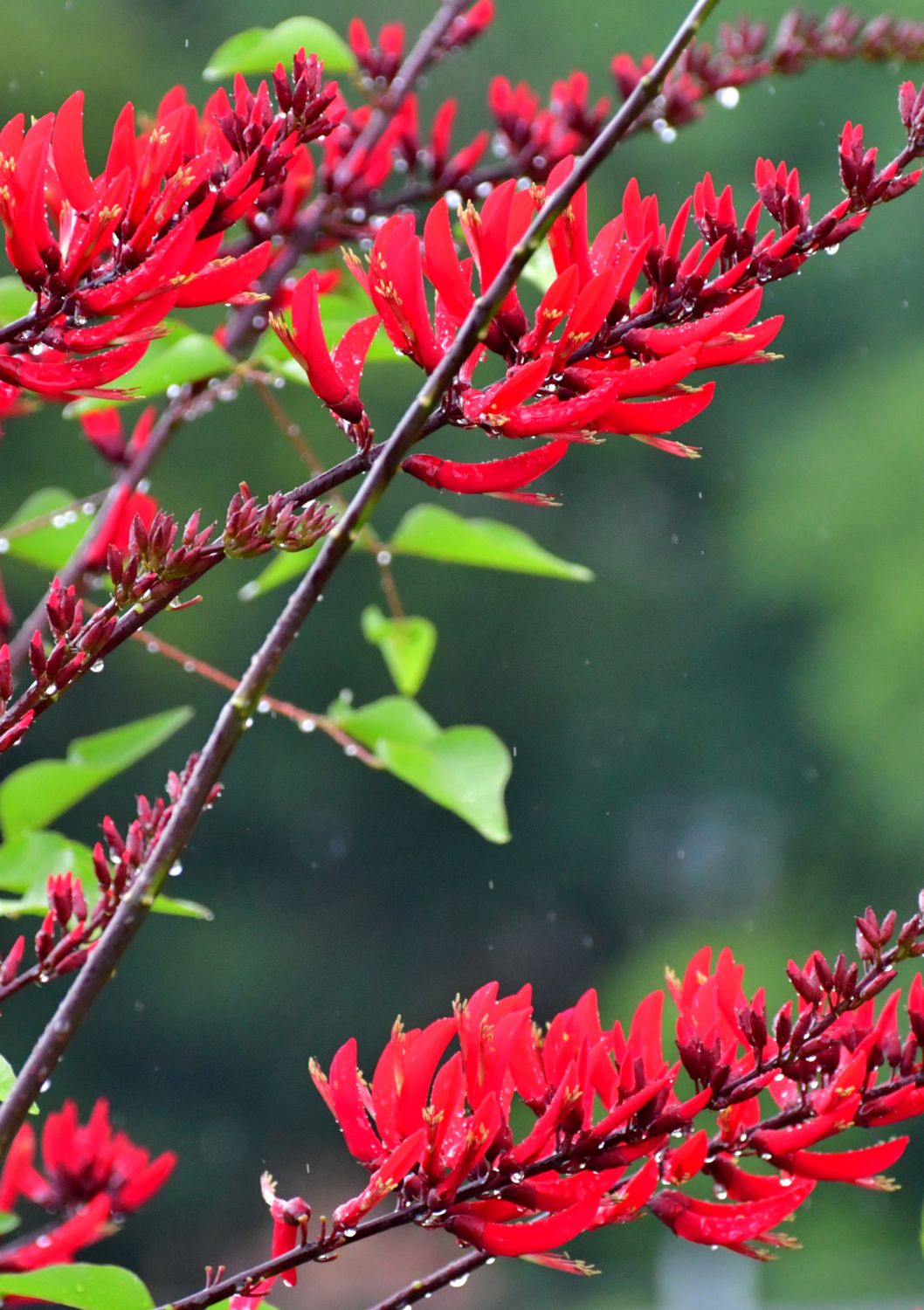
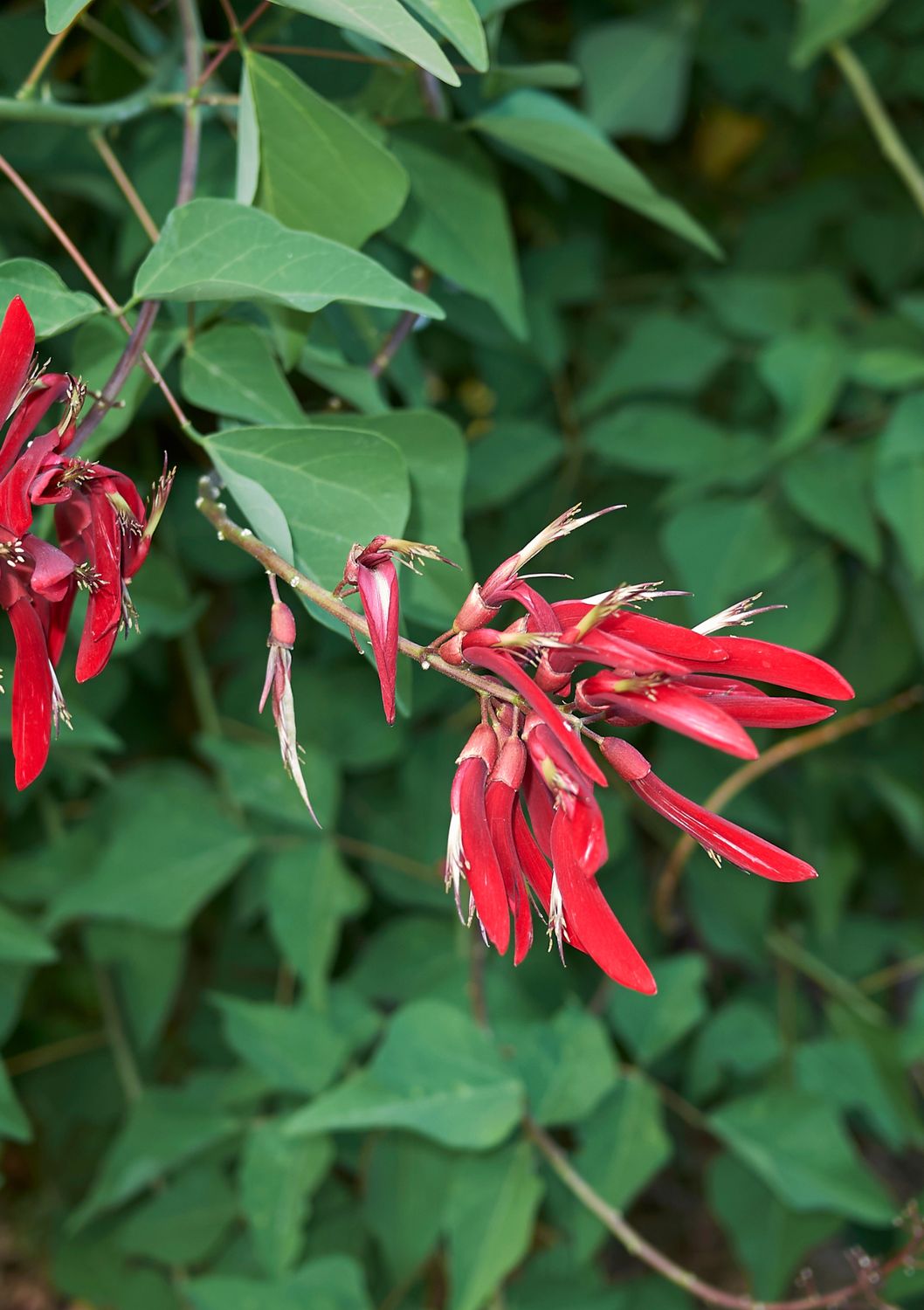
Known by many names — Cherokee Bean, Red Cardinal, or simply Coral Bean — this Florida native perennial brings bold clusters of scarlet flowers in early spring, often before its leaves emerge, drawing hummingbirds and butterflies from near and far. As a nitrogen-fixing plant, it partners with beneficial soil bacteria to capture atmospheric nitrogen and return it to the ground, naturally fertilizing the soil for nearby fruit trees and perennials.
Once established, Coral Bean is remarkably drought-tolerant, low-maintenance, and root-hardy even after frost — making it ideal for Florida and the southeastern U.S. Whether you’re building a food forest, native habitat, or pollinator corridor, this species adds ecological value and visual interest in equal measure.
🌿 Quick Facts
| Category | Details |
|---|---|
| Botanical Name | Erythrina herbacea |
| Common Names | Coral Bean, Cherokee Bean, Red Cardinal |
| Plant Type | Deciduous shrub / herbaceous perennial; nitrogen-fixing legume |
| Sale Size | Seeds |
| Mature Height & Width | 4–6 ft tall (up to 12 ft in tropics) × 3–5 ft wide |
| USDA Zones | 7 – 10 (root hardy to ≈ 10–15 °F) |
| Sun Requirements | Full sun to part shade |
| Growth Habit | Multi-stemmed, upright, spreading shrub |
| Soil & Drainage | Prefers sandy / loamy, well-drained soils |
| Spacing | 3 – 5 ft apart |
| Ecological Role | Nitrogen fixer – improves soil fertility |
🌸 Bloom & Seed Show
- Bloom Season: Late winter → early spring (before leaves flush)
- Flowers: Upright scarlet spires 8–12″ long; irresistible to hummingbirds
- Pollinators: Hummingbirds, butterflies & native bees
- Seed Pods: Glossy black pods to 8½″ with bright red seeds
- ⚠️ Warning: Seeds are toxic if eaten — ornamental & ecological use only
🌱 Why Grow Coral Bean?
🌺 1. A Pollinator Magnet
Hummingbirds dive for its nectar every spring, while butterflies and bees feast on its early blooms.
🌾 2. A Soil-Builder
As a nitrogen-fixing legume, Coral Bean forms symbiotic nodules that enrich the soil — reducing your need for fertilizers and feeding surrounding fruit trees.
🪶 3. A Florida Native with Purpose
Thrives in sandy, coastal, and dry upland soils where other ornamentals fail.
🕊 4. A Living Story
Cherokee Bean is steeped in Indigenous history — valued by the Cherokee, Creek, and Chickasaw as a healing and ceremonial plant.
🔥 5. A Survivor
Root-hardy to ~10 °F, drought-tolerant once established, and quick to re-sprout after frost.
A Glimpse into History
The Coral Bean’s striking red seeds and flame-like flowers earned it a place in countless Native American stories.
- Medicinal Heritage: Tribal healers once prepared roots and bark in tiny, measured doses for fevers, digestive troubles, and colds.
- Ceremonial Symbolism: Seeds were strung into necklaces or charms for protection and used in rituals of renewal.
- Practical History: In early America and Mexico, its alkaloid-rich seeds served as fish poison and rodent deterrents.
⚠️ For historical reference only — Coral Bean is not safe for internal use.
🌼 Landscape & Container Uses
- Visual Appeal: Dark-green trifoliate leaves emerge after flowering, followed by red seed pods that linger through summer.
- Design Function: Perfect accent for native gardens, pollinator borders, or permaculture guilds as a support species.
- Containers: Grows beautifully in large outdoor pots. Cut back stems after frost and protect roots with mulch.
- Not Indoor-Friendly: Needs strong sunlight and free airflow.
🌿 Best Practices for Planting & Care
🌞 Where to Plant
- Choose full sun for the strongest flowering; part shade tolerated.
- Prefers sandy / loamy, well-drained soil — excellent for Florida’s coastal or upland landscapes.
🌱 Starting from Seed
- Scarify seeds lightly with sandpaper.
- Soak overnight in warm water.
- Sow ½–1″ deep in trays or direct in ground once soil > 70 °F.
- Germination in 2–4 weeks.
🌿 Transplanting (From Container)
- Dig a hole only slightly wider than the rootball, same depth.
- Backfill with compost + native soil.
- Top-dress with biochar, compost, and azomite for long-term nutrition.
- Water thoroughly, keeping soil moist but not soggy.
- Follow our “High & Tight” method → GreenDreams YouTube Video
💧 Watering Schedule
- Daily until established (2–3 weeks).
- Weekly through the first year.
- Minimal watering once roots mature – highly drought tolerant.
🍂 Seasonal Maintenance
- Zones 7–8: Dies back in winter → rebounds each spring.
- Zones 9–10: May stay semi-evergreen.
- Pruning: Cut back dead wood after frost or flowering.
- Mulch: Maintain 2–3″ hardwood mulch, keeping a few inches off the stems.
⚠️ Cautions
- Toxic Seeds: Keep away from children & pets.
- Brittle Stems: Prune to prevent wind breakage.
- Not for foraging use.
🌟 Is This Plant Right for You?
✅ Ideal For:
- Native-plant enthusiasts & pollinator gardeners
- Food-forest builders (needs nitrogen fixers!)
- Sandy / coastal landscapes
- Hummingbird and butterfly habitats
❌ Not Ideal For:
- Families with small children or curious pets
- Heavy clay or poorly drained yards
- Zones below 7 without protection
🔍 Troubleshooting Guide (Using GreenDreams Emoji System )
| ⚠️ Issue | 🧠 Cause | 🌿 Solution |
|---|---|---|
| 🍂 Leaves yellowing after flowering | 🧘 Seasonal die-back | 🌿 Normal – will resprout in spring |
| 💧 Wilting young plants | 💦 Over- or under-watering | 💡 Keep even moisture until roots establish |
| 🌬️ Broken stems after storms | 🌬️ Wind damage | 🪴 Stake young plants & prune lightly |
| 🐛 Chewed foliage | 🪲 Caterpillars or leaf beetles | ♻️ Use organic neem or BT spray |
| ❄️ Brown tips after freeze | ❄️ Frost damage | 🪵 Mulch roots & cut back after thaw |
❓ FAQ
Q: Is Coral Bean a nitrogen fixer?
A: Yes – it hosts Rhizobium bacteria that convert atmospheric nitrogen into usable plant food, naturally enriching the soil.
Q: Are the seeds edible?
A: No. Seeds contain alkaloids that are toxic to humans and animals.
Q: How do I germinate the seeds?
A: Scarify and soak overnight before sowing ½–1″ deep. Expect sprouts in 2–4 weeks.
Q: Will it survive winter in North Florida or Georgia?
A: Yes – the top dies back, but the roots survive and re-sprout each spring.
Q: Can it grow in containers?
A: Absolutely – use a large pot with well-drained soil and prune seasonally.
📦 Shipping & Handling Notes
- Best Suited For: Florida, Southeast & Texas gardens
- Nationwide Shipping: Available via UPS Ground (Mon ship days)
- ⚠️ Heat / Cold Advisory: Buyer discretion during extreme temperatures — GreenDreams not liable for weather damage in transit.
- Seeds and 4″ plants may require extra recovery time after shipping.
Local Pickup Option
📍 GreenDreams Nursery & Farm
18709 US Hwy 41, Spring Hill, FL 34610
🕘 Tues–Fri 9 AM – 5 PM | Sat 8 AM – 3 PM
🌸 Stop by to explore our native & edible collections — discover what’s blooming this week!
🌿 Beyond the Plant: GreenDreams Services
At GreenDreams, we don’t just sell plants — we design, build, and restore ecosystems across Florida.
- 🌳 On-site consultations & edible landscape design
- 🌾 Permaculture food forest installation
- 🚚 Bulk delivery of compost, mulch & biochar
- ♻️ Organic materials & wholesale programs
Let our team help you create a thriving edible oasis starting with Coral Bean Seeds (Erythrina herbacea)! 🌿
🌿 IMPORTANT INFORMATION BEFORE PURCHASING LIVE PLANTS
Please note: Plants purchased through our online store are not available for pickup at our retail nursery in Spring Hill, Florida.
Online inventory is housed at a separate facility and is priced, prepared, and handled exclusively for shipping.
🌱 Looking for larger plants or more selection?
Our retail nursery location offers far more availability, including larger sizes, specialty plants, and many selections not suitable for nationwide shipping.
Local pickup is available for retail nursery purchases only.
Visit our Spring Hill, FL retail nursery page to explore in-person shopping options.
🚚 LIVE PLANT SHIPPING & TRANSIT EXPECTATIONS
Live plants naturally experience stress during shipping. Temporary leaf drop, mild wilting, or cosmetic stress is normal after transit. Most plants recover quickly with proper watering, gradual light exposure, and basic aftercare. Some plants may require additional attention during the first few weeks.
Despite careful packing, minor cosmetic damage may occur during transit. Small issues such as broken leaves or stems typically resolve with time and proper care.
If your shipping box arrives with significant external damage, please contact UPS within 30 days to initiate a carrier claim.
⏱️ SHIPPING METHOD, TIMING & TRANSIT WINDOWS
All online orders ship via UPS Ground from our Central Florida nursery.
📦 Shipping Schedule: Orders ship once weekly on Mondays to reduce the risk of packages sitting in transit over weekends. A countdown clock on our website displays the next shipping date.
🚚 Typical Transit Times:
-
Florida: 1–2 days
-
Southern U.S.: approximately 2 days
-
Midwest, West & Northern U.S.: 3–5 business days
Long-distance shipments, particularly to the western U.S., may experience additional transit time due to agricultural inspections in states such as Arizona, California, and Texas.
Extended transit times can be more challenging for small or tender plants and may require additional recovery care after arrival.
🌡️ EXTREME WEATHER & SEASONAL RISK
Live plants are sensitive to temperature extremes.
We cannot guarantee plant condition during periods of extreme summer heat or winter cold and freezing temperatures. Weather-related delays, carrier interruptions, or exposure during delivery are beyond our control.
Customers are responsible for:
-
Monitoring tracking information sent via email
-
Retrieving packages promptly upon delivery
-
Preventing plants from being left outdoors in extreme conditions
During unsafe weather, holiday shipping volume, or extended transit risk, orders may be held and shipped the following week to protect plant health.
⚠️ CUSTOMER RESPONSIBILITY & REFUND POLICY
By purchasing live plants, customers acknowledge and accept the risks associated with shipping, weather exposure, transit delays, and regional suitability.
Refunds or replacements are considered only under exceptional circumstances and in accordance with our return and refund policy. We are not responsible for:
-
Weather-related damage
-
Carrier delays
-
Poor plant selection for a given climate or region
-
Improper care after delivery
Upon purchase, customers assume full responsibility for the ongoing care and success of their plants.
✅ CONSENT & AGREEMENT
By completing a purchase, you confirm that you have read, understand, and agree to all shipping policies, responsibilities, and conditions outlined above.
Our goal is transparency, plant health, and long-term growing success — and we appreciate your understanding and care when ordering live plants.


