


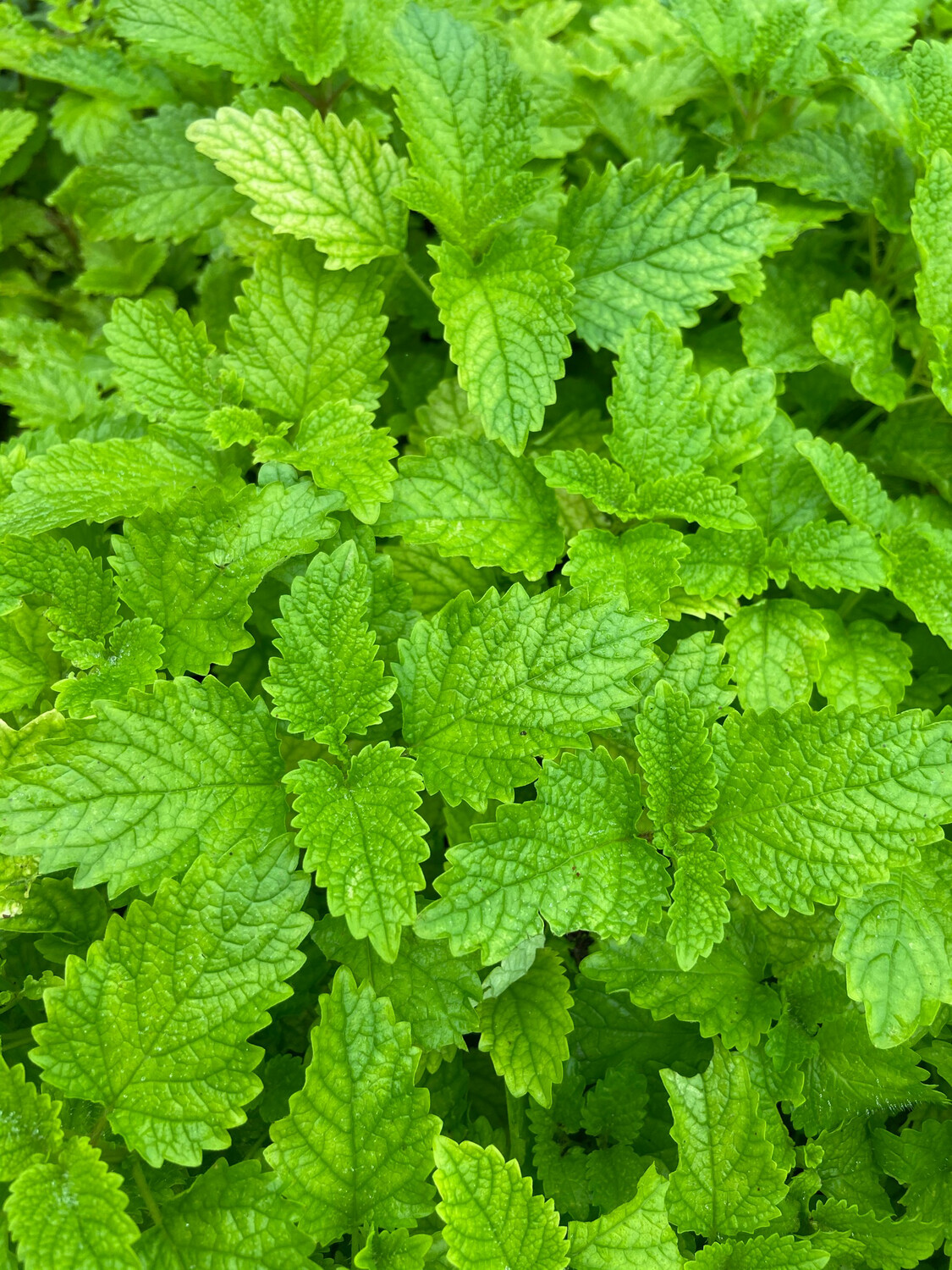
🍋 Lemon Balm (Melissa officinalis) — The Lemon-Scented Herb the Bees Already Know About 🌿
Fresh tea. Fragrant leaves. Pollinator power. One seriously useful little herb.
Brush your hand across Lemon Balm and you'll immediately understand why gardeners have grown it for centuries. Its bright green leaves release a fresh lemon-meets-mint fragrance, while the tender foliage brings citrusy flavor to teas, drinks, salads, sauces, desserts and more.
And there's a fun botanical twist behind the name: Melissa comes from the Greek word associated with the honeybee. Tiny summer flowers may not be flashy, but bees know exactly where to find them.
🌿 Lemon Balm Quick Facts
| 🌱 Feature | 🍋 Lemon Balm Details |
|---|---|
| Botanical Name | Melissa officinalis L. |
| Family | Lamiaceae — Mint Family |
| Plant Type | Aromatic herbaceous perennial |
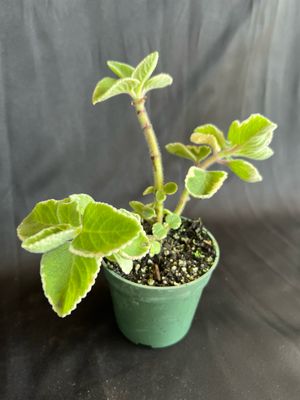
| Sale Size | 4-inch nursery pot |
| Estimated Age | Young starter plant; exact age varies by production cycle |
| Mature Height | Typically 24–36 inches |
| Mature Width | Approximately 18–36 inches |
| Maintained Size | Easily kept around 12–24 inches with regular harvesting/pruning |
| USDA Zones | Commonly listed for Zones 4–9 |
| Florida Performance | Grows readily in Florida; afternoon shade can be useful in hot exposed sites |
| Light | Full sun to partial shade |
| Soil | Moist but well-drained; adaptable to clay, sand and loam |
| Water | Moderate; more frequent in containers and Florida heat |
| Growth Habit | Bushy, clumping/spreading, rhizomatous |
| Growth Rate | Fast under favorable conditions |
| Spacing | Approximately 18–36 inches, depending on desired density |
| Cold Behavior | Herbaceous/deciduous perennial; top growth may die back with winter cold |
| Wind Tolerance | Moderate; tender stems perform better away from harsh, drying wind |
| Salt Tolerance | Low to moderate |
| Pollinator Value | Excellent; flowers attract bees and other pollinators |
| Edible Parts | Primarily leaves and tender stems; flowers are also edible |
| Container Friendly? | Yes — highly recommended where spreading is a concern |
| Indoor Growing? | Possible with very bright light; generally performs better outdoors |
UF/IFAS describes Lemon Balm as a 24–36-inch perennial suitable for Florida gardens and containers, with low-to-moderate soil salt tolerance. NC State likewise describes a rapidly growing, mounding perennial that can reach 2–3 feet and spread through both seed and rhizomes.
🐝 Why Is It Called Melissa?
Here's a plant name worth remembering.
The genus Melissa comes from Greek and means “honeybee.” NC State also records the traditional story of Melissa, a Cretan princess associated with discovering how to obtain honey. Whether you're growing it for folklore, flavor or flowers, the name fits remarkably well: its small nectar-rich blooms are highly attractive to honeybees and other pollinators.
The species name officinalis is another clue to its past. Historically, this botanical epithet was commonly applied to plants associated with apothecaries and medicinal preparations. Lemon Balm's accepted native range stretches from the Mediterranean region into Central Asia, and centuries of cultivation have carried it much farther.
🍵 The Best Reason to Grow Lemon Balm? Use It!
This is one of those herbs that's much more fun when planted close enough to the kitchen that you actually remember to harvest it.
Young leaves generally offer the best flavor and can be harvested repeatedly as the plant produces new growth. NC State notes that younger foliage is more flavorful than mature leaves.
🍋 Flavor Profile
Think:
fresh lemon peel + gentle mint + green herbal notes
It is usually softer and less sharp than actual lemon zest and less aggressively mentholated than many true mints.
🌿 Fresh Culinary Uses
Try Lemon Balm in:
- Hot or iced herbal tea
- Lemonade and fruit-infused water
- Fresh fruit salad
- Green salads
- Salad dressings
- Marinades
- Yogurt sauces
- Herb butter
- Simple syrup
- Sorbet and granita
- Cakes and baked desserts
- Fresh garnish
- Soups and savory dishes
UF/IFAS specifically recommends the tender stems and leaves for adding flavor and aroma to drinks, salads and other dishes, while its Northeast Florida herb guidance suggests tea, salad dressings and recipes calling for a lemon-minty flavor.
💡 GreenDreams Tip: Add fresh Lemon Balm toward the end of cooking whenever possible. Its bright aromatic character is one of the main reasons to grow it fresh.
✂️ Harvest More by Harvesting More
Lemon Balm responds beautifully to regular cutting.
Harvest individual leaves as needed, or cut stems above a healthy set of leaves. Frequent harvesting encourages branching and helps maintain a compact, leafy plant.
Once flower stalks appear, you have two options:
🐝 Let some bloom: Feed bees and other beneficial insects.
✂️ Cut them back: Encourage additional leafy growth and reduce unwanted self-seeding.
For gardeners primarily growing Lemon Balm for the kitchen, cutting flowering stems back periodically is an easy way to keep the plant looking lush.
🌿 Traditional Herbal Use — With a Modern Reality Check
Lemon Balm has a long history as an herbal preparation associated with relaxation, sleep, digestion and emotional well-being.
Modern research is interesting, but we don't want to turn a nursery listing into a medical promise.
The European Medicines Agency maintains an herbal monograph for Melissa officinalis leaf covering traditional applications involving mental stress, sleep and gastrointestinal complaints. Clinical research has also investigated Lemon Balm for anxiety and sleep, although preparations, concentrations and study quality vary.
There has even been clinical research into standardized topical Lemon Balm extract for recurrent cold sores—but that should not be interpreted to mean that rubbing fresh garden leaves onto a cold sore provides the same treatment. PubMed
🌿 Bottom line: Grow Lemon Balm because it is a delicious, aromatic and historically significant herb. Anyone interested in using it therapeutically—particularly alongside medications, during pregnancy or for a medical condition—should discuss herbal use with an appropriate healthcare professional.
🌸 Pretty Enough for the Landscape, Useful Enough for the Kitchen
Lemon Balm isn't grown for giant showy flowers.
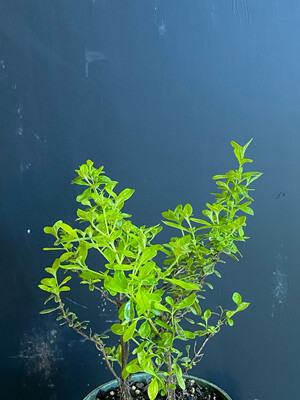
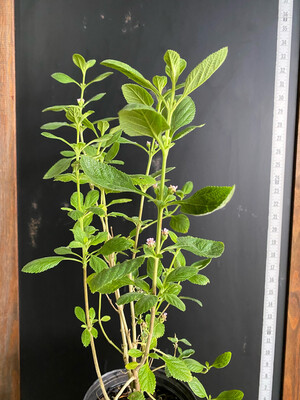
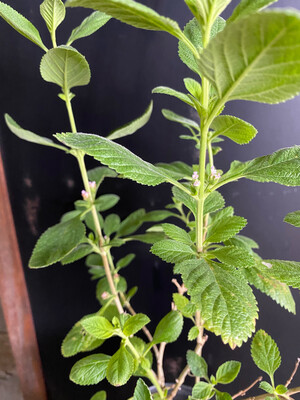
Its appeal is softer: bright green, wrinkled, lightly textured leaves; a rounded herbal form; fresh fragrance; and tiny pale flowers buzzing with pollinators.
Use Melissa officinalis around:
- Kitchen gardens
- Herb spirals
- Cottage gardens
- Pollinator gardens
- Patio containers
- Raised beds
- Edible borders
- Path edges where foliage can be brushed
- Food forests where its spread can be managed
It can even function as a loose herbal groundcover—but give it permission to roam only if that's actually what you want.
☀️ Growing Lemon Balm in Florida & the Southeast
Good news for our Florida growers: UF/IFAS specifically says Lemon Balm grows easily in Florida.
That doesn't mean every Florida microclimate should be treated identically.
🌞 Full Sun or Partial Shade?
In cooler regions, full sun works beautifully.
In Florida and other hot Southern climates, morning sun with some afternoon protection can be an excellent setup, particularly for container-grown plants where roots heat and dry more rapidly.
Too much shade can create lanky growth. Extreme reflected afternoon heat can increase water stress.
Sweet spot: plenty of light + good airflow + consistent root-zone moisture + drainage.
🗓️ Lemon Balm Seasonal Guide — Florida & Similar Warm Climates
| Season | What to Expect | What to Do |
|---|---|---|
| 🌱 Spring | Strong fresh growth | Excellent time to plant, up-pot, divide and begin regular harvesting |
| ☀️ Summer | Rapid growth but greater heat/water stress | Monitor containers closely; provide afternoon protection where needed |
| 🍂 Fall | Continued growth in warm areas; flowering/seed may occur | Harvest, trim spent flowers and divide established clumps if appropriate |
| ❄️ Winter | Growth slows; frost may damage or kill top growth | Don't assume the roots are dead; mulch established plants and wait for spring regrowth |
Lemon Balm is an herbaceous perennial, meaning its above-ground foliage doesn't necessarily remain beautiful year-round.
In colder climates it commonly retreats underground during winter and returns when conditions warm. Florida plants may remain greener longer depending on location and weather.
A winter plant that looks rough isn't automatically a dead Lemon Balm.
🌱 How to Plant Melissa officinalis
After shipping, do not immediately transplant your Lemon Balm.
Keep it in its original nursery container while it acclimates. We recommend waiting approximately 30 days or until healthy new growth confirms that the plant has recovered from transit, whichever gives you confidence that it is actively growing.
Then:
- Select a well-drained location.
- Dig a hole only slightly wider than the root ball.
- Keep the root crown at approximately the existing soil level—never bury the plant deeply.
- Backfill firmly enough to eliminate large air pockets without compacting the soil excessively.
- Top-dress with quality compost and organic soil amendments as appropriate.
- Add hardwood mulch around the planting zone.
- Keep mulch away from the crown and stems.
- Water thoroughly at soil level.
🌿 We use our “High & Tight” philosophy to avoid burying nursery plants too deeply and to protect the root crown from excessive moisture.
Watch GreenDreams' High & Tight Planting Guide
💧 Watering Lemon Balm Correctly
Lemon Balm enjoys moisture—but moist does not mean waterlogged.
🪴 In the Nursery Pot
A small 4-inch pot can dry surprisingly quickly.
During warm or windy weather, check it daily. Water thoroughly whenever the root zone is beginning to dry rather than giving tiny surface sips.
🌿 In the Ground
During establishment, monitor moisture closely and water as necessary to keep the root zone evenly moist.
Once established, Lemon Balm has moderate drought tolerance, but lush culinary leaf production is generally better with consistent moisture.
🚫 Skip the Overhead Shower
GreenDreams recommends watering at soil level in the morning.
Whenever practical, use drip irrigation or hand-water the soil rather than repeatedly wetting the foliage with overhead sprinklers. Keeping foliage dry can reduce conditions favorable to leaf spots, powdery mildew and gray mold, which are among the reported disease issues for Lemon Balm.
🪴 Container Growing: One of the BEST Ways to Grow Lemon Balm
For many gardeners, we actually prefer Lemon Balm in a pot.
Why?
You get the herb without accidentally starting a Lemon Balm empire.
Because Melissa officinalis can spread through rhizomes and viable seed, containers provide much easier control.Suggested Progression
4-inch starter → 1 gallon → 3 gallon → 5–7+ gallon
Don't jump automatically into an enormous container. A dramatically oversized pot can retain too much moisture around a small root system.
Instead, up-pot as roots begin filling the existing container.
🌾 Potting Mix
Choose a high-quality organic potting mix with both moisture retention and good drainage.
Look for mixes containing combinations such as:
- Peat moss or coco coir
- Aged compost
- Fine bark
- Perlite or similar aeration material
Avoid dense garden soil in containers.
You can find nursery pots and professional potting ingredients through local independent nurseries, landscape suppliers, farm stores and online horticultural suppliers.
🔄 How to Know It's Time to Up-Pot
Watch for:
- Roots circling heavily inside the pot
- Roots emerging from drainage holes
- Soil drying dramatically faster than normal
- Plant wilting shortly after thorough watering
- Growth slowing despite otherwise good care
- A root mass occupying most of the container
Remove the plant gently, loosen densely circling outer roots where necessary, and move it one logical container size upward.
Keep the crown at the same depth.
Then water thoroughly and give the plant a short recovery period before heavy harvesting.
✂️ Pruning = More Lemon Balm
Don't be afraid of the scissors.
Regular tip pruning encourages branching and a fuller plant. Remove spent flower stalks if seed production isn't wanted, and rejuvenate tired plants with a more substantial cutback when needed.
NC State specifically recommends removing spent flower stalks to promote fresh growth and notes that unpruned plants can become weedy.
For culinary production, the goal isn't to grow the tallest Lemon Balm.
The goal is lots of tender, aromatic new growth.
🌾 Feeding Lemon Balm
This herb does not need aggressive fertilization.
For organic production, focus first on:
- Healthy soil
- Compost
- Worm castings
- Organic mulch
- Moderate supplemental nutrition when growth indicates it is needed
Excess nitrogen can produce extremely soft growth without necessarily improving flavor.
Container plants eventually exhaust available nutrients faster than in-ground plants, so occasional light organic feeding during active growth can be useful.
🐝 Building a Lemon Balm Garden Guild
Lemon Balm fits naturally into a diversified edible landscape.
Consider pairing it with:
| Garden Role | Companion Ideas |
|---|---|
| 🐝 Pollinator support | Native flowering species, basil allowed to bloom |
| 🌾 Biomass / chop-and-drop | Clumping grasses and managed biomass plants |
| 🌿 Culinary layer | Basil, thyme, oregano and other kitchen herbs |
| 🌸 Visual contrast | Flowering perennials with purple, blue or pink blooms |
| 🪵 Soil-building system | Compost, hardwood mulch and living roots |
The goal isn't a magical “companion plant” combination. It's plant diversity, continuous flowering, living roots, organic matter and habitat for beneficial organisms.
⚠️ Before You Plant: Lemon Balm Likes to Move
This is the biggest caution customers should understand.
Lemon Balm belongs to the mint family and can spread through rhizomes and self-seeding. NC State characterizes its spread as potentially aggressive and recommends containers where escape into the landscape is a concern.
That's manageable.
✂️ Remove flower stalks before seed develops.
🪴 Grow it in a container.
🌿 Harvest and prune frequently.
🚧 Give in-ground plants defined boundaries.
For gardeners who love abundant herbs, vigorous growth may actually be a benefit. For someone wanting a perfectly static landscape, container culture is the better choice.
🔍 Lemon Balm Troubleshooting Guide
Icons represent common issues and organic solutions — look for 🌿 for recovery tips!
| ⚠️ Issue | 🧠 Likely Cause | 🌿 What to Do |
|---|---|---|
| 🍂 Yellow leaves | Too much water, poor drainage or aging foliage | Check root-zone moisture and improve drainage |
| 🫣 Wilting | Dry 4-inch pot, heat or transplant stress | Check soil immediately and water deeply at soil level |
| 🌱 Long, floppy stems | Insufficient light or lack of pruning | Increase light gradually and pinch stems |
| 🍄 White/gray coating | Powdery mildew or other fungal pressure | Improve airflow and keep foliage dry |
| 🍃 Leaf spotting | Moist foliage, disease pressure or stress | Remove damaged leaves and correct watering practices |
| 🪲 Distorted new growth | Aphids or other sap-feeding pests | Inspect leaf undersides and use appropriate organic controls |
| 🕷️ Fine stippling/webbing | Spider mites, often under stressful conditions | Inspect closely and intervene early |
| ☀️ Crispy leaves | Heat, drought or abrupt increase in sunlight | Restore moisture and acclimate gradually |
| ❄️ Winter dieback | Normal cold response | Mulch roots and wait for warm-season regrowth |
| 🌿 Plant spreading everywhere | Rhizomes + self-seeding | Deadhead, divide or transfer to a container |
Reported Lemon Balm problems include aphids, spider mites, powdery mildew, leaf spot, leaf blight and gray mold, although serious pest problems are uncommon.
🌟 Is Lemon Balm Right for You?
✅ Ideal for:
- Tea lovers
- Culinary herb gardeners
- Pollinator gardens
- Organic gardens
- Cottage gardens
- Edible landscapes
- Patio/container growers
- Beginning herb gardeners
- Gardeners who harvest frequently
- Anyone who appreciates fragrant plants
❌ Probably not ideal for:
- Gardeners unwilling to manage spreading
- Extremely wet, poorly drained sites
- Salt-heavy coastal exposures
- Deep indoor locations without strong supplemental light
- Gardeners expecting an evergreen ornamental in cold climates
- Anyone seeking a completely hands-off herb
❓ Lemon Balm FAQ
Is Lemon Balm perennial?
Yes. Melissa officinalis is an herbaceous perennial. In cold climates the foliage may die back during winter while established roots survive and resume growth in spring.
Does Lemon Balm grow well in Florida?
Yes. UF/IFAS specifically identifies Lemon Balm as an herb that grows easily in Florida.
Does Lemon Balm spread?
Yes. It can spread through both rhizomes and self-seeding. Containers and regular flower removal make it much easier to control.
Can Lemon Balm grow in a container?
Absolutely—and container growing is one of our favorite ways to manage it.
Can you eat Lemon Balm leaves?
Yes. Leaves and tender stems are commonly used in teas, drinks, salads, dressings and other foods. Solutions For Your Life
Should Lemon Balm grow in sun or shade?
It tolerates full sun through partial shade. In very hot climates, protection from intense afternoon exposure can make moisture management easier.
How big does Lemon Balm get?
Expect roughly 24–36 inches tall and 18–36 inches wide when allowed to develop naturally, although frequent harvesting can maintain a much smaller plant.
Does Lemon Balm attract bees?
Very much so. Even the genus name Melissa references the honeybee, and its flowers provide nectar for bees and other pollinators.
📦 Shipping a 4-Inch Lemon Balm Plant
Your Lemon Balm ships from our Florida nursery in a 4-inch starter pot.
🌿 Best Shipping Region
This size is most suitable for Florida, the Southeastern United States and Texas, where UPS Ground transit is generally more favorable for small live plants.
We do ship across the continental United States, but growers in the Northern and Western U.S. should order small plants with discretion.
🚚 Our Shipping Schedule
Live plant orders ship Mondays via UPS Ground.
This helps reduce the chance of plants sitting in a carrier facility over a weekend.
🌡️ Extreme Weather Matters
Live plants are living, perishable products.
During periods of extreme heat or cold, conditions inside trucks and distribution facilities may be substantially different from the weather at your home.
Extended UPS Ground transit to Northern or Western states can be particularly challenging for a small 4-inch plant.
Buyer discretion is strongly advised during peak seasonal temperatures.
California orders may also experience additional transit time when packages are held for agricultural inspection.
🪴 Why We Recommend Larger Plants for Long-Distance Shipping
A 4-inch pot contains a relatively small soil volume and therefore dries more rapidly than a 1-gallon or larger container.
For long-distance shipping, we recommend selecting a 1-gallon or larger plant whenever available.
Plants arriving stressed may need a recovery period with appropriate watering, protected light and minimal disturbance.
Do not immediately transplant a stressed shipment. Keep the plant in its original nursery container and allow approximately 30 days—or wait until healthy new growth appears—before transplanting.
🌾 Shop With Us in Person
Want a larger plant—or want to see what else is growing?
Our retail nursery carries many larger sizes and specialty plants that never make it onto the online store.
GreenDreams Nursery & Farm — Open to the Public
🌾 18709 US Hwy. 41, Spring Hill, FL 34610
🕘 Tues–Fri 9AM–5PM | Sat 8AM–3PM
🌿 Stop by our regenerative nursery to see what's blooming, fruiting and ready to grow this week!
🌿 Beyond the Plant: GreenDreams Services
At GreenDreams, we do more than grow plants—we design, build and restore ecosystems across Florida.
- 🌳 Onsite consultations & edible landscape design
- 🚜 Installation & project management
- 🚚 Bulk delivery of compost, mulch, biochar & soil materials
- 🌾 Wholesale & large-scale regenerative solutions
Let our team help you turn individual plants like Lemon Balm into a thriving, productive edible landscape.


🌿 IMPORTANT INFORMATION BEFORE PURCHASING LIVE PLANTS
Please note: Plants purchased through our online store are not available for pickup at our retail nursery in Spring Hill, Florida.
Online inventory is housed at a separate facility and is priced, prepared, and handled exclusively for shipping.
🌱 Looking for larger plants or more selection?
Our retail nursery location offers far more availability, including larger sizes, specialty plants, and many selections not suitable for nationwide shipping.
Local pickup is available for retail nursery purchases only.
Visit our Spring Hill, FL retail nursery page to explore in-person shopping options.
🚚 LIVE PLANT SHIPPING & TRANSIT EXPECTATIONS
Live plants naturally experience stress during shipping. Temporary leaf drop, mild wilting, or cosmetic stress is normal after transit. Most plants recover quickly with proper watering, gradual light exposure, and basic aftercare. Some plants may require additional attention during the first few weeks.
Despite careful packing, minor cosmetic damage may occur during transit. Small issues such as broken leaves or stems typically resolve with time and proper care.
If your shipping box arrives with significant external damage, please contact UPS within 30 days to initiate a carrier claim.
⏱️ SHIPPING METHOD, TIMING & TRANSIT WINDOWS
All online orders ship via UPS Ground from our Central Florida nursery.
📦 Shipping Schedule: Orders ship once weekly on Mondays to reduce the risk of packages sitting in transit over weekends. A countdown clock on our website displays the next shipping date.
🚚 Typical Transit Times:
-
Florida: 1–2 days
-
Southern U.S.: approximately 2 days
-
Midwest, West & Northern U.S.: 3–5 business days
Long-distance shipments, particularly to the western U.S., may experience additional transit time due to agricultural inspections in states such as Arizona, California, and Texas.
Extended transit times can be more challenging for small or tender plants and may require additional recovery care after arrival.
🌡️ EXTREME WEATHER & SEASONAL RISK
Live plants are sensitive to temperature extremes.
We cannot guarantee plant condition during periods of extreme summer heat or winter cold and freezing temperatures. Weather-related delays, carrier interruptions, or exposure during delivery are beyond our control.
Customers are responsible for:
-
Monitoring tracking information sent via email
-
Retrieving packages promptly upon delivery
-
Preventing plants from being left outdoors in extreme conditions
During unsafe weather, holiday shipping volume, or extended transit risk, orders may be held and shipped the following week to protect plant health.
⚠️ CUSTOMER RESPONSIBILITY & REFUND POLICY
By purchasing live plants, customers acknowledge and accept the risks associated with shipping, weather exposure, transit delays, and regional suitability.
Refunds or replacements are considered only under exceptional circumstances and in accordance with our return and refund policy. We are not responsible for:
-
Weather-related damage
-
Carrier delays
-
Poor plant selection for a given climate or region
-
Improper care after delivery
Upon purchase, customers assume full responsibility for the ongoing care and success of their plants.
✅ CONSENT & AGREEMENT
By completing a purchase, you confirm that you have read, understand, and agree to all shipping policies, responsibilities, and conditions outlined above.
Our goal is transparency, plant health, and long-term growing success — and we appreciate your understanding and care when ordering live plants.


