


🌿 Katuk Plant — Sweet Leaf Perennial Vegetable (Sauropus androgynus) — 1-Gallon
Grow a Leafy Green That Actually Likes Summer
When lettuce, kale, and spinach tap out from the heat, Katuk is just getting started. This lush, perennial edible shrub produces tender, pea-flavored leaves and shoots through Florida’s hottest months—making it one of the most useful warm-climate vegetables for food forests, edible hedges, tropical gardens, and regenerative landscapes.
Also known as Sweet Leaf, Tropical Asparagus, Sayur Manis, Cekur Manis, Rau Ngót, and Star Gooseberry, Katuk has been cultivated throughout tropical and subtropical Asia for generations. Its attractive foliage, rapid regrowth, compact footprint, and repeated harvests make it a serious food-producing plant disguised as an ornamental shrub.
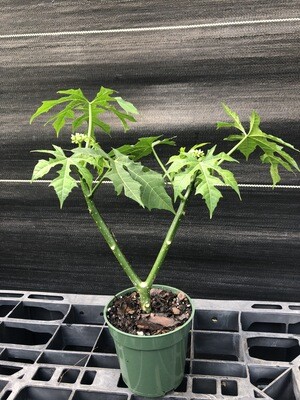
Ships rooted in a 1-gallon nursery container.
Important culinary note: Katuk should be thoroughly cooked before eating. We do not recommend consuming raw Katuk leaves, concentrated raw juice, or Katuk smoothies. Complete food-safety information is included below.
🌱 Katuk Quick Facts Guide
| Category | Details |
|---|---|
| Common Names | Katuk, Sweet Leaf, Tropical Asparagus, Sayur Manis, Cekur Manis, Rau Ngót, Star Gooseberry |
| Botanical Name Used in Commerce | Sauropus androgynus |
| Current Accepted Name | Phyllanthus androgynus |
| Additional Botanical Synonym | Breynia androgyna |
| Plant Family | Phyllanthaceae |
| Plant Type | Tropical perennial edible shrub |
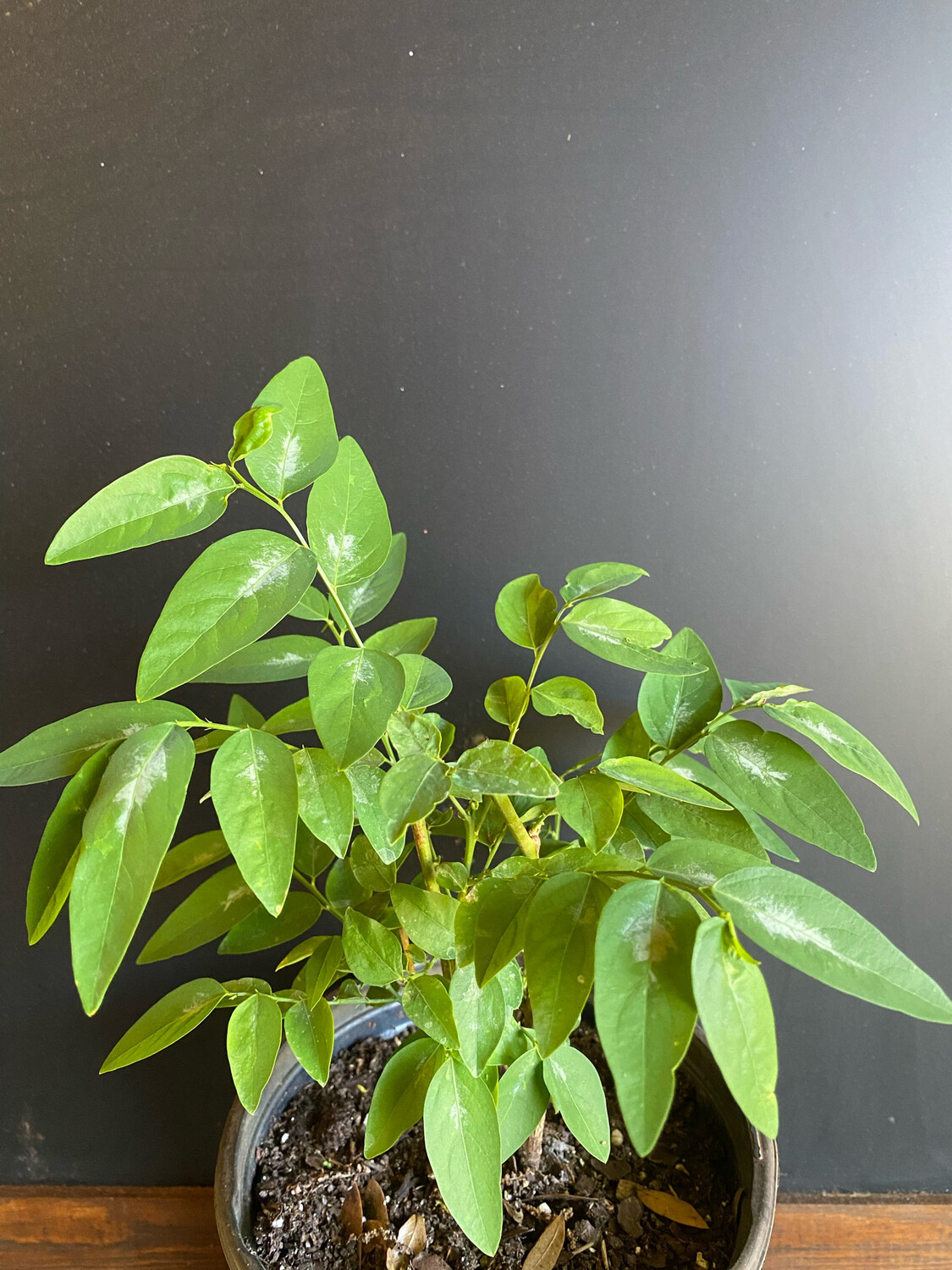
| Size at Sale | Rooted plant shipped in a 1-gallon nursery container |
| Estimated Nursery Age | Commonly approximately 4–10 months from propagation; age varies with season, pruning, and crop cycle |
| Mature Height — Pruned | Easily maintained at approximately 3–6 ft |
| Mature Height — Unpruned | Commonly 6–10 ft; older plants in tropical conditions may become taller |
| Mature Width | Approximately 3–6 ft, depending on pruning and spacing |
| USDA Growing Zones | Best as a perennial in Zones 9b–11; protected Zone 9a microclimates may be successful |
| Colder Regions | Grow as a warm-season patio plant, annual edible, or overwintered container specimen |
| Sun Requirements | Partial sun to full sun |
| Best Florida Exposure | Morning sun with light afternoon shade, or bright filtered light |
| Cold Hardiness | Frost-tender; protect young plants when temperatures approach freezing |
| Growth Rate | Fast during warm, humid weather |
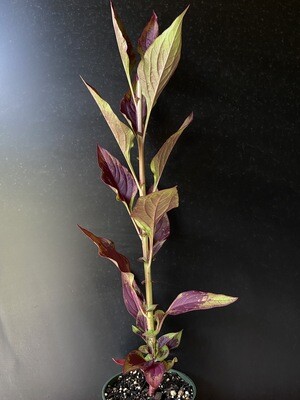
| Growth Habit | Upright, multi-stemmed, densely branched shrub |
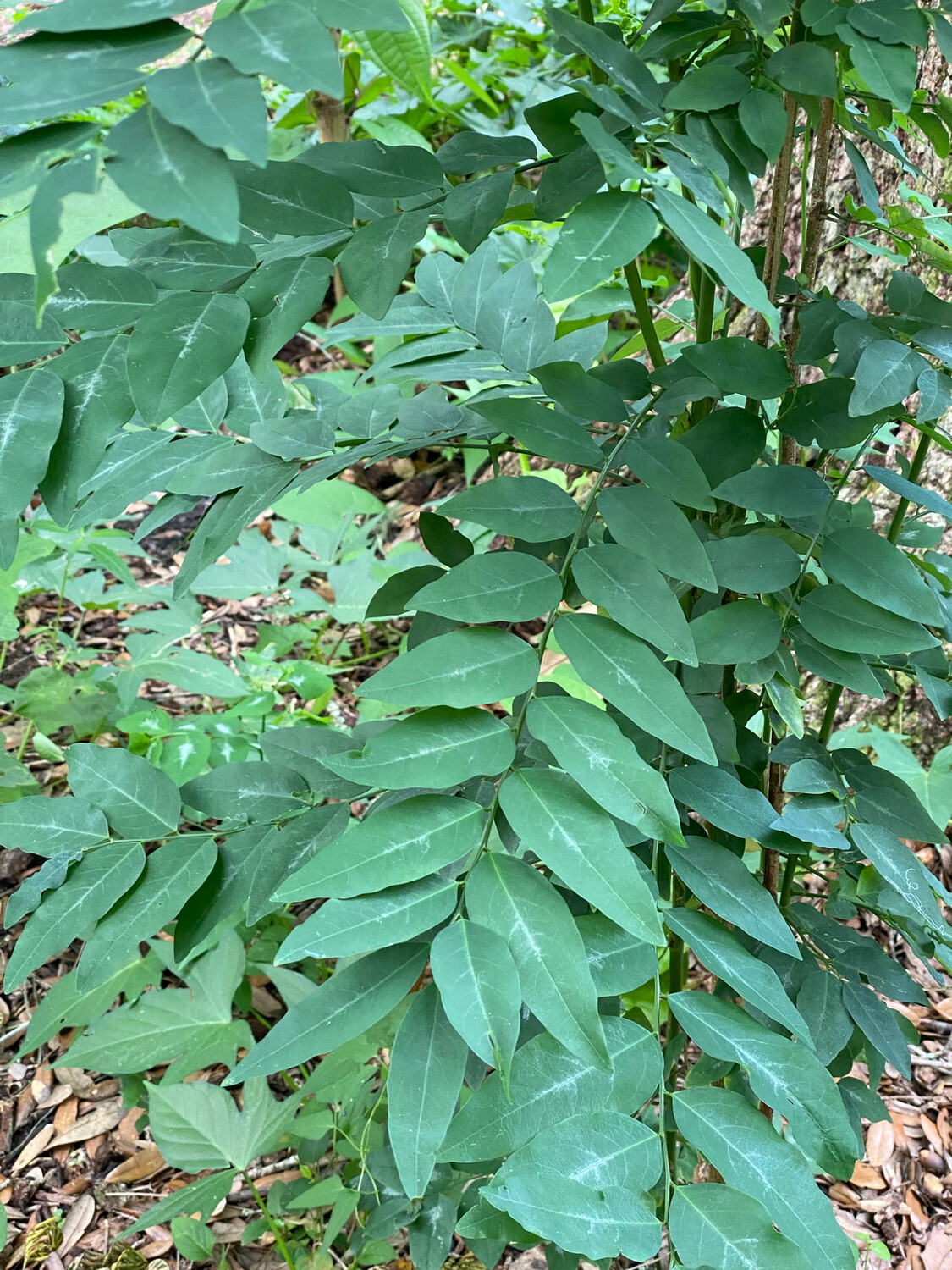
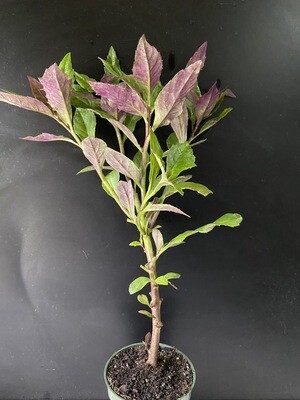
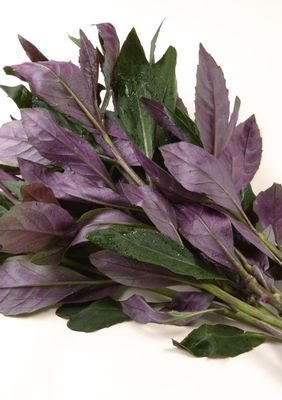
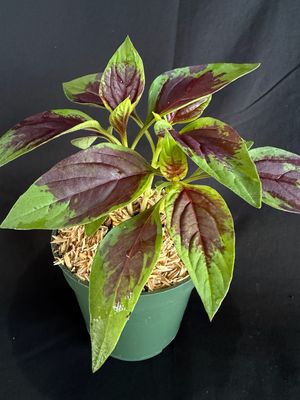
| Foliage | Soft green, oval to elliptical leaves arranged along slender stems |
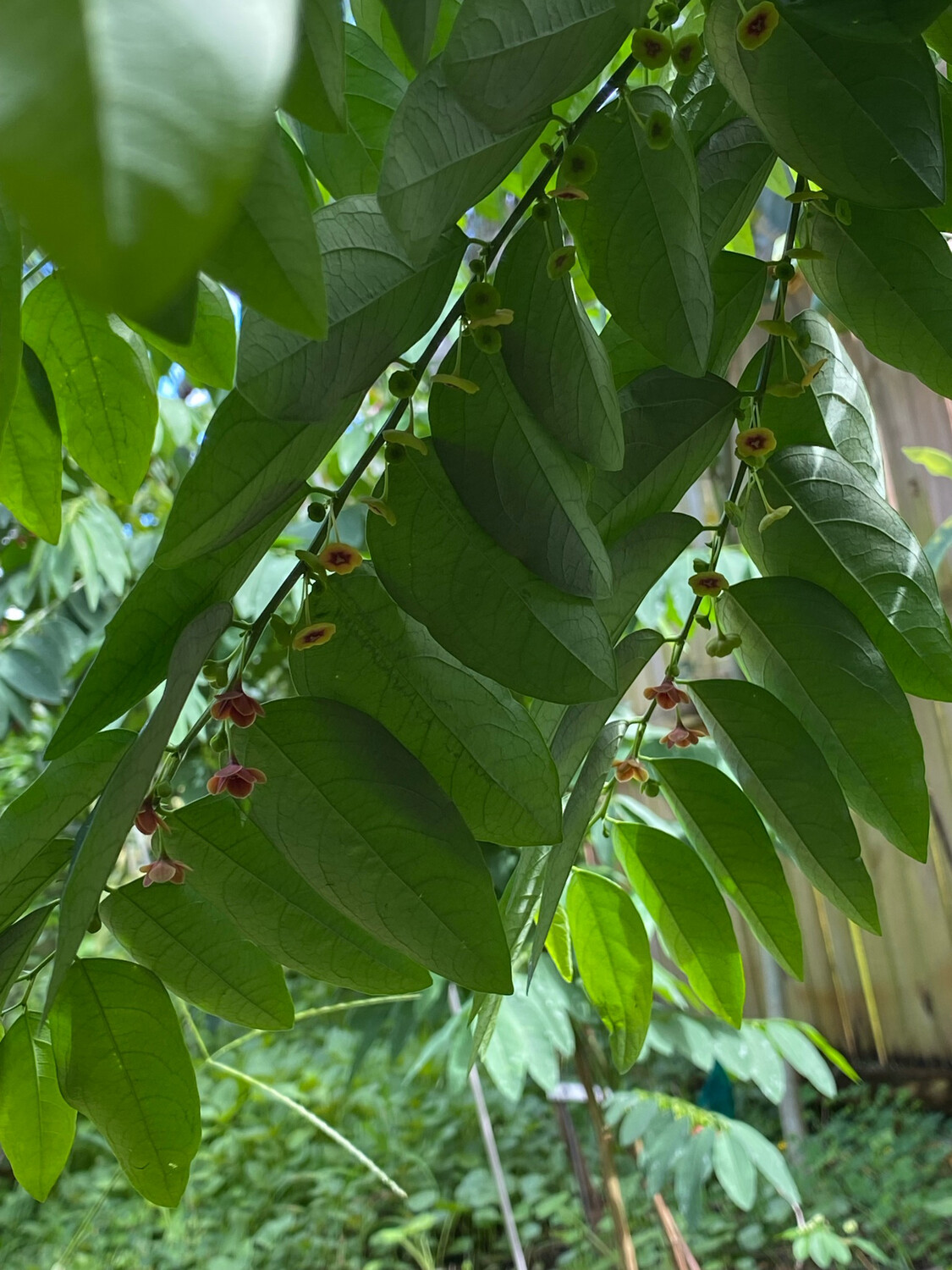
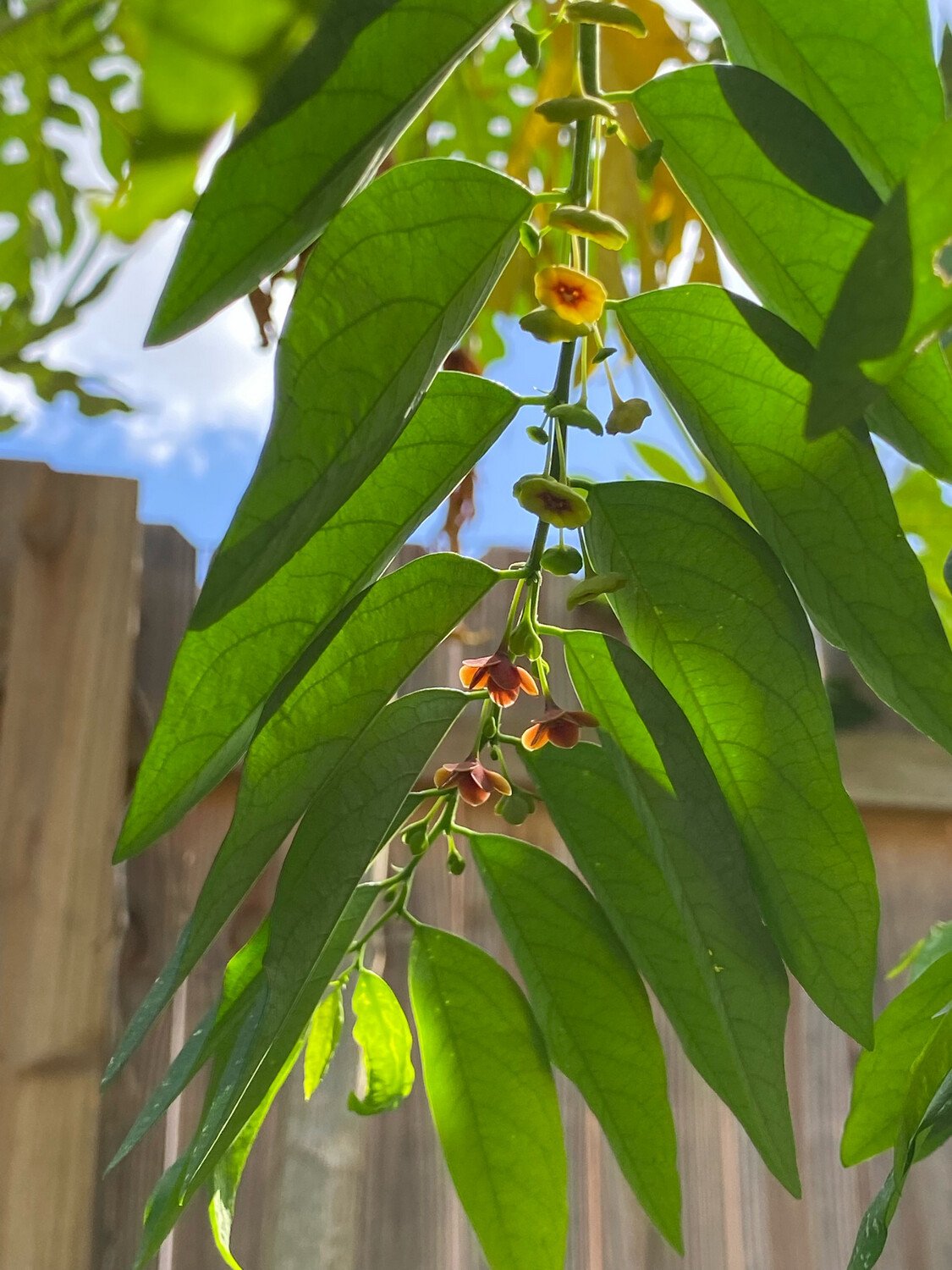
| Flowers | Small cream and reddish flowers produced beneath the foliage |
| Fruit | Small ornamental capsules that may turn maroon as they mature |
| Soil Preference | Moist, fertile, well-draining soil rich in organic matter |
| Preferred Soil pH | Mildly acidic to neutral; approximately 6.0–7.0 is ideal |
| Water Needs | Moderate; regular moisture produces the best leaf and shoot growth |
| Spacing — Individual Shrub | Approximately 3–5 ft apart |
| Spacing — Edible Hedge | Approximately 2–3 ft apart |
| Container Growing | Yes; suitable for patio and protected container culture |
| Indoor Growing | Possible with very bright light, warmth, humidity, and adequate space |
| Primary Harvest | Thoroughly cooked leaves and tender young shoots |
| Florida Harvest Season | Primarily spring through fall; nearly year-round in frost-free South Florida |
| Dormancy | Evergreen in frost-free climates; may lose leaves or die back after cold weather |
| Salt Tolerance | Not reliably documented; avoid direct ocean spray and salt-affected soils |
| Wind Tolerance | Moderate when established, but best protected from strong coastal wind and cold winter wind |
| Florida Invasion Assessment | Currently assessed by UF/IFAS as low invasion risk throughout Florida |
🌿 A Note About the Botanical Name
Katuk has traveled through several botanical classifications, which is why shoppers may encounter more than one scientific name.
The name most frequently used by nurseries, growers, chefs, and permaculture gardeners is:
Sauropus androgynus
Current international botanical references recognize:
Phyllanthus androgynus
Florida and some other horticultural references may also use:
Breynia androgyna
All three names refer to the Katuk or Sweet Leaf plant featured in this listing. We continue to use Sauropus androgynus prominently because it remains the name most growers recognize and search for.
Do Not Confuse the Common Name
“Star Gooseberry” is also used for a separate tropical fruit tree. This listing is for the leafy Katuk shrub, grown primarily for its cooked leaves and tender shoots—not the larger tree that produces clusters of tart yellow fruit.
🌏 From Southeast Asian Kitchen Gardens to Florida Food Forests
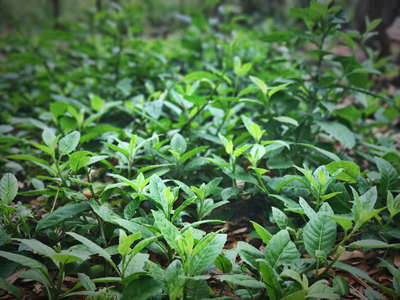
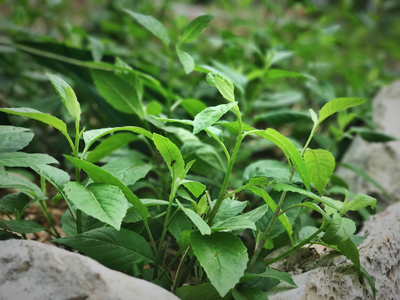
Katuk is native across a broad portion of tropical and subtropical Asia, including areas of India, southern China, Sri Lanka, Malaysia, Indonesia, the Philippines, Thailand, Vietnam, Borneo, and New Guinea.
For generations, families have harvested Katuk from garden hedges, forest margins, farms, and home landscapes. It became known by many regional names:
- Katuk in Indonesia
- Cekur Manis or Sayur Manis in Malaysia and Singapore
- Rau Ngót in Vietnam
- Pak Waan Ban in Thailand
- Chinese Malunggay in parts of the Philippines
The name androgynus refers to the plant producing separate male and female flowers on the same plant. Those tiny flowers are easy to miss, hanging beneath the leafy branches like little botanical details waiting to be discovered.
In cultivation, Katuk is commonly shaped into an edible hedge and repeatedly clipped for tender new growth. That same harvest-and-regrow habit makes it exceptionally well suited to Florida food forests: the more thoughtfully it is pinched and pruned during active growth, the fuller and more productive it can become.
🍃 What Does a Katuk Plant Look Like?
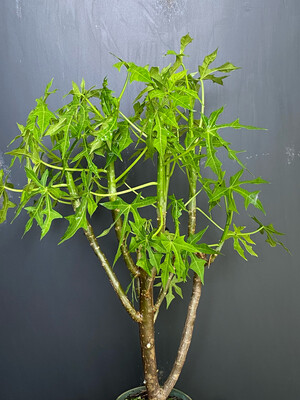
Katuk has a clean, upright form that fits easily into an ornamental landscape.
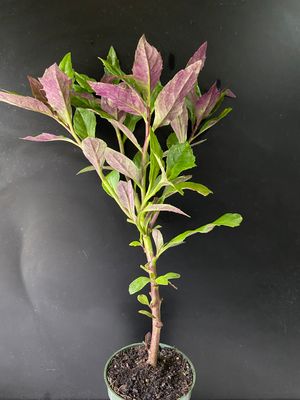
Its long, slender stems carry rows of soft, oval leaves that can make each branch resemble one large compound leaf. Mature stems gradually become woody, while new shoots remain flexible, green, and easy to harvest.
Defining Features
- Upright, multi-stemmed growth
- Fine-textured green foliage
- Graceful branches that move in light breezes
- Small reddish and cream flowers beneath the leaves
- Tiny decorative fruits resembling miniature mangosteens
- Dense regrowth after regular tip-pruning
- A tropical appearance without oversized leaves
The plant can serve as a soft green backdrop behind colorful tropical edibles, flowering natives, herbs, and groundcovers. Unlike some highly dominant tropical vegetables, Katuk can be kept neat, compact, and landscape-friendly with routine harvesting.
🌾 Top Benefits of Growing Katuk
A Dependable Warm-Season Green
Katuk produces during the months when many familiar leafy vegetables struggle with Florida heat, humidity, and heavy summer rainfall.
A Long-Lived Perennial Vegetable
In warm climates, one established shrub can provide repeated harvests without requiring the gardener to restart seeds every season.
Productive in Partial Shade
Katuk can produce tender foliage in locations where fruiting crops may not receive enough sunlight. Bright shade and morning sun are especially useful in hot Florida landscapes.
Easy to Keep Within Reach
Regular harvesting naturally controls its height. Maintaining Katuk at approximately 3–6 ft creates a fuller shrub and keeps the best growth accessible.
Attractive Enough for the Front Yard
Katuk works well as:
- An edible hedge
- A food-forest understory shrub
- A patio specimen
- A mixed edible border
- A tropical foundation plant
- A green privacy screen
- A backdrop for colorful perennial vegetables
Useful in Regenerative Systems
Pruned stems and leaves that are not being used in the kitchen can be returned to the landscape as light chop-and-drop organic matter.
Approved for Florida Landscapes
UF/IFAS currently categorizes Katuk as a low invasion risk in North, Central, and South Florida. Gardeners should still manage unwanted seedlings or spreading growth around cultivated beds as they would with any productive non-native plant.
🌿 Why Katuk Belongs in a Florida Food Forest
Katuk occupies the valuable shrub layer between low groundcovers and taller fruit trees. It can take advantage of filtered light beneath bananas, mulberries, moringa, papaya, and other open-canopy plants without competing for the exact same garden space.
A well-placed Katuk shrub can provide:
- Repeated cooked-green harvests
- Soft habitat and cover for small wildlife
- Living biomass for the soil surface
- Attractive foliage around utility areas
- A productive transition between sunny and shaded zones
- A compact edible hedge near outdoor kitchens and pathways
This is not simply another tropical curiosity. Katuk is a working food-forest plant—productive, pruneable, attractive, and genuinely useful.
HARVESTING, FLAVOR, CULINARY USES & NUTRITION
🍲 The Most Important Katuk Feature: You Can Eat the Harvest
Katuk is primarily grown for its leaves and tender young shoot tips, which develop a mild, savory flavor when thoroughly cooked.
The taste is commonly compared to:
- Fresh green peas
- Tender asparagus
- Mild spinach
- Young green beans
- Sweet garden greens
Its texture becomes tender during cooking while retaining enough structure to work in soups, stir-fries, egg dishes, curries, and mixed vegetable recipes.
Older leaves are firmer and may require longer cooking. For the best combination of texture and flavor, harvest the light green shoot tips and recently matured leaves.
⚠️ Cook Katuk Thoroughly Before Eating
Katuk has a long history as a cooked vegetable, but concentrated consumption of uncooked leaves and raw Katuk juice has been associated with severe and potentially permanent lung injury.
GreenDreams Culinary Guidance
- Thoroughly cook Katuk before eating.
- Do not add raw Katuk leaves to smoothies.
- Do not make concentrated raw Katuk juice.
- Do not promote Katuk as a weight-loss drink or medicinal extract.
- Do not assume that a traditional medicinal claim establishes safety or effectiveness.
- Introduce any unfamiliar food in moderate culinary portions.
- Use Katuk as part of a varied diet rather than consuming unusually large amounts.
- Consult a qualified medical professional regarding pregnancy, breastfeeding, medications, allergies, or health conditions.
Cooking methods traditionally include:
- Boiling
- Simmering
- Steaming
- Stir-frying
- Cooking in soup or broth
This updated guidance replaces older recommendations to use Katuk in raw salads or smoothies.
✂️ How to Harvest Katuk
Katuk responds well to regular, moderate harvesting during active growth.
For Individual Leaves
- Select fresh, healthy leaves without pest damage.
- Pinch or snip leaves from vigorous branches.
- Leave enough foliage on each branch to support continued growth.
- Wash carefully and cook thoroughly.
For Tender Shoot Tips
- Select the soft upper 3–6 inches of a growing branch.
- Make the cut just above a healthy leaf node.
- Remove any tough lower stem.
- Cook the tender leaves and upper shoot.
- Allow the branch to produce new side shoots before harvesting again.
For a Bushier Plant
Harvesting the upper growing tip removes apical dominance and encourages buds below the cut to develop into branches. This produces a shorter, fuller, more accessible edible shrub.
Avoid Overharvesting
Do not strip every leaf from a newly planted or transit-stressed Katuk.
Wait until the plant has:
- Adjusted to its new environment
- Produced healthy new growth
- Developed multiple active branches
- Shown that the root system is supporting steady growth
As a general practice, remove no more than approximately one-third of the healthy canopy during a major harvest.
🗓 Katuk Harvest Calendar
| Region | Typical Production Pattern |
|---|---|
| South Florida and Frost-Free Areas | Growth and harvesting may continue most of the year, with slower production during cool or dry periods |
| Central Florida and Zone 9b | Strongest production generally occurs from spring through fall; winter growth may slow substantially |
| North Florida and Zone 9a | Best treated as a protected perennial or container plant; harvest mainly during warm months |
| Southeastern United States | Active from late spring until cool fall weather; move containers indoors before frost |
| Texas Gulf Coast | Strong summer production with adequate moisture and afternoon protection |
| Northern and Western States | Grow outdoors during warm weather and overwinter in a heated, brightly lit indoor location |
| Indoor Production | Possible year-round under strong grow lights, though growth may be less vigorous than outdoors |
The best harvest period begins after the plant has developed a strong warm-season flush. In Central Florida, that often means increasingly productive growth from late spring through early fall.
🍽️ Culinary Uses for Cooked Katuk
| Kitchen Use | How to Prepare It |
|---|---|
| Stir-Fries | Cook chopped leaves and tender shoots with garlic, onion, egg, mushrooms, meat, tofu, or seafood |
| Soups | Simmer in chicken, vegetable, pork, crab, or shrimp broth until thoroughly cooked |
| Egg Dishes | Fold cooked Katuk into scrambled eggs, omelets, quiche, or frittata |
| Curries | Add during the final portion of cooking so the leaves soften without disappearing |
| Coconut-Milk Dishes | Simmer with coconut milk, aromatics, peppers, and other vegetables |
| Noodle Bowls | Add thoroughly cooked leaves to broth-based noodle dishes |
| Rice Dishes | Mix cooked Katuk into fried rice or serve as a savory vegetable beside rice |
| Cooked Green Blends | Combine with Chaya, moringa, longevity spinach, or familiar greens—preparing each according to its individual safety requirements |
| Savory Fillings | Mix cooked, chopped Katuk with cheese, egg, mushrooms, or seasoned vegetables |
| Pesto-Style Sauce | Use only after thoroughly cooking and cooling the Katuk; blend with herbs, nuts, garlic, cheese, and oil |
Katuk’s naturally pea-like flavor pairs especially well with:
- Garlic
- Ginger
- Onion
- Eggs
- Coconut milk
- Sesame
- Soy sauce
- Shrimp
- Crab
- Pork
- Mushrooms
- Rice and noodles
🍳 Simple Garlic-and-Egg Katuk Stir-Fry
This simple preparation reflects the way Katuk is frequently paired with savory ingredients in Southeast Asian cooking.
Ingredients
- 2 cups clean Katuk leaves and tender shoot tips
- 2 eggs
- 1–2 cloves garlic, minced
- 1 tablespoon cooking oil
- A small splash of water or broth
- Salt or preferred seasoning to taste
Method
- Wash the Katuk thoroughly.
- Heat the oil in a skillet.
- Add garlic and cook briefly until fragrant.
- Add the Katuk and a splash of water or broth.
- Cover and cook until the leaves are fully wilted and thoroughly heated.
- Push the greens to one side and scramble the eggs in the pan.
- Mix everything together and continue cooking until the eggs are set and the Katuk is thoroughly cooked.
- Season and serve with rice or noodles.
Do not sample Katuk raw while preparing the recipe.
🌏 Traditional Culinary Connections
Katuk has many names because it has become embedded in multiple regional cuisines.
Vietnam
Known as Rau Ngót, Katuk is commonly simmered into soups with ingredients such as minced pork, shrimp, or crab.
Malaysia and Singapore
Often called Cekur Manis, Sayur Manis, or Pucuk Manis, the leaves and tender shoots may be stir-fried with egg, anchovies, garlic, or other savory ingredients.
Indonesia
Katuk leaves are cooked in soups and vegetable dishes. The plant also has a history in traditional preparations associated with postpartum diets, although traditional use should not be confused with clinically proven medical treatment.
Thailand
The plant may be known as Pak Waan Ban, distinguishing it from other unrelated plants also called pak waan.
Philippines
Katuk may be called Chinese Malunggay, referencing its use as a leafy vegetable rather than indicating that it is botanically related to moringa.
Across these cultures, the recurring theme is clear: Katuk is valued as a cooked vegetable, not as a concentrated raw beverage.
🥬 Nutritional Profile
Katuk is considered nutrient-dense for a leafy vegetable. Analyses have reported that its leaves contain varying amounts of:
- Protein
- Provitamin A carotenoids
- Vitamin C
- Vitamin E
- Calcium
- Iron
- Polyphenols
- Flavonoids
Actual nutrient levels vary with:
- Leaf age
- Soil fertility
- Irrigation
- Sun exposure
- Harvest timing
- Storage
- Cooking method
- Serving size
Katuk can contribute variety to a homegrown diet, but it should not be marketed as a replacement for medical care, prescribed supplements, or a balanced diet.
🌿 Traditional and Folk Uses: Important Context
Katuk has been used traditionally in parts of Asia in connection with:
- Lactation support
- Fever
- Wound care
- Digestive complaints
- Urinary complaints
- Weight management
- General nourishment
These are historical and ethnobotanical uses—not GreenDreams treatment recommendations.
The most recent U.S. National Library of Medicine review notes that human studies involving Katuk as a galactagogue have substantial design limitations. Anyone who is pregnant, breastfeeding, taking medication, or managing a health condition should consult a qualified healthcare professional before using Katuk beyond ordinary cooked-food portions.
🌱 Katuk Compared with Other Warm-Climate Leafy Greens
| Plant | Growth Style | Best Light | Flavor | Preparation Note |
|---|---|---|---|---|
| Katuk | Upright perennial shrub | Partial sun to full sun | Peas, asparagus, mild spinach | Thoroughly cook before eating |
| Chaya | Large woody shrub | Full to partial sun | Mild spinach-like green | Leaves must be properly cooked |
| Longevity Spinach | Spreading groundcover | Partial shade to filtered sun | Mild and slightly vegetal | Commonly used fresh or cooked |
| Okinawan Spinach | Low, bushy groundcover | Morning sun or partial shade | Mild, earthy, slightly crisp | Used fresh or cooked |
| Moringa | Fast-growing small tree | Full sun | Green, peppery, slightly bitter | Leaves commonly cooked |
| Malabar Spinach | Climbing vine | Full to partial sun | Mild and slightly mucilaginous | Fresh or cooked |
| Cranberry Hibiscus | Upright ornamental shrub | Full to partial sun | Tart and citrus-like | Leaves commonly used fresh or cooked |
Katuk stands apart because it combines:
- A compact shrub form
- Good shade adaptability
- Repeated warm-season harvests
- A mild savory flavor
- Strong ornamental value
- Easy height control through harvesting
PLANTING, WATERING, SOIL, FERTILITY & FOOD-FOREST PLACEMENT
🌱 Let Your Katuk Recover Before Transplanting
Shipping and transportation can temporarily stress a live plant. Changes in light, temperature, humidity, airflow, and watering can trigger:
- Wilting
- Minor leaf drop
- Yellowing of older leaves
- Paused growth
- Dry leaf edges
- Temporary loss of fullness
Keep your Katuk in its original 1-gallon container after arrival.
GreenDreams Transplanting Recommendation
Wait approximately 30 days or until healthy new growth appears before transplanting, whichever takes longer.
During this adjustment period:
- Place the plant in bright shade or gentle morning sun.
- Avoid immediate exposure to intense afternoon sun.
- Water at soil level as needed.
- Do not allow the root ball to remain submerged.
- Do not apply strong fertilizer.
- Do not aggressively prune or harvest.
- Gradually increase sunlight over 7–14 days.
- Watch for new leaves and active shoot growth.
New growth is one of the best signs that the roots have recovered and the plant is ready for its next step.
🌞 Where to Plant Katuk
Katuk naturally grows as a tropical understory or forest-margin shrub. It can adapt to full sun, but its best exposure depends on climate and water availability.
Best Florida Location
Choose a location with:
- Morning sun
- Bright filtered light
- Light afternoon shade
- Protection from cold northwestern winter winds
- Moist but freely draining soil
- Easy access for regular harvesting
Full Sun
Katuk can grow in full sun when:
- It is properly acclimated.
- The soil retains some moisture.
- Irrigation is reliable.
- Roots are mulched.
- The plant is not placed against a reflective wall or heat-trapping pavement.
Full-sun plants may need more water and can develop tougher leaves than plants grown with light shade.
Partial Shade
Partial shade often produces:
- Tender leaves
- Rich green foliage
- Reduced afternoon wilting
- Lower irrigation demand
- Longer harvestable shoots
Too much deep shade, however, may cause thin, stretched growth and reduced production.
Avoid Planting Katuk
- In standing water
- In a low spot that floods for extended periods
- Beneath a downspout
- In direct salt spray
- Beside highly reflective west-facing walls
- In deep indoor-like shade
- In compacted soil without preparation
- Where roof runoff repeatedly pounds the root zone
- Where mature stems will block a narrow walkway
🌾 Soil Requirements
Katuk adapts to several soil textures, including heavier soil, but the highest-quality leafy growth occurs in soil that combines:
- Good drainage
- Consistent moisture
- Organic matter
- Root-zone oxygen
- Moderate fertility
A mildly acidic to neutral pH of approximately 6.0–7.0 is a useful target.
Florida Sandy Soil
Florida sand drains rapidly and may hold little nutrition. Improve the planting area gradually with:
- Finished compost
- A small amount of charged biochar
- A diverse hardwood mulch layer
- Organic nutrients applied lightly
- Regular top-dressing rather than one overloaded planting hole
Avoid creating a rich “pot” of compost surrounded by untouched sand. Encourage the roots to expand into the surrounding native soil.
Heavy or Clay Soil
Katuk can tolerate heavier soil, but prolonged saturation can damage the roots.
In clay or poorly drained areas:
- Plant slightly above the surrounding grade.
- Loosen the broader planting zone.
- Redirect roof and surface runoff.
- Use a broad mound where necessary.
- Avoid repeatedly driving or walking over the root zone.
🌿 How to Plant Katuk Using the GreenDreams “High & Tight” Method
Katuk should not be planted too deeply.
Step-by-Step Planting Instructions
- Wait for recovery. Keep the Katuk in its original container until shipping stress has passed and new growth is visible.
- Water before planting. Moisten the root ball several hours before transplanting.
- Dig conservatively. Dig the hole only slightly wider than the container and no deeper than the root ball.
- Check the root flare and soil line. Position the top of the root ball at or slightly above the surrounding grade.
- Remove the container carefully. Support the root ball rather than pulling the plant by its stems.
- Inspect circling roots. Gently loosen only heavily circling outer roots without tearing apart the entire root system.
- Set the plant high and tight. Do not bury the stem or place the root ball in a deep bowl.
- Backfill firmly. Use primarily native soil, supplemented modestly with finished compost where appropriate.
- Remove large air pockets. Press the soil firmly enough to stabilize the plant without compacting it into concrete.
- Top-dress lightly. Add compost, properly prepared biochar, azomite, or an organic nutrient blend around—not directly against—the plant.
- Mulch broadly. Apply approximately 2–4 inches of hardwood mulch over the surrounding soil.
- Protect the base. Keep mulch several inches away from the stems.
- Water deeply at soil level. Saturate the root ball and immediate planting area after planting.
- Monitor closely. Check moisture daily during the establishment period.
Watch the GreenDreams Planting Method
For more information about planting fruit trees and perennial edibles using our High & Tight method:
https://youtu.be/RRQFY30qdA8?si=rRIcsbLlVAVYotfI
💧 How to Water a Katuk Plant
Katuk can survive brief dry periods after establishment, but survival and premium edible production are not the same goal.
Regular moisture supports:
- Larger leaves
- Tender shoots
- Faster regrowth
- Reduced leaf drop
- Better recovery after pruning
- A fuller ornamental appearance
Always Water at Soil Level
Do not routinely water Katuk overhead.
Morning soil-level watering is preferred because it:
- Delivers water directly to the roots.
- Reduces unnecessary leaf wetness.
- Limits soil splash onto the foliage.
- Reduces the risk of afternoon heat damage.
- Conserves water more effectively.
Use:
- Drip irrigation
- A watering wand aimed at the soil
- A slow hose
- A properly placed bubbler
Avoid depending on:
- Overhead lawn sprinklers
- Afternoon misting
- Brief, shallow sprays
- Water hitting only the surrounding mulch while the root ball stays dry
Watering a Katuk in Its Nursery Container
A 1-gallon plant may need daily watering during hot, dry, or windy weather.
Before watering:
- Feel the upper 1 inch of potting mix.
- Lift the container to judge its weight.
- Check whether water is moving through the drainage holes.
- Confirm that the root ball—not only the pot edge—is receiving water.
Water thoroughly until excess drains from the bottom. Never leave the container sitting continuously in a saucer of water.
Suggested In-Ground Establishment Schedule
Adjust for rain, soil, shade, wind, and plant response.
| Establishment Stage | General Starting Point |
|---|---|
| First 1–2 Weeks | Check daily; water at soil level when the root ball begins to lose moisture |
| Weeks 3–8 | Water deeply every 2–3 days during dry weather |
| After Establishment | Deep watering approximately 1–3 times weekly during prolonged dry weather |
| Florida Rainy Season | Reduce irrigation whenever rainfall is keeping the soil adequately moist |
| Cool Winter Weather | Water less frequently because growth and moisture use slow |
Signs Katuk May Need More Water
- Soft, drooping new growth
- Dry potting mix pulling away from the container
- Thin new leaves
- Crispy leaf margins
- Slow recovery after pruning
- Rapid afternoon wilt that remains into the following morning
Signs the Root Zone May Be Too Wet
- Persistent yellowing
- Soft stem bases
- Sour-smelling potting mix
- Fungus gnats around containers
- Soil remaining saturated for several days
- Sudden decline despite wet soil
♻️ Mulching Katuk
Apply approximately 2–4 inches of hardwood mulch around an in-ground Katuk.
Mulch helps:
- Conserve moisture
- Moderate soil temperature
- Protect surface roots
- Feed soil organisms
- Reduce weed pressure
- Build organic matter as it decomposes
Keep mulch several inches away from the stems. Mulch piled against the plant can trap moisture around the bark and increase the risk of stem decay.
Refresh the mulch as it decomposes rather than allowing the soil surface to become bare and overheated.
🌿 Fertilizing Katuk for Leaf Production
Katuk may survive in lean soil, but it produces more vigorous edible growth with regular moisture and modest fertility.
Because the primary crop is foliage, Katuk responds to nitrogen. However, excessive fertilizer can create weak growth, salt stress, or nutrient imbalance.
Organic Feeding Approach
- Top-dress with finished compost in spring.
- Apply a light organic fertilizer during active spring growth.
- Repeat lightly in early or midsummer if growth slows.
- Add worm castings around container plants.
- Use properly charged biochar rather than fresh, unconditioned charcoal.
- Add trace minerals only according to soil needs.
- Reduce feeding as cool weather approaches.
Avoid
- Heavy synthetic fertilizer doses
- Fertilizing a severely wilted plant
- Feeding immediately after shipping
- Strong fertilizer on dry roots
- Repeated high-nitrogen applications without pruning
- Fertilizing during winter dormancy or freeze recovery
A healthy Katuk should have steady green growth—not brittle, oversized shoots produced by excessive feeding.
✂️ Pruning and Harvesting Work Together
For Katuk, pruning is not merely maintenance. It is part of crop production.
Tip-Pruning
Pinch or cut the upper shoot just above a leaf node to encourage branching.
Use tip-pruning to:
- Increase leaf-producing branches
- Create a denser hedge
- Keep the plant below eye level
- Correct thin or leggy growth
- Produce tender replacement shoots
Renewal Pruning
Older shrubs can be shortened more substantially during warm weather after the danger of cold has passed.
Remove:
- Dead stems
- Freeze-damaged stems
- Weak interior growth
- Crossing branches
- Old stems that no longer produce vigorous shoots
Do not perform a severe pruning immediately before frost, during drought stress, or while the plant is recovering from shipping.
🌬️ Wind and Storm Considerations
Katuk’s flexible stems can move with ordinary wind, but tall, unpruned stems may bend, split, or lose foliage during strong storms.
For better wind resilience:
- Keep the shrub compact.
- Encourage multiple low branches.
- Avoid excess nitrogen that produces weak growth.
- Maintain consistent root-zone moisture.
- Plant behind a permeable windbreak.
- Avoid exposed waterfront locations.
- Do not rely on tightly tied supports that rub the stems.
After a storm, remove broken growth with clean pruners and allow the plant to recover before applying fertilizer.
Salt Exposure
Katuk is not recommended as a first-line plant for direct coastal salt spray.
In coastal landscapes:
- Position it behind salt-tolerant vegetation.
- Keep it away from areas receiving regular brackish flooding.
- Irrigate with fresh water.
- Monitor leaf edges for scorch.
- Use a movable container if exposure is uncertain.
🌳 Katuk Companion Plant and Food-Forest Guild
Katuk works especially well in layered edible systems.
Light Overstory Plants
These can provide filtered afternoon shade when properly spaced:
- Banana
- Mulberry
- Papaya
- Moringa
- Loquat
- Open-canopy subtropical fruit trees
Do not plant Katuk directly against the trunk of another plant. Leave room for airflow, harvesting, and root development.
Biomass and Soil-Building Companions
- Mexican sunflower for chop-and-drop biomass
- Pigeon pea for light shade and nitrogen-fixing support
- Clumping grasses for carbon-rich mulch material
- Vetiver or similar clumping grasses where erosion control is needed
- Perennial peanut as a low living groundcover in suitable sun
Pollinator and Beneficial-Insect Companions
Katuk is grown for foliage and does not require heavy fruit set, but beneficial-insect habitat strengthens the entire garden.
Consider:
- Native salvia
- African blue basil
- Firebush
- Dune sunflower
- Coreopsis
- Beautyberry
- Native flowering groundcovers
Color and Texture Companions
- Okinawan spinach
- Cranberry hibiscus
- Roselle
- Turmeric
- Ginger
- Purple sweet potato
- Lemongrass
- Edible hibiscus
Keep the Immediate Base Open
Avoid crowding aggressive vines or thick groundcovers directly against young Katuk stems. Maintain a visible, mulched access ring for inspection and watering.
🌿 Katuk Landscape Layout Ideas
Edible Hedge
Space approximately 2–3 ft apart and tip-prune regularly to form a dense, harvestable row.
Individual Food-Forest Shrub
Space approximately 3–5 ft from neighboring shrubs and allow a wider, natural shape.
Kitchen-Garden Perimeter
Plant near a frequently used pathway so small harvests can be gathered without entering the main vegetable beds.
Understory Cluster
Plant in groups beneath a high, open canopy while preserving airflow and several hours of bright light.
Patio Container
Use a decorative pot with reliable drainage and maintain the plant at approximately 3–5 ft through harvesting.
Utility Screening
Use Katuk to soften the appearance of fencing, compost areas, or garden infrastructure without sacrificing edible production.
SEASONAL CARE, CONTAINERS, INDOOR GROWING & PRODUCTION
🍃 Is Katuk Deciduous?
Katuk is botanically an evergreen tropical shrub, but it may behave like a deciduous or dieback perennial when exposed to cold.
In a frost-free tropical environment, it can hold foliage and continue growing throughout the year.
In Central Florida and other marginal climates, cold weather may cause:
- Slowed growth
- Yellow leaves
- Spotted or tired-looking older foliage
- Partial leaf drop
- Complete defoliation
- Stem-tip damage
- Dieback to older wood or the ground
Cold-season leaf loss does not automatically mean the plant is dead.
Wait until consistently warm spring weather before removing every bare stem. Scratch a small area of bark to check for green living tissue beneath the surface.
🗓 Seasonal Katuk Care in Florida and Similar Climates
🌱 Spring — Recovery and New Growth
As temperatures rise, Katuk may begin pushing new buds from existing stems or near the base.
Spring tasks:
- Remove clearly dead or freeze-damaged wood.
- Wait until new growth identifies living sections.
- Refresh hardwood mulch.
- Add finished compost.
- Begin light organic feeding.
- Increase watering as growth accelerates.
- Gradually move overwintered containers into stronger light.
- Begin tip-pruning after multiple branches are actively growing.
Do not assume a bare winter plant is dead before warm weather has had time to trigger regrowth.
🌞 Summer — Peak Production
Florida summer is Katuk season.
Expect:
- Rapid stem extension
- Dense foliage
- Frequent harvests
- Increased container water demand
- Faster recovery after pruning
- Occasional chewing insects
Summer tasks:
- Check container moisture daily.
- Harvest shoot tips regularly.
- Maintain mulch.
- Inspect leaf undersides.
- Reduce irrigation during periods of dependable rainfall.
- Provide afternoon shade in highly reflective or exceptionally hot locations.
- Maintain airflow during humid weather.
🍂 Fall — Prepare Without Overstimulating
Katuk may continue producing well through early fall.
Fall tasks:
- Continue moderate harvesting while growth remains active.
- Reduce fertilizer as temperatures cool.
- Avoid severe late-season pruning.
- Refresh mulch before cold weather.
- Decide whether container plants will be protected indoors.
- Prepare frost cloth and supports before the first cold event.
Fresh, highly stimulated growth is often more vulnerable to cold than mature stems.
❄️ Winter — Protect the Roots and Be Patient
In South Florida, Katuk may remain leafy but grow more slowly.
In Central and North Florida, expect possible dormancy, defoliation, or dieback.
Winter tasks:
- Water less frequently.
- Protect from frost and cold wind.
- Cover plants before sunset when frost is forecast.
- Extend frost cloth to the ground to trap soil warmth.
- Remove or vent covers after temperatures rise.
- Do not fertilize a dormant plant.
- Avoid keeping cold soil saturated.
- Leave questionable stems until spring reveals where regrowth will occur.
Plants grown in containers are more vulnerable because their roots are exposed to cold air on all sides.
❄️ Cold-Weather Protection
Katuk is not freeze hardy.
For young or recently planted shrubs:
- Choose a protected southern or southeastern exposure.
- Mulch the root zone before winter.
- Protect from northwest winds.
- Cover before temperatures reach freezing.
- Use breathable frost cloth rather than plastic resting on the leaves.
- Add incandescent holiday lights beneath a cover only when safely installed for outdoor use.
- Move containers into a greenhouse, garage, enclosed porch, or heated indoor growing space.
A hard freeze may kill the upper growth. Established roots can sometimes resprout, but recovery is not guaranteed.
After Cold Damage
- Wait until the weather stabilizes.
- Do not fertilize immediately.
- Maintain lightly moist—not saturated—soil.
- Leave damaged foliage temporarily if another cold event is expected.
- Prune back to living tissue after new growth begins.
- Resume feeding only after active recovery is visible.
✂️ Seasonal Pruning Guide
| Pruning Type | Best Timing | Purpose |
|---|---|---|
| Light Tip-Pruning | Spring through early fall | Encourages branching and tender shoots |
| Harvest Pruning | During active warm-season growth | Collects edible shoots while controlling size |
| Thinning | Spring or summer | Improves airflow and removes weak interior stems |
| Height Reduction | After spring growth begins | Restores an overgrown shrub to accessible height |
| Freeze-Damage Removal | After spring regrowth identifies living wood | Removes dead stems without cutting live wood prematurely |
| Severe Renewal Pruning | Warm spring weather | Rejuvenates an old, woody plant |
| Late-Fall Hard Pruning | Not recommended | Can stimulate tender growth before cold weather |
Clean pruning tools before and after use. Make cuts just above healthy nodes and remove diseased material from the production area.
🪴 Growing Katuk in a Container
Katuk is well suited to containers when its moisture and nutrition are managed consistently.
Container Progression
A practical pot progression is:
4-inch pot → 1-gallon → 3-gallon → 7-gallon → 10- to 15-gallon or larger
Do not automatically jump a small root system into an enormous container. Excess unused potting mix can remain wet for too long and increase the risk of root problems.
Move up one or two container sizes when:
- Roots circle the pot.
- Roots emerge from drainage holes.
- Water runs through immediately without wetting the root ball.
- The plant wilts unusually quickly.
- Growth slows despite appropriate care.
- The container repeatedly tips over.
- The root ball has become firm and densely occupied.
Recommended Long-Term Container Size
For a regularly harvested patio plant, use at least a 7- to 15-gallon container.
Larger containers:
- Hold moisture longer
- Buffer root temperatures
- Support taller growth
- Reduce tipping
- Require less frequent up-potting
Every container must have unobstructed drainage holes.
🌾 Potting Mix for Katuk
Katuk appreciates a mix that retains moderate moisture while still allowing oxygen to reach the roots.
Useful Potting-Mix Structure
A suitable blend may include:
- 50–60% high-quality peat- or coconut-coir-based potting mix
- 20–30% composted pine bark or fine aged bark
- 10–20% perlite, pumice, or another aeration material
- A modest amount of finished compost or worm castings
The exact percentages can be adjusted for climate:
- Add more aeration material in humid, rainy climates.
- Add slightly more moisture-retentive material in hot, dry regions.
- Avoid dense garden soil in containers.
- Avoid mixes that collapse into mud.
- Avoid straight compost as the entire potting medium.
Search locally or online for:
- Professional nursery containers
- Food-safe growing containers
- High-quality organic potting mix
- Coconut coir
- Pine bark fines
- Perlite or pumice
- Worm castings
- Organic container fertilizer
Municipal recycling centers, independent garden centers, landscape suppliers, hydroponic stores, and local nurseries may also carry useful materials.
🪴 How to Up-Pot a Katuk Plant
- Water the Katuk several hours before transplanting.
- Select a container only a few inches wider than the current root ball.
- Confirm that the drainage holes are open.
- Add enough potting mix to keep the existing soil surface at the same level.
- Remove the plant carefully without pulling the stems.
- Loosen only tightly circling outer roots.
- Center the root ball.
- Fill around it with fresh potting mix.
- Firm gently to remove large air pockets.
- Do not bury the lower stems.
- Water thoroughly at soil level.
- Place the plant in protected bright light for several days.
- Wait for renewed growth before fertilizing heavily or harvesting.
Never add gravel to the bottom as a substitute for proper drainage holes.
💧 Container Watering Through the Seasons
Summer
- Check daily.
- Water deeply in the morning.
- Increase frequency during wind and extreme heat.
- Never assume rainfall reached the pot beneath a roof or tree canopy.
Fall
- Continue checking regularly.
- Reduce frequency as temperatures cool.
- Avoid keeping the pot saturated before cold fronts.
Winter
- Water only when the mix begins to dry.
- Keep dormant or semi-dormant plants on the drier side without allowing complete desiccation.
- Protect the root ball from freezing.
Spring
- Increase watering as new growth begins.
- Flush accumulated fertilizer salts by watering thoroughly.
- Resume light feeding after active growth is visible.
🏡 Can Katuk Be Grown Indoors?
Katuk can be overwintered or grown indoors, but an ordinary dim room is not enough.
For acceptable indoor growth, provide:
- A very bright southern or southeastern window
- Supplemental full-spectrum grow lighting
- Approximately 12–14 hours of bright light when natural days are short
- Warm temperatures
- Moderate humidity
- Air movement
- A draining container
- Protection from heating and air-conditioning vents
Indoor Temperature
Katuk prefers warm conditions. Aim for approximately 65–85°F, with warmer daytime temperatures supporting better growth.
Signs of Insufficient Indoor Light
- Long spaces between leaves
- Thin, leaning stems
- Pale foliage
- Leaves dropping from lower branches
- Little or no harvestable growth
- Soil staying wet for unusually long periods
Before Moving Indoors
Inspect carefully for:
- Aphids
- Scale
- Mealybugs
- Spider mites
- Beetles
- Ant activity
- Fungus gnats
Rinse the container exterior and isolate the plant from valuable houseplants during the initial monitoring period.
Moving Back Outdoors
Reacclimate Katuk gradually. Indoor foliage can burn when moved directly into Florida sun.
🌿 Production Expectations
Katuk is a fast-growing tropical shrub, but performance varies with:
- Season
- Temperature
- Root development
- Light level
- Watering
- Soil fertility
- Pruning
- Container size
- Cold exposure
A healthy plant installed during warm weather may begin producing harvestable new shoots after it is established and growing vigorously.
Do not harvest based solely on the number of days since planting. Harvest when the plant has enough healthy foliage to recover easily.
Ways to Increase Leaf Production
- Provide bright light with afternoon protection.
- Maintain regular root-zone moisture.
- Add compost and moderate organic nutrition.
- Tip-prune to increase branching.
- Harvest frequently but not excessively.
- Remove old, weak stems.
- Protect the plant from cold.
- Maintain a healthy root system.
- Increase container size before the plant becomes severely root-bound.
CAUTIONS, TROUBLESHOOTING, FAQ & SHIPPING
⚠️ Important Katuk Cautions
Cook Before Eating
The primary caution with Katuk is culinary.
Excessive consumption of uncooked Katuk leaves and concentrated raw juice has been associated with bronchiolitis obliterans, a serious and potentially irreversible lung condition.
GreenDreams recommends:
- Thoroughly cooking all edible Katuk parts.
- Avoiding raw salads made with Katuk.
- Avoiding raw Katuk smoothies.
- Avoiding concentrated Katuk juice.
- Avoiding supplement-like consumption.
- Using moderate portions as part of a varied diet.
- Seeking professional medical guidance regarding pregnancy, breastfeeding, medications, or health conditions.
This plant is sold as a garden plant and traditional cooked vegetable—not as a medical treatment or dietary supplement.
Children and Pets
Do not allow children or pets to chew unfamiliar plants. Keep harvested material supervised and identify every edible plant correctly before use.
Botanical Confusion
Katuk may be sold under Sauropus androgynus, Breynia androgyna, or Phyllanthus androgynus. Confirm that any culinary information refers to the same species.
Cold Sensitivity
Katuk is frost-tender. Growers outside warm regions should plan for seasonal protection or indoor overwintering.
Moisture Stress
Although an established Katuk may survive periods of limited irrigation, consistent moisture produces substantially better edible foliage.
Medicinal Claims
Traditional uses do not establish clinical effectiveness. GreenDreams does not recommend Katuk for treating, preventing, or diagnosing any health condition.
🔍 Katuk Troubleshooting Guide
Icons represent common issues and organic solutions—look for 🌿 for recovery guidance.
| ⚠️ Issue | 🧠 Likely Cause | 🌿 Organic Response |
|---|---|---|
| 🍂 Older leaves turning yellow after arrival | Shipping stress, environmental change, or normal leaf turnover | Keep in the original pot, provide protected light, and wait for new growth |
| 🫣 Entire plant wilting | Dry root ball, damaged roots, heat, or saturated soil | Check moisture below the surface before watering again |
| 💧 Crispy leaf edges | Underwatering, hot wind, salt buildup, or sudden sun exposure | Water deeply at soil level and provide temporary afternoon protection |
| 💦 Yellow leaves with wet soil | Overwatering or poor drainage | Allow the mix to partially dry and confirm drainage holes are open |
| ☀️ Pale or scorched patches | Plant moved into intense sun too quickly | Return to bright shade and reacclimate gradually |
| ☁️ Long, thin stems | Insufficient light or lack of pruning | Increase light gradually and tip-prune during active growth |
| 🍃 Sparse lower growth | Tall, unpruned stems or low light | Shorten selected stems and encourage lower branching |
| 🐛 Holes in leaves | Beetles, caterpillars, or chewing insects | Inspect after dark and hand-remove pests where practical |
| 🪲 Sticky leaves or distorted tips | Aphids, scale, or mealybugs | Wash small populations off and use an appropriate organic horticultural treatment |
| 🕷️ Fine stippling or webbing | Spider mites, especially indoors | Isolate, rinse foliage, improve humidity, and treat repeatedly as needed |
| 🐜 Ants moving along stems | Ants may be protecting aphids or scale | Control the sap-feeding pest and address the ant colony |
| 🍄 Leaf spotting | Prolonged wet foliage, low airflow, or soil splash | Stop overhead watering and thin crowded growth |
| 🌊 Sudden decline in rainy weather | Saturated roots or low planting depth | Improve drainage and confirm the plant is not buried too deeply |
| 🔥 Brown tips after feeding | Fertilizer burn or dry roots during application | Flush the soil and pause fertilization until recovery |
| ❄️ Leaves dropping after a cold front | Cold stress | Protect the roots and wait for warm weather before major pruning |
| ❄️ Bare stems in winter | Cold-induced dormancy or dieback | Scratch-test stems and wait for spring regrowth |
| 🌱 No growth after transplanting | Root establishment, cool weather, or transplant shock | Maintain stable care and avoid repeated disturbance |
| 🪴 Plant wilts daily in a small pot | Root-bound container or depleted mix | Move up one or two pot sizes after confirming healthy roots |
| 🍂 Lower leaves yellow indoors | Low light, excess moisture, or acclimation stress | Increase light and reduce watering frequency |
| 🌬️ Broken tall stems | Wind exposure or excessive height | Prune for a lower, multi-branched structure |
🌿 Common Katuk Pests
Katuk generally has relatively few serious pest problems, but stressed plants may attract:
- Beetles
- Caterpillars
- Aphids
- Scale insects
- Mealybugs
- Spider mites
- Whiteflies
Organic Pest Strategy
- Identify the pest before treating.
- Remove heavily damaged leaves.
- Hand-pick larger insects.
- Spray small aphid populations off with water early in the morning while keeping excess moisture off the root crown.
- Manage ants that protect sap-feeding insects.
- Encourage ladybugs, lacewings, predatory wasps, and other beneficial insects.
- Apply insecticidal soap or horticultural oil only according to its label.
- Test any spray on a small area first.
- Never spray heat-stressed plants in direct sun.
- Follow all required intervals before harvesting edible foliage.
Do not eat foliage that has been treated with a product not labeled for use on edible plants.
✨ Is Katuk Right for You?
✅ Katuk Is Ideal For
- Florida food-forest growers
- Tropical and subtropical gardeners
- Permaculture enthusiasts
- Home cooks interested in Southeast Asian vegetables
- Gardeners seeking summer leafy greens
- Growers with partial-sun locations
- Edible-landscape designers
- Container gardeners willing to overwinter plants
- Homeowners wanting an edible hedge
- Growers who enjoy regular harvesting and pruning
- Gardeners willing to follow thorough cooking guidance
❌ Katuk May Not Be Ideal For
- Anyone seeking a freeze-hardy vegetable
- Gardeners without a winter-protection plan in cold climates
- Growers seeking a raw smoothie green
- Households unwilling to cook it thoroughly
- Locations exposed to regular salt spray
- Constantly flooded planting sites
- Very dark indoor spaces
- Gardeners who cannot provide reliable container watering
- Customers expecting immediate harvest after shipping
❓ Katuk Frequently Asked Questions
What is Katuk?
Katuk is a tropical perennial edible shrub traditionally grown for its cooked leaves and tender shoots. It is also called Sweet Leaf, Tropical Asparagus, Sayur Manis, Cekur Manis, Rau Ngót, and Star Gooseberry.
What is the correct botanical name for Katuk?
The plant is widely sold as Sauropus androgynus. Current Kew botanical references accept Phyllanthus androgynus, while Breynia androgyna is also used in horticultural references.
Can Katuk leaves be eaten raw?
GreenDreams does not recommend eating Katuk raw. Excessive consumption of raw leaves or concentrated juice has been associated with serious lung injury. Thoroughly cook Katuk before consuming it.
Can I put Katuk in a smoothie?
No. Katuk should not be promoted or used as a raw smoothie green. Avoid concentrated raw Katuk juice.
What does Katuk taste like?
Thoroughly cooked Katuk has a mild, savory flavor commonly compared to green peas, asparagus, spinach, or tender green beans.
Which parts of Katuk are eaten?
Leaves and tender young shoot tips are the primary crop. Flowers and immature fruits have also been cooked as vegetables in traditional cuisines. All edible portions should be thoroughly cooked.
How tall does Katuk grow?
Katuk commonly reaches approximately 6–10 ft when left unpruned. Regular harvesting can maintain it at a convenient 3–6 ft.
How quickly does Katuk grow?
Katuk grows rapidly in warm, humid weather with sufficient light, moisture, and fertility. Growth slows during cool weather.
Does Katuk grow in full sun?
Yes, but Florida plants often produce more tender foliage with morning sun, filtered light, or light afternoon shade. Full-sun plants require reliable water and gradual acclimation.
Can Katuk grow in shade?
Katuk tolerates partial shade. Deep shade may produce thin, stretched growth and fewer harvestable shoots.
Is Katuk drought tolerant?
An established plant can survive brief dry periods, but regular moisture produces better-quality edible foliage. Container plants can dry quickly and may need daily summer watering.
Is Katuk frost hardy?
No. Katuk is frost-tender and may defoliate or die back during freezes.
Will Katuk return after winter?
Established roots may resprout after mild cold damage, especially in protected Central or South Florida locations. Recovery after a hard freeze is not guaranteed.
Can Katuk be grown in a container?
Yes. A 7- to 15-gallon container is recommended for long-term production. Prune regularly and provide reliable drainage.
Can Katuk grow indoors?
It can be overwintered indoors under very bright light or grow lights. Growth is usually weaker in an ordinary dim room.
When should I transplant my 1-gallon Katuk?
Keep the plant in its nursery pot for approximately 30 days or until healthy new growth appears. Transplant when shipping stress has passed and the root system is beginning to fill the container.
How far apart should Katuk be planted?
Space approximately 2–3 ft apart for a maintained edible hedge or 3–5 ft apart for individual shrubs.
Is Katuk invasive in Florida?
UF/IFAS currently assesses Katuk as a low invasion risk in North, Central, and South Florida. Gardeners should still prevent unwanted spread outside cultivated areas.
Does Katuk need another plant for pollination?
Katuk is grown primarily for leaves rather than fruit production. A second plant is not required to produce the edible foliage crop.
How do I make my Katuk bushier?
Pinch or cut tender growing tips just above a leaf node during warm weather. This encourages multiple side branches and increases future harvest points.
Why did my Katuk lose leaves after shipping?
Leaf loss can occur after changes in light, temperature, humidity, and watering. Keep it in protected light, maintain appropriate soil moisture, and watch for healthy new growth before transplanting.
📦 Katuk Shipping Information
1-Gallon Live Plant
This Katuk ships rooted in a 1-gallon nursery container.
Plant height, branching, leaf density, and appearance vary with:
- Season
- Recent pruning
- Weather
- Shipping preparation
- Nursery crop cycle
- Natural plant-to-plant variation
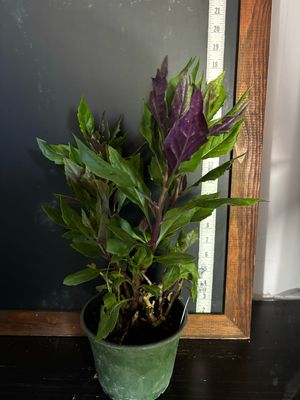
The plant received may not look identical to a representative photograph.
Shipping Schedule
GreenDreams currently ships live plants:
- Every Monday
- Via UPS Ground
- From our nursery in Florida
- Across the continental United States
Tracking information is automatically sent to the email provided with the order.
Best Shipping Region
Our smaller plants are best suited for shipping to:
- Florida
- The Southeastern United States
- Texas
- Other nearby warm-climate destinations
These regions generally experience shorter transit times from our Florida nursery.
Northern and Western United States
We can ship Katuk throughout the continental United States, but buyers in northern and western states should consider:
- Longer UPS Ground transit times
- Greater temperature variation
- Lower humidity
- Cold or heat exposure inside carrier facilities
- Greater potential for leaf drop and dehydration
- A longer recovery period after arrival
Extended ground transit may not be suitable for every small tropical plant. Risk associated with long-distance ground shipping is assumed by the buyer.
California Inspection Delays
California agricultural inspection may hold a shipment for an additional day or longer. This can extend transit time and increase stress on live plants.
Extreme Heat and Cold
Buyer discretion is strongly advised during periods of:
- Freezing weather
- Severe cold fronts
- Heatwaves
- Holiday carrier delays
- Major storms
- Regional shipping disruptions
GreenDreams cannot control temperatures, handling, inspection delays, or conditions inside the carrier network after a package leaves our nursery. We are not responsible for decline caused by extreme temperatures or extended UPS Ground delivery time.
A stressed plant may arrive with:
- Wilted foliage
- Yellow leaves
- Dry leaf edges
- Partial defoliation
- Bent stems
- Paused growth
Many plants can recover with appropriate light, warmth, water, and patience. However, recovery cannot be guaranteed following severe transit stress.
When larger sizes are available, we recommend selecting a larger plant for longer-distance shipping because a larger root system and greater stored moisture may provide better transit resilience.
After Delivery
- Open the box promptly.
- Remove packaging carefully.
- Photograph any visible carrier damage.
- Water at soil level if the root ball is dry.
- Place the plant in bright shade.
- Do not fertilize immediately.
- Do not transplant immediately.
- Wait approximately 30 days or until healthy new growth appears.
- Follow the current GreenDreams live-plant policy regarding any shipping concerns.
🏡 Shop with Us in Person
GreenDreams Nursery & Farm — Retail Nursery Open to the Public
We carry countless plants in larger sizes, along with many rare edible, ecological, tropical, native, and useful plants that may not be listed online.
🌾 18709 US Hwy. 41, Spring Hill, FL 34610
🕘 Tuesday–Friday: 9AM–5PM
🌞 Saturday: 8AM–3PM
Stop by our regenerative nursery to see what is blooming, fruiting, and ready for planting this week.
Local shoppers may find:
- Larger Katuk plants when available
- Other perennial leafy vegetables
- Tropical fruit trees
- Native plants
- Medicinal and useful plants
- Pollinator species
- Food-forest support plants
- Organic soil-building materials
🌿 Beyond the Plant: GreenDreams Services
At GreenDreams, we do more than grow plants—we design, build, and restore ecosystems across Florida.
- 🌳 Onsite consultations and edible-landscape design
- 🚜 Installation and project management
- 🚚 Bulk delivery of compost, mulch, biochar, and soil materials
- 🌾 Large-scale regenerative landscape solutions
Our team can help you determine:
- Where Katuk belongs in your landscape
- How to build a layered food forest
- Which plants work together
- How to improve sandy or compacted soil
- How to create biomass on site
- How to manage irrigation organically
- How to turn an ornamental yard into a productive ecosystem
Let our team help you build a thriving edible paradise—starting with a plant that produces when summer vegetables call it quits.
🌿 IMPORTANT INFORMATION BEFORE PURCHASING LIVE PLANTS
Please note: Plants purchased through our online store are not available for pickup at our retail nursery in Spring Hill, Florida.
Online inventory is housed at a separate facility and is priced, prepared, and handled exclusively for shipping.
🌱 Looking for larger plants or more selection?
Our retail nursery location offers far more availability, including larger sizes, specialty plants, and many selections not suitable for nationwide shipping.
Local pickup is available for retail nursery purchases only.
Visit our Spring Hill, FL retail nursery page to explore in-person shopping options.
🚚 LIVE PLANT SHIPPING & TRANSIT EXPECTATIONS
Live plants naturally experience stress during shipping. Temporary leaf drop, mild wilting, or cosmetic stress is normal after transit. Most plants recover quickly with proper watering, gradual light exposure, and basic aftercare. Some plants may require additional attention during the first few weeks.
Despite careful packing, minor cosmetic damage may occur during transit. Small issues such as broken leaves or stems typically resolve with time and proper care.
If your shipping box arrives with significant external damage, please contact UPS within 30 days to initiate a carrier claim.
⏱️ SHIPPING METHOD, TIMING & TRANSIT WINDOWS
All online orders ship via UPS Ground from our Central Florida nursery.
📦 Shipping Schedule: Orders ship once weekly on Mondays to reduce the risk of packages sitting in transit over weekends. A countdown clock on our website displays the next shipping date.
🚚 Typical Transit Times:
-
Florida: 1–2 days
-
Southern U.S.: approximately 2 days
-
Midwest, West & Northern U.S.: 3–5 business days
Long-distance shipments, particularly to the western U.S., may experience additional transit time due to agricultural inspections in states such as Arizona, California, and Texas.
Extended transit times can be more challenging for small or tender plants and may require additional recovery care after arrival.
🌡️ EXTREME WEATHER & SEASONAL RISK
Live plants are sensitive to temperature extremes.
We cannot guarantee plant condition during periods of extreme summer heat or winter cold and freezing temperatures. Weather-related delays, carrier interruptions, or exposure during delivery are beyond our control.
Customers are responsible for:
-
Monitoring tracking information sent via email
-
Retrieving packages promptly upon delivery
-
Preventing plants from being left outdoors in extreme conditions
During unsafe weather, holiday shipping volume, or extended transit risk, orders may be held and shipped the following week to protect plant health.
⚠️ CUSTOMER RESPONSIBILITY & REFUND POLICY
By purchasing live plants, customers acknowledge and accept the risks associated with shipping, weather exposure, transit delays, and regional suitability.
Refunds or replacements are considered only under exceptional circumstances and in accordance with our return and refund policy. We are not responsible for:
-
Weather-related damage
-
Carrier delays
-
Poor plant selection for a given climate or region
-
Improper care after delivery
Upon purchase, customers assume full responsibility for the ongoing care and success of their plants.
✅ CONSENT & AGREEMENT
By completing a purchase, you confirm that you have read, understand, and agree to all shipping policies, responsibilities, and conditions outlined above.
Our goal is transparency, plant health, and long-term growing success — and we appreciate your understanding and care when ordering live plants.


